







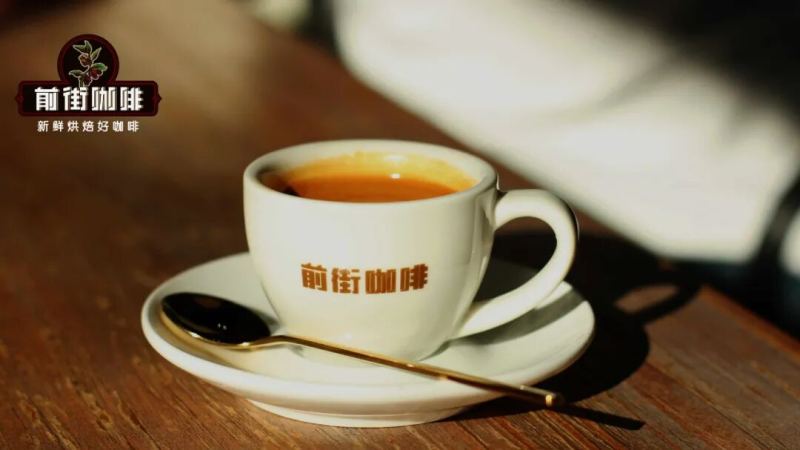
When you go to a café and want to order an Americano or a milk coffee, you often face two options: the default espresso blend, or an SOE that costs extra. At this point, some people might wonder: why is this "SOE" more expensive than a blend? What exactly makes it cost more?
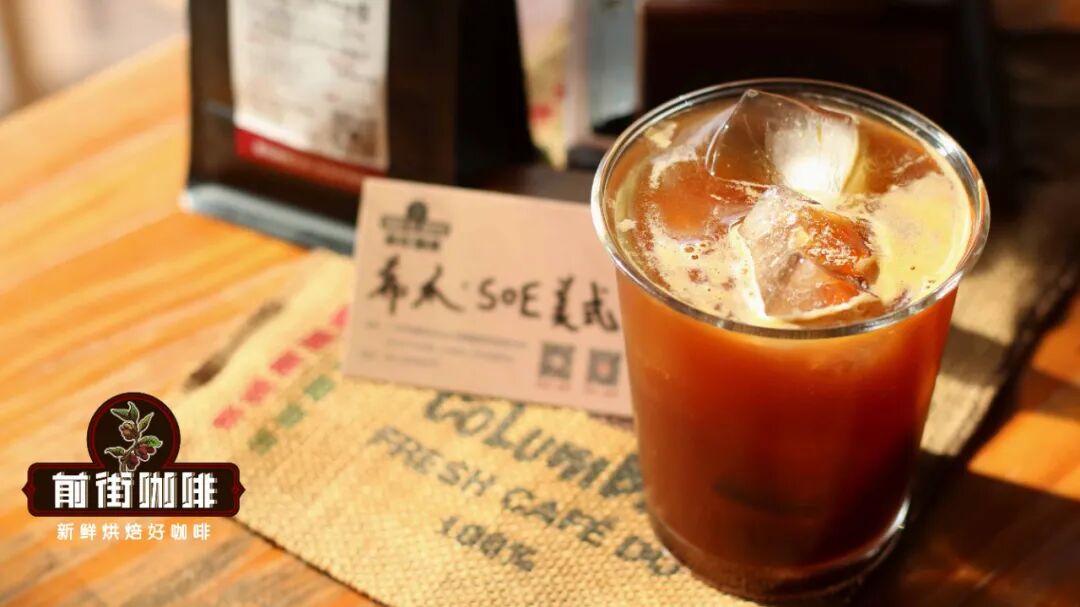
SOECoffee—what on earth is going on with it?
First of all, both SOE and blends are terms that fall under the category of espresso coffee. SOE (single origin espresso) refers to espresso made from coffee beans of a single origin, as distinguished from House Blend Espresso.
In an era before "acidic coffee" became popular, the raw materials used by major coffee shops to make espresso were almost always coffee beans blended from two or more origins. Back then, merchants wouldn't specifically emphasize where the beans came from, nor would they pay much attention to what recipe (ratio) was used. At the same time, according to the mainstream taste of the time, coffee beans were usually roasted to a relatively dark level, which ensured stable extraction and also allowed the espresso to easily develop a beautiful crema and a rich body.
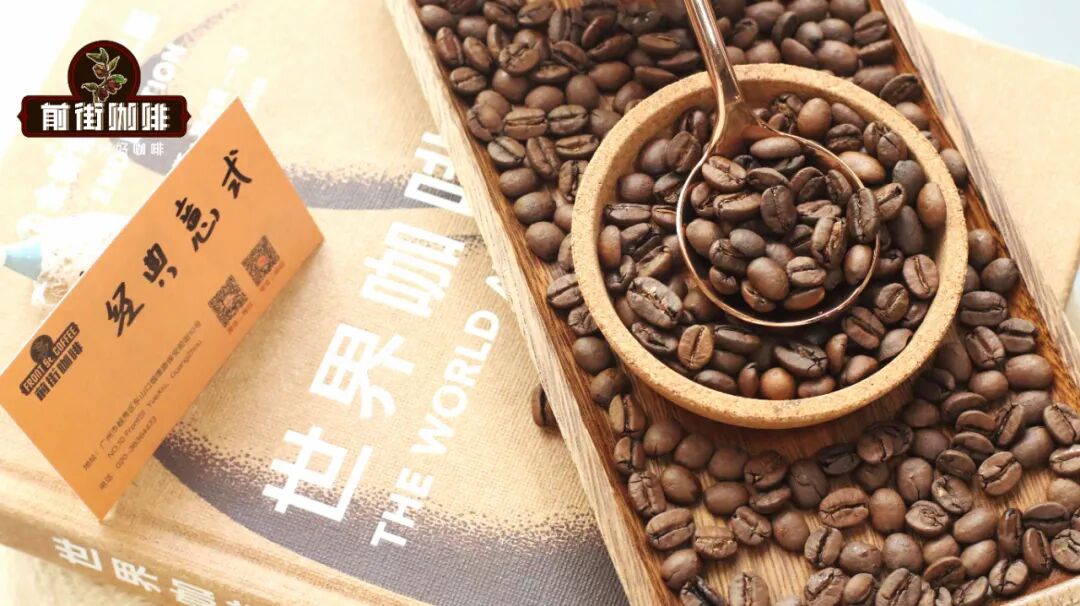
By the 1980s, with the emergence of the concept of "specialty coffee," high-quality single origin beans that emphasized origin flavor rose to prominence, becoming "superstars" on the coffee stage and attracting the attention of roasters and baristas, who sought to uncover even more delicate flavors.
According to Front Street Coffee's understanding, single origin coffees that emphasize origin flavor were initially extracted only by atmospheric methods such as pour-over, siphon, and French press. Then, in 2007,the World Barista Championshipon that stage, competitor James Hoffmann made an espresso from a single origin coffee bean and won the championship with it. Soon after, SOE gradually became popular along with the international competition stage and the wave of specialty coffee.
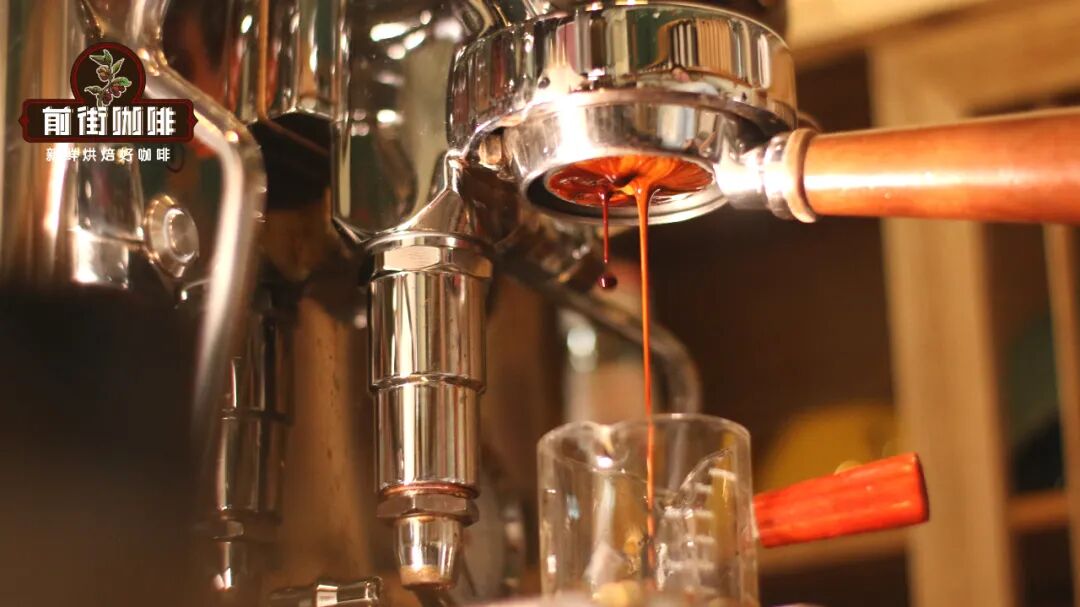
Nowadays, in addition to more and more coffee shops adding SOE to their menus, we can also find "SOE" on major shopping platforms. These coffee beans mostly come with very delicate flavor descriptions such as floral, fruity, tea-like, and fermented wine notes, along with detailed origin information. This shows that SOE has become one of the indispensable products in the coffee market, and with the promotional push from major chain brands, single origin espresso has become even more deeply rooted in people's minds.
Why does switching to SOE cost extra? What makes it expensive?
As for the definition of SOE, E = Espressois beyond doubt, but the explanation of Single Origin is somewhat ambiguous. Theoretically, coffee beans from a certain producing country, region, cooperative, estate, or farm harvested in the same batch all count as single origin coffee. For example, on the blackboard to the left of Front Street Coffee's bar, there are dozens of single origin coffee beans from different origins, and all of them can serve as SOE coffee beans.
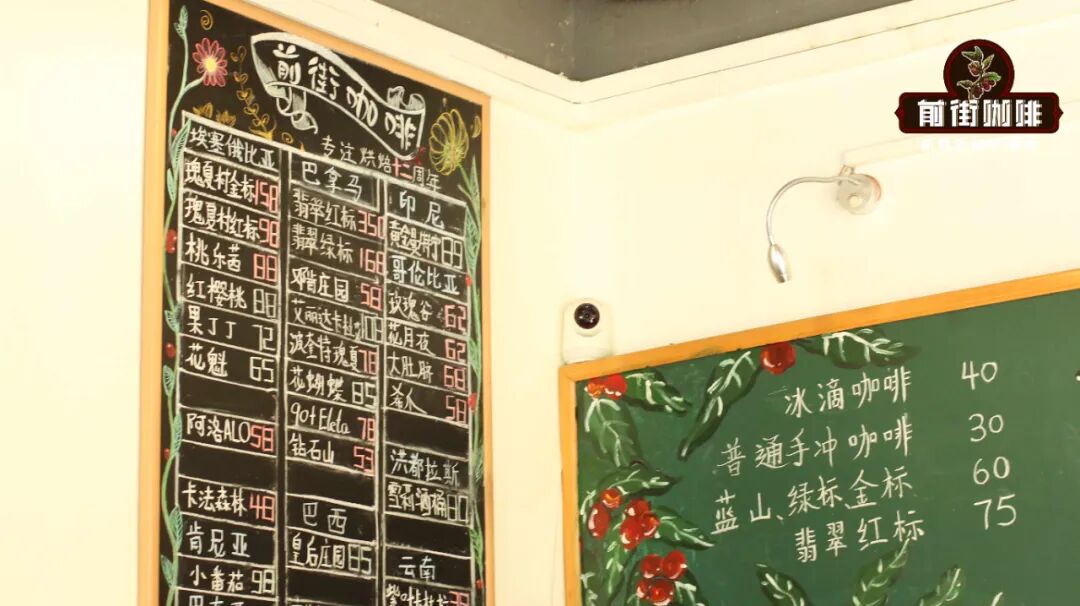
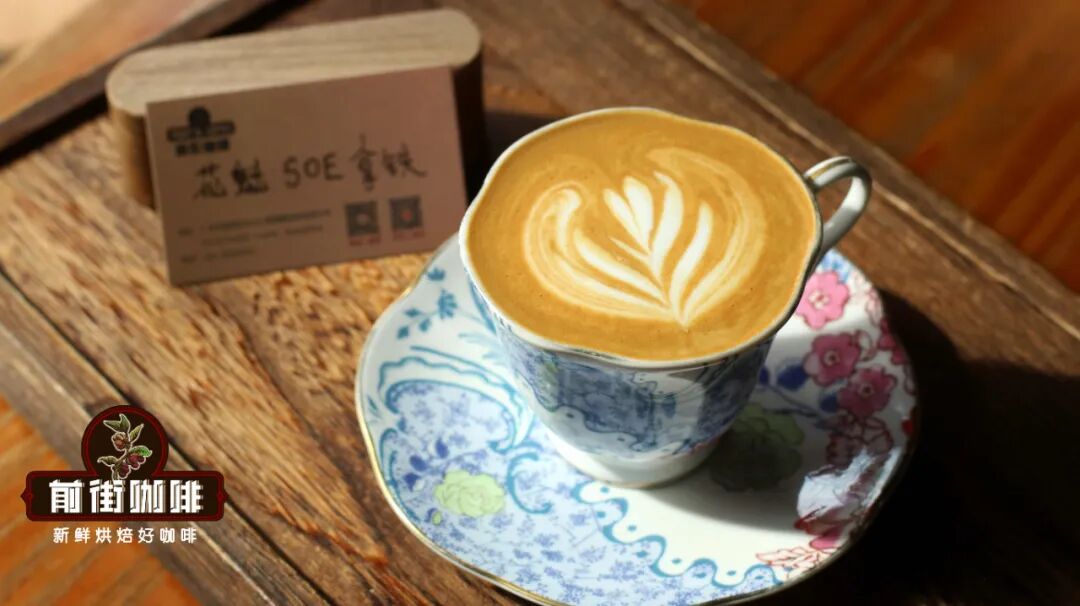
But unlike blends, in order to make SOE different from traditional "bitter coffee," merchants will prioritize single origin beans with higher recognition and more prominent flavors, especially coffees roasted to a light-to-medium level, because only in this way can espresso highlight individualistic flavors—such as Front Street Coffee's Yirgacheffe with its citrus acidity, Front Street Coffee's Hualu with its berry notes, Front Street Coffee's honey-processed Geisha with its sweetness, Front Street Coffee's Kenya with its tomato aroma...
In short, the more recognizable the coffee, the easier it is for people to remember the characteristics of that particular SOE. From a cost perspective, higher-quality single origin beans are somewhat more expensive than ordinary blends, so naturally an extra charge is required.
Why doesn't Front Street Coffee offer SOE coffee?
Many friends think that SOE is simply taking single origin beans and using them directly to make espresso. Front Street Coffee has so many single origin beans—so why doesn't it offer SOE coffee?
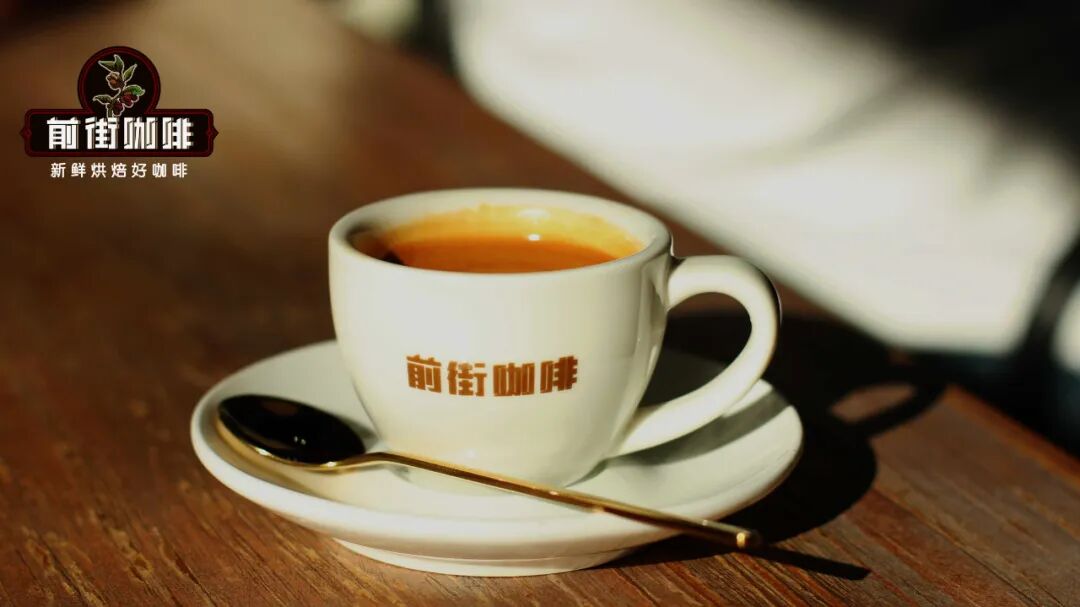
In fact, for a barista, ensuring that SOE tastes good while also maintaining stable output is truly no easy task. Unlike pour-over, espresso is a pressurized extraction, so it more easily magnifies the characteristics of the coffee beans exponentially, andSOE coffee is mostly light-roasted, the beans are harder in texture, and it requires a finer grind and a longer extraction time, so a slight misstep can lead to over-extraction or under-extraction, and the coffee will end up either bitter or sharply sour.
Front Street Coffee has encountered this situation before—drinking a very goodSidamoSOE flat white at a coffee shop, then going back some time later and ordering the same coffee, only to find it wasn't as delicious as before. After asking, it was learned that the beans had not changed batches, nor had the roasting curve been altered. That means the main issue lay in the extraction of the espresso, which caused the finalSOE flat white to undergoa change.
In Front Street Coffee's view, consistency in output is very important. This is reflected in adjusting parameters before opening the shop each day, as well as stable extraction throughout the day. If all the single origin beans on Front Street Coffee's bean list were applied to SOE, not to mention whether the equipment could keep up, simply finding the corresponding parameters for espresso (grind size, dose-to-yield ratio) would already be an extremely tedious task. And in the end, one would still have to customize for different flavor types of coffeeSOEAmericano,SOElatte,SOE Dirty... Just thinking about it gives youa headache.
The above content is compiled by CoffeeHunters, a coffee news website.


