







Search Results for: Coffee insulation
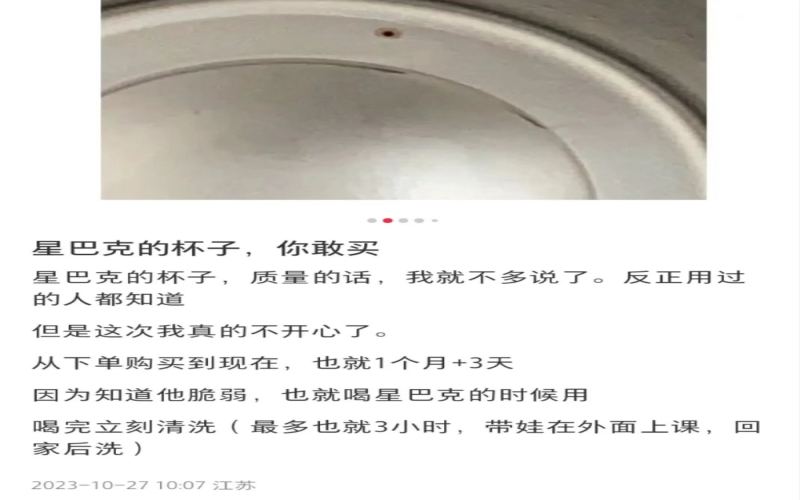
Rust Spots Found in Starbucks Stainless Steel Insulated Tumbler's Interior Spark Quality Controversy, Drawing Attention to Consumer After-Sales Rights Protection
It is no longer news that chain coffee brands sell merchandise. Products such as cups, pins, and canvas bags can not only increase revenue but also cultivate fan loyalty. However, once merchandise has quality problems, after-sales disputes follow one after another. Recently, a netizen posted that the bottom of the inner liner of a stainless steel insulated cup they bought from Starbucks had black rust spots, and when they asked the official side for a replacement, they were refused on the grounds that it was "beyond the after-sales time limit." The post resonated with a large number of consumers. Some complained that quality control was worrying, while others believed that the way it was used might be the key. Three days after the incident gained traction, the blogger updated the progress, saying that Starbucks had agreed to replace it. Who is actually responsible in this dispute? And how should brands balance the appearance and quality of merchandise? [more…]
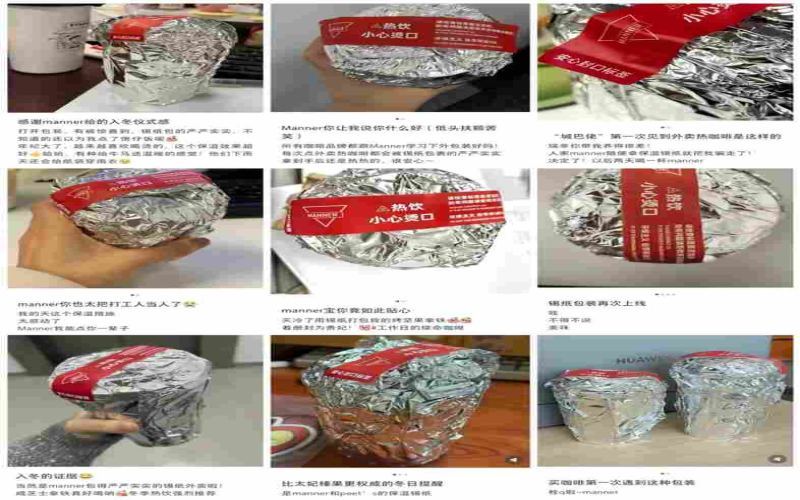
Manner's winter foil insulation packaging returns, customers touched while staff under pressure
As the cold season arrives, Manner Coffee has once again introduced foil packaging to keep takeaway hot drinks warm, a move that has sparked widespread discussion on social media. Many customers are touched by the brand's thoughtful detail, believing that the foil effectively maintains the drink's temperature and improves the takeaway experience. However, store employees face extra work pressure, especially during peak ordering periods, when packing efficiency is affected. This article reviews the history of Manner's foil packaging, analyzes the different perspectives of customers and employees, and explores whether there are better insulation solutions. [more…]
Three Common Pitfalls in Keeping Hot Coffee Warm: Misconceptions About Heaters, Microwaves, and Insulated French Presses
Many people prefer to finish their coffee while it is still steaming, because the aroma is at its most vibrant when the temperature is high. But once they cannot finish it, some choose to keep reheating it or repeatedly warming the cup, unaware that if these methods are done improperly, they can instead cause the coffee to lose its aroma, make the taste bland, and even bring out a burnt, bitter flavor. This article sorts out the three most common mistakes people make when keeping hot coffee warm in daily life—using a heater to keep it warm continuously, putting it in the microwave to heat it, and storing coffee in an insulated French press—and explains one by one their specific effects on flavor. At the same time, it offers a simple and reliable alternative: switch to a thermos and rely on the coffee's own temperature to maintain its heat. At the end, it also includes Front Street Coffee's reminder about re-brewing coffee grounds, to help you enjoy a good cup of coffee more completely. [more…]
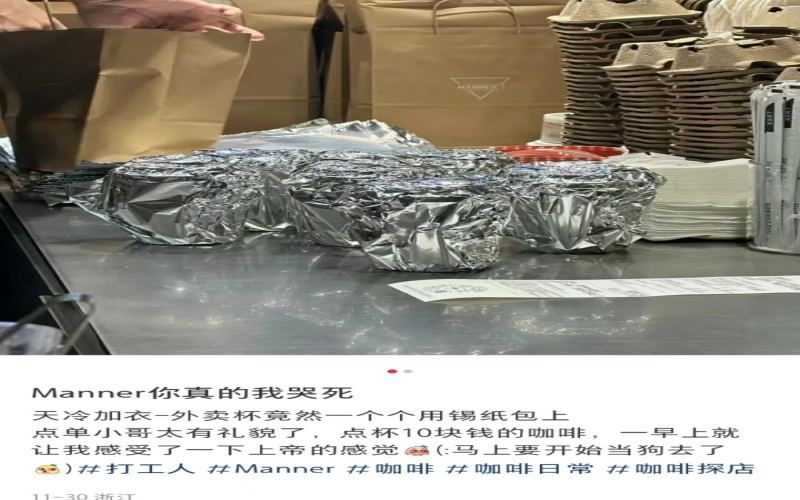
Manner's foil-wrapped hot coffee for insulation goes viral: thoughtful detail or excessive packaging?
When the December cold wind picks up, friends who order hot coffee delivery start worrying again: by the time it arrives, it's often just lukewarm, and drinking it is really not comforting enough. To preserve that warm sip, coffee shops are pulling out all the stops. Recently, netizens noticed that Manner's baristas wrap each hot delivery cup in shiny silver foil, as if adding a winter coat to the cup—a sight that is both surprising and a bit amusing. Some joked that spending ten yuan on a coffee actually gave them the feeling of being cherished. Is this layer of foil just for show, or can it really lock in the heat? Consumer feedback is almost unanimously one-sided: when peeling off the foil, the contents are shockingly hot, so much so that you have to turn on a fan to cool it down. In fact, this is not Manner's first year trying it out; it was already implemented last year. Behind heat preservation lies a common drinking principle: as temperature drops, acidity and bitterness become more pronounced. Is Manner's move just formalism or a scientific plus? Front Street is here to take you on a deep dive. [more…]
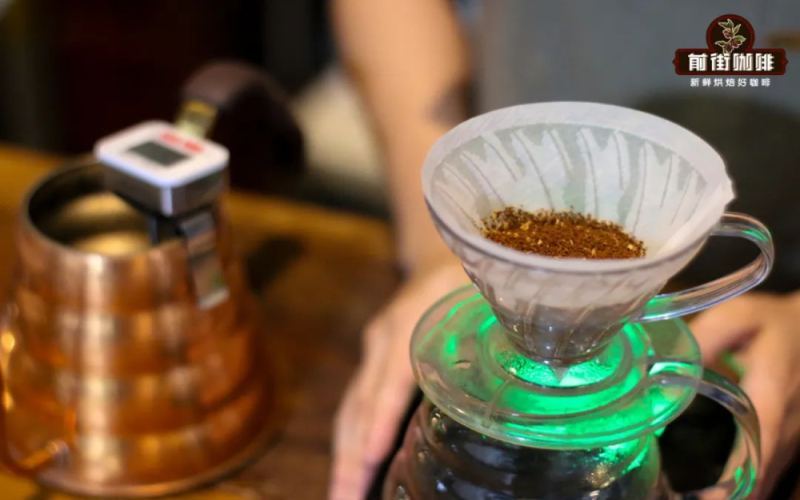
What temperature should you set for pour-over coffee in winter? Changes in slurry temperature and practical insulation tips
After the weather turns cold, many coffee enthusiasts find that using the same brewing parameters makes their coffee taste weak and lacking in sweetness. The problem often lies in the water temperature—a low-temperature environment accelerates heat loss, causing the actual extraction temperature to be lower than expected. Through actual testing, Front Street has found that at the same initial water temperature, there is a clear difference in the temperature of the coffee bed between summer and winter. This article will analyze the gap between the water temperature in the kettle and the extraction temperature, provide specific recommendations for adjusting water temperature in winter, and share practical techniques to reduce heat loss, helping you consistently produce a cup of pour-over coffee with full flavor even in the cold season. [more…]
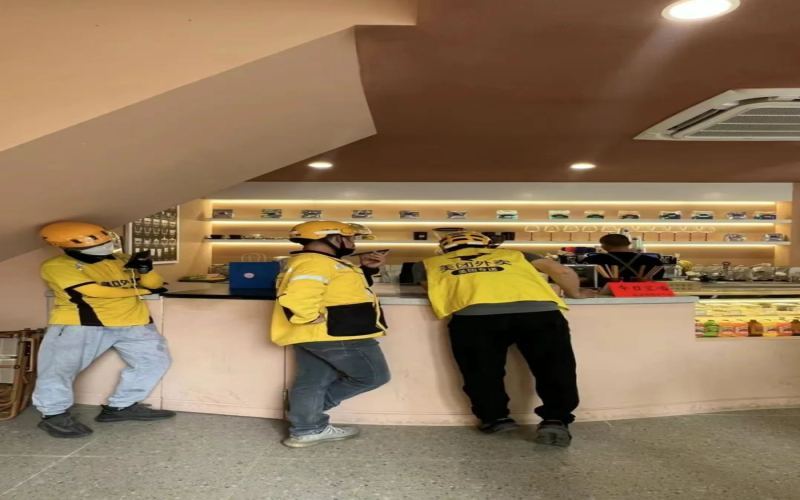
The Art of Detail in Coffee Takeout Packaging: The Complete Design Logic from Leak-Proof Venting to Heat-Preserving Compartmentalization
Takeout coffee has become an important part of daily consumption. From the moment a store hands off an order to the moment a rider delivers it, packaging design directly determines whether the cup of coffee the customer receives is intact, whether the temperature is right, and whether the taste is as good as it was fresh. Behind a cup of takeout coffee lies a series of detailed considerations: vent holes, leak-proof paper, foil insulation, separate packing and bagging, and even rain bags and custom packing boxes. These seemingly inconspicuous packaging steps not only affect order efficiency and the consumer experience, but also serve to spread word of mouth for the brand. This article will break down, one by one, the often-overlooked tricks of the trade in coffee takeout packaging, and look at how merchants strike a balance between preventing spills, keeping coffee warm, and preserving taste. [more…]
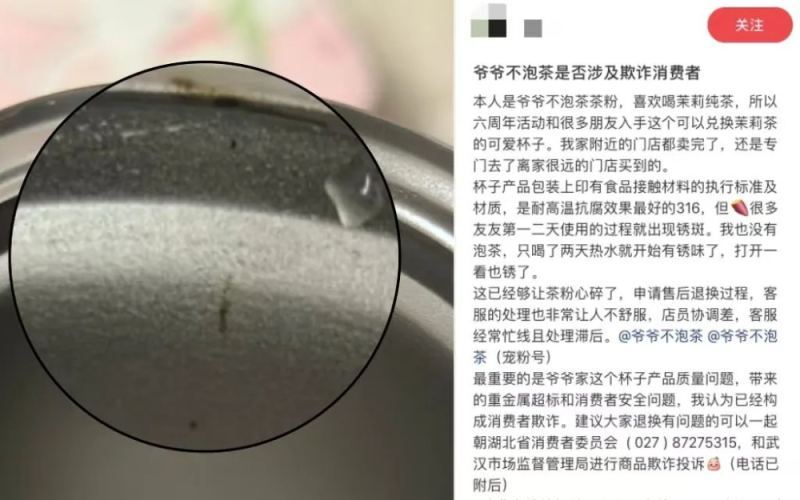
Grandpa Doesn't Brew Tea Limited Edition Insulated Cup Inner Liner Rusts; Official Recall Initiated After Testing, Cause Announced
The chain milk tea brand Grandpa's Tea launched a limited-edition garden thermos to celebrate its sixth anniversary, attracting many fans to collect the merchandise. However, some consumers discovered rust at the rim of the cup along with a strange odor after use, raising concerns about product quality. Multiple users posted about similar issues on social media, yet the after-sales handling failed to satisfy consumers. After media reports on October 22, the brand took the matter seriously, sent the product for testing, and released preliminary investigation results confirming that the metal inner liner was indeed 316 stainless steel, and that the rust was caused by the manufacturing process, after which it immediately initiated a recall of the affected batch of thermoses. Front Street Coffee reminds coffee lovers that when choosing a thermos, they should pay attention to material and craftsmanship details, and promptly defend their rights if they encounter quality issues. [more…]
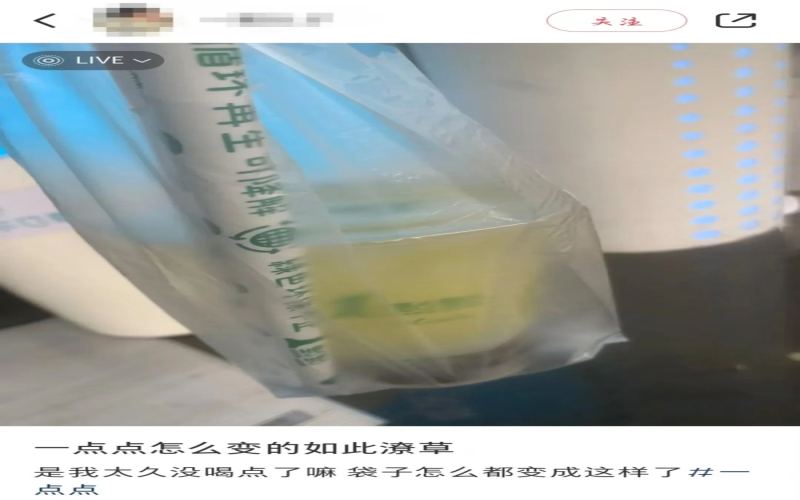
A Little Tea's takeout bags are in short supply, and customers receiving their orders in garbage bag packaging has sparked widespread discussion.
Recently, some consumers reported that when buying a cup of Yidiandian milk tea at a store, staff actually packed the drinks in thin transparent plastic bags or even black garbage bags, sparking heated discussion online. Behind this is not stinginess on the part of the store, but the fact that the paper bags promised by headquarters as replacements had still not arrived, leaving some stores in the awkward situation of "having no bags to use." Employees revealed that before the Chinese New Year, headquarters notified them that plastic bags would be replaced with paper bags, but there has still been no sign of them, and they were instead told they would have to wait until April. During this period, they went through the Chinese New Year and Valentine's Day consumption peaks, and many stores saw their packing bag inventories run critically low. At a time when many chain brands are launching co-branded paper bags, Yidiandian's insistence on plastic bag packaging has also sparked polarized discussion among fans. This article will walk you through the whole incident and the reactions from all sides. [more…]

How to Choose the Water Temperature for Pour-Over Coffee? A Full Analysis of Suitable Temperatures for Light and Dark Roasts and Insulation Details
When brewing pour-over coffee, even if the water quality, technique, and timing are all normal, under-extraction can still occur, and the problem often lies with the water temperature. Beans of different roast levels have different water temperature requirements: light-roasted beans are dense and need higher water temperatures, while dark-roasted beans have a loose structure and are better suited to lower water temperatures. Front Street Coffee typically uses 91~93°C for light-roasted beans and 86~89°C for dark-roasted beans, making fine adjustments based on the condition of the beans and the grind size. In addition, details such as the pouring height and whether the kettle spout and dripper are preheated can also affect the actual water temperature, thereby changing the extraction effect. This article will analyze the logic of water temperature selection in detail and share how to maximize the efficiency of hot water through operations such as preheating, making the coffee flavor more pleasant. [more…]
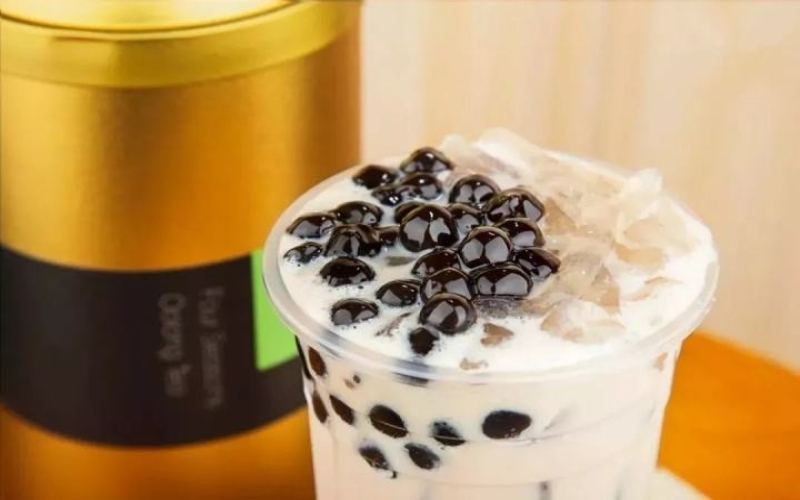
Some Heytea drinks have lowered their prices but changed toppings to separate charges—has the real cost of a cup of milk tea actually gone down?
Milk tea brands are shouting about price cuts while charging separately for toppings, delivery fees, and insulated bags—is that cup in consumers' hands really cheaper? This article starts with the ordering experience on Heytea's GO mini-program, breaking down the actual unit price of a 9-yuan Pure Green Tea after adding toppings, delivery fees, and other extra charges, and, in light of tea shop density, delivery efficiency, and the industry's cost structure, analyzes how this round of price cuts looks more like a marketing move than a genuine giveback. It also cites estimates from a researcher at the Guangdong Tea Beverage Industry Committee on the costs and gross margins of high-end milk tea, helping coffee and tea enthusiasts see the ledger behind the price. [more…]
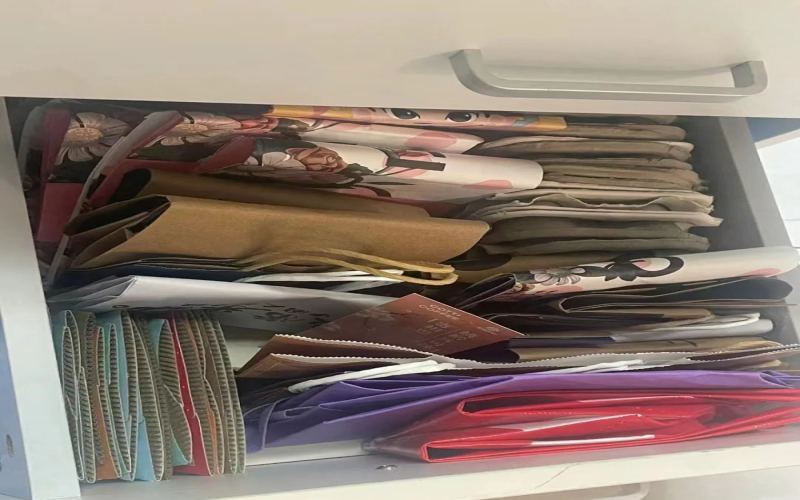
Don't Throw Away the Paper Bag! Turn Coffee Packaging into Electric Scooter Handlebar Grips and Storage Essentials
As 2023 draws to a close, it's worth looking back and counting just how many cups of coffee and milk tea you drank this year—there's a simple, blunt way to do it: see how many drink packaging bags you've stockpiled at home. Some of these bags are nicely designed, some are sturdy and durable; throwing them away feels wasteful, but keeping them takes up space, and the more they pile up, the more they become a burden. So netizens have come up with creative ideas, transforming packaging bags into storage boxes, tissue covers, commuter bags, and even journals; now that winter has arrived, they've unlocked a new skill—using coffee paper bags to make handlebar covers for electric bikes, which are windproof and save money, and can be upgraded into thermal bags for waterproof warmth. This article compiles these practical DIY ideas and includes related recommendations from Front Street Coffee to help you turn "junk" into little joys in life. [more…]
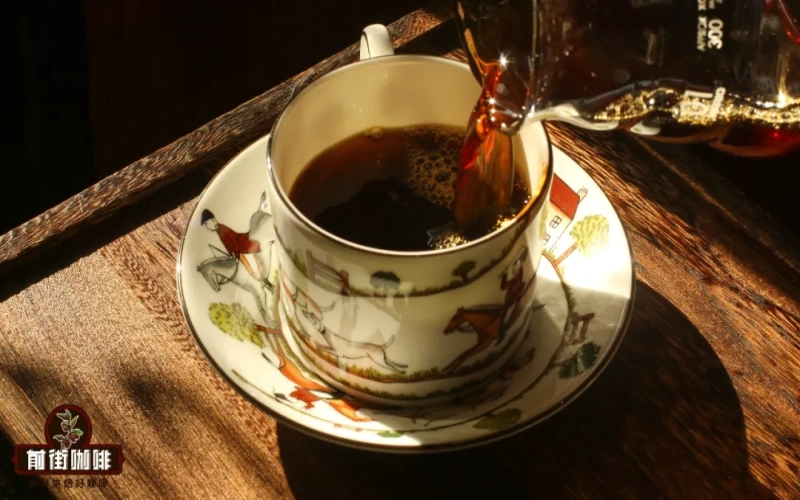
How long can the flavor window of pour-over coffee be extended if stored in a thermos? Which coffee beans are suitable for drip brewing?
Freshly brewed hot coffee often has a peak flavor window of less than an hour—once the aroma dissipates and the temperature drops, the taste degrades significantly. This is a common frustration for many coffee lovers. Is there a way to make coffee stay delicious for longer? The answer is to pour it into a thermos. The combined effects of sealing and insulation can significantly slow aroma loss and temperature decline, extending the enjoyable period to two or three times its original length. Front Street Coffee once conducted a test with Panama Boquete Geisha, and the results showed that coffee in a thermos performed excellently for the first two hours, began to decline noticeably by the third hour, and after about three hours was almost only flat. Of course, a thermos is not a cure-all—coffee stored too long in the bottle still carries a risk of bacterial growth, so drinking it as soon as possible is best. This article will explain from three aspects: principles, experiments, and practical suggestions. [more…]
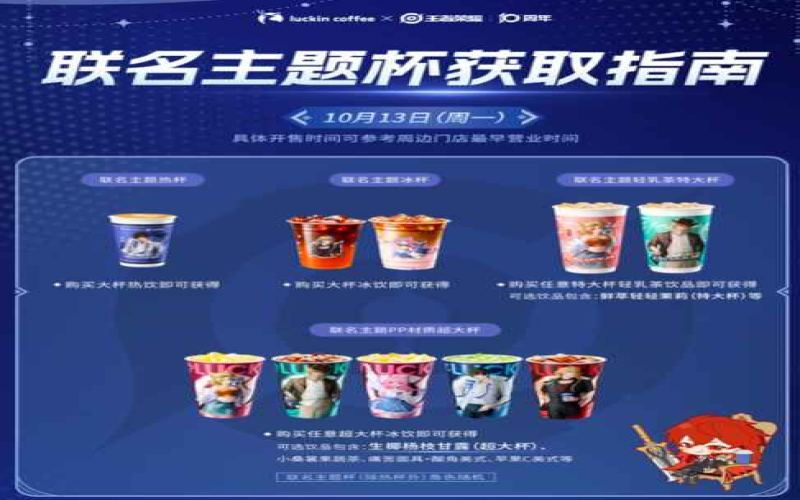
Luckin Coffee Teams Up with Honor of Kings to Launch Ten Co-branded Themed Cups, Store Employees Say the Pressure to Identify Them Is Intense
Luckin Coffee's collaborative campaign with the hit mobile game Honor of Kings has officially launched, coinciding with the game's tenth anniversary celebration and drawing widespread attention from players. The collaboration features a special drink inspired by in-game equipment called "Pain Mask · Tamarind Americano," along with merchandise such as hand fans, insulated tumblers, and gold-stamped badges. During the campaign, stores nationwide are using a three-piece collaboration set consisting of takeaway cups, cup sleeves, and paper bags, with the most eye-catching item being as many as 10 themed cup designs covering 5 game characters. The rich variety has thrilled players but placed a double burden on store staff in terms of identification and stocking. Front Street Coffee continues to follow developments in the coffee industry and brings you frontline observations. [more…]

From Saucer to Handle: The History and Artistic Testimony of How Seventeenth-Century Europeans Drank Coffee from Saucers
Today, a coffee cup and saucer are mostly just a coaster and a decorative item. But in Europe before the eighteenth century, the saucer was the "star" of coffee drinking. In 1640, the Dutch brought coffee from Mocha in Yemen to the Netherlands, and from there it spread throughout Europe, quickly making coffee drinking a fashion among the upper classes. At that time, Europe had not yet mastered porcelain-making technology and could only import thin, light porcelain cups from China—yet these cups had no handles, making the freshly brewed coffee too hot to hold. So people poured the coffee into the saucer to cool it, then sipped it the way modern cuppers do. It was not until the eighteenth century, when the Germans mastered porcelain production and handled porcelain cups became widespread, that the habit of drinking coffee from the saucer gradually faded away. This history has also been recorded in many paintings, so let's look together at the coffee stories in those still lifes and figure paintings. [more…]
Can the self-service coffee model succeed? Examining the opportunities and challenges of craft-beer-style operations through two stores in Wuhan and Guangzhou
In recent years, a new format has emerged in China's coffee market—self-service coffee shops, where consumers pay a fixed fee and can then drink unlimited cups of various freshly brewed coffees, a model much like a craft beer bar. Wuhan's first self-service coffee shop opened with a 22-yuan wristband for all-day unlimited drinking of 6 freshly brewed coffees, and after 5 p.m. it even offers half price, quickly attracting attention on social platforms. Guangzhou had previously also seen a self-service store offering only two kinds of coffee, black and white, with 8 insulated buckets lined up on the bar, dispensing coffee at the press of a button. This type of model focuses on speed, low cost, and a multi-flavor experience, but it also faces shortcomings such as dependence on foot traffic for site selection, difficulty ensuring product quality, and a lack of atmosphere and social attributes. Can self-service coffee truly spread across the country and become a new normal in coffee consumption? This article will explore this in light of examples and industry views. [more…]
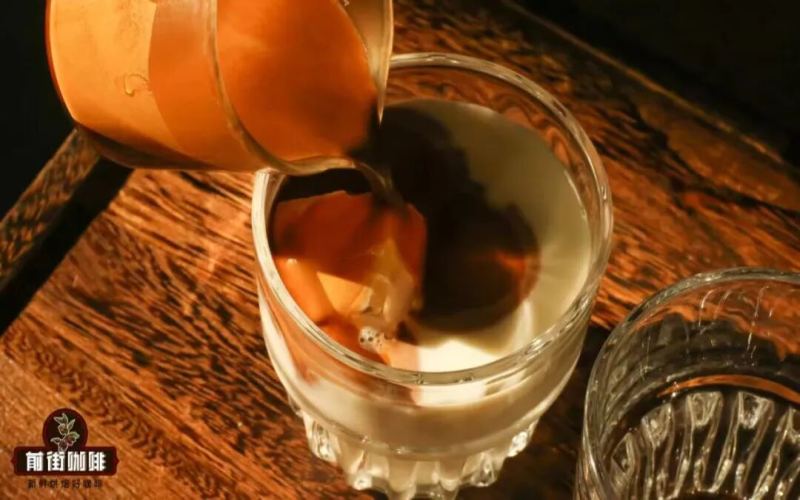
Espresso Milk Coffee | What Is a Dirty Coffee and How Does It Differ from an Iced Latte? What Are the Differences in How You Drink a Dirty and an Iced Latte?
Since the ingredients used to make a Dirty and an iced latte are exactly the same—both are iced milk plus espresso—and they look much the same, both featuring a layered structure created by the milk and the espresso, Front Street Coffee often gets asked by customers drinking iced lattes: "Both are iced milk plus espresso, so what's the difference between a Dirty and [more…]
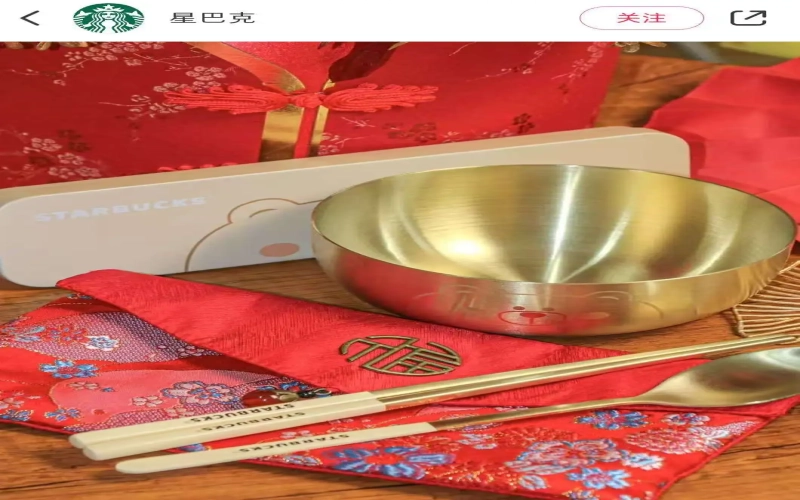
Starbucks Limited Edition Gold Bowl Sparks Buying Frenzy: Stainless Steel but Limited to 45°C, Netizens Joke It Can Only Be Used for Begging Ice Americanos
Starbucks partnered with Ele.me to launch the "Special Delivery" "Fortune Bowl" holiday set. During the promotion, customers who order designated two-cup drinks or add 39.9 yuan can snap up the co-branded golden rice bowl. Although this food-grade stainless steel merchandise comes with an anti-scald bowl sleeve and heat-insulating bowl mat, the bottom is labeled "suitable temperature <45°C," creating a contrast with its original purpose of holding hot food and prompting netizens to joke that "for alms, you can only beg for iced Americanos." Since each store has only one in stock, the rush to buy created a tense atmosphere. Some people got one easily, while others encountered problems such as failed add-to-cart attempts, canceled orders, or even sudden price changes. Starbucks explained this as a system bug. [more…]
A Detailed Guide to Four Coffee Brewing Methods: Operational Essentials for Siphon, French Press, Pour-Over Drip, and Cold Brew Iced Coffee
To brew a cup of coffee with rich layers of flavor at home, choosing the right equipment and mastering the correct technique are equally crucial. This article systematically introduces four mainstream coffee brewing methods—the siphon (vacuum) coffee maker, the French press, the paper-filter pour-over dripper, and cold-water iced coffee—breaking down each one's equipment features, suitable grind size, coffee-to-water ratio, and detailed operating steps, along with practical tips. Whether you are a coffee enthusiast just starting out or an advanced player hoping to refine your technique, you will find a brewing method that suits you. The article also specifically recommends related products from Front Street Coffee to help you start your home coffee journey more easily. [more…]
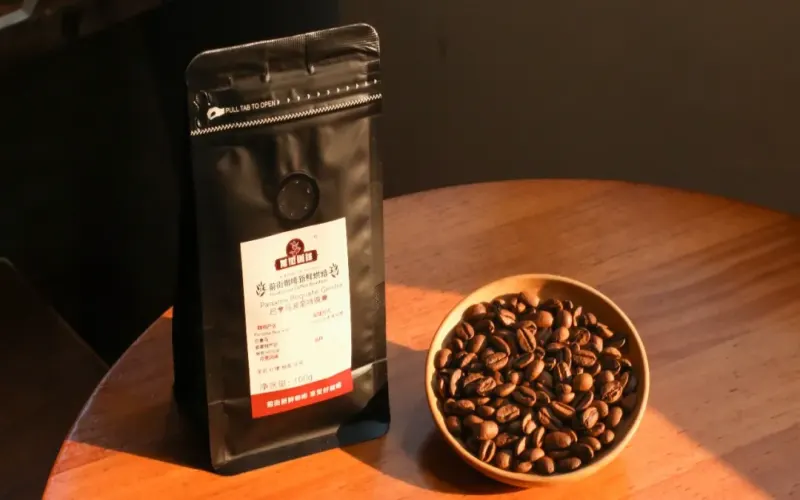
How Long Do Coffee Beans Stay at Their Best After Opening? A Detailed Guide to Pour-Over Bean Shelf Life and Proper Storage Methods
How long can coffee beans last after opening? This is a question many pour-over enthusiasts often ask. Oxygen is the number one enemy of coffee bean freshness—the more it is exposed, the faster the aroma dissipates and the shorter the window of peak flavor becomes. However, oxygen is not the only factor; the humidity, temperature, light exposure, and choice of container in the storage environment are equally critical. This article will break down the reasonable flavor window for coffee beans after opening, compare the pros and cons of different storage methods, and share the thoughtful details of Front Street Coffee's packaging design, helping you preserve the alluring flavor of your coffee to the greatest extent possible. [more…]
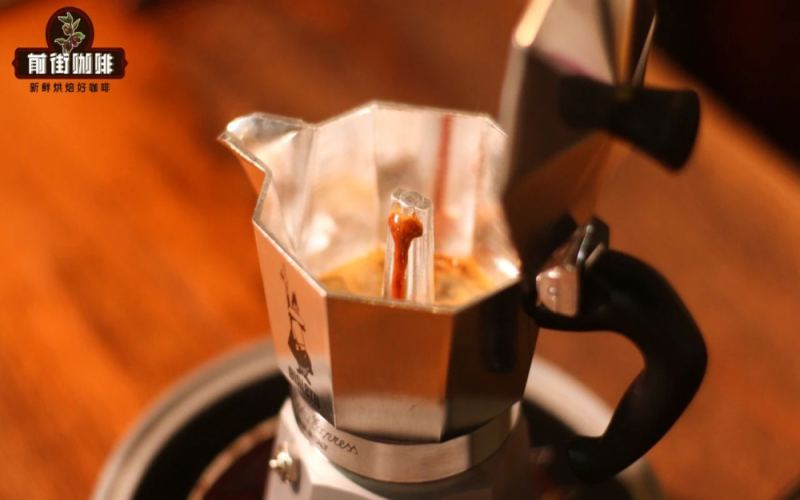
Moka Pot Brewing Precautions | Can Improper Use of a Moka Pot Explode and Injure Someone? What Are the Moka Pot Mistakes Coffee Beginners Need to Watch Out For?
For more specialty coffee knowledge, please follow our WeChat public account: Front Street Coffee (FrontStreet Coffee). In daily life, Front Street often hears a saying: "For safety reasons, it's best not to use a moka pot." Why is that? Why is using a moka pot not recommended? [more…]