







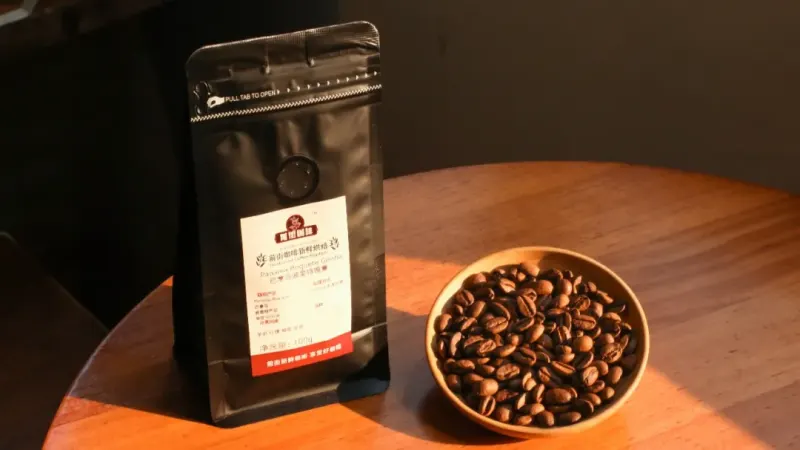
How Long Do Coffee Beans Stay Fresh After Opening?
How long do coffee beans stay fresh after opening? Oxygen is the main enemy of freshness, causing aroma to fade and flavor to decline. However, humidity, temperature, light, and container choice also matter. This article examines the flavor window after opening, compares storage methods, and explains how Front Street Coffee's packaging helps preserve the taste of your pour-over coffee.
Many have asked Front Street about this. Oxygen is only one factor. The flavor window also depends on storage environment and method. Humidity, temperature, light, and container all affect aroma. Without these variables, the window is roughly 45 days. Poor storage can shorten it quickly. One study using gas chromatography-mass spectrometry found that bean bags with one-way exhaust valves kept coffee fresher than sealed canisters.
How long can coffee beans last after opening? This is a question many pour-over enthusiasts often ask. Oxygen is the number one enemy of coffee bean freshness—the more contact there is, the faster the aroma dissipates and the shorter the flavor window becomes. However, oxygen is not the only factor. The humidity, temperature, light exposure of the storage environment, and the choice of container are equally critical. This article will analyze in detail the reasonable flavor window of coffee beans after opening, compare the pros and cons of different storage methods, and share the thoughtfulness behind Front Street Coffee's packaging design, helping you preserve the captivating flavor of your coffee to the greatest extent possible.
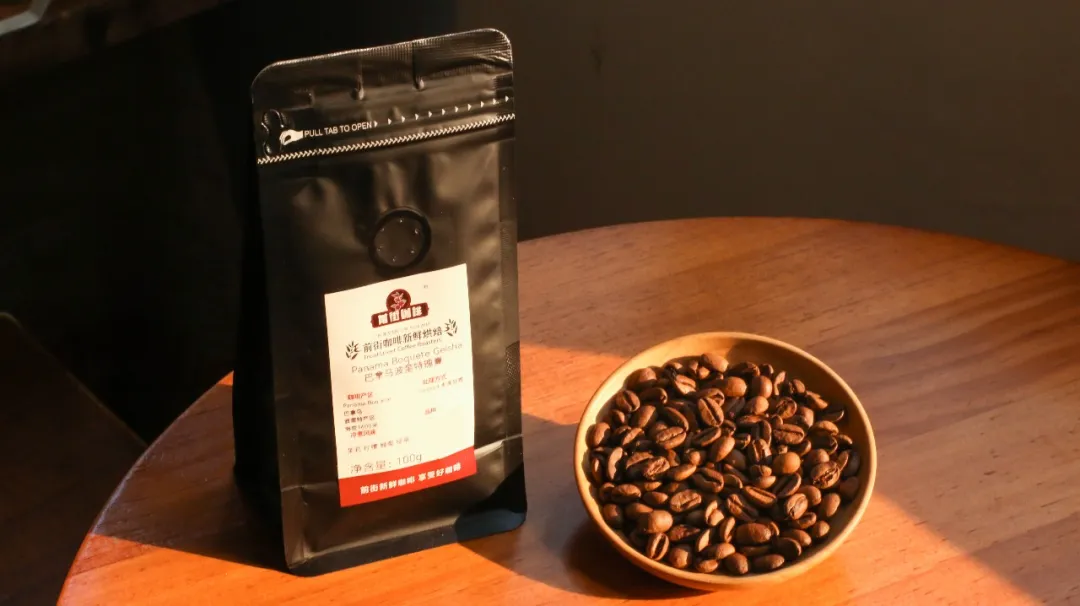
Quite a few friends have raised this question with Front Street because everyone knows deep down that oxygen is the number one enemy of coffee bean freshness. The more coffee beans come into contact with oxygen, the faster the aroma dissipates. Once the coffee bean bag is opened, the environment inside the bag changes immediately. A large influx of oxygen accelerates the escape of aroma, and the flavor window of the coffee beans shrinks accordingly (it should be noted that the shelf life remains one year—it's only the aromatic aspect that changes). So exactly how much does it shrink?
To be honest, it's hard to give a precise answer to this question. As Front Street has mentioned, oxygen is only one of the factors affecting freshness. Beyond oxygen, the flavor window of coffee beans also depends on the storage environment and storage method. The humidity, temperature, light intensity of the environment, and the container used all affect the aroma of coffee beans. If we completely ignore these variables and look at it in isolation, the flavor window of coffee beans after opening is roughly one and a half months, or around 45 days.
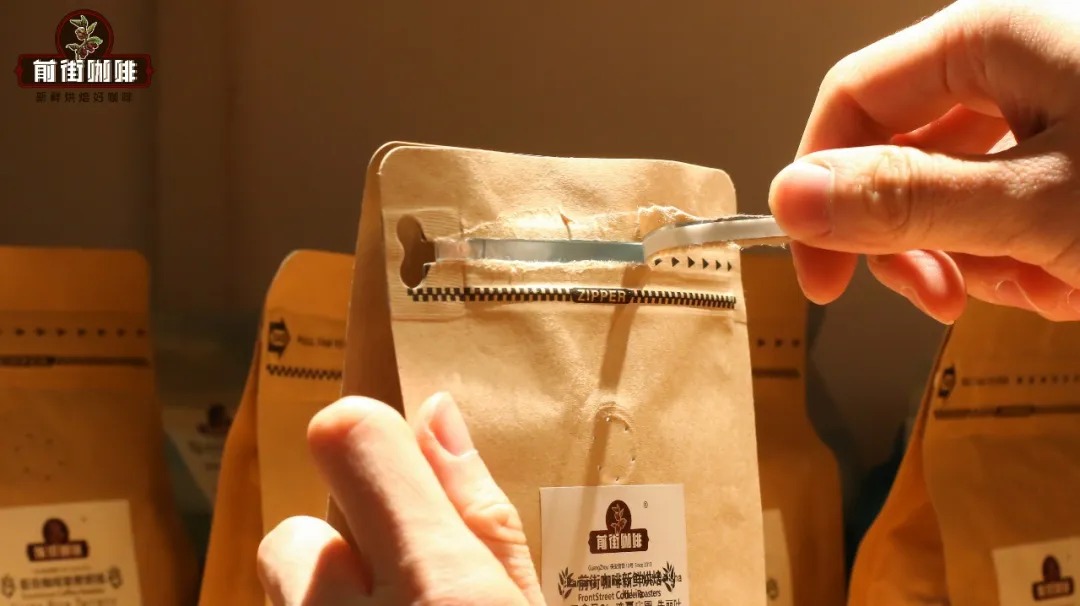
In reality, however, we cannot disregard these factors. Once the storage environment or method is chosen poorly, the flavor window of coffee beans will shrink dramatically from the baseline. For example, a research team once used gas chromatography-mass spectrometry to analyze changes in coffee aroma compounds under different storage conditions. The results showed that coffee beans stored in bean bags with one-way exhaust valves had a longer flavor window than those stored in sealed canisters (non-vacuum) or other similar containers. The reason is not complicated—the former is exposed to relatively less oxygen and other adverse factors.
At this point, some may ask: how exactly do other factors affect the coffee's flavor window?
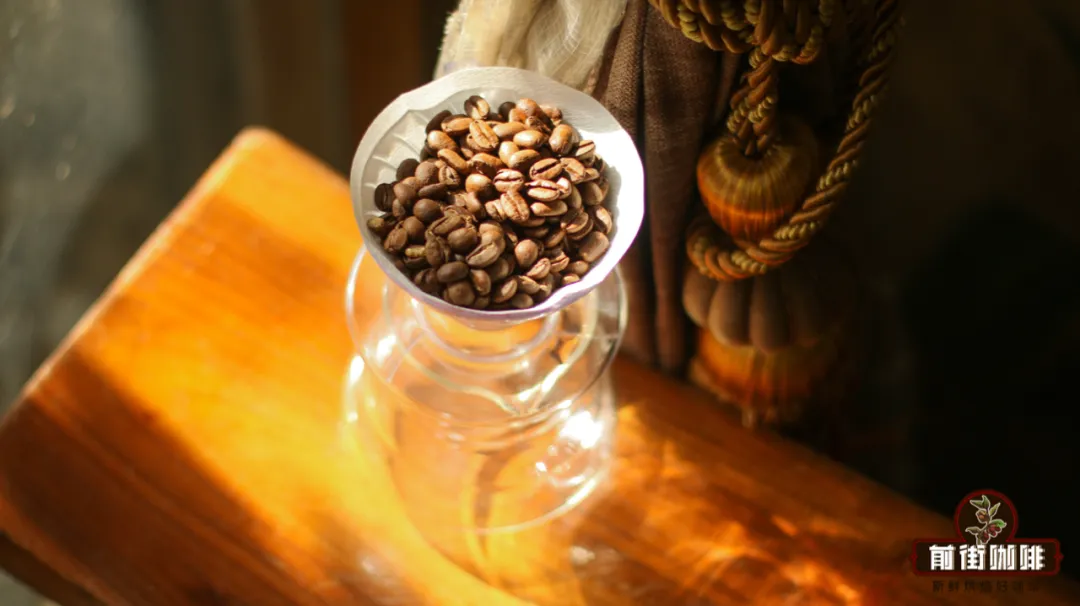
Take ambient humidity, for example. As is well known, coffee beans have the property of absorbing moisture and odors—dry coffee beans will absorb odors and water molecules from the air. If coffee beans are stored in a humid environment, they easily become damp and deteriorate, ultimately affecting their aromatic performance. Moreover, every time we scoop beans we have to open the bag, so the coffee beans inevitably come into contact with moisture. The principle behind keeping them cool and away from light is similar. High temperatures and strong light both accelerate the volatilization of aromatic compounds in coffee beans, so if you want to slow down aroma loss, it's best to store coffee beans in a cool, dark place. In the earlier case, the reason coffee bean bags outperform most storage containers is precisely that the bags are specially designed to slow the shortening of the flavor window.
Take Front Street as an example. The packaging used for the coffee beans Front Street sells on Taobao and Tmall is a type of bean bag that reduces oxygen ingress while providing heat insulation and light protection. Friends who have bought Front Street beans will notice a one-way exhaust valve on the bag, which allows carbon dioxide inside to escape while blocking external oxygen from entering. In addition, the inner layer of the bag is made of aluminum foil, which effectively insulates against heat and light, reducing the interference of environmental factors on the coffee beans. Therefore, Front Street usually recommends that, until you have a superior storage container such as a vacuum canister, you can simply keep using the original bean bag to store your coffee beans.
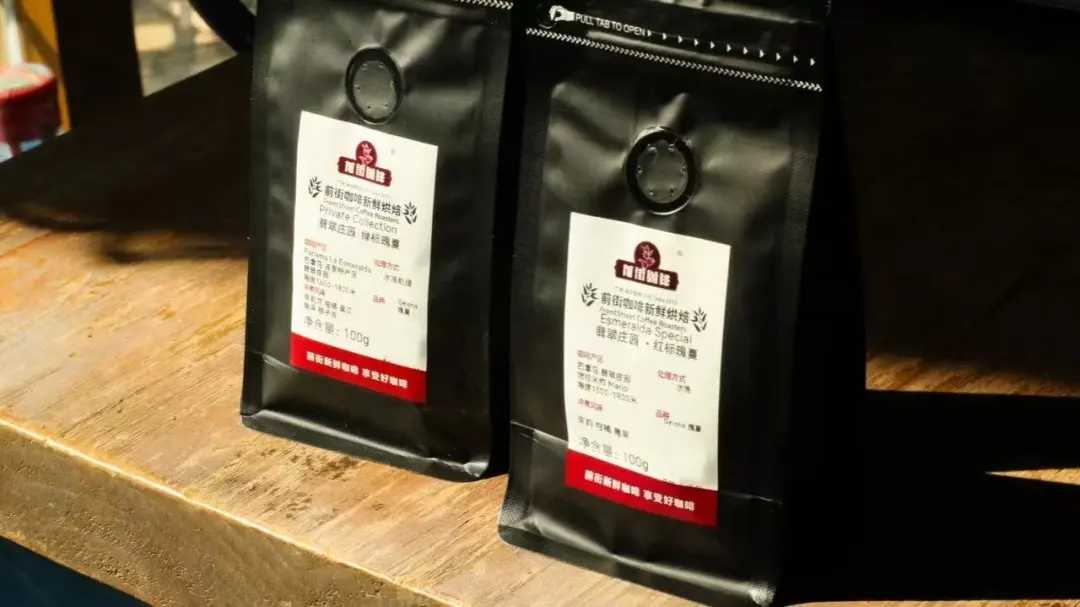
However, it should be noted that any material has its limits when it comes to isolation. To avoid shortening the flavor window of your coffee beans, it's still safest to store them in a cool, dry, and dark environment.
- END -
The above content is compiled by CoffeeHunters, a coffee news website.


