







Search Results for: Coffee bean selection

The De'Longhi Solution for the Office Coffee Corner: The Art of Balancing Bean Selection in Shared Settings
Having a De'Longhi machine in the office is a hard indicator of workplace happiness. But choosing beans for a shared coffee corner and for home follow two different logics: tastes vary and are hard to please, budgets are clearly divided between public and private, and no one takes the initiative to maintain it—the communal nature dictates a bean-selection strategy of "balance first." This article discusses bean selection and operation for an office De'Longhi coffee corner. The first principle [more…]
The Complete Guide to Brewing Roasted Coffee Beans at Home: Bean Selection, Grinding, Water Temperature, and Resting Period Explained
Coffee beans cannot be eaten directly after roasting; they must be ground into powder and extracted with equipment before they can be consumed. This article compiles for coffee enthusiasts the complete key points for home-brewing roasted coffee beans: when selecting beans, look at color uniformity and aroma; grinding is divided into coarse, medium, and fine levels, corresponding to different equipment; water temperature must be controlled below 96 degrees Celsius, and the best drinking temperature is 85 degrees; it also explains in detail the chewing test for choosing fresh beans, the resting period after roasting, and how to distinguish single-origin beans from blends. Finally, it recommends Front Street Coffee's high-cost-performance freshly roasted Arabica beans, with a cost as low as five or six yuan per cup, making it easy to drink good coffee at home. [more…]
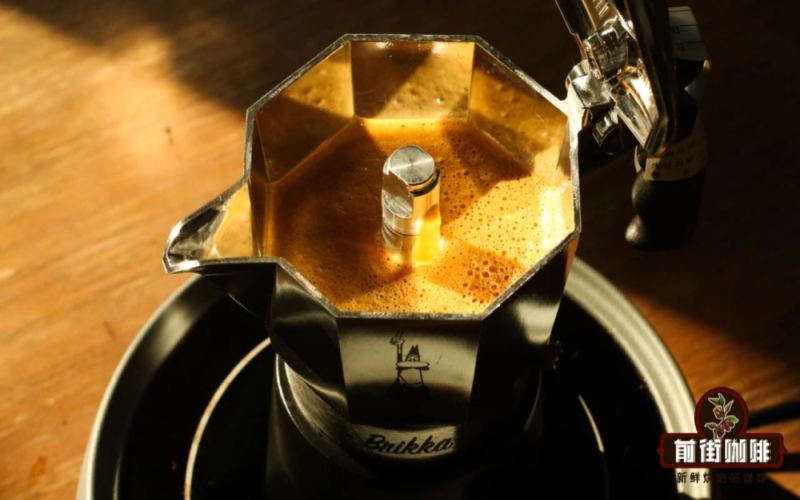
Practical Analysis of Brewing Acidic Coffee Beans with a Moka Pot: Bean Selection, Grind Parameters, and Key Operational Points
Many moka pot enthusiasts are often puzzled: what kind of coffee beans are suitable for brewing with a moka pot? In particular, for beans whose flavor descriptions mention fruity acidity, does making them with a moka pot actually taste good? To address this issue, Front Street selected three coffee beans with different levels of acidity for actual brewing tests, namely Front Street Ethiopia Yirgacheffe Gutingting, Front Street Costa Rica Mozart, and Front Street Papua New Guinea Bird of Paradise. By comparing two drinking methods—the pure brew and iced Americano—and observing the crema performance and flavor differences, we ultimately compiled bean selection suggestions and brewing key points to help everyone find the types of coffee beans suitable for a moka pot. [more…]
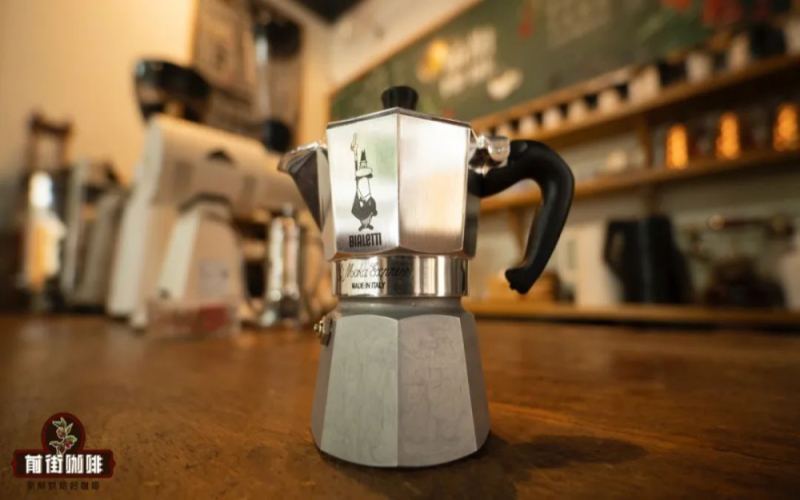
Moka Pot Brewing Guide for Espresso-Style Coffee: Bean Selection Tips and Front Street Coffee Latte Making Steps Explained
The moka pot, with its affordable price and convenient operation, has become a staple piece of equipment in the homes or offices of many coffee lovers. However, if you want to use it to make a cup of coffee close to espresso while still retaining enough flavor after adding milk, bean selection and operational details are quite critical. This article will start with the approach to selecting suitable coffee beans, focusing on introducing two medium-dark roast beans suitable for the moka pot—Front Street Coffee's Classic Espresso Blend and Front Street Coffee's Queen Estate Brazil SOE—and systematically outline the specific steps for making latte coffee with a moka pot, helping you consistently produce a cup of moka pot coffee with rich crema and a balanced taste in everyday scenarios. [more…]
Cold Brew Coffee Bean Selection Guide: From Fruity to Wine-like Notes, Can Huakui and Geisha Deliver?
Cold brew coffee, with its non-bitter, low-acid, mellow character, plus the unique fermented note brought by low-temperature aging, has become a favorite among many coffee lovers in summer. But not all coffee beans are suitable for cold brew—different origins, processing methods, and roast levels will make the same bean present a completely different profile from hot brewing. At Front Street Coffee, when making cold brew day to day, we carefully select beans with appealing flavors that suit cold brew. This article compiles the bean-selection approaches and specific recommendations for four cold brew styles, including rich fruity, fresh floral-fruity, full-bodied and deep, and subtly boozy, and also answers whether popular varieties such as Huakui and Geisha can be used to make cold brew. [more…]
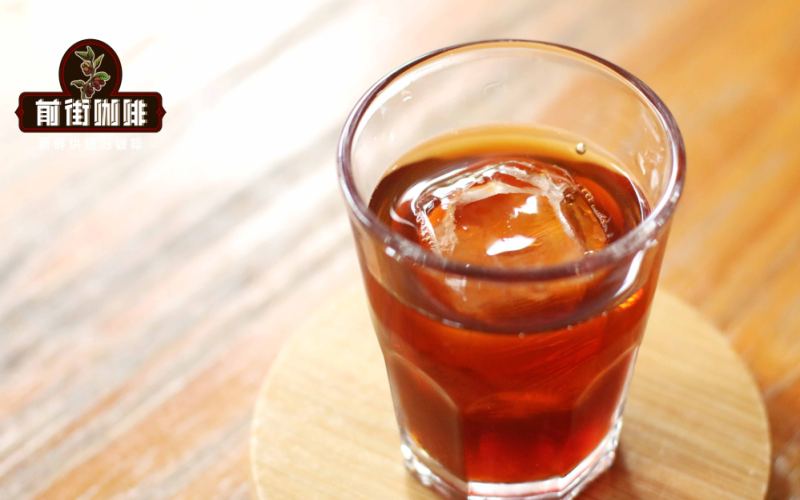
What Is Cold Brew Coffee? Bean Selection Approach and Four Medium-Light Roast Beans Recommended for Cold Brew
Cold brew coffee appears extremely frequently in specialty coffee shops, capturing many enthusiasts with its refreshing, sweet, and non-bitter taste. Its principle is to soak coffee grounds in cold water for a long time; in a low-temperature environment, large-molecule bitter substances are not easily released, while the sweet and sour flavors can instead be fully brought out, so the final product is fuller and cleaner than pour-over. To make good-tasting cold brew, bean selection is a key step: medium-dark roasted beans tend to leave only roasting bitterness, while medium-light roasted beans with floral and fruity notes can present layered sweet and sour sensations. In addition to explaining the extraction logic of cold brew clearly, this article will also provide four specific bean selection directions, including Front Street Coffee washed Gidding, sun-dried Huakui, Strawberry Candy, and Little Tomato, and explain practical information such as freshness, roasting date, and purchasing channels. [more…]

The Complete Guide to Making Cold Brew Coffee: Bean-to-Water Ratio, Grind Size, and Blend Selection
To make a cup of full-bodied, well-balanced cold brew at home, bean selection and parameters are equally key. Starting from the extraction principles of cold brew, this article explains specific brewing parameters in detail, such as a 1:12 coffee-to-water ratio and an 85% pass rate through a No. 20 sieve, and recommends coffee beans suitable for cold brew by flavor type: from washed beans from African regions such as Kenya and Ethiopia, to sun-dried beans with soft fruit tones, to concrete-flavored blends such as Strawberry Candy and Butterfly, as well as chocolate-toned options from medium-dark and dark roasts. Finally, it shares a little trick—adding dried osmanthus or jasmine flowers to give the cold brew an extra layer of delicate floral aroma. Whether you prefer bright fruity acidity or rich cocoa, you can find the cup that suits you. [more…]
Moka Pot Brewing Test with Acidic Coffee Beans: Performance Across Roast Levels and Bean Selection Advice
Many Moka pot enthusiasts often ask: which coffee beans are suitable for brewing in a Moka pot? Especially those beans whose flavor descriptions mention fruity acidity — do they actually taste good when brewed this way? To address this question, Front Street selected three coffee beans with varying levels of acidity for hands-on testing: Front Street Ethiopia Yirgacheffe Gedingding, Front Street Costa Rica Mozart, and Front Street Papua New Guinea Bird of Paradise. By comparing the flavor performance of the straight brew versus iced americano, practical advice on selecting beans for the Moka pot can be summarized: light-roasted citrus-toned beans are not suitable, while medium-light-roasted sweet fruity beans can deliver a pleasant surprise. This article will present the brewing parameters, crema condition, and tasting results in detail to help you better choose beans for your Moka pot. [more…]

The Relationship Between Americano and Espresso Black Coffee: A Comprehensive Guide from Bean Selection to Blending and SOE
What exactly is Americano? How is it related to espresso black coffee? This article starts with the evolution of the definition of Americano, sorts out its brewing methods and the factors affecting flavor, and focuses on answering the core question of coffee bean selection—blend or single origin. The article introduces several coffee beans suitable for making Americano, including Front Street Classic Blend, Dark Cocoa Blend, as well as Yirgacheffe Red Cherry SOE and Natural Huakui SOE, and provides practical suggestions on roast level, freshness, and more, helping coffee lovers make a cup of Americano with rich aroma and balanced taste. [more…]

Milk Coffee Bean Selection Guide: Espresso Blends and SOE Characteristics and Key Points for Latte Coffee Bean Selection
To make a smooth and delicious milk coffee at home, choosing the right coffee beans is the first step. Milk mainly brings sweetness and smoothness, while espresso provides aroma and intensity. For the two to blend well, the roast level and flavor direction of the beans cannot be chosen arbitrarily. Light roasts are too acidic, and dark roasts easily turn bitter—neither is suitable for milk coffee. Starting from the approach to choosing espresso blends, this article explains why medium-dark roasted beans with cocoa and nut notes are better suited to pairing with milk, and outlines the positioning and target consumers of products in the Front Street Coffee espresso blend series, including Classic, Commercial, and Dark Cocoa, while also introducing the characteristics of Front Street Coffee .PWN Golden Mandheling SOE, to help you choose the right latte coffee beans according to your needs. [more…]
Cold Brew Coffee Guide: Full Breakdown of Coffee-to-Water Ratio, Grind Size, Steeping Time, and Coffee Bean Selection
Cold brew coffee, through its low-temperature slow extraction process, presents a soft acidity and bitterness with a full, balanced mouthfeel, and its operational threshold is not high. Based on 50 grams of coffee grounds, this article explains key parameters in detail, such as a 1:12 coffee-to-water ratio, an 85% grinding pass rate, and 12-24 hours of refrigerated steeping, and systematically sorts out the bean selection approach for different flavor preferences—from the bright fruity acidity of washed African beans, to the soft sweetness of natural beans, to the vivid aromas of special processing methods, and the chocolate-caramel notes of medium-dark roasts. In addition, it also shares advanced methods such as adding dried flowers like osmanthus and jasmine to enhance flavor, helping coffee lovers make a cup of iced cold brew to their liking in summer. [more…]

A Complete Guide to Indonesian Sumatra Mandheling Coffee: Golden Mandheling Grading Standards, Variety Characteristics, and Authentic Selection Tips
Golden Mandheling has continued to rise in popularity within the international specialty coffee scene in recent years, and many coffee enthusiasts are curious about its grading system and the origins of its flavor. At Front Street Coffee shops, customers often notice that Front Street's Golden Mandheling beans are large, have a high proportion of horse-hoof beans, and are neatly uniform in appearance, forming a sharp contrast with many similar products on the market that contain more defects. This article will begin with the growing conditions of Indonesia's Sumatra producing region, sort out Mandheling's wet-hulling process and grading system, focus on analyzing the four rounds of manual sorting in PWN's Golden Mandheling process and its Catimor variety background, and compile three practical selection tips to help coffee fans avoid common traps such as Robusta being passed off as Mandheling and vague labeling of names. [more…]
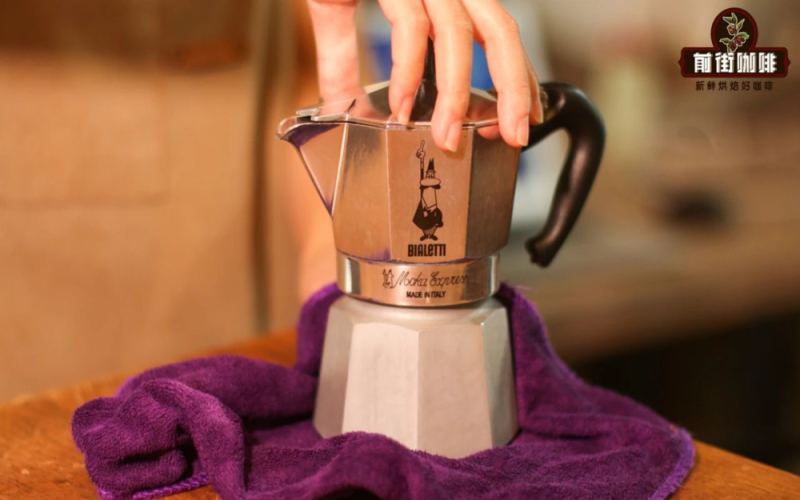
A Complete Guide to Brewing Coffee with a Moka Pot: Bean Selection, Grind Size, and Safe Operation Tips
If you want to enjoy rich coffee close to café flavor at home, a moka pot is an extremely cost-effective choice. But to brew coffee liquid with oils and a full-bodied mouthfeel, bean selection, grinding, and operating details are all indispensable. This article focuses on the types of coffee beans suitable for a moka pot, how to judge the grind size, and the standard usage process and safety precautions. It also combines Front Street Coffee's espresso blends and SOE series to give specific bean selection suggestions. Whether you are a beginner who has just gotten a moka pot or a player who wants to advance and explore single-origin flavors, you can find practical references here. [more…]

Latte Coffee Making Guide: From Coffee Bean and Milk Selection to Extraction Ratio, Crafting a Fragrant, Sweet Hot Latte
As the weather turns cooler, a hot latte has once again become the daily go-to for many people. However, recreating a café-quality rich and sweet latte at home is no easy task—friends often report that their lattes either let bitterness steal the show, or the milk flavor completely overwhelms the coffee aroma. In fact, the key to a delicious latte lies in the coordination of three elements: bean selection, extraction, and ratio. Starting from Front Street's backend inquiries, this article systematically breaks down how coffee bean roast level affects latte flavor, how whole milk pairs best with beans, how to adjust espresso extraction parameters, and the golden ratio range between milk and coffee—helping you consistently make a balanced, mellow, and distinctly sweet hot latte at home. [more…]
A Full Analysis of the Differences Between Pour-Over Coffee and Americano: Strength, Sweetness, Extraction Principles, and Front Street Coffee Bean Selection Tips
Pour-over and espresso are the two mainstream brewing methods in today's specialty coffee scene, and most coffee beans on the market are developed around these two uses. Pour-over uses atmospheric-pressure drip filtration, giving a clean, refreshing cup akin to brewing tea; espresso relies on high pressure for rapid extraction, producing a rich, full-bodied concentrate. The two differ markedly in bean selection, grinding parameters, and flavor expression. Drawing on Front Street's brewing experience, this article sorts out the core differences between pour-over and Americano, including the equipment required, key points of espresso extraction, the logic behind choosing blend beans versus single-origin beans, and how Front Street's cafés make hot and iced Americanos. Whether you're just starting out or drinking coffee daily, you'll find a brewing approach and bean-selection direction that suits you. [more…]
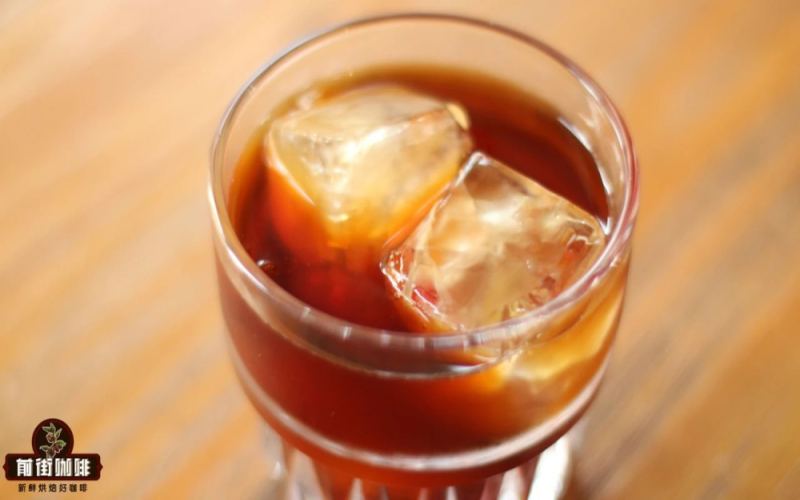
AeroPress Iced Coffee Brewing Guide: Bean Selection and Extraction Parameters Explained
In the heat of midsummer, iced coffee becomes the daily go-to for many coffee lovers. Making a satisfying AeroPress iced coffee actually involves quite a few factors—the freshness of the coffee beans, nailing the grind size, and controlling the extraction time; every step affects the final flavor expression. This article uses Front Street washed Yirgacheffe as an example, starting from the logic of bean selection, to break down in detail the AeroPress iced coffee brewing process and core parameters, including grind size, coffee-to-water ratio, water temperature, and operating steps, helping you reliably recreate a cup of iced coffee rich with floral aromas and abundant fruity character at home. [more…]
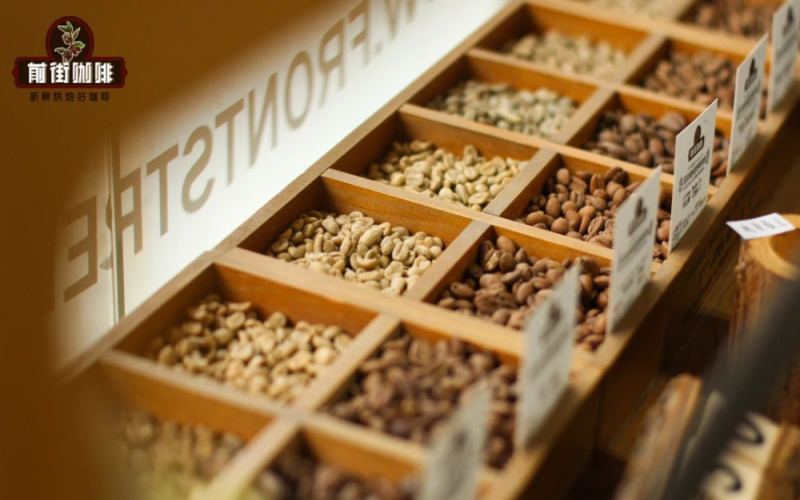
Global Top Ten Coffee Brands Ranking Analysis and Fresh Coffee Bean Selection Guide
Many coffee lovers, when choosing coffee, are in the habit of first consulting brand rankings, assuming that whatever ranks at the top must be good coffee. But Front Street Coffee believes that whether it's single-origin beans or espresso beans, freshness is the key. This article rounds up the world's ten most famous coffee brands and shares how to select fresh coffee beans by paying attention to details like the roast date and one-way degassing valves. It also recommends several representative Front Street Coffee beans based on different flavor preferences, helping readers find the cup that suits them best. [more…]
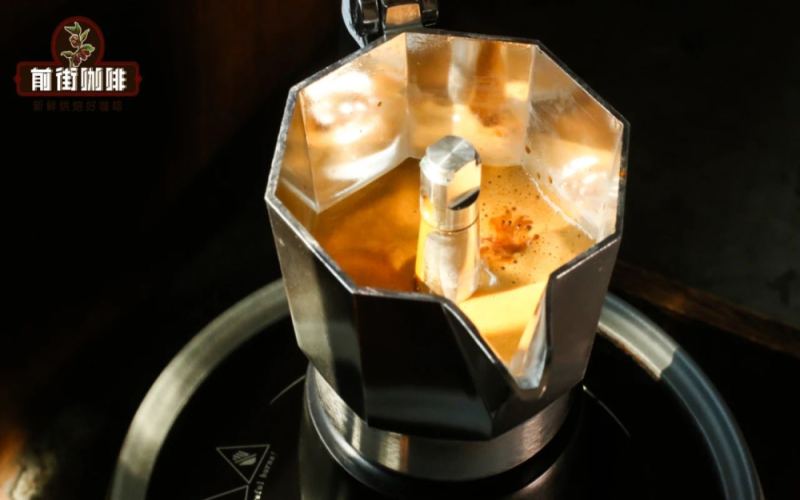
Moka Pot Brewing: Bean Selection and Key Operational Points – How to Choose Low-Acidity Dark Roast Coffee Beans and Master Grinding Techniques
As a classic home espresso device, the moka pot delivers a rich, intense cup through short-time, high-pressure extraction, yet it often produces bitterness, over-strength, or insufficient flavor due to poor bean selection or improper operation. This article approaches the issue from three angles—coffee bean selection, how to fill the grounds basket, and grind size adjustment—to help enthusiasts consistently produce low-acid, full-bodied coffee with abundant crema using a moka pot. The article highlights several medium-to-dark roasted beans suitable for the moka pot, including Front Street PWN Golden Mandheling SOE, Front Street Brazil Queen's Estate SOE, Front Street Black Cocoa Espresso Blend, and Front Street Classic Espresso Blend, and explains why the grounds basket should be filled to the top, how to judge grind coarseness by the gaps in the basket, and other practical tips. [more…]
A Complete Guide to Gesha Village Coffee Bean Price Ranges, Brand Selection, and Purchasing Channels
Gesha Village is a dazzling star in Ethiopia's specialty coffee scene, and its coffee beans are renowned for intense floral aromas and refined flavors. Many coffee lovers are interested in the price of Gesha Village coffee beans, brand recommendations, and how to buy them. This article will guide you through the founding history, cultivation scale, and plot divisions of Gesha Village, and recommend Front Street Ethiopia Granada Estate Geisha as a high-value everyday choice. It will also introduce the flavor characteristics of this year's purchased Surma and Bangi lots, helping you fully grasp the key points for buying Gesha Village coffee. [more…]

Full Guide to Making Coffee Combos: Bean Selection Strategy, Espresso Extraction Parameters, and Milk-to-Water Ratio Guide
Coffee combos have become increasingly popular in specialty coffee shops in recent years. The approach involves splitting a single espresso shot into two or three portions, each paired with water or milk, showcasing the flavor differences of the same bean across multiple brewing formats. This style of service places higher demands on baristas: they must not only select beans that work well for both black coffee and milk coffee, but also recalibrate the espresso extraction recipe and the ratios of coffee to milk and water. Drawing on Front Street's hands-on experience, this article addresses core questions one by one—the logic behind selecting beans for combos, the direction for adjusting extraction parameters, and the respective water and milk ratios for Americanos and lattes—and includes a complete workflow with parameters using the Santa Vini anaerobic natural bean as an example, providing coffee enthusiasts with a reusable reference for making combos. [more…]