







Which Coffee Beans for Moka Pot Handle Acidity Well?
Fruity, acidic coffee beans can be brewed in a Moka pot, but the roast level changes what ends up in the cup. A light-roasted Ethiopia Yirgacheffe keeps its citrus, floral and green tea notes and stays bright, while a darker medium roast like Papua New Guinea Bird of Paradise pushes caramel, cocoa and apricot forward and softens the acidity.
The comparison brewed three beans of different roast levels, then tasted each both straight and as an iced americano while watching crema and flavor. Grind, dose and heat matter, but bean choice sets the ceiling. Beans described with acidity or fruity notes are the ones drinkers ask about most, so they are the ones worth testing first.
Many Moka pot enthusiasts are often puzzled: what kind of coffee beans are suitable for brewing with a Moka pot? Especially those beans with fruity acidity in their flavor descriptions—do they actually taste good when made with a Moka pot? To address this question, Front Street Coffee selected three coffee beans with different levels of acidity for actual brewing tests: Front Street Ethiopia Yirgacheffe Gutingding, Front Street Costa Rica Mozart, and Front Street Papua New Guinea Bird of Paradise. By comparing two ways of drinking—the straight brew and iced americano—and observing the crema performance and flavor differences, we ultimately compiled bean selection advice and brewing key points to help everyone find the types of coffee beans suitable for a Moka pot.
Quite a few Moka pot users often ask Front Street Coffee: "Can this bean be brewed in a Moka pot?" "What does that bean taste like when made into Moka pot coffee?" Interestingly, almost all the ones they pick out to ask about are coffee beans whose flavor descriptions mention acidity or fruity notes. To give everyone a reliable answer, Front Street Coffee decided to brew these beans one by one in a Moka pot to see how they actually perform.
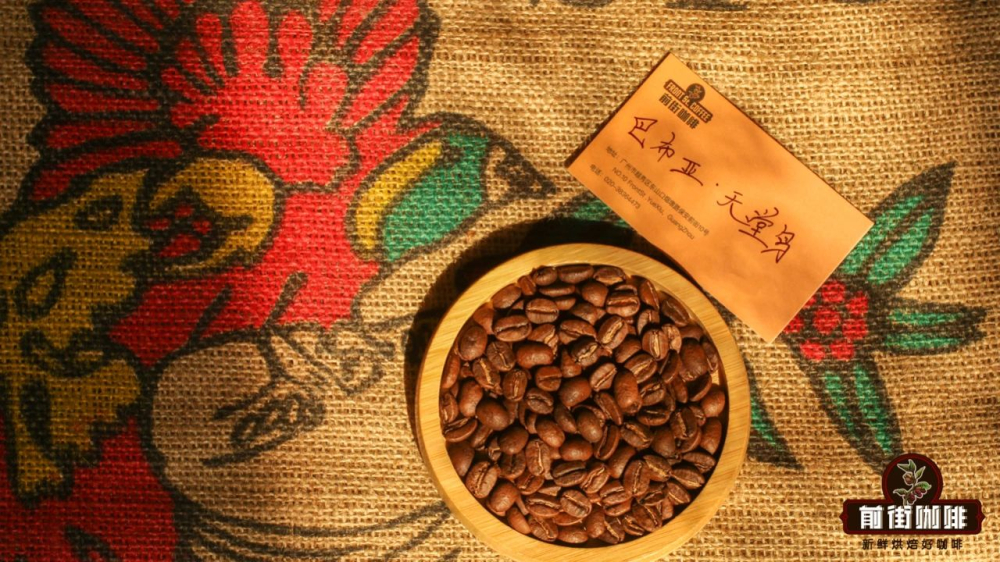
There are so many types of coffee beans with acidity that testing them all is impractical. Therefore, Front Street Coffee selected several representative beans with varying acidity from the many available for brewing comparison: Front Street Ethiopia Yirgacheffe Gutingding coffee beans, Front Street Costa Rica Mozart coffee beans, and Front Street Papua New Guinea Bird of Paradise coffee beans.
A key factor affecting the acidity level of coffee beans is the degree of roasting. For ease of explanation, Front Street Coffee will simply classify them here as light, medium-light, and medium (the actual situation is of course more complex).
Among these three beans, Front Street Yirgacheffe Gutingding has the lightest roast, presenting a fresh and bright acidity like citrus, floral, and green tea; next is Front Street Mozart coffee beans, with sweet fruity flavors like berries, grapes, and fermented aromas; the darkest roast is Front Street Bird of Paradise coffee beans, showing slight fruity acidity with notes of caramel, cocoa, apricot, and hawthorn.
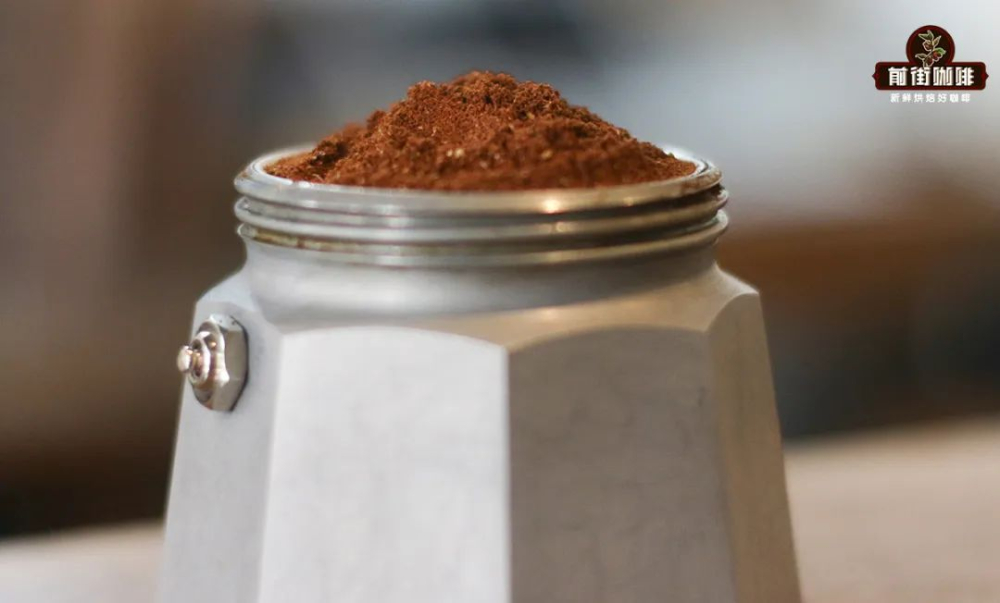
Regarding the operating steps and parameters for brewing coffee with a Moka pot, Front Street Coffee has already explained them in detail in previous articles, so only a brief description is given here. The amount of coffee grounds and water for a Moka pot depends on the size of the pot. Front Street Coffee uses the classic Bialetti 3-cup pot, with 150 ml of water and 18 g of coffee. The grind size is controlled to a fine powder state (slightly coarser than what is used for an espresso machine), which can be referenced as 0.5 on the EK43s.

For filling the grounds, Front Street Coffee recommends pouring the grounds directly into the basket without tamping. Fill the basket full (make sure to fill the corners and gaps around the edges), let the grounds pile up into a small mound and remain fluffy, then press the upper pot down vertically and screw it tight. This way, after extraction is complete, the puck remains firm and will not fall apart.
The brewed Moka pot coffee is divided into two portions for handling: one is tasted directly as the straight brew, and the other is mixed with ice water to make an iced americano. This is because, according to Front Street Coffee's observations, many friends are used to treating coffee brewed in a Moka pot as an "espresso" base and drinking it as an americano after adding water.
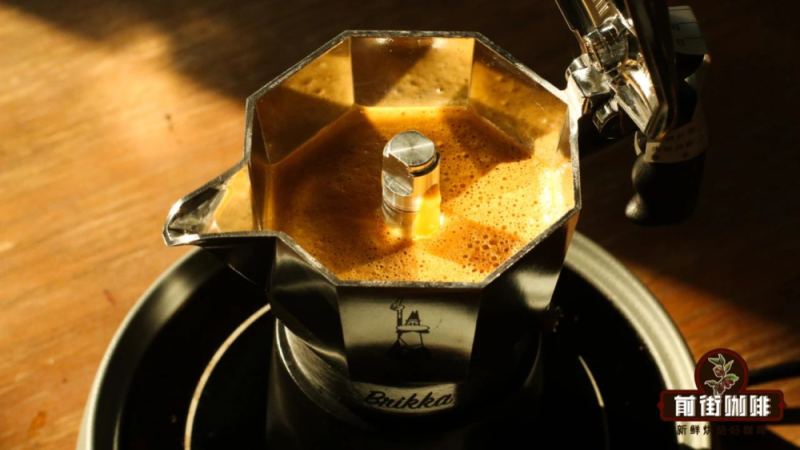
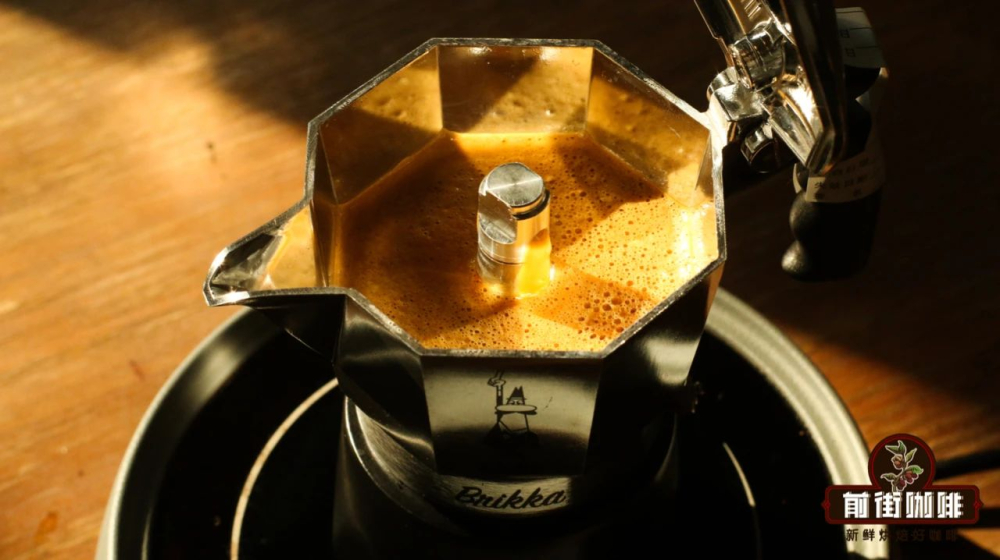
First, let's look at the brewing performance of the three groups of coffee. Although Front Street Yirgacheffe is on the lighter side in roast level, as long as the Moka pot parameters are set reasonably, it can still produce crema, but this layer of crema is relatively thin and dissipates in about 30 seconds.
The crema produced by Front Street Mozart coffee beans is slightly richer than that of Front Street Yirgacheffe, but the difference is not very large.
The crema produced by Front Street Bird of Paradise coffee beans, on the other hand, is visibly rich.
Next, let's taste the specific performance of these three coffee beans when brewed with a Moka pot.
Front Street Yirgacheffe Coffee
Straight brew: the acidity is relatively sharp.
Iced americano: a single note of acidity runs through from beginning to end.
Front Street Mozart Coffee
Straight brew: it has a fermented aroma, and the acidity is also relatively strong.
Iced americano: after dilution, the mouthfeel becomes much softer, with lively berry acidity, accompanied by some fermented wine aroma, and a chocolate-like bittersweetness in the finish.
Front Street Bird of Paradise Coffee
Straight brew: it is the only straight brew among the three that can be finished as a whole cup. The acidity is obvious and substantial, shifting to a chocolate-caramel bitterness in the middle and back palate, overall like a low-concentration version of espresso.
Iced americano: the fruity acidity is very bright, mixed with a bit of caramel flavor, and the whole cup has no bitterness at all, with acidity more prominent than that of the Front Street Mozart cup.
Below, Front Street Coffee has summarized a few conclusions for everyone's reference.
1. Coffee beans whose flavor descriptions include clearly acidic notes such as "lemon" and "citrus" are not recommended for making Moka pot coffee.
2. Choosing coffee beans with descriptions of sweeter fruits (medium-light roast) to make Moka pot coffee can produce unexpectedly good results. Beginners can try single-origin coffees with prominent sweetness such as Front Street Xizhua, Front Street Strawberry Candy, and Front Street Blackberry. If you brew acidic beans with a Moka pot, it is recommended to add some water or ice cubes to dilute it, and the flavor performance will be better.
3. You can also choose coffee beans with strong flavor expression to brew in a Moka pot, such as the Front Street Mozart coffee beans selected by Front Street Coffee. This way, the Moka pot coffee brewed has a rich aroma and is easy to drink.
The above content is compiled by CoffeeHunters, a coffee news website.


