







Which Beans and Grind Size Suit a Moka Pot?
A moka pot brews through short, pressurized extraction, so bean choice and grind size decide whether the cup turns out balanced or bitter and thin. Medium and medium-dark roasted beans work best, because darker roasting drives more caramelization and releases more gas, supporting crema and body. Light roasts tend to give thin crema, sharp acidity, and an unbalanced result once diluted with water or milk.
Fill the basket to the top and judge grind coarseness against the basket gaps. Both blends and single-origin beans suit the device: SOE options such as PWN Golden Mandheling bring pine, dark chocolate, herb, and caramel notes, while blends serve as cost-effective daily staples. Freshly roasted beans, proper filling, and grind adjustment together fix the bitterness and over-strength that moka pots often produce.
The moka pot, as a classic home espresso device, delivers a rich taste through short-time high-pressure extraction, yet it often produces bitterness, over-strength, or insufficient flavor due to poor bean selection or improper operation. This article approaches the topic from three aspects—coffee bean selection, filling method, and grind size adjustment—to help enthusiasts consistently produce low-acidity, full-bodied coffee with rich crema using a moka pot. The article highlights several medium-dark roast beans suitable for moka pots, including Front Street PWN Golden Mandheling SOE, Front Street Brazil Queen's Estate SOE, Front Street Black Cocoa Espresso Blend, and Front Street Classic Espresso Blend, and explains why the basket should be filled to the top, how to judge grind coarseness through the basket gaps, and other practical tips.
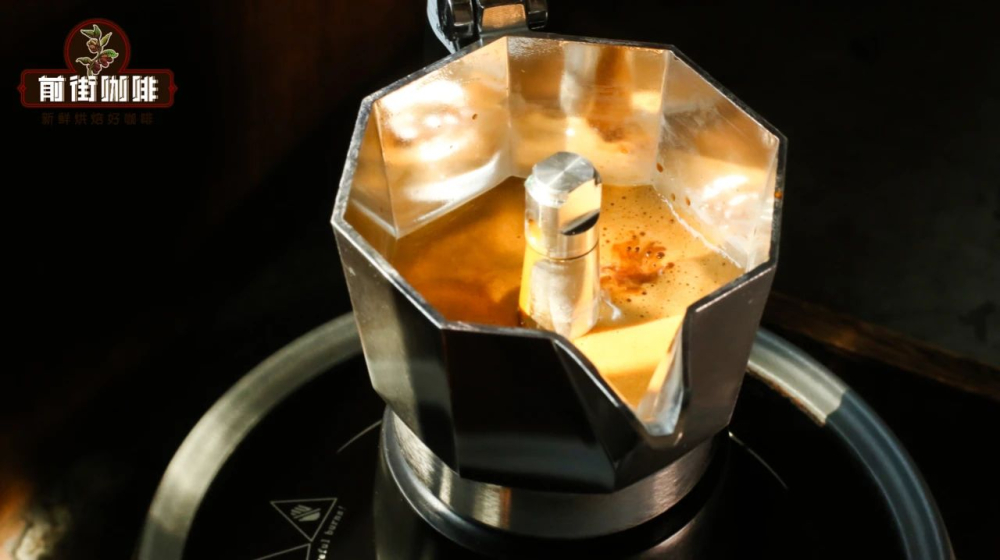
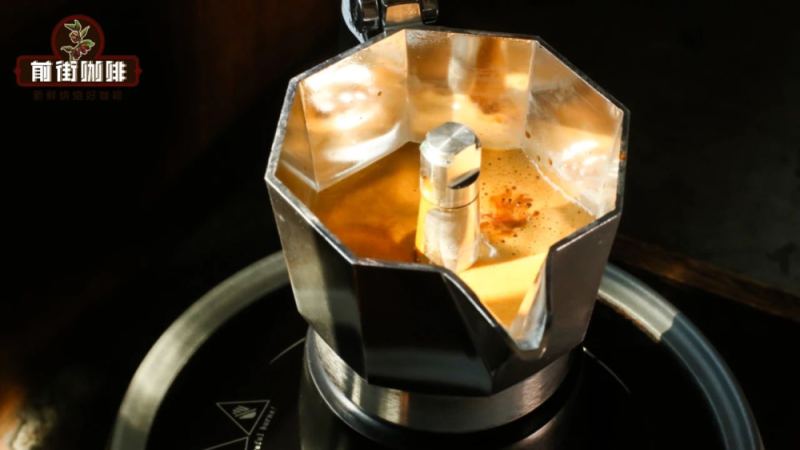
The moka pot ranks among the earliest coffee brewing tools to enter home kitchens. It uses pressurized extraction in a short time to produce coffee liquid close to espresso concentration.
Moka Pot Coffee
This device is not complicated to use, offering both a nostalgic feel and the ability to meet daily coffee needs. However, moka pots sometimes produce bitter, overly strong, or thin-flavored results. So how should these problems be handled? Next, we will explain them one by one from the perspectives of coffee bean selection, brewing details, and tasting.
1. Choose fresh medium-dark roasted coffee beans
Since the moka pot uses pressurized extraction, it amplifies the beans' own flavors, sometimes even turning certain characteristics into flaws. If light-roasted beans are used, the resulting coffee will have thin crema, sharp acidity, and may taste unbalanced when diluted with water or added to milk.
Medium-dark roasting, on the other hand, causes more caramelization reactions in the coffee beans and releases more gases. To achieve a balanced, full-bodied moka pot coffee with crema, it is recommended to choose medium or medium-dark roasted, freshly roasted beans.
There are many types of coffee beans suitable for moka pots, broadly divided into blends and single-origin beans. Single-origin beans offer clear regional characteristics, while blends are more cost-effective and suitable as daily staples.
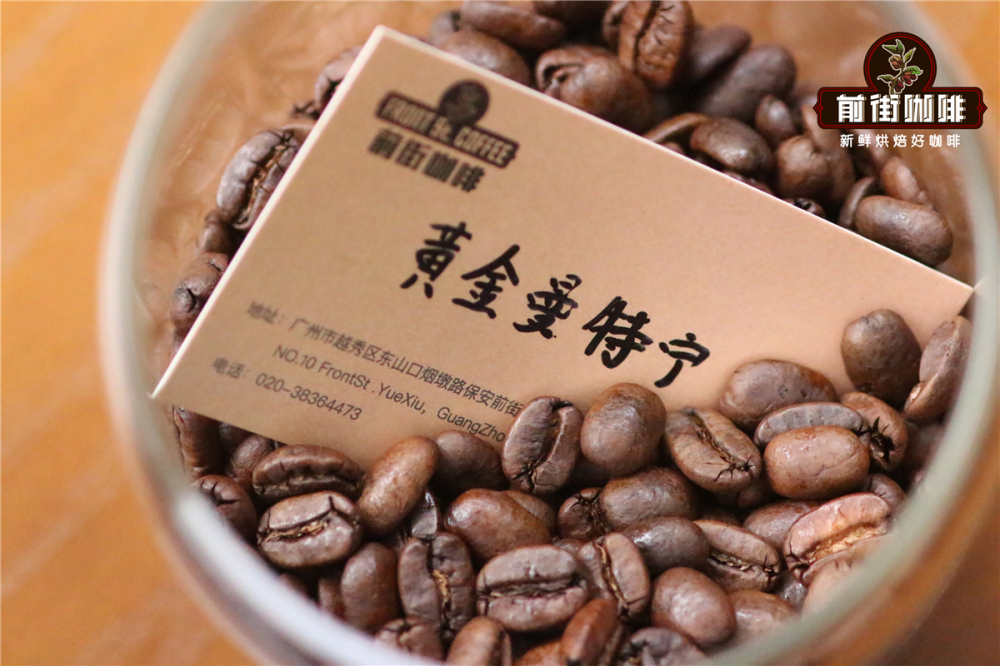
① Front Street PWN Golden Mandheling SOE Coffee
Recommended reason: Sweet aroma of pine, dark chocolate, herbs, and caramel; produces moka pot coffee with fine crema, full body, and low acidity
② Front Street Brazil Queen's Estate SOE Coffee
Recommended reason: Pronounced flavors of roasted nuts, cream, and chocolate, with sugarcane sweetness, balanced acidity and bitterness, and a clean finish

③ Espresso beans recommended by many baristas - Front Street Black Cocoa Espresso Blend
Recommended reason: Balanced taste with nutty chocolate aroma, stable flavor, extremely high cost-performance, suitable for moka pots and home espresso machines
④ Front Street Classic Espresso Blend
Recommended reason: Pronounced caramel and dark chocolate aroma, clear sweet aftertaste, low acidity, rich and fine crema, suitable for both home and commercial use
2. Use a sufficient amount of coffee grounds
How do you tell if the basket is full? You can do this: first fill the empty moka pot basket with coffee beans, then put the beans from the empty basket into the grinder, and finally put all the ground coffee back into the basket. If some grounds won't fit, gently tap the basket on the table to let the remaining grounds settle in.
Filling the basket to the top also helps avoid undesirable defect flavors. The more uniform the density of coffee grounds in the basket, the less likely it is to have some parts over-extracted and others under-extracted, thereby avoiding uneven flavor or bitterness. If every coffee ground can be uniformly and properly extracted, the coffee's flavor will be more complete and defects will be greatly reduced.
3. Testing the grind size
Everyone knows that a key point in making coffee is finding the right grind size, and this is also the most perplexing part—how coarse or fine is appropriate? What setting should your home grinder be adjusted to?
The moka pot's design itself involves high-temperature pressurized extraction, so the coffee liquid will generally be on the stronger side. Therefore, you should not grind the coffee to a fineness close to espresso, otherwise it may clog or over-extract, bringing bitterness. Of course, don't grind too coarse either, or the taste will be thin, flavors will be lost, leaving only bitterness—wasting both beans and equipment. You can refer to the basket gaps to judge: as long as the coffee particles won't fall through, grind as fine as possible, which will meet the extraction requirements. When first using a moka pot, you may need to try several times to master the knack, so don't get discouraged.
The above content is compiled by CoffeeHunters, a coffee news website.


