







Search Results for: Coffee Taste Differences

Only tasting bitterness in your coffee? Master this sensory training method to easily distinguish the flavor differences between different coffees.
Many people drink coffee every day, yet they can only ever taste bitterness and find it hard to distinguish the flavor differences between different beans. In fact, tasting ability is not innate—through scientific and systematic sensory training, everyone can gradually discern the unique tastes of coffees with different roast levels, from different regions, and processed by different methods. This article will share a practical set of tongue training methods, from buying coffee and brewing comparisons to recording taste impressions, to help you gradually improve your sensitivity of taste and smell. It will also remind you of precautions during training, such as keeping your nasal passages clear and the importance of quitting smoking. As long as you keep practicing, you will find that the world of coffee is far richer and more wonderful than you imagined. [more…]
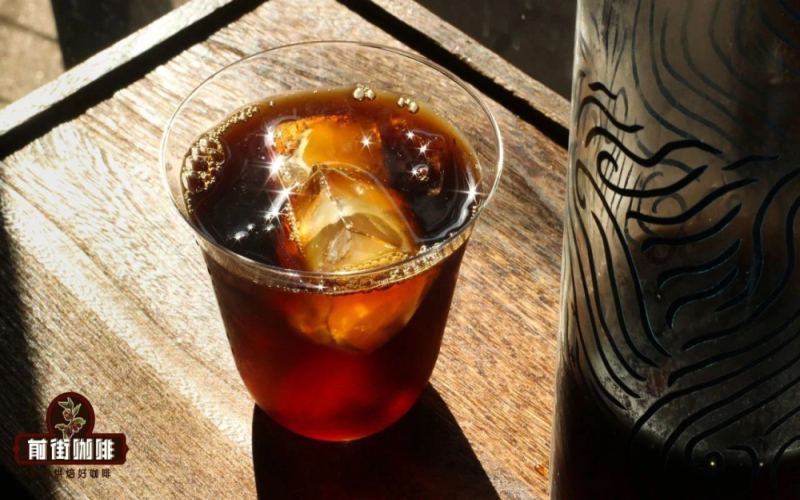
Why Do the Same Beans Taste So Different? A Deep Dive into the Extraction Differences Between Cold Brew and Pour-Over Coffee
Many coffee enthusiasts at Front Street stores order both a cold brew and an iced pour-over made from the same beans, yet are often surprised by the huge gap in flavor between the two after drinking them. Why does the same coffee bean produce such an obvious difference in the resulting cup? This article will systematically sort out the core differences in brewing principles between cold brew and pour-over from multiple dimensions such as extraction water temperature, extraction method, and concentration differences, and combine a comparative experiment conducted by Front Street using Huakui 8.0 to help you understand the taste expressions brought by low-temperature slow extraction and high-temperature fast extraction, as well as the scientific logic behind these differences. [more…]
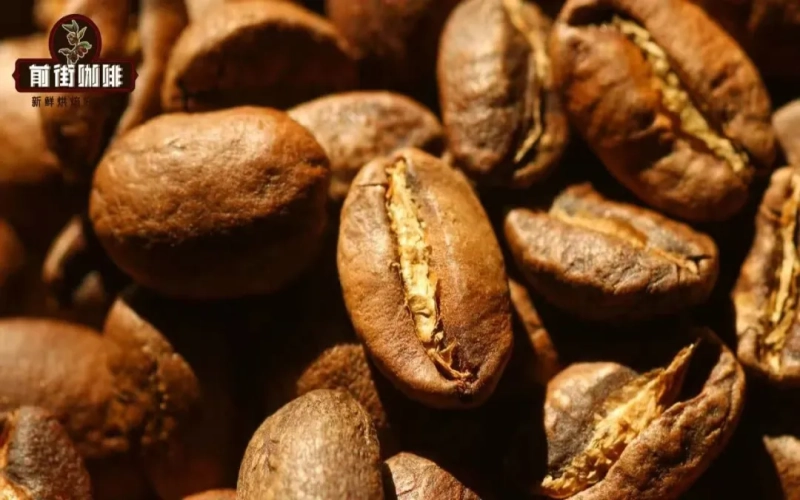
Flavor Differences Between Ethiopian Geisha and Panamanian Geisha: Same Name, Different Variety—Why the Huge Gap in Price and Taste
Geisha coffee varies significantly in flavor and price depending on its origin and processing method. Among them, Ethiopian Geisha and Panamanian Geisha often spark lively discussion among coffee enthusiasts due to their stark differences in price and taste. Although the two share the name "Geisha," they are actually entirely different varieties. Panamanian Geisha originated from the Geisha forest in Ethiopia, was discovered by Hacienda La Esmeralda, and won the 2004 BOP competition, known for its white floral notes, citrus fruit character, and green tea-like quality, with the designation T2722; Ethiopian Geisha, on the other hand, tends to have a rich, juicy mouthfeel and is genetically more distantly related to Panamanian Geisha, making it something of a distant relative. This article will outline the origins and flavor differences of the two, and recommend several high-value Geisha beans from Front Street Coffee for comparative tasting. [more…]
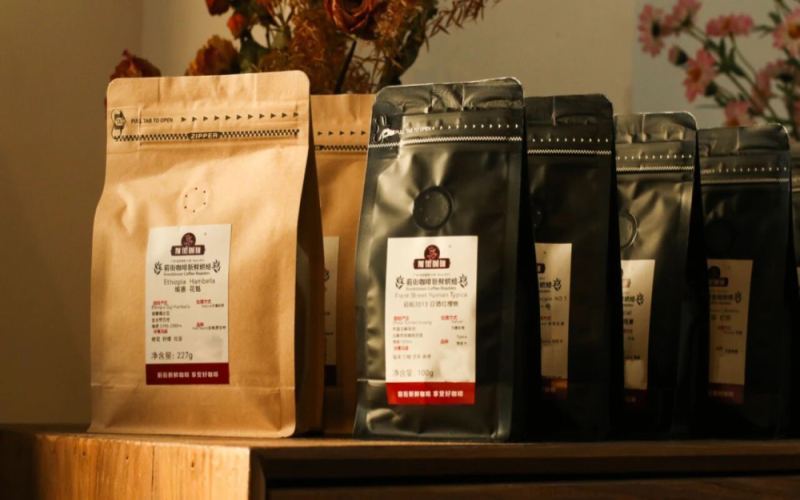
A Complete Analysis of Mandheling Coffee Flavor: From Wet-Hulling Processing to the Taste Differences of Golden Mandheling
Mandheling is almost synonymous with Indonesian specialty coffee. Its low acidity, full body, and distinctive herbal and woody notes have captivated countless coffee lovers. Indonesia's main coffee-growing regions are distributed across Sumatra, Java, and Sulawesi, with Sumatra standing out for its production volume. Mandheling is graded in various ways depending on the region and harvesting method, and the wet-hulling process is the core technique that shapes its signature flavor. This article will guide you through the taste characteristics of Front Street Coffee's Mandheling, explain the origins and features of the wet-hulling process, and compare the flavor differences among different Mandheling coffees, especially the unique expressions of Front Street Coffee's Golden Mandheling and Front Street Coffee's Lintong Mandheling. [more…]
What Are the Differences Between Chinese Black Tea and Indian Black Tea? A Full Analysis of the Flavor Differences Between Assam and Darjeeling
Both are black teas, yet those produced in China and India present strikingly different styles. Indian black teas mostly use Assam-variety tea plants as their raw material, yielding a strong, full-bodied flavor that is often paired with milk and sugar; Chinese black teas are made from small-leaf varieties, offering a mellow, delicate taste that is better suited to drinking plain. Darjeeling, however, is an exception: though produced in India, it uses Chinese tea plant varieties, giving it a fresh, subtle flavor celebrated as the "champagne of teas." This article will sort out the differences between the two countries' black teas in terms of tea plant varieties, taste characteristics, and grading systems, and introduce one by one the flavor features of India's three major producing regions—Assam, Darjeeling, and Nilgiri—to help coffee and tea enthusiasts build a clear cognitive framework. [more…]
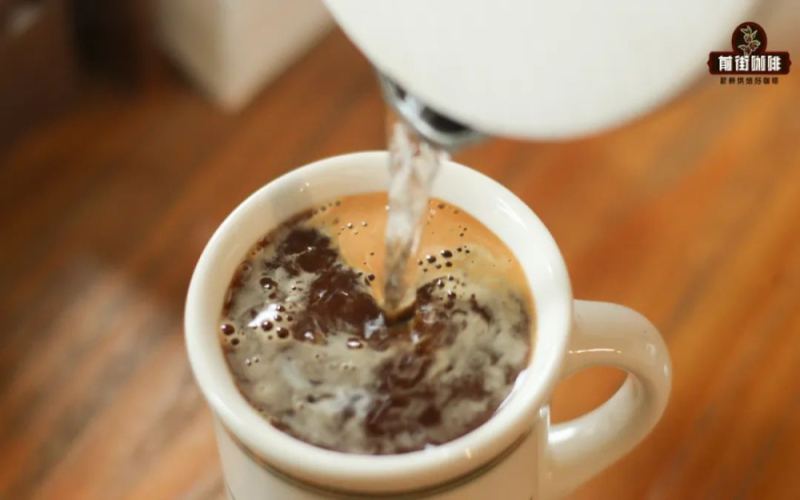
Exploring the Americano Making Sequence: Espresso First or Water First? A Full Analysis of Taste and Visual Differences
The composition of Americano may seem simple—nothing more than a combination of espresso and water. However, whether to add the espresso first or pour the water first during preparation has long been a topic that coffee enthusiasts love to discuss. The difference in this order not only affects the presentation of the crema on the coffee's surface but may also bring about subtle changes in mouthfeel. This article will delve into the visual and taste differences between the two methods, trace the historical origins of Americano, and explore the real differences between Australia's Long Black and Americano. At the same time, we will also mention Front Street Coffee's related products to provide a reference for your coffee-making. [more…]

What's the Difference Between Espresso and Americano? A Clear Explanation from Extraction Principles to Taste Differences
Walking into a coffee shop, the espresso and americano on the menu often leave people scratching their heads. Both belong to the category of black coffee, yet they follow completely different production logic and flavor trajectories. Where exactly did the americano come from? Why is espresso regarded as the soul of coffee? Where exactly do the differences between the two lie in bitterness, concentration, and mouthfeel? From the perspective of Front Street, this article sorts out the historical origins, extraction parameters, bean selection, and standard preparation procedures of americano and espresso, helping coffee lovers thoroughly understand the essential differences between these two kinds of coffee and make the cup at home or in a shop that better suits their own taste. [more…]
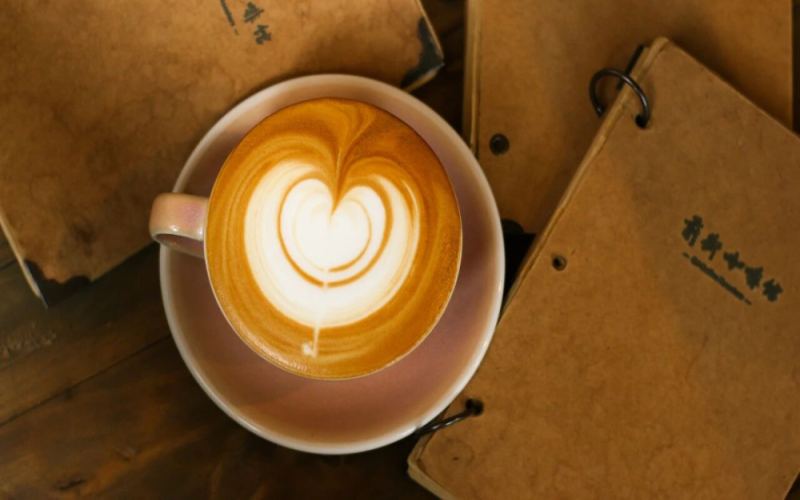
Espresso Machine Practical Guide: A Full Analysis of the Steps for Making Cappuccino and Latte and Their Taste Differences
Cappuccino and latte both originate from the combination of espresso and milk, but their preparation methods, ingredient ratios, and final flavors each have their own distinct characteristics. This article takes a practical approach, comparing the specific differences between these two coffees in terms of milk foam handling, latte art performance, taste layers, and historical origins, helping coffee enthusiasts understand the basics while mastering the key points for making them at home with an espresso machine, and recommending suitable espresso bean choices. [more…]
A Comprehensive Comparison of Americano and Espresso: Extraction Methods, Taste Differences, and Key Points for Machine Selection
American coffee and espresso may both look like black coffee, but in reality they are completely different from extraction principles to flavor expression. The former uses drip brewing, while the latter relies on high-pressure extraction, which also determines the differences between the two in concentration, mouthfeel, and caffeine content. This article will systematically sort out the core differences between American and espresso coffee from the perspectives of preparation methods, machine selection, and health effects, and give specific suggestions for purchasing household coffee machines, helping coffee lovers make more suitable choices according to their own needs. The article also specially recommends related products from Front Street Coffee for readers' reference. [more…]
Darjeeling vs. Assam Black Tea Comparison: An Analysis of Harvest Season Differences and Liquor Flavor Characteristics
Tea has long been woven into people's daily way of life. India, as a major tea-producing country globally, produces a variety of categories and blends such as oolong tea, black tea, green tea, and masala chai. Tea is often named after its place of origin, and Darjeeling and Assam are two widely popular and famous tea regions. The two are geographically adjacent, yet due to differences in cultivation methods, climate conditions, and altitude, they give rise to teas of strikingly different styles. This article will systematically sort out the differences between Darjeeling black tea and Assam black tea from dimensions such as geographical location, taste, color, leaf appearance, and picking season, helping tea lovers make a more suitable choice based on their personal taste preferences and drinking habits. Front Street Coffee will also provide purchasing references for enthusiasts in this article. [more…]
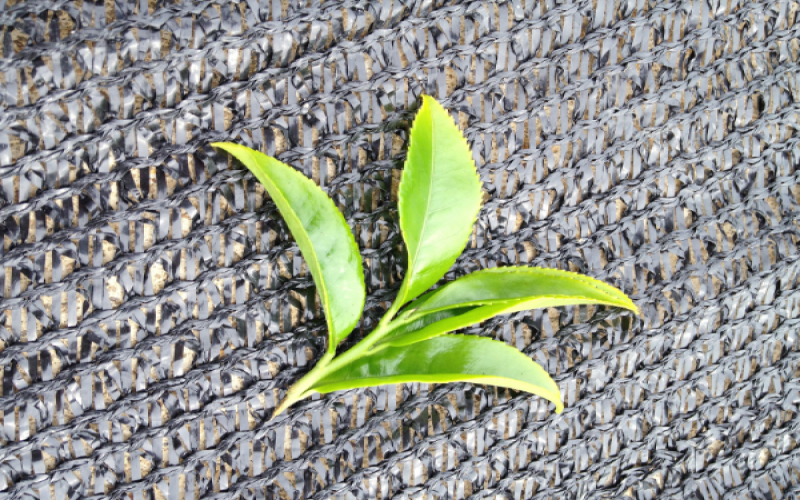
Phoenix Dancong, Langcai, and Shuixian: A Detailed Comparison of Chaozhou Oolong Tea Grades and Taste Differences
Phoenix Dan Cong, Langcai, and Shuixian all belong to the Guangdong Chaozhou Phoenix tea system, yet they present strikingly different characters due to differences in quality tier and craftsmanship. Phoenix Dan Cong is produced on Phoenix Mountain at an altitude of about 1,500 meters, where there is abundant mist and a large temperature difference. The finished tea has straight, thick, sturdy strips with a yellowish-brown color, a prominent natural floral aroma, a sweet and mellow entry, a clear and bright liquor color, and a leaf base that is green with reddish hints; it is also highly resistant to multiple infusions. Locally, Phoenix tea is divided by quality into three grades: Dan Cong, Langcai, and Shuixian, and any mistake in processing can lead to downgrading. This article sorts out the origin conditions, brewing key points, and harvesting and processing flow of Phoenix Dan Cong, and compares the taste differences between Langcai and Shuixian, helping coffee and tea drinkers understand this oolong tea system. Front Street Coffee also often uses this as a reference, recommending options for beginners and more advanced drinkers. [more…]
Yirgacheffe Specialty Coffee Flavor Analysis: Washed vs. Natural Taste Differences and Cold Brew Selection Guide
Yirgacheffe is a small town on the Ethiopian highlands and one of the highest-altitude coffee-producing regions in the world, and it has gradually become synonymous with specialty coffee. Its distinctive fruity acidity has captivated many single-origin enthusiasts. This article explores the allure of Yirgacheffe from multiple angles, including its origin background, the taste differences between washed and natural processing methods, and the selection of coffee beans for cold brew. It also introduces the respective characteristics of Front Street Coffee's washed and natural Yirgacheffe offerings, as well as light-to-medium roast beans suitable for cold brew, helping you find the cup that best suits your taste. [more…]

Analyzing the Differences Between Latte and Mocha: From Taste and Latte Art to a Coffee Bean Selection Guide
Latte, mocha, and cappuccino are the most common espresso drinks in cafés, but are you clear on the differences between them? This article, from the perspective of a Front Street Coffee barista, first clarifies the essential difference between latte and mocha—the former is a classic fusion of espresso and milk, while the latter involves the dual definitions of single-origin beans and fancy preparations. It then takes a deeper look at the three major differences between latte and cappuccino in latte art presentation, taste ratios, and historical origins. The article also specifically recommends Front Street Specialty Blend coffee beans and Front Street · Strawberry Candy espresso blend, helping you choose the cup that best suits your preferred flavor. [more…]
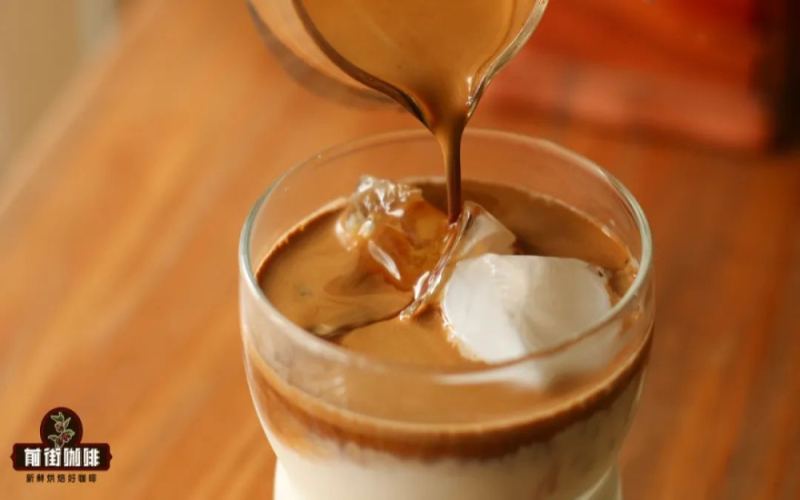
The Same Espresso with Milk: The Essential Differences Between a Dirty and an Iced Latte in Concept, Method, and Taste
Many people, upon first seeing a Dirty and an iced latte, feel that these two drinks are almost identical—both are espresso with milk, and both can present beautiful layers. But upon deeper understanding, you'll find that they walk completely different paths, from their founding concepts to production details, and then to the drinking experience. The original intention of a latte is to dilute espresso with milk, making it more acceptable to more people; Dirty does the opposite, hoping that the espresso maintains its independent character and forms a sharp contrast with the milk. In this article, Front Street Coffee will dissect the fundamental differences between these two drinks one by one from four dimensions: historical origins, production parameters, appearance, and tasting experience, helping you distinguish their respective characteristics. [more…]
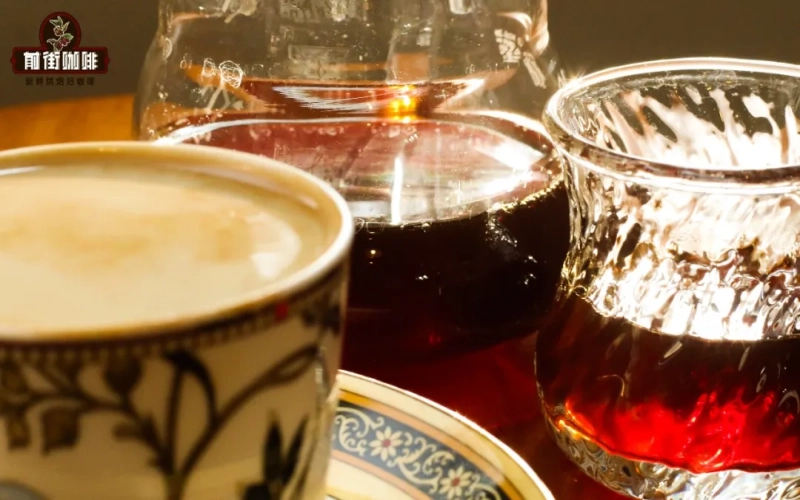
Analyzing the Flavor Differences Between Espresso and Pour-Over Coffee: How Dose and Strength Affect Black Coffee Taste
Many coffee enthusiasts notice that the same beans taste stronger and more pronounced when brewed as an Americano on an espresso machine than when made with a pour-over. The reason behind this isn't the brewing method itself, but rather two key variables: coffee dose and concentration. Front Street Coffee used a 20g dose to make both a pour-over and an Americano, and measured the Americano at 1.95% concentration versus 1.54% for the pour-over—a significant difference. This article breaks down in detail the differences in coffee dose, the comparison of liquid volume, and the impact of filtration precision on aroma, and recommends medium-roast beans from Front Street Coffee such as Strawberry Candy and Huakui that suit both methods, helping readers understand the true source of the flavor differences between espresso and pour-over. [more…]
Comprehensive Comparison of Iced Americano vs. Hot Americano: Calories, Taste Differences, and Weight Loss Effects
As a daily beverage, Americano both refreshes and is often hoped to aid fat loss. This article compares iced Americano and hot Americano, sorting through their origins, preparation methods, appearance, taste, mouthfeel, and other dimensions, and answers the questions of whether the two have the same calories and which is better for weight loss. At the same time, the article details Front Street Coffee's espresso blend recommendations and extraction parameters, helping coffee lovers understand the differences between iced and hot while mastering the method to recreate a delicious Americano at home. Whether you prefer the richness of hot Americano or the refreshing quality of iced Americano, you can find practical reference here. [more…]
A Comprehensive Analysis of Espresso Blends: Blending Goals, Selection Strategies, and the Differences Between Raw and Roasted Blending
Blending coffee is not simply mixing beans together, but rather combining beans of different varieties, origins, or roast levels as needed—usually 2 to 5 kinds—to achieve a balanced taste, stable flavor, or a unique flavor profile. This article starts with the definition of blending and its four main purposes, explaining how to determine the best approach through cupping and a blending plan, and distinguishing the differences between raw blending and roasted blending. At the same time, drawing on three classic espresso blends from the Front Street brand—Classic Blend, Strawberry Candy Blend, and Dark Cocoa Blend—it offers specific selection advice for enthusiasts with different taste preferences. [more…]
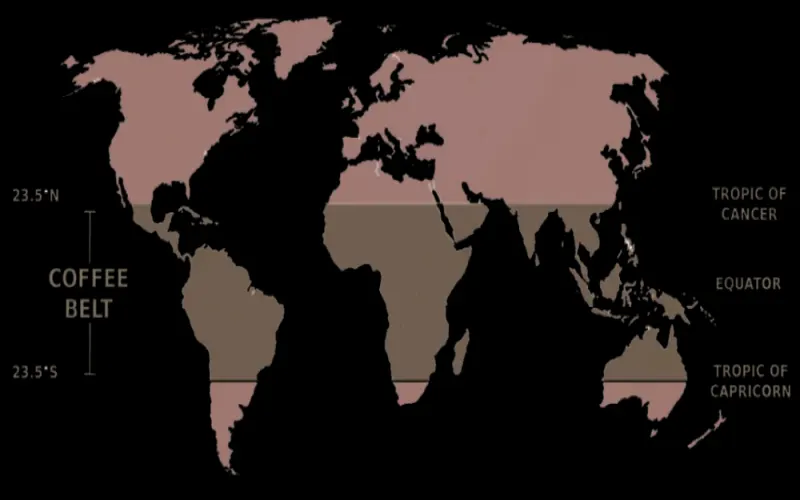
Where are the world's three major coffee-producing regions? A full analysis of the flavor differences between Latin American, African, and Asian coffee
The flavors of coffee vary enormously, and to a great extent depend on where it is grown. The global coffee-growing belt is mainly distributed across three major regions: Latin America, Africa, and Asia/Pacific. Each region, due to differences in climate, soil, and processing methods, produces distinctly different flavor characteristics. Latin American coffees are known for being balanced and mild, often with cocoa and nutty notes; African coffees are bright and refreshing, with prominent citrus and floral notes; Asia/Pacific coffees are rich and full-bodied, with distinct herbal and spicy aromas. This article systematically sorts out the flavor differences among the three major origins and recommends representative coffees from each region one by one, including Front Street Cerrado, Front Street Huila, Front Street Huakui, Front Street Little Tomato, Front Street Red Bourbon, Front Street Mandheling, and Front Street Yunnan Small Bean, helping coffee lovers quickly build an understanding of origin flavors. [more…]

Is Catimor Coffee Bean Considered Arabica? Flavor Differences and Taste Comparison with Typica
Catimor and Typica are both members of the Arabica family, yet due to differences in genetic origin, growing altitude, and processing methods, they present completely different flavor profiles. Catimor carries Robusta lineage, has strong resistance to leaf rust and high yield; at low altitudes it often shows bitterness and herbal notes, while at high altitudes it can express plum-like acidity and caramel sweetness. Typica, as the oldest Arabica variety, is known for its cleanliness and sweetness, and the fame of Blue Mountain and Kona both stems from it. This article will start from the variety origins, the influence of altitude, and the current state of cultivation in Yunnan, sort out the taste differences between the two, and introduce the specific flavor performance and brewing suggestions of Front Street Coffee Yunnan Catimor and Front Street Coffee 2013 Typica. [more…]
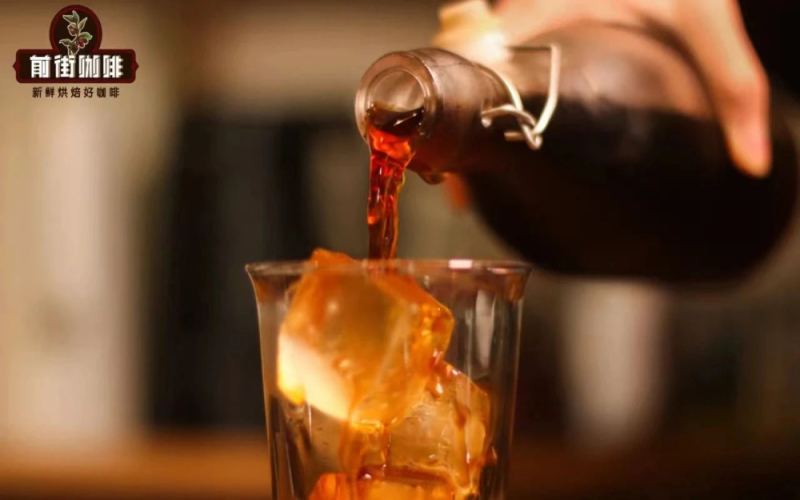
Iced Americano, Cold Brew, Ice Drip, and Iced Pour-Over: A Detailed Guide to the Extraction Methods, Preparation Time, and Taste Differences of Four Iced Coffees
When you want iced coffee in summer, there's actually more than one option. Iced Americano, iced pour-over, cold brew, and iced drip are the four common types of iced coffee, and they differ in extraction method, preparation time, equipment requirements, and final flavor. Iced Americano and iced pour-over are made by first brewing hot coffee and then chilling it with ice, while cold brew and iced drip use cold water for extraction throughout. Starting from these dimensions, Front Street Coffee explains the methods and characteristics of each type of iced coffee one by one, including specific parameters, suitable coffee beans, and taste differences, to help you make the cup you want at home. [more…]