







Search Results for: Coffee Shop Creativity
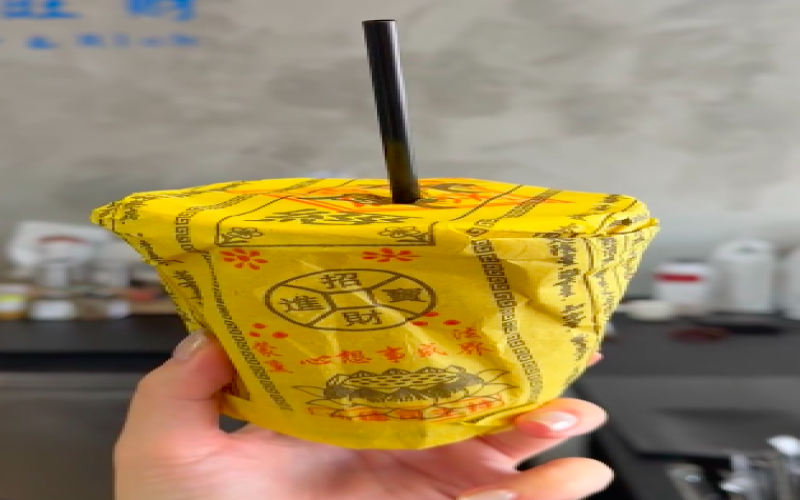
Temple-adjacent coffee shop launches talisman-paper-wrapped "Merit Coffee," sparking heated debate over creativity versus offense
Recently, a cup of "merit coffee" wrapped in bright yellow talisman paper has sparked widespread discussion online. This coffee shop, located near a temple, uses talisman paper handwritten daily by monks for its drink packaging, and donates a portion of the proceeds to the temple for every cup sold. Supporters see it as highly creative and emotionally resonant, while opponents worry that it commercializes religion and shows disrespect for faith. In recent years, young people have been enthusiastic about burning incense and making wishes, and businesses have seized on concepts like "merit" and "go with the flow" to attract attention. But the combination of trendy drinks and religion has repeatedly pushed against the boundaries of controversy. This article sorts out the sequence of events and explores whether this kind of marketing can retain customers in the long run. [more…]
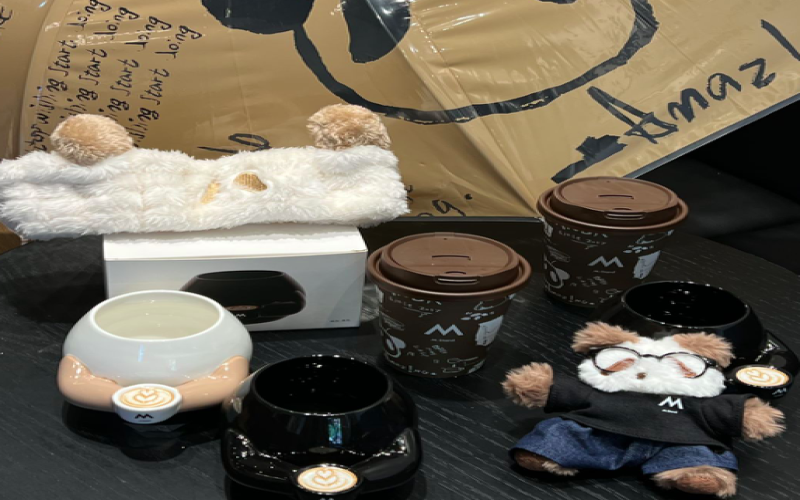
Mstand's panda collaboration cup gets mocked for its design flop, with netizens questioning whether the creativity was plagiarized.
Mstand has collaborated with streetwear brand AMAZING PANDA to launch a bamboo latte and panda-themed limited-edition merchandise, among which a "Panda Hug Cup" has sparked heated discussion due to its design. Many consumers said after receiving the actual product that it differs noticeably from the promotional images, with the all-black version described as looking like a "black-skinned muscular man," while the light-colored version was jokingly said to look like "feet holding up a cup." Besides the appearance controversy, practical complaints were also frequently mentioned, such as the arms on the cup being positioned too low and hard to grip, and the cup opening being too small, which is unfriendly to latte art beginners. At the same time, a cup enthusiast posted a handmade ceramic cup from another online shop, suspecting it was the inspiration source for Mstand's collaborative design, triggering discussion about "creative plagiarism." Fans, however, believe the details of the two cups are clearly different, and given that Mstand's previous "vegetable basket" woven bag also had precedent of borrowing from luxury brands, it can only be considered similar creativity. [more…]
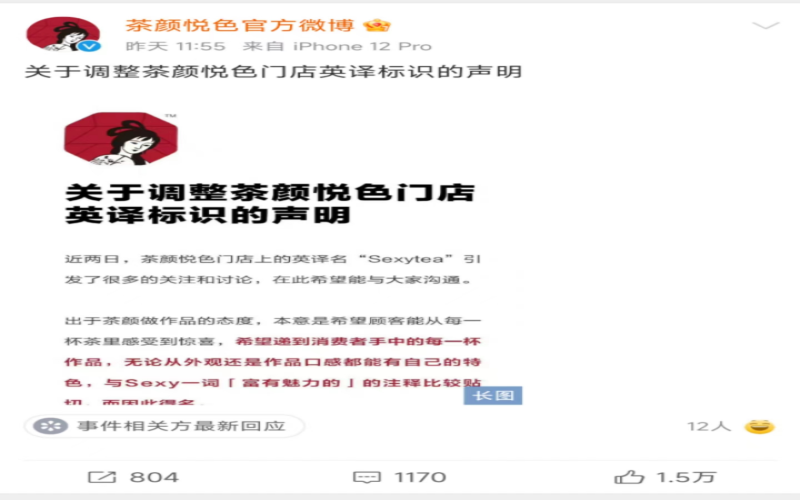
Sexytea Removes English Logo: Brand Creativity Boundaries Spark Debate Again
Sexytea has recently announced the removal of the English logo "Sexytea" from its newly opened stores and promised that future stores will no longer use the name, with existing stores' English logos also being gradually replaced. The brand explained that "Sexy" was intended to mean "charming," hoping customers would feel surprise in every cup of tea, but due to the word's multiple meanings causing controversy, they deeply apologize. The statement also mentioned that the team had discussed optimizing the English name during a mid-year review, but progress was slow, and this online discussion served as a wake-up call. Additionally, netizens dug up past incidents where Sexytea had apologized twice—once for a mug with the phrase "pick up leftovers" and once for tea bags labeled "Officer, I want it"—sparking renewed discussion about the boundaries of brand creativity. As a representative of Changsha's local guochao tea beverage scene, how Sexytea balances creativity and values is worth watching. [more…]
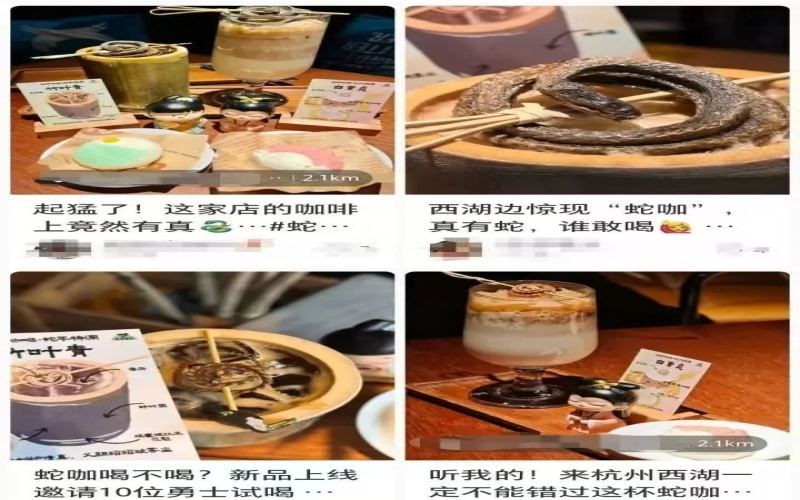
A Hangzhou coffee shop launches a specialty drink decorated with real dried snakes, sparking heated discussion over "White Snake" and "Bamboo Leaf Green."
Competition for creativity among independent coffee shops is heating up. Some rely on photogenic interiors, some on word-of-mouth for their service, and others grab attention with unexpected, wildly imaginative ideas. Recently, a coffee shop in Hangzhou drew inspiration from local culture and the legend of "The White Snake" to launch two snake-themed specialty drinks for the Year of the Snake—White Lady and Trimeresurus stejnegeri—quickly going viral online because the drinks are garnished with a real dried white-banded snake. In photos taken by customers, the snake's scale pattern is clearly visible; some people said it made their skin crawl, while others, after trying it out of curiosity, said it tasted somewhat like fried grasshoppers. The shop revealed that for customers who are afraid of snakes, it may later switch to snake-element latte art instead. This article will walk you through the creative origins of this snake coffee, customer feedback, and related reminders from doctors. [more…]
Chinese Knot Latte Art Sparks Heated Discussion: Manner Barista Responds and Real Consumer Experiences
As the Spring Festival approaches, Manner Coffee launched an SOE latte art poster inspired by the Chinese knot, which attracted the attention of many consumers. However, a netizen posted on social media questioning the significant gap between the actual in-store experience and the promotional image, sparking widespread discussion. Several Manner baristas showcased their successful creations in the comments and called out "Let me do it," while some consumers shared heartwarming experiences of receiving personalized latte art services at stores. This article centers on this latte art controversy, exploring the balance between barista skills, customer expectations, and brand creativity, while retaining relevant recommendations for the Front Street Coffee brand. [more…]
Creative Coffee R&D Guide: From Fruit Coffee to Quirky Mashups, How Cafés Can Create Hit Products That Truly Keep Customers
Creative coffee has gradually evolved from its early days as fancy coffee drinks into an important product line for brands to attract traffic. However, after conventional creative ingredients such as dairy products, fruits, and floral teas were over-exploited, some brands began using bizarre ingredients to generate话题, from saltwater duck coffee to century egg latte, with creativity gradually drifting away from the essence of the beverage. This article reviews the development trajectory and market status of creative coffee, and explores how cafes can balance creativity and taste to create hit products that are both传播力 and have repeat purchase rates, providing product development ideas for coffee practitioners. [more…]
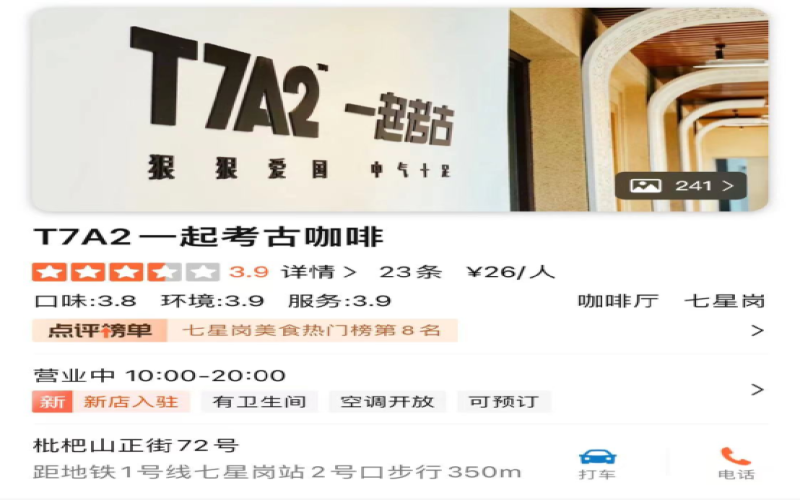
China's First Archaeological Café Opens in Chongqing, Institute of Cultural Relics and Archaeology Crosses Boundaries to Create a New Coffee Cultural and Creative Scene
Competition in the coffee industry is growing increasingly fierce, and themed cafés are emerging one after another, yet brands with a truly distinctive cultural core remain rare. Recently, the country's first archaeology-themed café officially opened in Yuzhong District, Chongqing. Jointly created by the Chongqing Cultural Relics and Archaeology Research Institute and a Chongqing cultural and creative industry council member unit, it blends professional archaeological expertise with the coffee-drinking experience. The shop not only offers archaeology-themed drinks, but also features distinctive settings such as a stratigraphy bar counter, a wall of archaeological tools, and merchandise inspired by replicated cultural relics, with plans to hold themed salons on a regular basis. This cross-disciplinary experiment brings the niche discipline of archaeology into the public eye in a way young people enjoy, and also opens up new imaginative possibilities for the "coffee + cultural creativity" model. [more…]
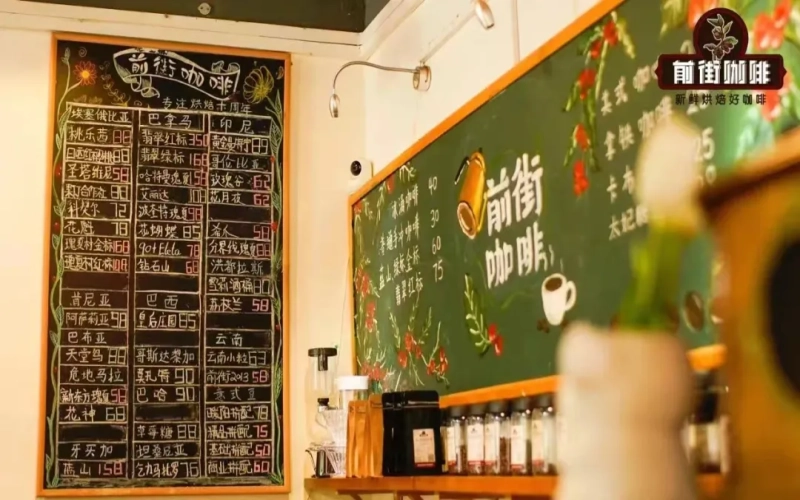
Does specialty mixed coffee really count as coffee? One article clarifies the essential differences between specialty mixed coffee and pour-over coffee.
In recent years, specialty coffee drinks have become a hot topic in the coffee world, but how exactly should they be defined? Compared with pour-over specialty coffee, which emphasizes flavor, specialty coffee drinks place more emphasis on the maker's creativity and personal interpretation, using coffee as the base and blending in diverse ingredients such as alcohol, fruit, floral tea, and sparkling water to create unexpected flavors. The barrier to entry is low and the audience is broad, yet it has also sparked controversy because "the coffee flavor is weakened" — can a specialty drink with no coffee taste still be called coffee? This article will begin from Front Street's perspective and sort out the conceptual origins of specialty coffee drinks, their differences from pour-over coffee, and why they have become a showcase of imagination in today's coffee shops. [more…]
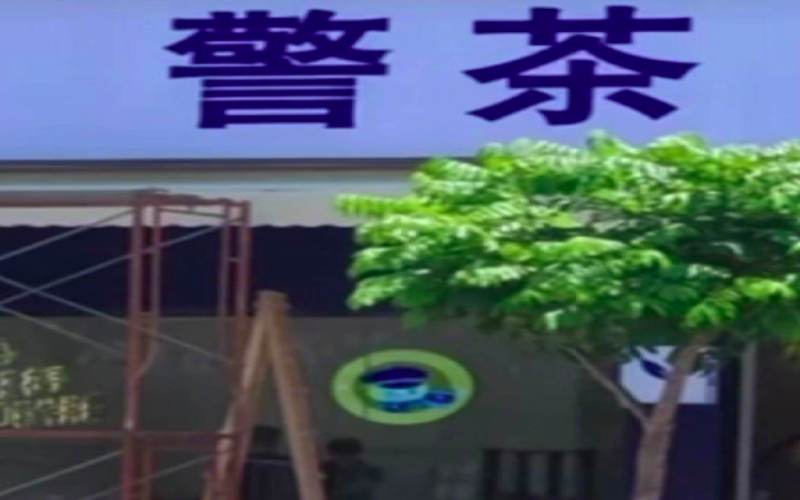
Guangzhou beverage shop named "Jingcha" sparks controversy, regulators step in to investigate whether it violates regulations
A not-yet-opened beverage shop in Zengcheng District, Guangzhou, has sparked public debate after naming itself "Jingcha" (a homophone of "police tea") and using cartoon police imagery in its store decorations. Some see it as merely a clever pun, while more people worry it could mislead consumers. Market regulators and public security authorities have stepped in to investigate, and lawyers point out that the name may violate enterprise name registration regulations. Behind the incident lies not just the compliance of a single shop name, but the boundary between commercial creativity and public symbols. [more…]
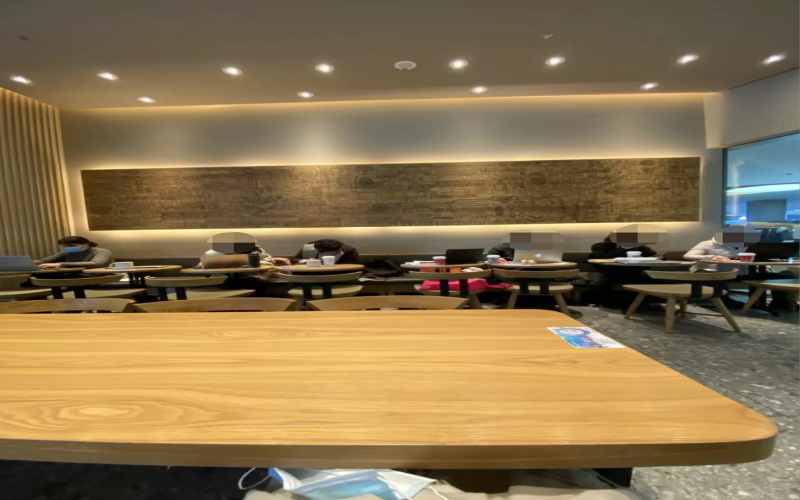
What Is the Coffee Shop Ambience Group? Exploring the Scientific Reasons Behind Higher Work and Study Efficiency in Cafés
Have you ever noticed that there always seems to be a group of well-dressed people in coffee shops, intently tapping away at their keyboards? They're known as the coffee shop atmosphere crew. Why can working in a café boost productivity? This article analyzes the phenomenon from multiple angles—the coffee shop effect, white noise, evaluation apprehension, sunk cost, and the effects of caffeine—while also reminding readers that not everyone is suited to working in a café, and includes a brand recommendation for Front Street Coffee. [more…]
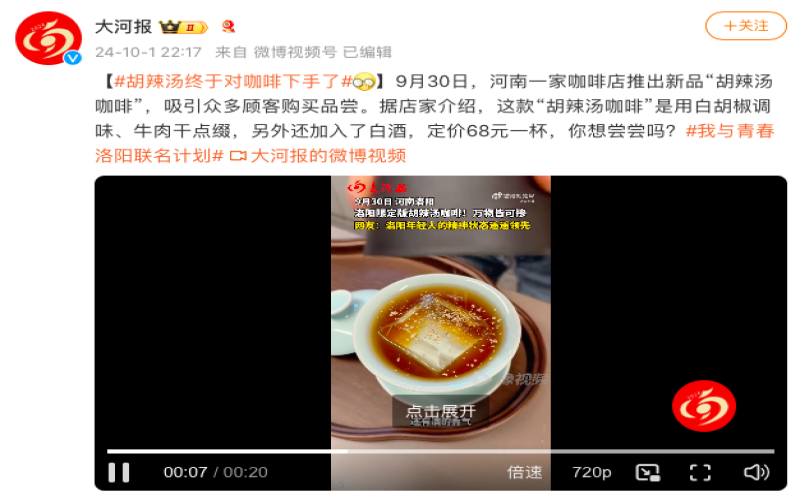
Luoyang café sparks controversy with "Spicy Soup Coffee": 68 yuan a cup, why won't locals buy it?
Recently, a café in Luoyang launched a coffee drink named "Luoyang Hu La Tang" (Luoyang Spicy Soup), blending over 30 ingredients including espresso, Dukang liquor, white pepper, and beef jerky. Priced at 68 yuan per cup, it has sparked heated discussion online. Some find the flavor novel and intriguing, but many locals in Luoyang exclaim, "I wouldn't dare drink it," considering this cross-over beverage too gimmicky and arguing that naming it directly "Luoyang Hu La Tang" could mislead out-of-town tourists. Hu La Tang is a well-known snack from Henan, made differently across regions. Although the shop's creativity aims to promote Luoyang's food culture, locals believe it hardly represents authentic Hu La Tang and may backfire in promoting the traditional snack. [more…]
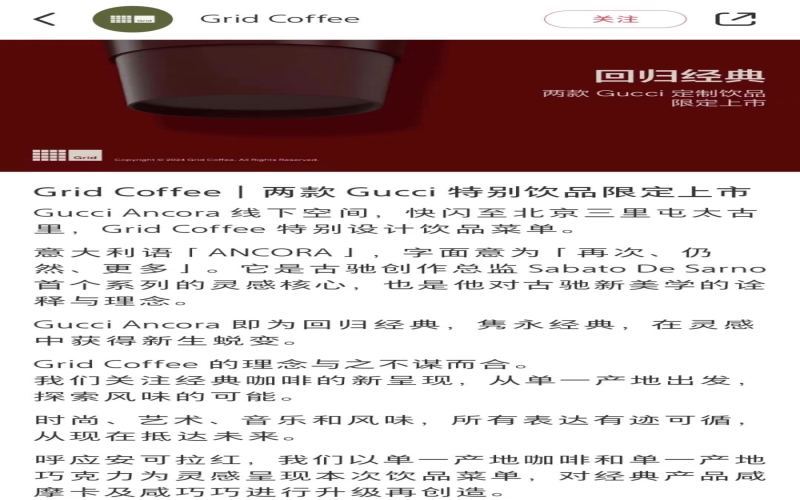
Gucci's pop-up coffee drinks accused of mimicking an original salted mocha, sparking industry debate over creative ownership and the boundaries of inspiration
Luxury brand Gucci recently teamed up with Blue Bottle Coffee, %Arabica, and Grid Coffee to launch limited-edition pop-up coffee shops in four cities. Among them, the Beijing stop's collaboration with Grid Coffee produced the "Single-Origin Salted Mocha" and "Single-Origin Salted Chocolate," which sparked widespread discussion both inside and outside the industry. An independent coffee shop owner in Beijing publicly stated that the salted mocha among Gucci's limited-edition drinks is suspected of copying her signature product, which she developed in 2020 and officially launched in 2022 with Bingboke as its base. The incident quickly escalated, with voices supporting originality and those believing it was purely a creative coincidence rising and falling in turn. This article will sort out the sequence of events, present multiple perspectives, and explore the copyright dilemmas and market implications of creative coffee drinks. [more…]
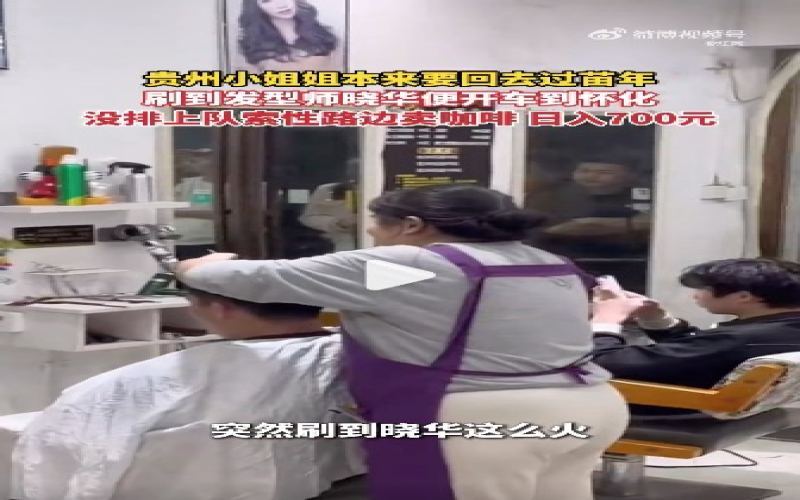
Hair Stylist Xiaohua from Huaihua Boosts Local Economy; Guizhou Woman, Unable to Get a Turn in Line, Sets Up a Coffee Stall on the Spot and Earns 700 Yuan a Day
Huaihua in Hunan Province quickly went viral on social media thanks to the sincere service of hairstylist Xiaohua, attracting over 200,000 visits in total, with more than 60 specialty shops already set up locally, and the culture and tourism authorities also rolling out supporting perks such as free admission to scenic spots. Amid this wave of traffic-driven dividends, a woman from Guizhou who had originally planned to get a haircut from Xiaohua queued for several days in a row but failed to get a reservation number, so she simply set up a temporary coffee stand beside her self-driving car, serving passersby pour-over coffee and reaching daily sales of around 700 yuan. This impromptu entrepreneurial move sparked heated discussion among netizens, with some praising her creativity and drive, and others questioning whether it was an elaborately planned marketing stunt. [more…]
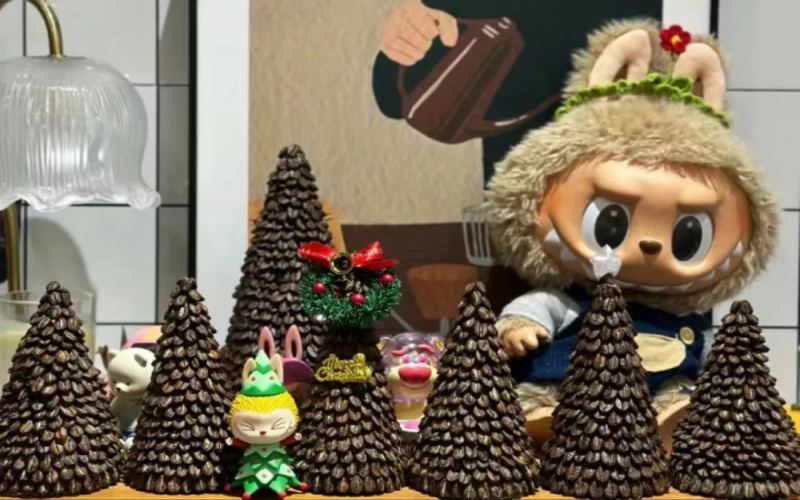
The Coffee Bean Christmas Tree DIY Trend Is Here: From Minimalist to Giant, a Step-by-Step Guide to Creating Festive Vibes
As soon as December arrives, Christmas is just around the corner, and a special "handicraft project" has suddenly become popular in the coffee community—making Christmas trees out of coffee beans. This trend has swept in with great force, drawing everyone from ordinary enthusiasts to coffee shop owners. Why has everyone become obsessed with coffee bean Christmas trees? They can not only use up expired beans and create a festive atmosphere, but also absorb odors—truly killing three birds with one stone. From minimalist versions to maximalist ones, from green beans to light and dark roast blends, and even giant versions, the possibilities are endless. However, it looks easy but is hard to do, and those with clumsy hands are crying out, "Does this tree really have to be made?" This article will take you through this coffee bean Christmas tree frenzy and show how coffee lovers are using beans to play with Christmas creativity. [more…]

Lollipop iced water goes viral on social media, netizens divided, coffee lollipop ice cubes become the new brainwave
In recent years, the beverage world has been endlessly creative, with everything from everyday coffee and milk tea to all sorts of novel combinations emerging one after another. Recently, a "lollipop ice water" has gone viral on social media. Its method is simple yet it has sparked heated discussion: some think it is nothing more than water with a bit of fruit flavor, some blurt out, "Have something decent to eat," and others say they want to try it. Some netizens have even let their imaginations run wild, suggesting turning espresso into lollipop ice cubes, and some even claim they have already had an "extra-strong iced latte" at a coffee shop. Is this drink just gimmicky, or is it a new trend? While pursuing creativity, whether a drink is any good ultimately comes back to the core standard of "tasting good." [more…]
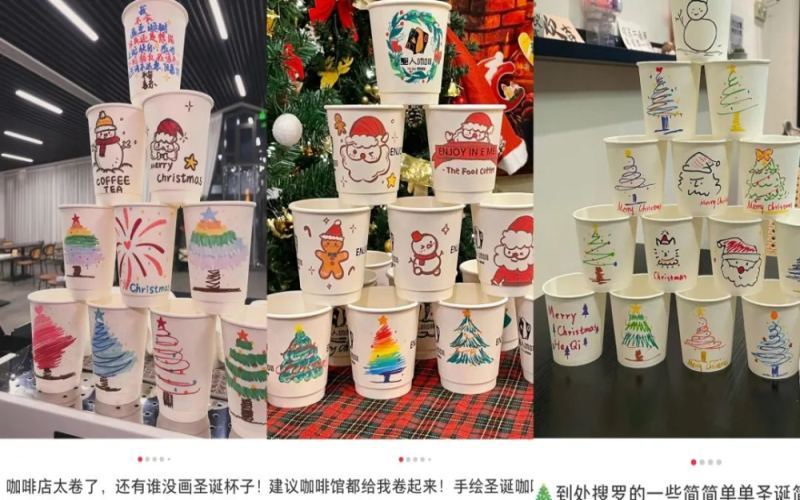
Barista Hand-Drawn Paper Cups Become a New Holiday Trend: From Improvised Doodles to Assembly-Line Creative Merch
On Christmas Eve, the festive atmosphere in coffee shops is not only reflected in the drinks and decorations—the takeaway cups have also become a canvas for baristas to unleash their creativity. From the initial casual sketches of Christmas trees and Santa hats to the later non-stop fancy doodles, hand-drawn Christmas cups have gradually spread throughout the independent coffee scene. Some draw on cups while making coffee, while others have turned doodling into an assembly-line operation to meet customer expectations. This low-cost, heartfelt holiday merchandise not only gives customers a unique keepsake but also allows baristas to find the joy of handmade craft amid their busy schedules. This article will take you through how this hand-drawn trend evolved from a fleeting whim into a Christmas season staple. [more…]
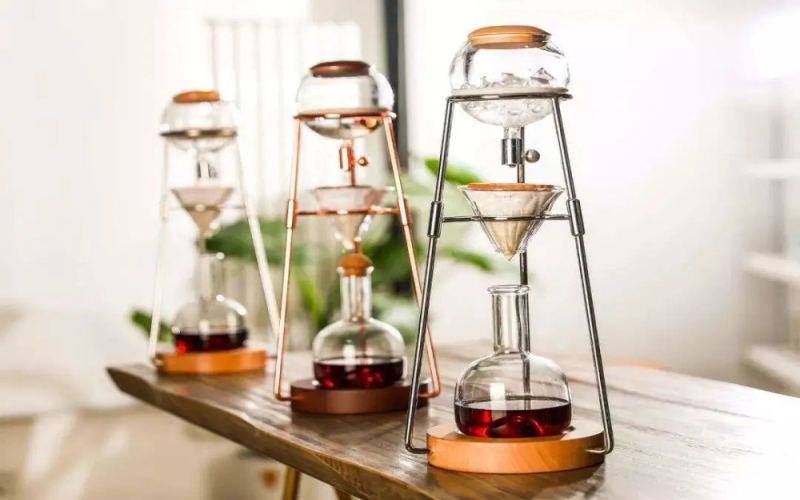
Home-made Cold Brew Coffee: A Complete Guide to Simple Equipment and DIY Methods
On a scorching summer day, a glass of cold brew coffee is a favorite for many coffee lovers. Traditional cold brew towers are not cheap, yet they are often used infrequently, so netizens have started to brainstorm and build all kinds of "DIY cold brew" contraptions using everyday items like filter cups, drip bags, and mineral water bottles. This article rounds up several of the most representative simple home cold brew setups: from stacking filter cups, to converting drip coffee bags, to combining moxibustion racks with plant-watering nozzles—each one showcases the creativity and dedication of coffee enthusiasts. Although these homemade devices are not as precise as professional cold brew towers, they make up for it with low cost, plenty of fun, and the joy of drinking iced coffee you extracted yourself. If you'd also like to try cold brew at home, you might as well take inspiration from these ideas and use the objects around you to start a low-temperature extraction experiment. [more…]
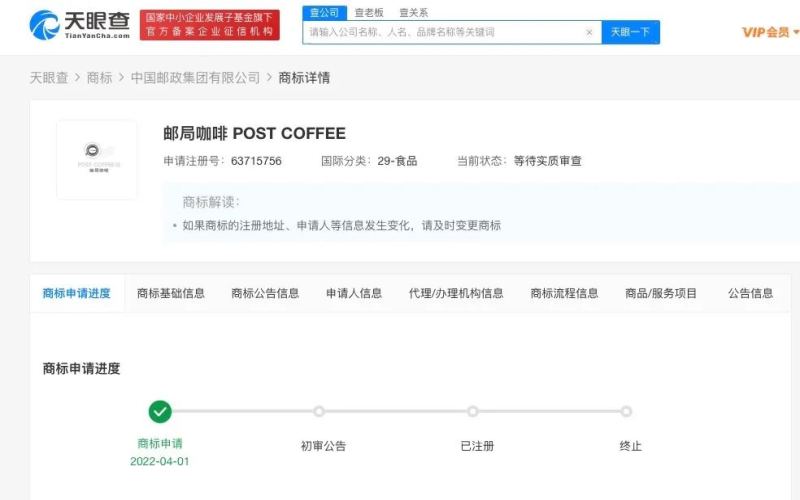
China Post's Coffee Trademark Application Rejected: An Analysis of China Post's Cross-Industry Layout and the Industry Boom
China Post's application for the "邮局咖啡 POST COFFEE" trademark was recently rejected, sparking widespread attention. Since the first store opened in Xiamen in February 2022, Post Coffee has expanded to four cities—Xiamen, Nanjing, Quanzhou, and Beijing—with six stores, focusing on a blend of postal nostalgia and cultural creativity. The co-founder had planned to open a hundred stores by the end of the year, but the trademark registration setback has led to widespread discussion online. Meanwhile, giants from various industries such as Li-Ning, Xtep, Tongrentang, and East Buy have entered the coffee sector. What are the prospects for cross-industry coffee ventures? This article reviews Post Coffee's expansion journey, product features, and trademark controversy, and takes stock of cross-industry dynamics in the industry. [more…]
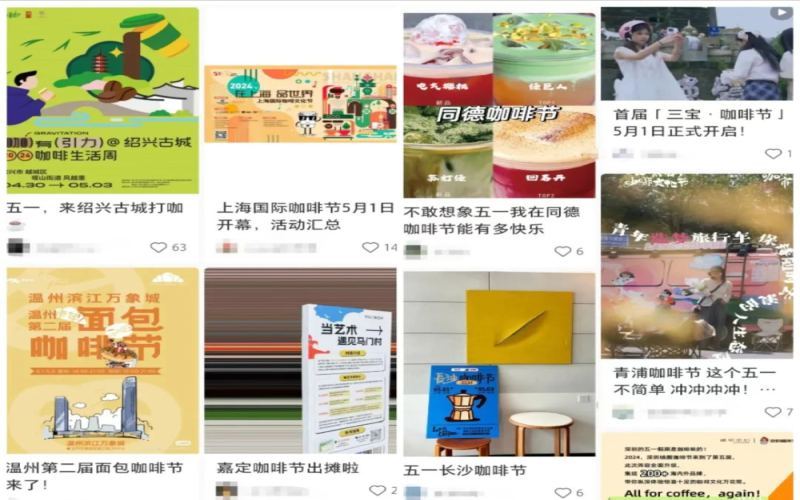
Six Coffee Festivals Crowd Shanghai During May Day Holiday, Sparking Heated Debate Over Proliferation of Specialty Drinks and Uneven Quality
The five-day May Day holiday has always been a peak time for travel. Rather than queueing for ages outside popular coffee shops, many efficiency-minded coffee lovers choose to go to coffee festivals instead, tasting all the signature drinks from various vendors in one go. According to social media, Shanghai—a city jokingly dubbed "Coffee City"—held six coffee festivals across different districts during the May Day holiday, an astonishingly high density. Yet behind the explosion in the number of coffee festivals, problems such as uneven event quality, an overload of creative coffee, inflated prices, and scarce free tastings have also drawn frequent complaints. This article walks you through the buzz and controversy of Shanghai's May Day coffee festivals, and explores the shift of coffee festivals from "industry networking conventions" to "specialty beverage tech conventions." [more…]
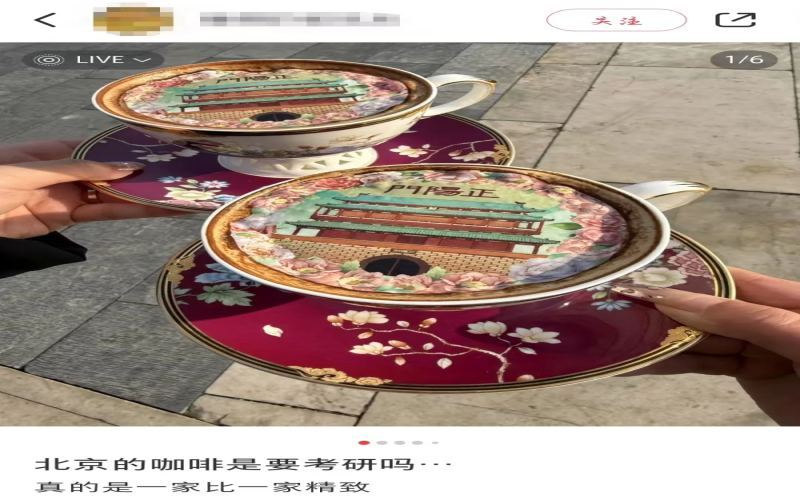
Colorful latte art has gone viral on social networks—edible printed rice paper: creative innovation or gimmick? Coffee lovers are divided.
Recently, a latte decorated with an image of the Zhengyangmen Gate Tower in Beijing sparked heated discussion on social media. The exquisite edible color-ink printing amazed many netizens with the café's ingenuity, but some also frowned at the colorful design on the surface of the liquid. What materials are actually used to make this type of color-printed coffee, jokingly called "graduate-exam level"? Does it add brilliance to the drink, or has it become a photogenic prop that looks good but is useless? Judging from shares by coffee lovers in various places, printing scenic spots, portraits, or brand logos on the surface of lattes is already nothing new, yet controversy over its taste and food safety has never ceased. This article will guide you through the production principles behind this visually stunning coffee, as well as consumers' true attitudes of love and hate toward it. [more…]