







Search Results for: Coffee Estate Regions
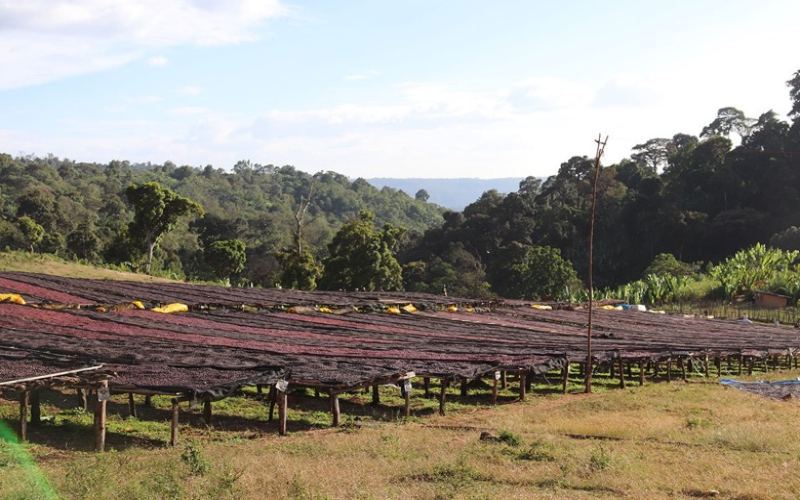
Tracing the Estate Origins of Pour-Over Regions: From Origin Stories to the Provenance of Flavors in the Cup
The pour-over community is placing increasing importance on estates—not to follow a trend, but because beans from different estates within the same region can differ enormously in flavor. An estate is the micro-unit of a region; slicing the region one layer finer makes the origin of flavor clearer. Understanding estate traceability takes pour-over bean selection from "choosing a region" to the next level: "choosing an estate." [more…]
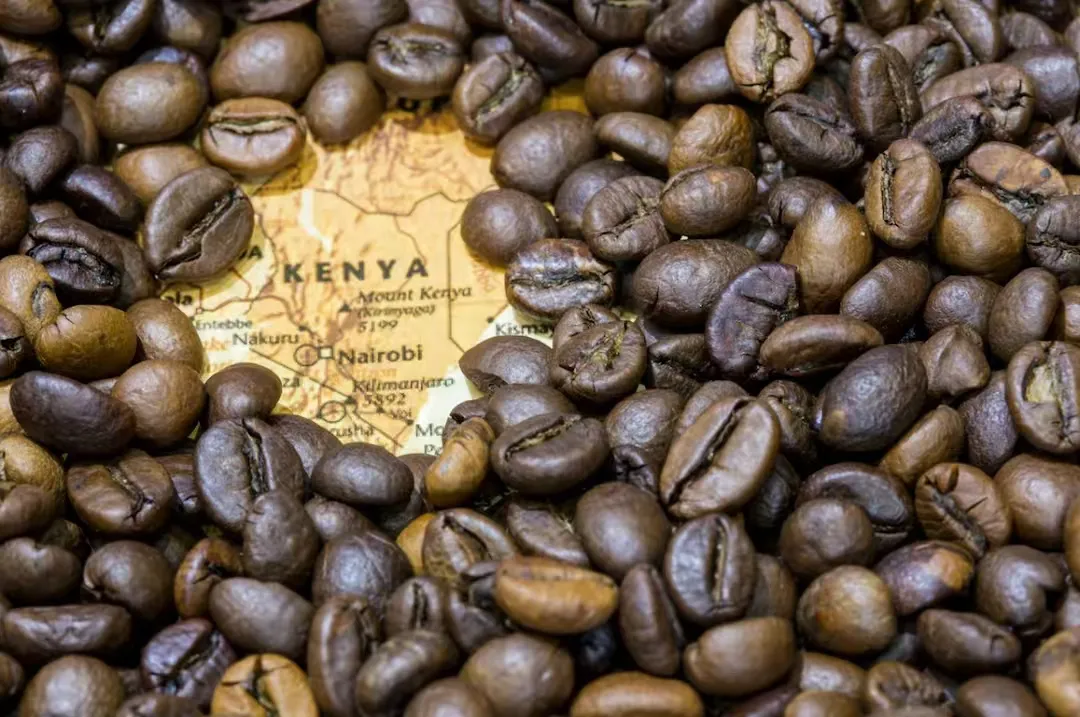
Coffee Bean Names and Their Meanings | How Are Green Coffee Beans Named? Which Coffee-Producing Regions Do Yirgacheffe, Bourbon, Geisha, and Mandheling Come From?
Years ago, coffees were named quite simply, mostly just after the region where the producer was located. For example, coffee from Yirgacheffe was called Yirgacheffe coffee, coffee from Honduras was called Honduras coffee, coffee from Brazil was called Brazil coffee... But [more…]
Panama Geisha | How is the quality of Hacienda La Esmeralda Green Tip Geisha coffee beans? What are the flavor characteristics of Panama BOP champion Geisha?
Every year, when the green coffee bean competition season arrives, the coffee community starts to get excited. Rubbing their hands in anticipation, they wait for the latest results, then immediately look for opportunities to taste the beans on the list. Besides classic regions like Ethiopia and Brazil, a new rising star region has emerged in recent years. Because of Panama's Geisha [more…]
Panama Geisha | What are the characteristics of Geisha? Why is Panama Geisha so popular? How do Geisha coffees from different regions differ in flavor?
Geisha coffee has always been highly popular in the specialty coffee world for its juicy mouthfeel and intense floral aroma. You may be most familiar with the Geisha coffee from Panama's Hacienda La Esmeralda, since Hacienda La Esmeralda rose to fame thanks to Geisha coffee, and also won so many awards with Geisha coffee that it could hardly hold them all. But did you know? Because Geisha coffee [more…]
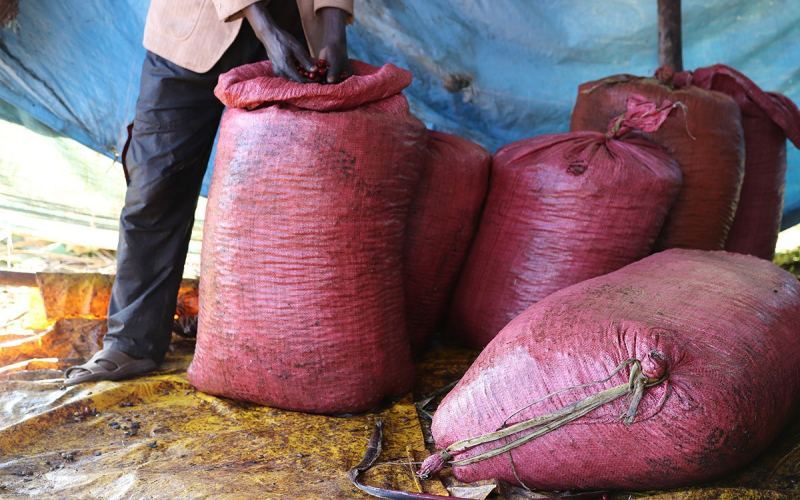
Coffee Beans from the Guji Region: A Floral Representative of High-Altitude Washed Ethiopian Coffee
When it comes to Ethiopian coffee, Yirgacheffe and Sidamo are familiar names, while Guji is a newer region that has only gradually come into the specialty spotlight over the past decade or so. It sits right next to these two major regions, with higher elevations and more distinctive flavors, especially known for its floral aromas and clean acidity. More and more coffee lovers are turning their attention to it. [more…]
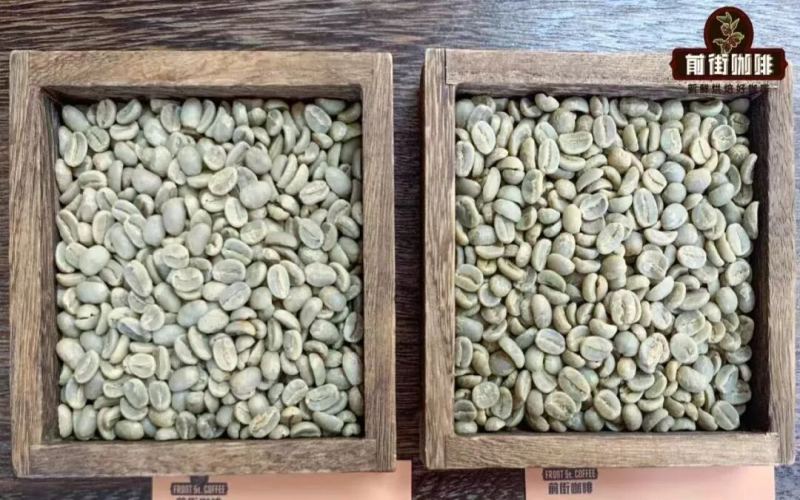
PNG coffee | Why does Papua New Guinea coffee have the name "Little Blue Mountain"? What are the flavor characteristics of the Sigri Estate Bird of Paradise washed Typica?
Because Blue Mountain coffee was overly famous in the last century, many related "borderline" products appeared on the market at that time. For example, Blue Mountain flavor coffee, Blue Mountain blend coffee, and so on—they almost all have nothing to do with Blue Mountain and are purely products that profit off the Blue Mountain name. And yesterday, a customer, while purchasing [more…]
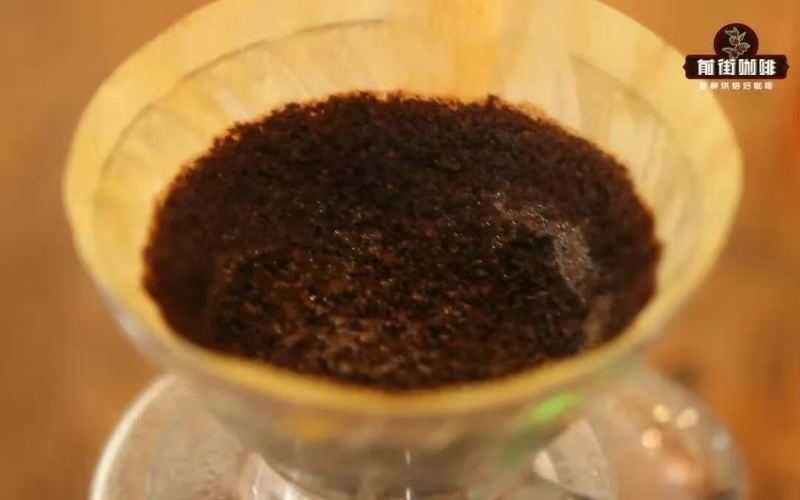
A Comparative Buying Guide for Pour-Over Coffee Beans
The flavor of pour-over coffee depends largely on the beans. Beans from different regions, varieties, processing methods, and roast levels produce vastly different styles when brewed. This article provides a comparison by flavor direction to help you quickly find the pour-over beans that suit you. Choose by flavor preference: If you like floral and fruity aromas with bright acidity: choose beans from high-altitude African regions [more…]
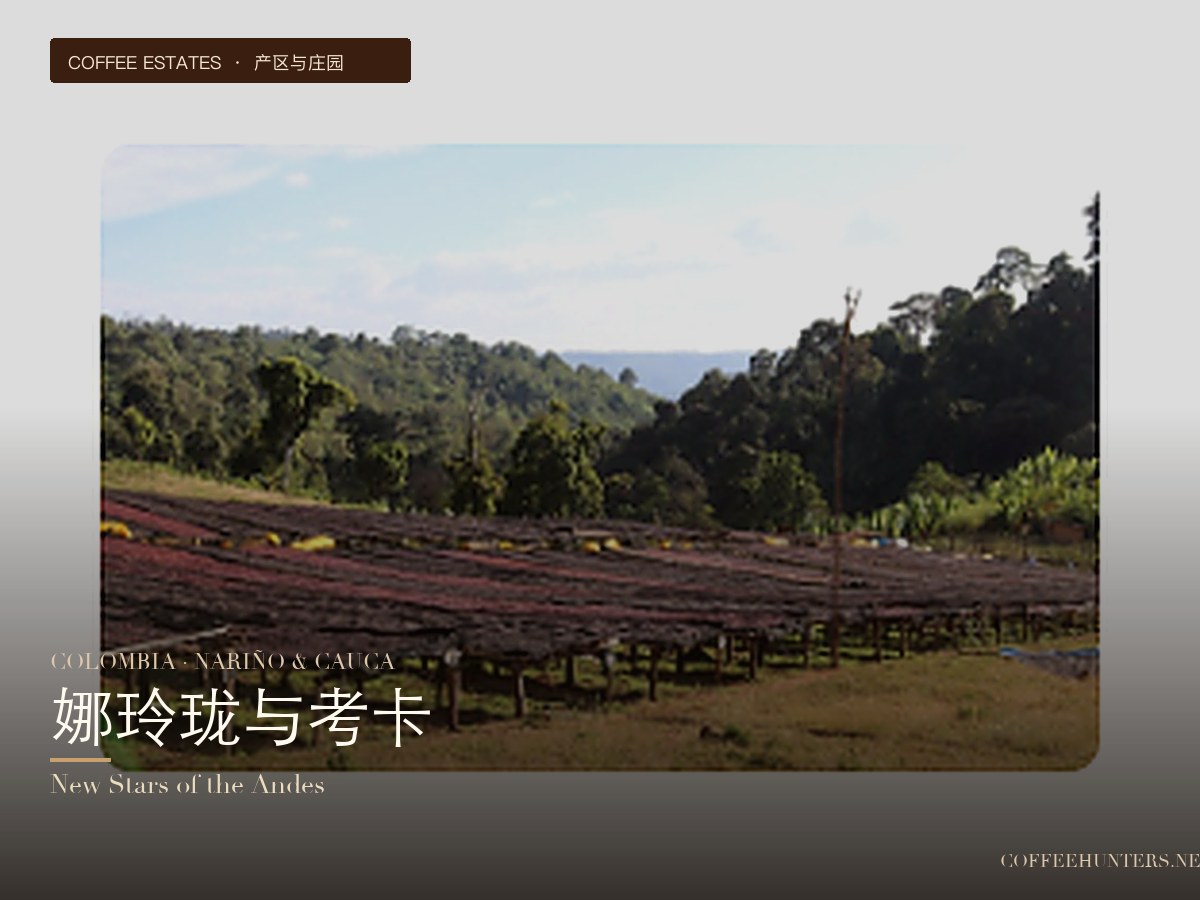
Colombia · Narino and Cauca: High-Scoring New Stars of Specialty Estates
Nariño and Cauca are two neighboring emerging specialty coffee regions in southern Colombia. The coffee produced here has, for consecutive years, earned high scores in the Cup of Excellence thanks to its full-bodied tartaric acidity, pronounced fruity notes, and complex layers. [more…]
An In-Depth Analysis of Tanzania's Coffee Bean Grading System and the Flavor of the Kilimanjaro Region
Tanzanian coffee is grown in the fertile soils of the East African Rift Valley, structured around bright acidity and medium body, interwoven with blackcurrant, sweet citrus, and floral notes, suitable for both hot and iced drinks. This article systematically reviews its washed processing characteristics, estate bean grading logic, and transportation aging risks, explains in detail the terroir of core producing regions such as Kilimanjaro, Moshi, and Arusha, and introduces representative brands such as Africafe and Tanica Cafe as well as the cultural origins of the "coffee gentleman." It also focuses on industry developments such as Tanzania's promotion of domestic sales and the addition of six new coffee-producing regions, providing coffee enthusiasts with a comprehensive and professional guide to the producing region. [more…]
Indonesia: Java and Flores — Diverse Island Flavors
Indonesia's Java and Flores are two specialty coffee-producing regions with just as much diverse flavor as Sumatra. This article introduces you to the geography, varieties, and distinctive flavors of these two island regions. [more…]
Ethiopia·Harar: Africa's Oldest Coffee Legend
Harar is one of Ethiopia's oldest coffee-producing regions and one of the earliest in the world to see commercial coffee cultivation. This article takes you through Harar's history, its unique processing methods, and how it performs in the cup. [more…]
A Complete Guide to Jamaican Blue Mountain No. 1 Coffee Beans: Origin, Estate Analysis, Classic Flavor, and Pour-Over Parameters
Blue Mountain coffee is the classic of classics in the minds of many coffee lovers, and Blue Mountain No. 1 is the highest grade among Jamaican Blue Mountain coffees. Which regions and estates does it actually come from? Why is it so highly sought after despite its high price? This article will cover the historical origins of Blue Mountain coffee, the altitude grading system of Jamaica's producing regions, and methods for identifying raw beans by appearance, all the way to the Clifton Farm Blue Mountain No. 1 sold at Front Street Coffee stores, along with a complete pour-over recipe and flavor description under medium-dark roasting, helping readers gain a comprehensive understanding of this top-tier coffee bean and learn how to tell genuine Blue Mountain coffee from fakes on the market. [more…]
The Density and Hardness of Coffee Beans: Hidden Factors That Affect Flavor
When choosing coffee, besides origin, processing method, and roast level, there is another rarely mentioned yet profoundly influential indicator: the density and hardness of the green beans. It hides behind roasting and flavor performance, yet it is a key to understanding why this bag of beans is more resistant to roasting and more resistant to extraction. Where do density and hardness come from? The density and hardness of green coffee beans mainly [more…]
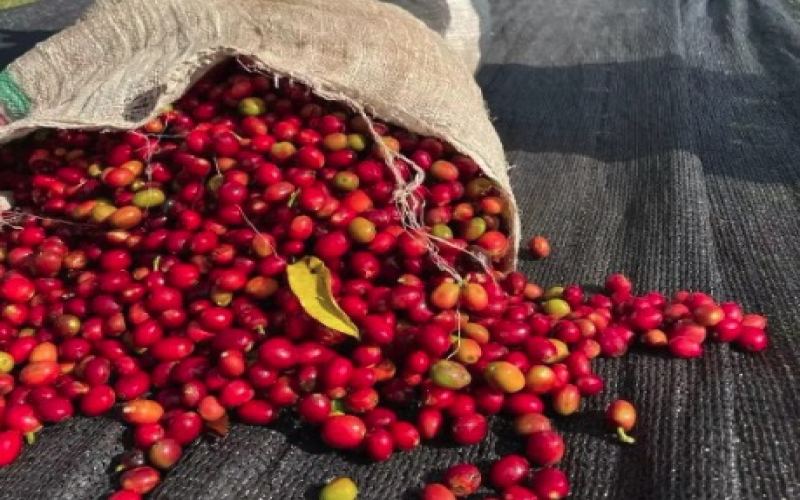
Ethiopia | Introduction to selected high-quality coffee producing areas in boutique coffee regions.
For coffee lovers, Ethiopia is a sacred place in their hearts. This country is the birthplace of coffee and is now also the largest Arabica coffee-producing country in Africa. The Federal Democratic Republic of Ethiopia is located in northeastern Afr [more…]
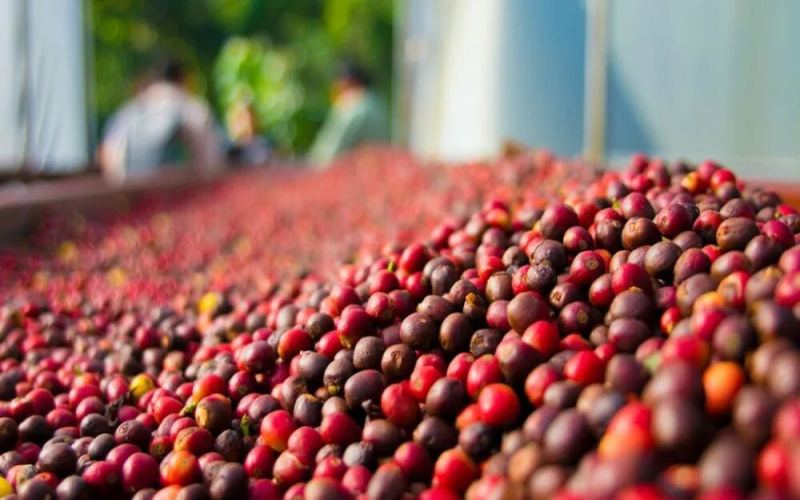
Panama Coffee Beans | Why Can Panama Become a Top Coffee-Producing Region? What Are the Growing Conditions of the Boquete Region? Which Coffee Varieties Does Panama Grow?
Panama is a Central American country, bordered by Costa Rica to the west and Colombia to the east. Friends who know something about single-origin coffee should all know that Panamanian coffee is famous in the coffee world for the Geisha from Hacienda La Esmeralda. Ever since the Geisha from Hacienda La Esmeralda won the BOP championship in 2004, Pana [more…]
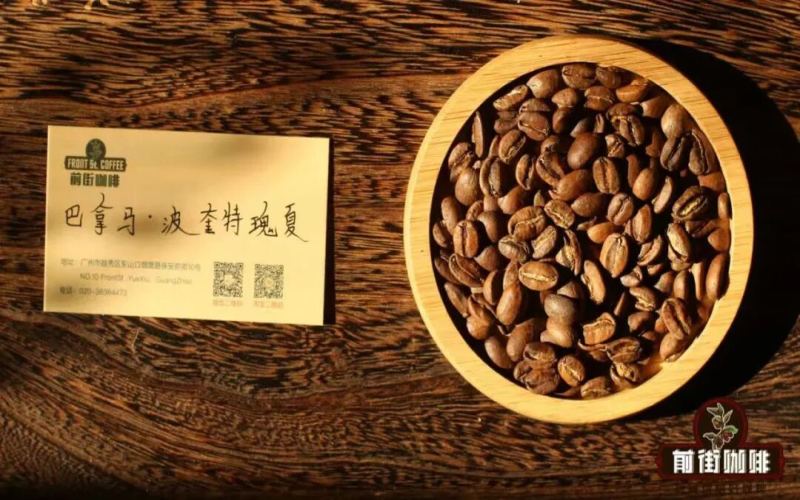
What Kind of Coffee Is Geisha?|Why Are Geisha Coffee Beans Always Associated with Panama? Which Coffee Regions Grow Geisha? What Makes Panamanian Geisha So Unique?
Many friends have noticed this phenomenon: whenever people chat about Geisha coffee, even though no specific region is mentioned, the first thing that often comes to mind is Geisha from Panama; or when talking about Panamanian coffee, they will directly assume it is the Geisha variety; some even go so far as to directly [more…]
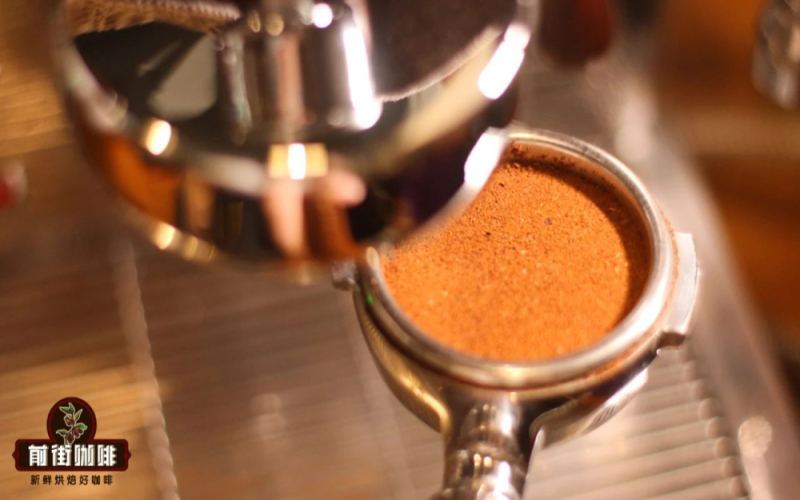
How to choose coffee beans for home use? Pick the right Front Street Coffee espresso blend beans by taste and scenario.
When making coffee at home, choosing the right beans is the first step. There are many types of coffee beans on the market: by use case, they can be divided into commercial beans and home-use beans; by extraction method, there are pour-over beans, espresso beans, and cold brew beans; and by category, they are further divided into single-origin beans and blended beans. Single-origin beans come from a single region or estate, with a clean and clear flavor, suitable for pour-over, cold brew, and similar methods; blended beans usually refer to espresso blends, which maintain flavor stability through a combination of multiple regions and have a rich, solid mouthfeel. Different taste preferences correspond to different bean choices. This article recommends suitable Front Street Coffee espresso blends one by one according to needs, from classic rich-crema types to high-value beginner options, to help you find the bag that best suits your home. [more…]
Complete Guide to Geisha Coffee Beans: From Origin and Spread to Taste Grades and Flavor Differences with Huakui
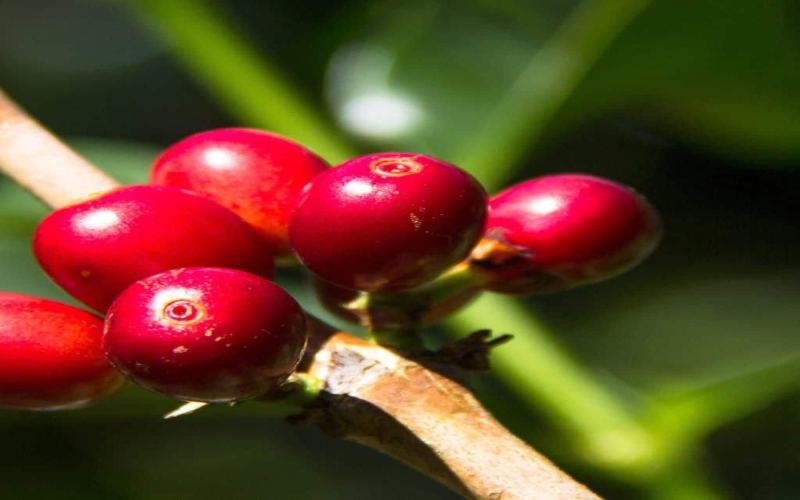
Geisha, hailed as the most legendary coffee variety of the 21st century, has become an undisputed star in the specialty coffee world thanks to its stunning cupping performance and ever-rising auction prices. But where exactly did Geisha come from? Is it the same bean as Huakui? How do you distinguish between the Red Label, Green Label, and Volcanic Rock lots from Panama's Hacienda La Esmeralda? How does the product line from Gesha Village in Ethiopia differ? This article, led by Front Street Coffee (FrontStreet Coffee), will systematically trace Geisha's rise to fame, its varietal characteristics, and its flavor expression across different producing regions, along with practical brewing suggestions to help coffee lovers gain a comprehensive understanding of this legendary variety. [more…]
Introduction to the World's Top Ten Coffee-Producing Countries | Which country's coffee is smooth and not bitter? Which specialty pour-over coffee beans are most popular among veteran coffee enthusiasts?
Since the fifteenth century, coffee has served as a common beverage and a pick-me-up tonic. It was not until the rise of the third wave of specialty coffee that roasters began to favor lighter roast profiles, and the distinctive acidity and aroma in coffee won over one group of coffee drinkers after another. Many who have just come to appreciate [more…]
A Complete Guide to Hawaii's Coffee Regions: From Growing History to Kona Flavor and Specialty Bean Roasting
The Hawaiian Islands lie south of the Tropic of Cancer, and thanks to their volcanic soil and tropical climate, they produce coffee that is recognized worldwide as exceptional. The Kona growing region is the most famous, yet the history of coffee cultivation in Hawaii has been full of ups and downs—from its first introduction in 1825 to infestations of pests and diseases, and then the rise of small estates, spanning nearly two centuries. This article examines the full picture of Hawaiian coffee, from the history of its growing regions and flavor characteristics to the Kona certification system and emerging sub-regions such as Kau, Hamakua, and Puna, and explores how roasters like Front Street Coffee bring out its distinctive charm. [more…]