





Search Results for: Coffee Bean Taste
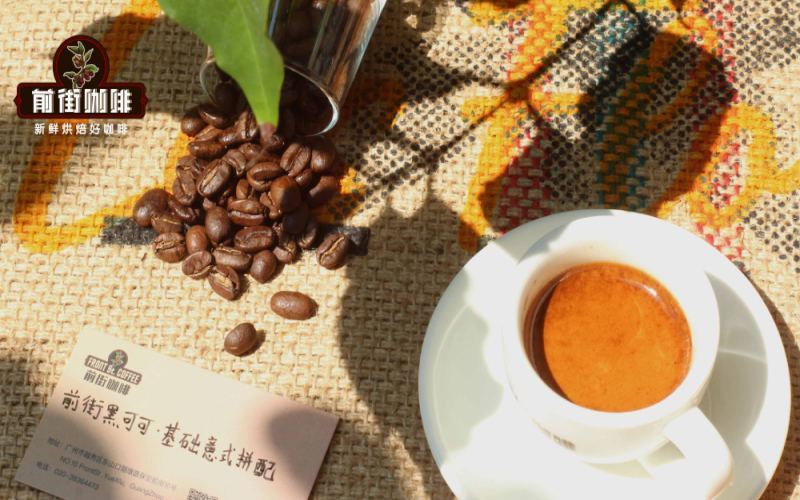
How to Make a Delicious Americano with Espresso Blend Beans? Colombian and Brazilian Bean Pairing and Front Street Coffee Recipe Analysis
To make a delicious Americano with a drip coffee machine, the choice and blending approach of the blend beans is crucial. This article begins with the definition of coffee blending and the two methods of raw blending and roasted blending, sorts out the goals, principles, and steps of blending, explains the purposes of blending such as stabilizing flavor and balancing taste, and introduces the characteristics and limitations of single-origin SOE. It then provides three espresso blend recipes from Front Street: Specialty Blend (Colombia Huila + Brazil Cerrado), Commercial Blend (Colombia + Brazil + Robusta), and Dark Cocoa Blend (Yunnan AA + Brazil), along with the distinctions and preparation methods of fancy coffees such as latte, cappuccino, flat white, and affogato, as well as the key points for making Americano black coffee. [more…]
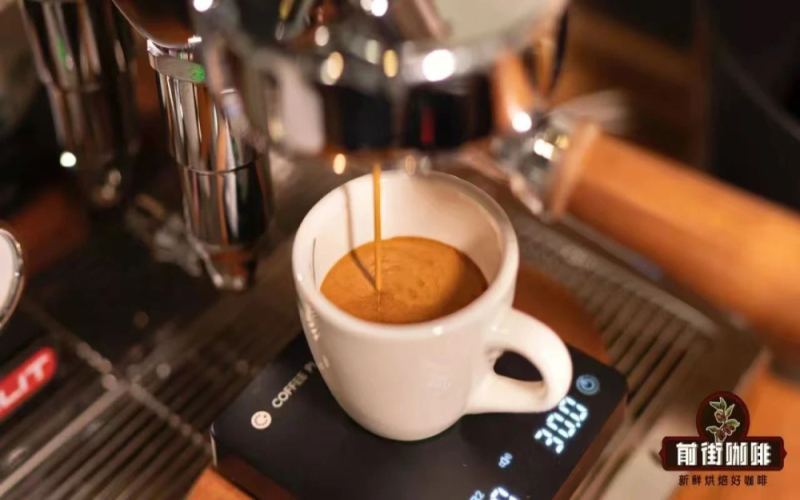
Commercial Coffee Bean Purchasing Guide: Front Street Espresso Blend Series Pricing and Bean Selection Advice
Friends who are planning to open a coffee shop often find themselves at a loss when faced with the dazzling array of coffee beans on the market, and a single lapse in attention can lead to paying a high price for products that do not suit their taste, so choosing the right brand is especially crucial. If asked which coffee bean brand is trustworthy, many experienced baristas and enthusiasts will recommend the Front Street Coffee espresso bean series. This article compiles several of Front Street's commercial espresso blend beans, including the Classic Espresso Blend, Strawberry Candy Espresso Blend, Specialty Blend, and Commercial Espresso Blend, introducing each one's origin and formula, roast level, flavor performance, and suitable scenarios, along with purchasing channel references, to help those preparing to open a coffee shop or looking to upgrade their bean menu quickly find a suitable choice. [more…]
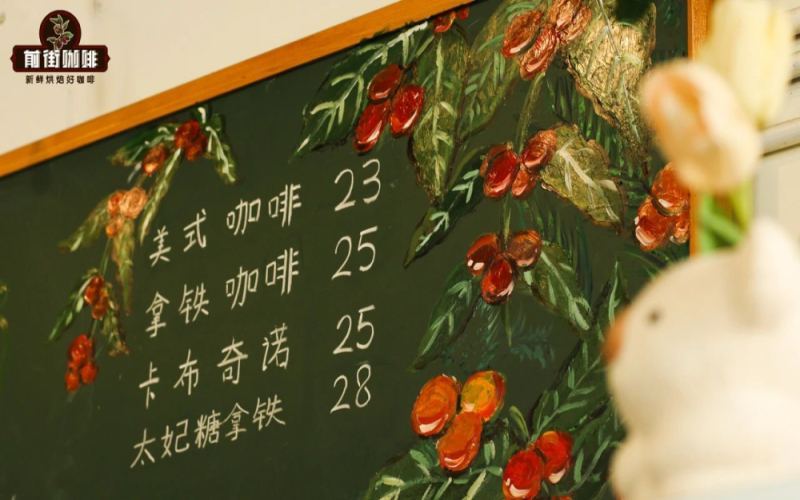
What Exactly Is American Black Coffee? Analyzing the Differences Between Americano and Long Black and Blend Bean Choices
Many coffee enthusiasts simply equate Americano black coffee with Americano, but in fact there are subtle differences between the two in concept and preparation. This article starts with the flavor sources of Americano and the production differences between Americano and Long Black, analyzes the impact of espresso extraction status on taste, and systematically introduces the recipes, flavors, and applicable scenarios of several espresso coffee beans used in Front Street Coffee stores, including Sunflower Warm Sun Blend, Dark Cocoa Blend, Specialty Blend, and Commercial Blend, to help readers understand the bean logic and extraction key points behind a delicious cup of Americano black coffee. [more…]
A Complete Analysis of Arabica Coffee Bean Flavors: From Sour, Bitter, Sweet, and Mellow to the Taste Profiles of Representative Varieties by Region
The world of coffee flavors is rich and diverse, with sourness, bitterness, sweetness, and body each having their representative bean varieties. This article systematically reviews the typical producing regions of Arabica coffee beans across different flavor profiles, and introduces one by one the taste characteristics and brewing suggestions for single-origin coffees such as East Timor, Ethiopia Limu and Harar, Indonesian Mandheling, and Peru. Whether you prefer bright fruity acidity or heavy, rich bitterness, you can find the cup that suits you here. Front Street Coffee will also draw on years of roasting experience to recommend beans worth trying. [more…]
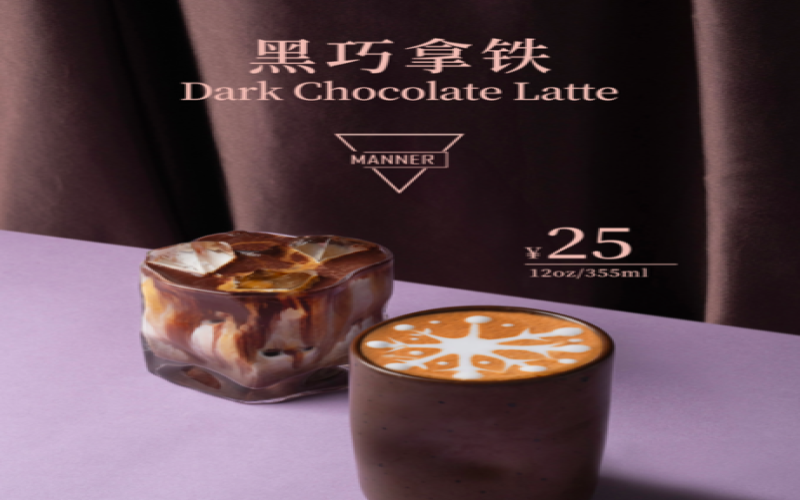
Manner's new Dark Chocolate Latte draws complaints: red wine natural SOE brings a fermented bean curd taste, consumers call for it to be pulled from shelves
Recently, Manner launched a seasonal limited-edition Dark Chocolate Latte, officially claiming it uses a red wine natural SOE paired with rich dark chocolate to deliver a delicate, sweet finish. However, after the new product hit the shelves, many consumers reported that the taste was vastly different from the marketing: the dark chocolate flavor was lacking, and instead there was a strange fermented taste resembling fermented bean curd or rotten fruit, sparking heated discussion. Some bluntly said they poured it out after two sips and urged the brand to discontinue it. Longtime fans pointed out that this new product is actually an upgraded version of last year's Raw Chocolate Latte, which was already mocked for a fermented bean curd taste last year. Still, some customers were drawn to its unique flavor, comparing it to liqueur chocolates. This article walks you through the detailed feedback on this controversial new product and the reasons behind it. [more…]

Espresso Blend Coffee Bean Recommendations | How to Taste a Cup of Espresso? How to Blend an Espresso Coffee Bean That Isn't Sour?
Espresso, which many people also like to call "Espresso," or "Italian-style espresso," or "concentrated coffee." A good espresso will add a good coffee flavor to Italian coffee. If you drink espresso on its own, the taste will be very strong, but there are also quite a few people who just like it [more…]
Yunnan Small-Bean Coffee Flavor Characteristics and Price Analysis: A Taste Comparison of Two Front Street Coffee Single-Origin Beans
In recent years, Yunnan small-bean coffee has attracted increasing attention from domestic coffee enthusiasts. Its distinctive flavor profile and affordable pricing have led many people to choose it as an everyday staple bean. This article starts from the taste characteristics of Yunnan small-bean coffee and, combining two Yunnan single-origin beans from Front Street Coffee — Baoshan Catimor washed and Lincang Typica natural — provides a detailed analysis of the flavor differences brought by different producing regions, varieties, and processing methods. It also explores whether Yunnan small-bean coffee is overpriced. Whether you are a beginner just getting into pour-over or an advanced enthusiast with some tasting experience, you will be able to find a Yunnan coffee selection direction that suits you. [more…]
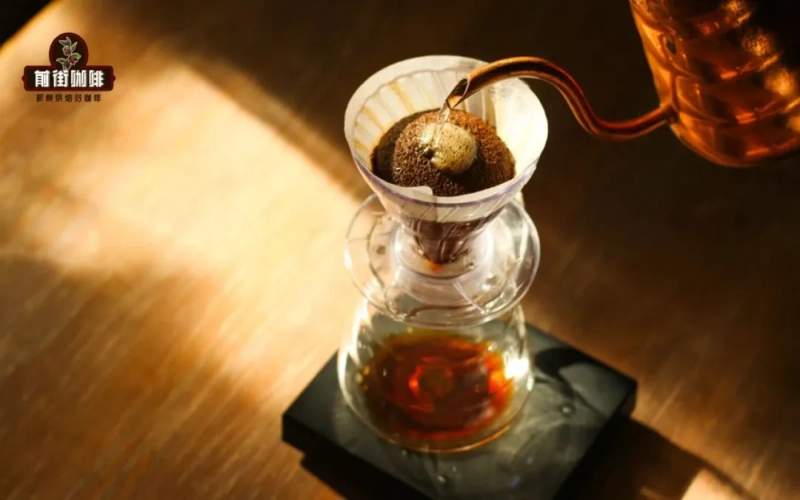
Analysis of Flavor Differences Between Hot and Iced Pour-Over Coffee: Extraction Yield, Water Temperature Ratio Parameters, and Tasting Experience Comparison
When tasting a new bean, why is it recommended to choose a hot brew first? This article delves into the flavor differences of black coffee made by pour-over, French press, siphon, and other methods under hot brewing and iced brewing from the perspectives of extraction yield, concentration, water temperature parameters, and so on. Taking pour-over coffee as an example, the article specifically compares the different settings of hot brewing and iced brewing in terms of coffee-to-water ratio, grind size, water temperature, and other parameters, and explains why iced brewing often requires sacrificing part of the extraction yield in exchange for higher concentration. At the same time, it also explores the influence of temperature on aroma, taste, and aftertaste, explaining why hot coffee can more fully present the complete picture of a bean. [more…]
A Detailed Guide to Espresso Blend Coffee Bean Recipes: From Raw Blending and Roasted Blending to Front Street Coffee's Three Classic Blend Options
Blending coffee beans means mixing single-origin coffee beans from different regions in certain proportions, so that their respective strengths complement or reinforce one another, resulting in a more balanced and stable flavor expression. This article revolves around the core logic of espresso blending, first explaining the trade-offs between the two processes of raw blending and roasted blending, then sharing three representative recipes from Front Street one by one: Specialty Blend (Colombia Huila × Brazil Cerrado), Commercial Espresso Blend (with Robusta added), and Basic Espresso Blend (Yunnan AA × Brazil). The article records in detail the altitude, variety, processing method, and roasting approach of the beans from each origin, and gives the flavor direction and applicable scenarios after blending, making it suitable as a reference for coffee enthusiasts and people opening shops. [more…]
A Full Analysis of Espresso Blend Coffee Bean Recipes: Sharing Front Street's Three Blends and Bean-Blending Tips
Blending coffee beans means mixing single-origin beans from different regions in certain proportions so that their respective strengths complement or reinforce one another, thereby achieving a more balanced and stable flavor performance. This practice is especially common in Italian-style coffee: beverages such as Espresso, Americano, Latte, and Cappuccino are mostly based on blended beans. Blending can involve mixing green beans before roasting, or roasting each separately and then blending; the specific choice depends on the characteristics of each bean in the recipe. This article centers on the basic logic of blending, and, in conjunction with Front Street Coffee's three espresso blend formulas—Specialty Blend, Commercial Espresso Blend, and Basic Espresso Blend—introduces the flavor characteristics of the origin beans used, the roasting approach, and the final presentation, while also sharing the principle of primary-secondary pairing in blending, to help coffee enthusiasts and shop owners find the right balance between flavor and cost. [more…]
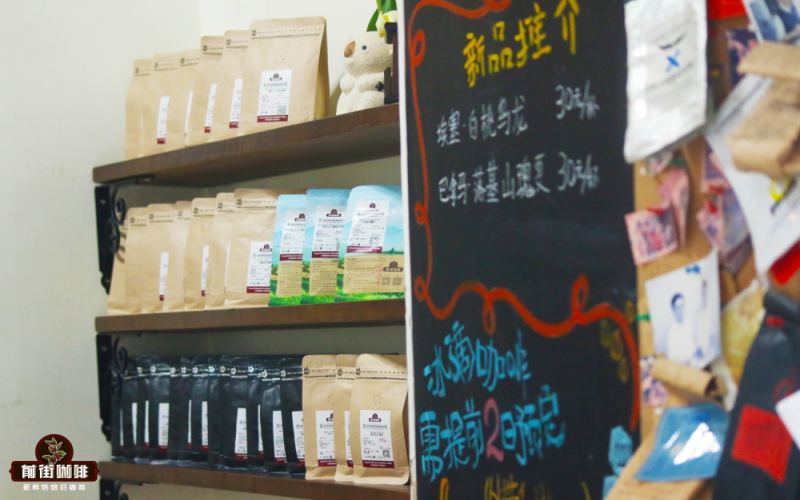
Flavor Characteristics and Taste Analysis of Espresso: A Detailed Explanation of Coffee Bean Blend Ratios
Espresso is the most common type of coffee served in today's cafés, and popular drinks such as Americano, latte, and cappuccino are all based on espresso. The flavor profile of espresso depends largely on the choice of coffee beans and the blending method used. This article will systematically introduce the definition and characteristics of espresso, distinguish the differences between blended coffee beans and SOE single-origin coffee, and provide a detailed analysis of the formula ratios and respective flavor directions of Front Street Coffee's four espresso blends, helping coffee enthusiasts more clearly understand the taste logic and bean selection approach of espresso. [more…]
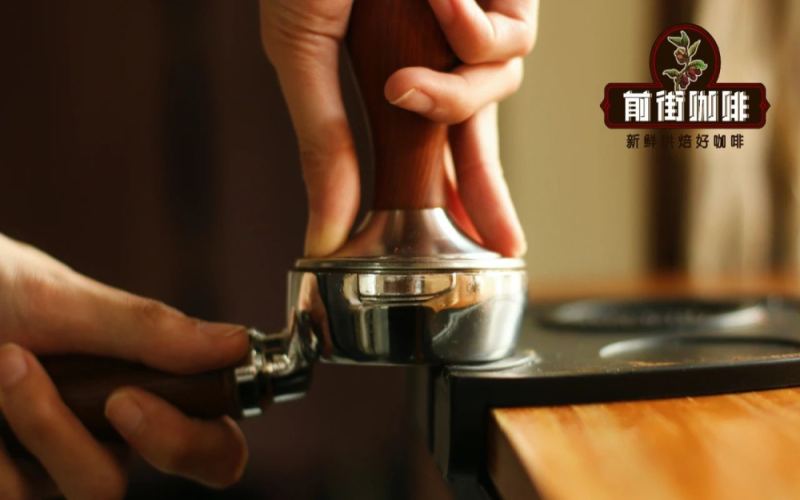
Illustrated Guide to Espresso Making | Which Is More Bitter, Latte or Iced Americano? Does Starbucks Americano Taste Good? Can You Add Sugar and Milk to Espresso?
For more specialty coffee knowledge, please follow: Front Street Coffee (Frontsteet Coffee) Before figuring out questions like "the difference between Americano and Latte," "which coffee is less bitter, Americano or Latte," "which tastes better, Americano black coffee or Latte," and so on, Front Street believes [more…]
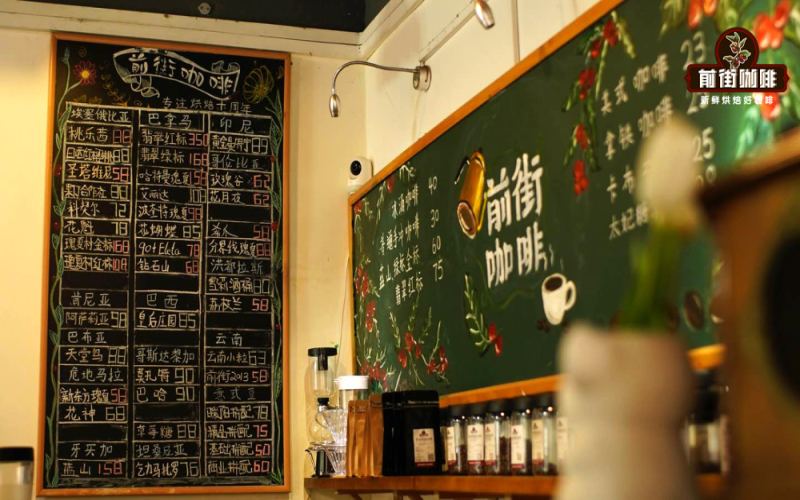
From Single-Origin to Blend: The Combination Logic and Flavor Blending Methods of Colombian and Brazilian Coffee Beans
Coffee blending is not simply mixing several beans together, but is built on a thorough understanding of the flavor differences among various origins. Starting from the actual blending schemes of FrontStreet Coffee, this article sorts out the differences between single-origin beans and blend beans, the respective applicable scenarios of raw blending and roasted blending, and the core purpose of blended coffee in pursuing flavor consistency and taste balance. The article breaks down in detail three espresso blend recipes—specialty blend, commercial blend, and dark cocoa blend—using Colombian, Brazilian, Robusta, and Yunnan AA as raw materials respectively, analyzing their proportion settings, processing methods, and the final taste performance presented, to help coffee enthusiasts understand the blending ideas behind the blends. [more…]
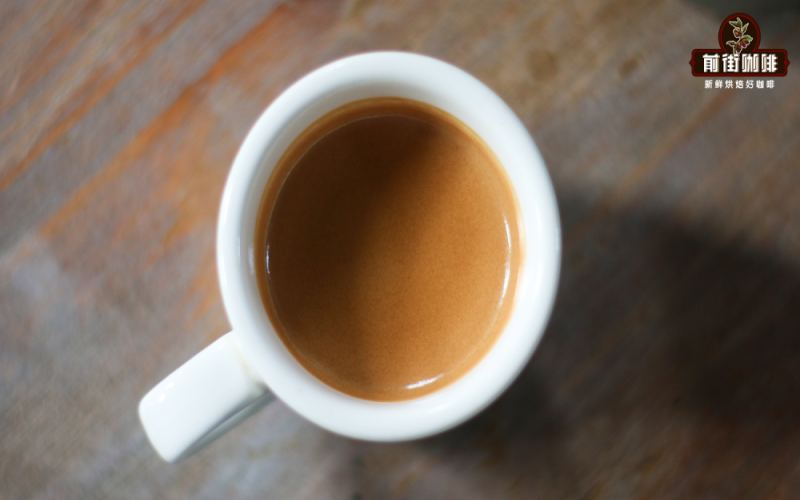
Espresso Coffee Bean Brand Recommendations | What Coffee Beans Are Good for Espresso? What Factors Affect the Taste Characteristics of ESPRESSO?
Front Street Espresso is a coffee beverage with a strong taste. It is made by forcing hot water at around 92 degrees Celsius, under 9 bars of high pressure, through finely ground coffee powder to extract the coffee liquid. Many customers are at a loss when buying coffee beans and don't know how to choose. Front Street [more…]
A Complete Guide to Espresso Blend Coffee Beans: Blending Goals, Flavor Characteristics, and Four Front Street Espresso Bean Recommendations
Espresso blend coffee beans are made by mixing single-origin coffee beans from different regions in specific proportions to achieve complementary flavors, balanced body, and consistent quality. Unlike single-origin beans, which emphasize individual character, blended beans focus more on overall harmony, and are therefore widely used in the preparation of espresso drinks such as Espresso, Americano, Latte, and Cappuccino. Front Street Coffee currently offers four espresso blends with distinct styles, covering directions such as specialty blends, commercial blends, and dark cocoa blends. This article will systematically outline the definition of blended coffee, the difference between pre-roast blending and post-roast blending, the three core purposes of blending, and the rise and limitations of the SOE trend, and, in combination with Front Street Coffee's specific recipes, analyze the roles and flavor expressions of bean varieties such as Colombia Huila, Brazil Cerrado, Robusta, and Yunnan AA in blends. [more…]

How Does Roast Level Determine the Direction of Coffee Flavor? A Complete Analysis from Maillard to Caramelization
Green coffee beans themselves have no obvious aroma; only after roasting at over two hundred degrees Celsius can they release their captivating flavors. The length of the roasting time directly determines the depth of the roast, and different roast levels in turn give the same bean a completely different taste profile. This article starts from the roasting practices of Front Street Coffee, analyzing how the Maillard reaction and caramelization reaction affect coffee's sweetness, acidity, and body, and sorts out the stylistic differences among the three major categories and eight levels of light, medium, and dark roasts. It also includes Front Street Coffee's bean list recommendations for light and medium-dark roasts along with corresponding brewing parameters, helping coffee lovers understand the close relationship between roasting and flavor. [more…]
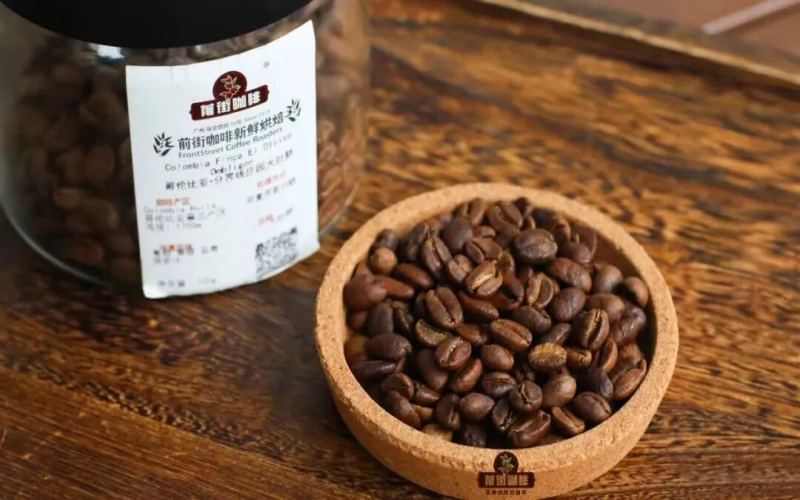
Coffee Bean Recommendations | What Is a Coffee Specialty Drink? Which Coffee Beans Are Suitable for Specialty Coffee Drinks? How Should Coffee Beginners Choose Coffee Beans for Making Specialty Coffee Drinks?
Specialty drinks are the third main category of coffee sold in coffee shops, alongside espresso-based and single-origin coffees. Specialty coffee drinks can be understood as the "cocktails" of the coffee world: creative beverages made by combining coffee with various traditional or non-traditional ingredients, setting them apart from conventional coffee. (Cof [more…]
Why Does Coffee Taste Salty? Analyzing the Sources of Saltiness from Processing Method and Bean Variety to Brewing, and the Reasons Espresso Tastes Salty
When drinking coffee, you may occasionally encounter a salty taste. This is not an illusion, nor is there anything wrong with your sense of taste. Coffee itself contains four basic tastes: sour, sweet, bitter, and salty, which balance each other out. Once sweetness is insufficient, saltiness tends to emerge. The sources of saltiness are quite complex, potentially involving the processing method, coffee bean variety and altitude, defective beans, brewing water, roast level and freshness, as well as extraction technique, among other factors. Among these, espresso tends to have a more pronounced salty sensation due to the relationship between taste distribution and concentration. This article will go through the causes of saltiness one by one, while retaining Front Street brand recommendations, to help coffee enthusiasts understand and try to avoid brewing a cup of coffee with a salty taste. [more…]
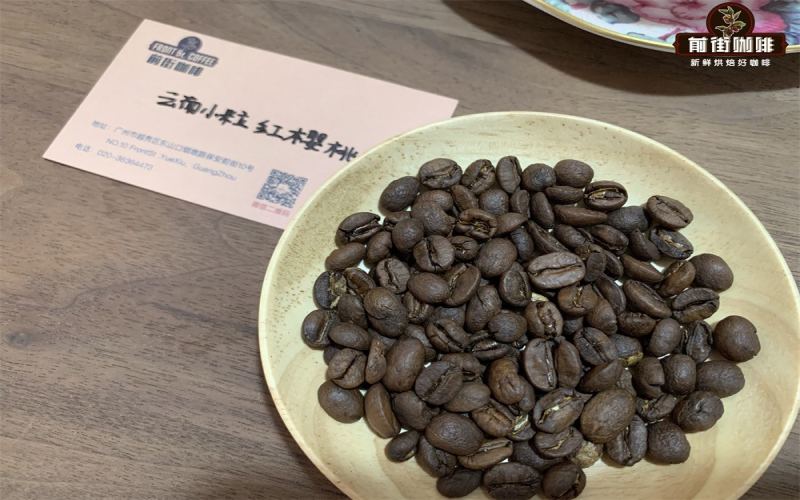
How does Yunnan small-batch coffee taste? What exactly is the difference between Yunnan small-batch coffee and Yunnan coffee?
Yunnan, as China's core coffee-producing region, has drawn more attention to the charm of domestic coffee through film and television works. Is Yunnan arabica coffee actually good? And how does it differ from what is commonly called Yunnan coffee? Yunnan arabica coffee has a fairly neutral taste, with a balance of acidity and bitterness, and carries local terroir characteristics such as brown sugar and fruity acidity; overall it is aromatic without being bitter, and rich without being harsh. From a varietal perspective, arabica coffee is in fact another name for the Arabica species, while what is currently grown in Yunnan includes both the classic Typica and the disease-resistant, high-yielding Catimor. Front Street Coffee has established an estate in Lincang and launched products such as sun-dried Typica, striving to improve the quality of Yunnan coffee from the source of the varieties. This article will sort through the varietal origins, main producing areas, processing methods, and brewing suggestions. [more…]
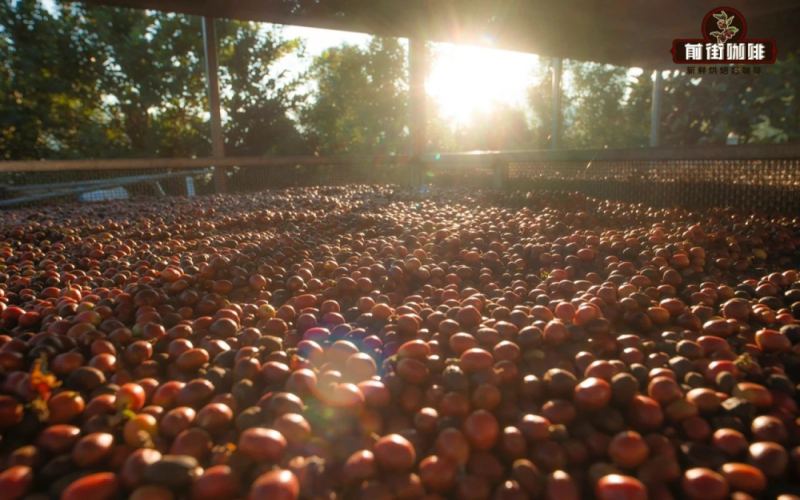
A Complete Analysis of Yunnan Small Bean Coffee Flavor and Taste: From Origin Terroir to Front Street Brand Brewing and Grinding Recommendations
Yunnan is China's largest coffee-producing region, accounting for 95% of the country's total output. Its small-bean coffee is actually of the Arabica variety, with a neutral and slightly acidic flavor profile that suits the general public's taste. This article begins with Yunnan coffee's growing environment and variety evolution, then focuses on Front Street Coffee's products such as washed Catimor, natural Catimor, and 2013 natural Typica, and explains in detail the brewing parameters under medium roast, grind settings, staged extraction techniques, and the flavor performance of each coffee, helping coffee lovers gain a comprehensive understanding of the taste characteristics and brewing key points of Yunnan small-bean coffee. [more…]