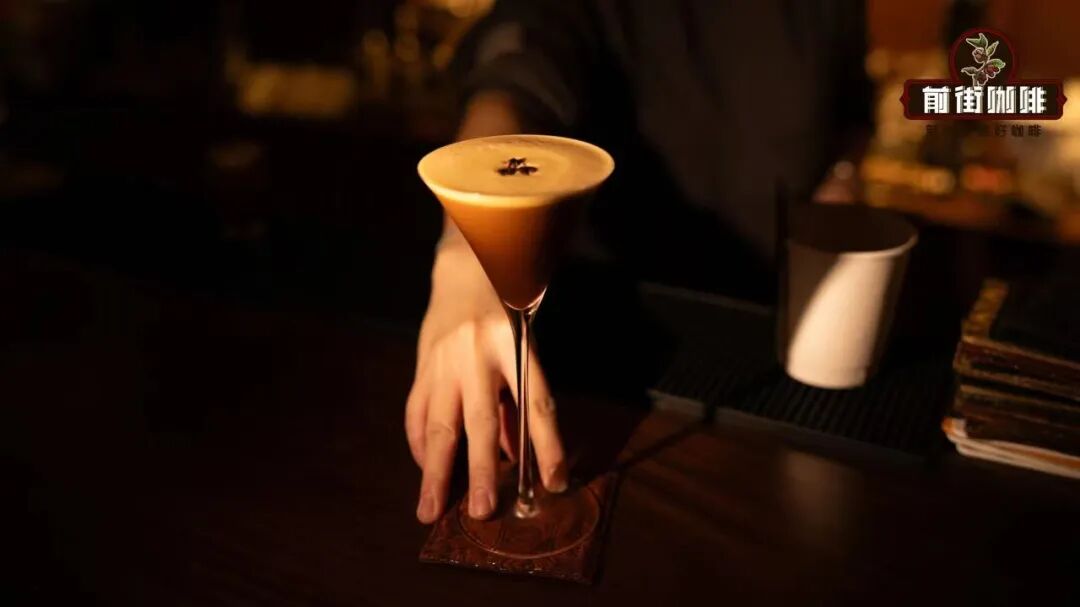
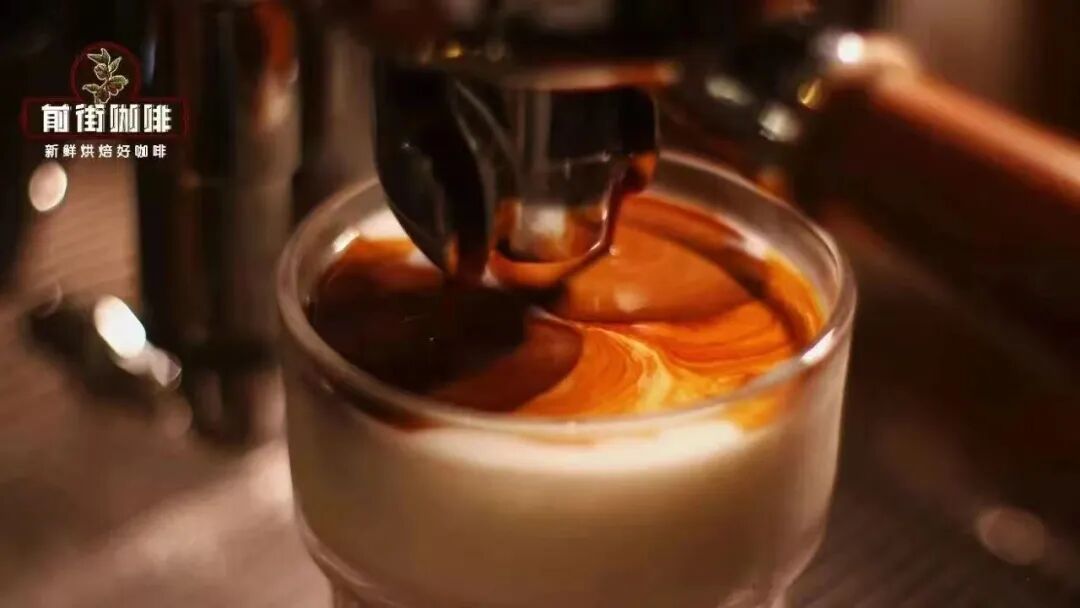
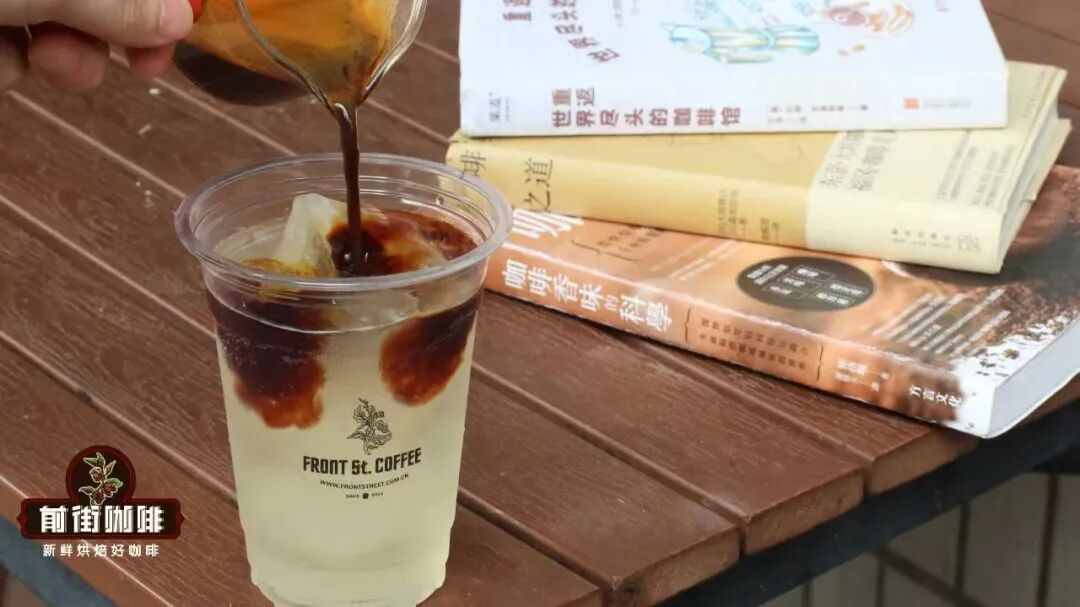
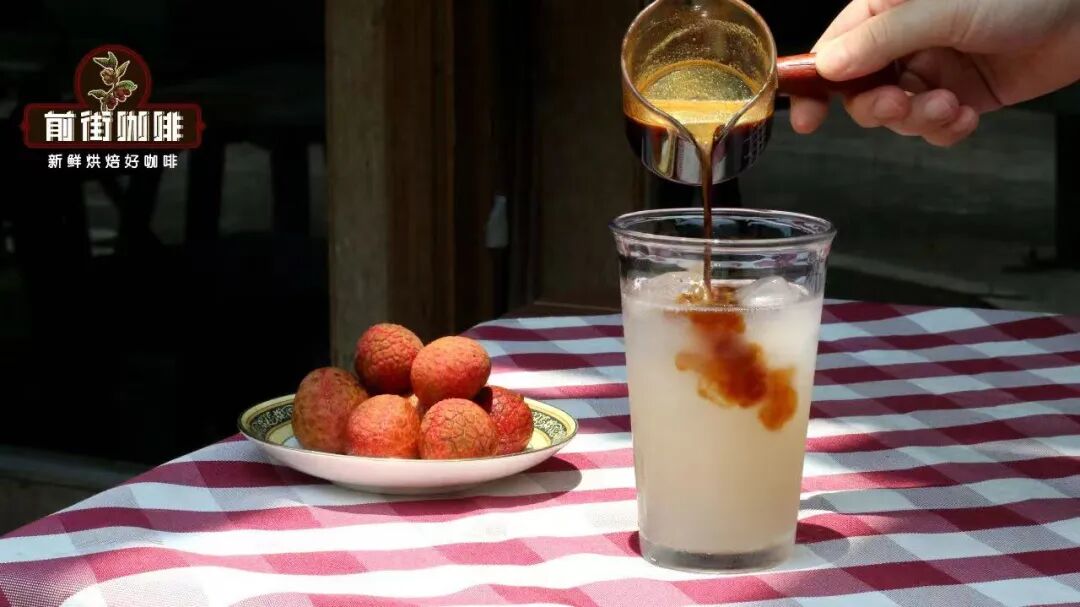
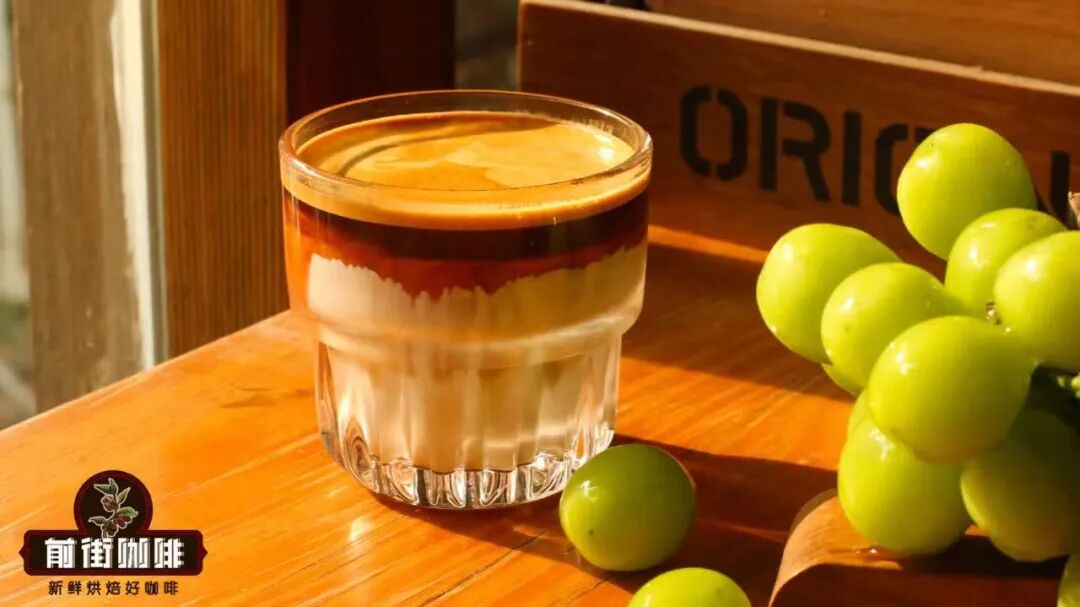
Specialty coffee is the third main category of coffee sold in coffee shops, alongside espresso and single-origin coffee. We can think of specialty coffee as the "cocktail" of the coffee world—creative drinks made by combining coffee with various traditional or non-traditional ingredients, different from conventional coffee.Front Street Coffee has recently shared many specialty coffee recipes, such as lychee sparkling Americano, jasmine lemon cold brew, or white toast, grape oolong Dirty, and so on. And then, here comes the problem!Many friends tried to recreate them at home, but theyfound thatthe specialty coffee they made not only didn't taste as good as described in Front Street Coffee's articles, but the flavors of different ingredients also clashed, making it taste very jarring. So they came to the Front Street Coffee store to ask why.After some inquiry, Front Street Coffee discovered that it wasn't that the recipes were wrong, but that the coffee beans everyone used produced a coffee flavor that didn't pair well with the other ingredients.Although Front Street Coffee didn't provide detailed explanations about coffee bean selection in every specialty coffee article, just briefly summarizing, this doesn't mean coffee bean choice isn't important. Because the vast majority of specialty coffees emphasize balance between flavors—not one ingredient's flavor overpowering another's. So this really tests whether the coffee's flavor can pair well with other ingredients. At the same time, this is also the fundamental reason why developing specialty coffee truly tests a barista's skills.Take a simple example: Front Street Coffee recently shared two specialty Dirty recipes, namely"White Toast Dirty"and"Grape Oolong Dirty". Although both are Dirty, the coffee beans Front Street Coffee chose for the former was the medium-dark roasted Front Street Coffee Signature Blend, while for the latter it was the medium roasted Front Street Coffee Geisha Blend · Strawberry Candy.Coffee beans with different roast levels and processing methods have completely different tastes and flavor expressions. If we want the final specialty coffee to have rich layers while also maintaining high consistency, then choosing the right coffee beans is truly very important! So today Front Street Coffee will share what types of coffee beans are suitable for different types of specialty coffee~Refreshing specialty coffeeThe first thing Front Street Coffee will introduce is some relatively refreshing specialty coffees, like lychee sparkling Americano, jasmine tea cold brew, apple juice coffee, etc.(or other specialty coffees with similar characteristics)Specialty coffees that are not strong in taste but full of aroma can all be considered refreshing types.Although this type of specialty coffee can also be made with dark roasted coffee, using dark roasted coffee has a drawback—it easily masks the flavors of other ingredients due to its strong taste.Dark roasted coffee, having undergone a longer roasting time, has a relatively strong smoky aroma. And refreshing specialty coffees use ingredients that themselves don't have very strong flavors, so the smoky aroma of dark roasted coffee can easily mask some delicate flavors and increase the bitterness of the coffee.So for this type of specialty coffee, Front Street Coffee generally recommends pairing with coffees that don't have too strong a taste, such as medium-light and light roasted natural or washed coffee beans, which are all very suitable. Because they aren't roasted too dark, they don't have excessive roasting bitterness, but rather more of the coffee's own floral and fruity notes. The taste is mainly sweet and sour, very suitable for these refreshing types of specialty coffee!For example, the Front Street Coffee Ethiopia · Huakui from Front Street Coffee's bean list produces coffee with citrus and berry sweetness and acidity, rich layers, and a light mouthfeel; or the Front Street Coffee Washed Yirgacheffe · Gutingting from Front Street Coffee's bean list produces coffee with fresh aromas of jasmine, lemon, and oolong tea, tasting very clean.Rich-flavored specialty fruit coffeeThen there are some rich-flavored fruity specialty coffees, like orange C, oil mandarin, wampee Americano, lemon, berry, grape oolong Dirty(or other specialty coffees with similar characteristics)—these rich-flavored specialty coffees whose aromas are not easily masked by coffee can use slightly darker roasted coffee beans.Because the ingredients themselves have relatively rich flavors, we just need to control the ratios well and not worry about their flavors being masked by the coffee. So for this type of coffee, Front Street Coffee would recommend usingmedium-light, medium, medium-darkroasted coffee beans. These three roast levels produce coffee that is neither too sour nor too bitter, with just the right sweetness, and can combine with other ingredients to create excellent results.For example, the Geisha Blend · Strawberry Candy from Front Street Coffee's bean list—medium roasted, it has flavor notes of strawberry gummy, white floral, and berries, with a rich taste and high sweetness; or the Front Street Coffee Finca La Divisa · Sidra from Front Street Coffee's bean list, an anaerobic natural Colombian bean with rare but intense coffee flavors like grape, passion fruit, and apricot, with a subtle red wine aroma in the aftertaste. Many coffee shops use this bean, or the Big Belly from the same estate, for their specialty coffee and espresso.Deep, heavy specialty coffeeBesides the above-mentioned "lively" types of specialty coffee, there are also some that taste heavier and have deeper flavors. For example, the White Toast Dirty mentioned earlier by Front Street Coffee, or pistachio Dirty, or some specialty coffees featuring deep flavors like nuts, chocolate, and wood with a full-bodied mouthfeel.For these types of coffee, it's best to pair them with medium, medium-dark, and dark roasted coffee beans! Because coffee at these roast levels, having undergone sufficient caramelization and Maillard reactions, has abundant caramel, chocolate, and nut aromas that complement these specialty coffee flavors and better highlight their characteristics.And although dark roasted coffee has higher consistency in taste, coffee beans from different origins still have certain differences in flavor. For example, the Front Street Coffee Brazil Queen's Estate from Front Street Coffee's bean list—medium-dark roasted, its flavor profile is mainly nuts, cream, toasted bread, and chocolate, with a full body and soft aroma; while the Front Street Coffee Indonesia · Golden Mandheling from Front Street Coffee's bean list—dark roasted, its flavor profile is chocolate, pine, spices, and caramel. Compared to Queen's Estate, Golden Mandheling has a stronger aroma and a more pronounced sweet aftertaste.Front Street Coffee Tips......No matter what coffee beans you choose, the final ratio with other ingredients still needs to be adjusted based on the type of coffee and the coffee's concentration—you can't just directly apply the parameters Front Street Coffee shares. After all, even with the same coffee, the flavors of the ingredients will vary. For example, with lemons, some are more acidic, some less so.......So, the ratios and recipes Front Street Coffee recommends still need to be adjusted based on the taste of the specialty coffee. It's simple—if the coffee taste is too strong, use less coffee or more of the other ingredients; if the coffee taste is too harsh, you can switch to coffee beans with a milder taste or change the type of coffee, such as replacing 40ml of espresso with 40ml of cold brew(example), which has a lower concentration and a less concentrated taste......In summary, there are many ways to "solve the problem"—how to solve it specifically depends on everyone's own understanding~ Also,Front Street Coffee stores do not serve any specialty coffee~~~ The above content is compiled by CoffeeHunters, a coffee news website.