







What do blended coffee beans change in espresso?
Espresso is the base for Americano, latte, and cappuccino, and its flavor depends mostly on which beans go into the blend. Blending two or more origins lets a roaster balance acidity, body, and sweetness in one recipe, while SOE single-origin espresso shows one farm or region without that balancing.
A working example is a blend of Honduras Sherry and Ethiopia natural Yirgacheffe Red Cherry, which brings winey and fruity notes together with creamy vanilla. Espresso itself is finely ground coffee extracted under high temperature and pressure in a short time, leaving a layer of crema on the surface of a fresh shot.
Espresso is the most common type of coffee served in cafés today—popular drinks like Americano, latte, and cappuccino all use espresso as their base. The flavor expression of espresso depends largely on the selection and blending of the coffee beans used. This article will systematically introduce the definition and characteristics of espresso, distinguish between blended coffee beans and SOE single-origin coffee, and provide a detailed analysis of the recipes and flavor profiles of Front Street Coffee's four espresso blends, helping coffee enthusiasts more clearly understand the flavor logic and bean selection approach of espresso.
For more specialty coffee knowledge, please follow our WeChat official account: FrontStreet Coffee
Today, all kinds of cafés can be found on street corners everywhere, and many specialty coffee shops also feature their own espresso as a signature product, each with its own distinctive flavor presentation. Taking a street-front shop as an example, the espresso it serves uses its own roasted "Sunflower Warm Sun Blend," a coffee composed of two beans—Honduras Sherry and Ethiopia natural Yirgacheffe Red Cherry—blended together, combining winey, fruity, and creamy vanilla notes in a multi-layered taste.
What Is Espresso
The Americano, latte, cappuccino, and others we commonly see in daily life all fall under the category of espresso drinks, and these beverages share one common feature—they all use espresso as their base.
Espresso was born in the early nineteenth century, originally developed by Italians to obtain a cup of rich coffee in a short amount of time. Espresso refers to a concentrated coffee liquid obtained by finely grinding coffee beans, placing an appropriate dose into a semi-automatic or fully automatic coffee machine, and extracting under high temperature and high pressure in a short time. In terms of drinking method, it can be paired with milk or sugar, or enjoyed directly. A freshly extracted espresso will have a signature layer of crema on its surface, which is the product formed when fresh coffee beans are extracted under multiple atmospheres of pressure.
What Are Espresso Blend Coffee Beans?
Today, more and more consumers are pursuing unique coffee flavors, and the two options of blended coffee and SOE single-origin coffee are frequently seen on menus.
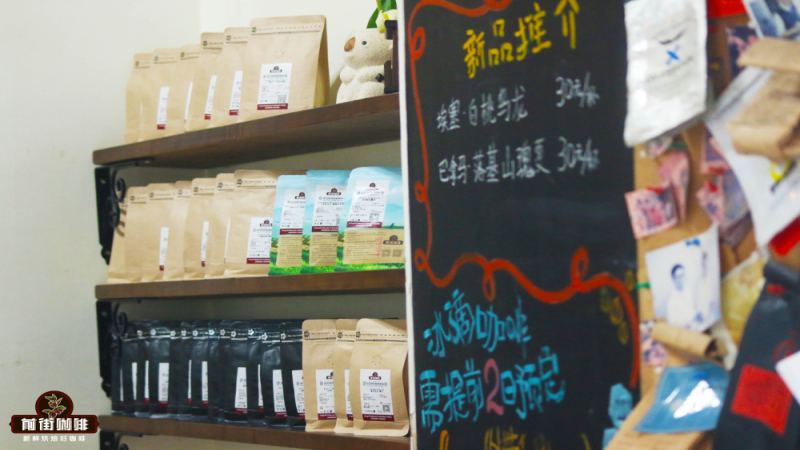
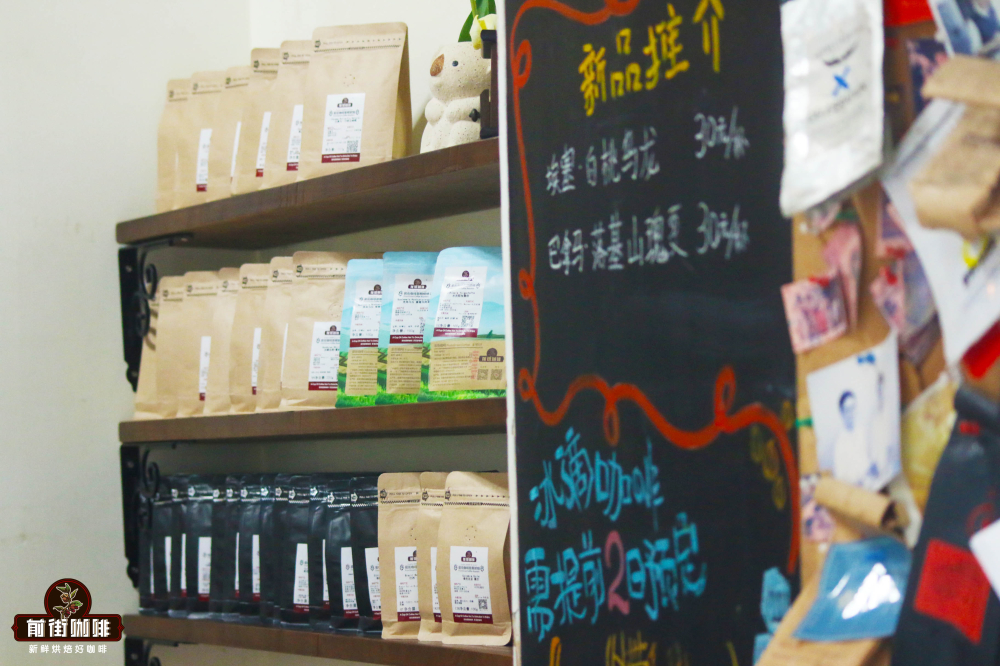
Single-origin coffee refers to coffee beans from a single producing region, which carry the distinctive flavor characteristics of that origin. Espresso made from single-origin coffee beans is called SOE, or single original espresso. For example, the pour-over single-origin coffees displayed on Front Street's bean shelf—Ethiopia Red Cherry coffee beans, Jamaica Blue Mountain No. 1 coffee beans, and Brazil Queen's Estate coffee beans—all belong to the single-origin category. The counterpart to single-origin coffee is blended coffee, created by roasters selecting coffee beans from different origins and different flavor directions for mixed roasting (or roasting separately and then blending in proportions). Its purpose is to highlight the balanced taste of espresso while making the barista's extraction process more stable.
Single-origin coffee can display rich layering in pour-over extraction, but it is not so easy to handle in espresso extraction. This is because espresso magnifies various flavors exponentially—for instance, the bright yet moderate acidity in pour-over can easily become sharply sour in espresso; the full-bodied richness of pour-over coffee tends to turn bitter in espresso. Precisely because the extraction methods differ, the roast level of the coffee beans also needs corresponding adjustment.
Front Street's understanding of blended beans is: maintain flavor stability and taste balance, allowing the blend to achieve an effect greater than the sum of its parts. If one bean has a smooth mouthfeel but insufficient aroma, another bean rich in aroma can be added to complement strengths and offset weaknesses in taste, thereby creating a richer new flavor. Additionally
Espresso Blend Coffee Bean Recommendations
Front Street's bean list currently features four espresso coffee beans, all of which are espresso blends developed by Front Street through repeated comparison and adjustment, carefully selecting coffee beans from multiple classic origins, with each blend presenting a unique flavor expression.
Classic Full-Bodied Type—Front Street Commercial Blend Coffee Beans
Robusta washed coffee beans (10%) + Colombia washed coffee beans (30%) + Brazil semi-washed coffee (60%)
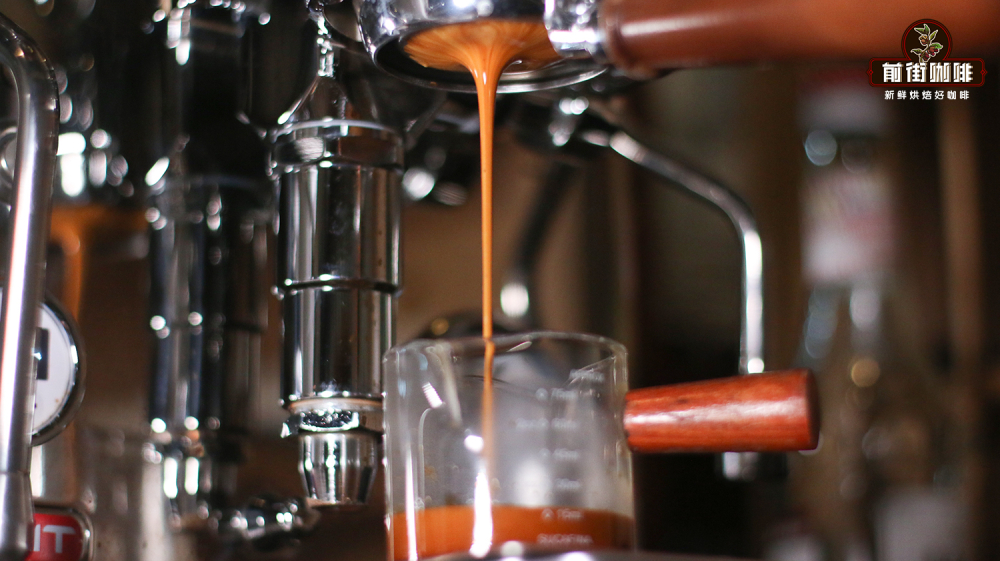
The resulting espresso has a rich golden crema and nutty aroma. On the palate, you can sense the toasty coffee bitterness, but what follows is more of a creamy, full-bodied mouthfeel, and after swallowing, the bitterness fades away, leaving a lingering fragrance on the lips and teeth.
Slightly Acidic Full-Bodied Type—The Espresso Coffee Bean Recommended by Many Baristas: Front Street Dark Cocoa Blend Coffee Beans
Yunnan washed small-bean coffee (30%) + Brazil semi-washed coffee beans (70%)
Yunnan small-bean coffee brings a gentle acidity, paired with the rich aroma of Brazil Cerrado coffee, the espresso presents caramel, nuts, and a soft plum acidity, with an overall balanced taste and gentle aroma.
Balanced Rich Aroma Type—Front Street Specialty Blend Coffee Beans
Colombia washed coffee beans (30%) + Brazil semi-washed coffee beans (70%)
On the basis of the classic Brazilian coffee's nutty character, Colombian coffee's dark chocolate richness is added. The espresso presents a dark chocolate flavor with caramel sweetness and a full roasted aroma; when made into milk coffee, it also carries cocoa notes.
For professional coffee knowledge exchange and more coffee bean information, please follow Coffee Workshop (WeChat official account: cafe_style)
For more specialty coffee beans, please add the private WeChat of Front Street Coffee (FrontStreet Coffee), WeChat ID: qjcoffeex
The above content is compiled by CoffeeHunters, a coffee news website.


