







Search Results for: Coffee Bean Ratio
How to determine the pour-over coffee grounds-to-water ratio? Bean roast level (light, medium, dark) brewing ratio selection and practical analysis
When brewing pour-over coffee, you've dialed in the temperature and grind size, yet the taste still falls short of expectations? The problem likely lies in the coffee-to-water ratio. The amount of water directly affects the flavor expression and mouthfeel layers of the coffee: too little water makes it overly heavy, with flavors compressed together and hard to distinguish; too much water makes it overly thin, even like a cup of water with a hint of coffee flavor. This article starts from the theoretical range of the Golden Cup extraction, combines actual brewing tests across light, medium, and dark roasts, analyzes how three coffee-to-water ratios—1:13, 1:15, and 1:17—perform differently on various beans, and explains why light-roasted beans suit a longer ratio while dark-roasted beans are better with a tighter ratio. Finally, it will explain how the coffee-to-water ratio should be adjusted as the brewing device changes. [more…]

A Guide to the Espresso-to-Water Ratio for Americano: A Full Breakdown of Espresso Bean Selection and Extraction Parameters
To brew a delicious Americano, two things matter most: the quality of the espresso extraction, and the ratio of espresso to water. The flavor of the espresso in turn depends on the coffee beans you choose and the extraction parameters you set. This article will cover three dimensions—bean selection, extraction approach, and the espresso-to-water ratio—while also offering practical reference points from several Front Street Coffee beans. Whether you prefer floral and fruity acidity or a rich, acidity-free cup, you'll find an approach that suits you. To make an iced Americano, simply add an appropriate amount of ice to the original ratio. [more…]
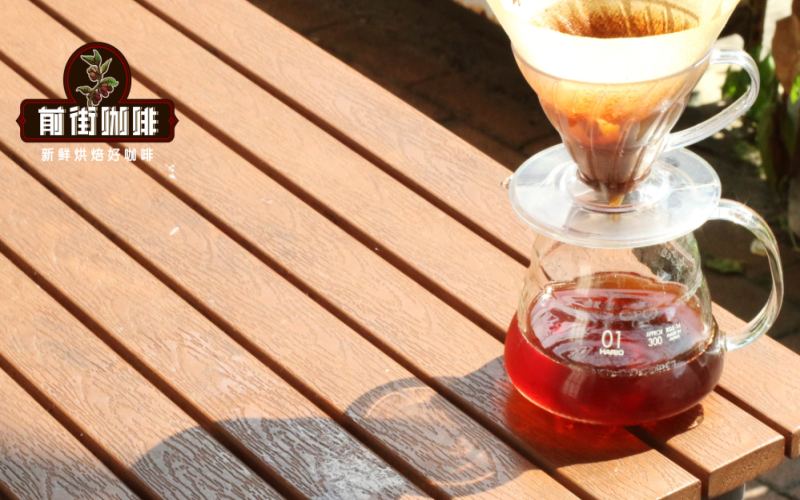
The Complete Guide to Making Cold Brew Coffee at Home: A Practical Guide from Bean Selection to Grind Ratio and Steeping Time
Making a delicious cold brew coffee at home is actually not complicated. Cold brew relies on low-temperature slow extraction, allowing small-molecule aromatic and acidic compounds to be released first, resulting in a light body with bright, well-balanced acidity and sweetness. All you need is coffee grounds, water, a sealed bottle, and a refrigerator. The real keys to success lie in three parameters: bean selection, grind size and coffee-to-water ratio, and steeping time. This article starts from flavor preferences, recommending beans such as Front Street Coffee Huakui, Xizhua, Queen's Estate, and PWN Golden Mandheling, and provides specific suggestions on grind coarseness, coffee-to-water ratio, and steeping time. Finally, using "Mozart" as an example, it fully demonstrates the production process and filtration method for 80g of grounds, 1:10 ratio, and 12 hours of refrigeration, helping you consistently replicate your ideal flavor. [more…]

Complete Guide to Making Iced Americano: Water-to-Ice Ratio, Coffee Bean Selection, and Sparkling Americano Parameters
How many ice cubes should be added to an iced Americano, and how much water should be mixed in for it to be just right? And what kind of coffee beans should be used for an Americano? Starting from Front Street's hands-on perspective, this article analyzes the extraction yield and concentration of espresso, testing the concentration performance and sensory differences of three water ratios—1:4.5, 1:6, and 1:8—group by group, explaining why Front Street ultimately chose 1:4.5 as the Americano serving ratio for the Warm Sun blend. At the same time, it offers specific pairing ideas for coffee, water, and ice in an iced Americano, along with the preparation parameters for a sparkling iced Americano, to help you find an Americano approach suited to the flavor characteristics of your own coffee beans. [more…]

Latte Coffee Making Guide: From Coffee Bean and Milk Selection to Extraction Ratio, Crafting a Fragrant, Sweet Hot Latte
As the weather turns cooler, a hot latte has once again become the daily go-to for many people. However, recreating a café-quality rich and sweet latte at home is no easy task—friends often report that their lattes either let bitterness steal the show, or the milk flavor completely overwhelms the coffee aroma. In fact, the key to a delicious latte lies in the coordination of three elements: bean selection, extraction, and ratio. Starting from Front Street's backend inquiries, this article systematically breaks down how coffee bean roast level affects latte flavor, how whole milk pairs best with beans, how to adjust espresso extraction parameters, and the golden ratio range between milk and coffee—helping you consistently make a balanced, mellow, and distinctly sweet hot latte at home. [more…]
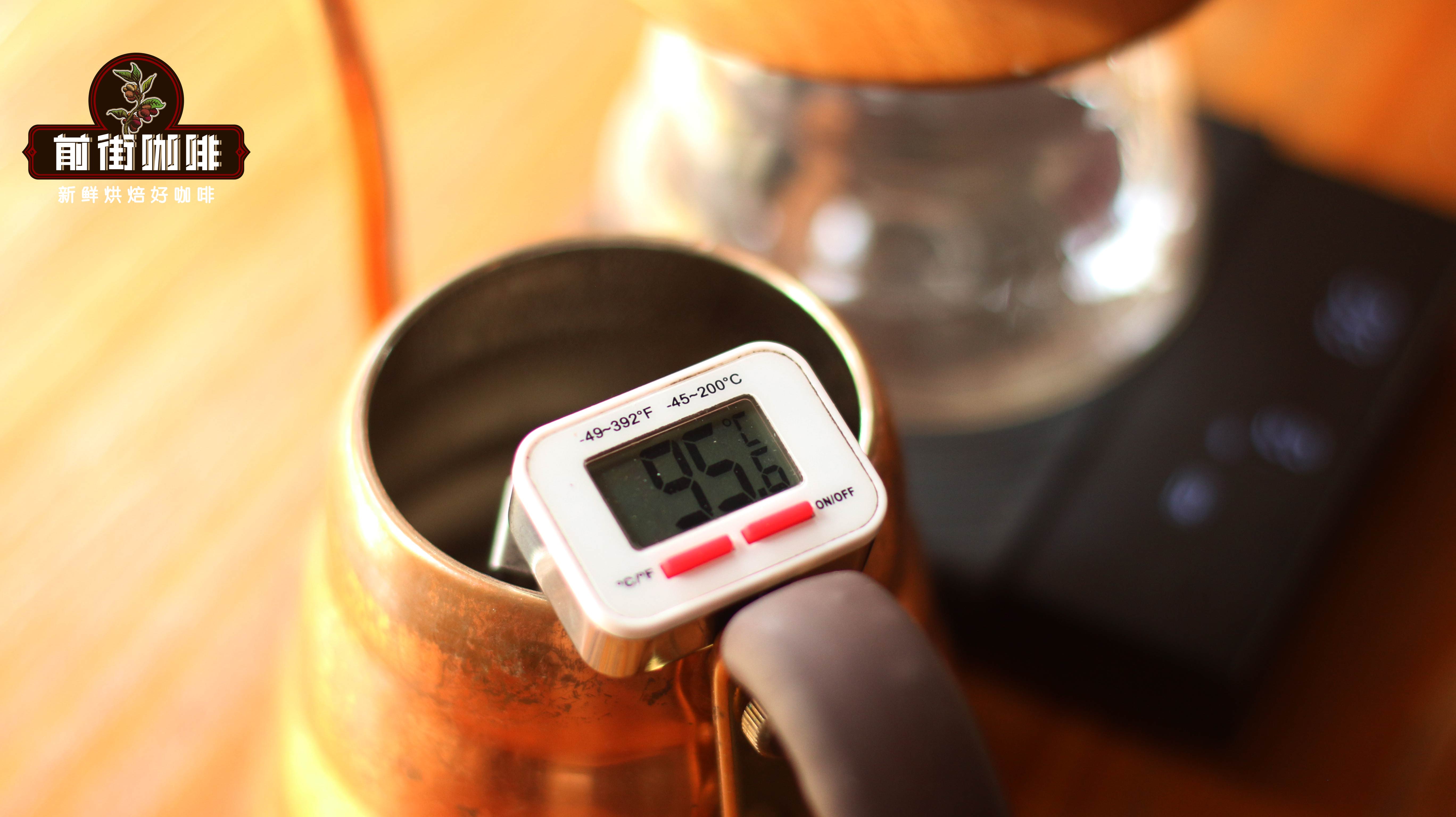
Master Freshness, Grind Size, Water Temperature, and Coffee-to-Water Ratio: Brewing Pour-Over Coffee from Four Major Regions—Yirgacheffe, Mandheling, Kenya, and Brazil
Yirgacheffe, Mandheling, Kenya, and Brazil are the four major coffee regions most familiar to coffee enthusiasts, and each has its own distinctive brewing approach. In this article, Front Street Coffee will explain the four key elements of pour-over brewing—freshness, grind size, water temperature, and coffee-to-water ratio—and provide specific brewing parameters and techniques for a representative bean from each of the four regions. The article will also cover the principles of bean resting and degassing, how to calibrate grind size using a standard sieve, and the taste differences brought about by different coffee-to-water ratios under the SCA Golden Cup extraction theory, helping you brew these four common single-origin coffees to taste even better. [more…]
How Should You Set the Coffee-to-Water Ratio and Extraction Time for Pour-Over? Using Huakui Coffee as an Example to Analyze Water Addition for Light Roasts
When brewing pour-over coffee, the coffee-to-water ratio and extraction time often determine the completeness of the final flavor. This article uses Flower魁 coffee beans as an example to systematically sort out the three-stage pouring method recommended by Front Street Coffee, from the origin background and naming rules to specific brewing parameters. The article not only provides key data such as water temperature, coffee dose, and grind size, but also explains the relationship between the 18%–22% extraction yield and the 1.15%–1.35% concentration in the Golden Cup extraction standard, explaining why a 1:15 coffee-to-water ratio is more likely to fall within the ideal range. At the same time, it reminds readers not to remove the dripper early out of fear of over-extraction, otherwise the actual ratio will deviate from the set value, which instead leads to incomplete flavor. [more…]
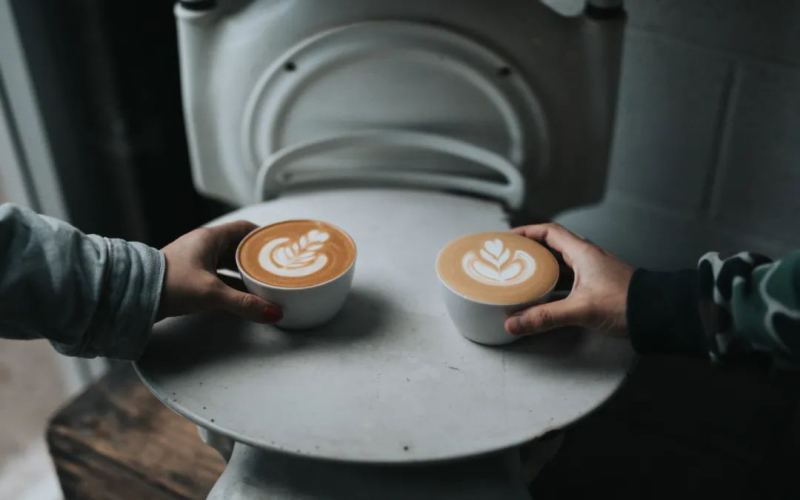
Latte Coffee | What Does Latte Coffee Mean? How to Make Latte Coffee
When it comes to today's popular drinks, the latte is perhaps the most common coffee beverage and one of the milk coffees most people are familiar with. A latte is a type of espresso drink, made with espresso as its base, to which steamed, frothed milk is added and blended in a certain proportion. Based on the definition of a latte [more…]
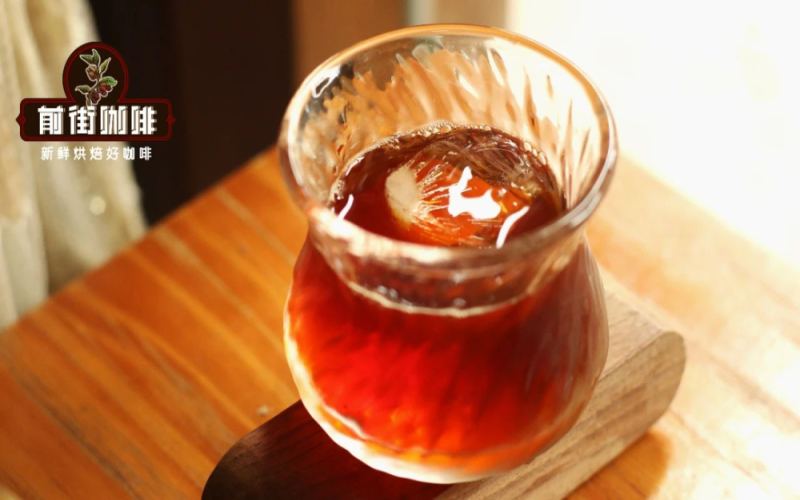
How Is Iced Pour-Over Different from Hot Pour-Over? Coffee-to-Water Ratio, Brewing Logic, and Front Street Coffee Bean Recommendations
As temperatures rise, the choice between iced pour-over and hot pour-over has become a topic of interest for many coffee lovers. The same bean, brewed as a hot drink or a cold drink, takes on completely different flavor directions. Behind this lie two different brewing logics: hot pour-over uses a full coffee-to-water ratio to extract and showcase the bean's original layers; iced pour-over reduces the water amount, increases extraction efficiency, and then relies on ice cubes to dilute and cool it down. Understanding these differences can help you more accurately judge how a bean is best brewed. This article will compare brewing principles, flavor expression, aroma characteristics, and more, and will also include Front Street's bean list recommendations for different taste preferences, so you can still enjoy the cup you love even in the heat of summer. [more…]
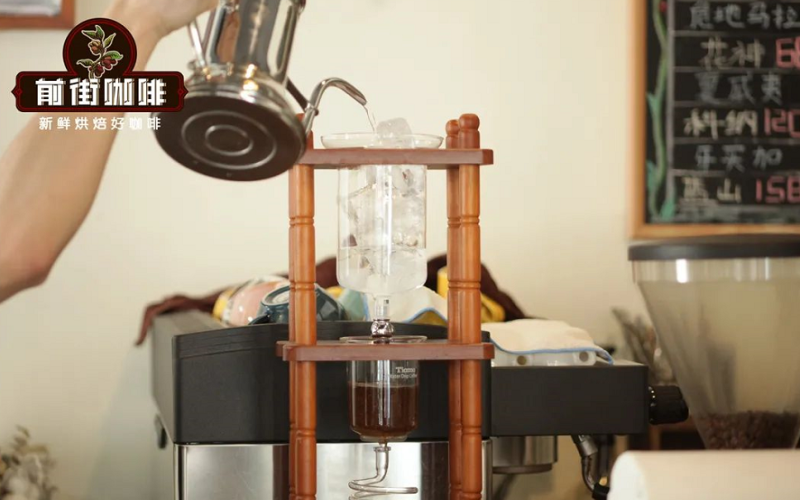
A Complete Guide to Cold Brew Coffee: Five Key Points from Bean Selection to Extraction Ratio
Cold brew coffee has become increasingly popular in the specialty coffee scene in recent years, thanks to its rich flavor and refreshing taste. Making a good cup of cold brew at home is actually not complicated—put ice water on top, coffee grounds in the middle, and a carafe at the bottom to catch the coffee, letting the ice water drip through the coffee bed one drop at a time, and extraction is complete in about six hours. However, this seemingly simple process hides many details that affect flavor. Front Street Coffee breaks down five key factors one by one—from bean selection, grind size, drip rate, and coffee-to-water ratio to how you drink it—and offers specific parameter recommendations, such as grind pass rate, a rhythm of 7 drops per 10 seconds, and a rich 1:10 ratio, helping coffee lovers consistently reproduce their ideal cold brew flavor. [more…]
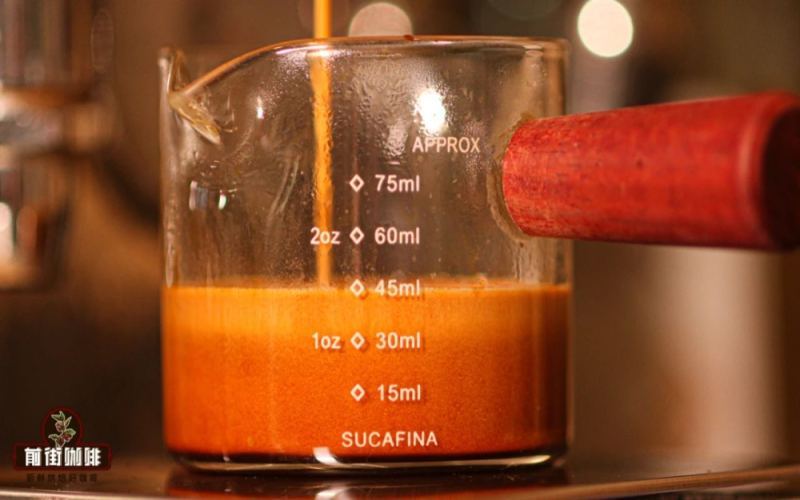
American Drip Coffee Maker Operation Guide: Iced Americano Black Coffee Recipe and Coffee Bean Selection Tips
Want to easily make a delicious iced Americano black coffee at home? A drip coffee maker might be the most effortless choice. It has a low barrier to entry, requires no complex espresso skills, and still delivers consistent results. This article focuses on the correct way to use a drip coffee maker, breaking down the core variables that affect flavor one by one—from machine structure, coffee-to-water ratio, and grind size to coffee bean selection. It also explains how to turn a hot Americano into a refreshing iced Americano by adjusting the water-to-coffee ratio and adding ice. The article also compiles Front Street Coffee's recommended coffee bean lists for different flavor preferences, helping coffee lovers find the cup that suits them in their daily brewing. [more…]

How to Make Cold Brew Coffee at Home: A Full Guide to Coffee-to-Water Ratio, Grind Size, Steeping Time, and Bean Selection
As the weather warms up, iced cold brew has once again become a favorite among many coffee lovers. But if you want to make a full-flavored pitcher of cold brew at home, grind size, coffee-to-water ratio, steeping time, and bean selection all directly affect the final taste. This article starts from practical operation, sorts out the key parameters of cold brew coffee, explains why the grind is not as fine as possible, why the water amount should be more restrained than pour-over, and provides a bean list reference suitable for fruity profiles and rich, acid-free styles. Finally, it also includes a complete brewing process using Front Street Coffee Granja Geisha as an example to help you easily recreate a delicious pitcher of cold brew. [more…]

How to Make a Delicious Iced Latte? A Full Analysis of Cup Size, Milk-to-Coffee Ratio, and Coffee Bean Selection
Iced latte is one of the easiest milk coffees to make among espresso drinks. It seems to involve only three steps—adding ice, pouring milk, and pouring coffee—but to make it smooth and delicious, there are still three aspects behind it: ingredient selection, milk-to-coffee ratio, and operational details. This article focuses on these three points: first, it explains how coffee beans and milk affect the flavor direction, then it provides the 1:6 ratio used by Front Street Iced Latte and a reference of about a 300ml cup size, and finally it supplements the details that are easily overlooked during extraction and cup assembly. The article also recommends beans suitable for iced lattes, such as Front Street Dark Cocoa Blend and Front Street Strawberry Candy Espresso, for coffee lovers' reference. [more…]
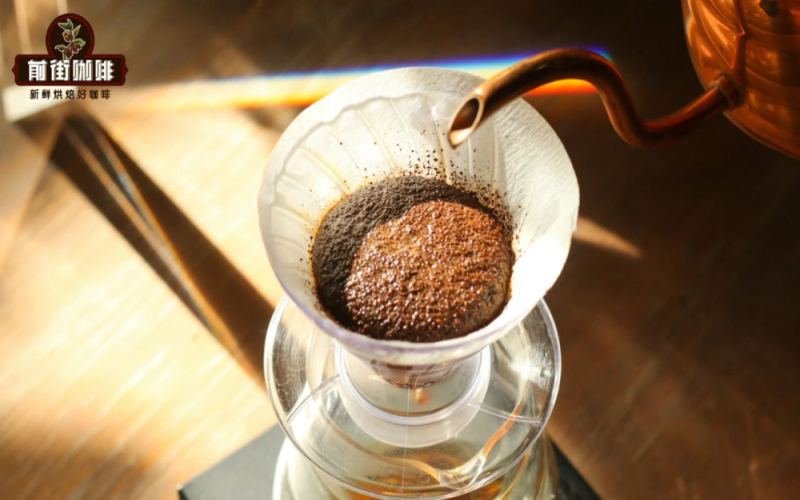
How to determine the coffee-to-water ratio for pour-over? Brewing logic and practical guide from 1:14 to 1:16
The flavor expression of pour-over coffee depends not only on bean quality and grind size—the coffee-to-water ratio is equally a core variable that cannot be overlooked. The amount of water poured not only determines coffee strength but also directly affects extraction yield and flavor direction. Starting from the soluble solids ratio given by the SCA, this article explains why the coffee-to-water ratio can make or break a cup, and provides recommended parameters of 1:14, 1:15, and 1:16 for medium-dark, medium, and medium-light roasts respectively. Finally, using Front Street Coffee Golden Mandheling as an example, it demonstrates a complete brewing process at a 1:14 ratio to help you consistently reproduce a rich, sweet cup at home. [more…]

Full Guide to Making Coffee Combos: Bean Selection Strategy, Espresso Extraction Parameters, and Milk-to-Water Ratio Guide
Coffee combos have become increasingly popular in specialty coffee shops in recent years. The approach involves splitting a single espresso shot into two or three portions, each paired with water or milk, showcasing the flavor differences of the same bean across multiple brewing formats. This style of service places higher demands on baristas: they must not only select beans that work well for both black coffee and milk coffee, but also recalibrate the espresso extraction recipe and the ratios of coffee to milk and water. Drawing on Front Street's hands-on experience, this article addresses core questions one by one—the logic behind selecting beans for combos, the direction for adjusting extraction parameters, and the respective water and milk ratios for Americanos and lattes—and includes a complete workflow with parameters using the Santa Vini anaerobic natural bean as an example, providing coffee enthusiasts with a reusable reference for making combos. [more…]
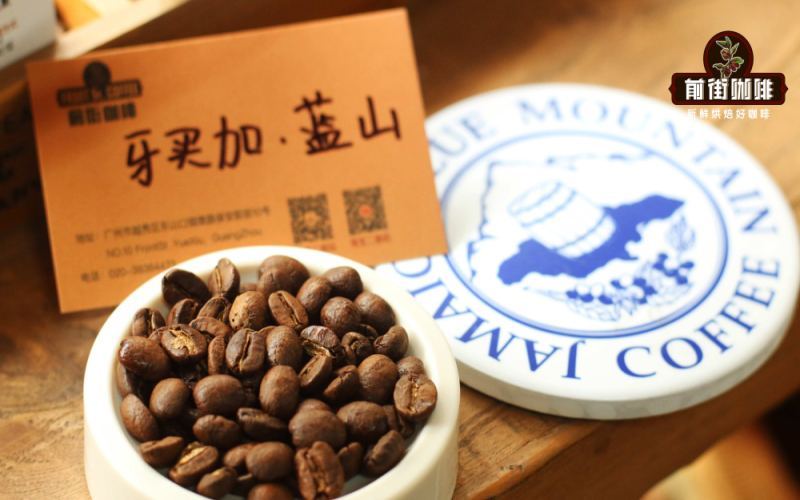
The Complete Guide to Pour-Over Jamaican Blue Mountain Coffee: Water-to-Coffee Ratio, Water Temperature, and Three-Pour Technique Explained
Blue Mountain coffee is scarce in production and commands a high price per cup in cafés, leading many enthusiasts to buy Blue Mountain coffee beans and brew them at home by pour-over to save money. However, few people can accurately bring out the flavor of Blue Mountain coffee. This Clifton Estate Blue Mountain No. 1, introduced by Front Street Coffee, comes from the oldest coffee estate in the Blue Mountains and is the only Blue Mountain estate with Rainforest Alliance certification. It uses the Typica variety and washed processing, and its flavor is known for dark chocolate, nuts, cream, and a balance of acidity, sweetness, and bitterness. This article will systematically explain how to correctly brew Blue Mountain coffee by pour-over from four dimensions—water temperature, grind size, coffee-to-water ratio, and brewing technique—to help you consistently present this top-tier bean's richness and balance at home. [more…]
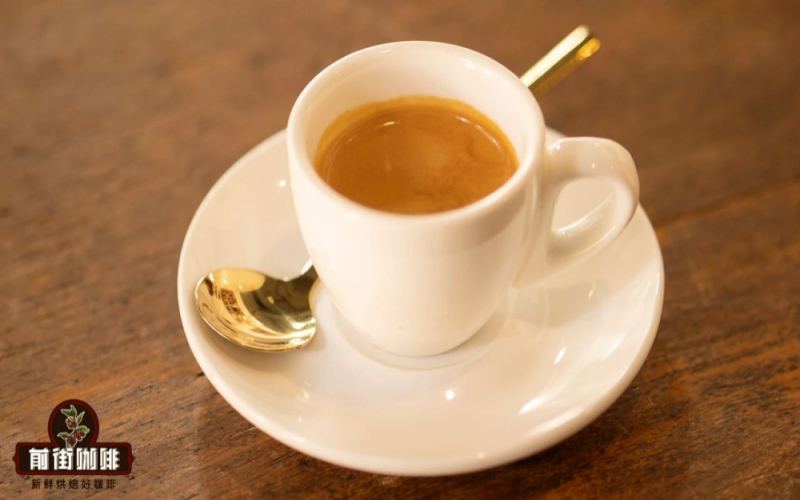
Standard Espresso Extraction Parameters and Brewing Methods, Front Street Espresso Blend Bean Buying Guide
Espresso is the foundation of café offerings and the subject many coffee enthusiasts delve into at home. How much dose, what water temperature, and how much pressure does a qualified Espresso actually require? How should extraction time and ratio be controlled? Starting from Front Street Coffee's hands-on experience, this article systematically sorts out the technical standards and extraction parameter logic of espresso, and introduces in detail the recipes, flavors, and suitable scenarios of four espresso blend coffee beans under Front Street, covering Dark Cocoa Blend, Specialty Blend, Commercial Blend, and Classic Blend. At the end, it also includes notes on purchasing coffee beans to help readers enjoy the best flavor within the peak flavor period. [more…]
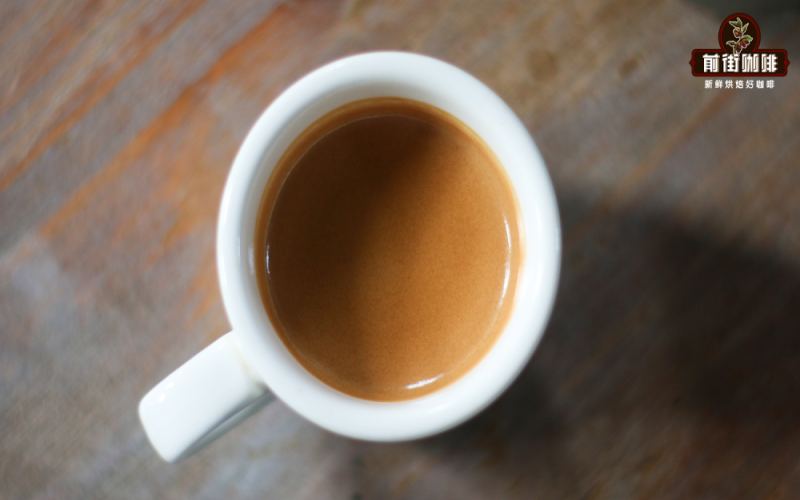
12 Key Parameters That Determine Espresso Flavor and Bean Selection Strategies
To craft an outstanding espresso, the choice of coffee beans and extraction parameters are both indispensable. Front Street Coffee starts with the differences between roast levels, blends, and SOE, sorts out four espresso blend options with different positioning, and analyzes one by one how the six major parameters—dose, brew ratio, extraction time, flow rate, pressure, and water temperature—affect the Espresso's mouthfeel. Whether you are practicing at home or selecting beans for a coffee shop's menu, these experiences can help you avoid common pitfalls and find a stable, on-point solution. [more…]
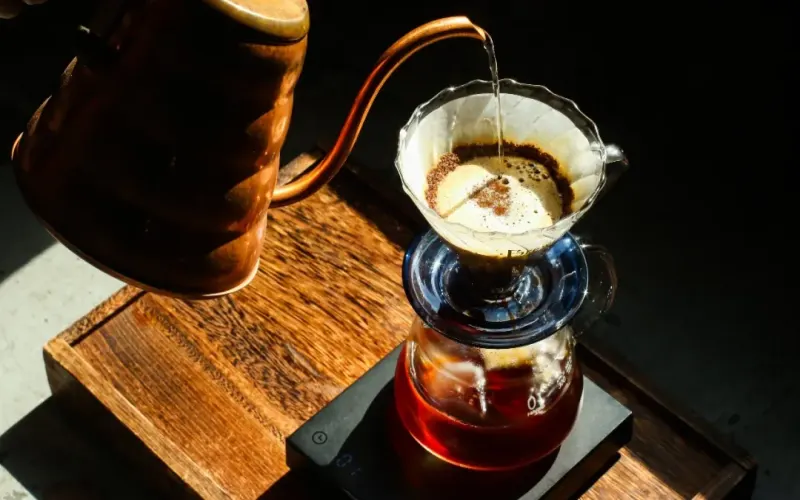
How to Adjust Iced Pour-Over Coffee Parameters? A Full Breakdown of Water Temperature, Ratio, Grind Size, and Bean Selection
Iced pour-over coffee is not simply about pouring hot coffee over ice cubes; it requires targeted adjustments in the coffee-to-water ratio, grind size, water temperature, and pouring method, otherwise it is very easy to end up with a brew that tastes as weak as ice water. Starting from Front Street's hands-on experience, this article first explains the root cause of flavorless iced pour-over—both concentration and extraction yield are too low—and then explains one by one how the parameters change as the water amount is reduced: the coffee-to-water ratio is tightened from 1:15 for hot brewing to 1:10, the grind is made finer by 1–2 settings, the passing rate through a No. 20 sieve increases by about 5%, and staged pouring is used to extend the extraction time to make up for the loss of efficiency caused by the reduced water amount. The article also gives direction on bean selection: natural and anaerobic processing suit rich flavors, while washed processing suits a fresh and clean taste, and it includes Front Street's complete iced pour-over recipe for Ethiopia Hamashu for reference. [more…]
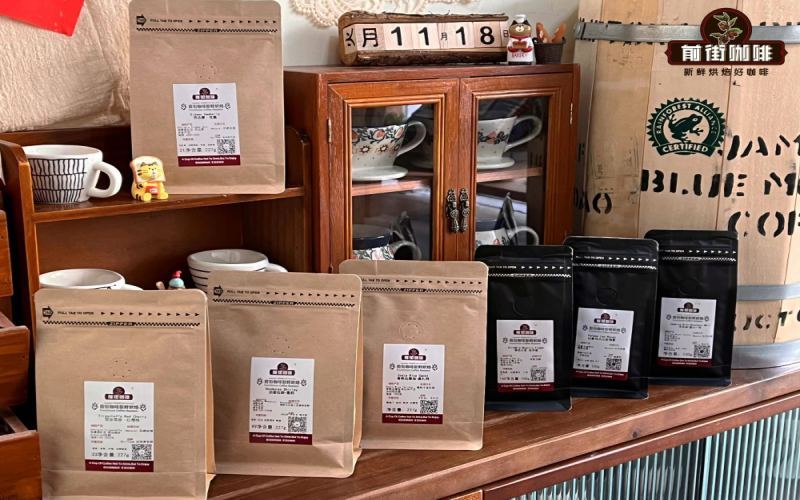
French Press Coffee Bean Selection Guide: Medium-Dark Roast and Water-to-Coffee Ratio Key Points Explained
The French press, with its simple operation and efficient extraction, has become the daily choice of many coffee enthusiasts. It requires no paper filter, making it eco-friendly and hassle-free, while fully preserving the coffee oils and original flavors—especially suited to medium-to-dark roasted single-origin beans. This article will cover the French press's suitable bean types, grind size, water-to-coffee ratio, and specific brewing process, combining Front Street Coffee's recommended bean list and hands-on experience to help you easily make a rich, full-bodied cup of French press coffee at home. [more…]