







Search Results for: Coffee Bean History

A Brief History of Latte and the Evolution of Bean Styles: A Century of Flavor Changes in a Milk Coffee
Latte is probably one of the most misunderstood coffees in the world—many people assume it is an everyday drink for Italians, but in fact the authentic milk coffee that Italians drink is the cappuccino on the breakfast table. The latte, with its "large quantity of milk" form, is a product that evolved after coffee emigrated to the United States. In this history of flavor evolution lies [more…]
Tracing the Origins of Colombian Coffee Regions and Bean Variety History: Front Street Selected Lots from Tolima to Cauca
Colombia is one of the few single-origin coffee-producing countries that markets itself globally under its national name, and its coffee is known for its balanced, smooth mouthfeel and consistent quality. This article traces the cultivation history and regional context of Colombian coffee, and provides a detailed introduction to several Colombian lots offered by Front Street Coffee, including La Minita "Model Student," smallholder lots from Tolima, Red Bourbon, Red Typica, and Geisha from Finca San Alejo, as well as Huila Bolívar, showcasing the flavor differences brought about by different regions, varieties, and processing methods. [more…]
A Complete Guide to Costa Rica's Coffee Regions: From History and Varieties to Seven Elevation-Based Grades
Why has Costa Rican coffee secured a place for itself on the global specialty coffee map? This article begins with the geography and history of its producing regions, tracing how the volcanic soil and climate conditions of this Central American country shape Arabica beans with bright acidity and balanced flavor. The article will also introduce the characteristics of major cultivated varieties such as Bourbon, Caturra, and Catuai, especially Caturra's performance in adaptability and productivity. Finally, we provide a detailed explanation of Costa Rica's unique coffee bean grading system—divided into seven grades including SHB, HB, and SH based entirely on coffee farm elevation—helping enthusiasts quickly understand the meaning of the abbreviations on bean bags and the quality they indicate. [more…]
An Analysis of Yunnan Coffee's Cultivation History and Variety Characteristics: From Catimor to Front Street Coffee's Typica Estate
In the southwestern border region of China, Yunnan Province, coffee cultivation has a history of over a century, yet it has only gradually come into public view in recent years. From the early twentieth-century attempts at introducing the crop, to the Catimor variety becoming the mainstay, and then to Front Street Coffee establishing an estate in Lincang to grow Typica amid the specialty coffee wave, Yunnan coffee has traveled a winding and unique path of development. This article will guide you through the history of Yunnan coffee cultivation, the evolution of its varieties, and its flavor characteristics, as well as the specific brewing parameters and tasting experience of Front Street Coffee's Yunnan natural Typica, exploring together how this land rich in biodiversity nurtures a uniquely charming Chinese coffee. [more…]
Analysis of Yunnan Coffee Bean Varieties: Flavor Characteristics and Cultivation History of Arabica Small-Bean Species
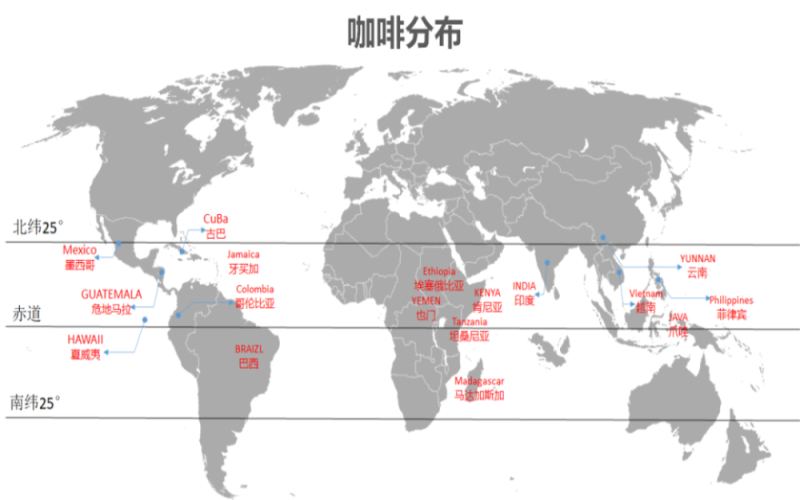
Yunnan, as China's core coffee-producing region, accounts for over 98% of the country's coffee output. What many people don't know is that the coffee grown in Yunnan belongs to the Arabica species, locally known as "Yunnan small-bean coffee." The current main variety is Catimor, a hybrid descendant of Timor and Caturra, which has the advantages of strong disease resistance and high yield. Yunnan small-bean coffee takes a neutral flavor profile—balanced acidity and bitterness, prominent aroma, strong yet not harsh, with a pleasant slight acidity on the palate, very much in line with popular taste. Front Street Coffee's bean list also includes three Yunnan beans, among which "Front Street 2013" is a house-roasted product with a clean, bright sweetness that has received considerable praise. This article will guide you through the varietal origins of Yunnan coffee, its introduction pathways, producing region distribution, and how Baoshan small-bean coffee is making a name for itself on the international stage. [more…]
A Complete Analysis of Yunnan Coffee Origins: Flavor Comparison Between Catimor and Typica and Their Cultivation History
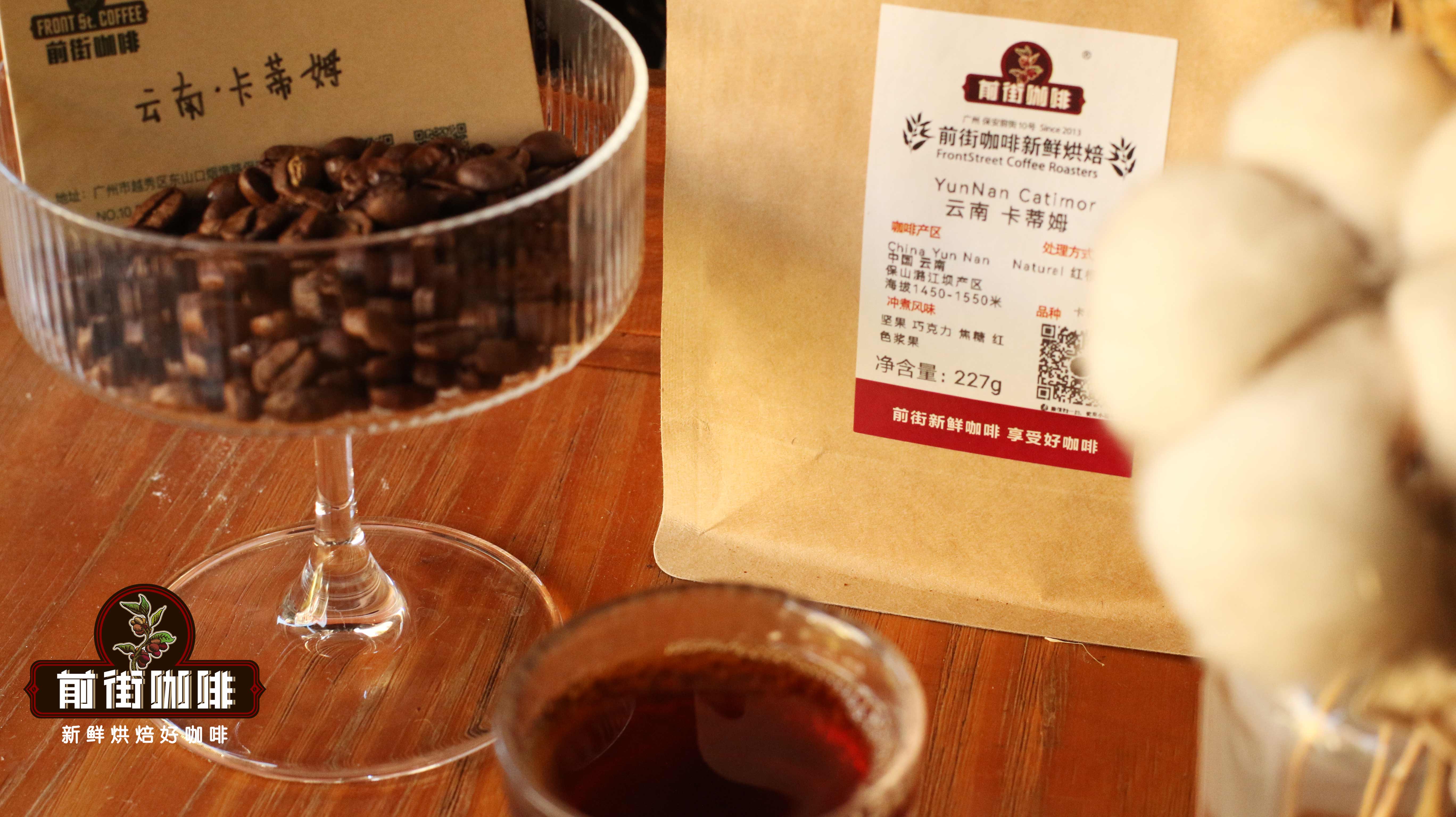
Yunnan, as China's most representative coffee-producing region, has gradually emerged in the specialty coffee scene in recent years. In this article, Front Street Coffee will give you a comprehensive understanding of the history of coffee cultivation in Yunnan and the distribution of its main producing areas, and take an in-depth look at the flavor differences between the two major varieties, Catimor and Typica. From Pu'er and Dehong to Baoshan and Lincang, each producing area has its own unique terroir. Front Street Coffee has also personally established a Typica plantation in Lincang, Yunnan, and launched the "Front Street 2013" series, showcasing the potential and charm of Yunnan coffee through hands-on growing experience, while also sharing roasting and pour-over parameters. [more…]
A Complete Guide to Yunnan Coffee Regions: Flavor Differences Between Catimor and Typica Varieties and Their Cultivation History
Yunnan is China's most promising coffee-producing region, where the unique geographical and climatic conditions of its western and southern areas cultivate a coffee flavor that is rich without being bitter, and aromatic without being harsh. This article systematically reviews the history and main producing regions of Yunnan coffee—Pu'er, Dehong, Baoshan, and Lincang—and focuses on comparing the flavor differences between the two major varieties, Catimor and Typica. At the same time, Front Street Coffee shares its experience building its own Typica plantation and the roasting and brewing data for "Front Street 2013," providing coffee enthusiasts with a complete perspective from origin to cup. [more…]
A Complete Guide to Kenyan Coffee Beans: Origin Legends, Development History, Growing Regions, and Grading System
Kenyan coffee, with its bright and uplifting acidity, intense berry flavors, and robust juicy mouthfeel, has become the beloved favorite of countless coffee connoisseurs. From the late nineteenth century when French missionaries introduced coffee trees to this land, to today when the Nairobi auction has become one of the most transparent coffee trading platforms in the world, Kenyan coffee has traveled a unique path of development. This article will systematically review the cultivation history of Kenyan coffee, the terroir characteristics of its six core producing regions, and the green bean grading system based on bean size, while also sharing the specific parameters and techniques used by Front Street Coffee when brewing Kenyan beans, taking you through a comprehensive understanding of the charm of this East African coffee powerhouse. [more…]
Panama Hacienda La Esmeralda Red Label Geisha Tasting: Front Street Coffee Washed Single-Origin Bean Flavor Profile and Estate History
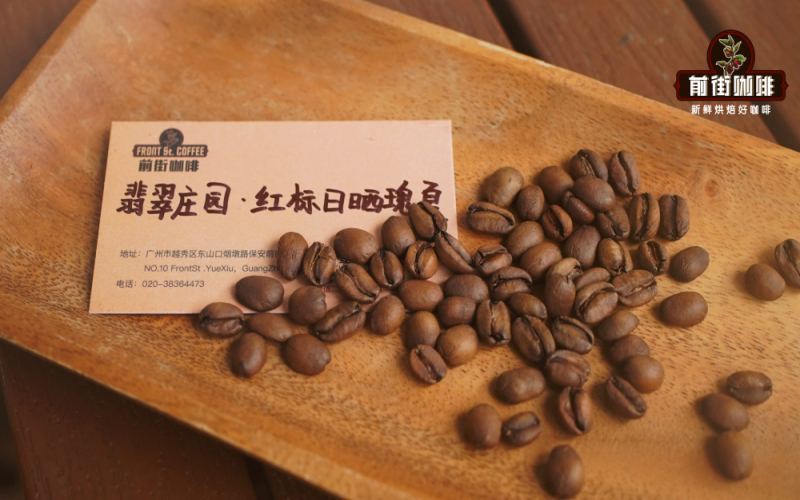
On the specialty coffee map of Central America, Panama's Hacienda La Esmeralda is world-famous for its Geisha. In this issue, Front Street Coffee brings you a Boquete high-altitude Red Label Geisha—grown at 1,400–1,700 meters, SHB grade, washed process—which, once brewed, reveals a bright acidity reminiscent of fresh oranges, intense floral aromas, and a juicy mouthfeel, with a long, lingering finish. The article also traces the estate's century-long history, from a Swedish buyer's land purchase and an American banker's takeover, to its transformation from a beef cattle farm into a dairy farm and then its venture into coffee, helping you understand the provenance of these beans while you sip. [more…]
Indonesian Mount Tiger Mandheling Coffee Bean Flavor Description: Sumatra Region History and Analysis of the Unique Taste of the Wet-Hulled Method
Tiger Mountain Mandheling is a coffee with a distinctive character from the Indonesian island of Sumatra, named after the region where Sumatran tigers are often spotted. Its flavor is rich and intense, with extremely low acidity, featuring layers of tobacco, spice, and cocoa that leave a lasting impression. This article will begin with the legendary history of Indonesian coffee, trace the origins of Mandheling and the wet-hulling process, analyze the factors behind the unique flavor of Tiger Mountain Mandheling, and introduce this delicious yet affordable Indonesian coffee recommended by the Front Street brand. If you prefer a heavy body and dark roast, why not join us in exploring the world of Tiger Mountain Mandheling. [more…]
Yunnan small-bean Catimor coffee: full analysis of variety origins, cultivation history, and flavor characteristics
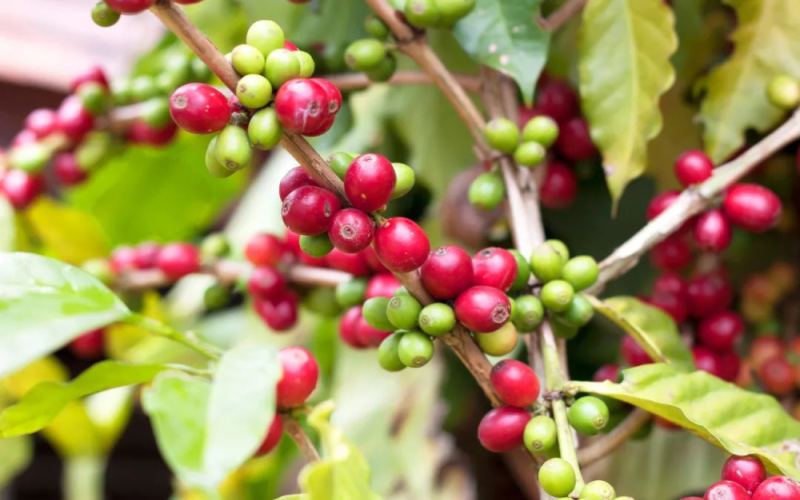
Yunnan arabica coffee has frequently been crowned with the title of "world-class" in recent years—just how much basis is there for this claim? This article examines the question from three dimensions: variety origins, cultivation history, and cup profile. The small-bean coffee predominantly grown in Yunnan is in fact Arabica, and over ninety percent of current production is Catimor—a hybrid variety that excels in disease resistance and high yield, yet has long borne the reputation of mediocre flavor. The article traces the complete arc from the first coffee tree in Zhukula Village in 1904, to systematic trial planting in Baoshan's Lujiangba in the 1950s, to Nestlé's introduction of Catimor in the 1980s that drove industrial expansion. It also explores Yunnan's current situation and challenges in washed processing and cultivation techniques, and introduces Front Street Coffee's practice of establishing its own estate in Lincang, managing the entire process from breeding to green beans, along with pour-over parameters and flavor descriptions for Front Street Yunnan small-bean everyday coffee, for coffee enthusiasts' reference. [more…]
Kenyan Coffee Development History and Flavor Tasting Guide: A Complete Analysis from Planting Origins to Brewing Techniques
Kenyan coffee is renowned worldwide for its bright acidity and berry flavors, making it a favorite among many coffee connoisseurs. This article will take you through the history of Kenyan coffee cultivation from the late 19th century to the present, outline the terroir characteristics of six core production regions, explain the meanings of grading systems such as AA and PB, and share Front Street Coffee baristas' brewing parameters and techniques for Kenyan bean varieties. Whether you are a beginner just getting into specialty coffee or a seasoned enthusiast pursuing the ultimate flavor, you will gain practical knowledge and reference from this article. [more…]
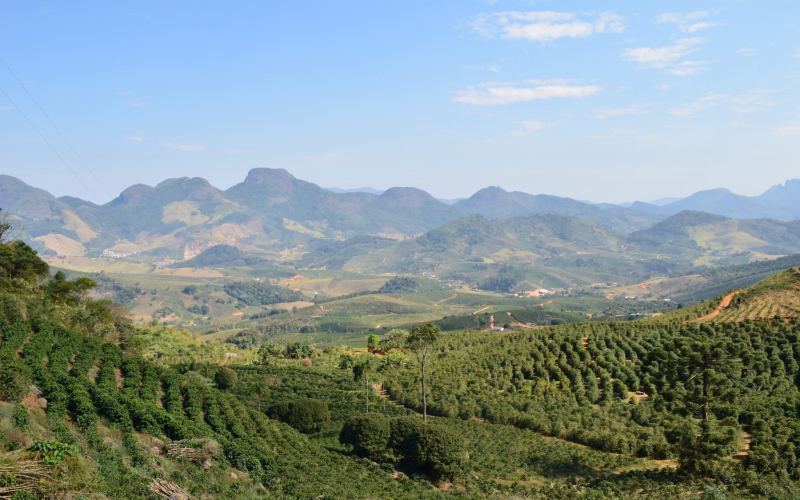
A Complete Analysis of Brazilian Coffee Bean Flavor Characteristics, Varieties, Grades, and Producing Regions: From Cultivation History to Brewing Suggestions
Brazil is the world's largest producer of Arabica coffee, contributing about 30% of the global Arabica bean supply each year, and fluctuations in its output directly affect international futures prices. From the first landing of Typica in 1727, to the full replacement by Bourbon varieties, and then to the formation of the three major specialty production regions of Minas, Bahia, and São Paulo, Brazilian coffee has traveled a unique path of evolution. This article will systematically review the cultivation history of Brazilian coffee, the differences among its main varieties, and its distinctive semi-washed processing method, and will also include detailed information on the two Brazilian beans currently sold by Front Street Coffee along with medium-dark roast brewing parameters, helping coffee lovers fully understand the flavor logic of Brazilian coffee's low acidity and mellow body. [more…]
Why Is Liberica Coffee So Rare? Characteristics, History, and Pour-Over Flavor Analysis of the Large-Bean Coffee
Among the three major coffee varieties, Arabica and Robusta dominate the mainstream trading market, while the large-beaned Liberica accounts for only about 1% of global economically cultivated coffee production, making it quite rare. This time, Front Street Coffee (FrontStreet Coffee) will introduce Liberica: its plant morphology, fruit characteristics, disease-resistant advantages, and why it is more labor-intensive in post-processing. The article will also sort through its semi-wild cultivation history in Borneo, as well as its appearance and award-winning experience at the 2018 Stuttgart Coffee Summit in Germany. Finally, it will include Front Street's sun-dried Liberica hand-brewing parameters and flavor description to help you fully understand this niche coffee variety. [more…]
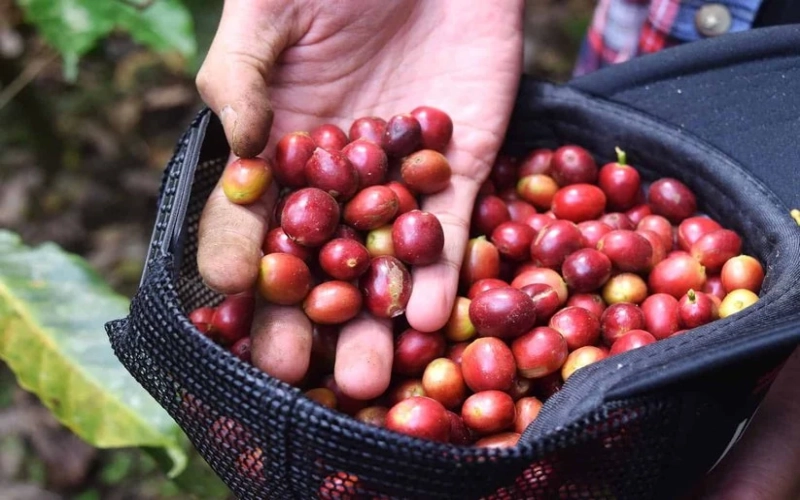
Indonesian Java Island Coffee Region and History: An Analysis of West Java Honey-Processed Java Flavor
When people mention Indonesian coffee, most first think of Sumatra, yet it is Java that is the starting point of this country's coffee history. This article will outline Java's growing regions and cultivation history, from its introduction during the Dutch colonial period and the impact of leaf rust, to the breeding and promotion of the S795 (Jember) variety, and will focus on the West Java Mount Tigula honey-processed beans offered by Front Street Coffee—which break away from the herbal and spicy notes commonly associated with Indonesian coffee, presenting instead the bright sweet-tartness of tropical fruit and a red-wine-like finish. Brewing parameters are included at the end for coffee lovers' reference. [more…]
A Complete Guide to Hawaii's Coffee Regions: From Growing History to Kona Flavor and Specialty Bean Roasting
The Hawaiian Islands lie south of the Tropic of Cancer, and thanks to their volcanic soil and tropical climate, they produce coffee that is recognized worldwide as exceptional. The Kona growing region is the most famous, yet the history of coffee cultivation in Hawaii has been full of ups and downs—from its first introduction in 1825 to infestations of pests and diseases, and then the rise of small estates, spanning nearly two centuries. This article examines the full picture of Hawaiian coffee, from the history of its growing regions and flavor characteristics to the Kona certification system and emerging sub-regions such as Kau, Hamakua, and Puna, and explores how roasters like Front Street Coffee bring out its distinctive charm. [more…]
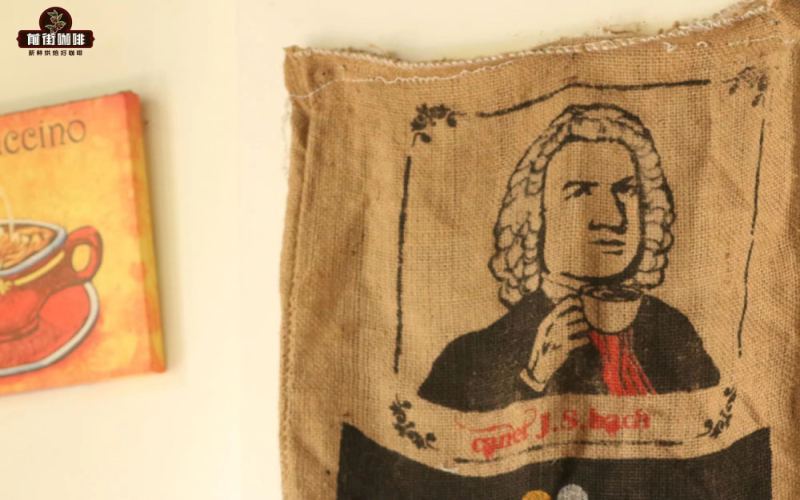
A Complete Analysis of Costa Rican Coffee Flavor Characteristics and Origin Varieties: From Cultivation History to Honey Processing
Costa Rican coffee is renowned for its sweet fruity and floral notes, rich and exuberant aroma, and bright, pleasant acidity. Front Street Coffee's bean list features several coffee beans from Costa Rica, and Front Street believes this is thanks to the country's meticulous cultivation management and diverse honey processing methods. This article will guide you through Costa Rica's coffee cultivation history, the distribution of its eight major production regions, main varieties, and green bean grading, while also providing an in-depth analysis of the principles and classifications of honey processing. It will also introduce the flavor profiles and brewing suggestions for Front Street's washed Tarrazú everyday drinking bean and the Musician Series Mozart, helping you gain a comprehensive understanding of this Central American specialty coffee powerhouse. [more…]
Java Coffee Full Analysis: Robusta Production Distribution, Dutch Colonial History, and Typica Specialty Flavor
Java Coffee, known in English as Java Coffee, is a name of great historical significance on the global coffee map. It refers both to coffee produced on the Indonesian island of Java and to a chapter that once left a vivid mark on the history of specialty coffee. This article systematically sorts out Java coffee's varietal classification and cultivation distribution, from Robusta's lowland cultivation characteristics to the differences between the two major categories A.P. and W.I.B., then traces the journey of Dutch colonists bringing coffee to Java, as well as the turning point in variety replacement around 1920. The article will also introduce a flavor review of Java Pancoer Typica, including its oily mouthfeel, bittersweet chocolate notes, and nutty finish, and mention Sumatra Front Street Mandheling as one of the few Arabica treasures still surviving today. Whether you are new to single-origin coffee or want a deeper understanding of Indonesian bean lineages, this content can provide a complete reference. [more…]

Comparison of Brazilian and Bolivian Coffee Bean Flavors: An Analysis of Planting History, Variety Characteristics, and Pour-Over Taste Differences
Brazil and Bolivia are both South American coffee-producing countries, yet the coffees of the two countries each have their own distinctive flavors. As the "giant" of the coffee world, Brazil has enormous production, relatively soft beans, and flavors dominated by nutty, cocoa, and brown-sugar sweetness; Bolivia, although limited in production, presents deep sweetness and berry notes because of its high altitude and unique varieties. In this article, Front Street Coffee will guide you through the two countries' coffee-growing history and varietal characteristics, and, through a pour-over comparison, analyze the flavor differences between Brazil Cerrado Red Bourbon and Bolivia Java coffee beans, helping you gain a deeper understanding of how altitude and variety affect coffee taste. [more…]
Yunnan Small-Bean Catimor Coffee: Flavor Characteristics and Origin Story—From Planting History to a Complete Specialty Brewing Guide
Yunnan, as China's core coffee-producing region, has a cultivation history dating back over a century and has now developed into a large-scale industry represented by Baoshan, Pu'er, Lincang, and other areas. This article systematically reviews the variety evolution and terroir of Yunnan coffee, focusing on the flavor profile, cupping characteristics, and brewing key points of small-bean Catimor coffee, while also presenting Front Street Coffee's cultivation and product practices in Lincang and Baoshan. Whether you are a beginner just encountering Yunnan beans or an enthusiast hoping to gain a deeper understanding of Catimor's varietal characteristics, you can gain a complete understanding from origin to cup, and use specific brewing parameters to reproduce the balanced, distinctly sweet, authentic taste of Yunnan small-bean coffee. [more…]