







Search Results for: CoCo milk tea
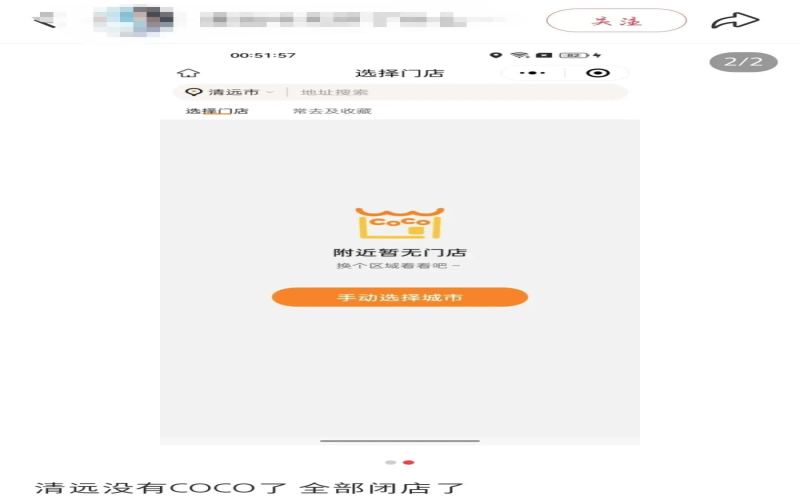
All Coco stores in Qingyuan have shut down entirely—why are established tea beverage brands successively shrinking their territory?
Recently, consumers in Qingyuan, Guangdong discovered that the mini-program of the chain tea beverage brand CoCo都可 no longer shows any local stores, indicating that the brand has quietly withdrawn from the Qingyuan market. As a veteran Taiwanese tea beverage brand founded in 1997, CoCo都可 accompanied a generation as they grew up, and its classic Milk Tea Three Brothers and Fresh Passion Fruit Double Punch were favorites for many. However, in recent years competition in the tea beverage sector has intensified, with emerging brands such as Chagee and Sexy Tea continually appearing. Although CoCo都可 has carried out co-branded campaigns and overseas expansion, the results seem to have fallen short of expectations. On social platforms, many users have reported that nearby stores have quietly disappeared, and data show that the number of its closures has exceeded its existing stores. What exactly has caused this brand, once bustling with customers, to fall into a wave of closures? This article will analyze from the perspectives of the market environment, product competitiveness, and operating costs. [more…]
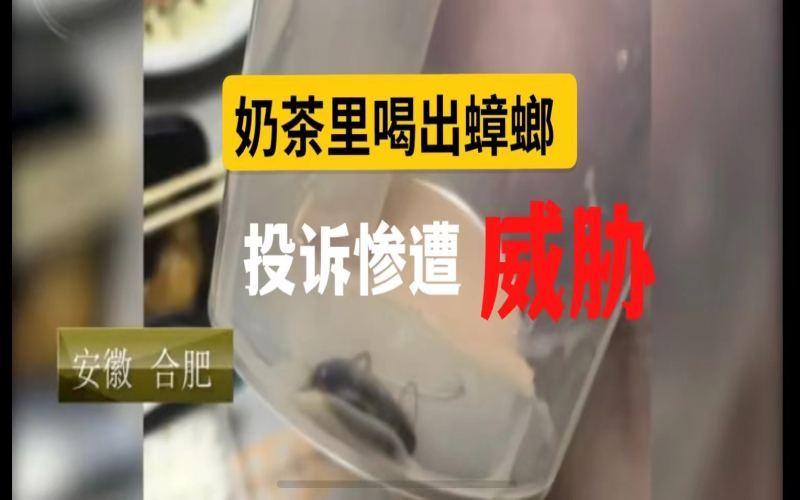
Cockroach Found in Bubble Tea: Consumer's Rights Defense Met with Intimidation, Full Analysis of Fake COCO Store Incident
Recently, a female consumer in Hefei, Anhui Province, found a cockroach at the bottom of a cup after buying milk tea through a food delivery platform. Even more shockingly, after she exposed the incident on Weibo, she received threatening private messages from an anonymous person. The incident quickly escalated and became a trending topic on Weibo, with 84.574 million views. An investigation found that the shop involved was not the authentic "COCO都可" but a counterfeit store called "与COCO茶饮". The merchant initially refused compensation and accused the consumer of extortion, but later expressed willingness to apologize, compensate, and fire the store manager. This incident not only exposed the difficulty of identifying counterfeit brands on food delivery platforms but also once again sounded the alarm for food safety. Front Street Coffee reminds you that when encountering similar problems, you must preserve evidence at the first opportunity and defend your rights in accordance with the law. [more…]
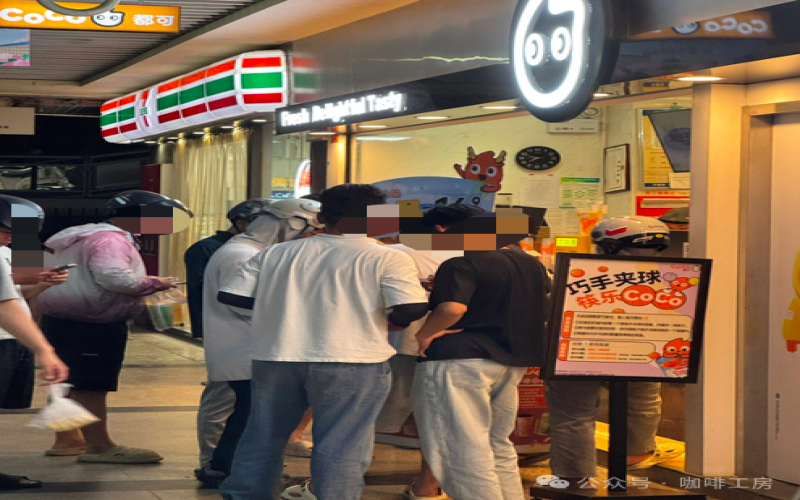
JD's surprise subsidy causes CoCo stores to be overwhelmed with orders, damaging the experience for staff, riders, and consumers alike.
An unannounced JD.com platform subsidy campaign plunged CoCo milk tea stores across many parts of the country into chaos. Four drinks originally priced at 9.9 yuan were suddenly cut by the platform itself to 1.9 yuan, instantly triggering a surge of online orders. Stores had prepared staffing and supplies for a normal day, yet within an hour they were hit with more than half a day's worth of drink output. Employees were thrown into a frenzy, delivery riders swarmed to grab orders, customers received drinks that did not match what they ordered, and even delivery workers had their pay docked for being late. What seemed like a promotion benefiting consumers ultimately turned into a lose-lose-lose situation of complaining staff, quarreling riders, and disappointed customers. Just what went wrong with the communication mechanism between the platform and the stores? Why did the sudden traffic become such a hot potato? This article reconstructs the entire incident and explores the operational hidden risks behind food delivery promotions. [more…]
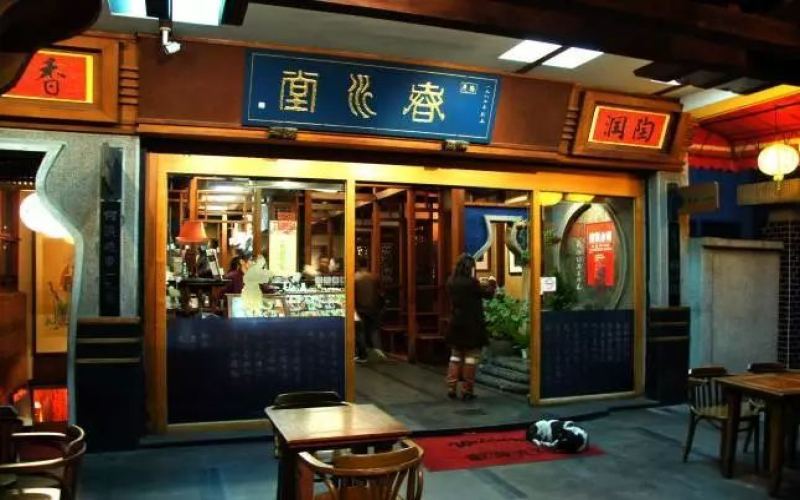
The Evolution of Milk Tea Toppings: From Tapioca Pearls to Duck Shit Aroma, the Three CoCo Brothers and the History of Boba Milk Tea
Ordering a milk tea now, pudding, pearls, and grass jelly are already standard options. Thirty years ago, the earliest milk teas were far less elaborate. Starting from 1987, when Taiwan's Chun Shui Tang dropped tapioca pearls into milk tea, the matter of adding toppings has gone through a long process of being banned, recombined, cross-industry experimentation, and a rotating lineup of niche fruits. CoCo都可 combined pearls, pudding, and grass jelly into one drink, giving rise to the now-familiar "Milk Tea Three Brothers." Nowadays the direction of toppings has shifted again—lemon tea is actually more popular without toppings, and new faces like Yashixiang, bergamot, turmeric, and peach gum have appeared one after another. This piece reviews the key milestones in milk tea toppings and also shares some observations from Front Street Coffee on current tea beverage trends. [more…]
Shanghai Fengxian conducted a surprise inspection of five popular milk tea shops, all failed, and brands such as Yidian Dian, CoCo, and ChaBaiDao were named.
A trending topic about food safety in milk tea shops has sparked widespread concern: The Market Supervision Administration of Fengxian District, Shanghai, conducted surprise inspections of several well-known milk tea stores in Baolong Plaza, and the results showed that all five brands—Yidian Dian, ChaBaiDao, 7FenTian, CoCo, and XiongJi—had problems, involving incomplete health certificates, chaotic raw material management, and unsanitary operating environments. The incident quickly surpassed 500 million views, with netizens exclaiming, "I dare not drink it anymore." At the same time, the article also reviewed food safety cases in recent years involving Burger King, 85°C, IKEA, and others, reminding the food and beverage industry that it must strictly abide by operating standards. [more…]
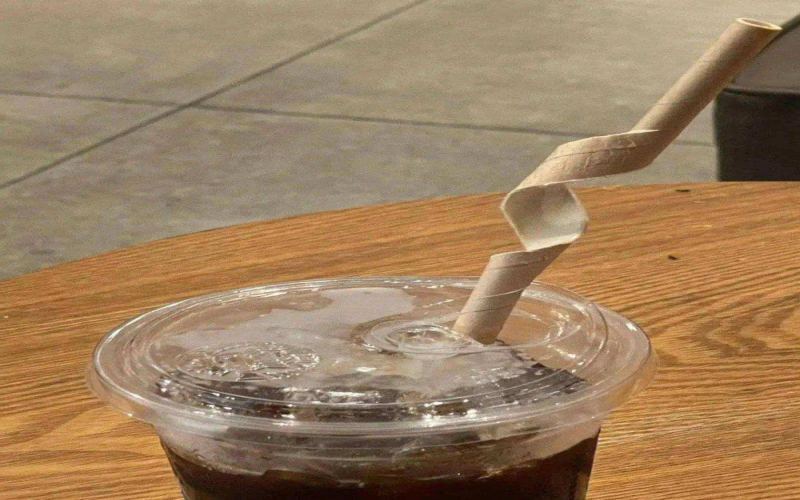
USTC Develops Edible Coconut Jelly Straw to Replace Paper Straws, Doubling Strength and Fully Degrading in 60 Days
In recent years, with the advancement of plastic restriction policies, plastic straws have gradually exited the food service scene, replaced by paper straws and PLA straws. However, paper straws easily become soggy, and PLA straws are not heat-resistant, greatly diminishing the consumer experience. A team led by Academician Yu Shuhong of the University of Science and Technology of China has taken a different approach, using bacterial cellulose combined with sodium alginate to develop an edible nata de coco straw. Its strength, modulus, and toughness are more than twice those of paper straws, it is thinner, and it can be made in different colors. Buried in soil, it nearly disappears in 45 days and completely degrades in 60 days. Can this new material save the afternoon tea joy of office workers? This article will provide a detailed interpretation. [more…]

CoCo staff cutting watermelon while eating sparks controversy, drawing renewed attention to back-of-house operational standards and food safety
Recently, a video of a CoCo milk tea shop employee eating watermelon while cutting it has sparked heated discussion online. The video shows the employee, while preparing ingredients for a watermelon drink, not wearing gloves, cutting off a piece and eating it directly, then continuing to process the remaining fruit. This behavior might be harmless in a home kitchen, but in a restaurant back kitchen it touches a sensitive nerve regarding food safety and operating standards. Some netizens believe that an employee daring to eat the ingredient actually proves the food is fresh, but more people are concerned about saliva contamination, food waste, and the lack of corporate rules. The manager of the shop involved responded that they are verifying the matter, but had not received authorization from headquarters to publicly announce the handling result. The incident once again pushes the hygiene management and employee operating habits of restaurant back kitchens into the focus of public opinion. [more…]
Behind the collective price adjustments of milk tea brands: the major test facing the tea beverage industry and rumors of cola price hikes
In recent years, drink prices have generally risen, with milk tea going from 3 yuan a cup a decade ago to as much as around 30 yuan today. After the New Year, mid- and low-end brands such as Mixue Ice Cream & Tea, Yidian Dian, and CoCo都可 raised their prices one after another, while high-end brands such as Heytea and Nayuki were already positioned above 20 yuan. Rising costs and the impact of the pandemic have left the tea beverage industry facing a reshuffle, and consumers have reacted differently to the price increases. At the same time, cola may also face upward price pressure because of Canada's tax on sugary drinks, but in the domestic market, given the duopoly competition, the likelihood of price increases is relatively low. This article sorts out the phenomenon of tea beverage price increases and the industry logic behind it. [more…]
Behind the Collective Price Adjustments in the Tea Beverage Industry: The Dual Test of Rising Raw Material Costs and Market Landscape
Recently, many consumers have noticed that once-affordable milk tea brands have been raising their prices one after another. From Yidiandian to Mixue Bingcheng, and then to CoCo都可, the wave of price increases among mid- to low-end tea beverages has drawn widespread attention. At the same time, Coca-Cola, the ever-green player in the beverage world, has also been rumored to be considering a price hike. Behind this round of price adjustments lie not only the cost pressures brought by the pandemic but also deeper changes facing the tea beverage industry. As consumers become more price-sensitive and competition from mid- to high-end brands intensifies, how tea beverage companies find a balance between quality and cost will be key to determining their future development. [more…]
Chayan Yuese Loses Trademark Opposition Against Mixue Bingcheng; Successful Registration of "Chayan Bingcheng" Draws Attention
In recent years, as public awareness of intellectual property has grown, trademark disputes surrounding well-known brands have become increasingly common. The two major new-style tea beverage brands Chayan Yuese and Mixue Bingcheng once joined forces to oppose the "Chayan Bingcheng" trademark, yet the China National Intellectual Property Administration ultimately ruled that the trademark be registered. This incident not only reflects the real-world dilemmas faced by brand protection but also sparked discussions about copycat culture and consumer choice. This article will sort out the sequence of events, review the historical origins of the copycat phenomenon, and explore the interplay between innovation and imitation in the new tea beverage industry. [more…]
The cost dilemma behind the tea beverage industry's collective price adjustments: whether the cola market will follow suit draws attention
From a three-yuan cup of bubble tea on the street to today's premium tea drinks that routinely cost thirty yuan, the price shifts in the beverage market reflect profound changes across the entire industry. Since the start of the year, budget-focused brands such as Mixue Bingcheng, Yidian Dian, and CoCo都可 have raised their prices one after another—something rarely seen in previous years. Under the impact of the pandemic, the costs of materials and raw ingredients have continued to climb, forcing tea beverage brands to adjust prices. Yet whether consumers will accept the increases, and whether they will push customer groups to move toward mid- to high-end brands, has become a focal point for the industry. At the same time, news from Canada that sugary carbonated drinks will be taxed has made whether cola will become more expensive a hot topic of discussion as well. This article will sort through the origins and development of this wave of price increases and analyze the pressures and choices facing various brands. [more…]
The Alley team pivots to the coffee track: Huwen Coffee enters the budget market with a 10-yuan latte
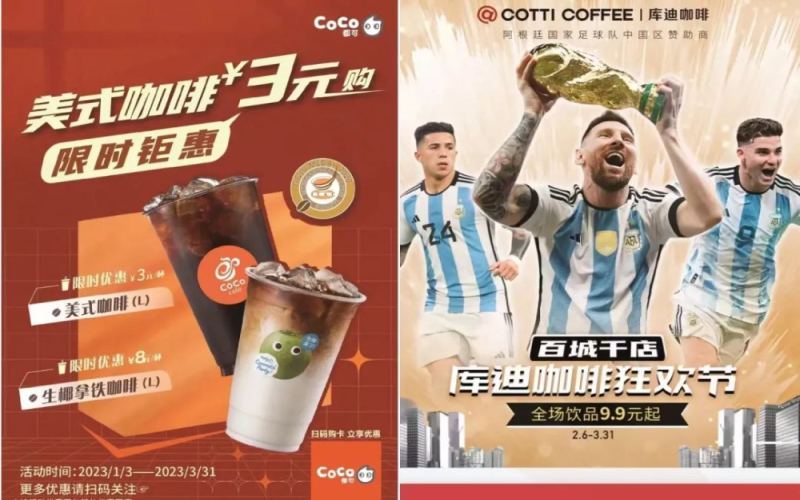
At the start of 2023, the coffee market kicked off with a low-price strategy. CoCo都可, with over 2,200 stores nationwide, dropped its Americano to 3.9 yuan, Cotti Coffee launched promotions starting at 9.9 yuan, and Tiger Coffee, created by the core team of The Alley, also secured financing, entering the affordable segment with two price tiers of 10 yuan and 13 yuan, and plans to leverage its existing overseas agency network to prioritize expansion in Southeast Asia. Can Tiger Coffee become the Mixue Bingcheng of the coffee world? This article will analyze from perspectives including brand background, store model, product strategy, and market trends. [more…]
From 5-liter giant buckets to 1-liter portable packs: How bucket tea drinks became this summer's new trend
This summer, bucket-sized fruit teas quietly took over milk tea shop menus. From Heytea and Nayuki to ChaPanda and CoCo, major brands have rolled out 1-liter or even larger bucket drinks, attracting consumers with high cost-performance. Bucket tea drinks are nothing new—back in 2019, they went viral thanks to Jay Chou fan support, and in 2020 Nayuki even launched a 5-liter "mighty bucket." However, issues like the short optimal drinking window and rapid bacterial growth in bucket tea drinks cannot be ignored. From giant buckets to portable packs, what evolution has bucket tea drinks undergone? And why have this summer's bucket fruit teas made a comeback? This article will break it all down for you. [more…]
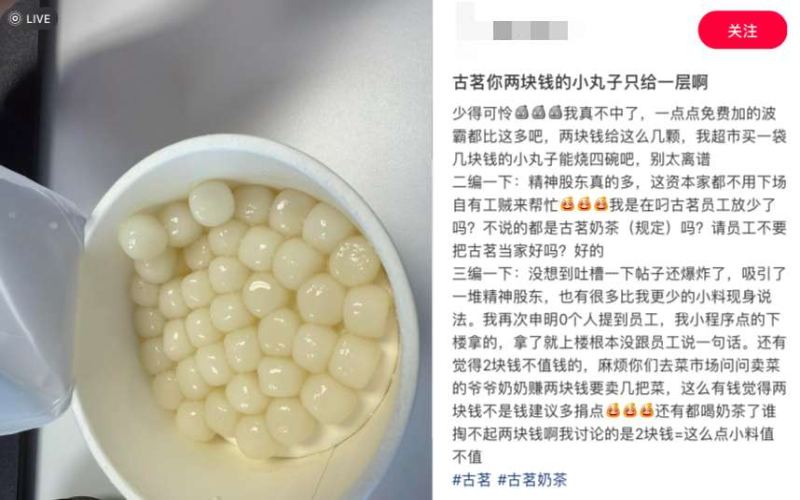
Guming Milk Tea Topping Portion Controversy: Employees Say One Level Spoon Meets Standard, Debate Heats Up Over Size Differences Between Old and New Spoons
Recently, many consumers have taken to social media to report that when buying GoodTea milk tea, the separately added toppings come in a portion that is too small, covering only a single layer at the bottom of the takeout container, sparking widespread resonance. Netizens have been posting comparison photos, pointing out that GoodTea's toppings are noticeably less generous than those of brands like 1Dian1Dian and Coco. GoodTea employees responded that the brand has clear standards for topping portions, with one level spoonful being the specified amount. However, some employees revealed that stores have switched to smaller-sized topping spoons, causing the actual portion to shrink, and some staff quietly add an extra spoonful or two when managers aren't looking. This incident reflects the gap between topping standardization in the tea beverage industry and consumer expectations. [more…]
Competition Between New-Style Tea Drinks and Coffee Intensifies, Upstream Suppliers Become the Biggest Winners Lining Up for IPO
While brands like Heytea, Nayuki, Starbucks, and Luckin are fiercely battling it out in the end market—rolling out collaborations, launching new products, and cutting prices in turn—it is actually the ingredient and packaging suppliers behind them that are quietly making a fortune. From Jiahe Foods to Sanyuan Biology, from Tianye Co. to Hengxin Life, and on to Dexin Foods, a group of supply chain enterprises for the new-style beverage industry are collectively sprinting toward the capital market. They serve well-known brands such as Uni-President, Xiangpiaopiao, CoCo都可, Mixue Bingcheng, Genki Forest, Nayuki, and Luckin, and have achieved soaring performance through products such as sugar substitutes, juices, paper cups, and syrups. This article will sort through the listing landscape of these low-key suppliers and reveal the real path to riches for upstream enterprises under the wave of new consumption. [more…]

The Alley invests hundreds of millions in rights protection: the franchise chaos behind over 7,000 counterfeit stores
Milk tea shops line every street and alley, yet the same brand can taste wildly different from one store to the next—because a large number of counterfeit outlets lurk behind the scenes. The genuine The Alley has only just over a hundred directly operated stores, while copycat versions number more than seven thousand, forcing the brand to spend hundreds of millions fighting counterfeits. Many entrepreneurs naively trust online franchise information and fall into copycat traps, losing anywhere from hundreds of thousands to over a million yuan. This article reviews trademark infringement cases reported by CCTV, exposing the common tricks of counterfeit franchising, as well as the story of how Heytea was forced to change its name because of rampant imitation, reminding consumers and entrepreneurs to keep their eyes open. [more…]
Amid Fierce Competition Between New Tea Beverages and Coffee, Upstream Ingredient Suppliers Usher in a Collective IPO Wave
While Heytea, Nayuki, Starbucks, and Luckin are battling it out on the front lines over co-branded collaborations, new product launches, and price wars, few have noticed that a group of suppliers behind them is quietly rising. From Jiahe Foods to Sanyuan Biology, from Tianye Shares to Hengxin Life and Dexin Foods, an increasing number of raw material and packaging companies behind new-style beverages are beginning to sprint toward the capital market. Some of these companies provide non-dairy creamers and sugar substitutes, some supply fruit juice concentrates and flavored syrups, and others specialize in producing paper cups and plastic cups. While terminal brands fight in a red ocean, upstream suppliers have seized the momentum to grow bigger, raked in huge profits, and collectively embarked on the path to listing. [more…]
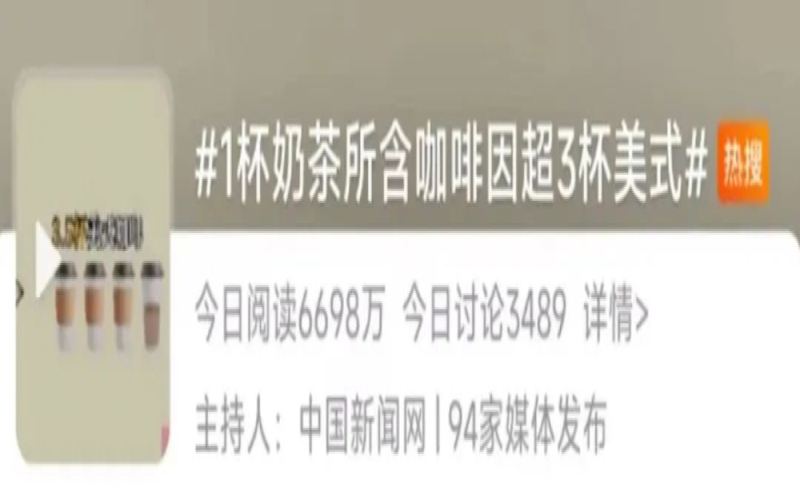
The caffeine content in milk tea is not to be underestimated: one cup of milk tea may equal three cups of Americano, so sensitive individuals need to be cautious.
In recent years, milk tea has become a daily beverage for young people, but the caffeine content hidden within it is often overlooked. Some studies show that a single cup of milk tea may contain as much caffeine as three or more cups of Americano, and may even exceed the recommended daily intake. This article sorts out the sources of caffeine in milk tea, its health effects, and consumption tips, to help coffee enthusiasts and milk tea lovers make more rational beverage choices. At the same time, it also reminds readers to pay attention to the extra health burden brought by sugar and toppings. Whether you choose coffee or milk tea, only by understanding the ingredients can you drink with peace of mind. [more…]
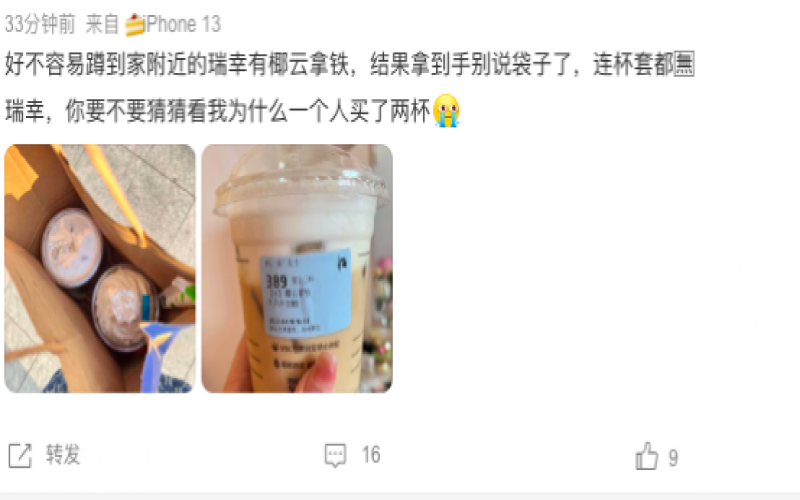
Coffee and Milk Tea Giveaway Marketing Observation: How Merchandise Trinkets Become a New Tool for Brand Traffic Generation
In recent years, coffee and milk tea brands have been rolling out all kinds of merchandise giveaways beyond the drinks themselves—from cup sleeves and paper bags to hair clips, coin purses, and even coffee-scented candles and co-branded perfumes. These seemingly inconspicuous little items are becoming a key factor in attracting consumers. When many customers buy drinks, their focus has shifted from taste to whether they can get limited-edition merch, and some even place repeat orders just to complete a giveaway set. Behind this marketing strategy lies both the consumer psychology of non-monetary promotions and an attempt by the tea beverage industry to break through amid intensifying competition. Starting from this phenomenon, this article will analyze how giveaway promotions influence purchasing decisions, and explore how cases such as Saturnbird's "Return Flight Program" achieve a win-win for brand publicity and environmental image, while also retaining relevant recommendations for Front Street Coffee. [more…]
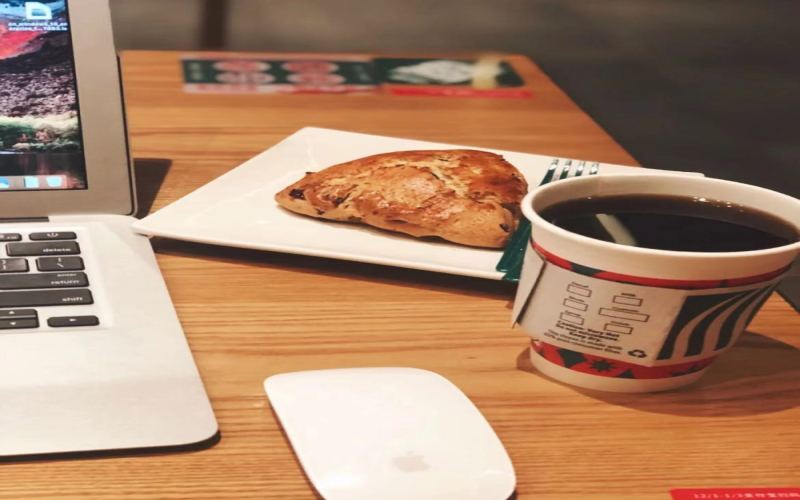
How to Order Starbucks Drinks to Taste Even Better? Top Ten Must-Order Recommendations and Practical Ordering Tips
The Starbucks menu offers a rich selection, from classic coffees to teas and Frappuccinos, each with its own distinct flavor. Faced with such a dazzling array of options, many people struggle to decide which one is actually worth trying and how to order something that suits their taste. This article compiles the top ten most popular Starbucks drinks, covering coffee categories such as the Coffee of the Week, Americano, Latte, Mocha, and Caramel Macchiato, as well as tea drinks like Iced Shaken Lemon Tea, Black Tea Latte, and Matcha Latte, plus Frappuccinos such as Matcha Frappuccino and Caramel Mocha Coco Chip. Each drink comes with flavor characteristics and practical ordering suggestions to help you avoid pitfalls and get a cup you are more satisfied with. For more specialty coffee beans, follow Front Street Coffee (FrontStreet Coffee), WeChat ID: qjcoffeex. [more…]