







Search Results for: Chocolate Cookie Flavor
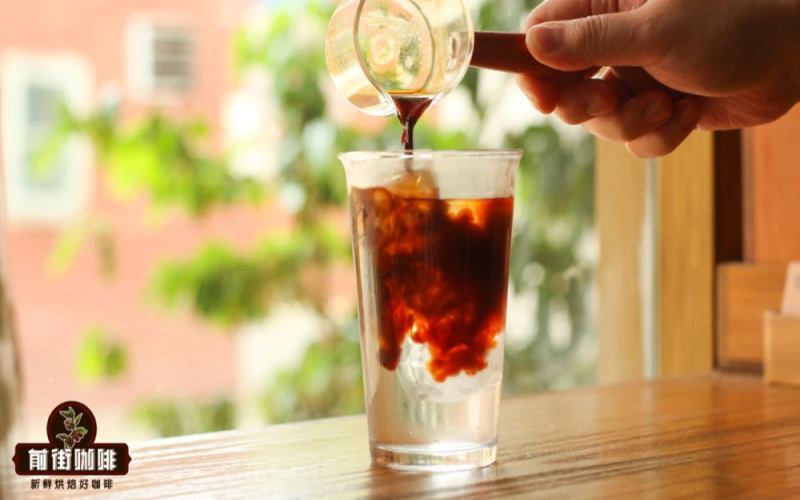
Non-Acidic Americano Coffee Beans Buying Guide | Espresso Blend Combinations and Nutty Chocolate Cookie Flavor Analysis
Americano has long become an indispensable daily drink for many people; whether hot or cold, a cup always brings satisfaction. But as coffee is a crop, its flavor naturally fluctuates—some prefer a rich, bitter note, while others have low tolerance for acidity. If you happen to be looking for an Americano coffee bean with不明显 acidity and a nutty chocolate-cookie style, this article will systematically sort out your purchasing approach, from the causes of coffee acidity and extraction principles to the differences between SOE and espresso blends, and then to specific product recommendations. The article will also combine sales data from major platforms to list several espresso blend coffee beans suitable for making low-acid Americano, covering different price points and uses, making it convenient for coffee lovers and shop owners to reference. [more…]
Brazil Coffee Estate Picks: Hand-Drip Beans and Flavor Analysis, Front Street Canaan Estate Sweet Flatbread Coffee Review
As the world's largest coffee-producing country, Brazil's estate beans are attracting increasing attention from pour-over enthusiasts. Starting from the terroir of its producing regions, this article recommends Brazilian coffee estates worth trying, and answers what kind of Brazilian beans are suitable for pour-over and whether Brazilian coffee is actually good. It particularly introduces Front Street Coffee's Brazil Canaan Estate coffee—a unique bean with chocolate cookie and sweet flatbread flavors, specially reserved by Central Fork Roasting Company and hailed as "sweet flatbread coffee." From the Gem Estate in the Mantiqueira Mountains of the Carmo de Minas region to the silky, toasted-bread-like comfort in the cup, this guide takes you through the full charm of Brazilian specialty coffee. [more…]
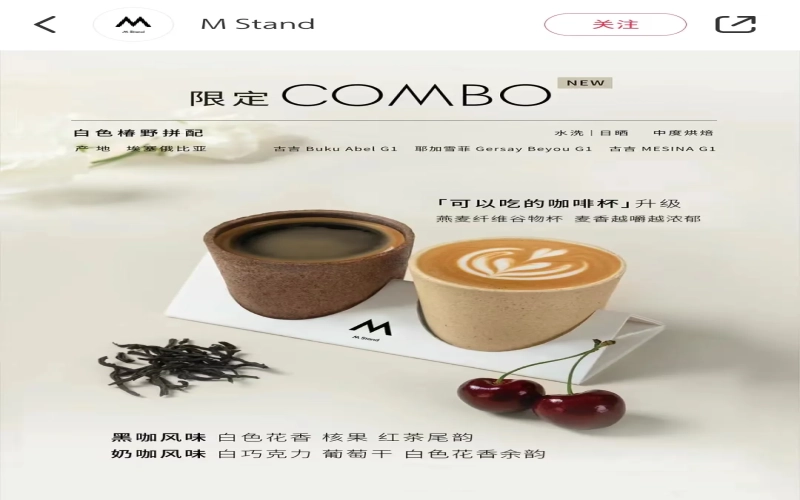
M Stand launches an edible cup Combo set: the one-bean-two-ways concept is full of creativity, yet netizens complain the cup itself is hard to gnaw through
M Stand once went viral online with an oat cookie latte that you can eat together with the cup. Now the brand has innovated further on this basis, launching a limited-edition Combo paired with a medium-roast Ethiopian blend bean, achieving two drinks from one bean. The black-and-white edible cups respectively hold a hot americano and a hot latte. The cup bodies are made from oat fiber grain, with the white cup being original flavor and the black cup cocoa flavor. However, this new product, which must be enjoyed on-site and cannot be delivered, has sparked polarized reviews on social platforms—beyond the coffee's taste drawing attention, the texture of the oat cup itself has become a hot topic of discussion. Many netizens complain that it is dry and hard like paper, difficult to swallow, and some even had their mouths cut. [more…]
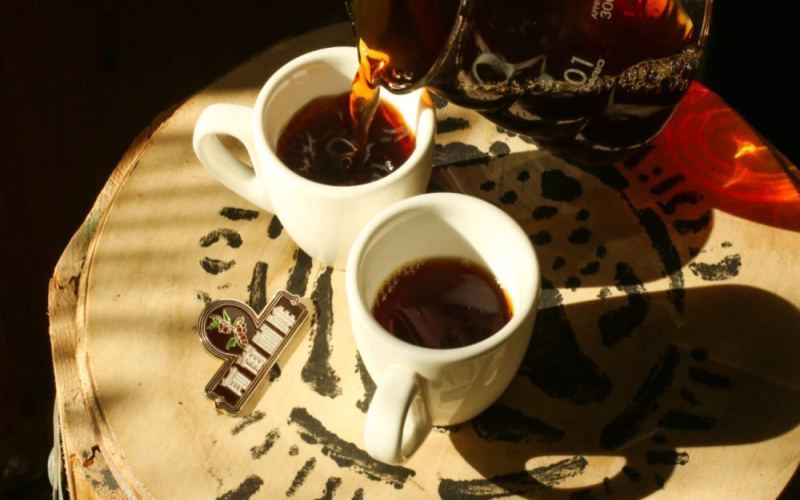
Selected Non-Acidic Black Coffees: Front Street Coffee's Brazil Yellow Bourbon with Nutty Cream Flavor and a Dark Cocoa Espresso Blend Recommendation
Prefer a non-acidic black coffee? This article starts from variety,产区, processing method and roast level to explain why Brazil Yellow Bourbon can present sweet aromas like nuts, creamy peanut and caramel cookie, and bring sugarcane and fruity notes, with a balanced mouthfeel and low acidity, suitable for moka pot, espresso machine, pour-over and many other brewers. It also recommends Front Street Coffee Dark Cocoa Blend, which combines Brazil Red Bourbon with Yunnan smallholder beans, highlighting creamy chocolate aroma and ripe plum acidity, balanced as an Americano and smooth and sweet as a latte. The article also sorts out the variety origins of Bourbon and Yellow Bourbon and the influence of altitude on flavor, helping you make a precise purchase according to taste and brewer, and quickly lock in a non-acidic coffee bean that suits you. [more…]
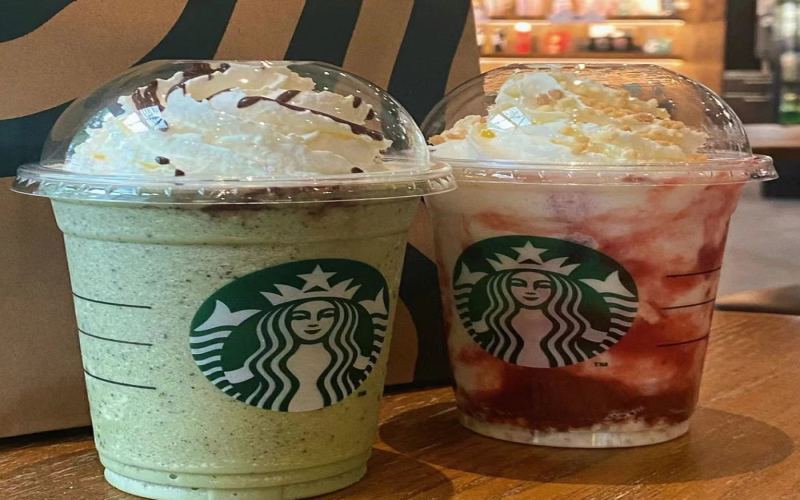
Starbucks Frappuccino Full Series Roundup: Ten Classic Flavors and Recommended Low-Calorie Secret Hacks
Walking into Starbucks on a hot summer day doesn't mean you have to choose hot coffee—the slushy-textured Frappuccino is just as good a way to cool down. Starbucks currently offers ten regular Frappuccinos, covering both coffee and non-coffee categories, with the matcha series ranking as a classic. If you prefer coffee flavors, the Caramel Coffee Frappuccino and Espresso Frappuccino deliver different intensities of coffee experience. What's more, by adding or removing ingredients or swapping syrups, you can customize your own personal flavor. The Mango Passion Fruit Frappuccino, once discontinued, remains the low-calorie favorite in the minds of many longtime customers thanks to its lack of whipped cream and lower sugar content. This article goes through the characteristics of each Frappuccino one by one, while keeping Front Street Coffee's related recommendations, to help you find the cup that suits you best. [more…]
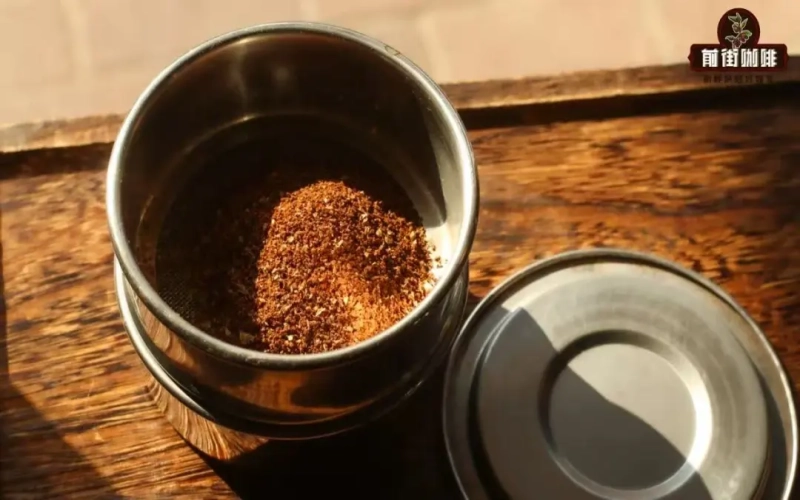
How Do Coffee Bean Density and Brittleness Affect Grind Size? A Guide to Choosing Grind Settings for Pour-Over Coffee
Many pour-over enthusiasts have discovered when testing ground coffee with a sieve that the same grind setting produces different passing rates for different bean varieties. Front Street Coffee recently received similar questions: why does particle size vary under the same grind setting? The core reason lies in the differences in bean density and brittleness—high-altitude, light-roasted beans tend to be harder and denser, producing fewer fines during grinding; low-altitude, dark-roasted beans are more brittle and prone to crumbling into fines. Only after understanding this principle can one adjust the grind size for different beans. This article combines medium-light roasted beans such as Front Street Yirgacheffe Gotiti, Front Street Ethiopia Hachira, and Front Street Granja Geisha, as well as medium-dark roasted beans such as Front Street PWN Golden Mandheling, Front Street Brazil Queen's Estate Yellow Bourbon, and Front Street Jamaica Blue Mountain No. 1, to provide specific EK43 settings and No. 20 sieve passing rate recommendations, helping coffee enthusiasts achieve consistent results. [more…]
How to Order Starbucks Drinks to Taste Even Better? Top Ten Must-Order Recommendations and Practical Ordering Tips
The Starbucks menu offers a rich selection, from classic coffees to teas and Frappuccinos, each with its own distinct flavor. Faced with such a dazzling array of options, many people struggle to decide which one is actually worth trying and how to order something that suits their taste. This article compiles the top ten most popular Starbucks drinks, covering coffee categories such as the Coffee of the Week, Americano, Latte, Mocha, and Caramel Macchiato, as well as tea drinks like Iced Shaken Lemon Tea, Black Tea Latte, and Matcha Latte, plus Frappuccinos such as Matcha Frappuccino and Caramel Mocha Coco Chip. Each drink comes with flavor characteristics and practical ordering suggestions to help you avoid pitfalls and get a cup you are more satisfied with. For more specialty coffee beans, follow Front Street Coffee (FrontStreet Coffee), WeChat ID: qjcoffeex. [more…]

Can Warm Milk Extract Coffee? A Comparative Test of Three Coffee Beans to Help You Make Smooth Milk-Brewed Coffee
What kind of flavor performance would using warm milk instead of cold water to extract coffee bring? Front Street Coffee conducted a comparative experiment with three beans of different roast levels and found that the medium-roast bean, when soaked in warm milk, had both fruity aromas and chocolate notes, and its mouthfeel was the most appealing. But the experiment also revealed the problem that a milk temperature of 40°C combined with a granulated sugar grind size and a 3-hour soak easily led to over-extraction. For this reason, Front Street adjusted the plan, shortening the time to 1.5 hours and switching to Ethiopian Santa Vini beans, obtaining a smooth milk coffee interwoven with honey, pineapple, and cream biscuit notes. This article fully records the experimental process and tasting results, providing a reference for enthusiasts who want to try milk-extracted coffee. [more…]
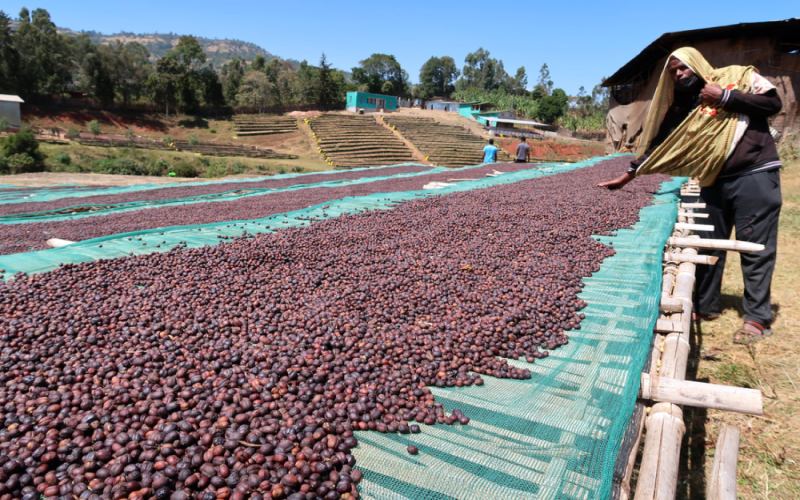
A Comprehensive Guide to Yirgacheffe Coffee Beans: Flavor Characteristics, Roasting Techniques, Origin Information, and Producing Region and Estate Distribution
Yirgacheffe is one of Ethiopia's most representative specialty coffee regions, renowned worldwide for its bright floral and fruity aromas and smooth citric acidity. This article provides a comprehensive analysis of the flavor characteristics and quality grading system of Yirgacheffe coffee beans, covering the region's background, differences in processing methods, roasting curve recommendations, and the distribution of sub-regions such as Kochere. It also uses specific products like Front Street Coffee's Natural Red Cherry to illustrate the aromatic differences brought about by washed and natural processing methods, helping coffee enthusiasts gain a deeper understanding of this region hailed as the "Queen of Coffee." [more…]
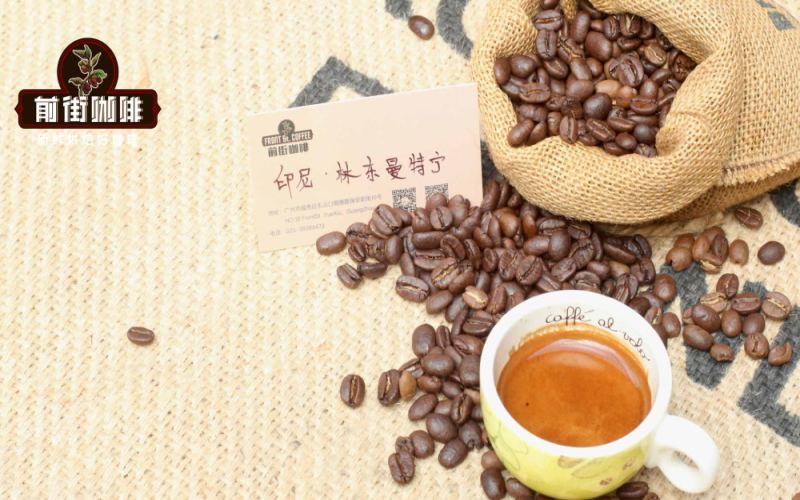
Espresso Blend Guide: Common Recipes, Pairing Ideas, and Five Front Street Coffee Recommendations
The same coffee beans can present completely different flavors depending on the extraction method. Take Front Street Indonesia Mandheling, a medium-dark roast, as an example: when brewed as pour-over, it is mellow and gentle, with notes of caramel, herbs, and spices; if instead made into espresso with a coffee machine, it develops a rich layer of crema, releasing layers of dark chocolate, cream, and roasted nut aromas, and when drunk straight it is intense and stimulating with a pronounced roasted note. This shows that choosing coffee beans cannot be done casually; you need to consider the extraction method, roast level, and freshness. Fresh beans are rich in carbon dioxide, and together with the porous structure of a dark roast, they make it easier to extract a large amount of crema and roasting aromas such as chocolate, cocoa, butter, cookies, and caramel. For beginners, value for money is especially important. Below are five of the most popular espresso blends, covering Front Street Specialty Blend, Commercial Blend, Dark Cocoa Blend, and Classic Blend, along with their respective suitable scenarios and flavor characteristics, for reference whether for opening a shop or home use. [more…]
The Complete Guide to Making a Salty Mocha Coffee: A Detailed Tutorial from Purifying Milk to Both Hot and Cold Versions
Mocha coffee is richer in flavor and sweeter in aroma thanks to chocolate, and in recent years a variant called "Salted Mocha" has gone viral online. After trying it personally, Front Street Coffee found it truly excellent, so we've put together this complete tutorial. The article will detail the ingredient preparation for a Salted Mocha, including purified milk that takes a full day to make, as well as the pairing of espresso, chocolate sauce, unsweetened cocoa powder, and salt. The preparation section covers both hot and iced versions of the Salted Mocha—the former uses a tea whisk for stirring and steaming milk for latte art, while the latter is shaken in a cocktail shaker for an icy, rich experience. Throughout, Front Street Sunflower·Warm Sun blend coffee beans are used, which pair perfectly with the chocolate flavor. [more…]

How
Hot Americano may seem like just espresso with hot water, but the water temperature directly affects the aroma, the balance of acidity and bitterness, and the drinking window. Front Street Coffee used the Warm Sun blend as the base and brewed Americanos at four water temperatures—55°C, 65°C, 75°C, and 90°C—then compared them through tastings at three points: immediately after brewing, at the 5-minute mark, and at the 20-minute mark. The experiment found that at the moment of serving, 65°C delivered the best overall performance, while over the course of 20 minutes, 75°C performed better overall. The article also recommends a serving temperature of 75±5°C for dine-in hot Americanos and offers practical tips such as preheating the coffee cup and distinguishing between dine-in and takeaway preparation. [more…]
What is the difference between single-origin coffee beans and blended coffee beans? Which single-origin coffee beans are suitable for a moka pot?
What exactly is the difference between single-origin coffee beans and blended coffee beans? Simply put, single-origin beans come from a single origin or estate and carry a distinctive regional flavor; while traditional espresso mostly uses dark-roasted blended beans, pursuing richness and intensity. When single-origin beans are used for espresso extraction, they are called SOE. Moka pots and espresso machines both use high-temperature, high-pressure extraction, making bean selection especially critical. This article will sort out the core differences between single-origin and blended beans, and recommend three Front Street medium-to-dark roasted single-origin beans suitable for a moka pot, covering Brazil Queen's Estate, PWN Golden Mandheling, and Colombia Strawberry Claw, helping you easily make a cup of moka pot coffee with aromatic crema at home. [more…]
Where Does the Acidity in Americano Black Coffee Come From? A Full Guide to Non-Acidic Espresso Blend Beans and Brand Selection
Americano has become an indispensable daily drink for many people, especially in hot seasons when an iced Americano is particularly refreshing. However, as a crop, coffee inevitably varies in quality. Many people wonder when they taste an Americano with sourness: is this normal? In fact, coffee beans naturally contain rich acidity, which gradually decreases with darker roasting. Today, coffee flavor trends are shifting from traditional bitter-burnt notes to floral and fruity acidity, and SOE Americanos are becoming increasingly popular. This article will explain the sources of sourness and the principles of extraction, and recommend several espresso blend coffee beans with non-sour, nutty-chocolate-cookie flavors, including popular Front Street Coffee products, to help coffee lovers find their ideal daily staple. [more…]
What Is the Ideal Water Temperature for a Hot Americano? A Comparative Experiment from 55°C to 90°C and the Perfect Ratio Recipe
The difference between a hot americano and an iced americano ultimately comes down to whether the espresso is combined with hot water or iced water. This seemingly simple combination actually involves a lot of nuance—water temperature, the coffee-to-water ratio, and the timing of tasting all influence the final flavor of an americano. This time, Front Street Coffee brewed hot americanos with four different water temperatures—55°C, 65°C, 75°C, and 90°C—and compared them at three points in time: just after brewing, 5 minutes later, and 20 minutes later. Using measured data, we’ll tell you which temperature is best for serving a hot americano for dine-in, and reveal the complete pattern of how coffee flavor changes over time at different water temperatures. [more…]

How big of an impact does a 0.5-gram difference in espresso dose make? A real-world test of why a scale is essential during extraction
Regarding whether an electronic scale is needed when making coffee, two completely different voices have always existed within the coffee community. One side insists that a scale is a key tool for ensuring extraction quality, while the other feels that a few grams more or less makes no difference, and the taste of the espresso will not change noticeably. To verify this controversy, Front Street Coffee designed a set of comparative experiments, testing respectively from the two dimensions of different dose and different liquid weight, using actual tasting to reveal how a change of a few tenths of a gram in dose affects the flavor of espresso, and whether an electronic scale is actually necessary in daily coffee production. [more…]
What Is a Latte? A Detailed Guide to Making Iced Latte at Home and Milk Ratios
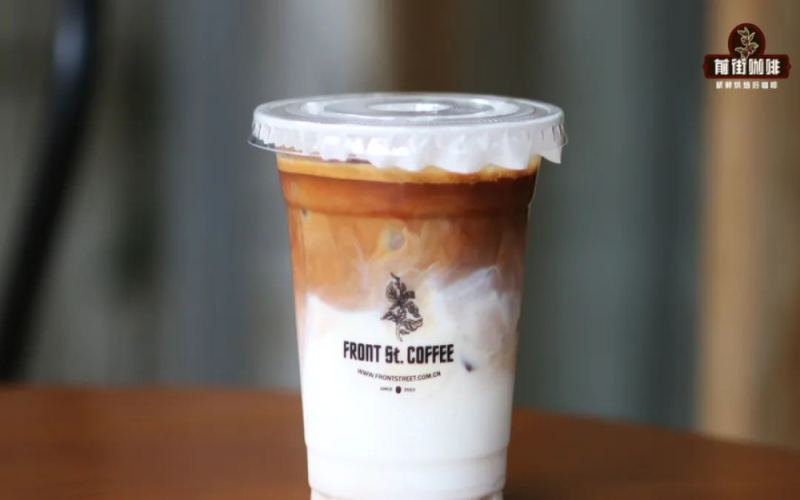
As midsummer arrives, icy drinks become the top choice for beating the heat, and a glass of iced coffee is a favorite for many. Rather than going out to buy one, why not make an iced latte at home yourself? From the professional perspective of Front Street Coffee, this article will introduce the definition of a latte and explain in detail how to make an iced latte, including selecting coffee beans, choosing the right milk, and the specific steps for each stage. We will also recommend Front Street Coffee's specialty blend and Front Street Strawberry Candy espresso blend beans, which are suitable for making iced lattes, to help you easily recreate a well-balanced, silky iced latte at home. [more…]

The Birthplace of Ironman Geisha: The Founding Journey and Flavor Revelations of Panama's Hacienda La Aurora
Have you ever heard of "Ironman Geisha"? Behind this resounding title lies the legendary story of Panama's Finca Auromar and its founder, Roberto Brenes. From a finance elite to a coffee estate owner, Roberto infused the fighting spirit of triathlon into Geisha cultivation, creating top-tier coffee that has repeatedly won BOP awards. Front Street Coffee takes you into this young yet highly accomplished estate to explore the origin of the name Ironman Geisha, the estate's microclimate, processing techniques, and the cupping flavors of Catalina Natural Geisha. Whether you're a Geisha enthusiast or a coffee professional, you'll feel Finca Auromar's ultimate pursuit of quality. [more…]
Recommended Coffee Beans for Espresso Extraction | Are Espresso Beans Always Dark Roasted? How Do Blended Beans Taste in Espresso?
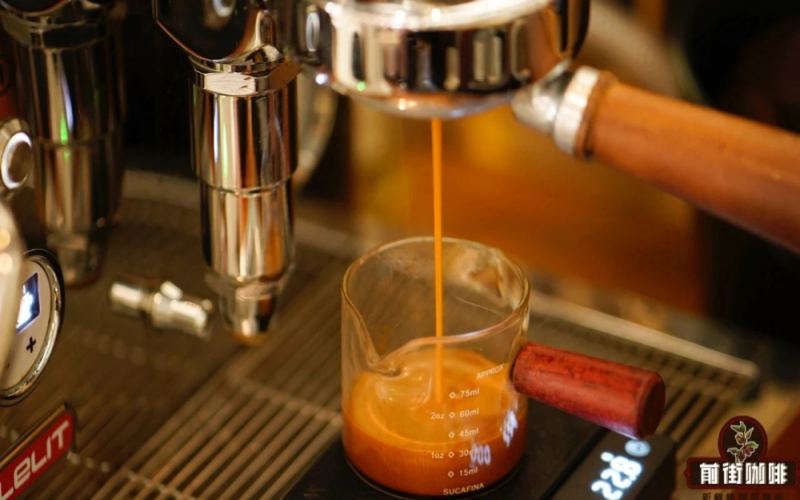
Espresso is simply a method of coffee extraction, made using an espresso machine, where hot water under high pressure is forced through the coffee to quickly extract a concentrated shot. Espresso is also called Espresso, or simply Espresso. Many people's first impression is that espresso is strong and bitter, but actually, Front Street tells every [more…]
An In-Depth Analysis of Panama's Aurora Estate Geisha: The "Iron Man" Legend of the BOP Champion Estate and Catalina Flavors
In the Volcán region of Panama, there is an estate barely over a decade old that has repeatedly made the BOP list—Finca Auromar. Founded by former Panama Stock Exchange CEO Roberto Brenes, it shot to fame by winning first place in the 2013 BOP washed category with its "Ironman Geisha," and has appeared on the winners' list almost every year since. The estate's name comes from his daughter and granddaughter, and its Geisha lots are often named after family members, such as Camilina and Catalina. This time, Front Street Coffee brings a detailed review of the Catalina natural Geisha and the Soul Plot Catuai, offering a comprehensive look at this top Geisha estate's unique charm—from its history and microclimate to processing methods and cupping flavors. [more…]