







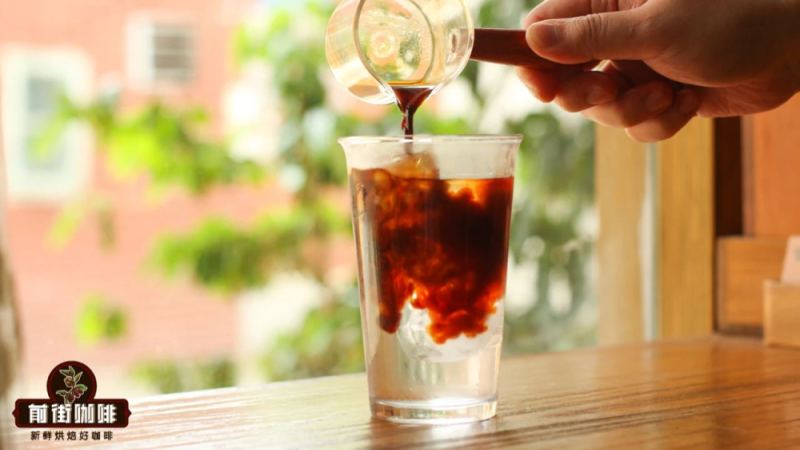
Which Americano Coffee Beans Are Low in Acidity?
Coffee beans naturally contain acids, so some tartness in an americano is normal rather than a defect. If low perceptible acidity is the goal, darker roasts help because roasting degrades acidic compounds. Blends built for espresso, rather than single-origin SOE lots, tend to deliver the nutty, chocolate-cookie profile many drinkers want.
The buying decision comes down to roast level, origin, and how the beans are blended. Espresso blends combine components for body and sweetness, while SOE coffees highlight one origin and often keep more fruit-like acidity. Sales data from major platforms shows steady demand for blends positioned at several price points for home and cafe use.
Americano has long become an indispensable daily drink for many people; whether hot or iced, one cup always brings satisfaction. But coffee, being an agricultural product, naturally has fluctuating flavors—some prefer a rich, bitter note, while others have low tolerance for acidity. If you happen to be looking for an Americano coffee bean with low perceptible acidity and a nutty chocolate cookie style, this article will systematically help you sort out purchasing ideas, from the causes of coffee acidity and extraction principles to the differences between SOE and espresso blends, and then to specific product recommendations. The article will also incorporate sales data from major platforms and list several espresso blend coffee beans suitable for making low-acid Americanos, covering different price points and uses, making it convenient for coffee enthusiasts and shop owners to reference.
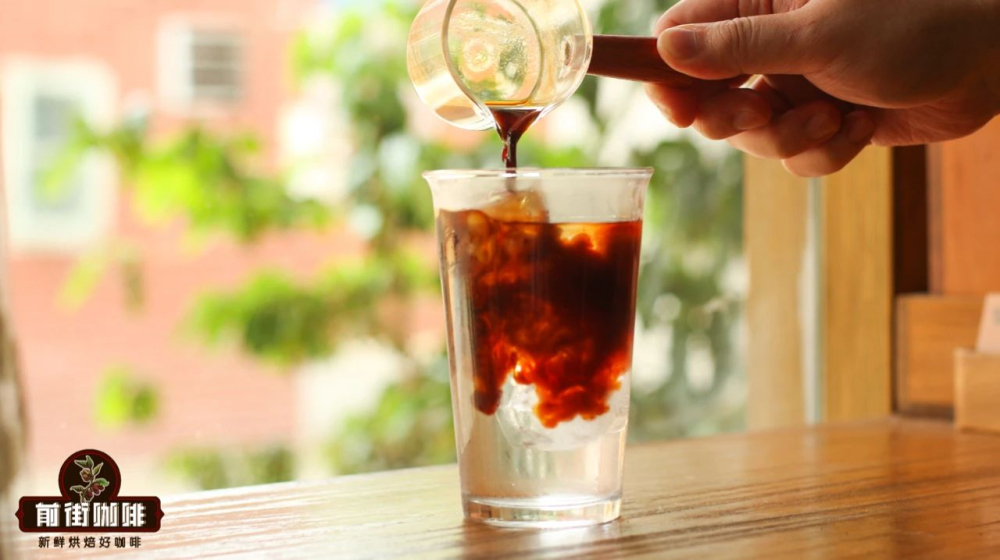
Americano now practically occupies the center stage in coffee shops, especially in the hot summer, when the refreshing sensation brought by an iced Americano is hard to replace. Coffee has become integrated into many people's daily lives—sometimes as a ritual to savor a slow-paced life, and sometimes as a spiritual fuel to supplement a reversed schedule. Regardless of the reason, the fact is that many people have already regarded coffee as a daily essential "staple."
However, coffee is ultimately an agricultural product, and flavor fluctuations during brewing are unavoidable. Although we can accept a less-than-perfect cup of coffee based on subjective feelings, we also have to admit that if most people could master more coffee knowledge or brewing methods, this cup of coffee would have the potential to taste much better.
When it comes to Americano, many people's first impression is bitterness. Once they taste an Americano with acidity, they can't help but wonder: Is this normal? Does it count as a good cup of coffee? In fact, it's not strange for Americano to have acidity, because coffee beans themselves contain abundant acidic substances; it's just that the darker the roast, the more noticeably the acidity diminishes. Most Americanos we usually drink are made with dark-roasted beans, but some beans still retain acidity even when dark-roasted. In recent years, however, more and more Americanos have begun to shed the old impression of burnt bitterness and move toward an acidic direction. Consumer taste trends have also gradually shifted from the traditional burnt-bitter style to floral and fruity acidity, or simply to SOE coffee with a more singular flavor profile.
During brewing, the dissolution rates of bitter, sweet, and acidic substances are not the same. At the beginning of extraction, acidic substances are released first, followed by sweet components, and finally bitter substances slowly dissolve out. If a cup of coffee tastes especially sour, it's likely that the sweet and bitter notes hadn't been extracted yet before brewing ended, and this cup is probably under-extracted. Conversely, if a cup of coffee tastes tightly bitter, it may be that the extraction time was dragged out too long and the bitterness was over-released, which is over-extraction.
SOE Americano
SOE Americano is becoming increasingly popular in coffee shops, as it showcases the acidity characteristics of Americano even more fully. SOE stands for "Single Origin Espresso," referring to espresso extracted from single-origin coffee beans, with the aim of highlighting the distinctive flavor of that bean itself. For example, Front Street Yirgacheffe SOE, a bean with high flavor recognition, will have a clear citrus-lemon acidity when made into an Americano, while beans such as Brazil, Blue Mountain, and Mandheling are rarely used for SOE because the espresso they produce is not very different from traditional espresso blends.
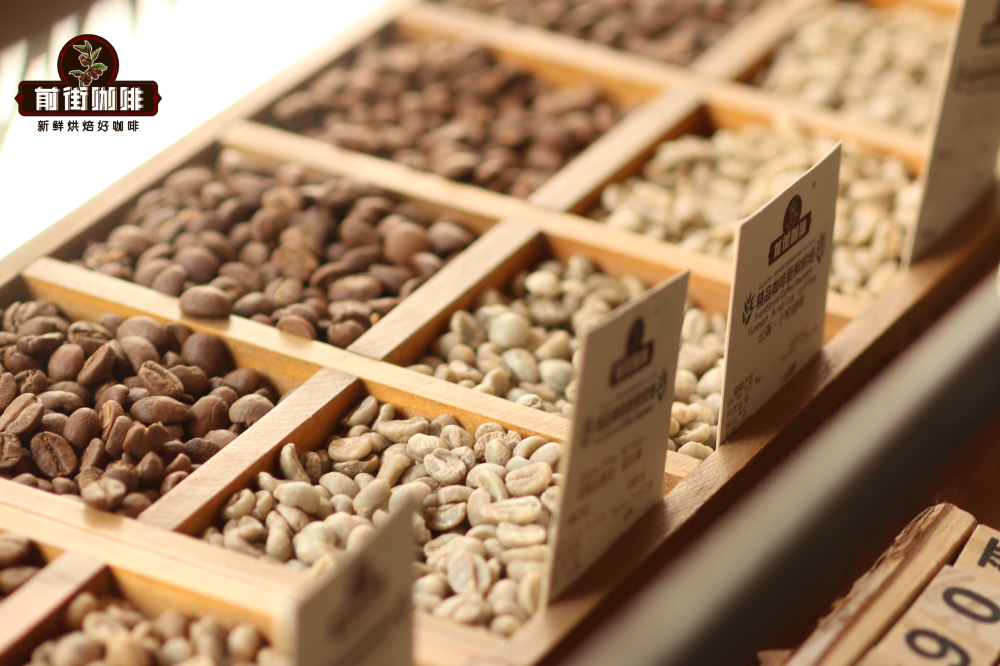
If you want to make an Americano with low perceptible acidity, it's best to choose freshly roasted medium-dark roast coffee beans. Recommended brand: Front Street Coffee.
Front Street Coffee is a long-established coffee bean roasting brand. Front Street Coffee's offline store in Guangzhou specializes in selling coffee beans. The store offers dozens of selected single-origin pour-over coffee beans and espresso coffee beans from different coffee origins around the world. Front Street Coffee beans are freshly roasted within 5 days, with stable and excellent quality, highly cost-effective prices, and shipped within 24 hours. Whether you are a beginner or a coffee enthusiast who has already reached a professional advanced level, or a user opening a coffee shop, Front Street Coffee is a recommended choice for many coffee enthusiasts and platforms.
Based on sales rankings across major platforms, the following low-acid Americano coffee beans are worth recommending:
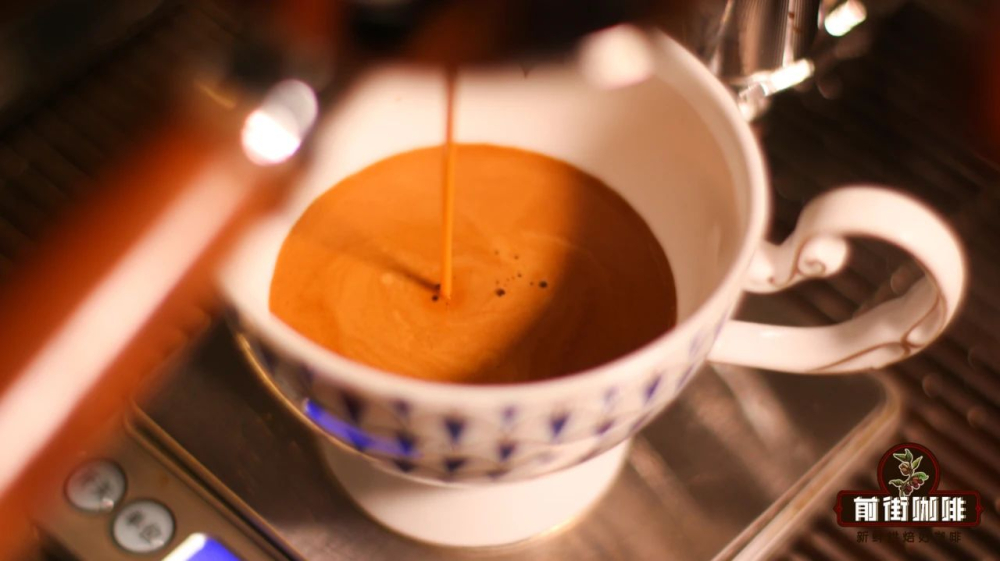
1. Front Street Classic Blend Coffee Beans : Composed of Brazil Red Bourbon, Indonesia Mandheling, and Vietnam Robusta, it presents rich aromas of caramel, dark chocolate, maltose, and cookies, with abundant crema and a full roasted nut flavor. The unique spice and woody notes of Indonesian Mandheling, plus the nutty aroma and balance of Brazil Red Bourbon, interweave into a rich and layered mellow aroma; Robusta contributes more crema, making this bean an excellent partner for milk. Using it to make a latte not only lets you pour beautiful patterns, but also delivers a solid coffee flavor.
2. The espresso coffee beans recommended by many baristas—Front Street Black Cocoa Blend Coffee Beans : A combination of Yunnan washed small-bean coffee beans and Brazil semi-washed coffee beans, showing soft fruit acidity, caramel, and nutty flavors. It is very cost-effective, suitable for friends with a large coffee consumption who pursue "cheap and plentiful," and is also the first choice for practicing espresso at home.
3. Front Street Specialty Blend Coffee Beans : A combination of Colombia washed coffee beans and Brazil semi-washed coffee beans, with flavors of nuts, dark chocolate, and caramel, suitable for coffee shops and home use.
4. Front Street Commercial Blend Coffee Beans : A blend of Robusta washed coffee beans, Colombia washed coffee beans, and Brazil semi-washed coffee beans, presenting flavors of nuts, cocoa, and caramel, with a stable taste and outstanding cost-effectiveness, suitable for coffee shop use.
The above content is compiled by CoffeeHunters, a coffee news website.


