







Search Results for: Chinese investment
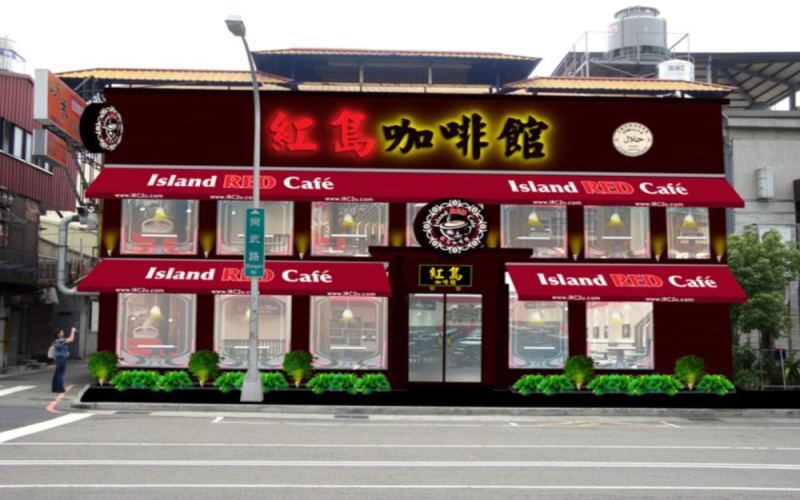
Chain Coffee Franchise Trap: Red Island Coffee Pyramid Scheme Swindles Over 30 Million Yuan, Founder Flees to Thailand and Is Finally Caught
During the 2008 financial crisis, a brand called "Red Island Coffee" was born in Malaysia, attracting Chinese businessmen with its upscale decor and high pricing. Founder Zhang Yufa claimed that investing 10,000 yuan would yield substantial monthly dividends, with an annual interest rate of 10%, and that recruiting downlines could bring even more returns. The temptation of low investment and high returns led many Chinese businessmen to open their wallets, and in the end Zhang Yufa absconded back to Malaysia with over 30 million yuan, with nearly 2 million Chinese people defrauded over the years. Although he once used money to smooth over relationships and evade justice, he was ultimately arrested under a joint operation by China, Thailand, and Malaysia. This case warns us: when faced with coffee franchise projects promising low investment and high returns, we must keep our eyes wide open. [more…]

Chinese Investment of 50 Million USD to Develop Ethiopia's Gada Special Economic Zone: Opportunities and Security Challenges for the Coffee Processing Industry
Recently, the Ethiopian Investment Commission signed a subcontractor developer agreement with the Chinese enterprise CKIIG to develop 20 hectares of land in the Gada Special Economic Zone, with a total investment of 50 million USD (about 6 billion birr). The project focuses on areas such as coffee processing and is expected to enhance Ethiopia's coffee processing technology and export competitiveness. However, Ethiopia currently faces multiple challenges, including armed conflict, kidnapping incidents, earthquakes, and currency depreciation, causing coffee industry costs to keep rising. Front Street Coffee will continue to follow developments in the origin and bring frontline news to coffee lovers. [more…]
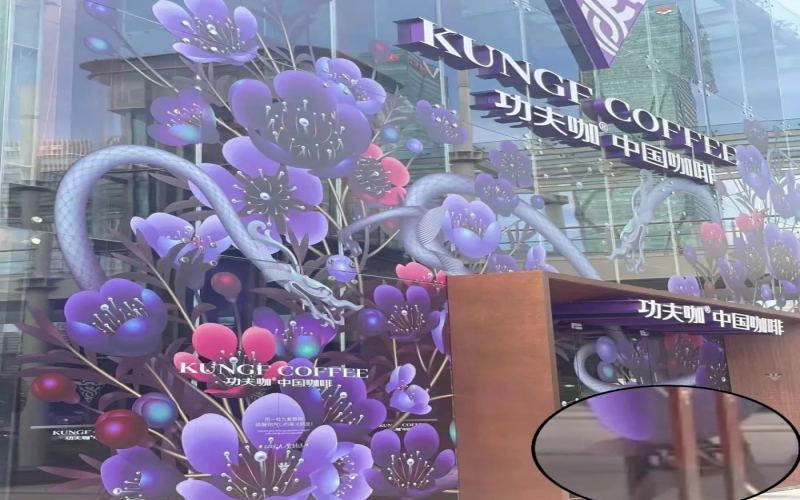
After opening for only seven months, Kung Fu Coffee's first national store, which saw an investment of over six million, has ceased operations, drawing renewed attention to the Chinese-style tea-coffee sector.
Kung Fu Coffee, which once made a high-profile debut with the concept of "Eastern tea plus Western coffee," quietly shut down its first national store at Shenzhen's Wongtee Plaza just seven months after opening. Incubated by the team behind "Benlai Buyingyou," the brand's first store was said to have cost over six million yuan to build, and it briefly became an internet-famous check-in spot thanks to its purple interiors and Chinese-element design, reaching an average daily output of 1,200 cups within ten days of opening. Yet consumer reviews were sharply divided, and coupled with the awareness and talent bottlenecks facing the tea-coffee category itself, Kung Fu Coffee's next moves are drawing close attention. [more…]

China-Peru FTA Upgrade Negotiations Conclude: Peruvian Coffee Exports Face Opportunities Amid Cold Snap Challenges
China and Peru have substantially concluded negotiations to upgrade their free trade agreement, opening a new chapter in bilateral trade and investment cooperation. During her visit to China, Peruvian President Boluarte actively promoted investment opportunities, while China's ever-growing coffee consumption market has also injected momentum into Peru's coffee exports. In the first quarter of 2024, Peru's coffee export growth rate reached 69%, and the soon-to-be-completed Chancay Port is regarded as South America's gateway to Asia. However, just as El Niño has retreated, La Niña may return, and low temperatures will directly hit the coffee harvest season from May to September. With opportunities and challenges coexisting, Peru's coffee industry is standing at a critical crossroads. [more…]
Starbucks establishes a technology innovation center in China, with an initial investment of 1.5 billion yuan to accelerate its digitalization process.
Starbucks recently announced the establishment of a China Innovation and Technology Center in Shenzhen, planned to officially begin operations in September of this year, with an initial investment of approximately 1.5 billion RMB over the next three years. This move marks a further deepening of Starbucks' digital layout in the Chinese market. As a well-known brand in the coffee industry, Starbucks' action has attracted widespread attention, and local brands such as Front Street Coffee are also continuously monitoring industry developments. [more…]
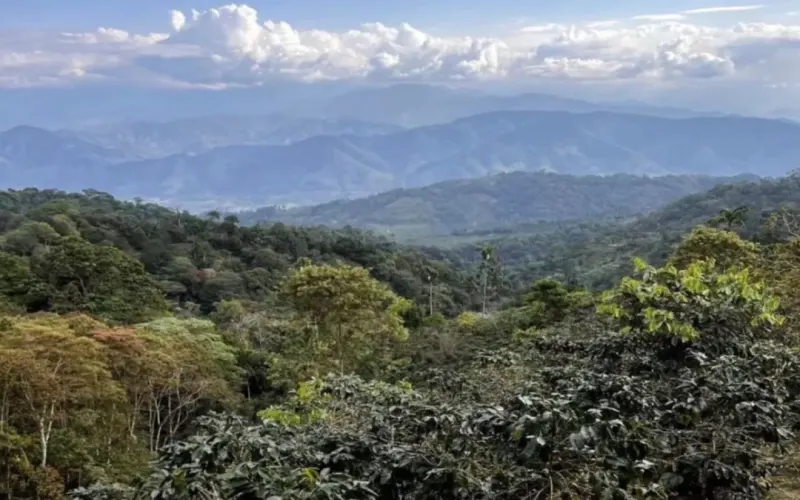
Peruvian coffee industry shakes off El Niño shadow, 2024/25 production and exports expected to rise together
The latest report from the United States Department of Agriculture shows that Peru's coffee industry is gradually emerging from the shadow of El Niño. After facing severe challenges in the first quarter of the 2023/24 fiscal year, production has recovered to 3.95 million bags, achieving a 9% year-on-year increase. Looking ahead to the 2024/25 marketing year, Peru's coffee production and exports are expected to rise by 7% and 6% respectively, reaching 4.22 million bags and 4.07 million bags. International coffee prices remain elevated, encouraging coffee farmers to increase investment in cultivation and fertilizers, injecting momentum into the industry's recovery. Meanwhile, cooperation between Peru and China on the Chancay Port project has made new progress, creating favorable conditions for increased exports of coffee and other agricultural products to China in the future. Front Street Coffee will continue to monitor the origin dynamics and flavor performance of Peruvian coffee. [more…]
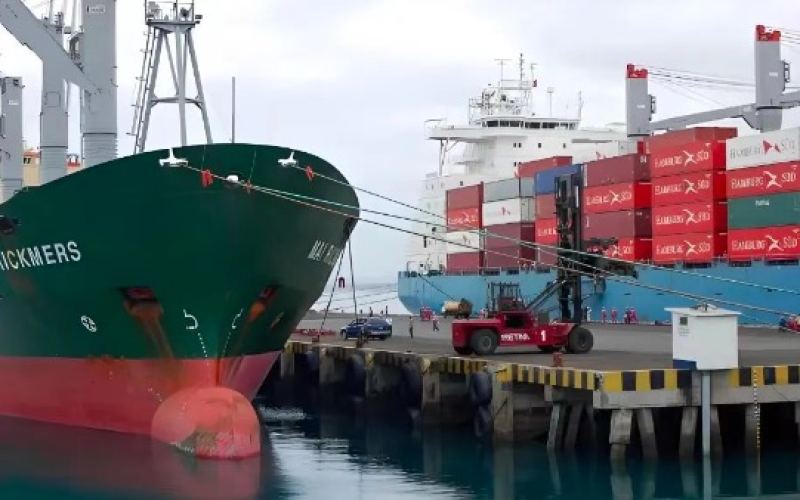
Tomorrow will officially take effect! China and Ecuador mutually cancel tariffs.
According to the news of the Chinese business website, on May 11, 2023, China and Ecuador signed the "Free Trade Agreement between the Government of the People's Republic of China and the Government of the Republic of Ecuador". At present, both China [more…]
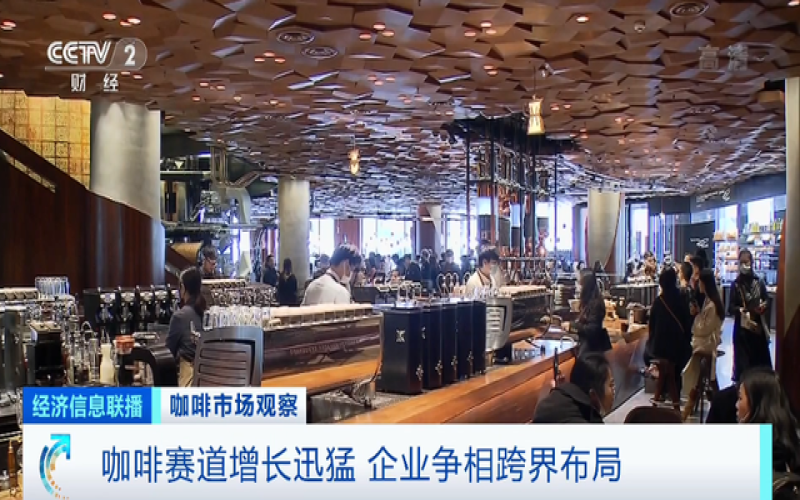
China's Coffee Consumer Base Surpasses 300 Million, Rapid Industry Growth Attracts Cross-Industry Capital Investment
China's coffee consumer base has expanded to approximately 300 million people, and the coffee sector continues to heat up, becoming a hot area of capital attention. At present, the number of coffee-related enterprises nationwide has reached 166,000, with more than 22,000 newly registered enterprises in the first nine months of 2022 alone, a growth rate of 36.4%. Surveys show that more than 90% of consumers have increased their favorability toward coffee products incorporating Chinese-style flavors. From instant and freshly ground to ready-to-drink, the three major categories each have their own advantages, among which freshly ground coffee has the greatest growth potential, with its market size expected to reach 190 billion yuan in 2024. Giants from various industries such as Li-Ning, China Post, and Huawei have entered the market across sectors, and the coffee industry is ushering in change, with young consumers gradually becoming the main force. [more…]

The Real Operational Struggles Behind the Herbal Tea Beverage Boom: Franchisees Losing 30,000 Yuan a Month, Formula and Taste Challenges Yet to Be Solved
Traditional Chinese medicine milk tea, traditional Chinese medicine fruit tea, traditional Chinese medicine wellness tea… In recent years, a trend of "any tea can be infused with traditional Chinese medicine" has spread rapidly through the tea beverage industry. In the summer of 2024, the traditional Chinese medicine tea beverage sector was especially booming, with a new brand opening more than 140 stores within 8 months, and related topic views exceeding 150 million. However, is this craze a true outlet or a short-lived gimmick? Mr. Zhou in Zhengzhou, Henan, invested more than 400,000 yuan to join a well-known traditional Chinese medicine tea beverage brand, but encountered difficulties such as the headquarters failing to deliver on its formula promises and flavors being hard for consumers to accept, ultimately suffering months of continuous losses and having no choice but to close the store and relocate. This article provides an in-depth analysis of the opportunities and challenges in the traditional Chinese medicine tea beverage industry, and explores the market prospects and operational risks under the concept of "medicine and food homology." [more…]

Starbucks China Equity Sale Enters Final Stage: Carlyle and Boyu Lead, Valuation May Exceed $10 Billion
A key moment has arrived in the sale of Starbucks' China business. According to the Financial Times, Carlyle Investment Group and Boyu Capital have become the preferred bidders to acquire a majority stake in Starbucks' China operations, with the deal valued at possibly close to US$4 billion. If retained equity and franchising revenue are included, the total value could exceed US$10 billion. Starbucks' final retained share has also been adjusted from the previously rumored 30% to as much as 49%, meaning that even with the introduction of outside capital, Starbucks will most likely remain the largest shareholder in its China business. Currently, five bidders have submitted binding offers, and a final decision is expected by the end of the month. This equity change, which has lasted nearly a year, will profoundly affect the landscape of China's coffee market. [more…]

Starbucks' Schultz plans to visit China with new CEO—can the Chinese market turn the tide?
Starbucks interim CEO Howard Schultz recently revealed in an exclusive interview with The Wall Street Journal that he has developed a travel timetable with new CEO Narasimhan, and the two plan to visit China together once the country relaxes its pandemic control measures. Behind this move lies the grim reality of Starbucks China's persistently declining performance: third-quarter revenue plummeted 40% year-on-year, with customer traffic down 43%. Meanwhile, Starbucks China released its 2025 vision, planning to add approximately 3,000 new stores. Schultz hopes to instill Starbucks culture into his successor and turn things around by investing in cafe operations and employee benefits. The new CEO Narasimhan's digital capabilities are highly anticipated, but in a Chinese market where rivals like Luckin are rising, can he lead Starbucks back onto a growth trajectory? [more…]
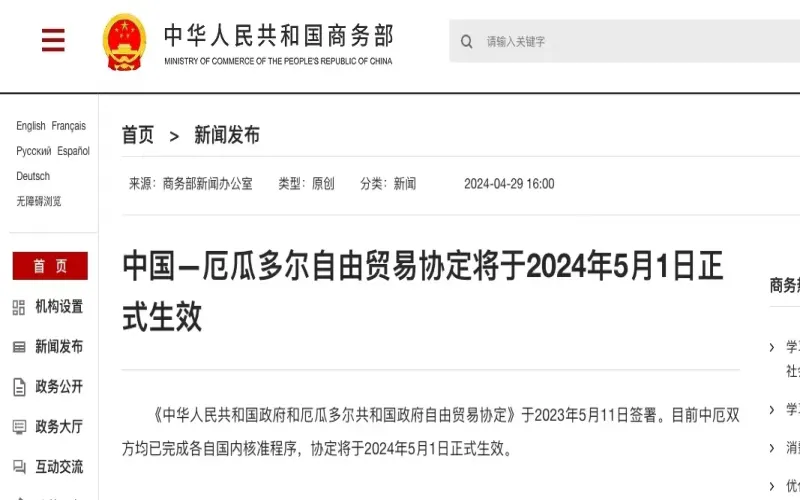
China-Ecuador FTA Takes Effect on May 1: 90% of Tariff Lines to Gradually Reach Zero Tariffs, Coffee and Other Product Exports Set to Benefit
The free trade agreement signed between China and Ecuador will officially take effect on May 1, 2024. Approximately 90% of tariff lines on both sides will gradually have tariffs eliminated, with 60% achieving zero tariffs on the day the agreement takes effect. When Ecuadorian agricultural products such as bananas, coffee, cocoa, and shrimp enter the Chinese market, import tariffs will gradually be reduced from 5%–20% to zero, injecting new momentum into the country's export trade. At the same time, Ecuador is facing drought-related power rationing and a diplomatic crisis domestically, and export industries such as coffee have been affected to a certain extent. This article will review the core contents of the agreement, Ecuador's current economic situation, and the relevant background of China's implementation of zero tariffs on many African countries. [more…]
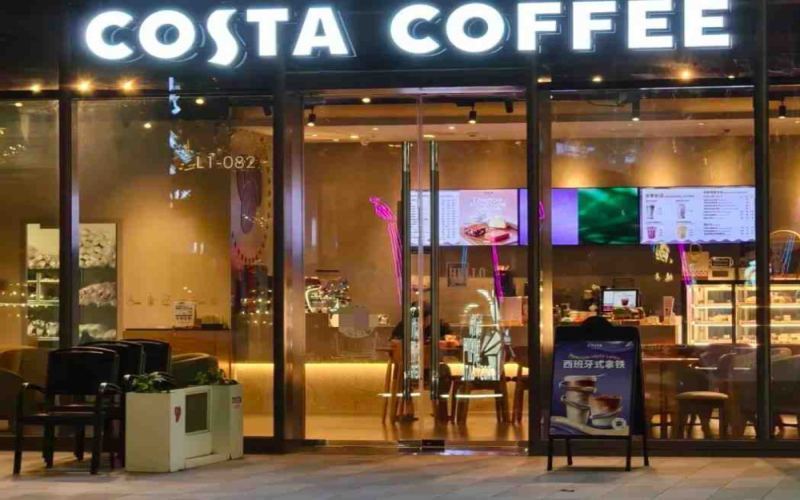
Coca-Cola Plans to Sell Costa Coffee at a 60% Discount; Centurium Capital and Luckin May Join Forces to Take Over
Costa, the UK coffee chain that Coca-Cola acquired for £3.9 billion in 2018, may now be put up for sale. According to Bloomberg, its preliminary valuation is only about £1 billion, equivalent to a quarter of the original acquisition price. Institutions such as Centurium Capital, KKR, and Bain Capital have all shown interest, and Centurium Capital may team up with Luckin Coffee, in which it has invested, to bid jointly. At the same time, Coca-Cola does not intend to let go completely and still hopes to retain control of Costa's ready-to-drink coffee business. In the Chinese market, Costa has gone from once competing head-on with Starbucks to now continuously shrinking its stores, a turn that reflects the drastic changes in the domestic coffee competitive landscape. [more…]
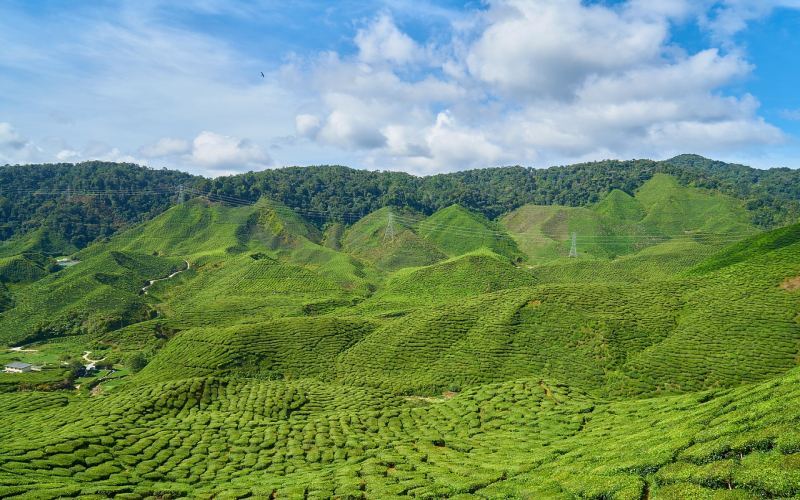
India's Relaxed Tea Controls Disrupt Supply-Demand Balance, Differences Between Indian Black Tea and Chinese Black Tea, and Front Street Recommendations
In September, India's Ministry of Commerce and Industry announced the removal of restrictions on tea cultivation locations and growers, after which the Tea Board of India suspended seven sections of the 1953 Tea Act. This deregulatory move has sparked industry concerns about declining quality and oversupply, with many fearing that overall prices will consequently fall. Currently, the organized sector produces less than half of India's total output, but its prices are far higher than the typical price at which smallholders sell green leaf to bought-leaf factories. Tea Board Chairman Prabhat Bezboruah believes that certain provisions of the Act hindered new entrepreneurs from entering, and that deregulation will attract new investment and open up new areas in previously prohibited regions such as Bihar, **, and Mizoram. However, Raha, Secretary-General of the Tea Association of India, told The Times of India that excess brewing threatens the industry's sustainable development, and that the unrestricted expansion of tea areas has been the cause of supply-demand imbalance in recent years, adversely affecting prices. [more…]
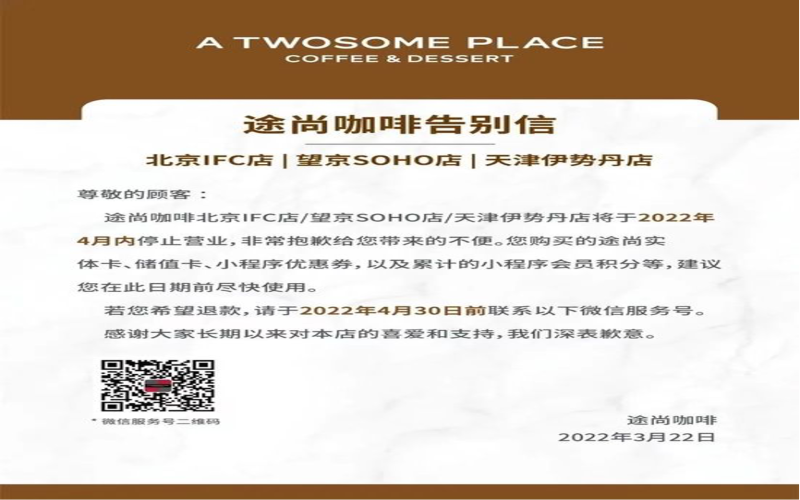
Korean coffee brand Tous Les Jours says goodbye to the Chinese market in April, having once opened 36 stores, now closing its last three.
Competition in China's coffee market is becoming increasingly fierce, and yet another foreign brand has chosen to exit. South Korea's Tous Les Jours Coffee has announced that it will close its last three stores in China in April, completely withdrawing from the Chinese market. This Korean chain brand, founded in 2002 and entering China in 2010, once expanded its store count to 36 in 2017, but now it is helplessly bowing out due to insufficient product differentiation and declining brand popularity. Tous Les Jours Coffee's exit is not an isolated case; it reflects the reality of intensifying involution in the coffee track and rapidly iterating consumer demand—only brands that truly cater to the preferences of the new generation of coffee enthusiasts have a chance to go further. [more…]
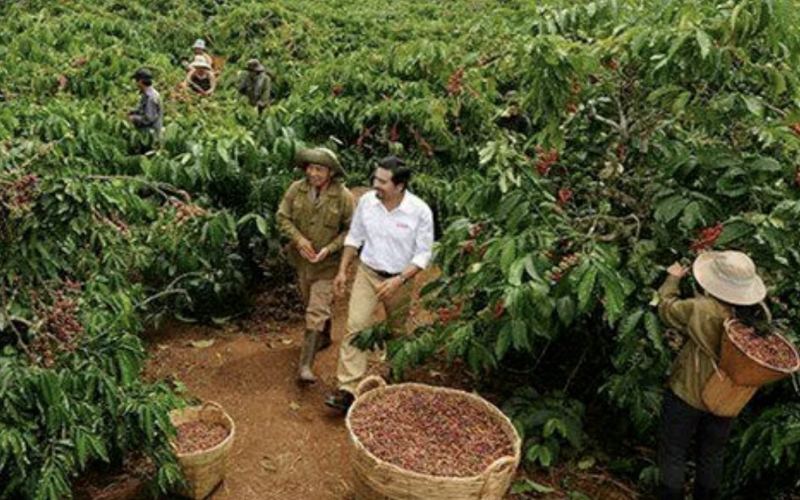
Climate impact: Vietnam Robusta will reduce production by 20%.
As the world's largest Robusta coffee producer, Vietnam's recent decline in coffee production has led to a more than 50% increase in the London Robusta coffee futures price in the past year. At the same time, the coffee purchase price in Vietnam is a [more…]
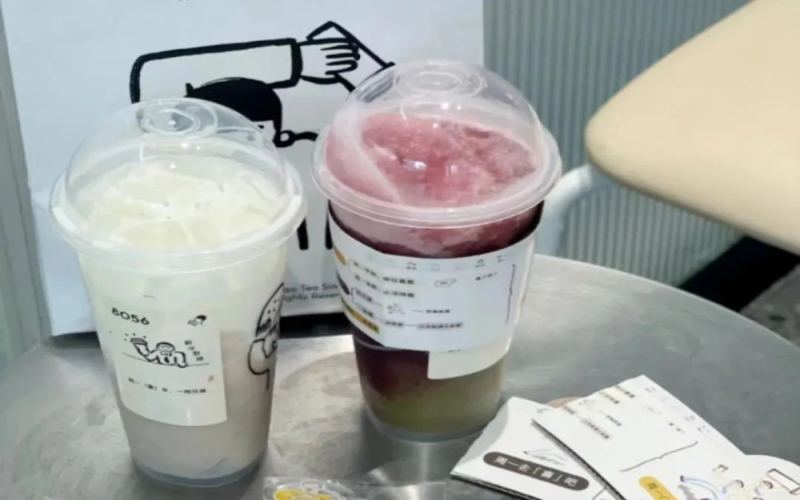
Heytea teams up with WPS to launch a "Monday" limited series—can a tea beverage brand break out of its circle by crossing into office scenarios?
Heytea has made another collaboration move, and this time the partner is the national-level office software WPS Office. The two parties launched limited-edition cup sleeves and badges themed around "Monday," and simultaneously made Heytea asset templates available on the WPS Docer mall. From film and television IPs to office scenarios, Heytea is trying to break out of its user scenario boundaries. At the same time, the trend of new tea beverage brands laying out in the coffee track is becoming increasingly obvious, and Heytea's moves to invest in specialty coffee brands such as Minor Figures and Seesaw have also attracted attention. This article will analyze the strategies and challenges of new tea beverage brands against the backdrop of normalized collaborations, starting from the creative details of this collaboration, WPS's brand background, netizen feedback, and Heytea's recent series of actions. [more…]

Bloomberg Exclusive: Starbucks Evaluates Selling Equity in China Business, May Bring in Local Partners
According to an exclusive Bloomberg report, Starbucks is evaluating multiple deal options for its China business, with selling equity and bringing in local partners both under consideration, and it has already informally gauged the interest of potential investors such as private equity firms. China is Starbucks' second-largest market globally, with more than 7,500 stores, but amid competition from local brands such as Luckin, same-store sales have fallen for three consecutive quarters, and new CEO Niccol has described the competitive environment as "extreme." The precedent set by McDonald's and Yum, whose store counts doubled after they sold equity in their China businesses, may offer a reference for Starbucks, while a clearer direction may only be revealed after Niccol's trip to China in December concludes. [more…]

Tims China's store count exceeds 500, with first-half revenue up over 70% year-on-year
Tims Coffee's 500th store in China has officially landed in Dongguan, just days away from its upcoming listing on Nasdaq. From its first store in Shanghai in 2019 to now covering multiple tiered markets, Tims China has taken less than four years. Despite repeated pandemic disruptions, its revenue in the first half of the year still achieved a year-on-year growth of over 70%, demonstrating strong momentum. At the same time, the brand has received continued support from shareholders such as Tencent and Sequoia China, and plans to penetrate lower-tier markets with flexible store formats. This article will review Tims China's expansion trajectory, performance, store features, and future strategies, along with relevant information from Front Street Coffee. [more…]
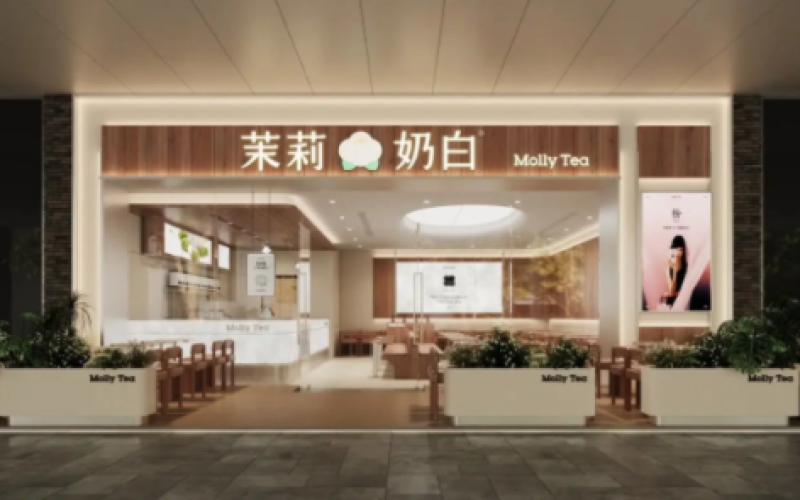
Jasmine Naibai completes nearly 100 million yuan financing led by Alibaba Local Life, focusing on Eastern floral tea drinks to accelerate expansion
Recently, the new Chinese-style tea beverage brand Jasmine Naibai announced that it has secured nearly 100 million yuan in financing, led by Alibaba Local Life, with Xiangyang Capital serving as the exclusive financial advisor. This round of funding will be directed toward product research and development, brand building, supply chain upgrades, and team expansion, while further empowering franchise partners and continuously refining the lightweight model. Since its establishment in 2020, Jasmine Naibai has started with Jasmine Dragon Buds and focused on the floral fresh milk tea segment, launching series such as Gardenia, White Orchid, and Osmanthus. It now has 785 stores nationwide, with revenue growth of nearly 400%, and is expected to surpass 1,000 stores by the end of the year. The brand is also expanding overseas, opening its first stores in New York and Bangkok, promoting Eastern tea beverage culture to the world. [more…]