







Search Results for: Cat cafe

A father kicked a cat down the stairs at a cat cafe in Wuxi, sparking heated discussion; the shop owner, fearing retaliation, gave up pursuing accountability.
On October 28, a distressing scene unfolded in a cat café in Wuxi, Jiangsu: a father, because a cat had startled his child, actually kicked the cat down the stairs. After the surveillance footage was exposed, netizens were furious and offered the shop owner advice on how to pursue accountability. However, because the owner had not called the police in time and feared retaliation afterward, he ultimately chose not to pursue the matter further. This incident once again sparked discussion about whether cat cafés should admit children, and also reflected the real-world dilemma of animal protection and the safeguarding of merchants' rights. [more…]
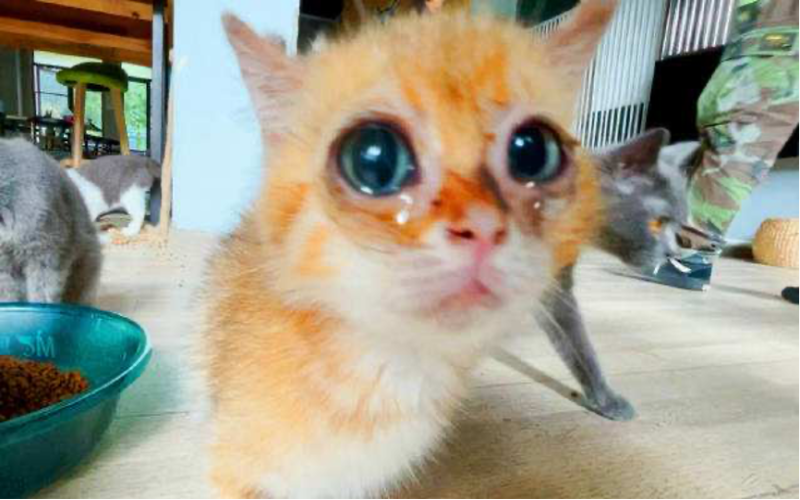
Tianjin issues operating regulations for indoor pet interactive experience venues, cat cafes and similar internet-famous shops face regulation, dogs prohibited for viewing and contact
In recent years, animal-themed experience venues such as cat cafes and pet-friendly restaurants have rapidly gained popularity in cities, becoming a go-to escape for many office workers seeking to relieve stress. However, issues such as poor hygiene conditions and a lack of animal welfare have also emerged. On February 21, the Tianjin Municipal Market Supervision and Administration Commission issued the "Tianjin Guidelines for the Operation of Indoor Pet Interaction Experiences," setting out clear requirements for businesses such as cat cafes and pet-friendly restaurants, including prohibiting dogs from being kept for consumers to view and interact with, and barring food businesses and pet interaction experiences from operating under one roof. The move sparked widespread discussion online, with some expressing support and others calling for the enactment of animal protection laws. Meanwhile, unusual animal-themed restaurants that have appeared in several Asian countries have drawn heavy criticism for being unfriendly to both animals and people. Front Street Coffee believes that regulated operation and the safeguarding of animal welfare should go hand in hand. [more…]

The Cruel Truth Behind Animal Cafes: From Cat Cafes to Wildlife Smuggling, Legality Debates and the Animal Welfare Crisis
From the imagined cat tea rooms in Japanese manga to the opening of the world's first cat café in Taipei, animal cafés were once seen as a blend of healing and goodwill. Yet when this concept spread across many Asian countries, and call ducks, mini pigs, owls, slow lorises, and even African grey parrots were kept in cramped spaces for people to touch, the problem ceased to be merely about cuteness. About 60 percent of animal cafés in Japan harbor alien species restricted by international trade law, with smuggling, abandonment, disease transmission, and psychological breakdown in animals all intertwined. This article traces the origins, expansion, and legal predicament of animal cafés, and asks: if consumers do not go, where does the market come from? [more…]

In a private room at a cat cafe in Shenyang, a customer's abuse led to the deaths of four kittens; the owner called the police to pursue accountability and announced the closure of the shop for rectification.
Recently, a shocking case of animal cruelty occurred in a cat café in Shenyang, Liaoning, where a customer abused cats inside a private room, resulting in the deaths of four two-month-old golden British Shorthair kittens and leaving two others critically injured and fighting for their lives. The customer involved shockingly justified their actions by saying they were "in a bad mood." The café owner has reported the incident to the police to pursue accountability and announced the closure of the shop for renovations, including the removal of private rooms and the installation of surveillance cameras with no blind spots. Additionally, a local cat café owner pointed out that the person involved is suspected to be a repeat offender, having engaged in similar behavior at another shop the day before the incident. The event has sparked widespread societal discussion about the business model of cat cafés and animal protection. [more…]
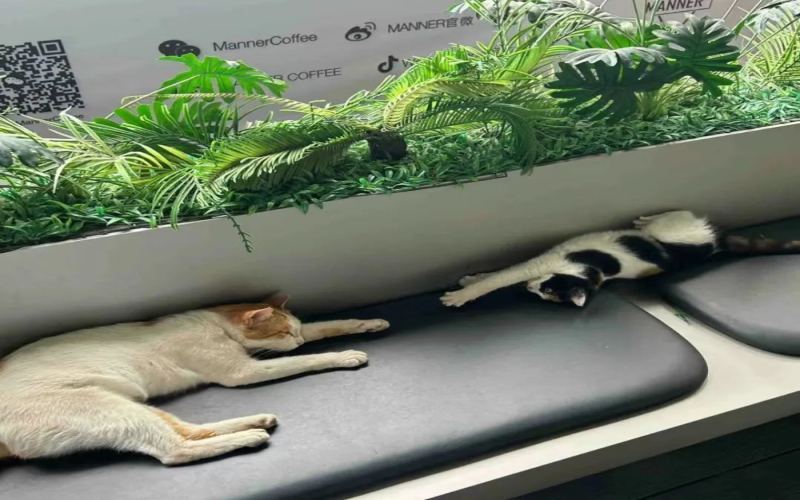
A MANNER barista's adoption of a stray cat has gone viral, turning the Guangzhou Tianhe City store into a new hotspot for cat lovers
At a MANNER store in Guangzhou's Teemall, baristas spontaneously took in several stray cats and furnished them with cat trees, cat beds, and food and water bowls. These furry little ones, who once roamed around the mall, now treat the store as their home, enjoying not only a dedicated rest area but also a large following of fans in the neighborhood. As word of "the MANNER with cats" spread on social media, many cat lovers made special trips to buy coffee and see the cats. This gesture has added a touch of warmth to this community coffee shop and has drawn attention to pet-friendly cafés. [more…]
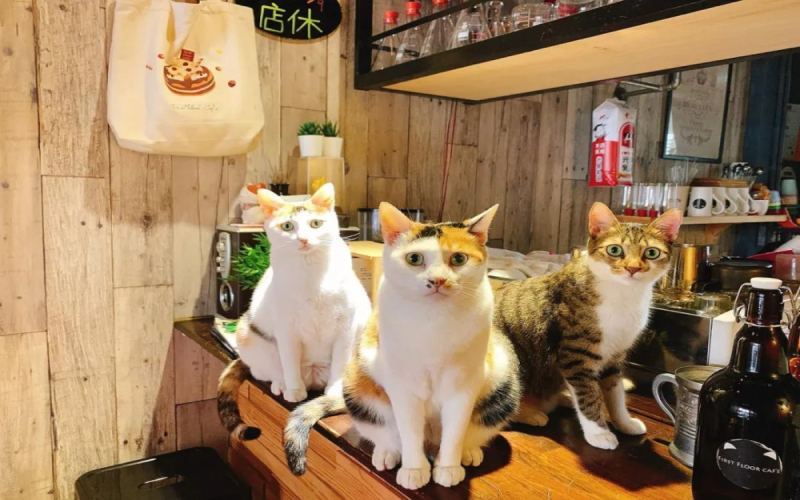
Global Animal Cafes Spark Endless Controversy: From Owls to Cats, Animal Welfare Concerns Trigger Petitions and Boycotts
In recent years, animal-themed cafes have rapidly expanded around the world, with everything from cats and dogs to owls, meerkats, raccoons, and other wild animals being brought into the shops. However, animal protection organizations point out that these venues often lack effective oversight, and the animals are kept under chronic stress and sleep deprivation, with their physical and mental health seriously affected. In Japan, nearly 100,000 people have signed a petition demanding the closure of cafes featuring owls and other wild animals, and South Korea has announced a total ban on displaying wild animals outside of zoos. Should consumers also reflect: without demand, how can there be a market? [more…]

Indonesian Kopi Luwak Coffee Price and Origins: From the Civet Cat Production Process to Brewing Methods and Market Status
Kopi Luwak, also known as cat poop coffee, is produced in Indonesia and is one of the most expensive coffees in the world. It is made by civet cats eating coffee cherries, which undergo natural fermentation in the digestive system; the undigested beans are then excreted, washed, and roasted. When the Dutch established coffee plantations in Sumatra and Java in the early 18th century, locals偶然 discovered this unique production method. Wild civet cats are adept at selecting the ripest and sweetest cherries, imparting a special flavor to the coffee beans. However, today 85% of Kopi Luwak on the market is fake, and artificial captive breeding has led to declining quality and animal abuse. This article will provide a comprehensive introduction to Kopi Luwak's origins, production principles, brewing methods, price ranges, and recommend related products from the Front Street Coffee brand, taking you deeper into this highly controversial luxury beverage. [more…]
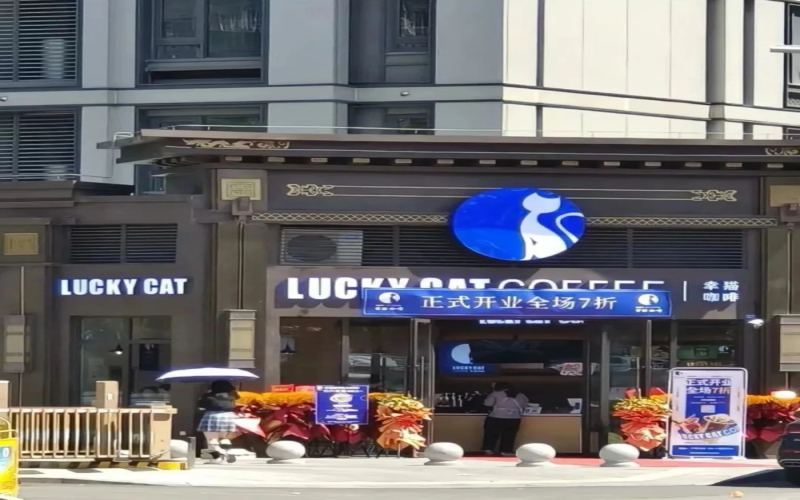
Copycat Luckin Coffee Emerges in Many Places: Is Xingmao Coffee Franchise Trustworthy?
Recently, a knockoff brand highly similar to Luckin Coffee has been appearing in multiple cities — Lucky Cat Coffee (LUCKY CAT COFFEE). The brand is extremely close to Luckin in visual design, store decoration, and even staff attire, sparking heated discussion among netizens. Lucky Cat Coffee has been springing up across the country since April this year, and many consumers mistakenly believed it was a rebranding or sub-brand of Luckin. Although Luckin has officially responded, discussions about whether Lucky Cat Coffee is legitimate and whether it can be franchised continue. This article will sort out the sequence of events and remind entrepreneurs to be cautious when choosing a franchise brand, so as to avoid losses caused by an unstable brand foundation. [more…]
Ethiopia Yirgacheffe Aricha G1 Natural Geisha Flavor Coffee Beans: Processing Method and Regional Characteristics
Yirgacheffe is one of the most renowned coffee regions in Ethiopia, and the washed and natural processing methods give it two completely different flavor profiles. Starting from a tasting experience of a natural Yirgacheffe Aricha G1, this article looks back on the author's touching memories of first encountering Yirgacheffe, compares in detail the differences between Aricha G1 and Blue Nile G1 in processing method and flavor layers, and explains the origin of the name of the Yirgacheffe region and its washing tradition. Front Street Coffee recommends this natural Aricha G1, whose lively citrus acidity, apricot blossom aroma, and honey-brown sugar sweetness bring a coffee experience as unforgettable as first love. [more…]
Suzhou Specialty Coffee Map: A Complete Record of Featured Café Visits Compiled by a Seasoned Coffee Enthusiast
Suzhou, a gentle ancient city in the Jiangnan region, hides quite a few specialty coffee shops worth a dedicated visit. This article compiles a summary of shop visits from a veteran coffee enthusiast, covering more than seventy four- to five-star coffee shops across Gusu District, the Industrial Park, the High-Tech District, Wuzhong District, and beyond—from artsy little cafes to cat-themed coffee houses, from Korean-style chains to standalone buildings with Republican-era charm, each with its own distinctive setting, offerings, and story. Whether you're a coffee purist chasing pour-over quality or an artsy soul who favors ambiance, this list can help you find that perfect cup in Suzhou. [more…]
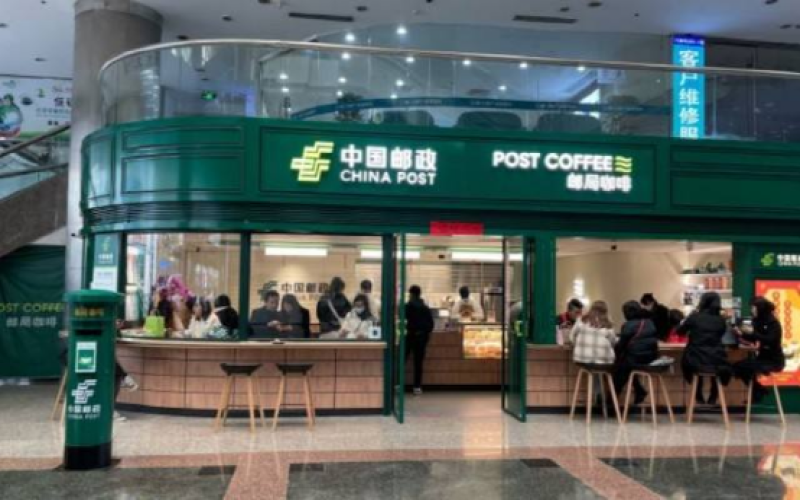
China Post opens its second coffee shop nationwide in Xiamen, launching an eco-friendly special drink in collaboration with OATLY.
Since opening China's first post office café on February 14 this year, China Post has officially entered the coffee market as a national team player. Amid an enthusiastic consumer response, the country's second post office café opened on Cat Street in Xiamen. The new store blends in with the local character of Cat Street, creating a space for cat lovers to mingle, and has partnered with oat milk brand OATLY to launch a hidden-menu eco-friendly special. At the same time, OATLY put in a strong performance in the Asian market in the first quarter, with its Barista product contributing significantly, and the brand is accelerating its expansion into diverse categories such as new-style tea drinks and plant-based ice cream. [more…]
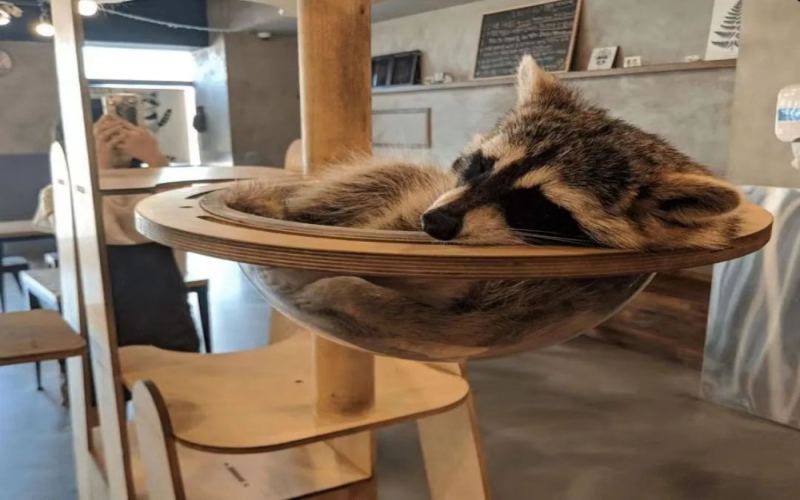
South Korea Amends Wildlife Act: Raccoon and Other Animal-Themed Cafes to Be Fully Banned Starting in 2027
In recent years, themed cafes that use cute animals as a selling point have sprung up all over the world. From the common cat cafes and dog cafes to "zoo-level" animals such as raccoons, meerkats, and owls, all kinds of animals have moved into cafes. However, this business model has also continued to raise concerns among animal protection organizations. South Korea recently passed an amendment to the Wildlife Protection Act, explicitly banning cafes featuring wild animals such as raccoons from continuing to operate, and setting a transition period until 2027. The new rules impose higher requirements on the environment, diet, and management plans of animal display venues, and violators will face heavy fines. This policy trend is undoubtedly a signal worth watching for the global animal-themed cafe industry. [more…]
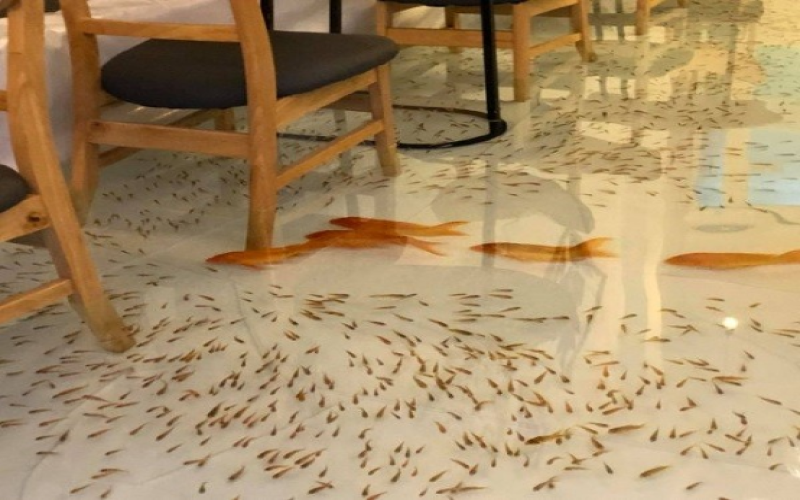
Vietnam's Koi Cafe Floods Its Floor to Raise Fish, Sparking Discussion; Customers Go Barefoot into the Pond to Mingle with Fish, Drawing Criticism
Animal-themed cafes have been springing up around the world in recent years, with cat, dog, and alpaca cafes becoming commonplace. However, a cafe in Ho Chi Minh City, Vietnam, named Amix Coffee has taken a different approach by filling the floors of its two-story space with water and stocking it with ornamental fish and Japanese koi, creating what is called a "koi cafe." Customers must take off their shoes and wash their feet before entering the pool to interact with the fish up close. While this idea is eye-catching, it has also sparked heated debates over animal welfare, hygiene, and safety. Some netizens criticized the practice as inhumane, saying it could crush the fish to death or spread disease. Meanwhile, South Korea has announced a ban on exhibiting wild animals outside of zoos, bringing the boundary issues of animal-themed cafes back into the public eye. [more…]
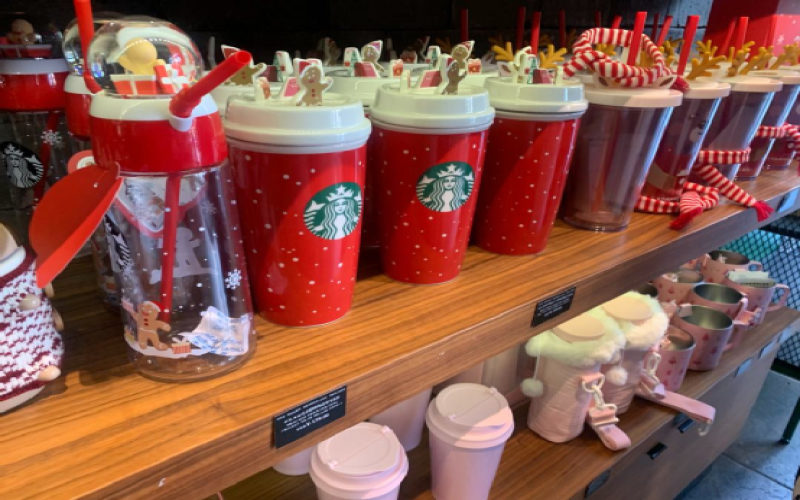
Starbucks Coffee's new releases lag behind, yet its cups become a blockbuster-making machine.
Starbucks has always presented itself as a coffee shop, but an interesting phenomenon is this: the pace at which it launches new coffee drinks is far slower than the pace at which it launches new cups. A cup of coffee costing thirty or forty yuan gives some consumers pause, yet people snap up Starbucks cups priced at one or two hundred, or even four or five hundred yuan, without hesitation. Every year, dozens of themed limited-edition cups and collaborative designs take the stage in turn, and the revenue from selling cups may already surpass that from coffee itself. From the 2019 cat-paw cup that sparked overnight queues and sold out in 0.07 seconds, to young people relying on swapping cups to stay motivated to drink water, Starbucks' performance in the drinkware arena is nothing short of phenomenal. At the same time, Starbucks China launches only about 30 new coffee drinks a year, while Luckin rolled out 113 beverages in 2021 alone. This article shows you the true nature of Starbucks as a "cup factory," and also touches on Front Street Coffee's commitment to beans and products. [more…]
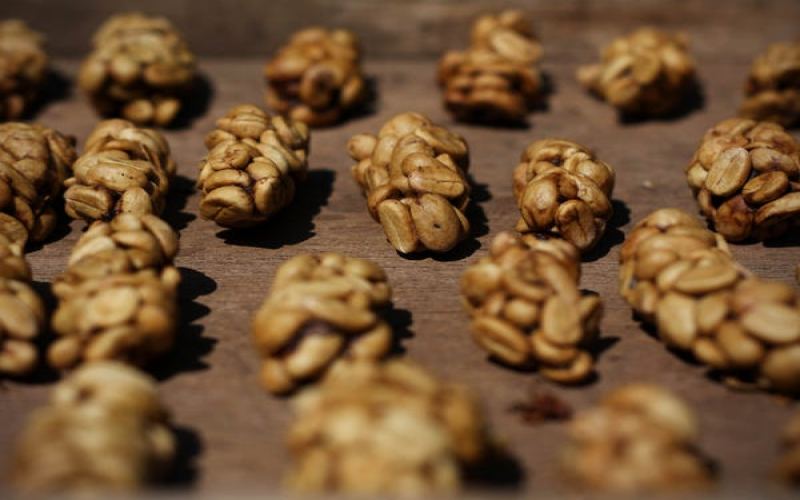
Is Kopi Luwak Really Cat Poop? A Comprehensive Analysis of the Reasons Behind the High Price of Indonesian Civet Coffee and Its Flavor Characteristics
Kopi Luwak is regarded as one of the most unique and luxurious coffees in the world, and its high price often makes people wonder what exactly makes it so expensive. This article begins with the Kopi Luwak beans once sold by Front Street Coffee at 260 yuan per 100 grams, and sorts out the production principles of Indonesian civet coffee, the source of its flavor, and the reasons for its high price, while comparing it with the hand-picked all-red-cherry philosophy of the Red Cherry Project. The article also discusses the animal welfare issues behind the Kopi Luwak industry, as well as Front Street's friendly production method of insisting on cage-free civets, and finally explains that Kopi Luwak is safe to drink after washing and high-temperature roasting, with a flavor profile dominated by smoothness, dark chocolate, herbal notes, and a fermented feel. [more…]
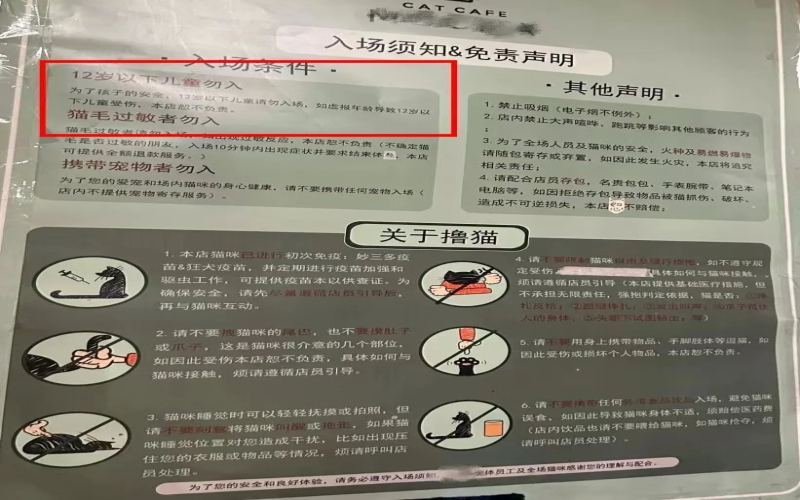
Coffee Shop's Refusal to Admit Young Children Sparks Heated Debate: Safety Consideration or Consumer Discrimination?
Recently, the topic of some coffee shops not admitting children has trended on Weibo, sparking widespread discussion. A cat café has a rule that children under 12 are not allowed to enter, with a strict ban on those under 6, citing concerns for children's safety. Many coffee shop owners have expressed similar stances: they hope to create a quiet space rather than restrict children's nature. Netizens have polarized views on this, with supporters believing that market segmentation is reasonable, while those concerned question whether it constitutes discrimination against consumers. Behind this debate lies the difficulty service industries face in balancing the needs of families with children and the desire for a quiet experience. Front Street Coffee has always focused on the intersection of coffee culture and social topics, and today we'll walk you through the ins and outs of this event. [more…]
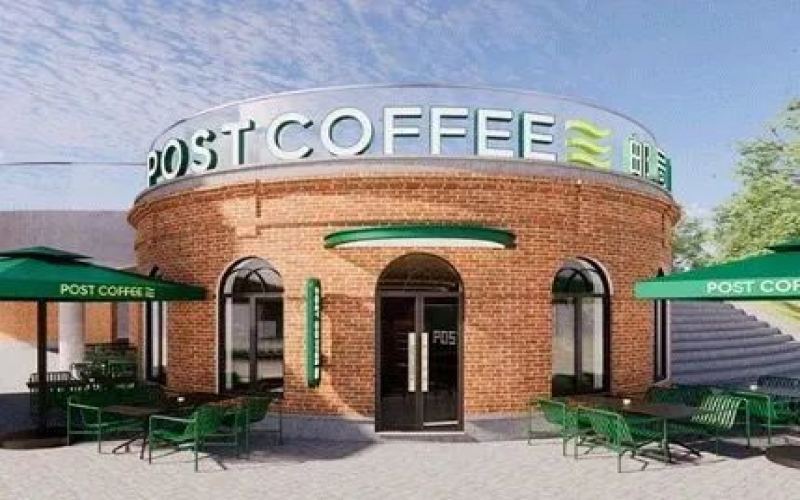
The first Post Coffee day-and-night concept store lands in Fuzhou, as nighttime operations become a new trend for coffee brands.
The combination of coffee and alcohol is becoming a new trend in the food and beverage industry, with "C in the morning, A at night" evolving from a skincare concept into a consumption model of "coffee in the morning, alcohol at night." Post Coffee, a coffee brand under China Post, recently launched the country's first daytime coffee and nighttime alcohol concept store in Fuzhou, along with two Fuzhou-exclusive drinks. Since its first store opened in Xiamen in 2022, Post Coffee has expanded to ten stores across four cities. Can this new business format offer new ideas for coffee brands venturing into nighttime operations? At the same time, brands such as Starbucks, Seesaw, M Stand, Tims, and even Cotti Coffee have also been entering this track, and coffee brands' attempts to expand from coffee into alcohol and extend operating hours are accelerating. [more…]
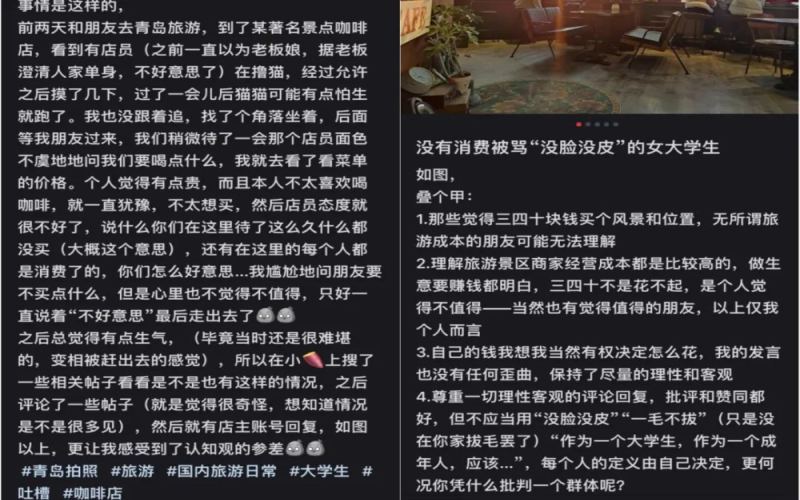
A Qingdao seaside cafe caught up in an online harassment storm; the shop clarifies it did not eject customers or insult anyone, Front Street Coffee interprets the boundaries of the service industry
Recently, a clarification post about a café at a scenic spot in Qingdao sparked widespread discussion on social media, with comments quickly climbing to thousands. The incident began when a tourist claiming to be a university student posted about an unpleasant experience at the café, saying they were indirectly driven out by staff for not making a purchase, and later claimed to have been insulted. However, as the business came forward to recount what actually happened, the situation took a turn, and the original poster eventually apologized voluntarily. This controversy not only reflects the differing perceptions between consumers and service venues regarding occupying seats, spending, and service, but also prompts a reexamination of the operational difficulties faced by cafés at tourist attractions during holidays. Today, Front Street Coffee walks you through the full story. [more…]
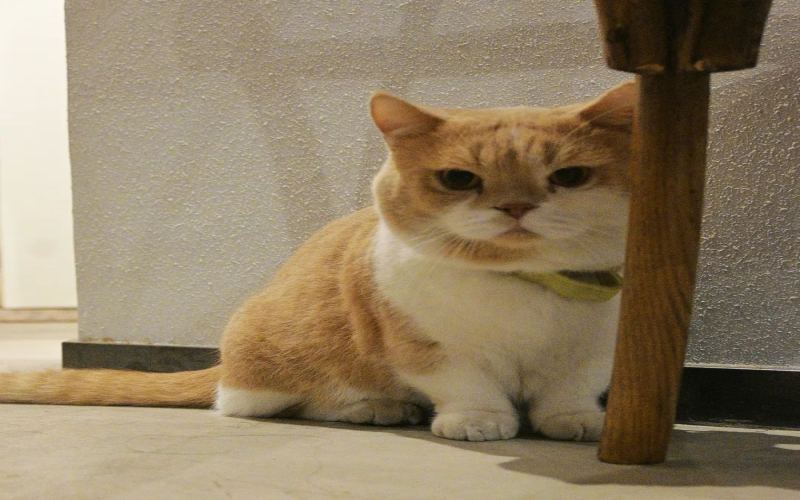
Behind the wave of independent coffee shop transfers: from impulsive openings to rational letting go, where do cats and dreams go from here?
When a long-running independent coffee shop decides to put itself up for a full transfer, what it leaves behind is not only equipment and décor, but also a story of the tug-of-war between dreams and reality. Recently, coffee shop transfer listings have surged on social platforms, and many one-person shop models are facing closure. From the initial passion for starting a business to the feeling of being trapped after losing their freedom, what kind of shift have shop owners gone through in their mindset? Why do they prefer transferring the entire shop as a lease rather than selling it off in parts? Amid this wave of transfers, industry observers such as Front Street Coffee have also begun to wonder: is starting a coffee business really this difficult? [more…]

2022 Year of the Tiger Starbucks Asia Limited Edition Cup Roundup: Hong Kong, Macau, Taiwan, and Japan Daruma Cups Celebrate the New Year Together
As the Lunar New Year approaches, Starbucks has launched a series of Year of the Tiger themed limited-edition drinkware across various regions in Asia. From adorable big cat designs to Japan's distinctive Daruma cups, each piece incorporates rich New Year blessings. This article compiles Starbucks Year of the Tiger fortune cups from Hong Kong, Macau, Taiwan, and other Asian regions, and specifically introduces the Daruma cups and plush bears dressed in cute tiger onesies that will be released in Japan. Whether you are a collector or a coffee enthusiast, you can feel the festive atmosphere in these designs. At the end of the article, professional coffee knowledge exchange channels and Front Street Coffee's specialty bean recommendations are provided for coffee lovers to explore further. [more…]