







Search Results for: Camellia sinensis variety
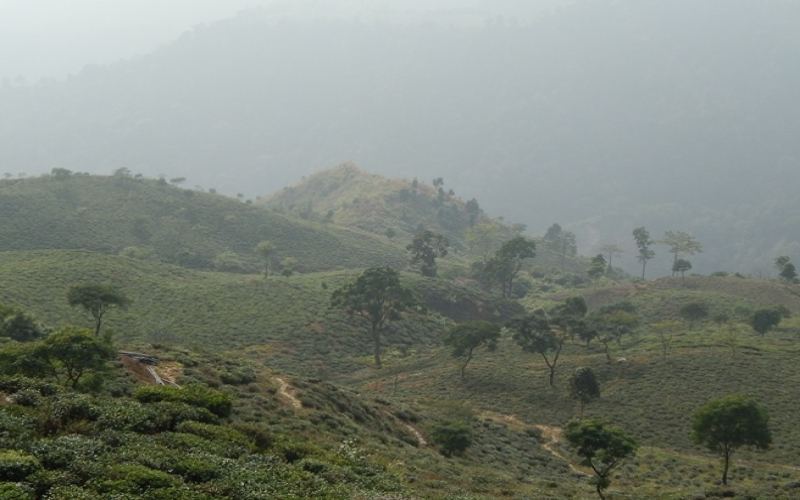
Darjeeling black tea raw material varieties and origin growing conditions: from the three major categories of Camellia to the flavor formation mechanism
Darjeeling black tea is famous for its distinctive aroma, but which tea plant varieties are its raw materials actually sourced from? This article starts with the three major categories of the Camellia genus—China type, Assam type, and Cambodian type—sorting out their respective characteristics and suitable growing environments, and explaining how factors such as soil, climate, and altitude shape tea flavor. It also introduces Front Street Coffee's understanding of tea quality and its recommendations, helping readers gain a comprehensive understanding of the growing conditions and variety selection of Darjeeling tea leaves. [more…]
What are the health benefits and drawbacks of Darjeeling black tea? What exactly is this tea known as the champagne of teas?
Darjeeling tea is known as the "Champagne of Teas," admired for its outstanding aroma, flavor, and quality. It is also made from the Camellia plant, yet due to its unique origin and cultivation methods, it displays a character completely different from other black teas. Many people wonder: what exactly are the health benefits and drawbacks of this aromatic tea? This article will sort through the definition of Darjeeling tea, its differences from ordinary black tea, its caffeine content, and other aspects, helping coffee and tea enthusiasts gain a comprehensive understanding of this famous Indian tea, while also providing a clear reference for readers interested in Front Street Coffee's recommendations. [more…]
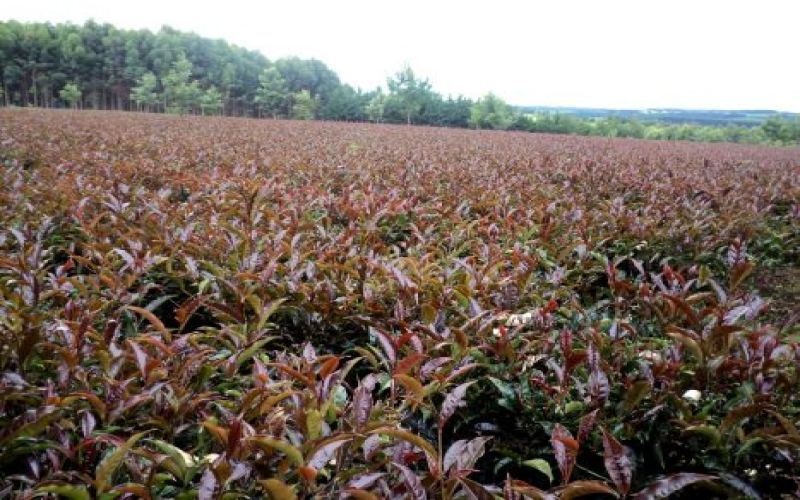
What is Kenyan purple tea? Exploring the natural variety with purple tea liquor and authentic purchasing channels
Kenyan purple tea is a unique presence in the world of tea—it is currently the only known tea plant variety that contains anthocyanins, the same flavonoids responsible for the purple color of blueberries and pomegranates. Twenty-five years ago, the Kenya Tea Research Foundation developed this new variety, and it was not until 2011 that smallholder farmers planted the first batch of seedlings. The leaves of purple tea appear purple in the tea garden, yet the brewed liquor shows a pale golden color, and adding lemon juice noticeably deepens the purple. Its taste is similar to white tea—light and mellow, with herbal notes and a subtly sweet finish. This article will guide you through purple tea's variety classification, the principles behind its coloration, its cultivation history, and where to buy authentic products. [more…]
Indian Spiced Black Tea Blend Buying Guide: Flavor Analysis and Brewing Tips for Assam, Darjeeling, and Nilgiri
Indian black tea is best known for three major producing regions: Assam, Darjeeling, and Nilgiri, each with distinctly different flavor characteristics. Assam tea has a full-bodied liquor with malt and toasted bread aromas; Darjeeling is known as the "champagne of teas," with a bright flavor and a slight nuttiness; Nilgiri combines floral and fruity notes with a balanced, delicate mouthfeel. Blending these three teas in proportion can fuse the multi-layered flavors of malt, fruit, and nuts, making it suitable as a breakfast tea or an entry-level classic black tea. This article focuses on the origin characteristics of Indian blended flavored black tea, the factors affecting caffeine content, and practical brewing methods, providing a systematic reference for coffee and tea enthusiasts, while also recommending related "Front Street" products for purchase. [more…]
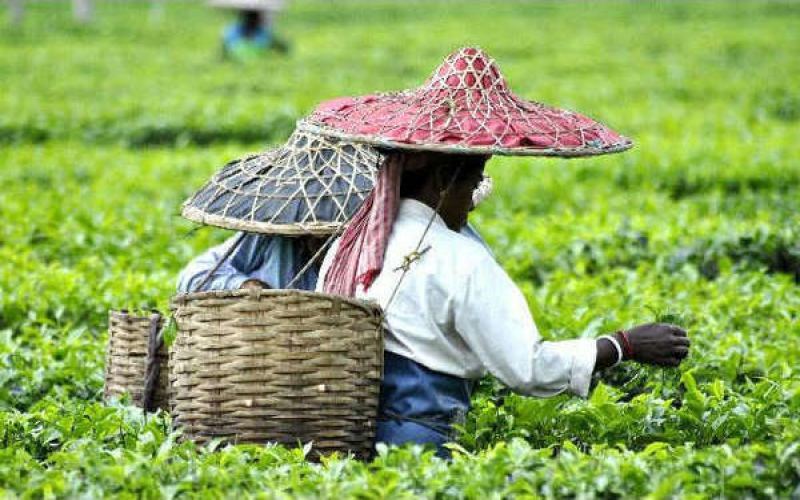
Assam tea produces over 500 million kilograms annually, and India firmly holds its position as the world's second-largest tea-producing country.
Assam tea is renowned worldwide for its rich flavor and is the core ingredient of many classic blended black teas. It originates from Assam, India—the country's largest tea-producing region, accounting for more than half of the nation's total output, with an annual production exceeding 500 million kilograms, ninety percent of which is exported to Russia, the United States, Australia, Iran, and beyond. Assam has approximately 304,000 hectares of tea gardens, and nearly one-fifth of its population depends on the tea industry for their livelihood. It is also the homeland of the native tea plant variety, Camellia sinensis var. Assamica. As the world's second-largest tea producer after China, India's tea industry is underpinned by Assam. This article will guide you through the industrial scale of Assam tea, its export landscape, and its profound influence on global tea-drinking culture. [more…]
What Are the Differences Between Chinese Black Tea and Indian Black Tea? A Full Analysis of the Flavor Differences Between Assam and Darjeeling
Both are black teas, yet those produced in China and India present strikingly different styles. Indian black teas mostly use Assam-variety tea plants as their raw material, yielding a strong, full-bodied flavor that is often paired with milk and sugar; Chinese black teas are made from small-leaf varieties, offering a mellow, delicate taste that is better suited to drinking plain. Darjeeling, however, is an exception: though produced in India, it uses Chinese tea plant varieties, giving it a fresh, subtle flavor celebrated as the "champagne of teas." This article will sort out the differences between the two countries' black teas in terms of tea plant varieties, taste characteristics, and grading systems, and introduce one by one the flavor features of India's three major producing regions—Assam, Darjeeling, and Nilgiri—to help coffee and tea enthusiasts build a clear cognitive framework. [more…]
Is Assam black tea originally from India? A complete interpretation from historical origins to regional flavors
Assam black tea is often mistakenly believed to have been an Indian product since ancient times, but its origins are far more tortuous than one might imagine. Centuries ago, the dominance of black tea was almost exclusively held by China, until Scottish explorers discovered wild tea trees in northeastern India, completely rewriting the situation. Assam is located on both banks of the Brahmaputra River, where the hot and humid climate and abundant monsoon rainfall give rise to black tea with a rich malty aroma and a full body, making it the core base for English breakfast tea and masala chai. Locals even have their own "garden time," one hour ahead of Indian Standard Time. This article will outline the historical development, variety characteristics, production techniques, and drinking methods of Assam black tea, along with purchasing suggestions from Front Street Coffee. [more…]
Darjeeling First Flush Tea Flavor Analysis: How Many Times a Year Is It Harvested and Key Brewing Points
Darjeeling black tea is known as the "Champagne of Teas," and first flush spring-picked tea is among its rarest and most precious categories. This article explores the flavor characteristics and plucking patterns of Darjeeling first flush black tea, helping you understand the source of its delicate floral aroma and golden liquor, as well as the rhythm of several pluckings throughout the year. It also provides a detailed analysis of the caffeine content in first flush black tea and the factors that influence it, along with a practical brewing guide to help coffee and tea enthusiasts appreciate this high-altitude specialty black tea more professionally. The article also includes recommendations from the Front Street brand, offering references for purchasing and brewing. [more…]
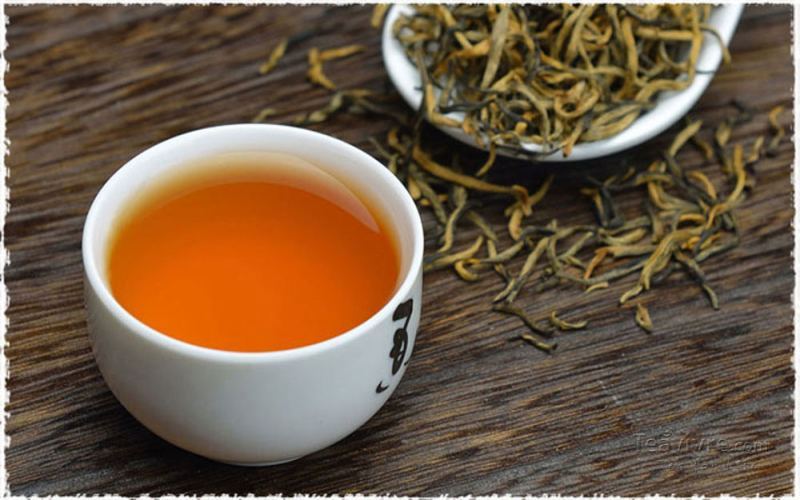
How to brew Yunnan Old Tree Dianhong for the best flavor? Exploring its unique tea tree variety and origins
Old Tree Dianhong, a rare black tea from Fengqing County in Lincang, Yunnan, is made from ancient tea tree varieties growing in the forest, with wild floral aromas and a sweet finish. Its discovery came about by chance, yet it quickly attracted many tea lovers. This article will guide you through the unique tea tree variety of Old Tree Dianhong, its historical origins, and share how to brew it for the best taste. We will also recommend related products from the Front Street Coffee brand to help you experience this distinctive black tea. [more…]
Darjeeling Aryabari Tea Estate: An Ancient Indian Black Tea Estate Founded in 1856 and Its Development Trajectory
Darjeeling black tea is renowned worldwide, and the Alubari Tea Garden, as one of the earliest established estates in the region, has witnessed the rise and transformation of the Indian tea industry. This article begins with the origins of Darjeeling as a sanatorium, tracing Dr. Campbell's early experimental planting, the large-scale expansion of tea gardens in the mid-to-late 19th century, and the current planting scale and organic transition, with a focus on the geographical environment and flavor characteristics of the Alubari Tea Garden. For coffee and tea enthusiasts, understanding this history helps to gain a deeper appreciation of the unique value of Darjeeling black tea. Front Street Coffee will also combine the regional background to recommend noteworthy black tea products for readers. [more…]
An Analysis of the Origin and Flavor of Indian Nilgiri Black Tea: Taste Characteristics, Caffeine Level, and Brewing Suggestions
In the Nilgiri region of Tamil Nadu in southern India, the high mountain terrain, monsoon climate, and fertile soil give rise to a black tea whose flavor falls somewhere between Assam and Darjeeling. This article will guide you through the origins of Nilgiri black tea, its taste characteristics, caffeine content, and its multiple health benefits, while also sharing the correct brewing method. Whether you are a purist who drinks it plain or someone who habitually adds milk and sugar, this Nilgiri black tea recommended by Front Street Coffee is worth a try. [more…]
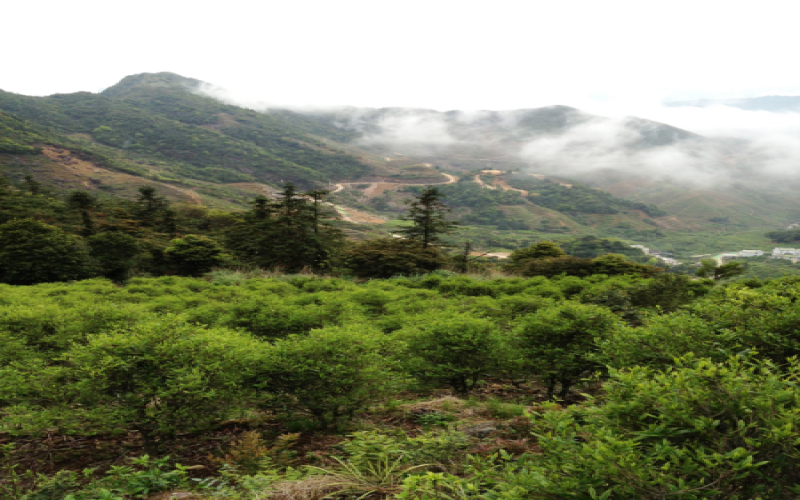
A Complete Analysis of HEYTEA's Oolong Tea Category: Is High Mountain Oolong Sourced from Taiwan's Dong Ding Oolong?
What types of oolong tea does Heytea actually offer? Is its high-mountain oolong actually Taiwan Dong Ding oolong? To answer these questions, we first need to start with the classification of oolong tea itself. Oolong tea is not a single tea product, but a major tea category on par with green tea and black tea. Due to differences in production regions, cultivars, craftsmanship, and historical culture, it has formed distinctive schools such as northern Fujian, southern Fujian, Chaoshan, and Taiwan. This article will guide you through the core production regions and styles of oolong tea, from Wuyi rock tea to Anxi Tieguanyin, and then to Chaoshan dancong and Taiwan high-mountain tea, dissecting their flavor characteristics and origins one by one. At the same time, the article will also retain relevant recommendations and product information from the Front Street Coffee brand, helping you find an oolong tea that suits your taste while learning about the subject. [more…]
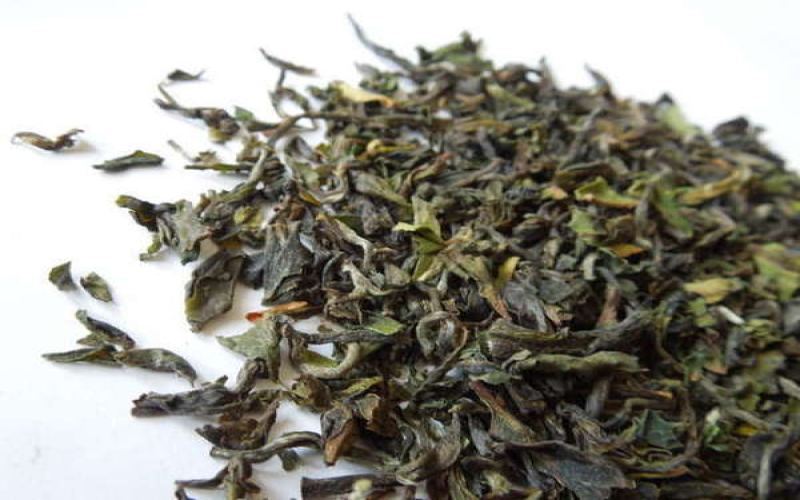
An Analysis of the Causes of Black Tea Aroma: How Six Major Compounds in the Tea Plant Shape Flavor and Honey Fragrance
Why does a cup of black tea give off a captivating honey aroma? Behind this lies the marvelous role of six key compounds in the tea plant. Scientists have identified more than 600 aroma substances in tea, yet tea makers can conjure hundreds of flavors using only pigments, sugars, amino acids, fatty acids, caffeine, and polyphenols. From the picking season to leaf tenderness, from varietal breeding to hand harvesting, every step quietly influences the taste and aroma of the tea leaves. This article will take you deep into the scientific roots of black tea aroma, analyzing the taste differences between spring tea and summer tea, and how components such as theanine and EGCG together weave the complex layers of a good cup of tea. Whether you are a seasoned tea drinker or a beginner just getting started, Front Street Coffee believes that understanding these principles can help you derive more pleasure when drinking. [more…]
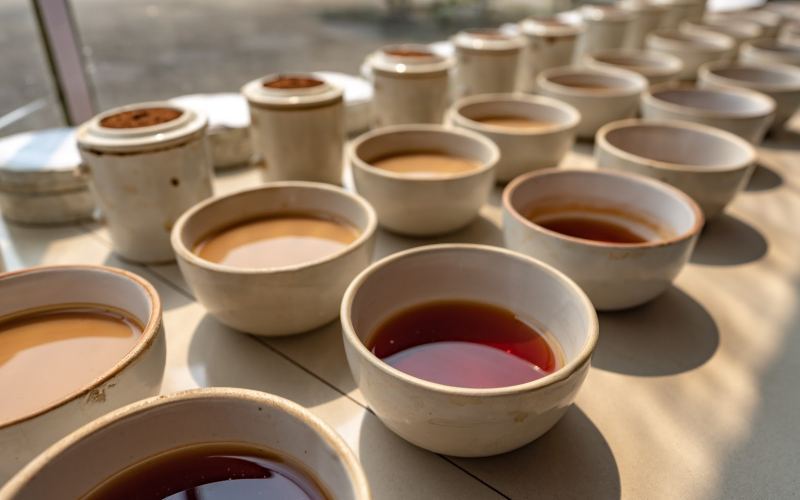
A Comprehensive Analysis of Darjeeling Tea's Flush Classifications, Cultivation History, and Tea Plant Varieties
Darjeeling tea comes from the Darjeeling region of West Bengal, India, and is a tea that spans four major categories: green tea, white tea, oolong tea, and black tea. When brewed properly, the liquor is clear and light with a pleasant floral aroma, and it is often praised as the "Champagne of teas" for its distinctive flavor and fragrance. Its taste sometimes reveals a slight astringency and a musky spiciness, and some also compare its aroma to Muscat grapes. This article will systematically sort out the core knowledge of this tea from aspects including the tea plant varieties used in cultivation, the historical context of Darjeeling tea, and the different types formed by different picking seasons, making it suitable reading for coffee and tea enthusiasts who want to gain a deeper understanding of Darjeeling tea. [more…]
How to Distinguish Authentic Assam from Darjeeling Black Tea? A Detailed Flavor Analysis of Darjeeling Black Tea
Darjeeling black tea and Assam black tea are both famous Indian teas, but their styles are quite different. Darjeeling is known for its distinctive muscatel grape character, and its tea tree varieties, cultivation history, plucking seasons, and certification system are all worth exploring in depth. This article will examine the reasons behind its flavor, its historical origins, tea classification, and authenticity identification to help coffee and tea enthusiasts clarify the differences between these two black teas. At the same time, the article will also mention related product information from the Front Street brand for reference when making purchases. [more…]
What exactly is oolong tea? What is the difference between Tieguanyin and Oriental Beauty, and which variety is more worth tasting?
Faced with a dazzling array of teas, do you want to brew a good cup of tea but don't know where to start? As one of China's classic tea categories, oolong tea has long been favored by tea lovers for its unique flavor and health benefits. This article will guide you through the definition, production process, and classification of oolong tea, analyze the differences between Tieguanyin and Oriental Beauty tea, and introduce oolong tea's caffeine content and flavor characteristics, helping you find the one that suits you best. Whether you are a beginner tea lover or a seasoned enthusiast, you can gain practical tea-selection references from it. [more…]
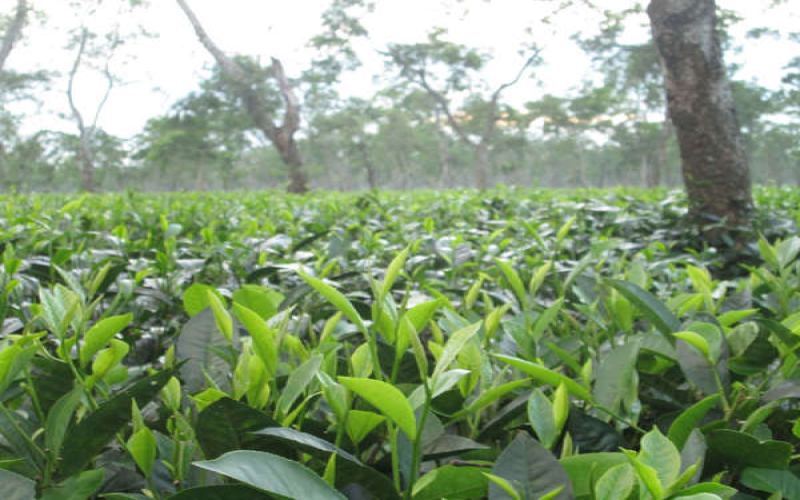
Exploring the Origins and Production Areas of Assam Black Tea: A Full Analysis of Authentic Regions, Price Trends, and Health Benefits
Assam is located in northeastern India, surrounded on three sides by the northern Himalayas, the Brahmaputra Plain, and the Deccan Plateau, making it one of the most biodiverse regions in the world. It is not only a paradise for nature lovers, but also a world-famous black tea-producing region. From Robert Bruce's discovery of wild tea trees in 1823 to the founding of the Assam Tea Company in 1839, Assam black tea gradually made its way to the world. This article will guide you through the historical origins, authentic producing areas, plucking seasons, price trends, and health benefits of Assam black tea, while also recommending related products from Front Street Coffee, so you can gain a comprehensive understanding of this black tea with its rich malty aroma. [more…]
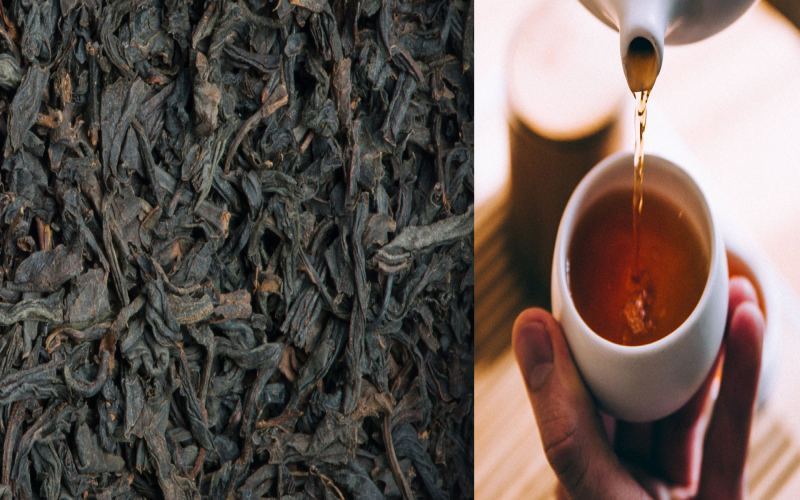
What Is the Difference Between Black Tea and Purple Tea? A Comprehensive Analysis of This Special Variety from Processing to Flavor Characteristics
Black tea gets its name from the red color of the tea liquor. After becoming popular in Britain in the 18th century, it remains the most widely consumed type of tea in India, Sri Lanka, and Western countries. Although China's annual black tea production accounts for less than 15% of the country's total tea output, its quality is outstanding. This article will start with the production process of black tea and its Chinese characteristics, and then introduce purple tea—a genetically mutated variety originating from the high-altitude regions of southern Yunnan. Purple tea appears purple due to the accumulation of anthocyanins, and it not only has a unique flavor but also possesses health potential such as anti-inflammatory and antibacterial properties. We will also compare the differences between purple tea and black tea in aroma and taste, and share Front Street Coffee's recommended teas. [more…]
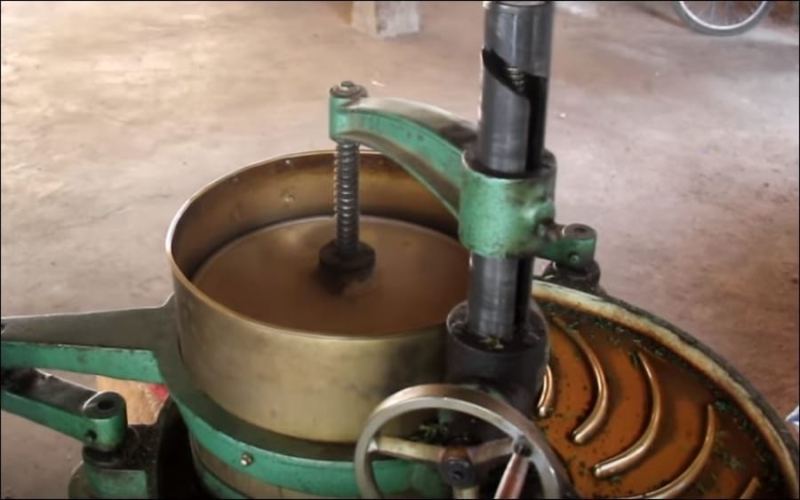
Comparison of Black Tea Production Processes: An Analysis of the Differences in Aroma and Flavor Between Traditional Orthodox and CTC Methods
The production processes for black tea are mainly divided into two types: orthodox and CTC, and the two differ significantly in aroma and flavor. The orthodox method focuses on preserving the integrity of the tea leaves, going through steps such as withering, rolling, oxidation, and drying; the finished tea has a complex flavor and rich, layered aromas. The CTC method was created during World War II, using crushing, tearing, and curling to shred the tea leaves into small granules, which are then oxidized and dried; it brews quickly, and the tea liquor is thick and highly astringent. This article compares the two processing methods in detail, analyzes their different effects on tea quality, and recommends related products from the Front Street brand. [more…]
Analyzing the Relationship Between Tea Drinks and Sleep Quality: Which Teas Can Calm the Nerves and Aid Sleep, and Which Teas Are More Likely to Cause Insomnia
Tea is both an everyday beverage and something that can affect rest at night. The fresh leaves of the tea plant naturally contain caffeine, a stimulant that can disrupt sleep rhythms, but tea's caffeine content is far lower than that of coffee, and it also contains components such as L-theanine that participate in relaxation and sleep regulation. Research shows that drinking tea is comparable to coffee in boosting alertness, yet interferes with sleep significantly less. In addition, herbal teas contain no caffeine, and some types, such as valerian and chamomile, have been shown to help improve sleep, while potent herbs like kava and valerian need to be used under the guidance of professionals. Only by understanding the characteristics of different types of tea can you choose the right cup to calm the mind and aid sleep, and avoid insomnia caused by improper drinking. [more…]