







How Do Types of Coffee Seeds Compare with Tea Plant Varieties in Darjeeling?
Darjeeling tea comes from the Darjeeling region of West Bengal, India, and spans green, white, oolong and black tea categories. It is usually grown from the small-leaf Chinese tea plant, Camellia sinensis. Brewed well, the liquor is light and clear with a floral aroma and a muscatel-like character that sometimes carries mild astringency, which earned it the nickname Champagne of teas.
Archibald Campbell, then Superintendent of Darjeeling, brought Chinese tea plant seeds from Kumaun in 1841 and began cultivation trials. The British government started establishing tea gardens in the same period, and commercial development followed in the 1850s. Just as coffee seeds varieties shape a cup's character, the specific tea plant variety and picking season determine the flush and flavor of each Darjeeling lot.
Darjeeling tea is produced in the Darjeeling region of West Bengal, India, and is a type of tea that spans four major categories: green tea, white tea, oolong tea, and black tea. When brewed properly, the liquor is clear and light with a pleasant floral aroma, and because of its unique flavor and fragrance it is often hailed as the "Champagne of teas." At times a slight astringency and a muscatel-like spiciness emerge in the taste, and some also compare its aroma to muscat grapes. This article will systematically sort out the core knowledge of this tea from aspects such as the tea plant variety used for cultivation, the historical context of Darjeeling tea, and the varietal types formed by different picking seasons, making it suitable reading for coffee and tea enthusiasts who want to gain a deeper understanding of Darjeeling tea.
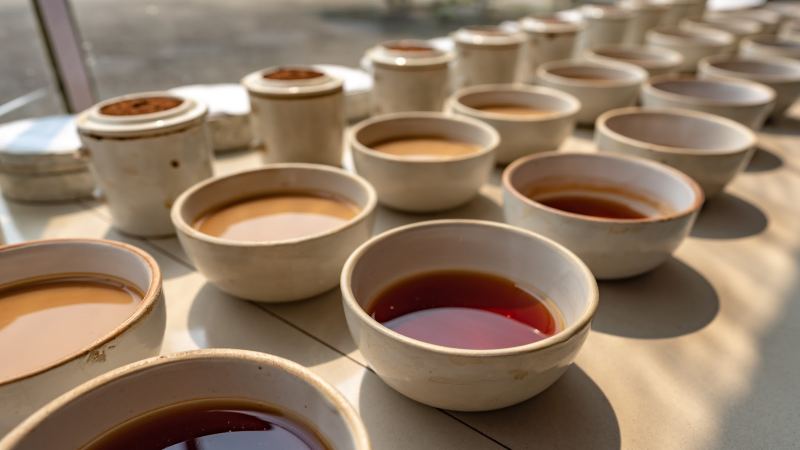
Darjeeling tea is produced in the Darjeeling region of West Bengal, India. It spans four major categories: green tea, white tea, oolong tea, and black tea. When brewed properly, Darjeeling tea presents a clear, light liquor and a delicate floral aroma.
It is precisely this distinctive flavor and aroma that has earned Darjeeling tea the reputation of the "Champagne of teas." Its taste sometimes carries a slight astringency and a muscatel-like spiciness, and based on the flavor characteristics of muscat grapes, it is sometimes described as muscatel-flavored. If you have never tasted Darjeeling tea, then you have come to the right place. Through this article, you will learn a great deal about Darjeeling tea.
Which tea plant is used to cultivate Darjeeling tea?
Darjeeling tea is usually grown from the small-leaf Chinese tea plant variety.
What is the history of Darjeeling tea?
In the Darjeeling region of India, Archibald Campbell was the first to begin cultivating tea plants in 1841. He was then a civil surgeon in the Indian Medical Service. In 1839, Mr. Campbell was transferred from Kathmandu, Nepal, to serve as Superintendent of Darjeeling. Two years later, in 1841, he brought seeds of the Chinese tea plant variety—Camellia sinensis—from Kumaun and began tea cultivation trials in Darjeeling. During the same period, the British government also began establishing tea gardens. The commercial development of Darjeeling tea began in the 1850s.
What different varieties of Darjeeling tea are there?
Traditionally, Darjeeling tea is classified as a black tea. However, modern methods of making Darjeeling tea use a hard wither technique, causing the leaves to undergo incomplete oxidation, which gives the finished product an oolong tea form. In addition, other types of Darjeeling tea are also produced, such as green tea, oolong tea, and black tea. The following are the different varietal types of Darjeeling tea:
·The picking season arrives after the spring rains in mid-March. This batch of tea leaves has a soft color, a light aroma, and a slight astringency.
·Between the spring picking and the summer picking, there is also an intermediate picking season.
·After that comes the summer picking season, harvested in June. This batch of tea leaves produces an amber liquor, with a rich taste and muscatel characteristics.
·Monsoon tea is harvested during the rainy season. This picking is completed between late autumn and late autumn. The result is a variety with a lighter wither; it is more oxidized and usually sells at a lower price.
·The last tea season for Darjeeling tea is the autumn picking. It is harvested in autumn after the rainy season ends. This batch of tea leaves has a less refined flavor, and its spicy notes are less prominent, but the mouthfeel is fuller and the liquor color is darker.
The above content is compiled by CoffeeHunters, a coffee news website.


