







Search Results for: Caballero family
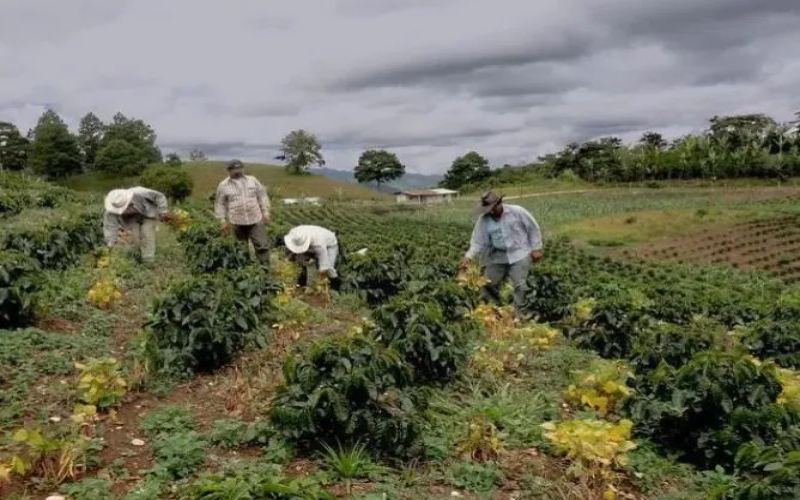
An Analysis of Honduran Coffee Regions and Flavors: From the Caballero Family to Six Major Growing Areas
Honduras has risen to become the largest coffee producer in Central America thanks to its complex terrain and diverse climate, while continually refining its quality. This article will guide you through an overview of Honduran coffee, its main growing regions, and how the most iconic Caballero family has driven the development of specialty coffee. We will also take a deep dive into the terroir characteristics of the Montecillos region, analyzing its bright acidity and fruity sweetness, and include Front Street Coffee's origin recommendations. [more…]
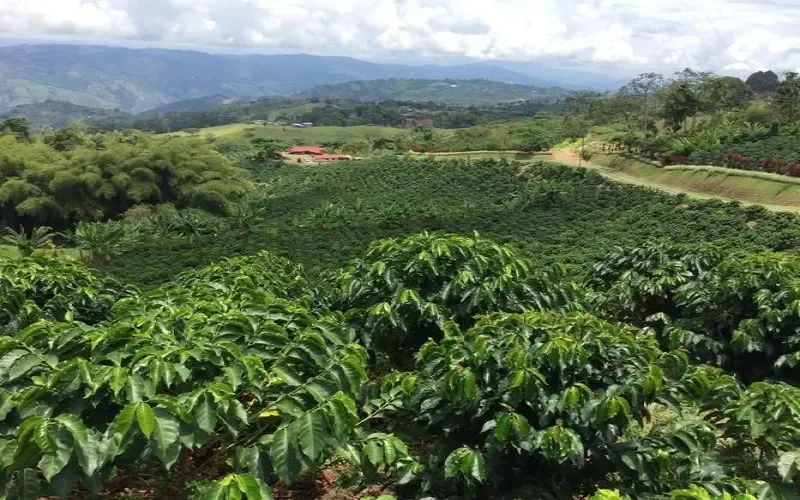
Exploring Colombia's Santander Region: The Journey of Casablanca Estate's Specialty Coffee Transformation
Colombia, an important member of South America's coffee landscape, nurtures diverse flavor profiles thanks to the unique conditions of the Andes Mountains. Among the country's many producing regions, Santander Department, though low-key, has a deep heritage as the birthplace of Colombia's coffee-growing history. It is here that Finca Casablanca is located, beginning with large-scale cultivation in 1860, undergoing a specialty transformation since 2006 led by current owner Liliana Caballero Rojas and her family, and winning the Colombian Yara Championship in 2016. This article takes you deep into the terroir characteristics of this producing region and the varietal charm of the estate. [more…]
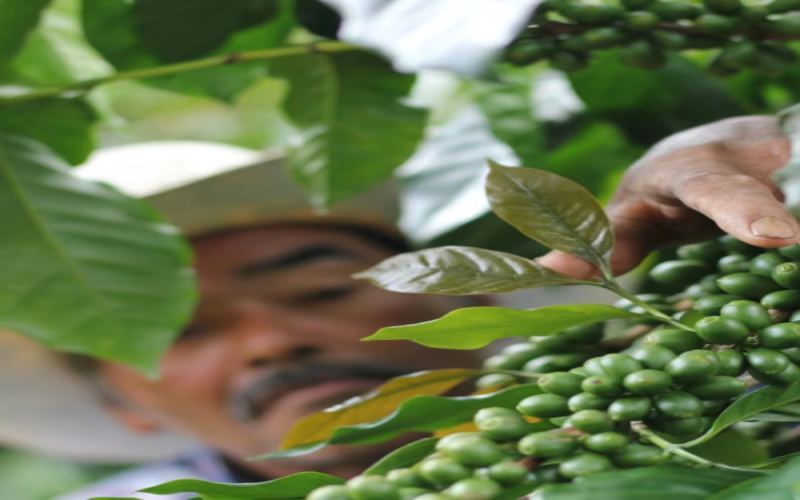
Honduras Sweet Orange Estate Caturra Washed Beans: Flavor Profile, Processing Method, and Brewing Parameters Explained
Honduran coffee is known for its high sweetness and citrus notes, and El Naranjo is one such bean worth savoring. The estate is located in Marcala in the La Paz region, with wild orange trees as shade trees, infusing the coffee with rich floral and fruity aromas. This article focuses on Front Street Coffee's Caturra washed bean, covering the estate background, variety characteristics, washed processing flow, roasting curve, cupping report, and V60 brewing parameters, fully presenting its flavor performance and brewing approach. It is suitable for enthusiasts who want to gain a deeper understanding of Honduran coffee or are looking for an everyday staple bean. [more…]
A Complete Analysis of Honduran Coffee Regions, Estates, Flavors, Processing Methods, and Varieties: Exploring the Washed and Natural Taste of Front Street Coffee
Honduras, with its exceptional geographical conditions, has become one of the world's top ten coffee exporters. The country has 280,000 hectares of coffee plantations, predominantly smallholder farms, with a large portion of coffee beans coming from micro-farms of less than 3.5 hectares. Front Street Honduras Coffee selects premium cherries and uses the washed processing method: beans are soaked and floated to remove defective ones, then a depulper separates the skin and screens the beans, and finally they are dried in the sun, creating a delicate fruity aroma and balanced flavor. This coffee has medium to light acidity, mild bitterness, and a pronounced sweet aftertaste, often accompanied by floral or fruity notes, with each altitude and region offering its own characteristics. This article will provide a comprehensive introduction to the origins, processing methods, flavor profile, and variety characteristics of Honduran coffee. [more…]
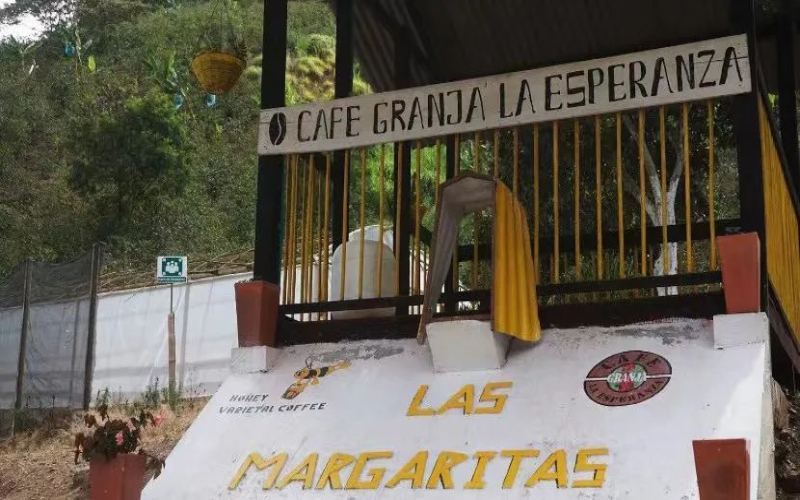
Colombia's Finca La Esperanza and Cerro Azul: A Deep Dive into a Family's Coffee Empire and Geisha Flavors
Cafe Granja La Esperanza frequently appears in coffee competitions and rankings, but it is not a single estate—rather, a coffee family brand made up of several farms. It began when the couple Blanca Ligia Correa and Juan Antonio Herrera acquired Finca Potosí, and the family gradually expanded its holdings to five estates, including Margaritas, Cerro Azul, and Hawaii. In 2007, family member Rigoberto won the BOP championship in Panama, and subsequently introduced Geisha to Colombia, opening a glorious chapter for Cafe Granja La Esperanza. This article provides a comprehensive look at this sun-dried Geisha from the high altitudes of Cauca Department, covering the family history, the terroir of the producing region, and Front Street Coffee's cupping experience. [more…]
A Complete Analysis of Bolivian Coffee Regions: From Java Variety to the Rodriguez Family's Specialty Journey
Although Bolivia is hailed as an ideal place for growing coffee, its production has always remained low, and it even once became a minor coffee country. Yet the coffee flavors nurtured on this land are stunning—rich sweetness and soft acidity make it stand out in the specialty coffee world. Front Street Coffee has introduced several Bolivian beans, among which the Java variety cultivated by the Rodriguez family is especially striking, known as Geisha's cousin. This article will guide you through the regional characteristics, development history, and cultivation models of Bolivian coffee, and provide an in-depth analysis of the Coco Natural Java coffee beans from Waliki Estate, from variety tracing to processing innovation, exploring the coffee charm of this landlocked South American country. [more…]
Bolivia Geisha Coffee Flavor Analysis: The Story of the Java Variety and the Rodriguez Family's Specialty Journey
Although Bolivia is hailed as an ideal place for coffee cultivation, its production has always been limited, yet its coffee impresses with rich sweetness and soft acidity. At the 2017 WBC, Japanese competitor Miki Suzuki won the world runner-up title with a Bolivian Geisha, bringing this origin into the spotlight. The Java variety, known as Geisha's cousin, likewise offers an elegant and distinctive flavor. Front Street Coffee once cupped a Cacao Natural Java from the Rodriguez family, which was sweet and tangy with a creamy smoothness. This article will guide you through the development history of Bolivian coffee, its cultivation models, and the distribution of its producing regions, as well as how the Rodriguez family is driving specialty coffee forward, and provide a detailed analysis of the roasting and brewing performance of this Waliki Estate Java coffee bean. [more…]
Finca Cantera: A Family Farm Run by the Garrido Sisters
On the 2025 BOP Traditional Variety Group podium, standing behind Hacienda La Esmeralda and Dark Moon Estate, was Cantera Farm—92.25 points, third place. This result belongs to the Garrido family, to the then-estate manager Gis [more…]

Flavor Analysis of Bolivian Geisha and Java Varieties: From Origin Challenges to the Rodriguez Family's Specialty Journey
Although Bolivia is hailed as an ideal place for coffee cultivation, its production has always been limited, yet its coffee impresses with rich sweetness and soft acidity. From the cupping perspective of Front Street Coffee, this article sorts through the historical ups and downs of Bolivian coffee, the distribution of producing regions, and cultivation models, focusing on how the Rodriguez family has driven the development of specialty coffee, and offering an in-depth analysis of the origins of the Geisha and Java varieties. The article also documents in detail a cacao natural Java coffee bean from Finca Valiki that Front Street Coffee cupped, presenting the unique charm of this bean in full, from processing method, roasting curve, to brewing parameters and flavor description. [more…]
Hacienda Altieri: Family Management and Processing Innovation as Twin Drivers
In August 2026, the 30th BOP concluded in Boquete. In the Traditional Varieties category, Altieri Specialty Coffee took first place with 93.63 points, leaving Hacienda La Esmeralda and Santa Teresa Estate behind, setting [more…]
The Development History of Panama Elida Estate Coffee and a Detailed Flavor Analysis of Geisha Natural Beans
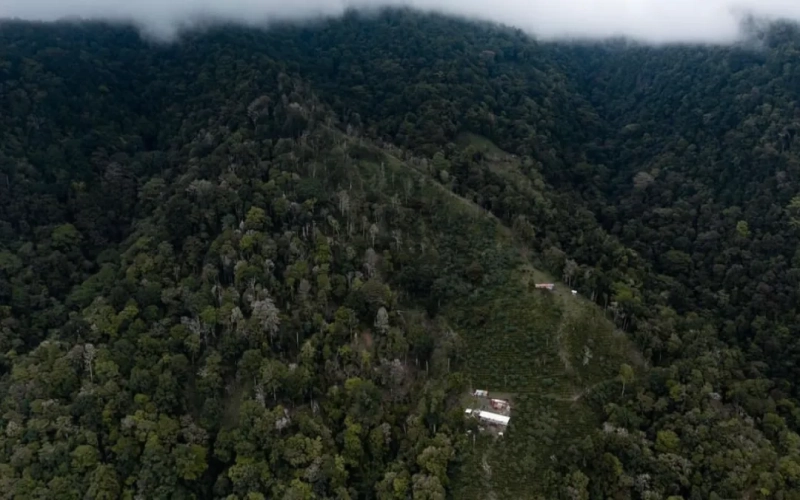
Elida Estate is one of the most prestigious coffee estates in Panama, belonging to the Lamastus family. Since its founding, Mr. Robert has made producing high-quality coffee his core pursuit, and this passion has been passed down through generations, now continuing into the family's fourth generation. In recent years, the Lamastus family has acquired El Burro Estate, bringing the number of estates under its umbrella to five, though only three actually produce coffee: besides Elida, there are also El Burro Estate and Elida Estate Luis Quiel, each with its own distinctive character shaped by differences in terroir. Elida covers 65 hectares, more than half of which lies within the protected area of Barú Volcano National Park, where logging is prohibited, leaving an actual planted area of about 30 hectares. The superior microclimate, volcanic soil, and high altitude, combined with the family's strict control over harvesting and processing, give Elida coffee its unique flavor. This article will also share the cupping performance of Front Street Coffee's Panama Elida Estate Natural Geisha. [more…]
Elida Estate: The Geisha Journey of the Lamastus Family's Four Generations
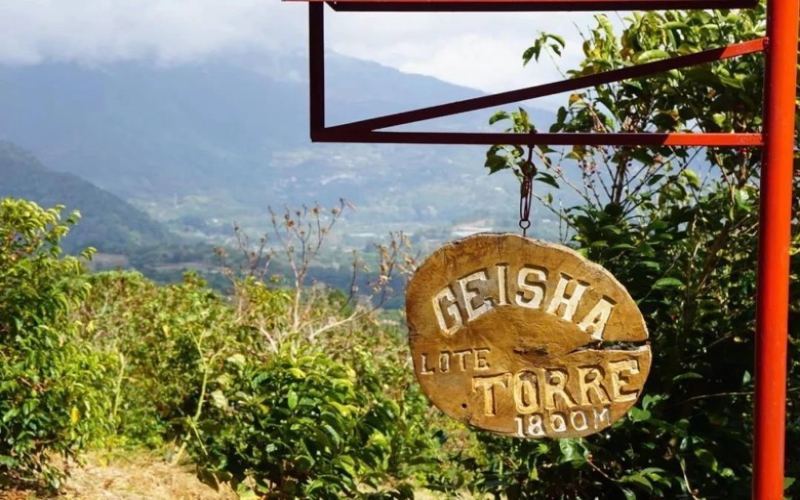
In August 2026, the 30th Best of Panama awards were held in Boquete. Elida Estate took first place in the washed Geisha category with a score of 96.25, which was also the highest score of the entire competition, while its natural Geisha placed third with 95.25. For Lama [more…]
Panama Elida Estate: A Century of Lamastus Family Coffee Heritage and Sun-Dried Geisha Flavor Analysis
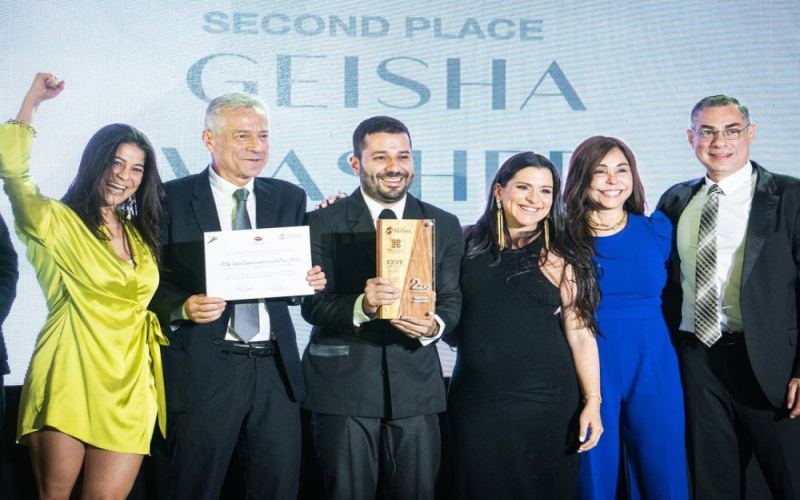
Located near the Barú Volcano in Boquete, Panama, Elida Estate was founded by Robert Lamastus in 1918 and named after his wife. For over a century, the Lamastus family has passed down their passion for coffee from generation to generation, and it is now in the hands of the fourth generation, with the addition of El Burro Estate as the family's fifth farm. The Elida Natural Geisha roasted by Front Street Coffee shows in cupping a rich layering of pomegranate, peach, white florals, grape, and black tea, with extremely high sweetness, rounded acidity, a silky mouthfeel, and a pronounced tea-like finish. This article will take you through the historical trajectory and flavor expression of this legendary estate. [more…]
Exploring Hacienda Hartmann in Panama: A Century of Family Heritage and an Analysis of Boquete Geisha Flavors
Hartmann Estate is a century-old family coffee estate in the Boquete region of Panama, and its legendary story and exceptional quality have drawn great attention from coffee lovers. The estate is located in the city of Chiriquí, in the province of Chiriquí, Santa Clara, right next to Barú Volcano, the highest in Central America, at an elevation of up to 3,300 meters. From founder Alois Stras Hartmann to the current fifth-generation family members, the estate has always adhered to scientific cupping and meticulous management. This article will introduce you to the historical origins and processing methods of Hartmann Estate, and provide a detailed analysis of the flavor characteristics of its Black Honey, Washed, Honey Process, and Wine Process coffees. At the same time, Front Street Coffee also recommends related high-quality green beans for you. [more…]
Panama BOP Champion Elida Estate Geisha Flavor Analysis: Everything You Need to Know About the Plots Under the Lamastus Family
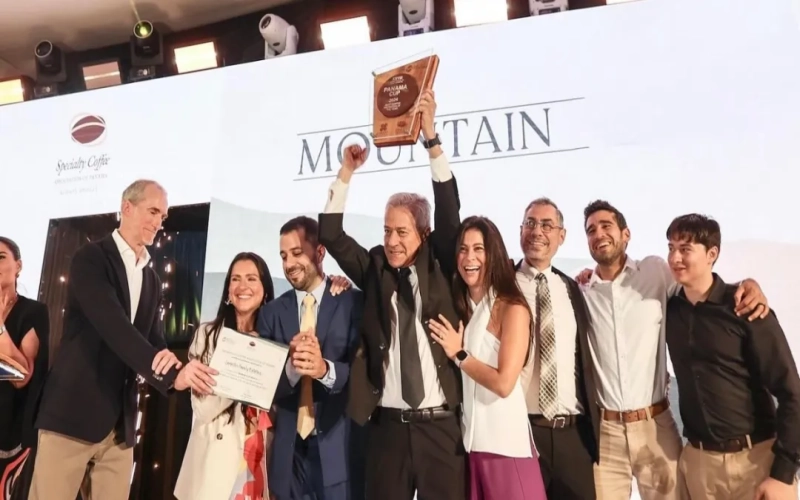
At the 2024 Panama BOP Geisha auction, Elida Estate's natural Geisha once again set a new record with a sky-high price of $10,013 per pound, claiming the top lot. This century-old renowned estate is not reaching the summit for the first time; it is not only the first double-crown Geisha champion in BOP history, but also second only to Hacienda La Esmeralda in number of wins. Elida Estate was founded in 1918 and has now been passed down to the fourth generation of the Lamastus family. In addition to Elida, the family also owns well-known plots such as El Burro Estate and Luisito Estate, and in recent years has even purchased the high-altitude El Toro Estate. Front Street Coffee cupped this champion bean this time, and it displayed the captivating flavors of pomegranate, peach, white floral notes, and black tea. This article will give you a comprehensive understanding of Elida Estate's history, plot distribution, and flavor performance. [more…]
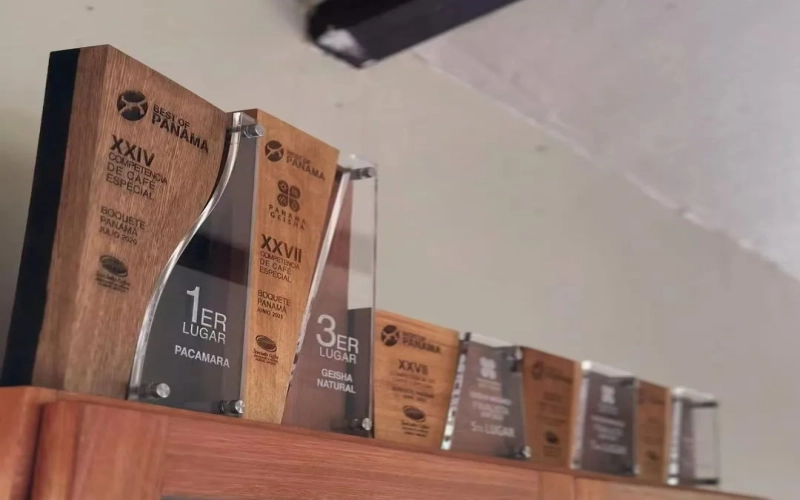
A Complete Guide to Panama Hacienda La Esmeralda Geisha: From Family Legacy to the Sun-Dried Flavors of the Alpine Plot
On the map of Panamanian specialty coffee, Hacienda Jason is a name that cannot be overlooked. Since making its debut at the Best of Panama competition in 2013 and appearing on the list year after year, this three-generation family farm has won the favor of many professional competitors with its refined Geisha flavor profile, frequently appearing on international exhibition stages. Today, Front Street Coffee takes you deep into this famous estate: from the dairy business of Swedish immigrants in 1926, to formally entering the coffee field in 1989; from the microclimates of the two high-altitude plots, the Lagoon and the Alps, to environmental practices such as enzyme-microbial soil care and solar circulating-water processing; and then to the natural-process Geisha lot#364 that Front Street Coffee acquired this year, which in cupping presents grape juice, berries, fermented wine aromas, and elegant floral notes. Whether you want to understand the estate's history or explore the terroir code behind Geisha's flavor, this article will present it all to you one by one. [more…]
An Analysis of the Coffee Characteristics of Colombia's Huila Region: The Bitride Family's Cultivation and Washed Processing Flavors
Colombian coffee occupies an important place in the global specialty coffee landscape, and the Huila region is a standout star within it. This article will take you deep into the coffee grown by a smallholder production group made up of 196 families and 210 members around the town of Pitalito in southern Huila. These farmers cultivate an average area of about 2.5 hectares at an altitude of about 1,500 meters, with acidic soil, and the coffee they produce, when properly roasted, has prominent sweetness and a crisp, refreshing mouthfeel. This is also the birthplace of Colombia's traditional washed processing method, and now about 30% of farmers, for environmental reasons, have switched to mechanical depulping and demucilaging, processing with only a small amount of water. Front Street Coffee recommends that you pay attention to its rich acidity, caramel sweetness, nuts, and red wine notes. [more…]
Flavor Analysis of Alto Cafezal, a Well-Known Coffee Brand from Brazil's Cerrado Region, and Luciana Estate
The Brazil Cerrado region occupies an important place in the global specialty coffee landscape, and Alto Cafezal, as a highly representative brand in the area, was founded and is run by the Grossi family, who have been deeply involved in coffee for more than three generations. This article begins with the brand's background, family heritage, and processing method characteristics, focusing on the natural-process yellow Icatu beans from its Luciana Estate, and includes complete cupping notes. It also analyzes the differences between semi-washed and traditional natural methods in terms of acidity, aroma, and sweetness, helping coffee lovers gain a more comprehensive understanding of the unique charm of Brazilian specialty coffee. [more…]
Bolivia Coffee Full Analysis: Specialty Bean Flavor Characteristics, Cultivation History, and the Rodriguez Family Geisha Java
Bolivia is celebrated as an ideal place for growing coffee, yet its annual output has long remained low, at one point even falling to the level of a minor coffee-producing country. And yet this land has given rise to a Geisha that won the favor of a World Barista Championship runner-up, as well as the Java variety known as Geisha's cousin. From the high-altitude terroir of the Yungas region, to the Tomorrow's Sun project promoted by the Rodriguez family, and on to innovative experiments with the cacao natural processing method, Bolivian coffee has carved out a winding yet fascinating path toward specialty coffee. Front Street Coffee will guide you through the origins, development history, varietal characteristics, and flavor profile of Bolivian coffee, with a focus on cupping a cacao natural Java coffee bean from the Valiki estate. [more…]
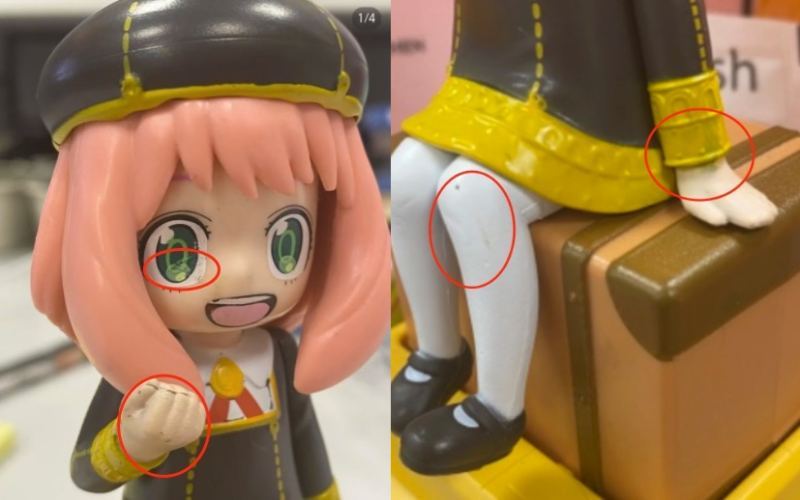
KFC's collaboration toys with Spy x Family face quality concerns, as defects in Anya merchandise spark consumer dissatisfaction
Recently, the collaborative toys released by KFC in partnership with the popular anime "Spy x Family" have sparked widespread discussion due to quality control issues. Multiple consumers have reported on social media that the Anya dolls they received have obvious stains, uneven painting, and even parts installed backwards, with some stains proving difficult to remove. This collaborative meal set went on sale starting September 6 and includes four random toys, but many fans have encountered the dual troubles of store stock shortages or poor product quality. Although some consumers successfully exchanged defective items, the incident still highlights the shortcomings in production and quality control for IP collaboration merchandise, which deserves attention from both brands and fans. [more…]