







How does a Panama coffee farms legacy shape Geisha flavor?
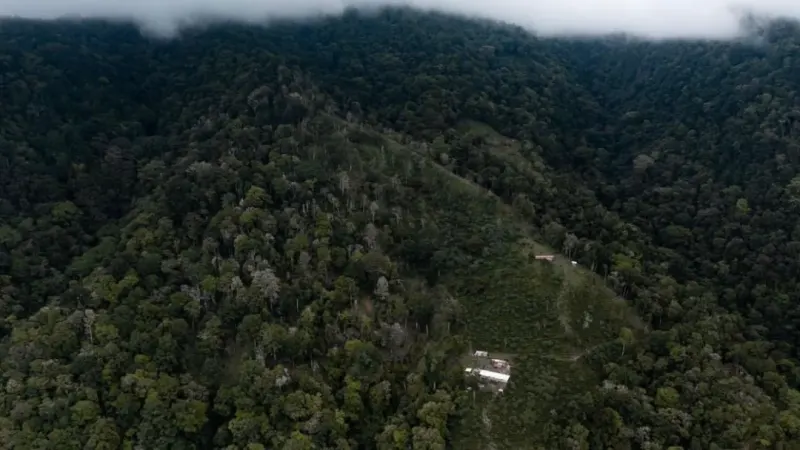
Elida Estate is a Panama coffee farm run by the Lamastus family, now in its fourth generation. It covers 65 hectares, with more than half inside the protected area of Volcan Baru National Park, leaving about 30 hectares planted with coffee. Volcanic soil, high altitude, and strict harvest and processing control shape the cup.
The family also owns Trompo Estate, bringing its holdings to five estates, though only three produce coffee. Elida is the largest and highest of those three, and each estate's distant terroir gives its coffee a distinct personality. This batch of Elida Natural Geisha is the focus of the cupping notes shared here.
Elida Estate is one of the most prestigious coffee farms in Panama and is part of the Lamastus family. Since its founding, Mr. Robert has made producing high-quality coffee his core pursuit, and this passion has been passed down from generation to generation, now continuing into the fourth generation of the family. In recent years, the Lamastus family has also acquired Trompo Estate, bringing the number of estates under its ownership to five, but only three actually produce coffee. In addition to Elida, there are also驴子庄园 and 路易托庄园, each with its own distinctive character due to differences in terroir. Elida covers 65 hectares, of which more than half is located within the protected area of Volcán Barú National Park, where logging is prohibited, leaving about 30 hectares actually planted with coffee. The superior microclimate, volcanic soil, and high altitude, combined with the family's strict control over harvesting and processing, create the unique flavor of Elida coffee. This article will also share the cupping performance of Front Street Panama Elida Estate Natural Geisha.
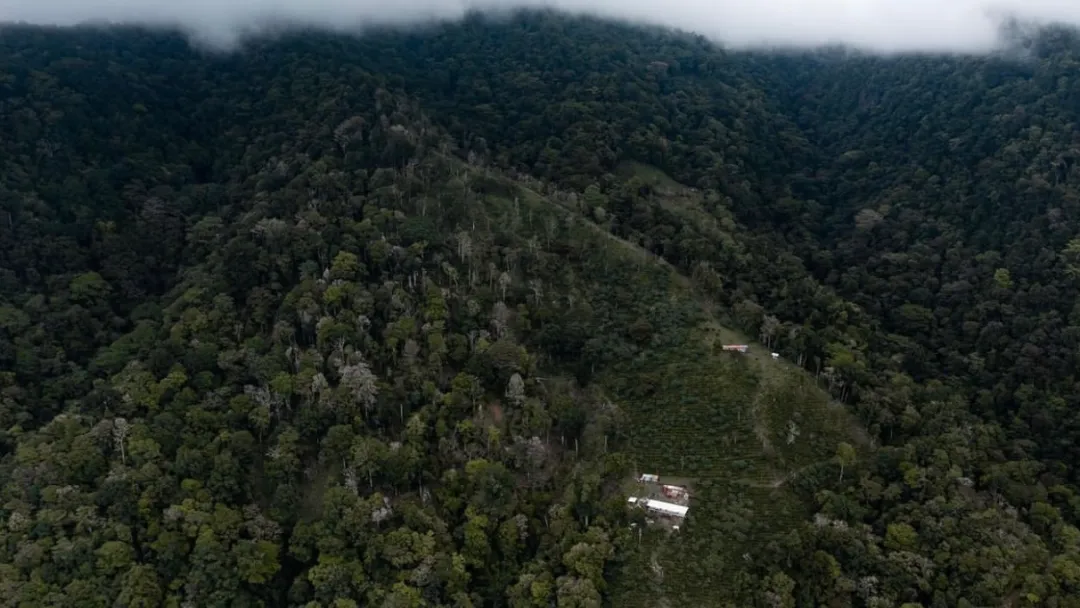
From the very beginning of the estate's establishment, Mr. Robert focused on the cultivation and production of high-quality coffee. His passion for coffee seems to have been woven into the family bloodline, passed down from generation to generation. Today, Elida Estate has been taken over by the fourth generation of the Lamastus family, and each generation has interpreted its dedication to and appreciation of coffee in its own way. In recent years, the Lamastus family also bought a new high-altitude estate—Trompo Estate—which is the fifth estate under the family's ownership.
Although the Lamastus family owns five estates in Panama, only three currently produce coffee beans. And each of these three estates is a highly renowned name in Panama! In addition to the main subject of this article, Elida Estate, the other two are 驴子庄园 and 路易托庄园. Because the three estates are located far apart from one another, the terroir conditions for coffee cultivation also differ. It is precisely these differences that give each estate's coffee a one-of-a-kind personality.
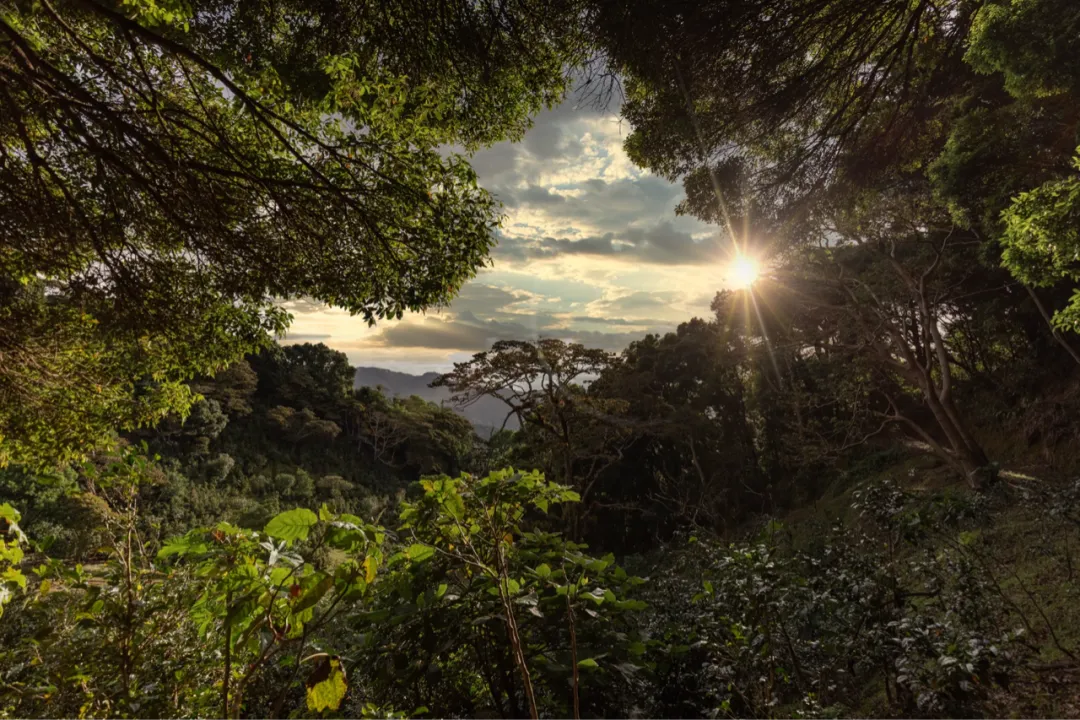
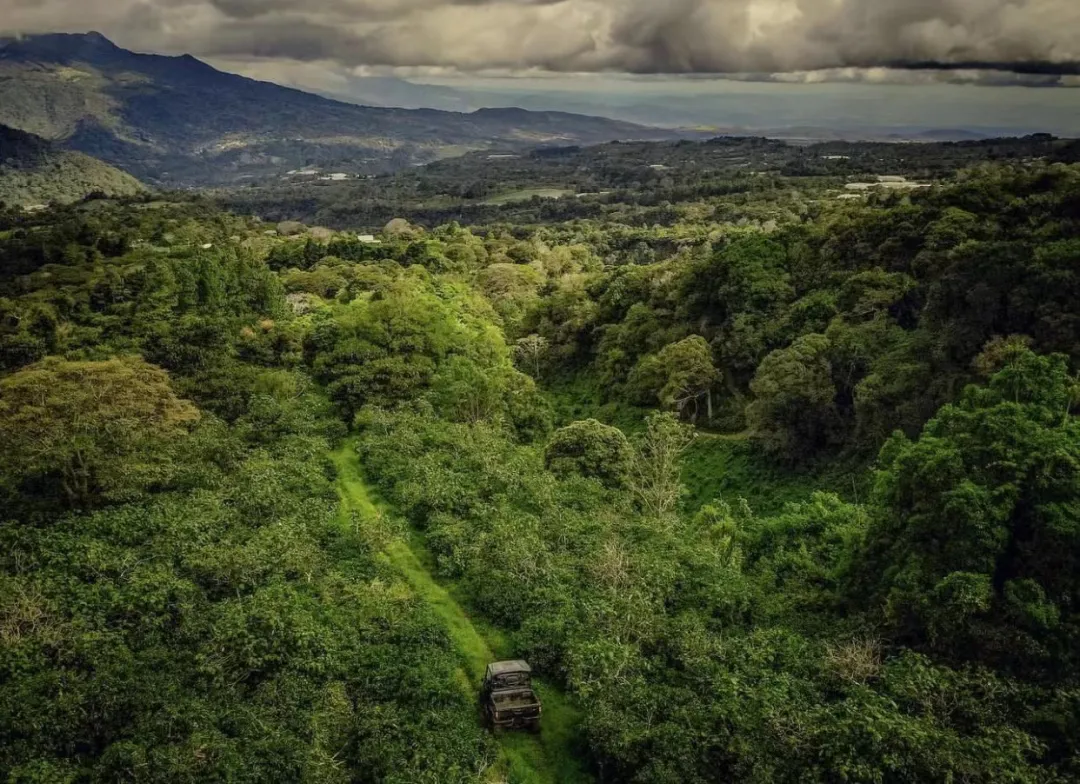
Returning to Elida Estate itself, it is the largest and highest-altitude farm among the three estates, covering 65 hectares! Although the total area is vast, the portion actually available for coffee cultivation is not that large. This is because more than half of Elida Estate's land lies within the boundaries of Volcán Barú National Park, where the felling of all trees is strictly prohibited as part of the nation's protected natural environment.
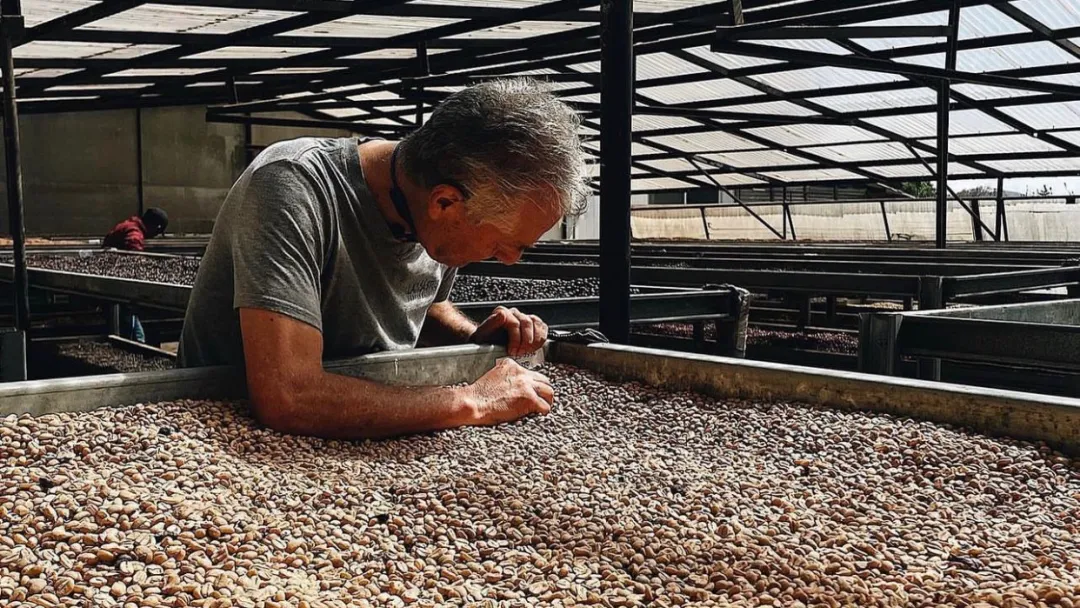
Therefore, only 30 of the 65 hectares can be planted with coffee. Even so, the superior growing environment—microclimate, volcanic soil, and pristine ecology—along with the high altitude still lays a solid foundation for the deliciousness of Elida coffee. Of course, this would not be possible without the Lamastus family's rigor and care in every stage of coffee harvesting and processing. It is precisely for this reason that the coffee from Elida Estate is so memorable and leaves a lasting aftertaste.
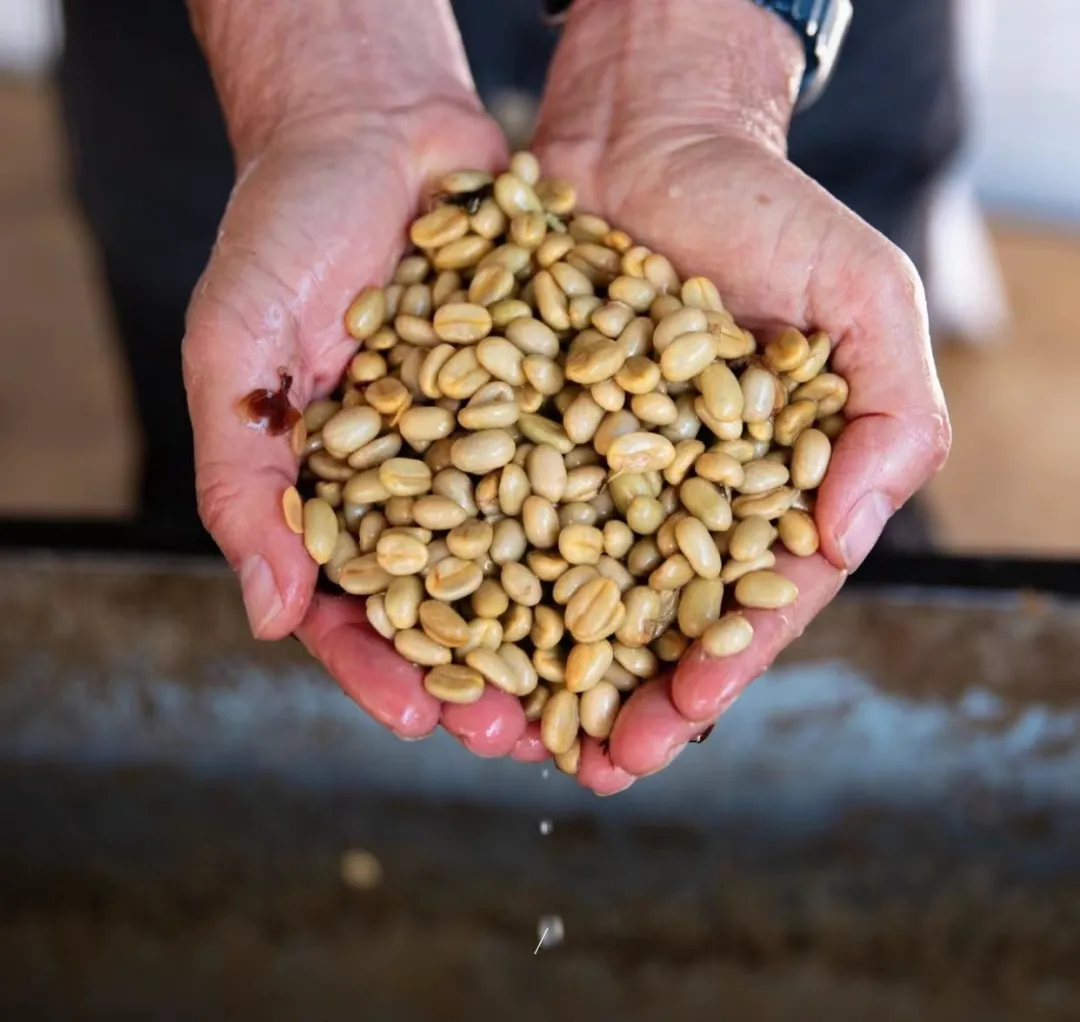

Flavor: pomegranate, honey peach, white floral, grape, black tea
After the Front Street Panama Elida Estate Natural Geisha was roasted, it was left to rest for 8 hours, and then Front Street cupped it immediately. This Front Street Elida Geisha likewise displayed intense white florals. The overall sweetness was extremely high, with aromas of pomegranate and white peach! Not only that, one could also perceive a rounded grape-like acidity, a silky mouthfeel, and an obvious tea-like note in the finish.
As the temperature dropped, the sweetness of honey peach turned into apricot, and the juicy quality became fuller and fuller, making it extremely pleasant!
The above content is compiled by CoffeeHunters, a coffee news website.


