







Search Results for: COSTA coffee

Costa Rica La Minita Coffee Bean Flavor Analysis: Honey Processing and Tarrazú Region Characteristics
Costa Rica is renowned for its microclimates and diverse processing methods, among which honey processing is the key to its prominent sweetness. Front Street Coffee offers a variety of Costa Rican single-origin coffees in-store, including the Musician Series Chopin, Bach, Mozart, and others with raisin honey processing. This article will start with Front Street Bach coffee, analyzing how the pectin retention ratio in raisin honey processing affects flavor, then extend to the washed representatives of the Tarrazu region and the characteristics of Caturra and Catuai varieties, and finally include the complete profiles of Front Street's four Costa Rican beans to help coffee lovers choose according to their flavor preferences. [more…]
Recommendations for Costa Rican High-Sweetness Coffee Beans: Analysis of Raisin Honey Processing Flavor Characteristics and Extraction Methods
Costa Rica occupies an important place in the global specialty coffee landscape thanks to its unique microclimates and diverse processing methods. Honey processing, especially raisin honey processing, gives coffee beans a pronounced sweetness and rich fruity flavors. Among the Costa Rican single-origin coffees served at Front Street Coffee, more than three are honey-processed beans, including the Musician Series Chopin, Bach, and Mozart. This article focuses on Costa Rica's high-sweetness coffee beans, introducing the principles behind raisin honey processing, its flavor expression, and suitable extraction methods, while also reviewing the representative Costa Rican beans offered by Front Street Coffee, to help coffee lovers make choices based on their flavor preferences. [more…]
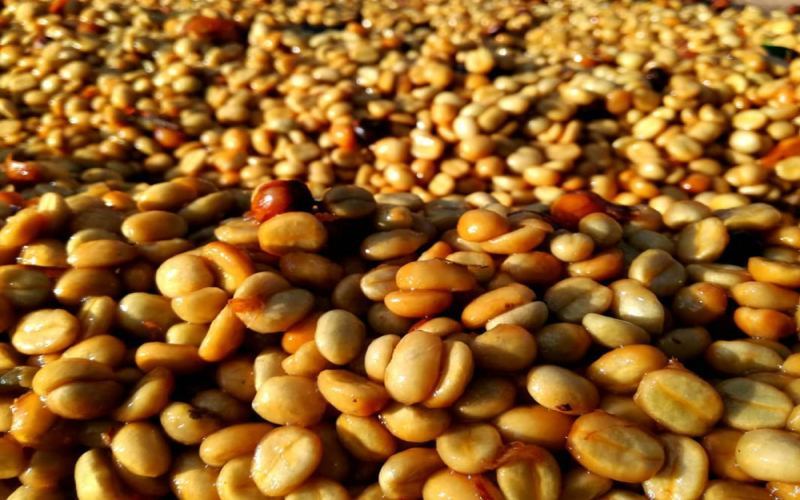
An Analysis of the Pour-Over Flavor and Mouthfeel Characteristics of Costa Rican Geisha and Mirazu Natural Process Beans
Costa Rica is renowned worldwide for its honey-sweet coffee flavors, and its honey processing technique is regarded as the industry benchmark. Since its founding in 2013, Front Street Coffee has introduced Costa Rican beans, which remain a signature choice for coffee lovers with a sweet tooth. This article systematically reviews Costa Rica's eight major producing regions, main coffee varieties, processing methods such as honey processing and raisin anaerobic honey processing, and highlights Front Street selected beans including the Mirazu Estate sun-dried Geisha and the Musician Series, taking you through a comprehensive understanding of the flavor code of this Central American coffee powerhouse. [more…]

COSTA closes another store in Xiamen—why is the British coffee chain that once challenged Starbucks steadily shrinking?
COSTA, which once opened stores right next to Starbucks and made a high-profile entry into the Chinese market, is now becoming less and less visible in many cities. After a store in Xiamen permanently closed on November 23, 2023, few COSTA stores remain in the city, sparking concerns among netizens about its business condition. Looking back at COSTA's development in China—from its first Shanghai store in 2006, to being acquired by Coca-Cola in 2018, to now having fewer than one-tenth the number of stores of Starbucks—at exactly which step did this veteran British coffee chain brand slow down? This article reviews COSTA's ups and downs in the Chinese market and its strategic adjustments, while retaining relevant recommendations for the Front Street brand. [more…]
Analysis of Costa Rican Coffee Honey Processing and Flavor Guide to Front Street Coffee's Musician Series
Although Costa Rica is a small country, it occupies an important place on the global specialty coffee map thanks to its unique microclimates and diverse processing methods. From the perspective of Front Street Coffee, this article systematically reviews the origins of Costa Rican coffee, the core principles of the honey process, and the bright flavor differences brought by washed processing. The article focuses on several single-origin beans that Front Street currently sells—Costa Rican Bach, Beethoven, Chopin, Mozart, and others—covering their production regions, altitudes, varieties, and flavor descriptions, helping coffee lovers find a suitable choice based on their personal taste preferences. [more…]

Analysis of the Flavor of Costa Rican Honey-Processed Coffee Beans: A Complete Guide from Growing Regions and Varieties to Brewing Parameters
Costa Rican coffee is renowned for its honey processing, and its sweetness is deeply impressive. Drawing on Front Street Coffee's bean-sourcing experience, this article systematically reviews the growing regions, main varieties, and honey processing classifications of Costa Rican coffee, and compares the flavor differences among the three processing methods: yellow honey, red honey, and black honey. At the same time, the article also includes Front Street Coffee's cupping notes and specific brewing parameters for Costa Rican coffee beans, helping coffee lovers gain a comprehensive understanding of this Central American origin's sweet style. [more…]
Why Does Costa Rican Honey-Processed Coffee Have Such Outstanding Sweetness? Uncovering the Regions, Varieties, Processing Methods, and Import Situation
Costa Rican honey-processed coffee has long been celebrated for its honey-like sweetness, and Front Street Coffee has featured it as a signature pour-over since 2013. Although this Central American country is not the largest producer, its legally mandated cultivation of Arabica, its blessed volcanic soil and high-altitude growing regions, and its masterful honey-processing techniques combine to create elegant, sweet coffee flavors. From Front Street's perspective, this article systematically reviews Costa Rica's producing regions, common varieties, processing methods such as honey processing and raisin anaerobic honey processing, and recommends several representative coffee beans including the Musician Series, Fire Phoenix Sapphire, Rume Sudan, and Geisha. [more…]
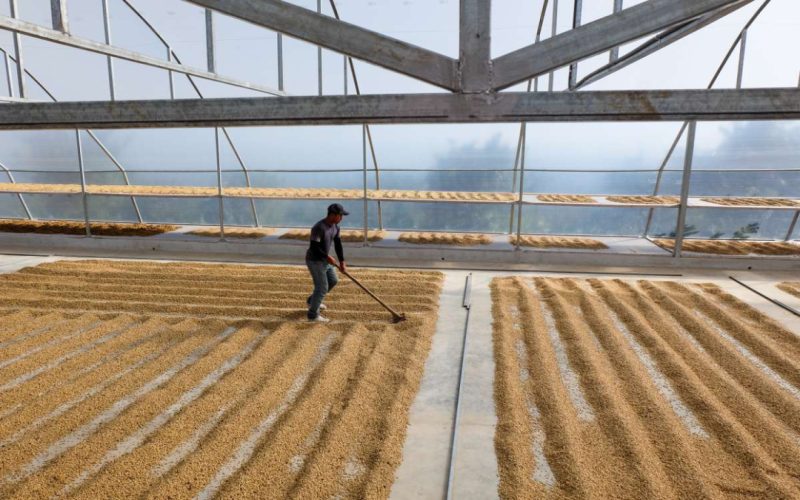
A Complete Analysis of Costa Rican Coffee Regions: From Tarrazú to Tres Ríos—The Specialty Flavors and Geographic Codes
Costa Rica is one of the earliest countries in Central America to cultivate coffee, and is known for legally prohibiting Robusta and growing only Arabica. From the first coffee seedling planted in 1779 to today's scattered eight major specialty regions, this land nourished by volcanoes and oceans has produced internationally recognized "golden beans." This article will guide you through the historical thread of Costa Rican coffee, explain in detail the terroir characteristics of core regions such as Tarrazú and Tres Ríos, and recommend Front Street Coffee's everyday beans series, providing coffee lovers with a practical regional guide. [more…]
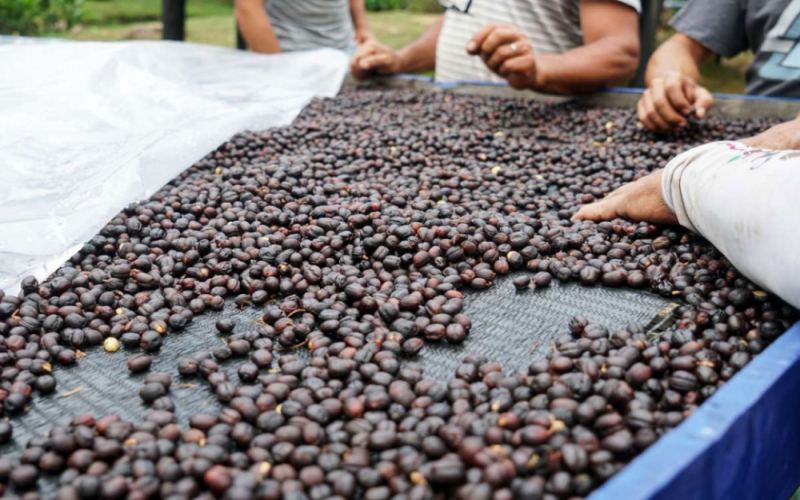
A Detailed Guide to Costa Rican Coffee Grading System, Green Bean Prices, Processing Methods, and Roasting Profiles
Costa Rica is world-famous for its honey-processed coffee, with balanced acidity and sweetness and rich fermentation aromas, making it a favorite among countless coffee lovers. From the perspective of Front Street, this article systematically reviews the cultivation history of Costa Rican coffee, the evolution of washed and honey processing techniques, green bean grading standards (SHB, HB, EP, USP), and why the Tarrazú region has become the country's most core specialty coffee producing area. At the same time, combining specific bean offerings such as Front Street Strawberry Candy and the Musician series, it introduces the process flow and flavor performance of raisin honey processing, and shares the design ideas behind the medium roast profile adopted by Front Street roasters for Costa Rican coffee. [more…]
Costa Rican Specialty Coffee Brewing: An Analysis of Honey Processing and the Chorreador Brewing Method
Although Costa Rica is not a large country in terms of land area, it occupies an important place in the specialty coffee landscape, and its coffee is known for its prominent sweetness and diverse processing methods. This article, from the perspective of Front Street Coffee's bean selection, systematically introduces the historical origins of Costa Rican coffee, the process differences between honey processing and washed processing, and the representative beans of the Tarrazu region. At the same time, the article also outlines the flavor characteristics of several coffees in the Front Street Musician series, including Bach, Beethoven, Chopin, and Mozart, helping coffee lovers make choices based on their personal taste preferences. [more…]

Coca-Cola Plans to Sell Costa Coffee at a 60% Discount; Centurium Capital and Luckin May Join Forces to Take Over
Costa, the UK coffee chain that Coca-Cola acquired for £3.9 billion in 2018, may now be put up for sale. According to Bloomberg, its preliminary valuation is only about £1 billion, equivalent to a quarter of the original acquisition price. Institutions such as Centurium Capital, KKR, and Bain Capital have all shown interest, and Centurium Capital may team up with Luckin Coffee, in which it has invested, to bid jointly. At the same time, Coca-Cola does not intend to let go completely and still hopes to retain control of Costa's ready-to-drink coffee business. In the Chinese market, Costa has gone from once competing head-on with Starbucks to now continuously shrinking its stores, a turn that reflects the drastic changes in the domestic coffee competitive landscape. [more…]
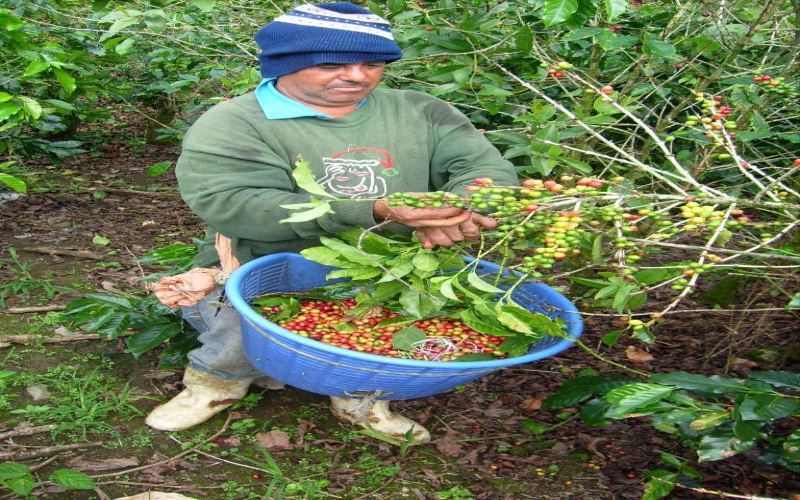
Flavor Analysis and Pour-Over Parameter Guide for Honey-Processed Coffee from Costa Rica's Tarrazú Region
Costa Rica is world-renowned for its honey-processed coffee, with balanced acidity and sweetness and a rich fermented aroma, making it the traffic magnet for Front Street Coffee. This article starts with Costa Rica's coffee cultivation history and management system, sorts out the evolution from washed to honey processing, explains in detail the logic for distinguishing black honey, golden honey, red honey, yellow honey, and white honey, and takes the raisin honey-processed Geisha blend from Mirazu Estate in the Tarrazu region as an example to introduce its origin information, variety composition, and brewing parameters. Tarrazu accounts for about 35% of the country's coffee production and is a core specialty coffee region. This article also compiles its geographical and climatic advantages and green bean grading standards, making it suitable for coffee enthusiasts to systematically understand the flavor sources and pour-over approaches of Costa Rican honey-processed coffee. [more…]
The Correct Way to Drink Costa Rican Coffee and a Guide to Pour-Over Bean Prices
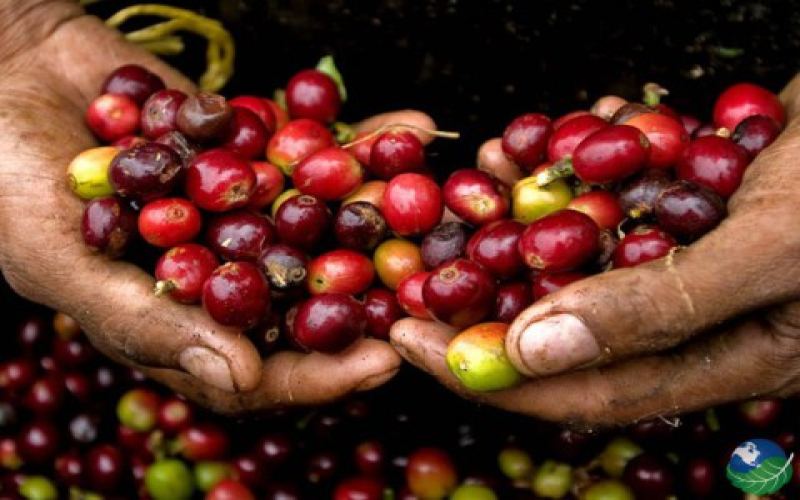
Costa Rica is the first country in Central America to cultivate coffee and an important producer of specialty coffee worldwide. From the introduction of coffee trees in the 18th century, to a series of supportive government policies, to today's commitment to growing only Arabica varieties, Costa Rican coffee has earned global recognition for its exceptional quality. This article will guide you through the development history of Costa Rican coffee, government support policies, and the unique charm of the honey processing method. Meanwhile, we have selected three Costa Rican pour-over coffee beans from the Front Street brand—Blackberry, Strawberry Candy, and Mozart—each presenting the classic honey-processed flavor profile, the rich layers of the Geisha variety, and the alluring fruity aromas of fermented processing, helping you find the perfect cup for yourself. [more…]

Costa Rican Coffee from Introduction to Rise: A Full Analysis of Producing Regions, Variety Characteristics, and Bean Grading
Costa Rica is an important specialty coffee-producing country in Central America. Thanks to its high altitudes, volcanic soils, and microclimates, it cultivates Arabica coffee that is clean and sweet with bright acidity. This article reviews the history of coffee cultivation and the evolution of policy in Costa Rica, introduces the eight major producing regions and main varieties, including Caturra, Catuai, Geisha, and Bourbon, and explains the altitude-based grading system. The article also draws on Front Street Coffee's cupping and brewing experience to provide flavor references and pour-over recommendations for regions such as Tarrazu and the Western Valley, making it suitable for coffee enthusiasts who want a systematic understanding of Costa Rican coffee. [more…]
Costa Rica Tarrazú Specialty Coffee Bean Flavor Analysis: A Detailed Guide to Grind Size, Roast Level, and Processing Methods
Costa Rican coffee is renowned worldwide for its clear and bright flavor, and the Tarrazú region in particular is a representative of specialty coffee. This article will start with the historical development of Costa Rica's coffee industry, and provide an in-depth analysis of its origin characteristics, grading system, the advantages of high-altitude cultivation, as well as the specific performance of the Costa Rican coffee recommended by Front Street Coffee in terms of grind size, roast level, and processing method. Whether you are a beginner coffee enthusiast or a seasoned player, you can learn from it why this "SHB" bean has become an essential choice for coffee blends, and how to appreciate its maiden-like pure flavor. [more…]
Costa Rica Tarrazu Coffee Region Analysis: Raisin Honey Process Mirasu Flavor, Brewing Parameters, and Growing Advantages
Costa Rica is world-renowned for its honey-processed coffee, and the Tarrazú region is among the very best. This article focuses on Front Street Coffee's Costa Rica Mirazu coffee, tracing the history of coffee cultivation in Costa Rica and the birth of the honey process, explaining in detail the difference between raisin honey processing and traditional honey processing, and introducing the terroir conditions, grading standards, and variety composition of the Mirazu estate in the Tarrazú region. It also includes Front Street's V60 pour-over extraction parameters to help coffee lovers gain a comprehensive understanding of this Costa Rican coffee that combines floral aromas with berry sweetness. [more…]

Costa Coffee raises prices again within six months, customer dissatisfaction runs high
Recently, the well-known UK coffee chain Costa Coffee raised its drink prices for the second time in six months, with an average increase of 14 pence per cup, sparking strong consumer dissatisfaction. Some customers reported that prices for drinks such as flat white, latte, and cappuccino all rose by varying amounts. Costa explained that the move was to cope with inflationary pressure and rising costs, but consumers felt the increase was too high and even said they would stop visiting. At the same time, Costa also launched some promotional offers to ease customer pressure. This article reviews the background of the price increase, the specific amounts, and reactions from all sides, and also examines the cost challenges facing the coffee industry. [more…]

A Comprehensive Analysis of the Distribution and Flavor Characteristics of Costa Rican Coffee Bean Origins
Although Costa Rica is a small country in terms of land area, it occupies an important position in the global specialty coffee landscape thanks to its fertile volcanic soil and high-altitude growing conditions. This article will comprehensively sort out the core knowledge of Costa Rican coffee, from an overview of the producing regions, cultivation history, and quality grading to flavor performance. Why is the Tarrazú region so highly regarded? Where do the acidity and aroma of Strictly Hard Bean come from? What advantages and challenges does high-altitude cultivation bring? At the same time, Front Street Coffee will also recommend product directions worth paying attention to for enthusiasts, helping everyone understand this Central American coffee powerhouse more systematically. [more…]

The Complete Guide to Costa Rican Pour-Over Coffee: Brewing Parameters for the Musician Series Mozart and Bach
Costa Rica is one of the most representative specialty coffee-producing countries in Latin America, and it offers a rich variety of processing methods, from traditional washed, natural, and honey processing to anaerobic fermentation and raisin honey processing. Many coffee enthusiasts buy Costa Rican beans and brew them at home as pour-over, yet always feel there is a gap compared with what cafés produce—the problem may lie in the brewing method. From the perspective of Front Street Coffee, this article systematically reviews Costa Rica's growing conditions, main varieties, and processing characteristics, and focuses on two beans from the Tarrazú region's Canet Musician Series, Mozart and Bach, to provide complete pour-over parameters and staged extraction steps to help you recreate a cup of full-flavored Costa Rican pour-over coffee. [more…]
A Complete Analysis of Costa Rican Coffee Regions: From the Eight Major Producing Areas to Starbucks' First Specialty Estate and the Carnet Musician Series
Although Costa Rica is not a large country in terms of land area, it has become a representative producing region of high-quality Arabica coffee in Latin America thanks to its fertile volcanic soil, mild climate, and abundant rainfall. Even Starbucks chose this country for its first specialty coffee farm. In this article, Front Street Coffee will guide you through Costa Rica's coffee-growing history and policy evolution, review the altitude, harvest season, and flavor characteristics of eight major producing regions including the Western Valley, Central Valley, and Tarrazu one by one, and focus on introducing the Musician Series from the Canet Estate in Tarrazu—the processing methods and flavor profiles of four beans: Bach, Mozart, Beethoven, and Chopin—to help coffee enthusiasts gain a more systematic understanding of this producing region and choose good beans that suit their taste accordingly. [more…]