







Although Costa Rica is a small country, it occupies an important place in the global specialty coffee landscape thanks to its unique microclimates and diverse processing methods. From the perspective of Front Street Coffee, this article systematically reviews the origins of Costa Rican coffee, the core principles of honey processing, and the bright taste differences brought by washed processing. The article focuses on several single-origin beans currently sold by Front Street, including Costa Rica Bach, Beethoven, Chopin, and Mozart, covering producing regions, altitudes, varieties, and flavor descriptions, to help coffee lovers find a suitable choice based on their personal taste preferences.
For more specialty coffee knowledge, please follow the WeChat public account: Front Street Coffee (FrontStreet Coffee)
Specialty coffee shops continue to emerge around the world, and total coffee consumption is quite astonishing, with at least more than 500 million cups consumed daily, about half of which appear in breakfast settings. This shows that coffee's share in daily diets is continuing to increase. Today, Front Street wants to bring everyone coffee beans produced in Costa Rica with a particularly prominent sweetness.
The origin of coffee can be traced back to the green seed wrapped inside the red fruit of the coffee tree. Costa Rica's coffee cultivation history begins with the introduction of seedlings from Cuba, which also made the country the first in Central America to achieve commercial coffee cultivation. Perhaps thanks to its distinctive local microclimatic conditions, Costa Rica shows rich diversity in coffee bean processing methods - in addition to conventional washed and natural methods, honey processing is an extremely common choice locally.
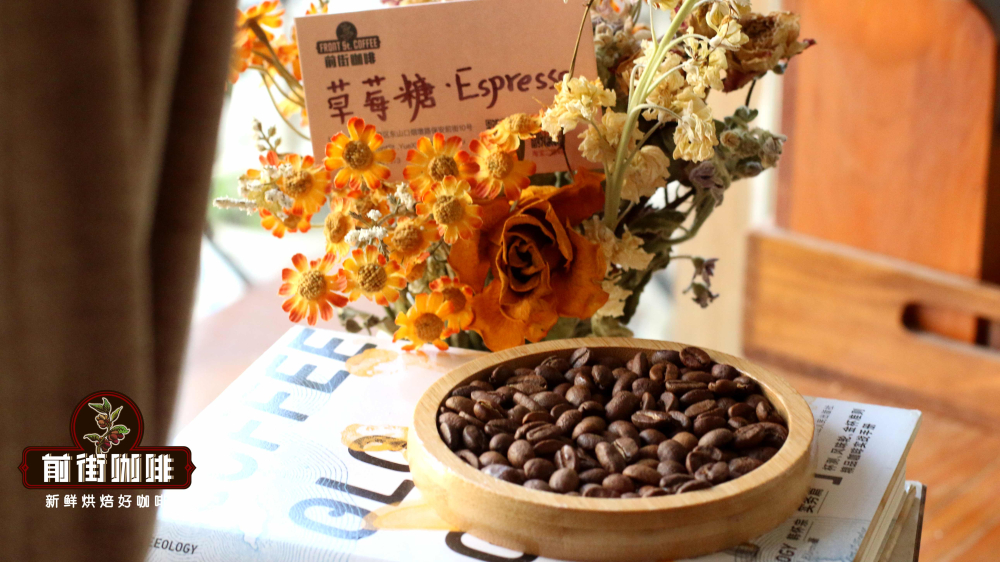
Among the Costa Rican single-origin beans available for customers to choose from at Front Street Coffee (FrontStreet Coffee) stores, no fewer than three use honey processing, such as Chopin, Bach, and Mozart from the Musician Series under raisin honey processing. In addition, Front Street Coffee (FrontStreet Coffee) has also launched a Geisha blend called "Front Street Strawberry Candy," whose aroma combines full raisin, cream, and strawberry gummy notes, with a smooth mouthfeel, and it can be brewed in multiple ways such as with a moka pot, pour-over, espresso machine, or cold brew. Those interested can purchase it from the Front Street Taobao store or the Front Street Tmall flagship store.
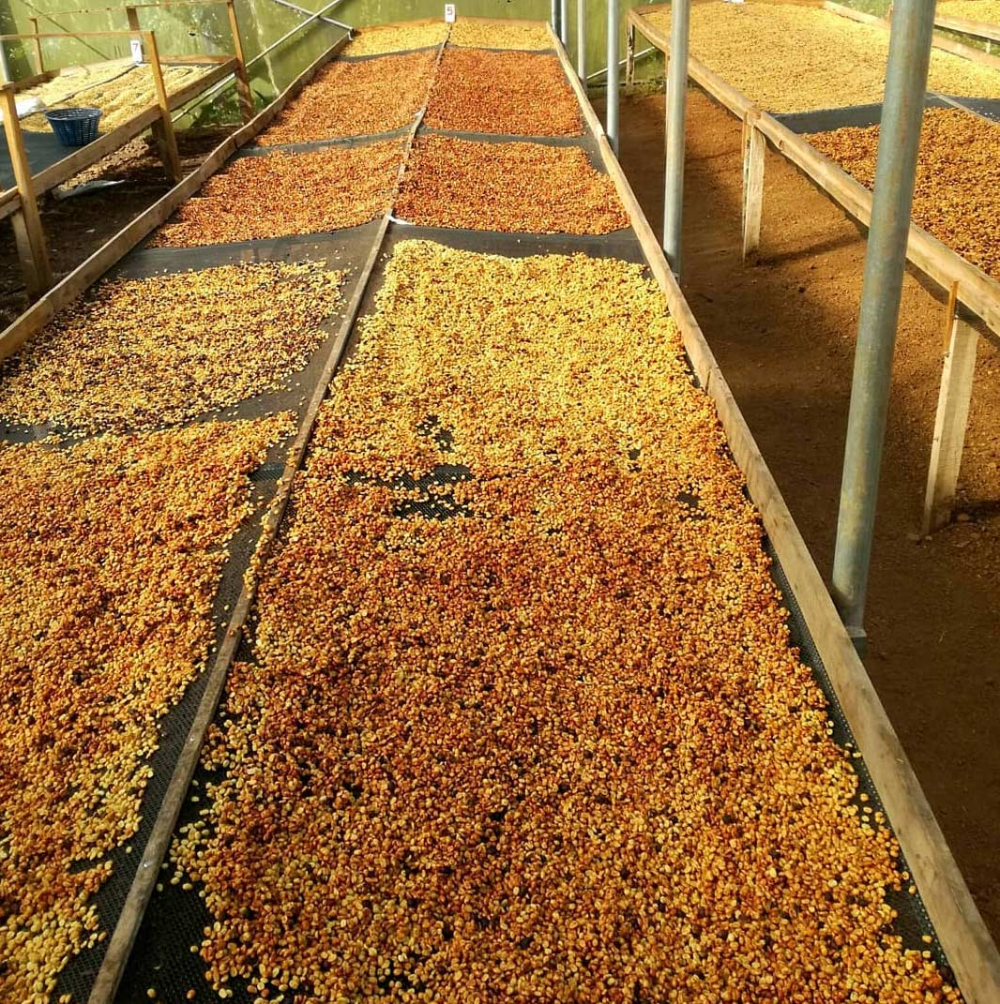
Through long-term cupping, Front Street has found that coffee beans processed by the honey method usually have higher sweetness than those processed by other methods. Take a Bach coffee bean listed by Front Street as an example. It uses raisin honey processing to process the fruit. After flotation, the fruit's ripeness is relatively consistent. Then the skin and pulp are removed, but it does not enter a water tank for fermentation to remove the mucilage layer. Instead, it is directly sun-dried with the mucilage still on. Depending on the proportion of mucilage retained, it is further divided into yellow honey, red honey, and black honey: yellow honey retains about 40% mucilage, red honey retains about 25% mucilage, and black honey removes almost no mucilage.
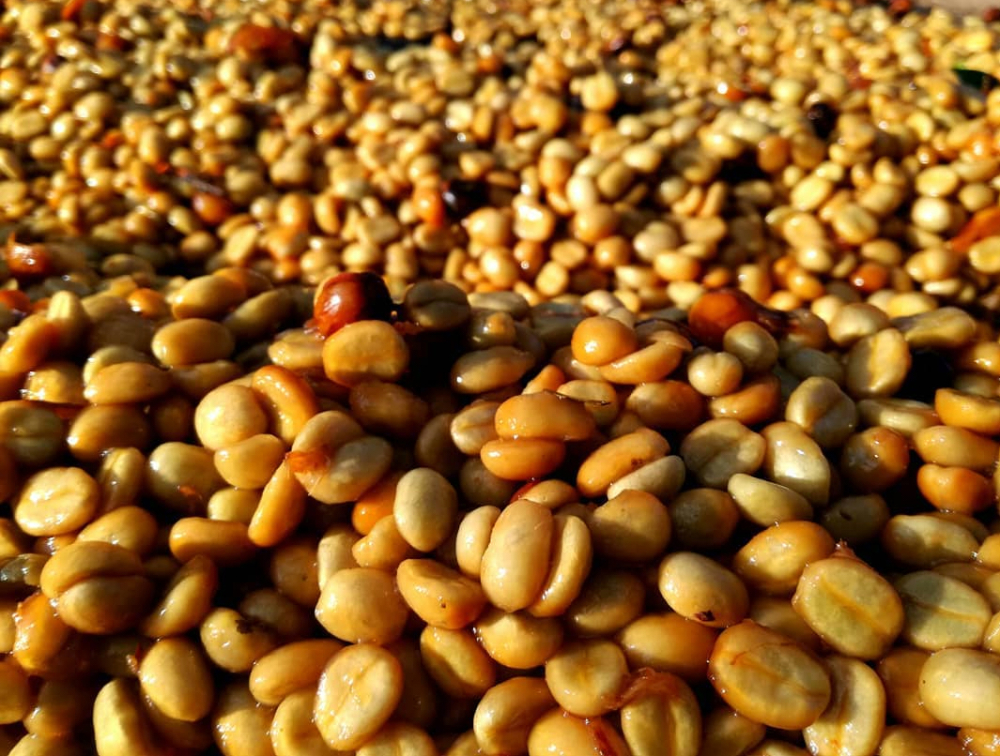
Therefore, when you taste this Front Street Costa Rica Bach coffee, you can feel rich fruit notes, such as apple, strawberry, grape, and so on. The prominent sweetness of Front Street Costa Rican coffee comes partly from this honey processing method. The drying cycle of honey-processed green beans is shorter than that of generally washed processing, and almost no fermentation occurs during the drying stage. This process uses less water and does not require more funds to build large water tanks and drying yards. This processing approach in Costa Rica is quite favored by processing plants, and many processing plants have followed suit.
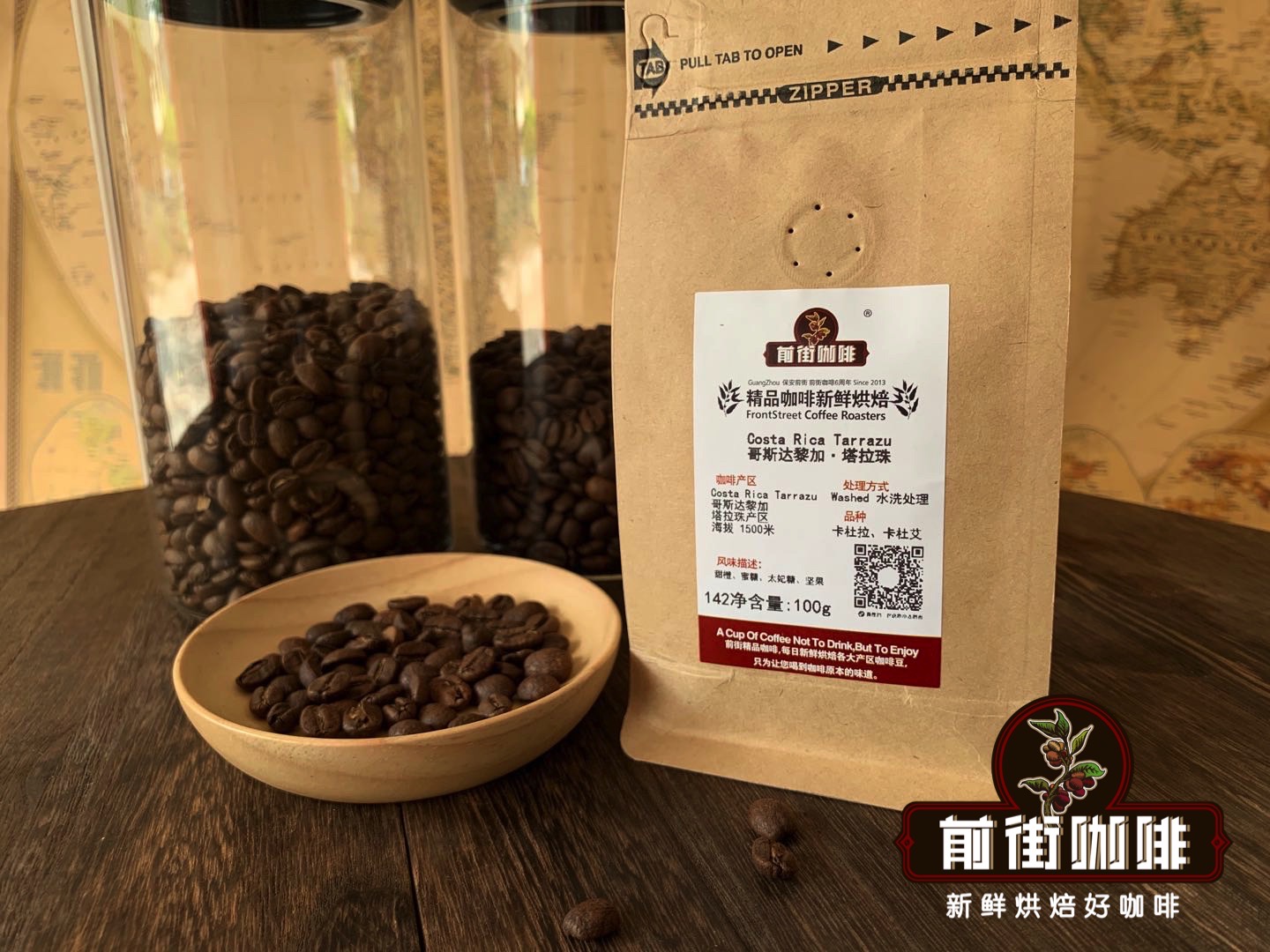
This Bach coffee bean listed by Front Street can be regarded as a relatively representative work from Costa Rica's Tarrazu producing region. According to Front Street's understanding, the Tarrazu producing region is a long-established producing area in Costa Rica, and most of the coffee produced there reaches specialty grade. Take Front Street Costa Rica Tarrazu coffee processed by the washed method as an example. It uses a large amount of clean water to remove the pulp and skin, and removes the mucilage layer through tank fermentation, followed by sun drying. Washed processing can improve coffee quality while reducing the proportion of defective beans. Front Street believes that washed processing gives this Costa Rican coffee a relatively bright profile, with sweetness similar to orange juice and a texture of toffee and honey.
Basically, people are used to associating Costa Rican coffee beans with "honey processing." Most customers who have drunk Costa Rican coffee at Front Street Coffee (FrontStreet Coffee) tend to think its flavor is on the sweet side. Perhaps it is the combined effect of favorable timing, geographical advantages, and harmonious conditions that has created Costa Rica's high coffee yield and high quality - though the country is small, it is rich in species and relatively abundant in natural resources.
It is precisely this terrain and climate that are very suitable for growing Caturra and Catuai varieties, and Costa Rica's coffee varieties are also mainly these two. For example, the Tarrazu coffee in Front Street's daily beans series uses Caturra and Catuai. However, Costa Rica also has its own coffee variety - Villa Sarchi. This variety is relatively rare and suitable for planting at high altitudes. It has strong wind resistance, but needs shade trees to support it for better growth.
The Costa Rican government attaches great importance to coffee bean quality. To develop the economy, it promotes cultivation by distributing coffee seedlings to farmers for free. So it is not without reason that Costa Rica can produce high-quality coffee. It is precisely because of the excellent performance of Costa Rican coffee beans that Front Street has listed many beans from the country and launched the Costa Rica Canet Musician Series.
These Musician Series coffees listed by Front Street are quite popular with customers, and each coffee bean has a unique flavor personality. For example, Beethoven coffee smells of light fermented wine aroma and floral notes, accompanied by a bit of citrus and berry acidity. Mozart coffee presents raisin-like acidity, and after the temperature drops, the flavor leans more toward fermented wine aroma. When drinking Front Street Chopin coffee, you first smell rich rose fragrance, then taste citrus acidity, and its sweetness emerges very prominently.
1. Front Street Costa Rica Bach Coffee Beans Country: Costa Rica Producing Region: Tarrazu Altitude: 1950m Processing Method: Raisin Honey Processing Grade: Strictly Hard Bean SHB Variety: Caturra Flavor Description: Sweet and colorful assorted fruits, with diverse expressions of strawberry, apple, lemon, grape, and citrus, and unforgettable notes of honey and toffee.
2. Front Street Musician Series Beethoven Coffee Beans
Country: Costa Rica Producing Region: Tarrazu Altitude: 1,900m Processing Method: Washed Processing Grade: SHB Variety: Yellow Catuai Flavor Description: Aromas of green grape, vanilla, strawberry, melon, and citrus, with the acidity of red pomegranate juice, good cleanliness, a smooth mouthfeel, and a slight green kiwi acidity.
3. Front Street Musician Series Chopin Coffee Beans Country: Costa Rica Producing Region: Tarrazu Altitude: 1,800-1,900m Processing Method: Raisin Honey Processing Grade: SHB Variety: Catuai Flavor Description: Apple, vanilla, honey, cream, maple syrup, rose, lemon citrus, dark chocolate, and coffee flower notes.
4. Front Street Musician Series Mozart Coffee Beans Country: Costa Rica Producing Region: Tarrazu Altitude: 1,800m Processing Method: Raisin Honey Processing Grade: SHB Variety: Catuai Flavor Description: The sweetness and berry aroma are astonishing! The sweetness, body, and thickness are quite good, with a ripe-fruit sweetness similar to dried banana. The Front Street Costa Rica Musician Series coffees differ clearly in flavor, so everyone can choose a suitable Costa Rican coffee bean according to their own flavor preferences.
The above content is compiled by CoffeeHunters, a coffee news website.


