







Search Results for: Buying top-tier coffee beans
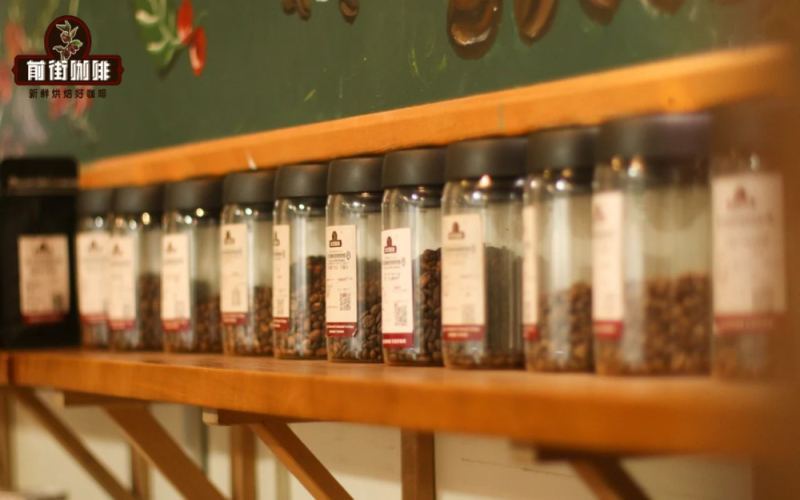
Top-Tier Coffee Bean Buying Guide: Which Channels Are Trustworthy? Key Points for Beginners Choosing Specialty Beans and Front Street Brand Recommendations
Faced with a dazzling array of specialty coffee beans, how to choose a reliable purchasing channel has become the primary challenge for many coffee lovers. Starting from the core element of freshness, this article systematically reviews representative beans from the world's ten most popular producing regions, including Jamaican Blue Mountain, Indonesian Golden Mandheling, Ethiopian Yirgacheffe, Brazilian Queen's Estate, Colombian Sidra, Kenyan Small Tomato, and Panamanian Geisha, and provides the origin, altitude, variety, processing method, and flavor description for each bean. At the same time, the article highlights the purchasing advantages of Front Street Coffee—supporting shipment within 24 hours, with all beans roasted within 5 days—helping beginners quickly find an entry-level specialty coffee that suits their taste. [more…]

Why is Panama Hacienda La Esmeralda Geisha so expensive? Analyzing top-tier Geisha flavor and key buying points
Geisha coffee has always been a hot topic in the coffee world, thanks to its unique flavor and jaw-dropping price. A single cup of auction-grade Geisha can cost thousands of yuan, and even regular lots sell for far more than ordinary varieties. What exactly makes Geisha so expensive? This article takes an in-depth look at the logic behind Geisha's high prices from the angles of yield, cultivation difficulty, and market demand, while also explaining in detail the classic flavor characteristics of Panama's Hacienda La Esmeralda Geisha and how to select coffee beans that truly carry that "Geisha taste." The article also specifically rounds up several Front Street Coffee Geisha products that meet the criteria of Panamanian origin, washed processing, and medium-light roasting, for enthusiasts to reference when making a purchase. [more…]
A Detailed Guide to Jamaica Blue Mountain Coffee Grading: Tiers from No. 1 Peaberry to Ordinary Washed and Buying Tips
Blue Mountain coffee is one of the world's recognized top-tier coffees, yet its grading system is often overlooked by enthusiasts. Based on cultivation altitude and green bean size, Jamaica divides Blue Mountain coffee into three major categories: Jamaican Blue Mountain coffee, Jamaican High Mountain coffee, and Jamaican Prime Washed coffee. Among these, the higher-grade Blue Mountain is further subdivided by screen size into No. 1, No. 2, and No. 3; these taste similar and differ only in size, and all are shipped in wooden barrels for export. This article systematically sorts out the logic of Blue Mountain coffee's grade classification, the characteristics of each tier, and common purchasing knowledge, and includes Front Street Coffee's related product recommendations to help readers fully understand the grading framework of this legendary Caribbean coffee. [more…]
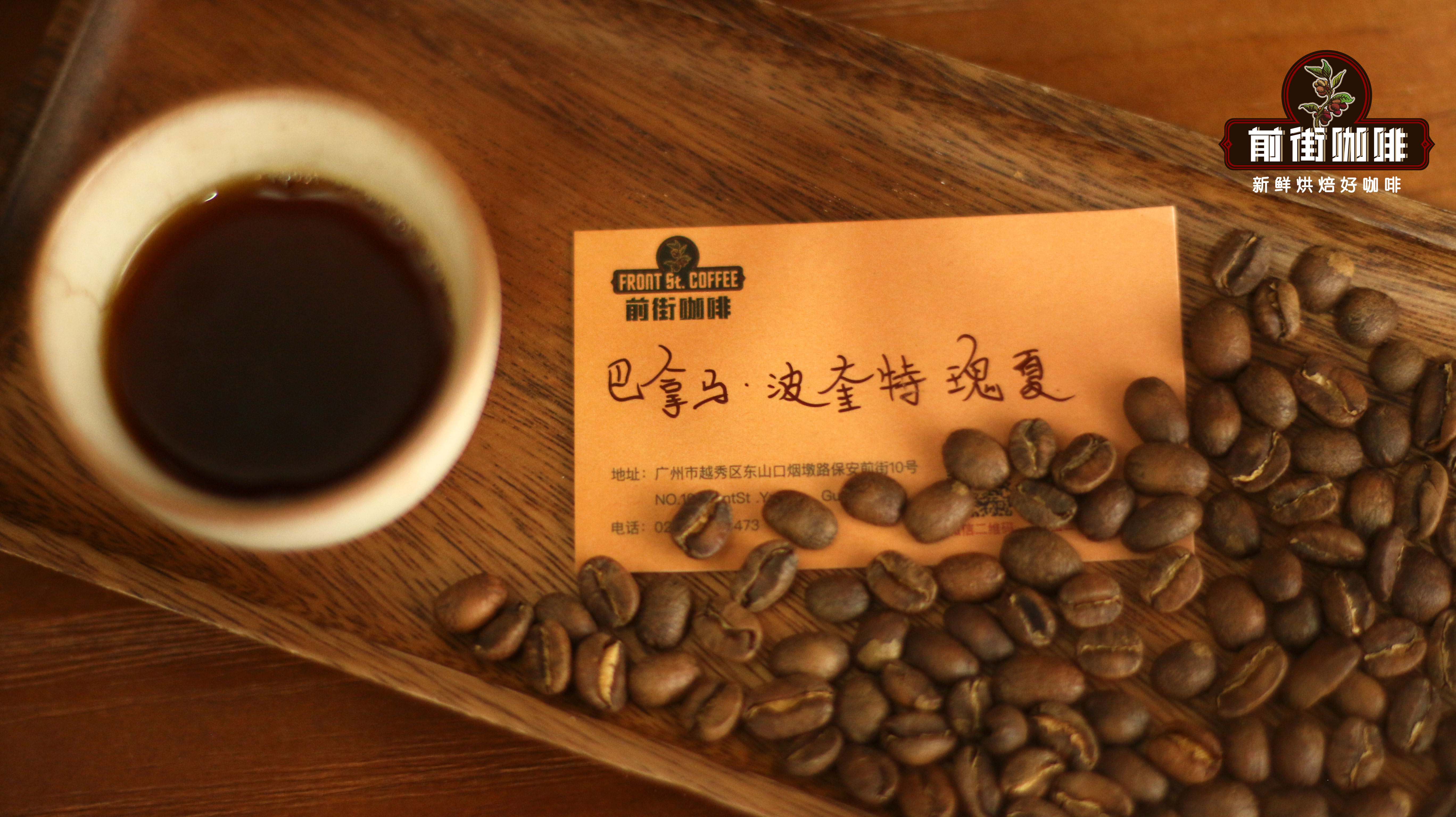
The Unique Charm of Top-Tier Geisha Coffee: Flavor Analysis and Brewing Guide for the Boquete Region of Panama
Panama Geisha, listed by Forbes as one of the world's ten most expensive coffees, has completely overturned the conventional impression that coffee can only be dark-roasted and full-bodied, thanks to its clean cup profile, delicate berry acidity, and rich floral aroma. As Geisha gained global popularity, high-altitude producing regions across Central America rushed to introduce it, but differences in terroir have given Geisha from each place a distinct personality. This article will take you deeper into the grading logic behind Panama Hacienda La Esmeralda's Red Label and Green Label, the microclimate advantages of the Boquete producing region, and Front Street Coffee's extraction approach and specific brewing parameters for the Geisha variety, helping you brew a layered floral and fruity cup at home. [more…]
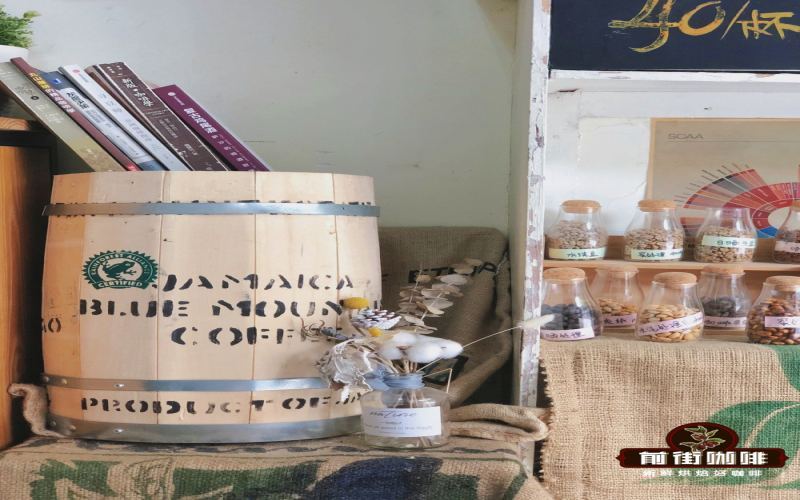
Jamaica Blue Mountain No. 1 Coffee Bean Brand Recommendation: A Full Analysis of Flavor Characteristics, Origin Story, and Brewing Parameters
Blue Mountain coffee is a classic representative of top-tier coffee. With its balanced flavor and high price, it has become an obsession for many coffee lovers. But on the market, products bearing the "Blue Mountain" name vary greatly in quality. Where exactly does genuine Jamaica Blue Mountain No. 1 come from, how is it graded, and what are its flavor characteristics? This article starts from the Clifton Farm Blue Mountain No. 1 selected by Front Street Coffee, sorts out the cultivation history and origin conditions of the Blue Mountain range, explains in detail the grading standards for Blue Mountain coffee, and includes Front Street's brewing parameters and flavor performance, helping readers gain a comprehensive understanding of this classic coffee. [more…]
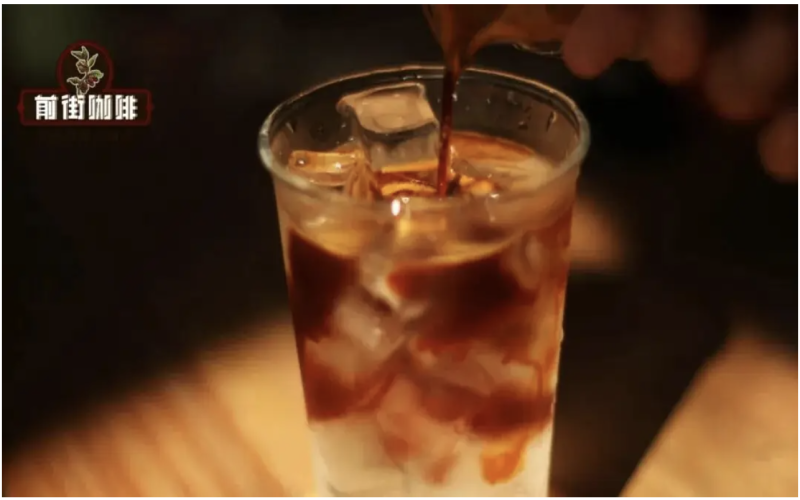
Cold Brew Coffee Bean Buying Guide
Cold brew coffee looks easy to make, but whether it tastes good or not is 70% down to the beans. Pick the right beans, and a simple soak in cold water brings out flavor; pick the wrong ones, and no matter how long you steep them, you're just left with a cup of "cold bitter water." Two principles for choosing beans for cold brew: First, prioritize light roasts and medium-light roasts. With low-temperature extraction, the floral and fruity aromas of light-roasted beans are preserved most completely, [more…]
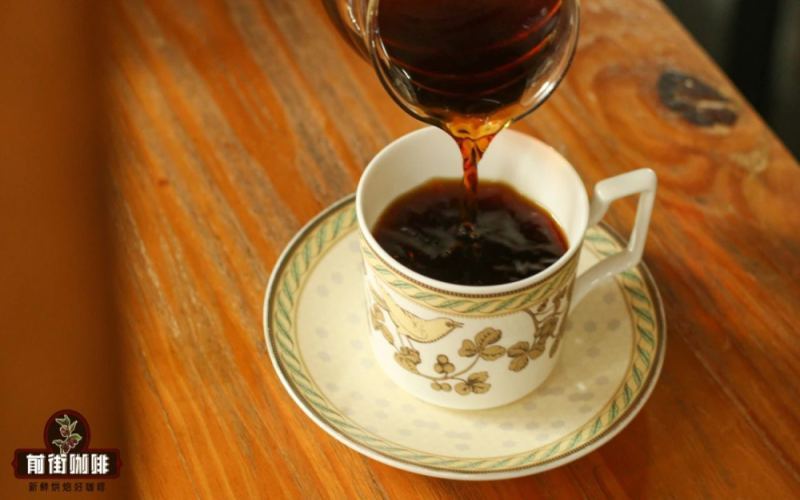
How to brew Panama Geisha coffee with a French press? Detailed explanation of coffee-to-water ratio, grind size, and operating steps
Geisha coffee is hailed as the king of the coffee world, but its high price makes it all the more regrettable if you brew it poorly after buying it. The Panama Geisha on Front Street Coffee's bean list is a light roast, known for its white floral notes, citrusy acidity, and honey-like sweetness. This article shares a complete method for brewing Front Street Coffee's Hacienda La Esmeralda Red Label Geisha with a French press, including water temperature, coffee dose, coffee-to-water ratio, grind size, and the four-minute immersion steps. It also introduces Geisha coffee's origin and terroir, the discovery history of Hacienda La Esmeralda, and several Panama Geisha products on Front Street Coffee's bean list, helping coffee lovers easily recreate the classic flavors of this top-tier coffee in their daily routine. [more…]
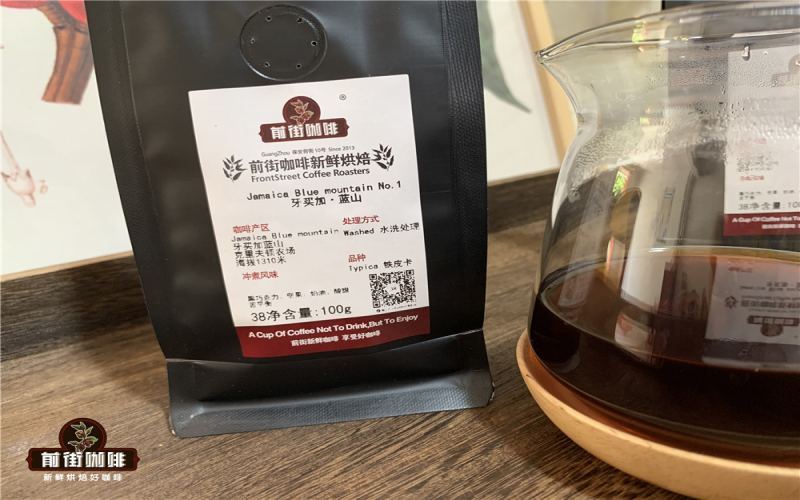
Why Is Jamaican Blue Mountain Coffee Hailed as Top-Tier? A Comprehensive Analysis of Its Pour-Over Flavor and Taste Characteristics
Blue Mountain coffee is often called one of the best coffees in the world. It is neither bitter nor sour, with a balanced flavor, like a cup of silky milk tea, and is therefore affectionately nicknamed "beauty coffee" by enthusiasts. But the excellence of Blue Mountain coffee is no accident—the unique geographical location of Jamaica's Blue Mountain range, its tropical rainforest climate, volcanic soil, and the Typica variety cultivated over more than two hundred years together create its unreplicable flavor. The Jamaican government implements strict grading and production-limiting, quality-preserving policies for Blue Mountain coffee, with unique standards from harvesting and processing to packaging. This article will comprehensively sort out the growing environment, variety characteristics, grading system, and processing methods of Blue Mountain coffee, and include Front Street Coffee's pour-over parameters and flavor description, taking you deep into this finest of the finest. [more…]
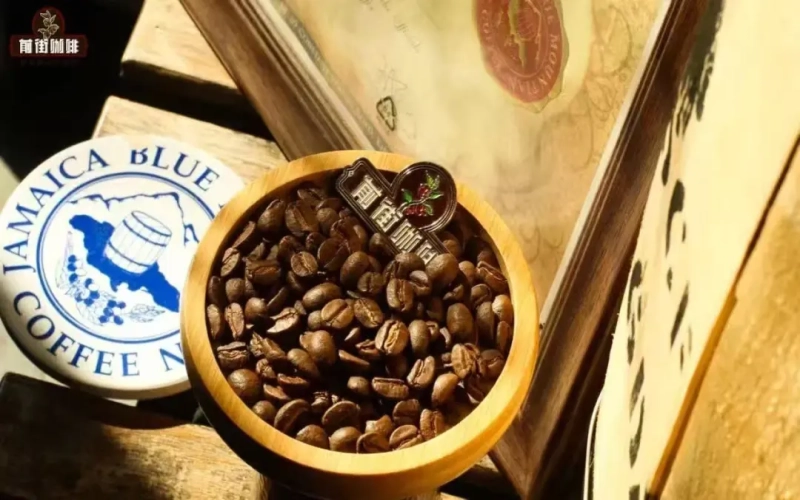
What tier does Jamaican Blue Mountain No. 1 occupy among coffees? How is its highest grade defined and enjoyed?
Blue Mountain coffee is often crowned with the name "nobility among coffees," and "Blue Mountain No. 1" is even regarded by seasoned enthusiasts as the top-tier designation. But many friends who are just getting into coffee are often baffled when they hear this term—what exactly does it refer to? Is it a code word for distinguishing authenticity? In fact, "No. 1" represents the highest grade in Jamaica's Blue Mountain coffee classification system, No. 1. Only Typica variety beans grown in designated production areas of the Blue Mountains at elevations between 900 and 1,700 meters, with green beans reaching screen size 17/18, a defect rate below 3%, and no more than 5% small beans, can earn this title. This article will systematically sort out the production area restrictions, historical evolution, and grading standards of Blue Mountain coffee, and, using the Clifton Estate Blue Mountain No. 1 currently sold by Front Street Coffee as an example, share its flavor performance and brewing parameters to help readers fully understand the true grade and drinking method of this legendary bean. [more…]
A Comprehensive Analysis of Geisha Coffee Flavor Characteristics and Notable Producing Regions, Estates, Varieties, and Processing Methods
Geisha coffee, with its clean and refreshing taste and rich sweet-and-sour flavor, has become one of the most sought-after varieties in the contemporary specialty coffee world. This article will take you through Geisha's legendary journey from the forests of Ethiopia to the estates of Panama, analyze the flavor differences and grading systems among Emerald Estate's red-label, green-label, volcanic-rock, and other grades of Geisha, and introduce the Geisha products and brewing suggestions offered by Front Street Coffee, presenting coffee lovers with a complete guide to Geisha coffee knowledge. [more…]
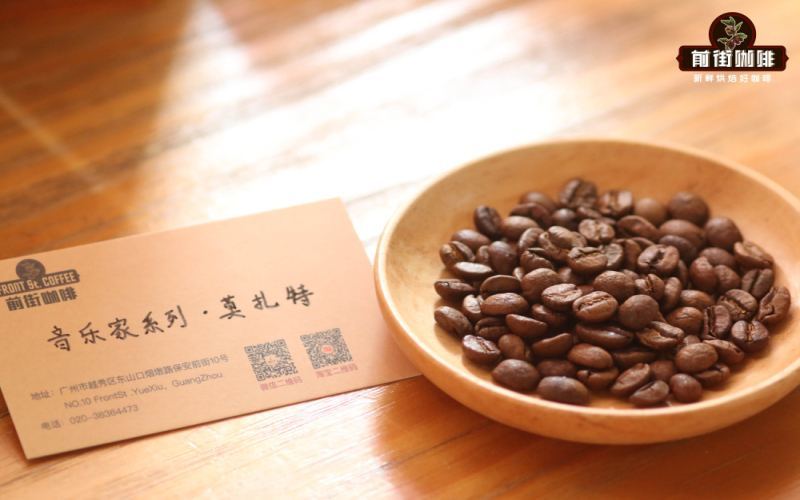
Costa Rican Coffee Bean Regions, Varieties, and Flavor Characteristics: Eight Major Producing Areas Including Tarrazú and Front Street Recommendations
Costa Rican coffee has long been renowned for its rich body and bright acidity, making it one of the representatives of high-altitude specialty Arabica. This article systematically reviews the country's main producing regions—Tarrazú, Monte Criso, Alajuela, Cartago, Heredia, and Tres Ríos—and introduces cultivars such as Typica, Caturra, Catuai, Villa Sarchi, Bourbon, and Gesha, as well as washed and drum-dried processing methods. The article also includes purchasing suggestions for Front Street Mozart, Front Street Strawberry Candy, and Front Street Tarrazú, helping coffee enthusiasts gain a comprehensive understanding of the flavor characteristics of Costa Rican coffee and how to choose it. [more…]
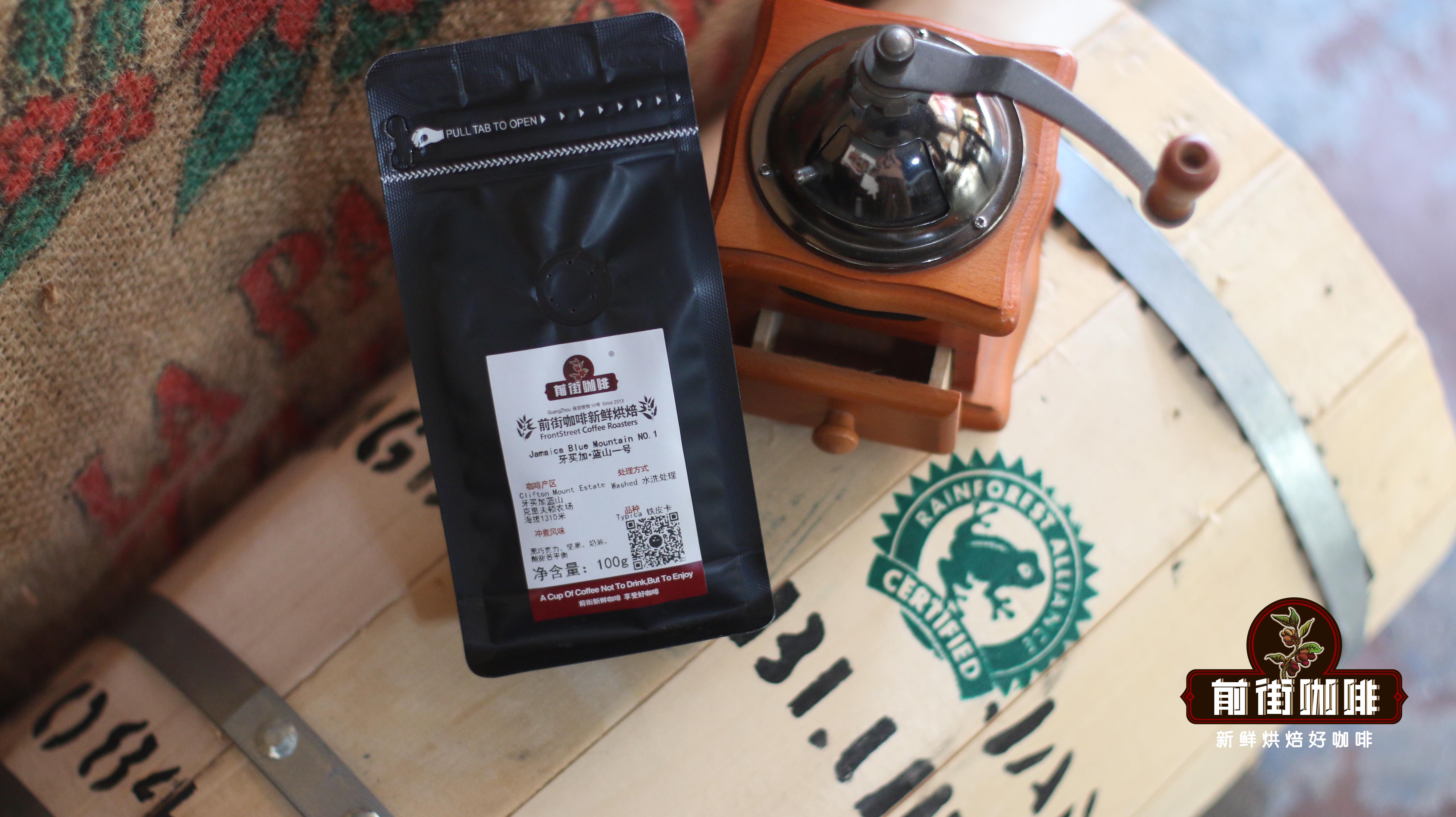
How to Choose Authentic Jamaican Blue Mountain Coffee? A Full Analysis of Brand Recommendations, Grade Standards, and Pour-Over Parameters
Blue Mountain coffee is hailed as the top-tier name in the coffee world, but how exactly do you tell authentic Jamaican Blue Mountain apart, and which brand is worth buying? This article begins with the history of Blue Mountain coffee's rise to fame, sorting through the Jamaican Blue Mountain coffee growing region regulations, grade classifications, and the wooden barrel packaging tradition. It then focuses on the estate background, washed processing method, and the pour-over parameters and flavor performance under medium-dark roasting of Front Street Jamaican Blue Mountain No. 1 coffee beans. Whether you are looking to get your hands on authentic Blue Mountain or want to figure out the judging criteria for Blue Mountain No. 1, this content will give you a clear reference. [more…]
Indonesia Medium-Dark Roast Mandheling Drip Coffee Buying Guide: How to Choose from Lintong to PWN Golden Mandheling
For busy office workers with tight schedules, drip bag coffee is a compromise that balances convenience and flavor. Among the many drip bag products, Indonesian Mandheling, with its rich body and unique aroma brought by dark roasting, has always been an extremely popular option. The darker the roast, the more the acidic substances in the coffee are broken down, and caramelization reactions along with bitter and smoky tones come to dominate, making the mouthfeel thicker and fuller. Mandheling is a classic representative of this style, often carrying complex notes of spices, herbs, pine, and dark chocolate, with a long, sweet aftertaste. Faced with the wide variety of Mandheling drip bags on the market, how can ordinary consumers avoid quality traps? This article will approach the topic from two directions—Front Street Indonesian Mandheling G1 and PWN Golden Mandheling—to help you find the right direction when making a purchase. [more…]
Premium No.1 Blue Mountain coffee bean grade characteristics and market prices, a guide to buying authentic Jamaican Blue Mountain coffee brands
Blue Mountain coffee has long been regarded as a treasure of the coffee world, and JABLUM (Prime Blue Mountain coffee) stands out as an authentic representative with deep historical roots. Produced by the Mavis Bank Coffee Company, which has a heritage spanning over 150 years, it accounts for roughly forty percent of Jamaica's total Blue Mountain coffee output each year. The Blue Mountain range's exceptional volcanic soil, sharp temperature differences between day and night, and abundant rainfall give this coffee its unique flavor—rich and smooth, with a perfect blend of mellow sweetness and balanced acidity and bitterness. This article will guide you through JABLUM's grade characteristics, historical origins, rigorous quality control, and market price references, while also recommending trustworthy authentic Jamaican Blue Mountain coffee brands such as Front Street Coffee, helping you make informed choices when purchasing. [more…]
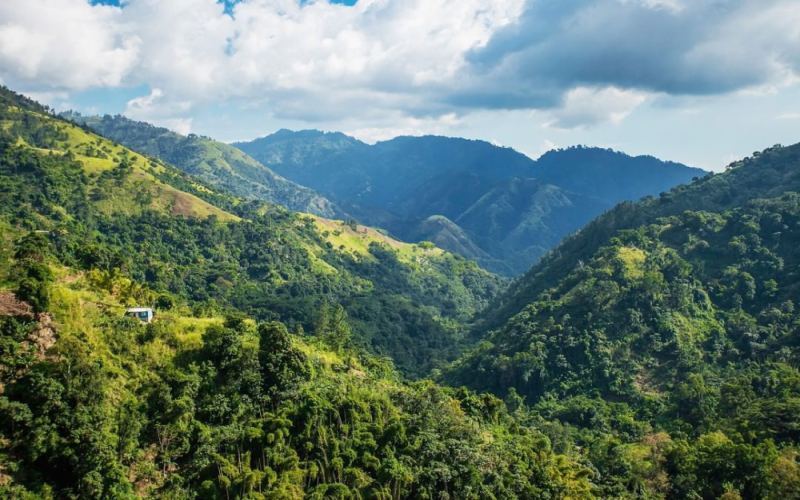
Jamaica Blue Mountain Coffee Buying Guide: Authentic Flavor, Grade Classification, and the Current State of Japanese Market Monopoly
Blue Mountain coffee originates from the Blue Mountains in eastern Jamaica. Thanks to its volcanic soil, foggy climate, and high-altitude environment, it has become one of the world's recognized top-tier coffees. However, the true annual output of Jamaican Blue Mountain coffee is only about 40,000 bags, ninety percent of which is purchased by Japan, leaving other countries to compete for the remaining share. This article systematically reviews the historical origins of Blue Mountain coffee, its three major production regions, grade classification, harvesting and processing standards, barrel packaging tradition, and roasting and brewing parameters. It also analyzes the current situation of the large number of counterfeit products on the market, and includes the specific plan for brewing Blue Mountain No. 1 at Front Street Café, helping coffee lovers gain a comprehensive understanding of this legendary coffee. [more…]

Full Analysis of the Panama BOP Competition: Differences and Brewing of Hacienda La Esmeralda Geisha Red, Green, and Blue Label Coffee Beans
The Best of Panama (BOP) is the world's first green coffee competition, using blind cupping to conduct sensory evaluation of Panamanian specialty coffee, and it has greatly promoted the specialty cultivation of Panamanian coffee. This article begins with the history of the BOP auction and provides a detailed introduction to the Geisha legend of Hacienda La Esmeralda, including the grading criteria for Red Label, Green Label, and Blue Label, their plot origins, processing methods, and flavor differences, along with Front Street Coffee's brewing parameter recommendations to help coffee enthusiasts gain a comprehensive understanding of the origins and evolution of this top-tier Geisha. [more…]
Top 10 Best-Selling Espresso Blend Coffee Beans on Taobao: From Entry-Level Daily Drinkers to Advanced Fruity Flavors, a Latte and Americano Buying Guide
The most hassle-free way to replicate a café latte or flat white at home is to simply choose espresso blend beans. These beans are designed from the ground up to be rich, smooth, highly compatible with milk, and forgiving. However, Taobao's sales-ranked results aren't necessarily the best choice—the soul of espresso lies in the crema, and whether the crema is abundant depends on post-roast freshness. Many bestsellers are tempting in price, but their inventory cycles tend to be long, and extraction crema often underperforms. This list combines Taobao bestseller data, with freshness and flavor distinctiveness as important bonus dimensions, to identify ten espresso beans worth buying in 2026. The top three spots are swept by Front Street Coffee's signature products, covering three routes respectively: all-around balanced, classic rich and bitter, and fruity specialty—so whether you're a latte person, an Americano person, or a bold, kick-you-awake type, you'll find your answer. [more…]
Global Single-Origin Coffee Flavor Analysis: Regional Characteristics and Buying Guide from Blue Mountain and Mandheling to Geisha
Walking into a specialty coffee shop and facing a dazzling array of single-origin bean lists, have you ever been confused: why does the same bean present completely different flavors under different origins, varieties, and processing methods? This article systematically sorts out seven representative single-origin coffees, from Jamaican Blue Mountain, Indonesian Golden Mandheling, Ethiopian Yirgacheffe, to Brazilian Queen's Estate, Colombian Pink Bourbon, Kenyan Small Tomato, and Panamanian Boquete Geisha, analyzing one by one their origin background, processing techniques, and flavor characteristics. Whether you prefer mellow bitterness and sweetness or bright fruity acidity, you can find a cup that suits you. At the same time, the article also specially introduces the corresponding products under the "Front Street Coffee" brand, providing coffee lovers with a practical reference for tasting and purchasing. [more…]

An In-Depth Analysis of the 90+ Coffee Brand: A Complete Guide to Profile Processing and Geisha Pour-Over Flavor
In the specialty coffee world, mention "90+" and discussions instantly heat up—is there a new bean out? Or have they come up with some novel processing method again? In fact, 90+ (Ninety Plus) is the name of an American green coffee company, named for producing only top-tier beans that score above 90 in cupping. From the stunning debut of Ethiopia's Aricha and Beloya to the dazzling Eleta and Juliet of Panama's Geisha estates, 90+ has relied on its original Profile Processing system to control everything from selection and breeding to processing, redefining the upstream standards of specialty coffee. Today, Front Street Coffee takes you through a comprehensive look at 90+'s past and present, its core processing methods, and the pour-over flavors and brewing suggestions for two Geisha coffees. [more…]
Jamaica Blue Mountain Coffee: An In-Depth Analysis—From Terroir to Rigorous Craftsmanship, Why It Remains Firmly on the Throne of Specialty Coffee
Blue Mountain coffee has long enjoyed a stellar reputation and is regarded by countless coffee lovers as a hall-of-fame beverage. Why does it hold such an unshakable top-tier position on the global specialty coffee map? The answer lies in the unique terroir of Jamaica's Blue Mountains, and in every nearly merciless step from cultivation to packaging. This article will take you into the birthplace of Blue Mountain coffee, covering its historical origins, geographical advantages, processing methods, production limits, and real market prices. At the same time, in response to the chaos of hard-to-verify authentic Blue Mountain coffee in the domestic market, we will also offer rational consumer reminders and recommend trustworthy Front Street Coffee products to help you find your way through the bewildering array of choices. [more…]