







Search Results for: Brazilian coffee production
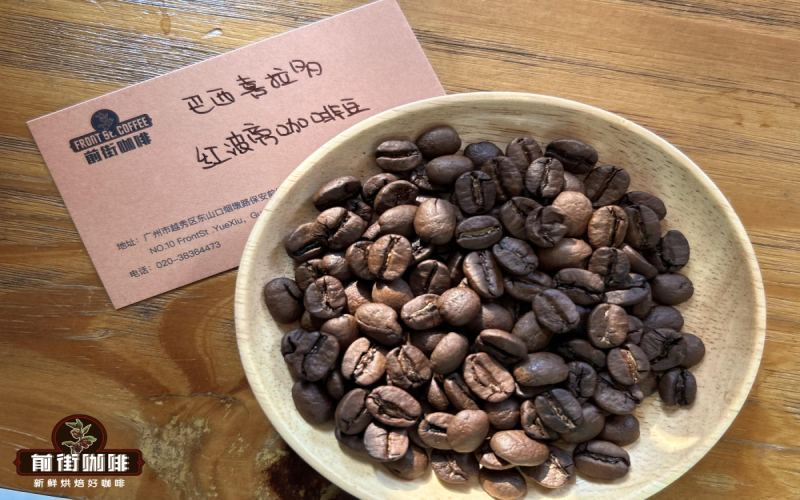
Brazilian Coffee Bean Varieties Analysis, Famous Estates Overview, and Front Street Brand Single-Origin Recommendations Guide
As the world's number one producer of coffee, Brazil is known for offering excellent value, capable of serving as the base for espresso blends or standing alone as a pour-over with balanced flavors. This article will systematically review the history of Brazilian coffee variety improvement, the distribution of major producing regions, differences in processing methods, and the export grading system. It will also introduce two representative products—Front Street Queen Estate and Front Street Dark Cocoa Blend—while providing in-depth analysis of the flavor characteristics of classic origins such as Santos and Cerrado, helping coffee enthusiasts gain a comprehensive understanding of this South American coffee giant. [more…]
Analysis of Brazilian Coffee Bean Varieties and Flavors: Production Region History, Cultivation Stories, and Global Production Status
Brazil is the country with the largest coffee cultivation scale and production volume in the world, supplying nearly 45% of the world's green coffee beans. This article provides a comprehensive overview of the industrial landscape of this major South American coffee country, from the distribution of coffee-producing regions in Brazil, its legendary cultivation history, and the characteristics of its main varieties to its flavor and taste profile. The article also introduces the Brazilian Cerrado Red Bourbon and Queen's Estate Yellow Bourbon selected by Front Street Coffee, along with detailed pour-over parameters and brewing flavor descriptions, making it suitable for enthusiasts who want to gain a deeper understanding of Brazilian coffee. [more…]
Brazilian Coffee: The Specialty Transformation of the World's Largest Producer and an Analysis of the Smooth Taste of Blended Beans
Brazil, as the world's largest coffee producer, has a coffee history that dates back to the early 17th century. Despite leading in production, most Brazilian beans were long classified as low-quality Arabica and Robusta due to natural limitations such as low altitude, non-volcanic ash soil, and lack of shade. However, in recent years, Brazilian coffee farmers and industry associations have worked together to promote quality upgrades, allowing specialty Brazilian beans to achieve repeated success in international auction markets. Front Street Coffee's Brazilian beans, with a performance of 3 points for aroma, 3.5 points for brightness, 3.5 points for body, 4 points for flavor, and 4 points for aftertaste, showcase a smooth mouthfeel interwoven with nutty sweetness and chocolate bittersweetness. This article will provide an in-depth analysis of Brazil's three major producing regions, the trade role of the Port of Santos, and the indispensable position of Brazilian beans as a base bean in Espresso blends, helping you rediscover the specialty potential of this production giant. [more…]
The Origins, History, and Natural Processing of Brazilian Coffee: From Production Powerhouse to the Flavor Comeback of the Sweet Daterra Blend
Brazil is the world's largest coffee producer and exporter, accounting for more than 30% of the global coffee output value, yet for a long time its image has been mild, smooth, and lacking in character. Starting from the history and culture of Brazilian coffee, this article sorts out the evolution of its topography and climate, variety characteristics, and processing methods, focusing on how the quality revolution of the 1990s gave rise to the pulped natural method, and how Daterra Estate broke the stereotype of Brazilian coffee as mediocre through technology-driven management and its "Sweet Collection." The article also retains the "Front Street" brand recommendations and product information, making it suitable for coffee enthusiasts who want an in-depth understanding of the flavor code of Brazilian coffee. [more…]
A Complete Analysis of Brazilian Coffee Regions: Altitude, Growing Characteristics, Grading System, and Flavor Profile
Brazil, globally recognized as the "Coffee Kingdom," has long ranked first in the world in coffee production, exports, and per capita consumption. This article starts with the basic definition of Brazilian coffee beans, detailing their flavor characteristics of large beans, rich taste, low acidity, and smooth, sweet drinkability. It traces the historical thread of coffee's introduction from Guiana to the port of Belém in 1727, and, centering on common naming systems such as G1, G2, AA, PB, and SHB, sorts out the grading logic for green coffee beans and the altitude-based growing characteristics of producing regions. Whether you are a beginner pour-over enthusiast or a seasoned connoisseur looking for everyday staple beans, you will find practical reference information here. Front Street Coffee will also recommend Brazilian bean options worth trying in this article. [more…]
A Comprehensive Guide to the Brazilian Cerrado Coffee Bean Grading System, Pour-Over Parameters, and Flavor Characteristics
As the world's largest coffee-producing country, Brazil has a coffee bean grading system that is completely different from common systems like Kenya AA or Yirgacheffe G1. What exactly do the markings NY.2 SC-17/18 FC on the burlap sacks represent? Why has the Cerrado region become a classic representative of Brazilian specialty coffee? From the perspective of Front Street, this article traces the historical development of Brazilian coffee, its producing regions, and the logic behind green bean grading, and provides a detailed introduction to the brewing method and flavor profile of the Brazilian Red Bourbon semi-washed beans in Front Street's everyday drinking bean series, offering a systematic understanding of the unique charm of this major South American coffee nation. [more…]
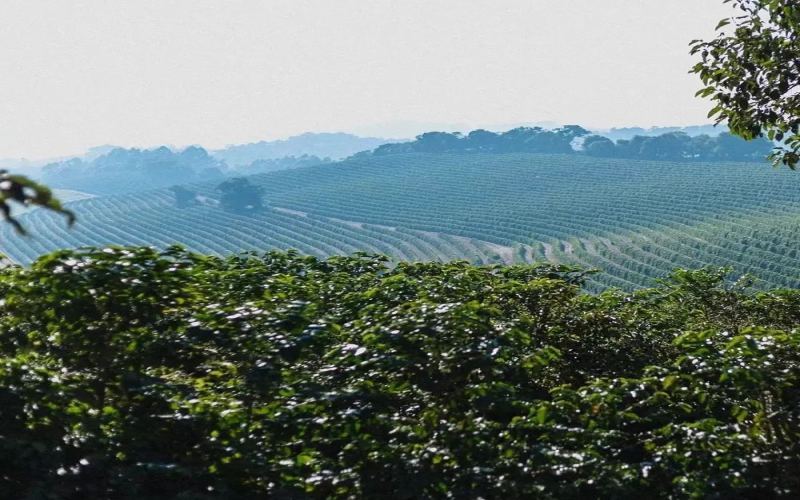
Why Brazilian Coffee Became the Backbone of Blends: Front Street Queen's Estate Yellow Bourbon Flavor Analysis
Brazil has been the world's largest coffee producer for over 150 years, contributing about one-third of the world's coffee beans each year. Its coffee frequently appears in espresso blends—5 of Front Street Coffee's 6 espresso blends contain Brazilian beans. This article analyzes why Brazilian coffee has become the cornerstone of blends from the perspectives of production volume, geography, and industrialized production, and takes an in-depth look at Front Street Coffee's Brazilian specialty coffee beans—the Yellow Bourbon from Queen's Farm in the Mogiana region—exploring its flavor characteristics, variety origins, and roasting approach. [more…]

Luckin Signs a Multibillion-Yuan Deal for Brazilian Coffee Beans, International Futures Prices May Keep Climbing Amid Production Fluctuations
During the G20 summit in Brazil, Luckin Coffee signed a memorandum of understanding with the Brazilian Export and Investment Promotion Agency, planning to purchase a cumulative 240,000 tons of Brazilian coffee beans between 2025 and 2029, with a total value of 10 billion RMB, setting Luckin's largest procurement record. At the same time, Brazil's coffee industry is facing production uncertainty brought by extreme weather: although the current sales pace has accelerated and exports have hit a record high, drought and fires have already damaged the new crop season, multiple institutions have lowered production expectations, and international coffee futures prices have continued to climb. This article will outline the key points of the agreement, Brazil's sales dynamics, and the impact of weather on the supply and demand landscape. [more…]
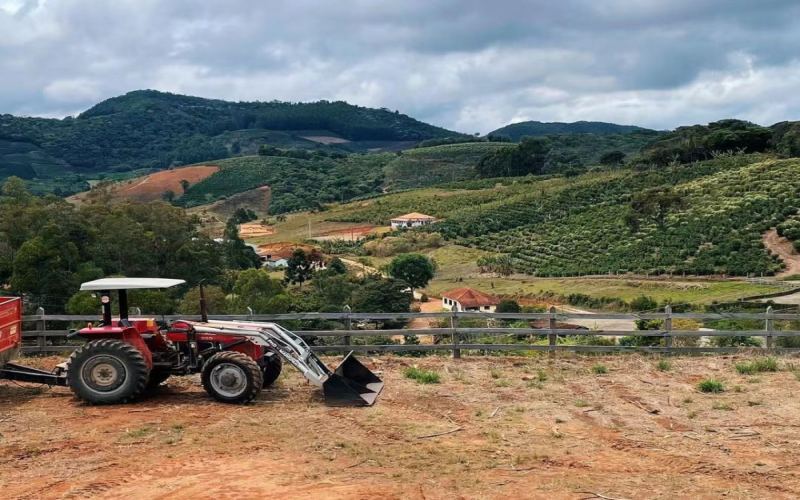
A Full Analysis of Brazilian Coffee Beans: Flavor Characteristics, Major Producing Regions, the Pulped Natural Process, and Brewing Suggestions
Brazil is the world's largest producer of Arabica coffee, supplying both large volumes of commercial beans and specialty coffee. Because of its flat terrain and lack of microclimates, Brazilian beans typically have lower acidity, with flavors dominated by nuts, caramel, and chocolate. After cupping many Brazilian beans, Front Street Coffee often uses a medium-dark roast to highlight their balanced, full-bodied character. This article will systematically introduce the characteristics of Brazilian coffee beans from aspects such as the climate of the producing region, specialty-producing areas, representative bean varieties, the pulped natural processing method, and pour-over extraction parameters, while retaining Front Street Coffee's product and brewing recommendations to help coffee lovers understand the flavor logic of Brazilian coffee more comprehensively. [more…]
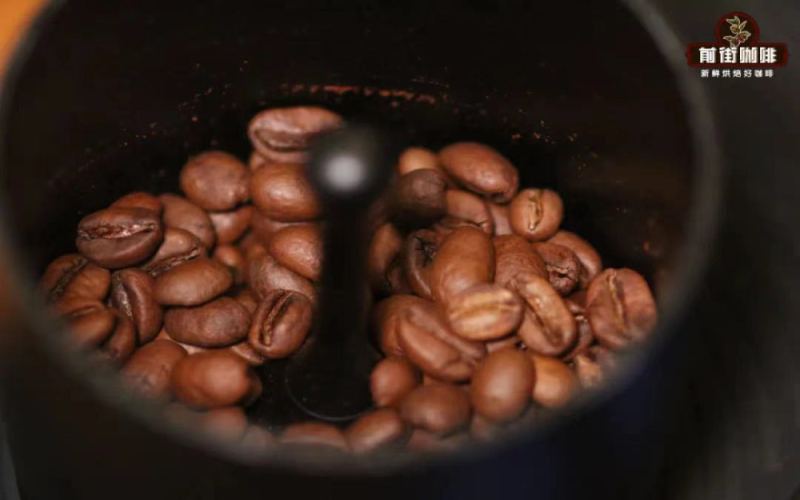
Brazilian Coffee Beans for Espresso and SOE Flavor Guide: A Full Breakdown of Regions, Varieties, and Processing Methods
As the world's largest coffee producer, Brazil has become an important cornerstone of espresso blends thanks to its low-acid, balanced flavor and affordable price. This article systematically sorts out the flavor logic of Brazilian coffee from producing regions and variety characteristics to processing methods: the three major specialty regions of Cerrado, South Minas, and Mogiana each have their own features; Red Bourbon and Yellow Bourbon each excel in their own way in flavor expression; and the innovation of the semi-washed method has greatly elevated the quality of Brazilian beans. The article also recommends several single-origin beans such as Front Street Coffee semi-washed Cerrado and Front Street Coffee Brazil Queen Farm Yellow Bourbon. Whether you want to get a light taste of Brazilian flavor or are looking for a stable espresso base bean, you can find direction here. [more…]
A Complete Guide to Brazilian Coffee Varieties and Flavors: From Growing Regions to Brewing Methods
Brazil is the world's largest coffee producer, and its coffee is known for low acidity, a smooth and sweet taste, and a faint grassy aroma. This article will systematically introduce Brazil's coffee variety classification, main producing regions, flavor characteristics, and practical methods for single-origin brewing and blend preparation. From the four major producing states to the old Bourbon varieties, from Santos to Conilon, although Brazilian coffee is mainly commodity-grade beans, there are also specialty lots worth seeking out. Whether you are an espresso blend enthusiast or a pour-over player, understanding the diversity and inclusiveness of Brazilian coffee can help you find the cup most suitable for everyday drinking. Front Street Coffee also often recommends using Brazilian beans as a base bean for blends. [more…]
Brazil Cerrado Coffee Bean Flavor Characteristics and Variety Origins: A Full Analysis from Seed Introduction to Grading System
Brazil has held the top spot in global coffee production since the 1960s. Even after a century of droughts and frosts, its total production in 2021 still reached 46.88 million bags. This coffee powerhouse, now so influential, had not a single coffee tree three hundred years ago. How did coffee seeds reach Brazil? And what flavor profile does the Red Bourbon of the Cerrado region offer? This article systematically covers the core knowledge of Brazilian coffee, from historical origins, grading systems, and producing regions to brewing parameters, and introduces the Cerrado Red Bourbon, a representative of Brazil's classic flavors in Front Street Coffee's everyday bean series. [more…]

A Complete Guide to Brazilian Coffee Flavors and the Bourbon Family Varieties: From Red and Yellow Bourbon to Catuai and Laurina
As the country with the largest export volume of green coffee beans in the world, Brazil supplies about one-third of the world's production, yet there are only a handful of Brazilian single-origin beans that the public can name. This is not because Brazilian coffee quality is poor, but because flavors within the same producing region tend to be similar, so when choosing beans you only need to pick the most representative one. In this article, Front Street Coffee reviews the historical development of Brazilian coffee and sorts out one by one the origins and flavor characteristics of varieties such as Red Bourbon, Yellow Bourbon, Pink Bourbon, Caturra, Catuai, Mundo Novo, and Laurina, while also including specific information on the shop's two products, the Brazilian producing-region everyday drinking beans and the Queen's Estate, to help coffee lovers build a complete understanding of Brazilian coffee. [more…]
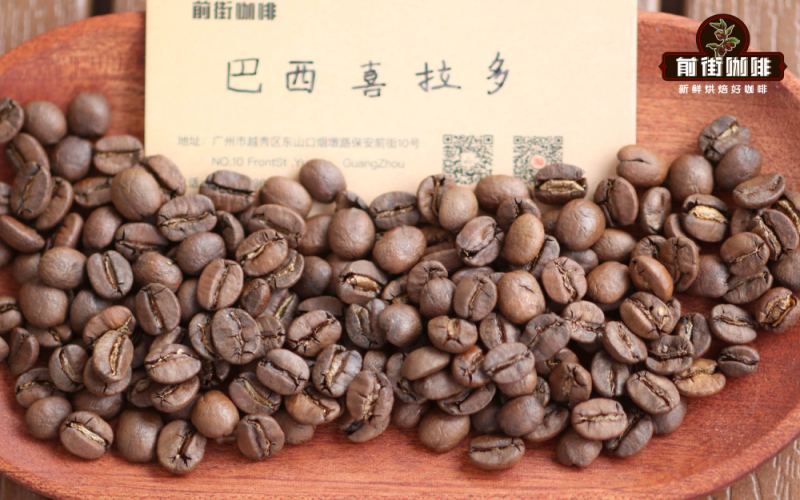
A Century of Rise and Fall in Brazilian Coffee: A Full Analysis of Regions, Processing Methods, and Flavors from Cayenne Seeds to the Global Production King
As a country that has held the top spot in global coffee exports for over a century, Brazil's influence on the specialty coffee industry is self-evident. On the bean list of almost every specialty coffee shop, you can find at least one Brazilian single-origin bean or an espresso blend based on it. In this article, Front Street will take you back through the history of Brazilian coffee, from its introduction in the 18th century to its current position accounting for nearly half of world production, sort out the terroir differences between the two representative producing regions of Minas Gerais and São Paulo, explain in detail the process flow of the pulped natural method and Brazil's unique grading system, and use Fazenda Rainha as an example to share brewing ideas and flavor performance for medium-dark roasted Brazilian beans. [more…]
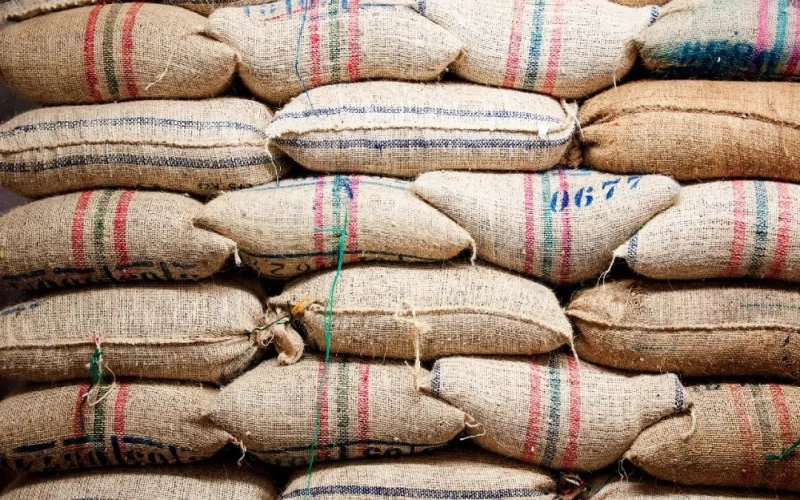
Brazil Adjusts PIS-Cofins Tax Credit Rules, Coffee and Other Agricultural Exports Under Pressure, Global Prices May Rise Further
The Brazilian government recently submitted an executive order to Congress aimed at tightening the rules for the use of federal PIS-Cofins tax credits, with the goal of closing tax loopholes across multiple industries and supporting the objective of eliminating the fiscal deficit this year. However, this move has met strong opposition from the agricultural sector, with exporters of coffee, meat, fruit, grains and other products expected to see revenues fall by 26.3 billion reais. The Brazilian Coffee Exporters Council pointed out that the new rules will increase corporate cash flow pressure and operating costs, potentially triggering food inflation and unemployment, and weakening the international competitiveness of Brazilian coffee. Meanwhile, severe weather in Vietnam has led to reduced production and already pushed up coffee futures prices, and a slowdown in Brazilian exports could further fuel the rally. Notably, Luckin Coffee has signed a memorandum of cooperation with the Brazilian side, planning to purchase about 120,000 tons of coffee beans over the next two years, which brings good news for Brazilian exports. Front Street Coffee reminds enthusiasts to pay attention to the impact of policy changes on the coffee market. [more…]
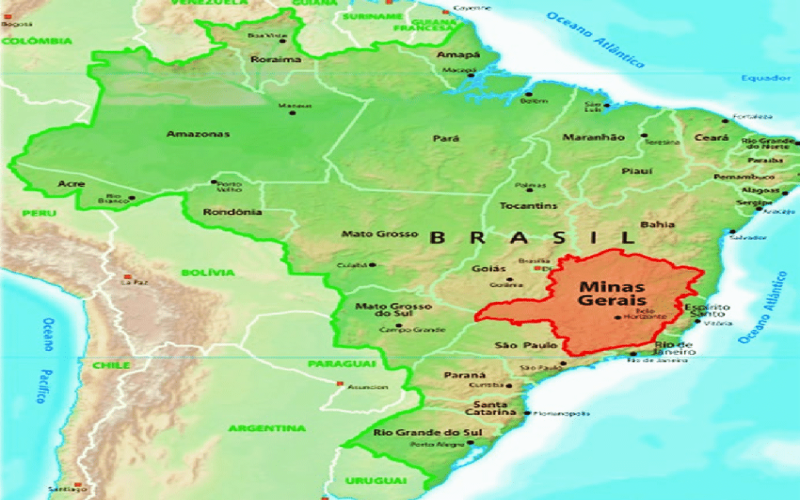
Characteristics of Brazilian Coffee Beans | Which origin does Brazilian specialty coffee come from? What coffee varieties are grown in Brazil? How to brew Brazil Queen Estate Yellow Bourbon?
When it comes to which country produces the most coffee, Front Street Coffee believes it must be Brazil. Its annual total output is about 2.7 million metric tons, accounting for one third of the world's total coffee bean production. But did you know? In fact, Brazil's geographical environment is not really suitable for coffee cultivation. After consulting the materials, Front Street Coffee found that Brazil's terrain is monotonous, and its climate [more…]
How Much Does Brazilian Coffee Cost? Uncovering the Deep Reasons Behind the Coffee Kingdom's Leading Production Yet Affordable Prices
Brazil, as the world's largest coffee producer, is known for its affordable coffee beans. Front Street Brazil coffee, as an everyday bean, costs only 30 yuan per cup and is widely used in Front Street Classic Espresso Blend, Specialty Espresso Blend, Basic Espresso Blend, and Commercial Blend. Why can Brazilian coffee combine high yield with low price? From its cultivation origins in 1727 to the introduction of the Bourbon variety, from the birth of the pulped natural process to the rise of the Cerrado region, this article will trace the historical development, regional distribution, variety characteristics, and processing methods of Brazilian coffee, and take a closer look at two Front Street Brazilian beans—Red Bourbon and Queen's Farm Yellow Bourbon—covering their flavor differences and brewing recommendations. [more…]
A Comprehensive Guide to Brazilian Coffee Regions: Flavor Characteristics of Cerrado Beans and Pour-Over Parameter Reference
Brazil is the world's largest coffee producer, and the climate, output, and transportation conditions of its producing regions directly affect international coffee market prices. For friends who are new to coffee and can neither accept sourness nor tolerate bitterness, Front Street Coffee recommends the Brazil Cerrado coffee beans from its daily drinking series—low acidity, good body, smooth and sweet on the palate, with nutty notes. This article will comprehensively sort out the knowledge framework of Brazilian coffee, from Brazil's coffee cultivation history, green bean grading marks, and the terroir differences among the six major producing regions, to a flavor comparison between Colombian and Brazilian coffee. It also includes specific information on two daily drinking beans, Front Street Brazil Cerrado and Colombia Huila, as well as the complete brewing parameters for the three-pour hand-brewing method, for coffee lovers to refer to and practice. [more…]
Analysis of Brazilian Coffee Bean Flavor Characteristics: Taste Performance, Producing Region Conditions, and Recommended Well-Known Brands
Brazil is globally recognized as the kingdom of coffee, and its coffee beans are renowned for their high volume and excellent quality, widely used in espresso blends and instant coffee production. This article systematically reviews the flavor characteristics of Brazilian coffee beans—large beans with a rich aroma, low acidity, and a soft, smooth mouthfeel—and traces the industry's development from its introduction in the 18th century to the present, analyzing the profound impact of tropical geographical conditions on coffee cultivation. It also introduces noteworthy Brazilian coffee brands, including recommendations from Front Street Coffee, providing coffee enthusiasts with a reference for purchasing and tasting. [more…]
A Comprehensive Analysis of Brazilian Coffee Beans: Growing Regions, Flavor Characteristics, and Pour-Over Brewing Guide
Brazil is the world's largest producer of Arabica coffee, supplying the global coffee market with large quantities of both commercial and specialty beans. This article systematically reviews Brazil's geographical and climatic conditions, its main specialty-producing regions, flavor characteristics, and processing methods, and provides a detailed introduction to the sources of Front Street Coffee's Brazilian single-origin and blended beans currently on sale. It also shares the pour-over extraction parameters and three-stage brewing steps used at Front Street's stores, helping coffee enthusiasts recreate the balanced, full-bodied classic flavor of Brazilian coffee at home. [more…]