







Search Results for: Brazilian black coffee
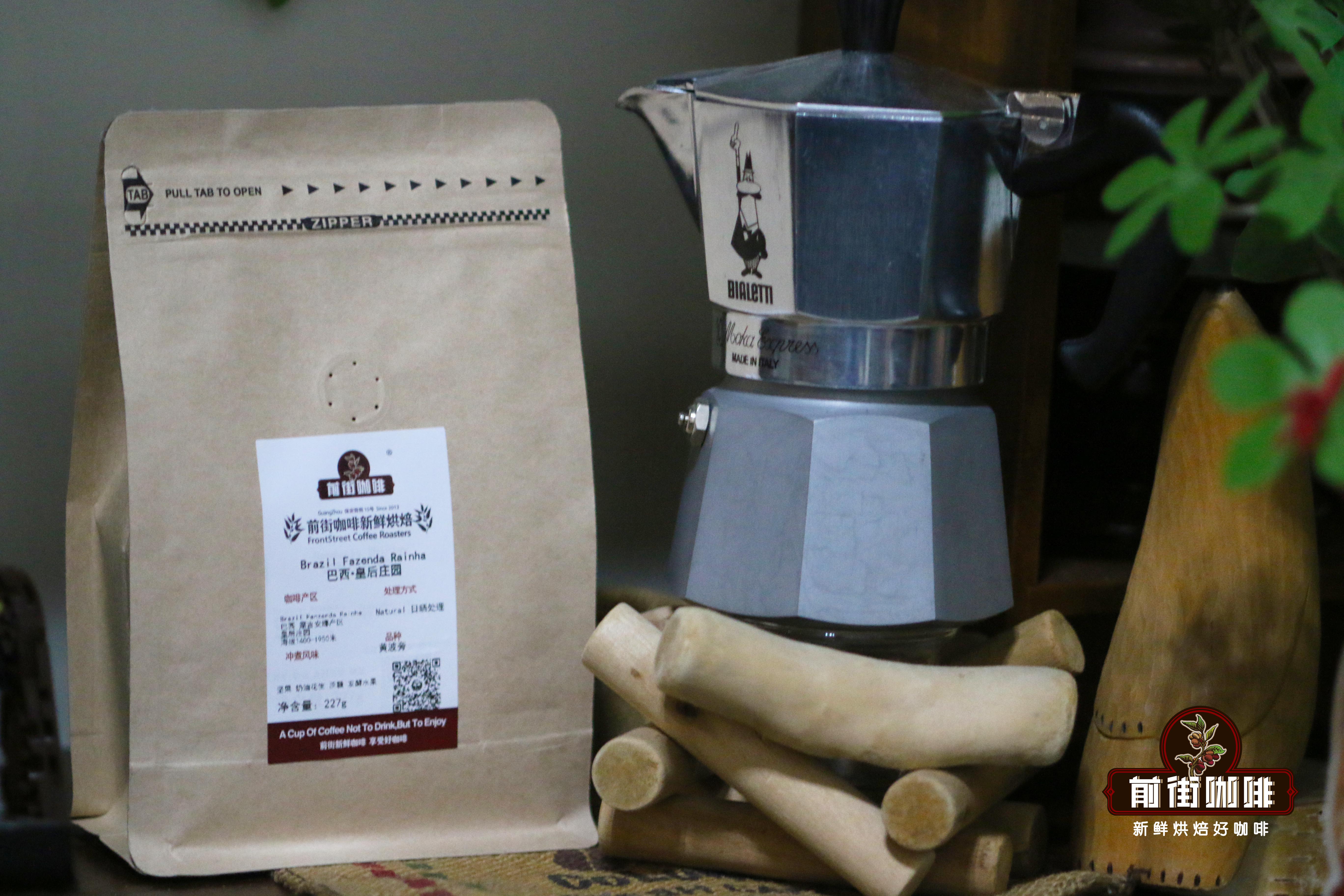
Brazilian Coffee Pour-Over Techniques Explained: Why Medium-Dark Roast Black Coffee Tastes Burnt and Bitter and How to Improve It
Many coffee lovers find that after getting their hands on Brazilian beans, the coffee they brew has a pronounced bitterness, sometimes even an unpleasant scorched bitterness that stings the throat. Brazilian coffee beans are mostly medium-dark roasted, and bitter notes are inherently part of their flavor profile, but bitterness comes in both positive and negative forms—the bitterness of nuts, chocolate, and caramel is pleasant, while smokiness, wood shavings, medicinal notes, and burnt flavors are defects. Using beans from Brazil's Cerrado region as an example, Front Street Coffee breaks down one by one—from dripper selection, dose, coffee-to-water ratio, grind size, and water temperature to the three-pour technique—how to brew a cup of full-bodied, sweet Brazilian pour-over with rich caramel and nut flavors, while avoiding the development of negative scorched bitterness. [more…]
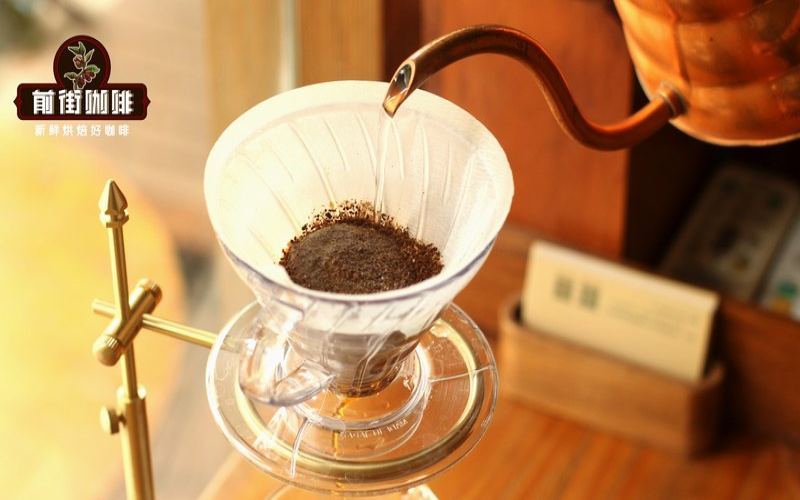
Recommended delicious Brazilian coffee beans: balancing budget and drinking frequency
When choosing a tasty Brazilian coffee bean, you can set the complex information aside for now. For everyday bean buying, you need to consider how quickly you'll drink it, how much to buy at once, and whether you'll mainly make black coffee or milk coffee at home. Starting from these two pairs of differences—light or full-bodied, black coffee or milk coffee—and then looking at the roast date and processing method, your judgment will be more in tune with daily life. [more…]
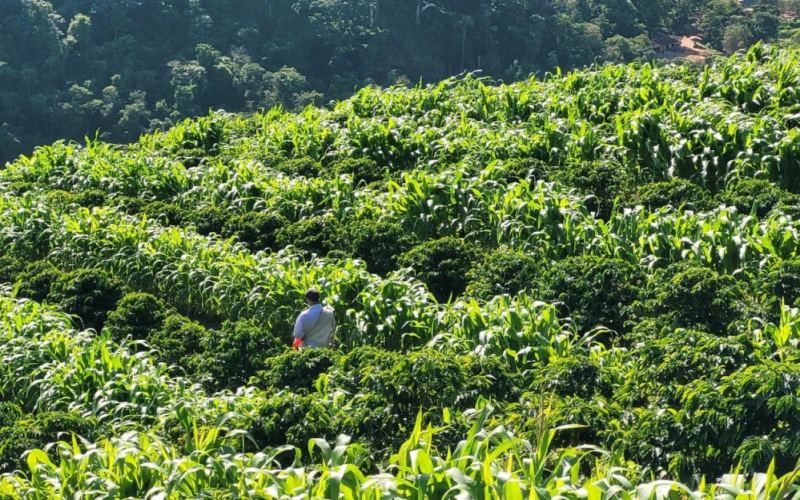
Brazilian Coffee Brands Overview: A Full Analysis of Arabica Bean Characteristics and Flavor Profiles
Brazil, as the world's largest coffee producer and second-largest consumer, holds a pivotal position in the coffee industry. This article focuses on Brazilian coffee brands and bean varieties, with particular emphasis on answering whether Brazilian coffee beans belong to the Arabica species and how they perform in terms of flavor. The article begins with two single-origin selections from Front Street Coffee—Red Bourbon and Yellow Bourbon—providing a detailed comparison of their varietal origins, processing methods, and flavor differences, and extends to espresso blends containing Brazilian beans, including Front Street Specialty Blend, Dark Cocoa Base Blend, Classic Blend, and Commercial Blend, helping coffee enthusiasts gain a comprehensive understanding of the sweetness, nutty, and chocolate notes of Brazilian Arabica coffee. [more…]
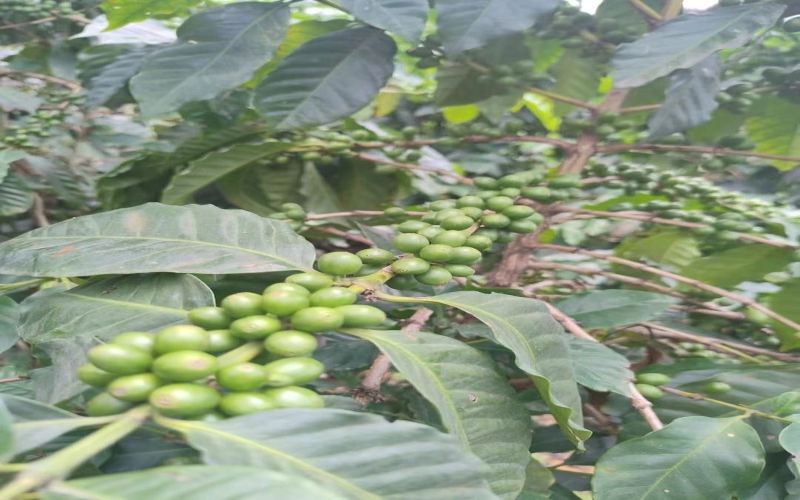
From Light to Dark Roast: How Brazilian Coffee Bean Flavors Change
The deliciousness of Brazilian coffee beans isn't determined solely by the name of the producing region—the roast level is more like a switch that decides the entire character of the cup. Beans with the same sweetness may show bright fruit notes at a light roast, shift toward softness and fullness at a medium roast, and lean closer to cocoa and roasted tones at a dark roast. Depending on whether you usually drink black coffee, milk coffee, or espresso, first [more…]
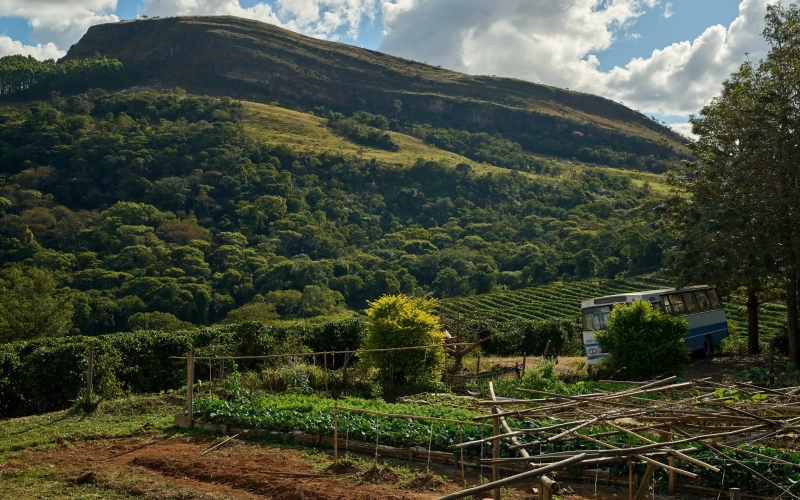
Brazil Minas João Estate Coffee Beans: A Comprehensive Interpretation from Origin Environment to Roast Flavor
Brazil, as the global champion in both coffee production and export volume, is renowned worldwide for coffee beans with a nutty and cocoa base and a rich, full-bodied taste. Although highly mechanized processing methods have improved efficiency, they have also caused the flavor to become more uniform, so Brazilian beans often play an important role in espresso blends by providing balance and nutty aroma. This article will take a deep dive into the Minas Joan Estate, analyzing the unique charm of Yellow Bourbon single-origin coffee from the producing region's environment and variety characteristics to the roasting presentation, and recommend two representative Brazilian bean products under Front Street Coffee—Black Cocoa Blend and Queen Estate Single-Origin—to help you fully understand the diverse aspects of Brazilian coffee. [more…]
From Light to Dark Roast: How Do Brazilian Coffee Bean Flavors Change?
Whether Brazilian coffee beans taste good doesn't depend only on the region's name; the roast level is more like a switch that determines the whole character of the cup. Beans with the same sweetness can present bright fruit notes at a light roast, shift to soft and full-bodied at a medium roast, and move closer to cocoa and roasty notes at a dark roast. Depending on whether you usually drink black coffee, milk coffee, or espresso, first [more…]
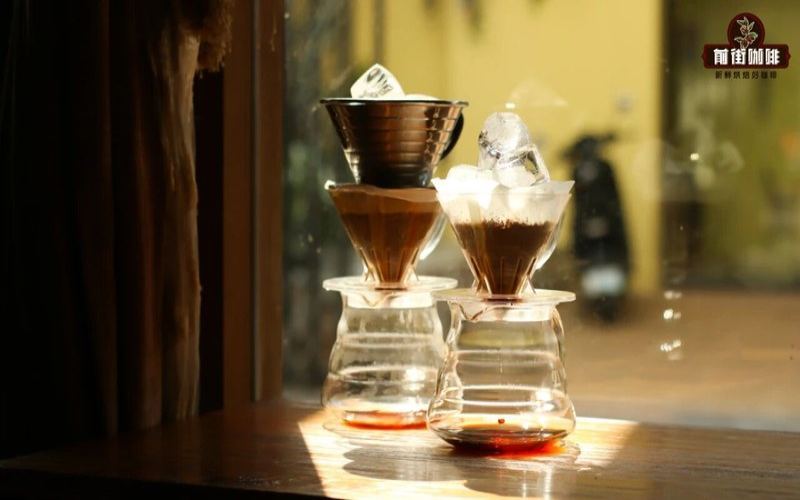
Choosing Delicious Brazilian Coffee Beans by Roast Level
The charm of Brazilian coffee beans often lies in their mild acidity, nutty sweetness, and smooth mouthfeel. You don't necessarily need a complicated brewing method—whether it's an Americano in the morning, a slow pour-over in the afternoon, or a latte with milk, Brazilian beans always find their place. If you want to buy more precisely, roast level is a very practical starting point. [more…]
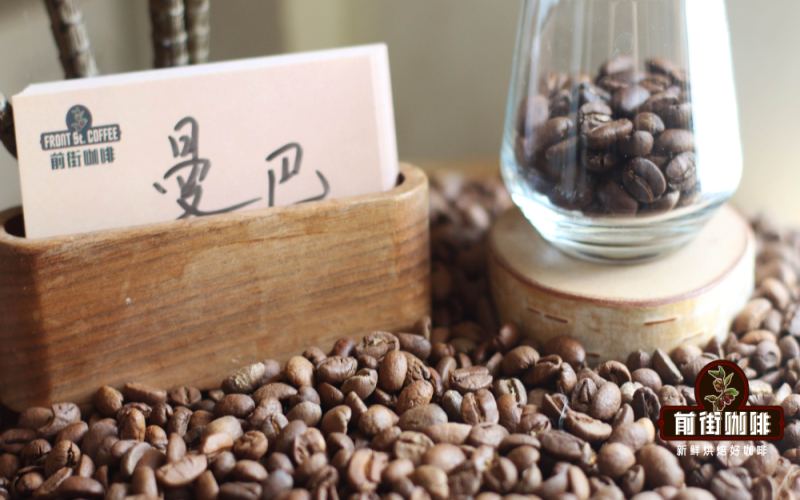
Is Mamba Blend Coffee a Black Coffee? A Comprehensive Interpretation of Its Blending Method and Flavor Characteristics
Mamba coffee is a classic Italian-style blend made by mixing Indonesian Mandheling and Brazilian coffee beans in a certain proportion. It has both the rich and intense character of Mandheling and the roundness and balance of Brazilian beans. This article discusses the composition logic of the Mamba blend, the origin characteristics and processing methods of the two beans, the principle of flavor complementarity, and how to maintain freshness in daily extraction. It also combines Front Street Coffee's classic blend products to explain what conditions a Mamba recipe suitable for espresso machines and moka pots should have, helping coffee lovers understand whether Mamba coffee counts as black coffee and how to choose freshly roasted espresso beans. [more…]
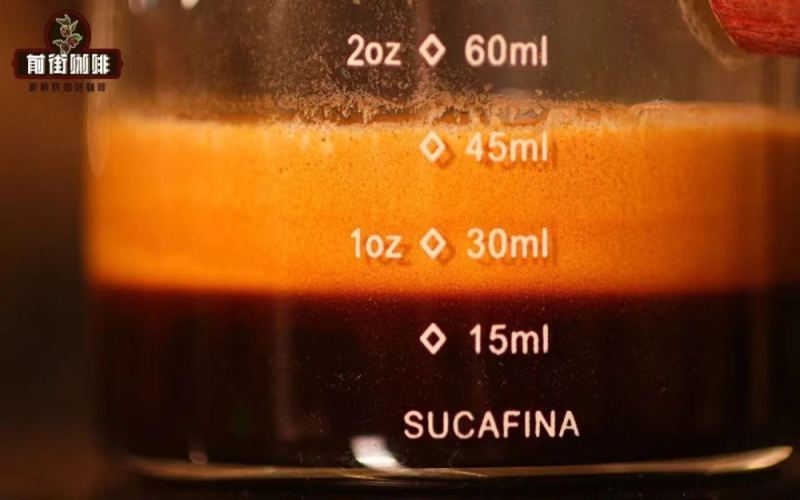
Selection of Brazilian Cocoa and Nutty-Flavored Espresso Beans: Four Front Street Coffee Blend Recommendations and Espresso Brewing Guide
Brazilian coffee is known for its low acidity, balanced cocoa and nutty notes, high yield, and stable quality, making it an indispensable cornerstone of espresso blends. This article focuses on four classic espresso blends from Front Street Coffee—Classic Espresso, Commercial, Specialty, and Black Cocoa Blend—analyzing their flavor characteristics and suitable applications one by one, while also explaining in detail the Brazilian green coffee grading system, the distribution of major producing regions, and the impact of mechanized harvesting on specialty quality. In addition, the article provides the complete parameters and operating steps for making espresso with Front Street Coffee's Classic Espresso Blend, including dose, yield, extraction time, and dilution ratio for Americano, suitable for coffee enthusiasts from beginner to advanced reference. [more…]
A Detailed Guide to Brazil's Main Coffee Variety Catuai: Flavor Characteristics, Growing Conditions, and the Proper Way to Drink Black Coffee
As the world's largest coffee producer, Brazil is known as the "Coffee Kingdom." Locals treat guests to small cups of strong black coffee called "cafezinho," much like the Chinese serve tea. Among the many Brazilian coffee varieties, Catuai, along with Caturra, Mundo Novo, and Bourbon, is considered one of the four mainstays. This article will introduce in detail the origins of Catuai, its plant characteristics, elevation requirements for cultivation, disease resistance, and flavor profile, while also guiding you through the proper way to enjoy Brazilian black coffee. Front Street Coffee is always dedicated to sharing coffee knowledge, and holds three low-discount events each month so more people can enjoy good coffee at affordable prices. [more…]
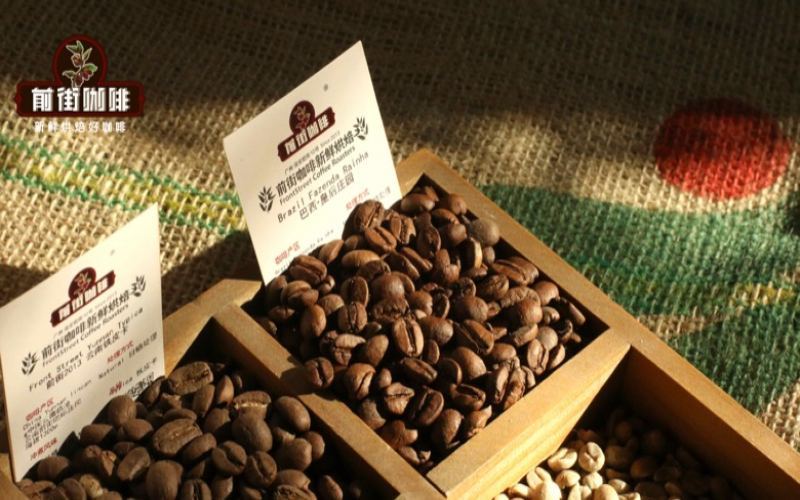
Brewing Brazilian and Colombian coffee with a moka pot: how to pair the nutty sweetness
Brazil and Colombia both work well in a moka pot for expressing nutty and sweet notes, but the flavor focus of the two is not the same. Brazil commonly shows hazelnut, peanut brittle, caramel, and cocoa, with a rounded mouthfeel, making it suitable as a substantial base; Colombia often carries brown sugar, caramel, ripe fruit, and a soft citrus note, which can give the brewed coffee more [more…]
Brazil Minas Coffee Region: A Complete Guide to Pulped Natural Processing, Flavor Profile, and Variety Characteristics
Coffee produced in Brazil's Minas region has now become synonymous with the country's specialty beans. Local research institutions, responding to the relatively dry climate, developed the semi-washed process, which shortens the processing cycle while retaining the sweetness-enhancing advantages of the natural process, and at the same time avoids the unpleasant earthy flavors, making the fruity notes and sweetness more prominent. Coffee from farms around the Minas highlands ranks among the top in quality among Brazilian beans and also has the most considerable output. In recent years, coffee competitions have been subdivided by processing method, giving rise to a variety of flavor profiles, among which semi-washed and natural stand out especially. Front Street Coffee Minas Brazil is fresh and gentle on the palate, with a dry aroma carrying notes of citrus and fruit tea, a wet aroma with the fresh fragrance of black tea, a mouthfeel showing the elegant tonality of jasmine and herbal tea, and a finish like rich, full-bodied oolong tea, making it a rare and stunning work among Brazilian beans. [more…]
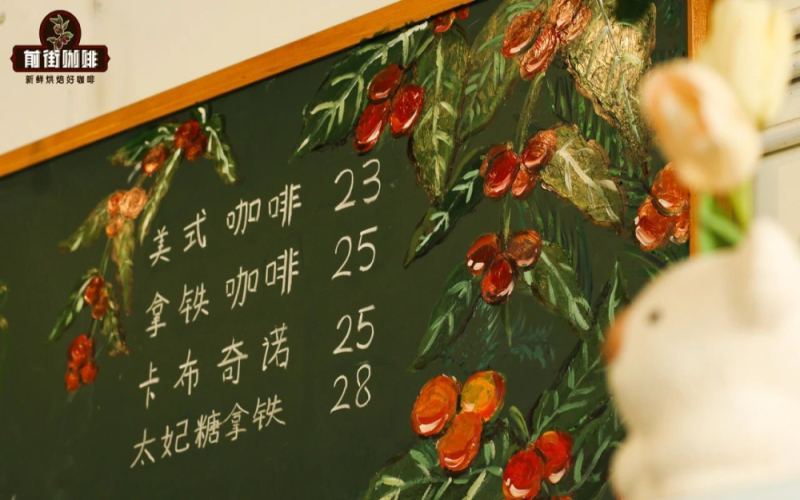
What Exactly Is American Black Coffee? Analyzing the Differences Between Americano and Long Black and Blend Bean Choices
Many coffee enthusiasts simply equate Americano black coffee with Americano, but in fact there are subtle differences between the two in concept and preparation. This article starts with the flavor sources of Americano and the production differences between Americano and Long Black, analyzes the impact of espresso extraction status on taste, and systematically introduces the recipes, flavors, and applicable scenarios of several espresso coffee beans used in Front Street Coffee stores, including Sunflower Warm Sun Blend, Dark Cocoa Blend, Specialty Blend, and Commercial Blend, to help readers understand the bean logic and extraction key points behind a delicious cup of Americano black coffee. [more…]
Where Do Black Coffee Flavor Differences Come From? A Detailed Guide to the Difference Between Americano and Long Black and How to Choose Front Street Coffee's Four Espresso Blends
The same cup of black coffee can be clean, sweet, and easy to drink, or burnt, bitter, and hard to swallow—so where exactly does the difference come from? Starting with the definition of black coffee, this article sorts out the origins of Americano and the reasons behind its flavor, and compares Americano and Long Black in terms of preparation order, coffee-to-water ratio, and taste performance. At the same time, drawing on the extraction parameters used at Front Street Coffee shops, it introduces one by one the recipes, roast levels, and flavor characteristics of four espresso coffee beans—Basic Blend, Commercial Blend, Warm Sun Blend, and Specialty Blend—to help coffee lovers and shop operators find a bean that suits them. [more…]

Drip Coffee Bags | How acidic is dark roast Brazilian drip black coffee? How to brew Mandheling, Yirgacheffe, and Brazilian drip coffee?
With the rise of the specialty coffee trend, coffee culture has been continuously spreading, and sales of both coffee equipment and coffee beans are constantly increasing. As a store focused on specialty coffee, Front Street not only brews a delicious cup of coffee for every guest, but also aims to spread coffee culture. If everyone [more…]
What Is the Difference Between Americano and Long Black? A Comprehensive Analysis from Extraction Method to Flavor Differences
American coffee and Long Black are both based on espresso, but the difference in preparation order brings about completely different taste experiences. The former is extracted first and then diluted with water, so the crema is dispersed and the concentration is even; the latter is poured with water first and then the espresso is added, so the crema is preserved and the flavor goes from strong to weak. Whether a cup of American coffee tastes good depends on the quality of the coffee beans and the extraction level. Front Street Coffee takes the Sunflower Warm Sun blend as an example, using the same beans to make American coffee and Long Black separately, showcasing the different layers of sherry aroma, berry acidity, and chocolate finish. This article will also introduce in detail the recipes, flavor characteristics, and suitable scenarios of Front Street's four Italian-style blends, helping coffee lovers find the cup that suits them. [more…]
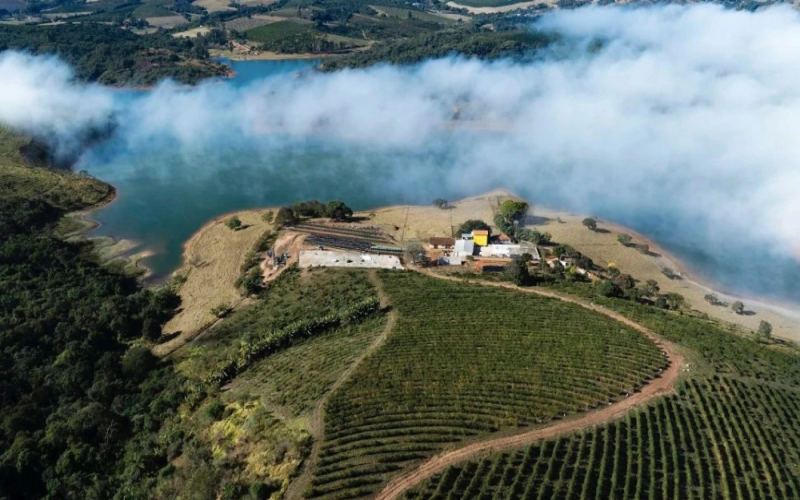
Exploring Brazil's Ipanema Estate: A Flavor Journey from the World's Largest Coffee Producer to Front Street Coffee's Blend
Brazil, as the world's number one coffee producer, has a deep and far-reaching coffee culture. Of the country's 21 states, 17 are involved in coffee cultivation, with Paraná, São Paulo, Minas Gerais, and Espírito Santo particularly prominent in production, collectively housing 3.97 billion coffee trees and producing coffee that accounts for one-third of global consumption. This article will take you into the story of Yipan Estate, Brazil's largest coffee bean supplier, from the region's characteristics to affordable prices, and on to the espresso blend widely praised by baristas—Front Street Black Cocoa—as well as the Front Street Brazil Queen's Estate single-origin beans suitable for pour-over. Whether for an espresso moka pot or pour-over black coffee, Brazilian coffee can satisfy coffee lovers' diverse needs with its balanced, moderate flavor and rich, sweet taste. [more…]
Single-origin beans don't necessarily make good SOE: A side-by-side test of pour-over vs. espresso with Brazil Queen's Estate Yellow Bourbon
Does SOE (Single Origin Espresso) equal specialty coffee, and does it equal great taste? The answer is no. As a crop, coffee's flavor fluctuates year by year with the terroir and climate, and the choice of extraction method also brings noticeable differences. Front Street Coffee conducted a comparative experiment using Yellow Bourbon from Queen's Farm in Brazil's Mogiana region, grown at an altitude of 1,400 to 1,950 meters, comparing pour-over and espresso: the pour-over version showed the fresh sweetness of sugarcane juice, with notes of black tea and nutty chocolate, while the SOE version revealed astringency like peanut skin and a thin body. This shows that not all single-origin beans are suitable for espresso; and the nutty, caramel character of Brazilian beans is precisely the ideal base note for espresso blends. At the end of the article, an interpretation of the recipes for Front Street's three espresso blends is attached. [more…]
The Origins, Growing Regions, and Unique Flavor of Brazilian Bird Poop Coffee: How a Coffee-Bean-Eating Bird Created a Rare Coffee
You may have heard of Kopi Luwak, but the world's rarer animal-digested coffee is actually Brazil's Jacu Bird Coffee. This coffee is produced only on Brazil's Camocim Estate farm, where a picky bird—the jacu—naturally selects ripe coffee cherries, ferments them, and then they are collected by hand and dried. This article will guide you through the history of Jacu Bird Coffee, Camocim Estate's transition to organic biodynamic farming, its unique harvesting and processing methods, and its signature flavor—sweet and full-bodied with nutty and black pepper notes. If you're looking to explore rare coffees on the market, Front Street Coffee also offers related selections and recommendations. [more…]
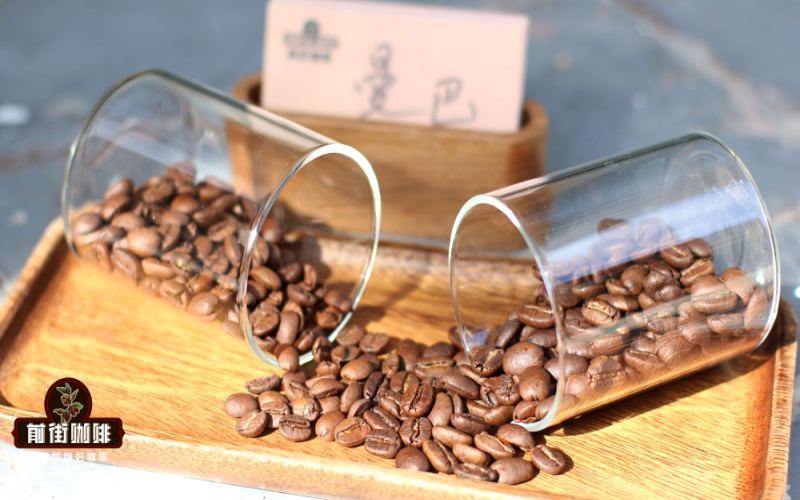
Is Mamba Coffee a Blend of Mandheling and Brazil? A Full Analysis of Ratios, Flavor, and Origin Processing Methods
Mamba coffee, as the name suggests, is a classic combination of Mandheling and Brazilian coffee. Common ratios include 50:50, 6:4, and 7:3, with different roast levels bringing about completely different flavor expressions. This article will start from the blending logic of Mamba, analyzing the origin characteristics of Mandheling and Brazilian Cerrado, the differences in processing methods, and how the two combine to form a unique taste that is rich, sweet, and balanced between acidity and bitterness. At the same time, the article will introduce how Front Street Coffee's classic blend pairs Sumatra G1 Mandheling with Brazilian Cerrado Red Bourbon, presenting an espresso flavor that is low in acidity, full-bodied, and carries aromas of dark chocolate and caramel, helping coffee lovers fully understand the charm of this blend. [more…]