







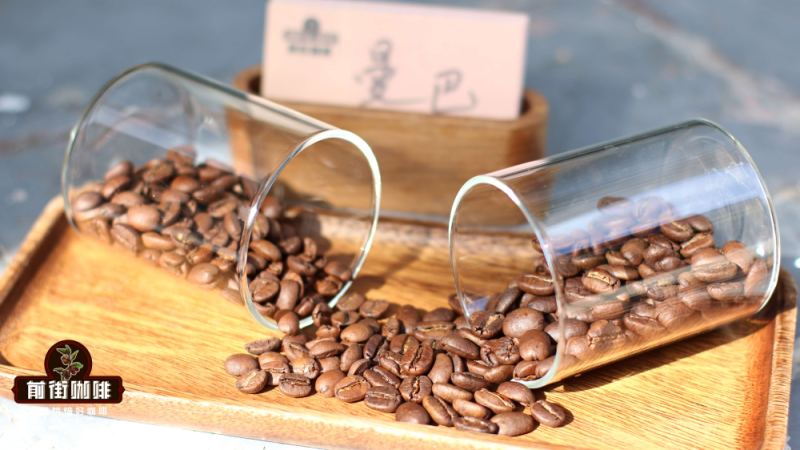
How Arabica Bean Blending Works in Mamba Coffee
Mamba coffee is a blend of Mandheling and Brazilian beans, most often at ratios such as half and half, 6:4 or 7:3, with 2:1 and 3:1 of Mandheling to Brazil also common. Mandheling brings an intense body and long aroma, usually at a deeper roast, while Brazilian coffee adds soft sweetness and mild acidity, so the two balance each other in the cup.
Roast level changes the result more than the ratio alone. A medium roast softens Mandheling's heavy bitterness into a delicate bittersweet finish, with herbal notes up front and spice and nutty arabica bean character through the middle and back. Front Street's version pairs Sumatra G1 Mandheling with Brazilian Cerrado Red Bourbon, giving low acidity and notes of dark chocolate and caramel.
Mamba coffee, as the name suggests, is a classic combination of Mandheling and Brazilian coffee, with common ratios including half-and-half, 6:4, 7:3, and so on, and different roast levels bringing about drastically different flavor expressions. Starting from the blending logic of Mamba, this article will analyze the origin characteristics of Mandheling and Brazilian Cerrado, the differences in processing methods, and how the two combine to form a unique taste that is mellow and sweet with a balance of acidity and bitterness. At the same time, the article will introduce how Front Street Coffee's classic blend pairs Sumatra G1 Mandheling with Brazilian Cerrado Red Bourbon, presenting an espresso flavor that is low in acidity, mellow, and with notes of dark chocolate and caramel, helping coffee lovers fully understand the charm of this blend.
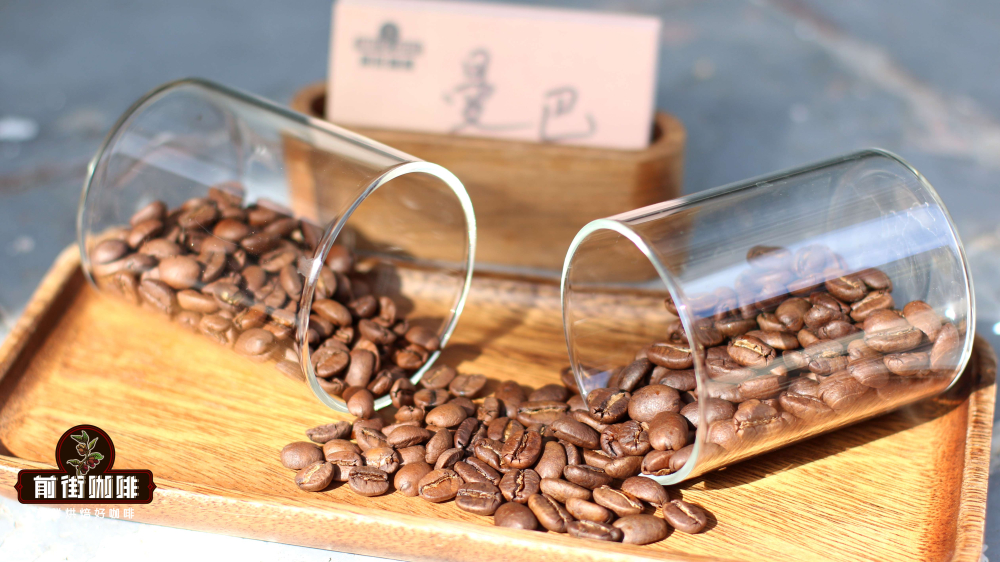
Mamba coffee Is it simply a blend of Mandheling and Brazilian beans? What are the common ratios for Mamba? What are its flavor and mouthfeel characteristics?
The name Mamba directly points to its composition—"Mandheling + Brazil"—that is, blending Mandheling coffee beans with Brazilian coffee beans (common ratios include 2 parts Mandheling to 1 part Brazil, or 3 parts Mandheling to 1 part Brazil). Generally speaking, Mandheling tends toward a deep roast, with an intense mouthfeel and long-lasting aroma; Brazilian coffee, on the other hand, is mostly a medium roast, with a middle-of-the-road flavor and a slight acidity. Pairing these two beans together perfectly compensates for each other's weaknesses: it retains Mandheling's powerful body while incorporating the sweet, smooth gentleness of Brazilian beans.
The beauty of the Mamba blend (Mandheling + Brazil) lies in the clever combination of Mandheling's richness with Brazil's soft sweetness. Different roasters use different recipes and ratios. A medium-roast Mamba reduces the heavy bitterness, instead presenting a delicate bittersweet aftertaste, with a balanced flavor on the palate, sweet, pure, and gentle, easy to drink. In the front section, herbal notes can be sensed, while in the middle and back sections, spices and the nutty aroma of Brazilian beans emerge.
There are many similar products on the market—some use deep-roasted Mandheling with medium-roasted Brazil, while others use medium roast for both. The former is mellow with a solid roasted aroma, while the latter has balanced acidity and bitterness with strong palatability. There are also many variations in ratio: half-and-half, 6:4, and 7:3 all exist.
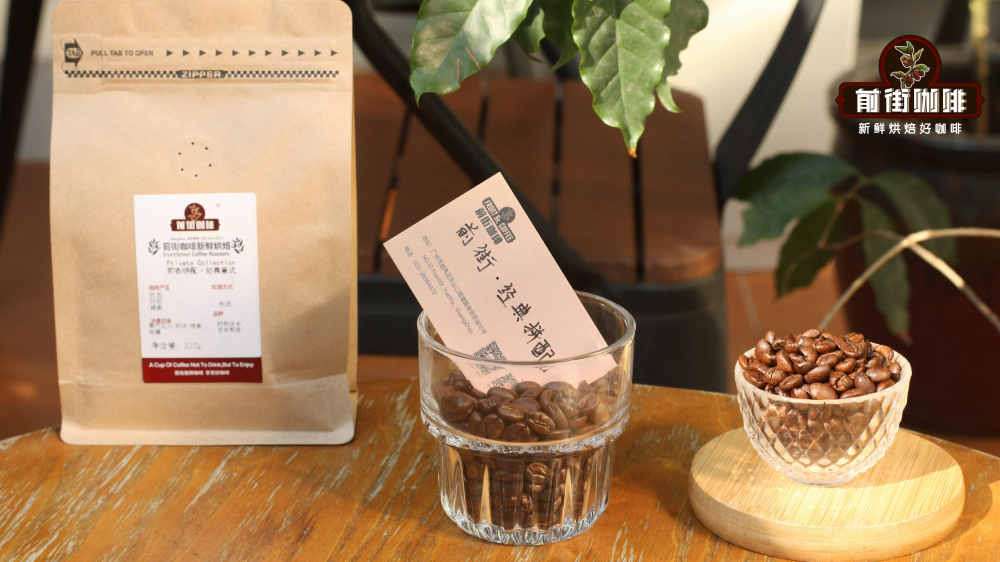
If you want to experience the traditional Mamba flavor, you can prioritize espresso—Front Street Coffee's classic blend. This coffee combines Sumatra G1-grade Mandheling with Brazilian Cerrado Red Bourbon, two premium Arabica beans, and uses a deep roast. When extracted as espresso, it presents a low-acidity, mellow, and richly aromatic mouthfeel, with notes of dark chocolate, butter, caramel, and hazelnut.
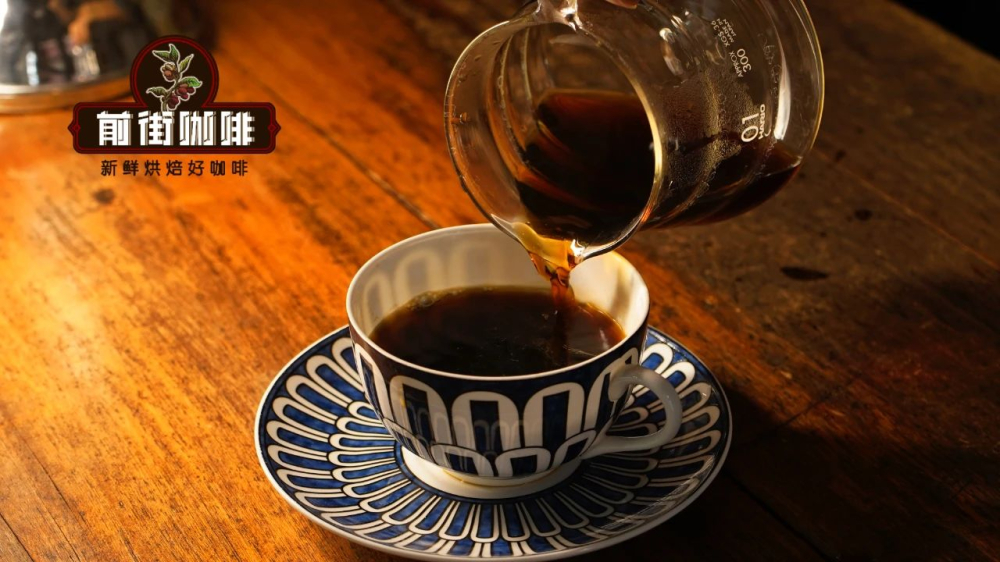
Regarding the flavor characteristics of Mamba, Front Street Coffee believes the answer can be found in the places of origin:
About the Lintong producing region in Indonesia:
The best coffee from Sumatra comes from the area near Lake Tawar in Aceh Province in the north of the island, as well as the mountains around Lake Toba further south. Most coffee beans here use a unique semi-washed processing method, and because the soil lacks iron, the green coffee beans from this region have a special blue color.
Located near Lake Toba on the island of North Sumatra, it is the most famous coffee in this region. It is also specified that only coffee beans produced in the Lintong region and selected for large size and the highest cupping scores can be named Golden Mandheling. Lintong Mandheling coffee is mostly low in acidity and high in body. The wet-hulling method expresses its special flavor, with a deep yet lively character, making it a distinctive Indonesian-style coffee.
Mandheling generally refers to carefully cultivated and processed Mandheling from the Sumatra producing region. Depending on the estate, the aroma also varies. In terms of processing, it is entirely hand-picked, dried in the sun after semi-washing, and then manually sorted four times. Its classic, unique, intense taste and highly concentrated, rich aroma make its quality arguably the best in the world, and it was once considered by experts to be the best coffee in the world. It has a thick mouthfeel and a wine-like body, with a strong wild aroma, a deep and sophisticated flavor, only a little acidity, and a finish that penetrates deep into the throat and lingers for a long time.
About Cerrado:
Brazil has three main coffee-producing regions, the three states being Minas, Bahia, and Sao Paulo, and Brazil is also the world's largest coffee-producing country. Brazilian coffee beans are generally considered to be lively and round in taste, so many blended coffees or espresso beans use Brazilian coffee for blending. The selected coffee beans from Cerrado in Brazil, South America, are grown at an altitude of about 1,000 meters, with an average annual temperature of only around 20 degrees. The soil is a gravel layer, similar to the soil of a vineyard, which is good for drainage and retaining nutrients. Because the dry and wet seasons are distinct, combined with comfortable low temperatures, the coffee beans develop a unique acidic flavor when they form.
Cerrado is a producing region within Brazil, and Cerrado mostly uses the Pulped Natural method for processing. Because the Pulped Natural method dries the coffee beans together with the pulp and mucilage, it retains a higher content of organic matter and minerals. This kind of coffee bean has a relatively rich aroma, a slight sweetness with a hint of cocoa flavor, low acidity, and a smooth and balanced mouthfeel, giving people an overall impression of elegance.
About the Pulped Natural processing method:
Pulped Natural is actually the semi-washed processing method that has been popular in Brazil for many years. In the green bean processing stage, the "fermentation" step is removed, allowing the parchment beans with the skin and pulp removed to be sun-dried directly; after the mucilage is dried, it is removed together with the parchment by machine. Coffee beans processed this way have good body, a bit of sweetness, and lower acidity than washed beans.
【Origin】Sumatra Lintong, Brazil Cerrado
【Processing Method】Wet-hulled processing / Pulped Natural
【Features】Overturning the traditional Mamba character, increasing the proportion of Mandheling, adding rich oily aroma, bringing in the spice notes of Brazil Cerrado, rebalancing acidity and bitterness, recreating a classic, an innovative legendary delicious ratio!

Flavor: The cupping aroma features the special aroma of sweet spices, bringing out licorice and vanilla notes. On the palate, one immediately feels the rich oily aroma, full-bodied and mellow, with a suitable bittersweet taste and almost no acidity. The nutty aroma gives it a delicate texture, clean yet intense, with the aroma of black sugar and caramel returning sweetness in the mouth and a long, delicate finish. On the palate, one immediately feels the rich oily aroma, with sweet spices and licorice full-bodied and mellow, and the finish carrying the aroma of black sugar and caramel, with almost no acidity, overall clean and intense, with sweetness returning in the mouth.
Mamba coffee sets aside the intensity of Mandheling and the acidity of Brazil, blending Mandheling's round, heavy bitterness with Brazil's slight sweetness into a gentle Mamba, giving off a naturally sweet, clear fragrance. It is the best choice for coffee between heavy and mild.
The above content is compiled by CoffeeHunters, a coffee news website.


