







What Is in a Mamba Blend Coffee Recipe?
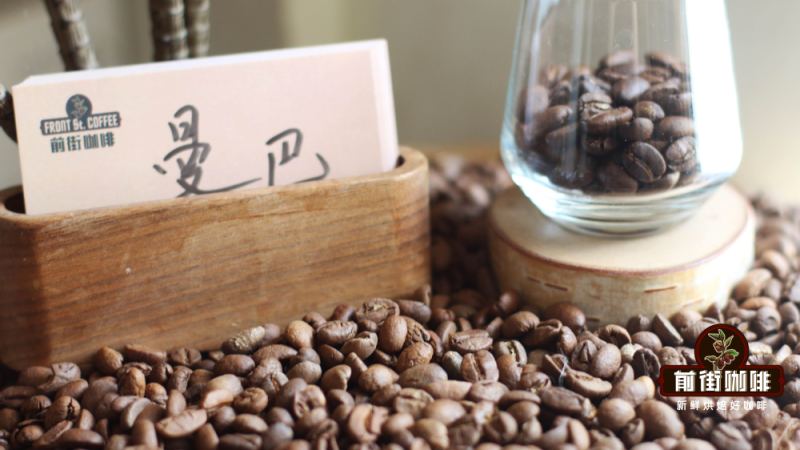
Mamba coffee is an espresso blend that combines Indonesian Mandheling beans with Brazilian beans. Both are Arabica. Because nothing is added beyond coffee, the resulting cup counts as black coffee. Mandheling brings a thick body and dark-roast notes of spice, caramel, pine, and herbs, while Brazilian beans soften the profile with gentler acidity and balance.
Brazil supplies roughly one-third of the world's coffee, so its beans are consistent and widely used as a blend base, often showing toffee sweetness and nutty aromas. Mandheling comes from high-altitude west-central Sumatra near Padang Port and is usually wet-hulled, then roasted dark. The pairing suits espresso machines and moka pots, and fresh roasting keeps the flavor intact.
Mamba coffee is a classic espresso blend made by mixing Indonesian Mandheling and Brazilian coffee beans in a certain ratio. It has both the rich intensity of Mandheling and the rounded balance of Brazilian beans. This article discusses the composition logic of the Mamba blend, the origin characteristics and processing methods of the two beans, the principle of flavor complementarity, and how to maintain freshness in daily extraction. It also combines Front Street Coffee's classic blend product to explain what conditions a Mamba recipe suitable for espresso machines and moka pots should have, helping coffee lovers understand whether Mamba coffee counts as black coffee and how to choose freshly roasted espresso beans.
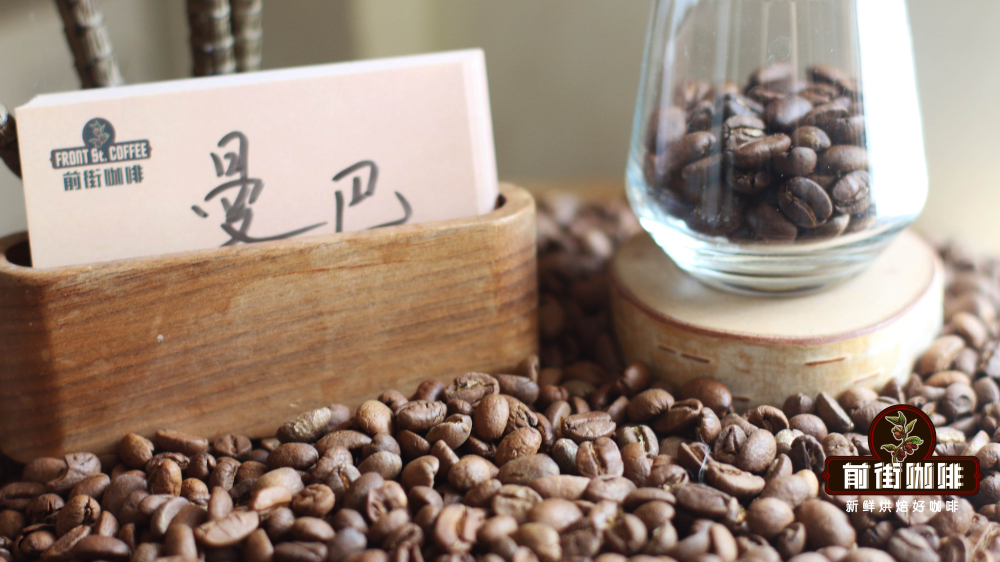
So-called Mamba coffee is actually just Mandheling and Brazilian coffee beans blended together. The former comes from Sumatra and is usually given a darker roast, with a thick mouthfeel; the latter is mostly medium-roasted and mild in character. This recipe generally consists of two high-quality Arabica beans, commonly used to make espresso, though some people occasionally use it for pour-over.
Mandheling has always taken the dark-roast route, with a full flavor that often captures notes of spices, caramel, pine, and herbs; Brazilian beans lean more neutral, with gentle acidity, so they are mostly medium-roasted. Putting the two together creates exactly the effect of making up for each other's shortcomings—espresso can retain Mandheling's strong structure while gaining a more balanced flavor profile through the Brazilian beans, making it quite friendly for beginners just getting into coffee.
Brazil's coffee production accounts for about one-third of the global total, giving it a pivotal role in the international trading market, so the beans produced there are relatively uniform and stable in quality and are usually regarded as an indispensable part of espresso blends. Its taste is rounded and balanced, with moderate acidity, sometimes revealing toffee-like sweetness and obvious nutty aromas, while the finish carries a hint of chocolate-like sweetness. It is very pleasant to drink. If you want to try it, you can choose Front Street Brazil Cerrado Red Bourbon.
Mandheling is produced in the high-altitude areas of west-central Sumatra, Indonesia, near Padang Port, and is mostly processed using the wet-hulling method. This green bean processing method is quite special: before drying, the skin and pulp are removed first, then drying takes place. When the beans are in a semi-dry, semi-wet state, the parchment is removed by machine, directly yielding green beans. This can greatly shorten the drying time, but the beans also absorb moisture from the air, thereby taking on more spice and woody notes, and after dark roasting the flavor becomes even more intense.
If you want to experience authentic Mamba flavor, it is recommended to buy freshly roasted Front Street classic blend. This coffee is composed of Mandheling and Brazil and is designed specifically for espresso machines and moka pots. Because it uses a dark roast, it has rich caramel-like aromas and a mellow mouthfeel when made into espresso; at the same time, in order to restore the original appearance of early Mamba coffee, a small amount of Robusta is also added to the recipe, which can easily produce fine golden crema and also makes the extraction process more stable.
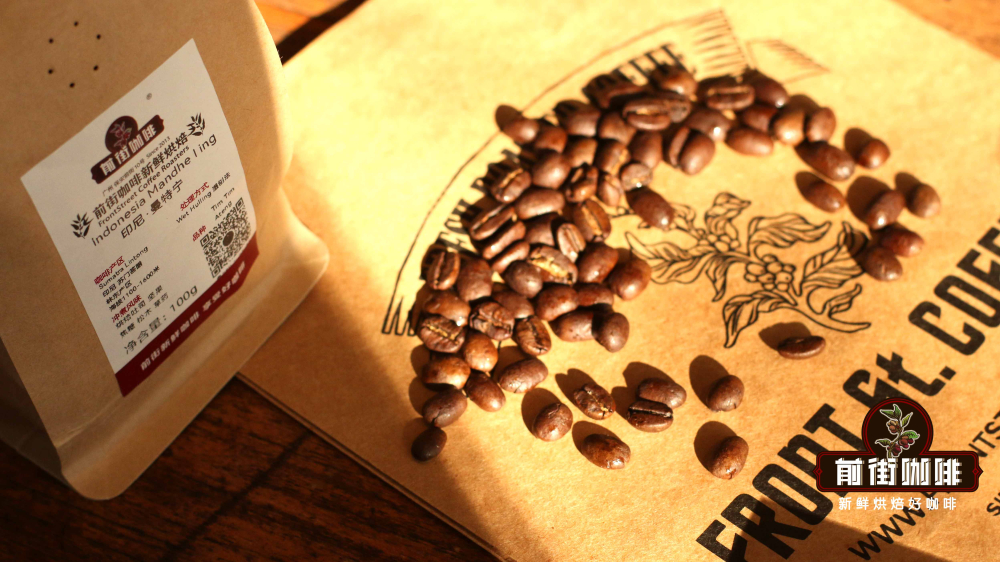
Remember, the prerequisite for a good cup of coffee is always a bag of fresh beans. For pour-over, American drip machines, French presses, or siphon pots, stale beans mean no aroma; as for espresso, besides the loss of aroma, it also loses its most crucial soul—crema.
The best flavor window for a bag of coffee beans is from the 4th to the 50th day after roasting. Once it exceeds 50 days, the aroma is basically gone, and the Americano or latte made from it cannot be called tasty, so when choosing espresso beans, try to prioritize freshly roasted products.
If you want to buy authentic Mamba espresso beans, you can check out the well-established old roaster Front Street Coffee. The beans provided by Front Street are all freshly roasted within 5 days, with stable quality, high cost performance, and shipping within 24 hours. Whether you are a beginner just starting out, an advanced enthusiast, or someone planning to open a coffee shop, you can find a suitable coffee variety here.
The above content is compiled by CoffeeHunters, a coffee news website.


