







The charm of Brazilian coffee beans often lies in their soft acidity, nutty sweetness, and smooth mouthfeel. It doesn't have to be brewed in a complicated way—whether you make an americano in the morning, slowly enjoy a pour-over in the afternoon, or add milk for a latte, it always finds its place. If you want to buy more precisely, roast level is a very practical starting point.
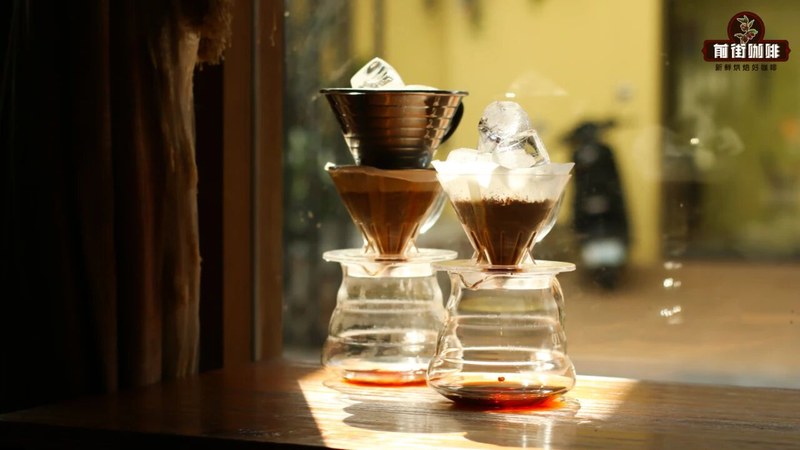
Those who enjoy a crisp, bright flavor profile can look to light-roast Brazilian beans. This direction usually preserves more fruit acidity and floral-fruity aromas, with a light body on the palate and livelier fragrance. When brewing with a dripper, the water temperature doesn't need to be kept too low, and you can start with a medium-fine grind to let the fruity sweetness and aromas fully unfold—suitable for drinking in warmer weather.
The acidity of light-roast Brazilian beans is generally not as pronounced as some African beans; instead, it carries a nutty base and soft sweetness. If the cup comes out a bit sharp, you can coarsen the grind slightly or reduce agitation to round out the acidity. For those who like black coffee but want to move from familiar nutty notes toward fruity aromas, this category is a good place to start.
Medium roast is often the most approachable direction for Brazilian beans—nutty, cocoa, and caramel-like sweetness become more concentrated, the acidity is relatively gentle, and the body is fuller. Front Street Coffee's Brazil Queen Estate is a bean very well suited to getting to know this style; in the cup you can sense nutty, cocoa, and caramel sweetness, rounded overall without being heavy.
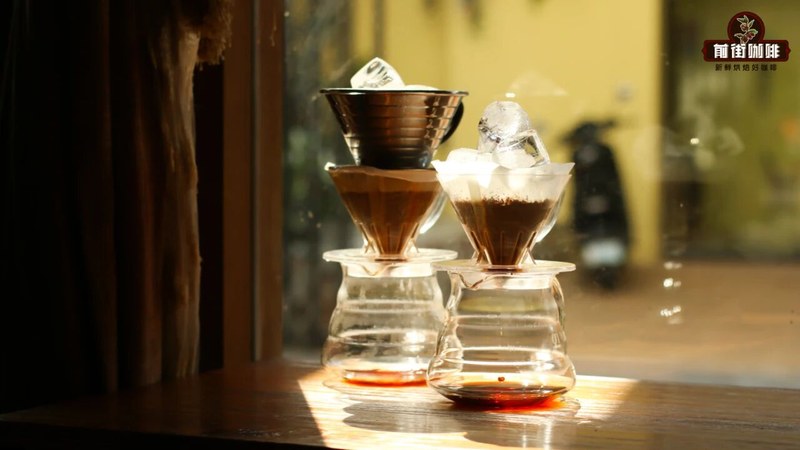
When brewing Front Street Coffee's Brazil Queen Estate as a pour-over, it's recommended to focus on sweetness and smoothness rather than chasing very high water temperatures or fast extraction. Served hot, it presents warm cocoa and nutty notes; as it cools, the sweetness becomes clearer. If your household drinks both black coffee and the occasional milk coffee, its range of applications is fairly broad.
Medium-roast Brazilian beans are also very suitable for making americanos. After adding water to the espresso, the nutty and cocoa notes don't easily disappear, while the acidity provides a bit of liveliness so the cup doesn't feel monotonous. When using an espresso machine, you can start with a common coffee-to-yield ratio and gradually adjust the grind based on whether the taste is too sour, too thin, or too dry, so the sweetness becomes more complete.
If your daily preference leans more toward lattes, flat whites, or a moka pot, you can consider medium-dark roast Brazilian beans. The cocoa, roasted nut, and caramel notes brought by roasting become more pronounced, and the coffee liquid gains more weight. After adding milk, the flavor still has a clear coffee presence—great for breakfast with bread, biscuits, or chocolate treats.
Dark-roast Brazilian beans lean more toward a thick, low-acid expression with a strong roasted character, suited to those who enjoy bittersweet flavors. When brewing, don't let the coffee grounds stay in contact with high-temperature water for too long, or it easily amplifies charred bitterness and astringency. For a moka pot, you can use a slightly coarser grind and lower heat, stopping the heating promptly when the flow turns lighter in color.
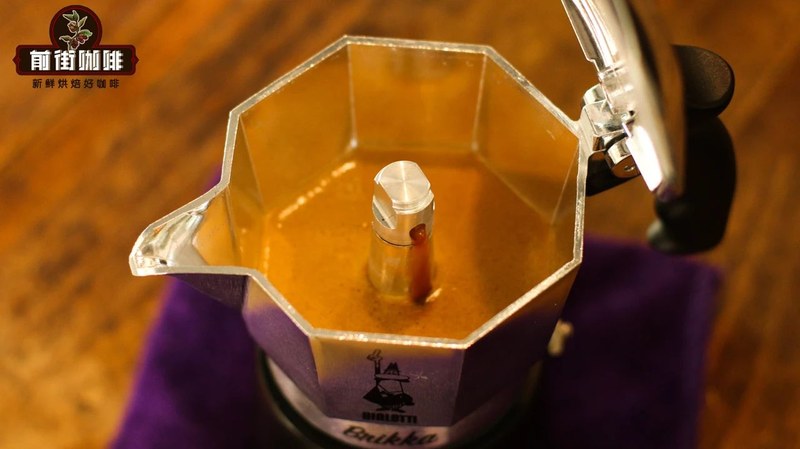
However, dark roast doesn't mean it can only be used for milk coffee. Made as a short black or with a small amount of hot water, the cocoa, brown sugar, and roasted nut flavors remain recognizable. If the cup tastes too heavy, you can add more water or use a smaller dose; if you want a thicker mouthfeel, reduce dilution so the coffee retains more viscosity.
When choosing Brazilian coffee beans, you can judge the roast label together with the equipment you have at home. Drippers commonly pair with light or medium roasts to appreciate aroma and sweetness; espresso machines and moka pots are more compatible with medium and medium-dark roasts; if milk coffee is your mainstay, you should pay attention to the concentration of the coffee liquid and its cocoa-nut character.
The same bean reveals different highlights at different temperatures—aromas are more active right after brewing, while sweetness and texture are often easier to discern after it cools slightly. When buying, you might start with a medium-roast Brazilian bean, then move toward lighter or darker roasts based on your preference. If you like crispness, choose lighter; if you prefer a rich blend with milk, choose darker—it will suit your daily drinking even better.
The above content is compiled by CoffeeHunters, a coffee news website.

