








Brazil and Colombia are both well suited to expressing nutty and sweet notes in a moka pot, but the two have different flavor emphases. Brazil commonly shows hazelnut, peanut brittle, caramel, and cocoa, with a rounded body that makes it a solid, substantial base; Colombia often brings brown sugar, caramel, ripe fruit, and a soft citrus note, adding a brighter layer to the brewed coffee. When choosing a single origin, you can drink according to the direction of sweetness you prefer; when combined into a blend, nuts, brown sugar, and cocoa can form a more complete rhythm in the same cup.
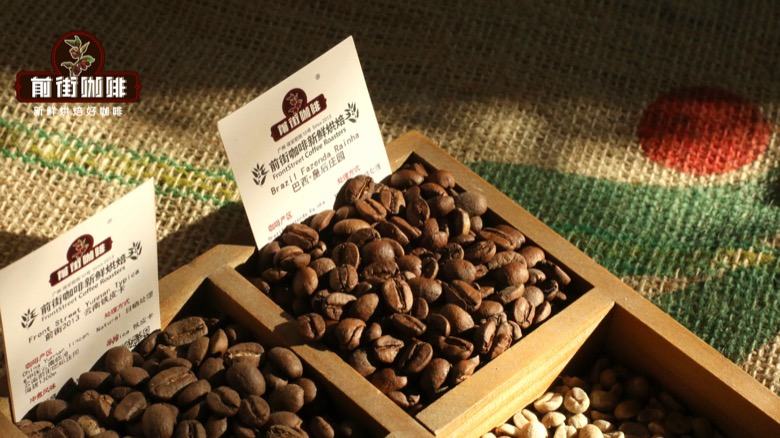
A Brazilian single origin brewed in a moka pot suits those who enjoy a full-bodied black coffee. Medium to medium-dark roasted Brazilian beans, extracted at a higher concentration, will concentrate the roasted nuts, caramel, and chocolate, giving a thick mouthfeel that remains sweet and smooth. Once brewed, you can sip it directly in small amounts, feeling the coffee move from nutty aromas to a cocoa finish; you can also dilute it with hot water to make a black coffee with adjustable strength. If you add a small amount of milk to the cup, the association with hazelnut and butterscotch becomes clearer, making it a good match for breakfast with toast, croissants, and other foods with a toasted aroma.
A Colombian single origin presents a more fluid sweet fragrance. Brown sugar, caramel, and ripe fruit are compressed in the moka pot into a concentrated, smooth flavor, while the acidity brings a light, lively quality, giving the black coffee more clarity beyond its body. A medium roast can preserve the brown sugar and fruit notes, making it suitable for drinking straight; a medium-dark roast pushes cocoa, caramel, and roasted nuts to the front, making it better suited to a small amount of milk. If you are used to making small cups of coffee, you can reduce the dilution ratio to concentrate Colombia's sweet fragrance; if you want to extend the drinking time, adding hot water will allow the aroma to unfold more fully.

When Brazil and Colombia are combined into a blend, you can think of Brazil as the body base and Colombia as the supplement of sweetness and liveliness. With a higher proportion of Brazil, the cup leans more toward hazelnut, cocoa, and caramel; with a higher proportion of Colombia, brown sugar, ripe fruit, and soft acidity become clearer. This combination works both as black coffee and with a small amount of milk, making it suitable for switching brewing methods at home with the same moka pot. Grind slightly finer than for pour-over and coarser than for espresso, fill the basket level without tamping, let the coffee flow out steadily over medium-low heat, and remove from the heat when the final stage turns pale, so the nutty sweetness and caramel aroma of both origins stay in the cup.
The above content is compiled by CoffeeHunters, a coffee news website.

