







Brazilian coffee is known for its low acidity, balanced cocoa and nutty notes, high yield, and consistent quality, making it an indispensable cornerstone of espresso blends. This article focuses on four classic espresso blends from Front Street Coffee — Classic Espresso, Commercial, Specialty, and Black Cocoa — analyzing their flavor characteristics and suitable applications one by one, while also explaining Brazil's green coffee grading system, main producing regions, and the impact of mechanized harvesting on specialty quality. In addition, the article provides complete parameters and operating steps for making espresso with Front Street Classic Espresso Blend, including dose, yield, extraction time, and Americano dilution ratio, suitable for coffee lovers from beginner to advanced reference.
Although Brazilian coffee's flavor may not be stunning, it stands out for its low acidity, large-scale production, affordable price, and stable quality, presenting a balanced mouthfeel interwoven with cocoa and nuts, and a rich, full aroma. For this reason, it frequently appears in espresso bean blend recipes, effectively controlling costs while injecting sweet richness into espresso. Among the most representative products are four coffees: Front Street Classic Espresso Blend, Front Street Black Cocoa Blend praised by many baristas, Front Street Commercial Blend, and Front Street Specialty Blend.
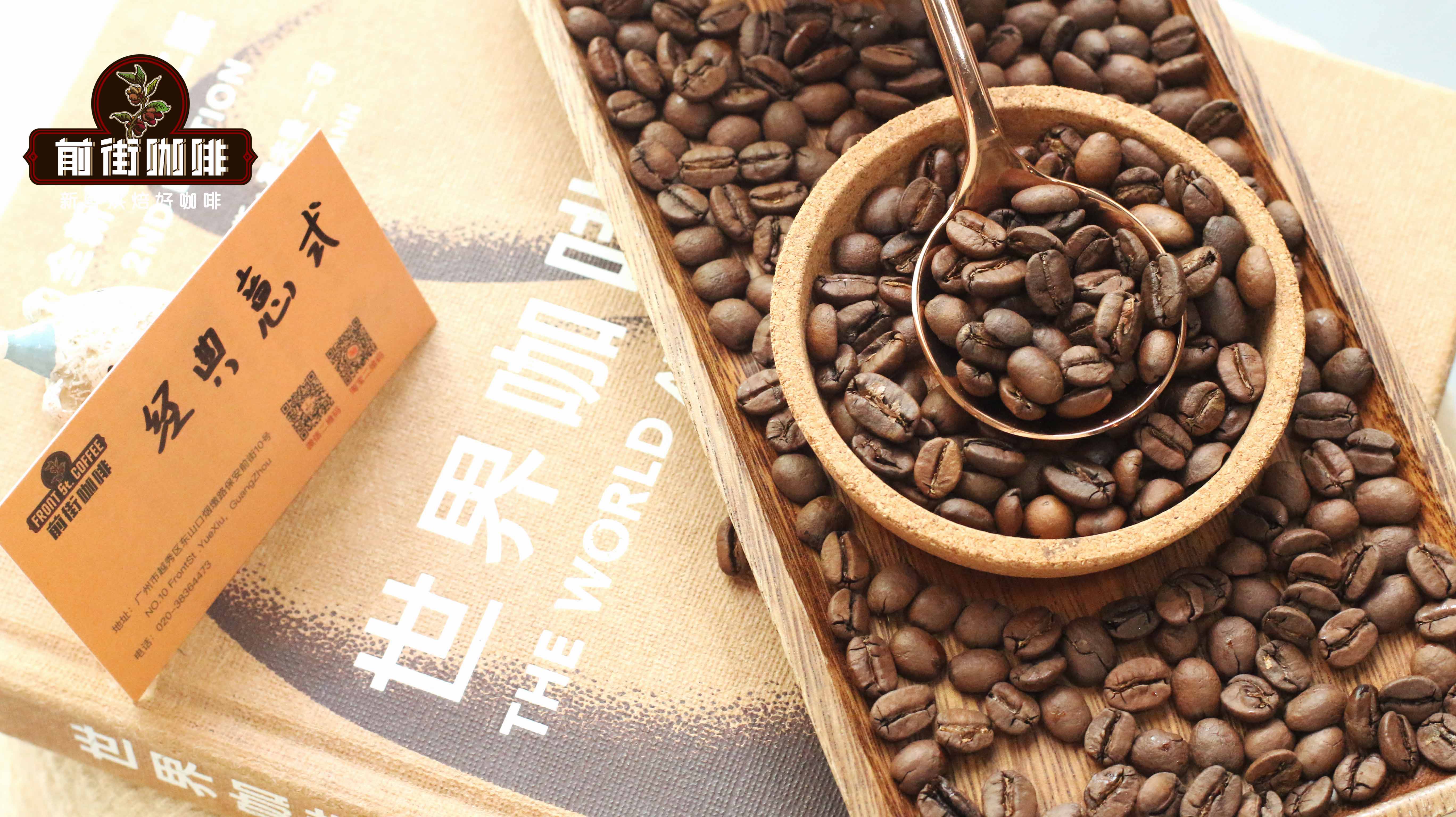
Nutty cocoa flavor No. 1: Front Street Classic Espresso Blend. This bean adds Robusta to the Mamba recipe, significantly enhancing the coffee's crema performance and making the espresso's body more prominent. It is very suitable for home use, especially for making lattes and latte art.
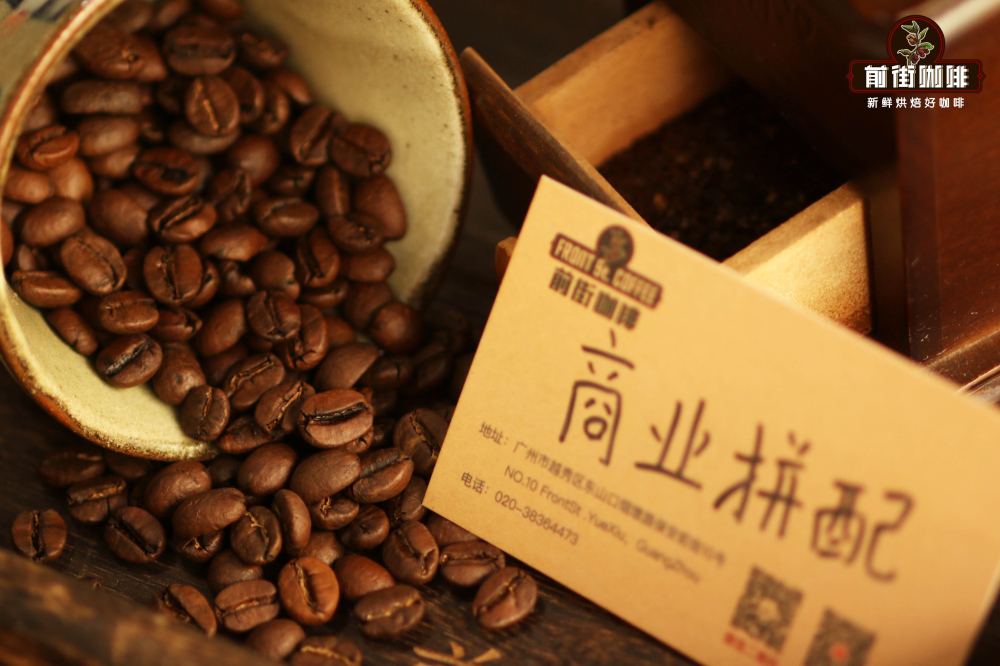
Nutty cocoa flavor No. 2: Front Street Commercial Blend. The Americano made with it is sweet and mellow on entry, with very rich aromas of dark cocoa and toasted bread, making it extremely easy to drink; as a latte, it is dense and smooth, with a lasting aftertaste. Coupled with its affordable price, it can fully serve as an everyday household staple bean.
Nutty cocoa flavor No. 3: Front Street Specialty Blend. The inherent nutty aroma and balanced body of Brazilian coffee, combined with the chocolate notes of Colombian coffee, produce a synergistic effect far beyond a single origin. The extracted espresso has a complex flavor of cream cookies, cocoa, and roasted nuts, especially suitable for people who dislike acidity, and can be used to make Americano or latte.
Nutty cocoa flavor No. 4: the espresso bean recommended by many baristas — Front Street Black Cocoa Blend. For friends new to espresso, cost-effectiveness is often the first consideration, and this bean happens to meet the needs of most home users. It has soft fruit acidity, caramel-like sweetness, and nutty and dark chocolate flavors, with a smooth and syrupy mouthfeel, and its price is also quite advantageous. It is suitable for shop owners and home users who prioritize cost and do not have extreme flavor requirements.
On the jute bags used for Brazilian coffee exports, a string of English words and numbers is often printed, such as "CERRADO NY-2 SC-17/18 SS FC". These characters are actually the grading identifiers for Brazilian green coffee, established by the Ministry of Agriculture, Livestock and Supply of Brazil (MAPA), usually covering dimensions such as specific producing region, defect grade, coffee bean screen size, cup score, and sensory grade.
Brazil has 26 states in total, of which 17 are mainly engaged in coffee cultivation and export, so Brazilian coffee producing regions are traditionally divided by state. However, with the advancement of the specialty coffee wave, the market has increasingly strict traceability requirements for coffee beans with excellent flavor, and regional division has become more refined. Today, many sub-regions have been further divided within the major states.
Well-known and common sub-regions include Mogiana (MOGIANA), Sul de Minas (SULDE MINAS), and Cerrado (CERRADO), among others. Coffee beans produced in these regions are clearly marked on the jute bags. In addition, to emphasize source information, some coffee beans also indicate the port name; for example, the well-known Santos coffee is shipped from the Port of Santos.
Brazilian coffee is mainly distributed in the flat plateau areas of the central and southern regions, at an altitude of about 1,000 meters, with conditions for large-scale cultivation. No other country in the world can approach Brazil's coffee planting area. At the same time, Brazil is also the world's most industrialized coffee-producing country and the most dependent on mechanized production, so large machinery operations are often seen in Brazilian coffee farms. Although mechanized harvesting can save labor costs, it also lowers the specialty level of coffee to a certain extent.
However, Brazil also has specialty coffee producing regions, where coffee is grown in mountainous areas at an altitude of 1,000 to 1,400 meters. The terrain is relatively steep, mechanized operations are limited, and manual harvesting is mostly used.
Parameters for making espresso with Front Street Brazil Classic Espresso Blend
The coffee machine used at Front Street stores is the commercial single-group "Lelit Bianca", which can adjust extraction by changing pressure, with a maximum pressure of up to 11 bar. A home espresso machine only needs to reach 9 bar pressure to meet the needs of extraction and milk frothing, and paired with an espresso grinder it is sufficient.
Coffee beans: Front Street Classic Espresso Blend
Coffee dose: 20g
Coffee yield: 40g
Dose-to-yield ratio: 1:2
Extraction time: 26–32 seconds
Grind setting: Galileo 2.0
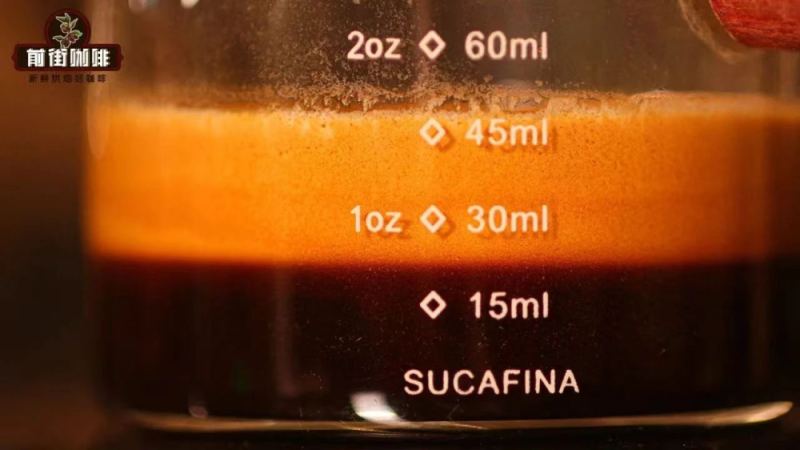
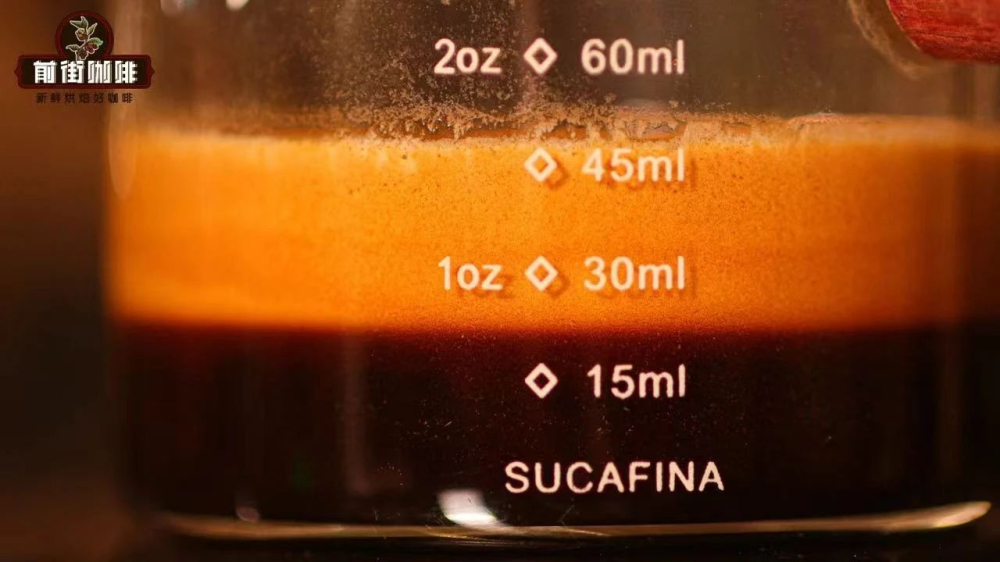
The coffee machine used by Front Street is equipped with a double basket, requiring 20 grams of coffee powder each time, with the extraction dose-to-yield ratio set at 1:2, that is, producing 40 grams of coffee liquid within a reasonable time. The extraction duration is closely related to the flow rate of the coffee powder, and a single extraction is usually controlled between 20 and 35 seconds: less than 20 seconds tends to make the coffee thin and bland, while more than 35 seconds tends to over-extract, bringing a burnt bitter taste. Therefore, when producing, Front Street keeps the extraction time of espresso within the range of 26–32 seconds.
Before extraction, first wipe the basket clean, turn on the grinder to grind a double dose of coffee powder, and place it on an electronic scale to adjust to exactly 20 grams. Then use a distribution tool to level the coffee bed, and then use a tamper to apply force vertically downward to compact the coffee puck, ensuring a more stable extraction process.
Next, turn on the extraction switch and let water run for 1–2 seconds to wet the brew head and rinse away any residual coffee grounds on it. Place an electronic scale under the cup receiving the Espresso and tare it to zero, and place it under the brew head during extraction as well.
Gently lock the portafilter onto the brew head and flip down the extraction switch. Observe the state of the extracted liquid. When the electronic scale shows that the coffee liquid has reached 40 grams and the time is about 30 seconds, flip down the extraction switch to stop extraction. Regarding how to drink Front Street Classic Espresso Blend coffee beans, Front Street dilutes the espresso into a hot Americano at a coffee-to-hot-water ratio of 1:5, which retains the originally palatable character while maintaining a balanced, mellow mouthfeel and pleasant flavors such as cleanliness and sweetness on the finish.
For more specialty coffee knowledge, please follow the WeChat public account: Front Street Coffee (FrontStreet Coffee)
The above content is compiled by CoffeeHunters, a coffee news website.


