







Search Results for: Botanical Tea
A Complete Guide to Arabica Coffee: From Botanical Classification to Variety Characteristics and Origin Distribution
What exactly does a coffee tree look like? What is the essential difference between Arabica and Robusta? Starting from botanical classification, this article systematically sorts out the complete classification system of the genus Coffea and explains in detail the origins, growing conditions, flavor characteristics, and main subspecies of the two major commercial varieties, Arabica and Robusta. You will learn about the anatomical structure of the coffee cherry, the spread paths of classic subspecies such as Typica and Bourbon, and the genetic connections between Yunnan small-bean coffee and Blue Mountain and Kona. Whether you are a beginner enthusiast or a seasoned professional, this basic knowledge about coffee varieties is worth reading. Front Street Coffee will also recommend variety information worth paying attention to in this article. [more…]

Yunnan Small-Bean Coffee: Origin Environment and Flavor Analysis — From Botanical Characteristics to Quality Grading
Yunnan, as China's most important coffee-producing region, nurtures outstanding quality Arabica coffee thanks to its subtropical mountain climate south of the Tropic of Cancer and its fertile plateau red soil. This article systematically reviews the introduction history, main cultivated varieties, producing region distribution, and flavor characteristics of Yunnan coffee, and provides a detailed introduction to the botanical features—roots, stems, leaves, flowers, and fruit—of Arabica coffee as well as its grading standards. Whether you are a coffee enthusiast just starting out or a seasoned player hoping to gain a deeper understanding of the past and present of Yunnan beans, you can gain from it a complete understanding of the relationship between this land and coffee, while also seeing Front Street Coffee's continued attention to and recommendations for Yunnan coffee. [more…]
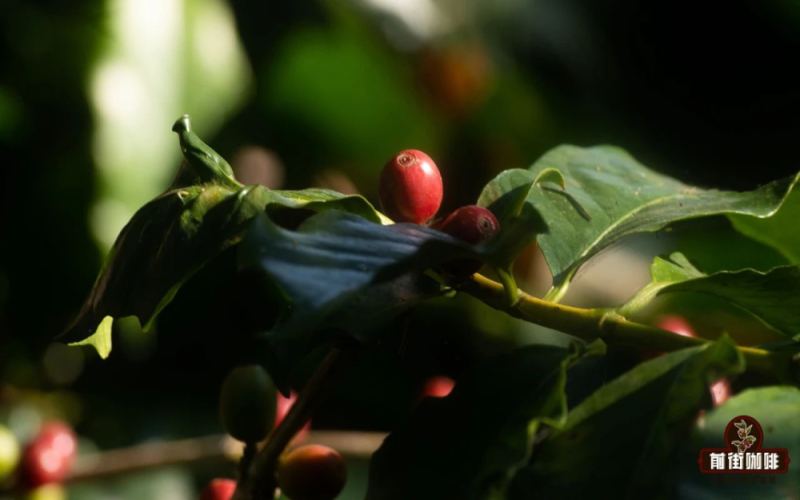
A Complete Analysis of the Typica Coffee Variety: From Origin and Spread to Flavor Characteristics and Pour-Over Parameters
Typica is widely recognized as the prototype of all Arabica coffee varieties and is an essential part of coffee variety knowledge. It originated in southwestern Ethiopia, the birthplace of Arabica coffee, and spread with seeds throughout Yemen, India, Java, and Dutch botanical gardens, eventually reaching South and Central America. The young leaves at the top of the Typica coffee tree are bronze-red, earning it the nickname "red-topped coffee," but it has poor disease resistance and low yield, making it difficult to cultivate. This article will explore Typica's botanical characteristics, its spread history, flavor profiles in different producing regions, and the pour-over extraction parameters used by Front Street Coffee for Typica grown in Lincang, Yunnan, to give you a comprehensive understanding of this ancient and elegant coffee variety. [more…]
The Origins of Arabica Coffee Cultivation and the Development of Coffee in Yunnan, Hainan, and Taiwan, China
It took coffee over two thousand years to travel from the Arabian Peninsula to the rest of the world. This article traces the spread of coffee cultivation, from the Arabs' first plantings in 525 BC, to its introduction to Eurasia in the 15th century and its spread across the tropics by the 18th century. It also focuses on the introduction and rise of coffee in China—Taiwan led the way in 1884, Hainan saw it brought back by overseas Chinese in the early 20th century, and Yunnan's Arabica coffee, thanks to the terroir advantage of large day-night temperature differences, has developed a unique style that is rich without being bitter, aromatic without being harsh, and carries fruity notes, praised by international coffee traders as being of superior quality. The article also introduces the botanical classification and growing conditions of the coffee tree. [more…]
How Should Beginners Choose Single-Origin Coffee Beans? Understanding Variety, Origin, and Processing Methods at Once
Want to try single-origin coffee but don't know which beans to start with? This article begins with the botanical roots of coffee beans, sorting through the two primary native species, Typica and Bourbon, and their derivative lineages, then introduces the coffee-growing belt centered on the equator. The flavor profiles of different regions each have their own character: African beans are boldly fruity, Central American beans are balanced and elegant, and Asian beans are rich and full-bodied. The article also explains in detail how the three processing methods—natural, washed, and honey—affect the taste, as well as the relationship between roast level and acidity versus bitterness. Finally, it offers practical advice for beginners choosing beans, recommending starting with Front Street Yirgacheffe Washed G2, to help you find the best balance between price and flavor. [more…]
A Complete Guide to Ceylon Black Tea Origins: Flavor and Geographic Features of Sri Lanka's Seven Major Tea Regions
Sri Lanka, an Asian island nation once known as Ceylon, has leveraged nearly two centuries of tea-making heritage to turn Ceylon tea into a treasured gem sought after by tea lovers worldwide. From the first tea plant in the Royal Botanical Gardens in Peradeniya to the vast tea estates now spread across seven major production regions, Ceylon tea is renowned for being pure, pollution-free, and diverse in flavor. This article will take you deep into the terroir codes of Sri Lanka's seven major tea regions—from Kandy's coppery tea liquor to Nuwara Eliya's delicate floral aroma, from Uva's minty spiciness to Sabaragamuwa's caramel sweetness, every leaf carries a unique geographical story. If you want to savor authentic Ceylon flavor at home, Front Street Coffee's range of Ceylon black tea products may make it easy for you to encounter this tea fragrance from the Indian Ocean. [more…]
What is the difference between pure tea and blended tea? A detailed explanation of tea's origins, spread, and blending methods
Tea is the world's most popular beverage after water. Whether black or green, with milk or plain, every type of tea offers a unique experience. All tea leaves come from the same tea plant, but differences in origin, altitude, climate, and production methods create teas with distinct flavors. This article begins with the botanical characteristics and origins of the tea plant, traces the spread of tea from a medicinal drink in southwestern China to its popularity across East Asia, Europe, and even India, and focuses on comparing the features, pros, and cons of 100% natural pure tea versus blended tea, finally including a simple blended tea recipe for coffee and tea enthusiasts to reference. [more…]

A Comprehensive Analysis of Guatemalan New Oriente Geisha Coffee Beans: Terroir, Variety Characteristics, and Brewing Recommendations
Guatemala is the ninth-largest coffee producer in the world, known for its high-grown strictly hard beans. Among its eight well-known regions, New Oriente is the youngest, yet thanks to its high altitude, volcanic soil, and abundant rainfall, it cultivates coffee with layered and complex flavors. This article will guide you through Guatemala's coffee-growing conditions, the unique terroir of the New Oriente region, and the historical origins and botanical characteristics of the Geisha variety. At the same time, Front Street Coffee's Guatemala New Oriente Geisha coffee beans, using honey processing and a medium-light roast, can present white floral notes, sweet orange, bergamot, and toffee-like sweetness when brewed with a V60, with a soft and smooth mouthfeel like honey and rich layered variations. [more…]
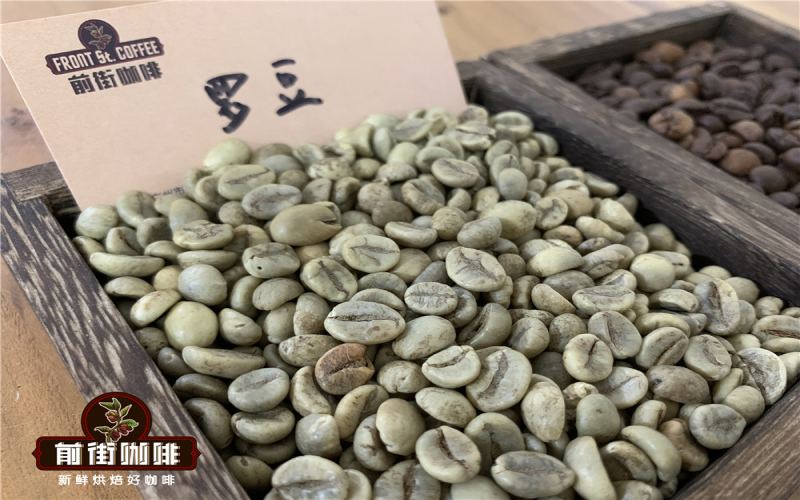
An Analysis of Robusta Coffee Bean Derivative Varieties and Cultivation Advantages: The Complete Lineage from Canephora to Tim Tim
In the world of coffee, Robusta, though less favored than Arabica, occupies a market share that cannot be ignored thanks to its tenacious vitality and unique flavor. This article will systematically sort out Robusta's botanical classification—it belongs to the Canephora species, from which hybrid varieties such as Tim and Catimor are derived; at the same time, it will deeply analyze its cultivation advantages of tolerance to high temperatures, cold, drought, and humidity, as well as its commercial value of high caffeine content, pest resistance, high yield and fast ripening, and suitability for mechanized management. Of course, Robusta's bitter flavor profile and rubbery, earthy taste are also unavoidable drawbacks. Finally, Front Street will recommend a commercial blend containing 10% washed Robusta, taking you from an introduction to espresso to experience the rich charm of Robusta. [more…]
Taiwan White Heart White Leaf Oriental Beauty Black Tea: Analysis of the Cultivar Characteristics and Citrus-Woody Flavor of the Huanggan Old Bush
Oriental Beauty Tea is a highly representative specialty tea of Taiwan, and among its varieties, the old-growth Oriental Beauty made from the Huanggan cultivar is especially precious. Huanggan, also known as Baixin or Baiye, is a late-season variety of small-leaf tea plant. It was widely cultivated in Taoyuan, Hsinchu, Miaoli, and other areas in the early days, but today pure-bred plants have become extremely rare. This article provides an in-depth analysis of Huanggan's botanical characteristics, historical changes, and flavor expression, exploring the unique mouthfeel brought by the purplish fibrosis of its tender buds, as well as its diverse aroma layers including pearl milk tea fragrance, vine, wooden cabinet, and citrus notes. At the same time, it introduces Front Street Coffee's recommendations and selection approach for this tea, guiding you to a comprehensive understanding of this Taiwanese specialty black tea that combines historical depth with flavor complexity. [more…]
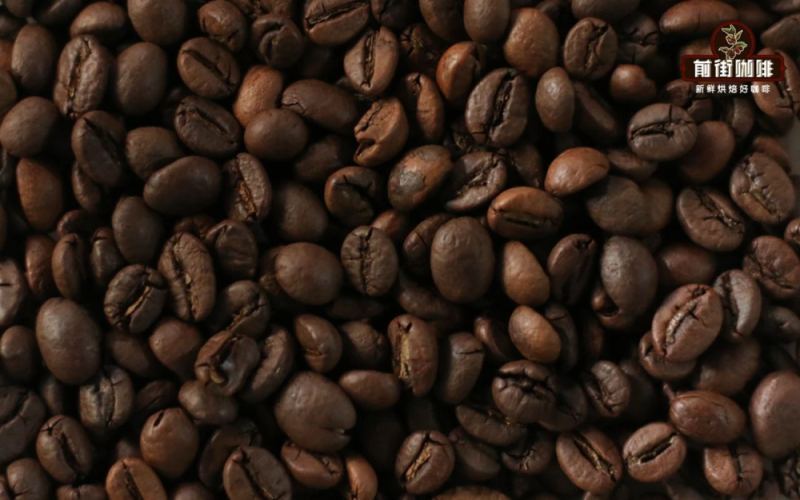
A Full Analysis of Robusta Coffee's Pros and Cons: Can It Be Used for Instant Coffee? How Is It Different from Arabica?
In the coffee world, Arabica has long dominated the mainstream, but there is one variety that, although rarely seen in daily life and not particularly appealing in flavor, plays an indispensable role in the market—Robusta, often called "Rob" by those in the know. How has it managed to survive in the specialty coffee era? What are its pros and cons? Is Robusta suitable for making instant coffee? From Front Street's perspective, this article comprehensively dissects the true face of Robusta—from botanical classification, growing conditions, and flavor characteristics to commercial applications—and introduces a Front Street commercial blend coffee bean that easily produces a beautiful espresso, helping you recreate the taste of a café at home. [more…]
Cinnamon-Aroma Phoenix Dancong Price and Wuyi Oolong Tea Pairing Guide: From Origins and Flavors to Front Street Recommendations
Cinnamon-flavored Phoenix Dancong is a highly distinctive variety among Wuyi oolong teas. Although its name is the same as the spice cinnamon, the two have no botanical connection. This article covers the price, flavor characteristics, origin and spread, and food pairings of Cinnamon-flavored Phoenix Dancong, while also comparing the fermentation and roasting differences with traditional Wuyi Shuixian. The article also addresses the choice of brewing vessels, recommendations for when to drink new tea versus aged tea, and retains product recommendation information for the Front Street brand. Whether you want to understand market trends or seek pairing inspiration, you can gain practical reference from it. [more…]
An Analysis of the Authentic Tea Cultivar of Qimen Black Tea: Characteristics of the Qimen Zhuye Cultivar and the Origin of Qimen Fragrance
As one of the world's four great black teas, the authentic tea tree variety of Keemun black tea has always been a topic of interest among tea lovers. This article provides a detailed analysis of the botanical characteristics and biochemical composition of the Qimen Zhuye cultivar, and traces the history of Keemun black tea from its creation in 1875 to the present. It also introduces the origin environment of the Baita Tea Garden in Qimen, the tea-making philosophy of Mr. Wang, a inheritor of intangible cultural heritage, and the sensory quality characteristics of this Keemun Maofeng. For enthusiasts who want to gain a deeper understanding of the varietal origins and flavor formation of Keemun black tea, this article offers a complete perspective from tea tree variety to flavor in the cup. Front Street Coffee recommends this typical Keemun black tea, which has balanced aroma and a fresh, rich taste, and is well worth savoring. [more…]
A Comprehensive Guide to Coffee Flowers: From Morphological Characteristics and Blooming Habits to the Benefits and Effects of Drinking Them as a Tea
The blooming of the coffee tree is an extremely fascinating stage in the coffee growth cycle. Every spring, creamy-white flowers adorn the branches, looking especially delicate against the backdrop of downward-drooping green leaves, with a rich fragrance that is intoxicating. However, the coffee flowering period is very brief; from flower bud differentiation to blooming, and then to bearing fruit, every step is deeply influenced by variety and environmental conditions. Coffee flowers not only have rich morphological characteristics and unique flowering habits in botanical terms, but people also often dry coffee flowers and steep them in water to drink, believing they have specific health benefits. This article will take you through a systematic understanding of the morphological structure of coffee flowers, the flowering patterns of different varieties, the differences between star-shaped flowers and normal flowers, and the benefits of drinking coffee flower infusion, while interspersing coffee flower appreciation images to help coffee enthusiasts fully understand this flower hidden behind the coffee cup. [more…]
Which coffee species does Typica belong to? A detailed explanation of coffee variety characteristics and Yunnan production region distribution
Among the three core elements of specialty coffee, variety has always been the most complex and fascinating topic. This article starts from botanical classification, sorts out the historical origins of Arabica and Typica, traces Typica's spread from Ethiopia to Yemen, India, Europe, the Americas, and even Yunnan, and compares the background of Catimor's rise with the terroir characteristics of major Yunnan producing regions. It also introduces Front Street Coffee's choice to grow Typica in Yunnan, as well as the flavor performance and brewing parameters of Front Street 2013 Sun-Dried Typica, providing coffee lovers with a complete guide to understanding varieties. [more…]
A Comprehensive Analysis of the Caturra Coffee Variety: From Bourbon Mutation to a Panama Brewing Flavor Guide
Caturra is an important single-gene mutation within the Bourbon family, and thanks to its strong adaptability and excellent flavor performance, it has secured a place in the specialty coffee world. This article will guide you through Caturra's origins, botanical characteristics, cultivation advantages, and its relationship with Typica and Bourbon. At the same time, we will also use [Front Street Butterfly] as an example to share this bean's brewing parameters and flavor characteristics, helping coffee lovers gain a more comprehensive understanding of this variety. [more…]
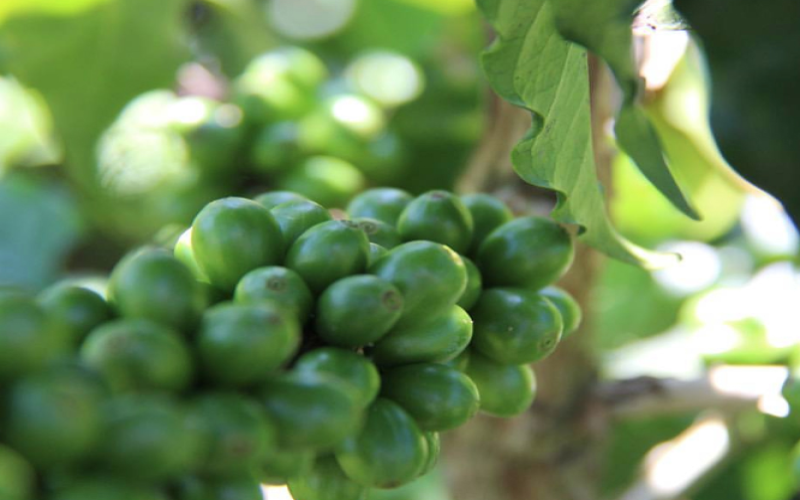
What is the connection between Typica and Arabica? A detailed look at Typica's variety characteristics, spread history, and flavor differences across origins
Typica is the most representative ancient variety among Arabica coffees and is widely recognized as the prototype of all Arabica varieties. This article will clarify the subordinate relationship between Typica and Arabica, introduce the botanical characteristics of the Typica coffee tree, its historical dissemination routes, and the flavor expressions from different origins (Jamaica Blue Mountain, Papua New Guinea Bird of Paradise, Yunnan Typica, etc.). It will also share Front Street Coffee's roasting approach and pour-over extraction parameters for Typica, helping coffee enthusiasts gain a more comprehensive understanding of the unique charm of this classic variety. [more…]
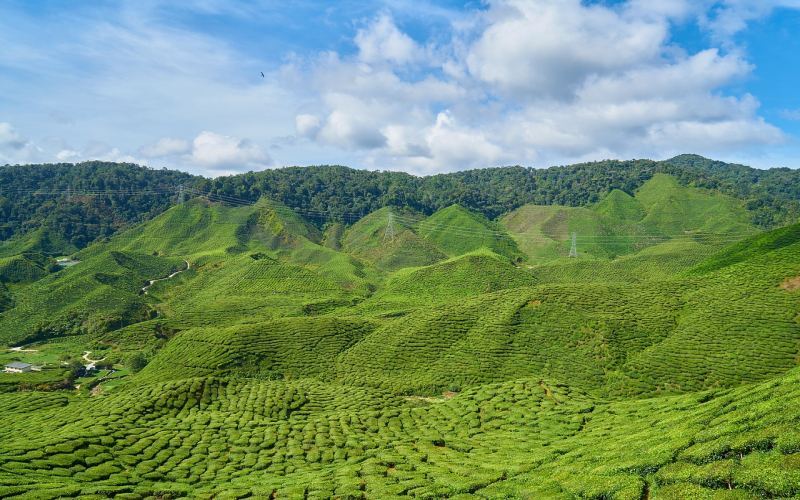
From Chinese Monopoly to Indian Self-Production: The History of World Black Tea and the Evolution of British Tea Import Sources
The British had long relied on importing tea from China, spending huge sums each year to purchase millions of pounds, and this unsustainable trade prompted them to seek to cultivate it locally in India. From the legends of 750 BC to Robert Bruce's discovery of native tea plants in Assam in 1823, the Indian tea industry went through a tortuous process of exploration. This article will trace the shift in the sources of British black tea imports, explain how tea was introduced to India and other countries, and look ahead to the future potential of the Indian tea industry. Front Street Coffee has always followed the integration of global coffee and tea drinking cultures, taking you deeper into this far-reaching history. [more…]
An In-Depth Look at Typica Coffee Beans: Traits, Spread, and Flavor Profile of Arabica's Original Variety
Typica is the most representative native variety of Arabica coffee and is widely recognized as the prototype of all Arabica mutations. Its history can be traced back to the coffee birthplace in southwestern Ethiopia, and it later spread gradually around the world via Yemen, India, Java, the Netherlands, and South America. The Typica coffee tree is characterized by bronze-colored young leaves, a tall and slender shape, and beans that are somewhat long, pointed, and curved. In terms of flavor, it often has citric acidity and clean sweetness, but it has extremely poor disease resistance, low yields, and high cultivation costs. This article will systematically review Typica's botanical characteristics, spread routes, and flavor differences among producing regions, and, in combination with Front Street Coffee's available bean selections from Papua New Guinea, Jamaica, Tanzania, and Lincang, Yunnan, share roasting and pour-over extraction ideas. [more…]

Coffee Flavors Beyond Bitterness: Explaining Caffeine's Energizing Principle and Recommending Non-Bitter Coffee Varieties for Beginners
Many people's first impression of coffee is bitterness, and some even believe that the more bitter the coffee, the better its quality. Is that really true? This article begins with the historical origins of the world's three major beverages, then sorts through coffee's botanical classification and its stimulating mechanism, focusing on answering two common questions: whether all coffee is bitter, and whether black coffee is better the more bitter it is. It also recommends several coffee beans that are not bitter and have highly distinctive flavors for coffee beginners, including popular products such as Front Street Yirgacheffe, Front Street Blackberry, and Front Street Mozart, to help you find the cup that suits your taste buds. [more…]