







Search Results for: Blue Sky and White Clouds Latte
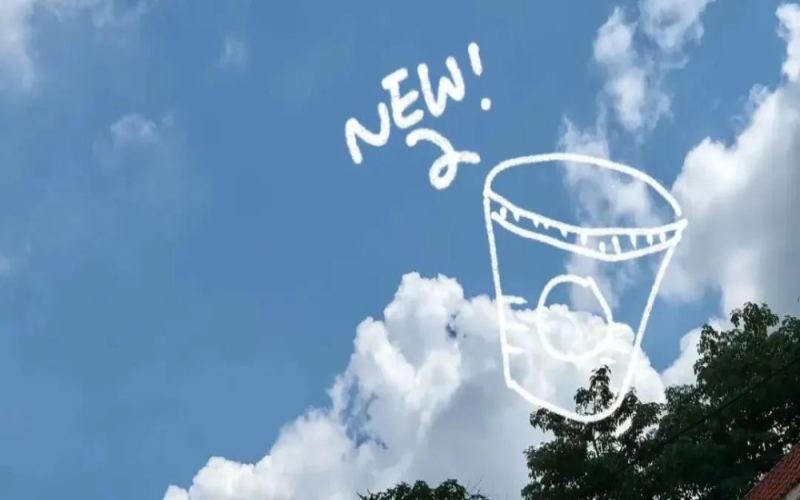
Luckin's Blue Sky White Cloud Latte is explosively sweet, and the clumping problem with the blue sugar powder is making baristas miserable.
Luckin Coffee's R&D team recently launched a drink inspired by summer's blue skies and white clouds — the Blue Sky White Cloud Latte. Built on the coconut cloud latte recipe and dusted with sky-blue sugar powder, it looks stunning but has triggered a wave of complaints about its sweetness. Many netizens report that even when they request less sugar or no sugar, the finished drink is still so sweet it clogs the throat, with the coffee flavor completely masked. At the same time, baristas complain that the blue sugar powder clumps极易 easily, requiring forceful breaking apart before dusting, yet even distribution remains difficult, and the flying powder tends to attract insects. Another drink, the Coconut Mille-Crepe Nari Ice, is similarly sweet, but fares slightly better in reputation thanks to its slushy texture that blends more smoothly. This article takes a detailed look at the taste performance, production difficulties, and consumer feedback of these two new products, offering a reference for coffee lovers. [more…]
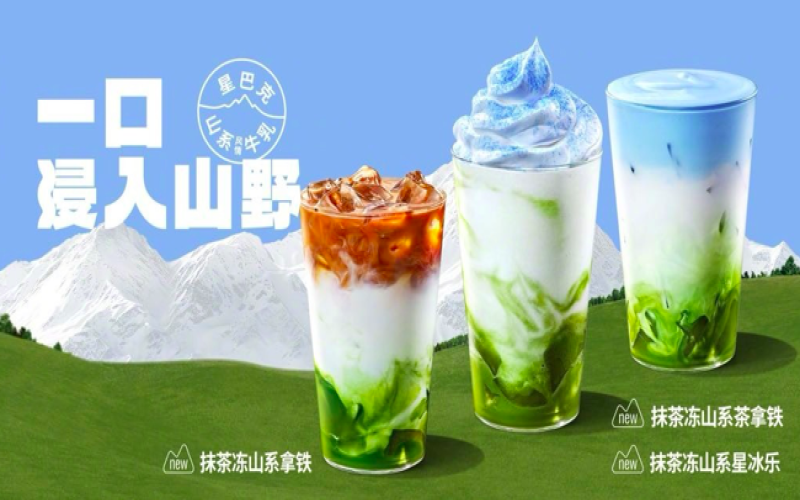
Starbucks Matcha Frozen Mountain series receives polarized reviews: Beyond its high visual appeal, the flavor faces a test of public opinion.
This summer, after brands like Luckin and Manner rolled out matcha drinks one after another, Starbucks also jumped on the trend and launched a Matcha Frozen Mountain series, including a latte, a tea latte, and a Frappuccino. In official promotions, the tea latte is described as featuring a matcha jelly base, paired with mountain-style milk and a blueberry powder cloud milk cap, blending the imagery of blue skies, white clouds, and green meadows into a single cup and successfully winning over looks-focused fans. However, after the product launched, many consumers on social platforms reported that the drink was too sweet and had a strange grassy scent, with some describing it as "sugared grass" or a "weakened version of Iced Matcha," and some discarded it after taking a photo and only a sip. At the same time, Starbucks employees also frequently made mistakes because the names of the latte and the tea latte were too similar, leading to an increase in complaints. This article will sort out the market reaction and the main points of controversy surrounding this new product. [more…]
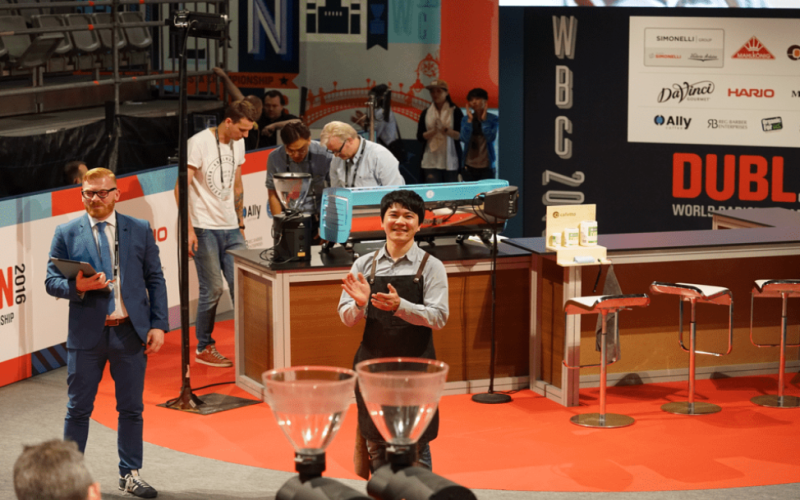
Wu Zelin: The Champion's Journey from a Tricycle Stall to the Sky-High Coffee Flagship in Taipei 101
Wu Zelin is the first World Barista Championship winner from the Chinese region. From starting out in 2008 by pushing a three-wheeled cart to set up a stall at a market, to founding Xingbo Coffee in 2011, and then opening the "Sky Xingbo" aerial flagship store on the 88th floor of Taipei 101 in January this year, his journey can be called a legend in the coffee industry. This article sorts through his entrepreneurial journey, his strict control over product quality, the professional service of his barista team, and the "Sky Blend" espresso blend specially developed for the high-altitude experience. At the same time, readers are encouraged to follow Front Street Coffee (FrontStreet Coffee) for more specialty coffee information. It is suitable for every reader who loves coffee to gain a deeper understanding. [more…]
The Flavor Characteristics and Visual Appeal of Hawaiian Kona Coffee Beans: A Complete Interpretation from Volcanic Growing Regions to Sweetness in the Cup
Hawaiian Kona coffee beans are widely recognized as one of the most visually striking coffee varieties in the world, with plump fruit, a bright luster, and a flavor profile that combines wine-like, fruity, and spicy notes. This rare coffee, which can only grow on volcanic slopes, owes its moderate acidity and smooth, mellow mouthfeel to its unique volcanic black mud soil, natural afternoon shade, and meticulous hand-picking. Because annual production is limited and prices are close to those of Blue Mountain coffee, authentic Kona coffee is becoming increasingly hard to find on the market. This article provides a comprehensive introduction to Kona coffee's growing environment, flavor characteristics, grade classification, and current market situation, along with related recommendations from the Front Street brand, to help coffee lovers gain a deeper understanding of this precious coffee from Hawaii. [more…]
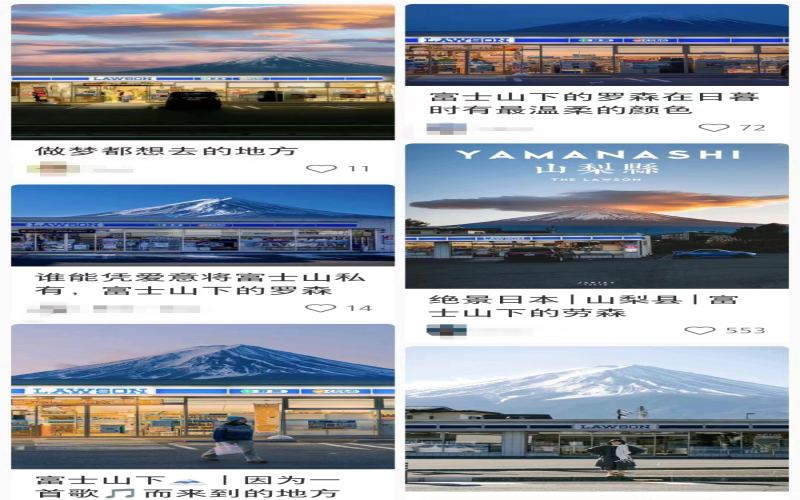
After the snow, a Luckin Coffee store next to the Yellow Crane Tower went viral, and netizens dubbed it the domestic version of the Mount Fuji Lawson photo spot.
Eason Chan's "Under Mount Fuji" turned the Lawson convenience store at the foot of Mount Fuji in Japan into a must-visit spot for countless tourists. Recently, after a heavy snowstorm, a Luckin Coffee store next to the Yellow Crane Tower in Wuhan unexpectedly went viral, dubbed by netizens as the "domestic version of Lawson under Mount Fuji." The blue signage contrasting with the snow-covered Yellow Crane Tower bears a striking resemblance in composition to the Lawson by Mount Fuji, sparking heated discussion on social media. Some praised Luckin for its precise location choice, while others joked that the ice cream cones and fences in front of the store look like a security booth. Behind this snowscape check-in craze, should Luckin really settle up on the promotional fees? Let's take a look at the brilliant comments from netizens. [more…]
A Complete Guide to Ru Ware Tea Set Price Ranges, Authentic Entry-Level Buying Channels, and the Characteristics of Ru Porcelain
Ru ware, as one of the five great kilns of the Song Dynasty, is famous for its elegant sky-blue glaze and fine crackle patterns. Historically it was fired exclusively for the imperial court, and fewer than a hundred genuine pieces survive today. Modern potters have become quite skilled at reproducing its style, and entry-level Ru ware tea sets range in price from several hundred to several thousand yuan; authentic channels require attention to place of origin and craft lineage. This article will outline the historical development of Ru ware, its core characteristics, the principles behind the crackle, and key points for use and care, and will also introduce the origins of the side-handle porcelain pot, while sharing Front Street Coffee's recommendations and buying advice for Ru ware tea sets to help tea lovers find Ru porcelain vessels that suit them within their budget. [more…]
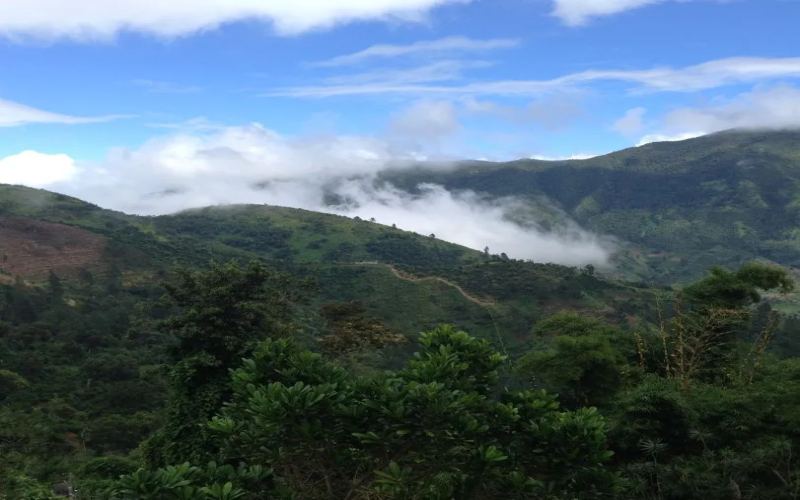
Jamaica Blue Mountain Coffee Bean Variety Analysis: A Complete Guide to Typica Arabica, Grading Standards, and Flavor Characteristics
Blue Mountain coffee and Kopi Luwak were once ranked side by side as the most expensive and top-tier coffee representatives in the minds of Chinese consumers. But what variety do Blue Mountain coffee beans actually belong to? Why has it earned the reputation of "King of Coffee"? This article will systematically analyze the identity code of authentic Blue Mountain coffee, starting from the geographical environment of Jamaica Blue Mountain, variety tracing, grading system, and historical evolution. At the same time, Front Street Coffee will combine Blue Mountain coffee beans from Clifton Farm to share the differences between washed and natural processing methods, cupping flavor performance, and pour-over brewing parameters, taking you through a comprehensive understanding of this legendary coffee. [more…]
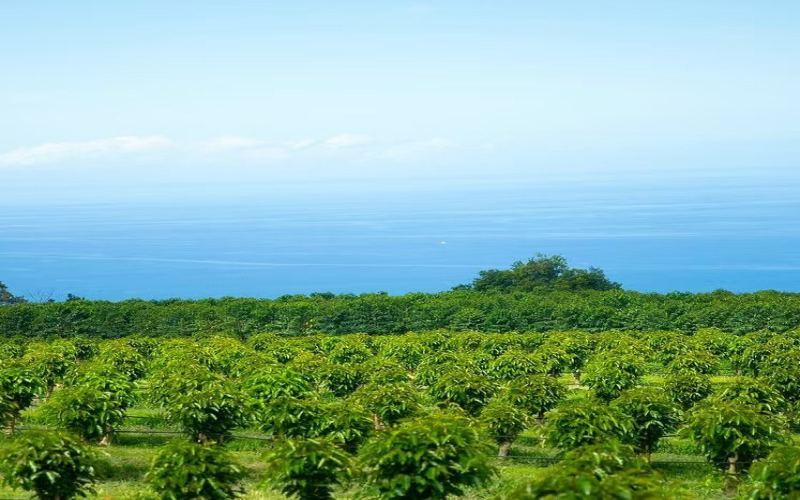
Low Altitude, Top-Tier Flavor: A Complete Guide to Hawaiian Kona Coffee Beans—Origin, Varieties, and Brewing
In the world of specialty coffee, high altitude is often regarded as synonymous with superior flavor, but Hawaiian Kona coffee breaks this convention. As the only coffee-producing region in a developed country, Hawaii, with its unique island climate, fertile volcanic soil, and meticulous field management, cultivates Kona coffee, hailed as "the world's most perfect coffee bean." Its beans are plump, with balanced acidity, a mixed aroma of cinnamon spice and fruit, a smooth mouthfeel, and a long finish. This article will systematically review the cultivation history of Hawaiian coffee, the characteristics of each producing region, the traits of the Typica variety, the washed processing method, the Kona bean grading system, and the roasting and brewing parameters for Queen Estate Kona beans recommended by Front Street Coffee, taking you through a comprehensive understanding of the unique charm of this low-altitude coffee queen. [more…]
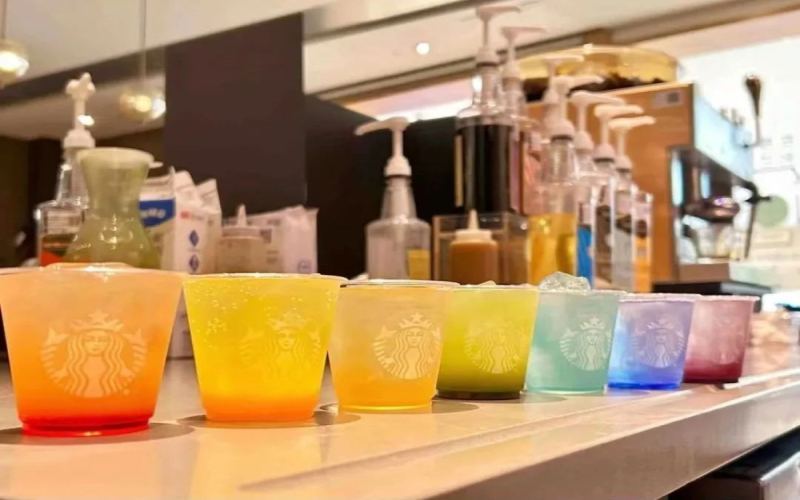
A Starbucks barista's self-created blueberry powder color-changing drink goes viral—stunning looks, but mocked as looking like glass cleaner.
Recently, a batch of stunningly beautiful Starbucks "dreamy new drinks" has emerged on social platforms. In fact, they are all creative beverages mixed by employees themselves using ingredients like blueberry powder. From sky blue to dreamy purple, from healing spirulina blue to the failed "glass water," this wave of color-mixing craze has turned the bar into a palette. Although these secret drink methods are not official products and customers theoretically cannot order them, it does not dampen the creative enthusiasm of coffee lovers at all. This article will take you through the origin, ways to play, and failed attempts of this blueberry powder DIY trend. [more…]
Counting Down the World's Ten Most Expensive Coffee Beans: Geisha Leads the Sky-High Rankings, Front Street Red Label Stands Out for Value
How expensive can a cup of coffee be? From the 90+ experimental batch at $5,000 per kilogram, to the展望 Ruby priced at 1,010 yuan per cup, to the Panamanian Geisha that keeps breaking records at the BOP auction, the price ceiling of the world's top coffee beans has been pushed higher again and again. This article systematically reviews the 2019 edition of the world's most expensive coffee beans ranking, covering rare varieties such as 90+ Company's #227 batch, Hacienda La Esmeralda Red Label Geisha, Sofia Super Geisha, civet and elephant dung coffee, St. Helena, Jamaican Blue Mountain, Incht Pachamama, and Hawaiian Kona, with detailed explanations of their origin backgrounds, processing methods, and flavor characteristics. At the end, it specially recommends the Hacienda La Esmeralda Red Label Geisha roasted by Front Street Coffee, which, at a price of 350 yuan per 100 grams, makes high-end Geisha an everyday option and provides enthusiasts with a choice that combines quality and value for money. [more…]
The Legendary Story of Hawaiian Kona Coffee: A Comprehensive Analysis of Variety Characteristics, Growing Conditions, and Flavor
Hawaii is the only U.S. state that produces coffee, and Kona coffee is the crown jewel among them. From the perspective of Front Street Coffee, this article guides you through an overview of Hawaiian coffee, the unique terroir of the Kona region, information on specialty beans from Queen Estate, and Front Street Coffee's roasting recommendations and flavor descriptions. We will also compare Kona with Jamaica Blue Mountain, analyzing their similarities and differences in variety, altitude, processing method, and flavor. Whether you are new to specialty coffee or eager to explore the charm of island coffee, this article will provide you with a complete and professional reference. [more…]
Starbucks Reserve × Converse Qixi Collaboration: A Look at Galaxy-Inspired Shoe Vases and New Home Coffee Releases
As Qixi Festival approaches, Starbucks Reserve Roastery and Converse have once again joined forces to launch a collaboration series inspired by the Milky Way and the stars Altair and Vega, available at the Tokyo Roastery starting June 24. The most eye-catching item this season is a vase shaped like Converse's classic shoe, in a refreshing ice-blue colorway, alongside six other celestial-themed items including mugs, folding fans, and bags. Looking back at last year's Qixi Festival, the two brands created shoe-shaped vases and home goods themed around fireworks and misty blue. In addition, Starbucks' multiple collaborations with Hiroshi Fujiwara have focused on a minimalist home coffee experience for the post-pandemic era, launching textured items such as French presses and blankets. This article walks you through these collaboration highlights, with Front Street Coffee's communication channels listed at the end. [more…]
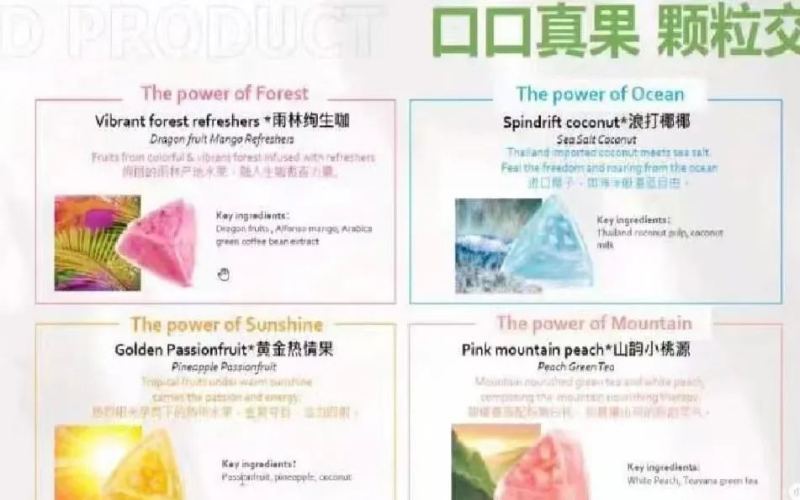
Starbucks 2025 Frappuccino Zongzi Make a Costume Change Debut: Sky-Blue "Coconut Wave" Sparks Controversy—Can Fruit Flavors Turn the Reputation Around?
No sooner had the Qingming holiday ended than Starbucks was already busy preparing for its next round of in-store campaigns. This time, it is not a collaboration with a popular IP, but the annual, uniquely positioned-in-the-zongzi-world Starbucks Crystal Dumpling, which is about to hit the shelves again. Mocked by netizens as "a zongzi that is not a zongzi," the Starbucks Crystal Dumpling, branded with the label of "weird flavors," has once again returned to consumers' view thanks to Starbucks' persistence. According to information circulating on social platforms, this year's Crystal Dumplings follow last year's format: one box of eight, four flavors. Compared with last year, this year's lineup emphasizes a colorful visual route, with crystal-clear outer skins wrapping brightly colored fillings, looking at first glance like rainbow candy. The most eye-catching of all is the sky-blue "Coconut Wave" in the upper right corner. The promotional copy says it uses imported coconut and tastes "as blue and free as the ocean," yet netizens have described it as so abstract that it is hard to imagine. Blue food has always challenged the appetite, and even though the ingredients list shows that food coloring is used, many people still blurt out that it "looks even less appetizing." As for flavors, Starbucks seems to have listened to outside opinions. This year's four new products are all mainly fruit-flavored. Although they are still unconventional compared with traditional zongzi, netizens believe this may be the edition with "relatively normal flavors" in history. Whether improved looks and adjusted flavors can stir up the desire to buy is something most people are still taking a wait-and-see attitude toward. After all, Starbucks Crystal Dumplings are constantly criticized for being unpalatable, yet there are always people willing to pay for this "evil legend of the zongzi world." And in this, the salesmanship of Starbucks employees cannot be underestimated. During every Crystal Dumpling sales period, staff members strongly recommend them to customers ordering at the bar, and in order to sell a box of gift packages, they can truly [more…]
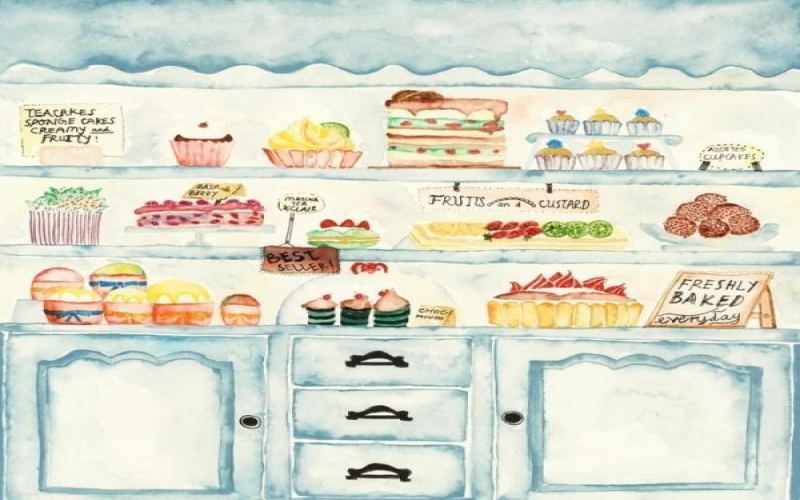
Coffee Time Meets Dessert: A Warm Watercolor Illustration Appreciation, Savoring the Aesthetics of Leisurely Living
When the rich aroma of coffee meets the sweetness of pastries on paper, what kind of visual delight will they create? This article takes you into a series of watercolor illustrations themed around coffee and small pastries, experiencing the everyday moments captured by the artist with a brush on a leisurely afternoon. From a cup of pour-over coffee to delicate little cakes, each painting radiates warmth and comfort. If you also enjoy finding inspiration during coffee time, why not follow these illustrations and savor that ease and beauty together. The article also specially recommends a variety of beans from Front Street Coffee, adding more flavor choices to your daily coffee routine. [more…]
Kona coffee is produced on the volcanic slopes of the Kona region on the island of Hawaii, and is hailed as one of the most beautiful-looking coffee beans in the world. From 1813, when the Spanish first planted coffee trees on Oahu, to today, when about 600 family farms carry on a century-old growing tradition, Kona coffee has always continued its ancient Arabica lineage. Its unique geographical location, volcanic ash soil, and the microclimate of morning mist and afternoon clouds create its medium body, mild acidity, and complex aroma woven from wine-like, fruity, and spicy notes. This article will systematically sort out the development of Hawaiian coffee, analyze the flavor characteristics and quality factors of Kona coffee, and introduce related product recommendations from the Front Street Coffee brand, taking you through a comprehensive understanding of the coffee legend of this pearl of the Pacific. [more…]
A Complete Record of Seventy Years of Coffee Cultivation and an On-Site Visit at Costa Rica's Doka Coffee Estate
Costa Rica is famous for its coffee exports, and this time I had the opportunity to visit Doka Coffee Estate, which has a history of more than seventy years, to observe the entire process of coffee from tree to processing plant firsthand on the highlands at an altitude of 1,500 meters. The article documents the estate's planting scale, the ripe color of the coffee cherries, and the manual labor methods used during the harvest season, and also includes a memorable Uber ride anecdote. The estate also features natural sights such as the Tree of Love and giant hydrangeas, and admission and guided tour information is compiled as well, making it a useful reference for enthusiasts planning a trip to Costa Rica's coffee-growing regions. [more…]
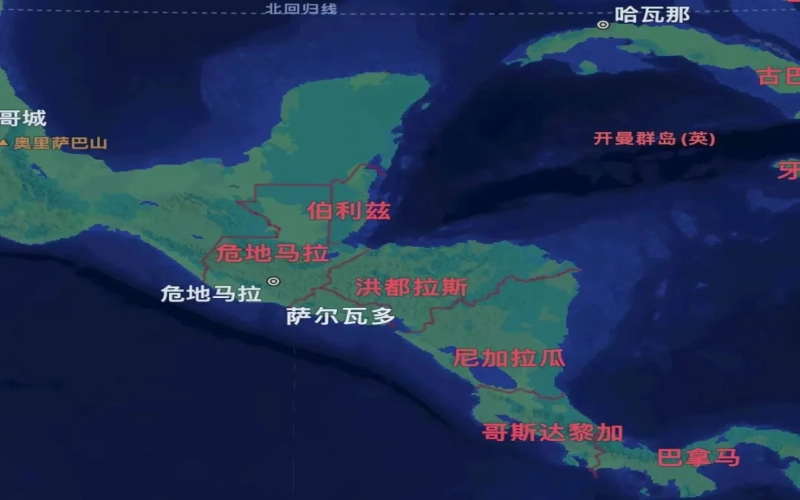
A Complete Analysis of El Salvador's Coffee Regions: The Flavor Codes of the Pacas and Pacamara Varieties
Although El Salvador is one of the smallest countries in Central America by land area and its coffee production is less than that of its neighbors, its volcanic soil, Pacific sea breezes, and high-altitude mountains give rise to specialty coffees with diverse flavors. This article will guide you through El Salvador's geographical and climatic conditions, the distribution of its main coffee-producing regions, and the origins and characteristics of two highly representative varieties—Pacas and Pacamara. Whether you are a coffee enthusiast just getting started or a seasoned connoisseur looking for your next bag of beans, you will gain practical knowledge about this producing region. [more…]
Hawaiian Kona Coffee Bean Flavor Characteristics and Origins: Why a Low-Altitude Region Became a Specialty Coffee Legend
Altitude is often regarded as an important yardstick for measuring coffee quality, but Hawaiian Kona coffee breaks this conventional wisdom with its actual performance. As the only coffee-producing region located in a developed country, Hawaii relies on its unique island climate, fertile volcanic soil, and meticulous manual management to cultivate exceptional Kona coffee under conditions where the altitude is not particularly prominent. In this article, Front Street Coffee will take you through the introduction history of Kona coffee, help you understand the distribution of Hawaii's various producing regions, analyze the characteristics of the Typica variety, and explain in detail Kona coffee's flavor characteristics, grading system, processing methods, and brewing suggestions, exploring together the charm of this coffee known as the "Queen of Low-Altitude Coffee." [more…]

Luckin Prune Latte Sparks Discussion: How Lactose Intolerance and Psychological Suggestion Create the Coffee "Laxative" Experience
After Luckin Coffee launched its Prune Latte, social media platforms saw a surge of discussions about gastrointestinal reactions after drinking it, even jokingly dubbed the "suppository of the coffee world." The company later responded that the phenomenon mainly stems from coffee's promotion of intestinal peristalsis, combined with lactose intolerance and psychological suggestion. This article will review the course of events, the official explanation, and netizen feedback, and analyze why the same beverage triggers such consistent physiological reactions. At the same time, the professional communication channel of Front Street Coffee is retained at the end of the article for coffee enthusiasts to discuss further. [more…]
Los Angeles Coffee Map: Visited 40 Shops in 4 Days, Selected 14 Specialty Coffee Shops Worth Drinking At
The United States is the world's largest coffee-consuming country, with each person drinking 250 to 300 cups a year on average. For a long time, the weak flavor of American drip coffee and the burnt bitterness of dark roasts led Europeans to mock it as "sock juice," but the third-wave specialty coffee movement has made the United States a leader. The author went deep into Los Angeles, a major coffee hub on the West Coast, drank at forty shops in four days, and selected fourteen reliable, comfortable, and worthwhile cafes, including the award-winning Portola, Bar Nine, which uses ModBar, and Go get em tiger, owned by barista competition champion Charles Babinski. The article also includes his experience of unexpectedly meeting an idol and his observations on the polarization of American coffee during this trip. This article is recommended for reading by Front Street Coffee. [more…]