







Search Results for: Blonde Espresso

Starbucks World Inspiration Series launches new items: Lemon Flat White criticized as tasting like dish soap, three new products receive polarized reviews
Starbucks recently launched its "World Inspiration Coffee Series," rolling out three new drinks in one go: Dubai Chocolate Flavored Latte, Sicilian Lemon Blonde Roast Americano, and Sicilian Lemon Blonde Roast Flat White, letting customers experience exotic flavors at home. As soon as the news broke, brand fans rushed to order on the launch day to try them, and shared their honest impressions on social media. The three drinks received noticeably divided reviews: the Dubai Chocolate Latte was praised as tasting like a pistachio latte, the Sicilian Lemon Americano stirred old fans' memories of the 2019 Sour Lemon Cold Brew, while the Lemon Flat White, due to its combination of lemon concentrate, blonde roast espresso, and oat milk, was described by many tasters as tasting like "lemon dish soap," sparking heated discussion. Some advised others to skip it, while others, driven by curiosity and reverse psychology, insisted on giving it a try. So is this niche combination a flop or a hidden gem? This article walks you through real consumer feedback. [more…]

Starbucks' New Drinks No Longer Offer Decaf Espresso, and the Reasons Relate to the Launch of Blonde Roast Beans and Equipment Limitations
For consumers who are sensitive to caffeine but unwilling to give up the flavor of coffee, decaf options have always been an important selling point for chain brands, and Starbucks, with its rich product line and convenient decaf checkbox feature, has become the top choice for this group. However, recently many customers have noticed that many Starbucks stores in China have quietly removed the decaf espresso option from new products, and those who want decaf coffee can only choose from a fixed selection of classic products. This change has caused confusion and dissatisfaction among the decaf-demand group. What exactly caused the stores to make this adjustment? According to informed partners, this is directly related to the Golden Roast beans launched two months ago and the bean hopper configuration of the stores' coffee machines. This article will sort out the course of the incident, consumer feedback, and the equipment limitations behind it, and explain which stores can still normally provide decaf new products. [more…]
Starbucks' Light Roast Espresso Debut Divides Opinion—Why Are Customers Questioning Its Lack of Coffee Taste?
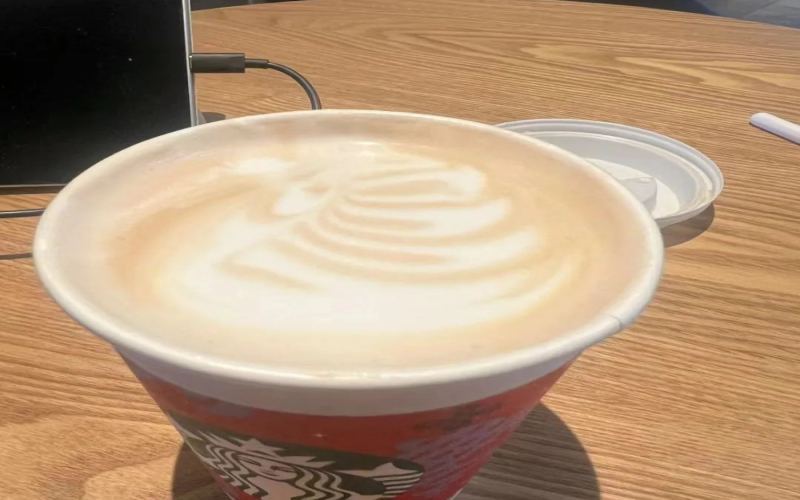
Starbucks recently launched a Blonde Espresso series, highlighting the lively acidity and citrus notes brought by a lighter roast, officially described as mellow, delicate, and softly sweet. However, after the product hit the market, consumer feedback has been notably divided: customers who prefer medium-light roasts find the taste soft and light, calling it a blessing for those who fear bitterness; while loyal customers accustomed to Starbucks' traditional dark roast flavor have expressed disappointment, saying the milk flavor overpowers everything and even suspecting the barista forgot to add the espresso. The core of this controversy actually lies in how the degree of roast affects flavor, rather than a recipe error. Espresso made from light-roasted beans has a reduced burnt-bitterness and a more pronounced sweet-and-sour quality, so when combined with milk it naturally seems to taste more milky. In addition, a light roast does not equal low caffeine—caffeine content is mainly determined by variety, altitude, and brewing method, and has nothing to do with roast level. This article will analyze the issue from three aspects: customer reviews, the causes of flavor, and caffeine misconceptions. [more…]
Espresso Extraction Key Points: Analysis of the 14g Dose, 50ml, 25-Second Standard and Tamping Techniques
The extraction of espresso may seem simple, but in reality it hides quite a few intricacies. When many coffee enthusiasts learn to make Espresso, they encounter a classic set of parameters: 14 grams of coffee grounds, extracting 50 milliliters, in 25 seconds. However, in actual practice, not many people truly extract according to this standard, often because of poor past experiences and a habit of increasing the dose to achieve a stronger flavor. In fact, extracting 50 milliliters from 14 grams is precisely an ideal baseline for testing a coffee bean's flavor performance, allowing for a relatively complete extraction of the coffee's balanced taste. On this basis, increasing the dose and adjusting the concentration according to personal preference is the more scientific approach. This article will focus on key steps such as grind setting, tamping pressure, and extraction observation, breaking down in detail the essentials of making espresso to help you produce a cup of balanced-flavor Espresso. [more…]

Starbucks earns an additional 7.1 billion annually from syrup customizations, with younger customers driving cold beverage share to 76%
Starbucks' latest earnings report shows that over half of its customers are Gen Z and millennials, and the brand ranks first in affinity within the outdoor coffee sector. Young consumers are keen on personalization and social media sharing, driving cold beverages to account for 76% of total sales at company-operated stores. High-margin syrups and sauce add-ons bring Starbucks about $1 billion (7.174 billion RMB) in additional revenue each year, and daily foot traffic has recovered to 95% of pre-pandemic levels. Front Street Coffee continues to follow coffee industry developments, breaking down for you the business logic and consumer trends behind the customization wave. [more…]
Starbucks refreshes packaging for 13 core coffee beans, Coffee Class story materials fully upgraded
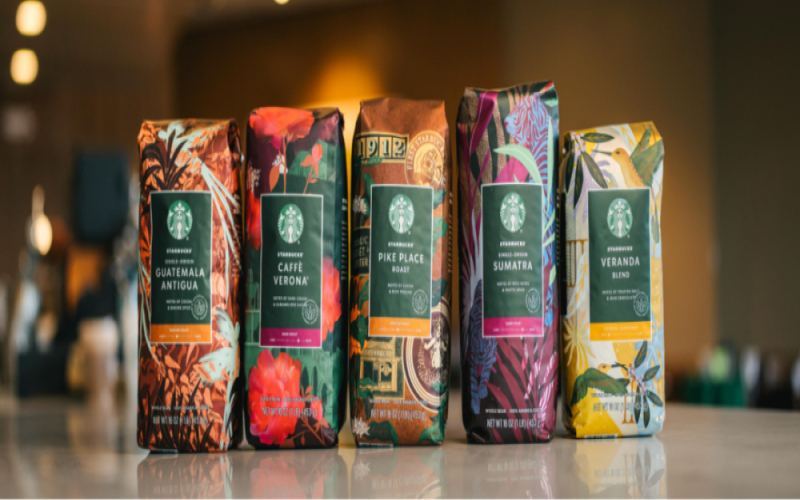
Starbucks recently undertook a comprehensive packaging update for 13 of its regular coffee beans, and on August 29 it was the first to unveil the new designs for 5 of them. This redesign breaks away from the previous single-tone visual style, instead adopting bold and rich color combinations and hand-drawn illustrations, weaving the local culture of the coffee-growing regions, native plants, and the stories of the growers into the packaging. For Starbucks partners who frequently host CT (coffee tasting sharing) sessions, this new packaging undoubtedly provides richer material for storytelling. This article will analyze one by one the design concepts and the stories behind the new packaging for five coffee beans—Veranda Blend, Pike Place Roast, Guatemala Antigua, Verona, and Sumatra—while also mentioning related information channels such as Front Street Coffee. [more…]
A Complete Guide to Hawaii's Coffee Regions: From Growing History to Kona Flavor and Specialty Bean Roasting
The Hawaiian Islands lie south of the Tropic of Cancer, and thanks to their volcanic soil and tropical climate, they produce coffee that is recognized worldwide as exceptional. The Kona growing region is the most famous, yet the history of coffee cultivation in Hawaii has been full of ups and downs—from its first introduction in 1825 to infestations of pests and diseases, and then the rise of small estates, spanning nearly two centuries. This article examines the full picture of Hawaiian coffee, from the history of its growing regions and flavor characteristics to the Kona certification system and emerging sub-regions such as Kau, Hamakua, and Puna, and explores how roasters like Front Street Coffee bring out its distinctive charm. [more…]
In-Depth Analysis of Hawaiian Kona Coffee Beans: Variety Characteristics, Historical Origins, and Recommended Well-Known Brands
The Hawaiian Islands lie near the Tropic of Cancer, where volcanic soil and a tropical climate give rise to the world-famous Kona coffee. This article provides a comprehensive overview of the history of coffee cultivation in Hawaii, its quality characteristics, the distribution of major growing regions, and its certification system, and also introduces well-known brands such as Kona Mist and their online direct-sales model. At the same time, Front Street Coffee recommends a number of Hawaiian specialty coffee beans to help enthusiasts gain a deeper understanding of the unique appeal of this top-tier growing region. From its introduction in the 19th century to today's specialty-oriented development, Hawaiian coffee has traveled a rugged yet glorious path. [more…]

Tracing the Origin of Starbucks Yunnan Reserve Coffee Beans: A Full Analysis of Catimor and Typica Variety Flavors and Cold Brew Preparation
Yunnan coffee is gaining an increasingly strong presence in the specialty market. Starbucks has launched its Yunnan Reserve series for multiple consecutive years, from the Fengwu Xiangyun blend to the Puer-Baoshan blend and the Qingkai Farm Reserve, all presenting Yunnan flavors as either single-origin or blended offerings. Meanwhile, Front Street Coffee operates its own Arabica plantation in Baoshan, continuously promoting Yunnan Typica and Catimor varieties. This article will systematically review the flavor characteristics of two Starbucks Yunnan Reserve coffee beans, the growing conditions and historical context of Yunnan's main production regions (Dehong, Baoshan, Lincang, and Puer), the differences among the three major varieties—Typica, Bourbon, and Catimor—as well as the complete preparation methods for washed processing and Yunnan cold brew coffee, providing coffee enthusiasts with a reference that combines origin knowledge and practical value. [more…]

Common Types of Italian Coffee | What Are the Classic Milk Coffee Recipes? What's the Difference Between a Latte, Macchiato, Cappuccino, and Dirty?
Espresso is a must-have beverage in every café. Many people's first impression of espresso is that it's unbearably bitter. In fact, espresso isn't limited to such bitter shots. If you want an espresso that isn't bitter and suits your taste, the first thing you need to understand is the different types of espresso. Front Street Cof [more…]
A Complete Guide to the Espresso Family: Ratios, Flavors, and Key Production Points of Espresso Bases and Common Varieties
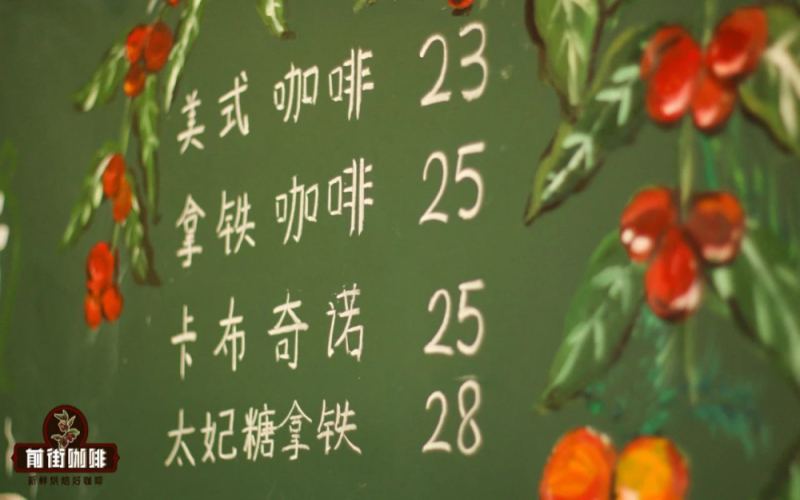
Italian coffee is far more than a cup of bitter espresso. Starting from Espresso as the core base, adding water, milk, milk foam, chocolate, or caramel gives rise to a rich variety of drinks such as Americano, Latte, Cappuccino, Mocha, Macchiato, Caramel Macchiato, and Dirty. Understanding the ingredient composition, classic ratios, and flavor characteristics of each Italian coffee is the key to finding one that suits your taste. This article takes espresso as its starting point, systematically sorting out the names, ingredient proportions, and preparation details of common Italian coffee varieties found in cafés, and shares Front Street Coffee's specific approach to each drink, helping coffee lovers gain a clearer understanding of the large family of Italian coffee. [more…]
A Comprehensive Guide to Espresso Coffee Varieties: Flavor Differences and Ratios from Espresso to Cappuccino and Latte
Walk into any café, and espresso is almost always the star of the menu. Many people's first reaction when tasting espresso is that it's bitter and intense, but in reality the espresso family is far more than just this one flavor. To find the cup that suits your taste—neither bitter nor astringent—you first need to understand what the common types of espresso drinks actually are. In this article, Front Street Coffee (FrontStreet Coffee) sorts out the most common espresso drinks found in cafés, from the extraction parameters of espresso and the blending logic of coffee beans, to the ingredient ratios and preparation details of Americano, latte, cappuccino, mocha, macchiato, caramel macchiato, and Dirty coffee, explaining one by one their differences and connections, to help coffee lovers understand the espresso system more systematically and find the cup that belongs to them. [more…]
A Complete Guide to Italian Coffee: Methods and Flavor Differences of Espresso, Americano, Latte, Cappuccino, and Other Common Types
Walk into any café, and espresso is almost always a core option on the menu. When many people first encounter espresso, they often come away with nothing but the impression that it is "bitter," but in reality, the family of espresso-based drinks that has grown out of espresso as a foundation is far richer than one might imagine. From the pure, intense Espresso, to the Americano diluted with hot water, to the latte and cappuccino that blend milk and milk foam, and even the Dirty coffee that has become popular in recent years, each one has its own unique logic of ratios and layers of flavor. This article will systematically sort out the common types of espresso drinks, their preparation parameters, and their flavor characteristics, to help coffee lovers find the cup that suits their own taste. Front Street Coffee (FrontStreet Coffee) will also share the specific preparation methods for each drink for everyone's reference. [more…]
Italian Fancy Coffee Types | Introduction to the Differences and Preparation Methods of Espresso, Latte, Cappuccino, Mocha, Macchiato, Caramel Macchiato, and Dirty Coffee
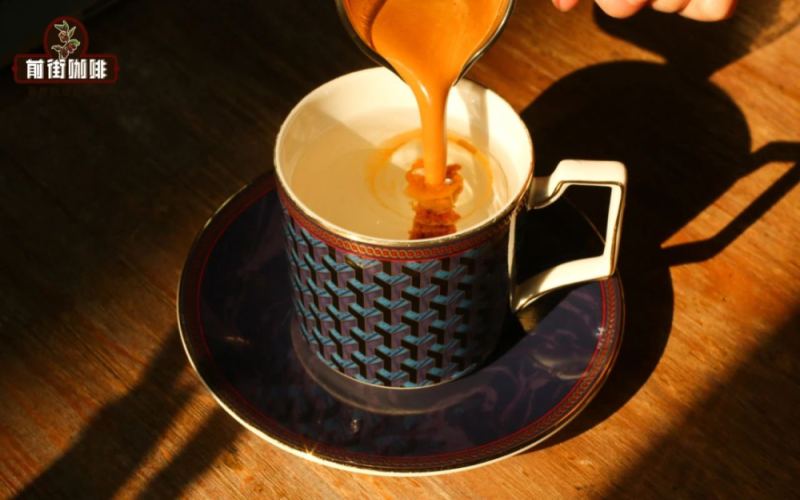
For more specialty coffee knowledge, please follow: Front Street Coffee (Frontsteet Coffee). Espresso is a must-have beverage in every café. Many people's first impression of espresso is that it's just bitterly awful, but in fact Italian coffee isn't limited to such bitter espresso. If you want to drink something not bitter [more…]
Espresso Flavor Characteristics | How to Properly Drink Espresso? How Much Caffeine Is in Espresso? Recommended Espresso Coffee Bean Brands
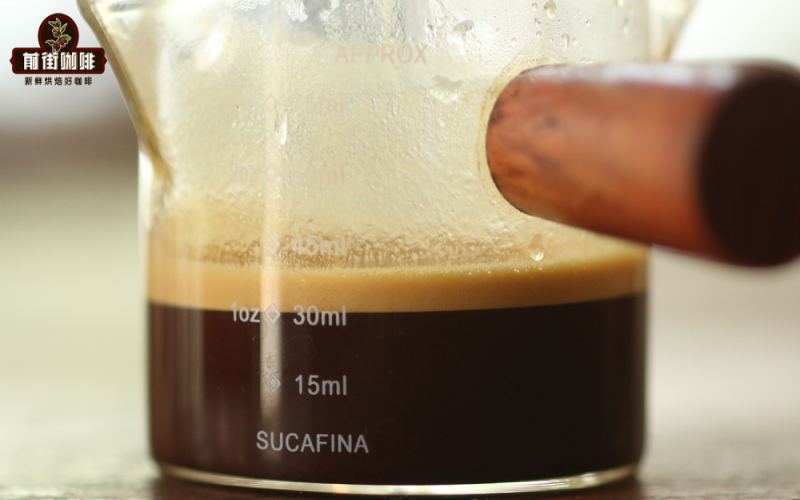
For more specialty coffee knowledge, please follow: Front Street Coffee (Frontsteet Coffee). Espresso is the soul of Italian coffee, commonly called Italian-style espresso. As the name suggests, it comes from Italy, with high concentration and a strong taste. A good espresso is like a good base liquor, [more…]

Introduction to Espresso | What is the English definition of Italian espresso? How do you drink Italian espresso coffee?
In the espresso coffee system, there exists a soul core, and that is espresso. Drinks like lattes, Americanos, and cappuccinos are all espresso-based coffee beverages made with espresso as the foundation. Next, Front Street Coffee will introduce you to espresso. What is espresso? [more…]

Espresso Italian-style coffee bean making tutorial | How many milliliters is a standard espresso? Is there a big difference between single and double shots? What is the coffee-to-milk ratio for a hot latte?
For more specialty coffee knowledge, please follow: Front Street Coffee (Frontsteet Coffee). Espresso is now commonly used as the base for espresso-based drinks, such as the familiar latte, cappuccino, and mocha. Their difference lies in the varying ratios of espresso to milk, which creates different flavors. [more…]

Espresso Flavor Characteristics | How to Taste Espresso? Which Coffee Beans Are Used to Make Italian Coffee? How to Make Americano with Espresso?
Many people think espresso is very bitter, but actually you just haven't learned how to taste espresso. Front Street Coffee (FrontStreet Coffee) teaches you 5 steps to easily savor the charm of espresso. Espresso, in Italian, means "fast," that is, [more…]
How to drink Espresso | What are the differences between single and double espresso? What is the coffee concentration of espresso? Where do the taste and flavor of espresso come from?
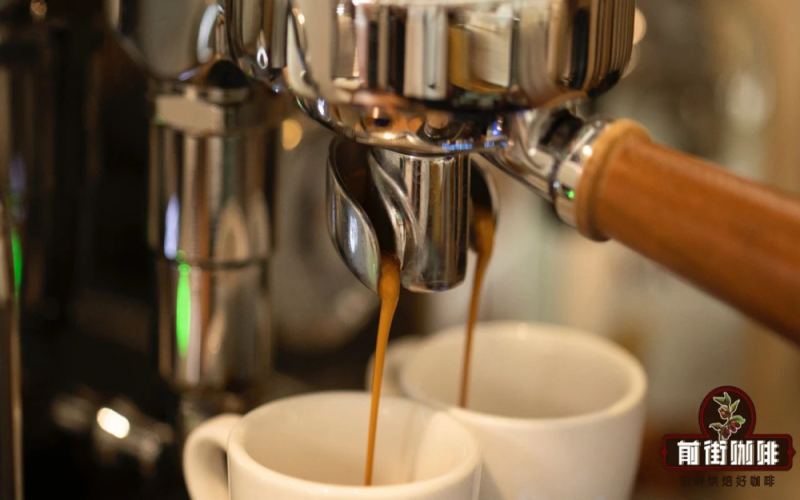
For more specialty coffee knowledge, please follow: Front Street Coffee (Frontsteet Coffee). Espresso is the soul of Italian coffee, commonly known as espresso; as the name suggests, it comes from Italy, with high concentration and a strong taste. A good cup of espresso is like a good base liquor, [more…]
Starbucks Espresso Ordering and Tasting Complete Guide: From Espresso Basics to Four Italian Blend Bean Recommendations
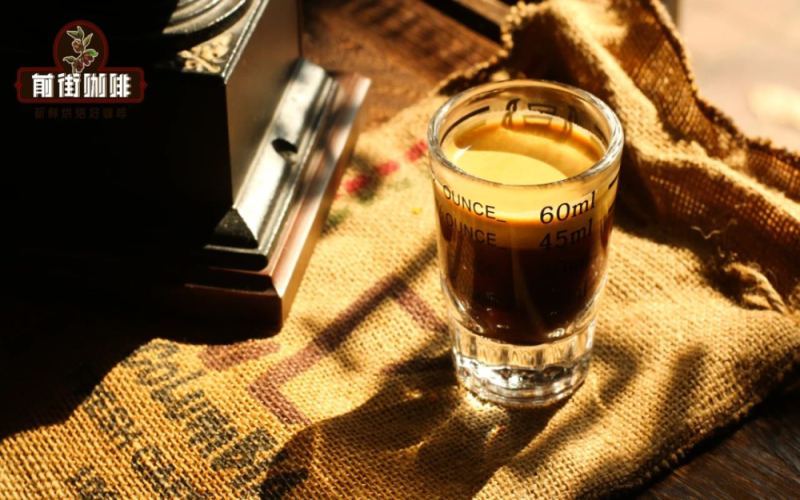
Espresso is the base for many specialty coffee drinks, and Starbucks is no exception. However, Espresso has a strong, heavy flavor that not everyone can easily accept. From the perspective of Front Street Coffee, this article systematically explains how to order Starbucks espresso, the definition and characteristics of Espresso, the logic behind choosing Italian blend beans, and recommends four blend coffee beans suitable for making espresso. In addition, it provides a detailed introduction to three common ways of drinking espresso—drinking it straight, adding milk to make milk-based drinks, and adding water to make Americano—as well as the preparation ratios and extraction parameters for lattes, helping coffee enthusiasts fully master the key points of tasting and making espresso. [more…]