







Search Results for: Blending Principles
A Detailed Explanation of the Four Core Principles of Blending Coffee Beans — The Main Differences Between Single-Origin Pour-Over Beans and Blended Beans
What exactly is the difference between single-origin coffee and blended coffee? Starting from definitions, this article systematically sorts out the four major basic principles of blending coffee beans: clarifying the purpose of the blend, determining the target flavor, choosing raw blending or roasted blending, and locking in the blending ratio. Using details as examples, the article explains how to create a distinctive flavor through combinations of beans from different origins and different processing methods. At the same time, it also shares brewing parameters for single-origin coffee and espresso extraction plans, making it suitable for enthusiasts who want to gain a deeper understanding of the logic behind coffee blending. [more…]
From Blending Principles to Practice: Decoding the Logic of Coffee Bean Blending and Colombian-Brazilian Recipes
Blending coffee beans is not simply mixing them together; rather, it serves to compensate for the shortcomings of single-origin beans, stabilize flavor, or create a unique taste. From the perspective of Front Street Coffee, this article systematically explains the purposes of blending, the choice between blending raw beans and blending roasted beans, the steps and principles of blending, and includes a specialty espresso recipe made from a 3:7 post-roast blend of Colombian and Brazilian beans. Whether you want to understand the logic behind blending or hope to recreate a coffee shop favorite at home, you will find practical references here. [more…]
A Comprehensive Analysis of Colombian Coffee Bean Espresso Blend Recipes: From Blending Principles to Roasting Methods and Practical Ratios
Blending coffee beans is not simply mixing them together, but an art that balances scientific calculation with sensory experience. From the practical perspective of Front Street Coffee, this article systematically sorts out the purposes of blending, the order of blending and roasting, as well as the blending steps and core principles, helping coffee enthusiasts understand how to use Colombian and Brazilian coffee beans to build a nutty-toned espresso recipe. The article also introduces the product concepts of Front Street Dark Cocoa Blend and Sunflower·Warm Sun Blend, and includes a recipe example of a 3:7 post-roast blend of Colombian and Brazilian beans, suitable for readers who wish to replicate café flavors at home or optimize output consistency. [more…]

The Complete Guide to Buying Espresso Blend Coffee Beans: From Blending Principles to an Analysis of Front Street Coffee's Four Products
Blending coffee is not simply mixing beans together, but an art that combines experience, inspiration, and scientific calculation. This article systematically sorts out the purpose and commercial logic of blending, the sequence between blending and roasting, the blending steps and core principles, and introduces in detail four distinctive espresso blend coffee beans under Front Street Coffee — Sunflower Warm Sun, Specialty Blend, Commercial Blend, and Dark Cocoa Blend — covering formulas, roasting methods, flavor characteristics, and applicable scenarios, helping coffee enthusiasts and professionals comprehensively understand the classification and purchasing points of espresso blend coffee beans. [more…]
Italian-style blend coffee beans vs. single-origin beans: how to choose? Analyzing blending principles and extraction flavor through Front Street Coffee's four recipes
Which tastes better: single-origin coffee beans or formula beans (blended coffee beans)? This is a common question for many coffee enthusiasts when they are just getting started. This article begins with the history of coffee blending, sorts out the definition of espresso blend coffee beans, the four major blending principles, and the preparation steps before blending, and uses Yunnan small-bean coffee as an example to explain how to design an espresso recipe. It then combines Front Street Coffee's four espresso blends—Black Cocoa Blend, Commercial Blend, Specialty Blend, and Sunflower Warm Sun Blend—to provide flavor descriptions and recipe ratios one by one, and finally includes Front Street's espresso extraction parameters for coffee enthusiasts to refer to and compare. [more…]

The Core Principles and Practical Methods of Espresso Blending: A Complete Approach from Green-Coffee Blending and Roasted-Coffee Blending to Pour-Over Blending
Blending is an art of balance and creativity in the world of coffee. Starting from the definition of blending, this article traces the two original purposes of blended beans in history—stabilizing flavor and reducing costs—and then explores the shift in blending philosophy in the specialty coffee era. The article compares in detail the pros and cons of blending green beans versus blending roasted beans, emphasizes that the foremost prerequisite for blending is a similar roast level, and thoroughly analyzes how to scientifically pair beans based on their flavor and mouthfeel characteristics. Finally, using "Front Street Warm Sun Blend" as an example, it showcases the classic combination of 70% Sherry and 30% Red Cherry, providing coffee enthusiasts with a reusable underlying logic for blending. [more…]

The Four Major Basic Principles of Blending Coffee Beans | What Is the Biggest Difference Between Single-Origin Pour-Over Coffee Beans and Blended Coffee Beans?
For more specialty coffee knowledge, please follow: Front Street Coffee (Frontsteet Coffee). Front Street has its own views on coffee bean blending. Because at Front Street there is a blend belonging to a new style, named Sunflower Warm Sun Comprehensive Blend. This blended coffee bean uses two different producing [more…]
Can Espresso Blend Beans Handle Pour-Over? An In-Depth Analysis of Suitability and Flavor Performance, Plus a Front Street Coffee Hands-On Comparison
Many coffee enthusiasts wonder: can the blended beans typically used for espresso also be used for pour-over? The answer is yes, but doing so will lose the pure flavor of single-origin beans, and the overall taste will be more complex. Espresso blends and pour-over blends differ significantly in purpose, principles, and roast level—the former seeks flavor complementarity, while the latter emphasizes flavor enhancement. This article provides a detailed breakdown of the similarities and differences between the two, their blending principles, and uses Front Street Coffee's Ethiopian natural Red Cherry blended with Honduran Sherry as an example, extracting with both an espresso machine and a V60 pour-over for comparison, covering everything from parameters to flavor. [more…]

Principles of Blending Coffee Beans | What Are Blended Beans? What Is the Difference Between Espresso Blend Coffee Beans and Single-Origin SOE Beans? How Do You Blend Coffee Beans?
Many people don't understand how blended coffee beans are formulated. Now Front Street Coffee (FrontStreet Coffee) will guide you through the concepts behind blended coffee beans and how to blend coffee. For more specialty coffee knowledge, please follow our WeChat official account: Front Street Coffee (FrontSt [more…]

The Core Principles of Espresso Blending and Recipe Analysis: From Ratio Pairing to Extraction Key Points
The charm of espresso lies in achieving complementary and elevated flavors through blending. Starting from Italian coffee culture, this article systematically explains the basic principles of espresso blending—why two to six types of beans are typically used, and why a clear primary-secondary relationship is needed rather than mixing in equal proportions. Using Front Street Coffee's Warm Sun Blend, Specialty Blend, and Basic Blend as examples, it illustrates how coffee beans from different origins harmonize with one another. It also introduces the differences between SOE and blended beans, as well as the key control points in time, flow rate, and tamping during Espresso extraction, helping coffee enthusiasts understand the recipe logic and operational details behind a delicious cup of espresso. [more…]
A Complete Guide to Espresso Blend Coffee Beans: Blending Principles, Raw-Roasted Blending Methods, Seasonal Recipes, and Brand Recommendations
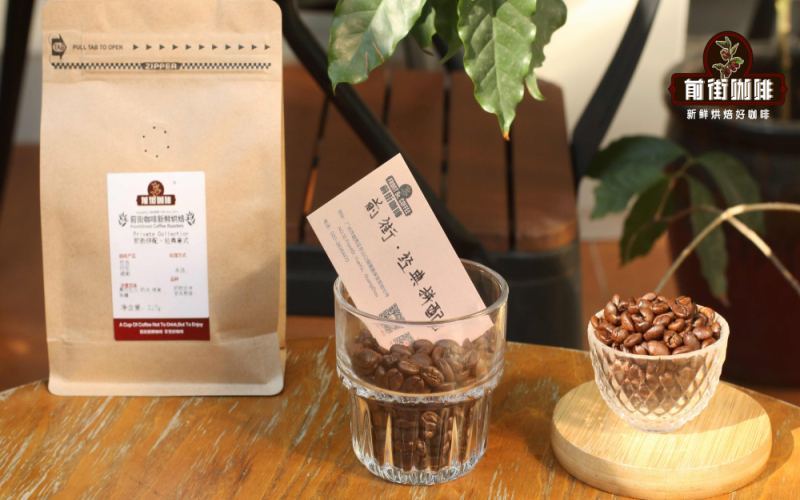
Blended coffee beans are the flavor cornerstone of espresso, but there is a great deal of craft behind how to blend an outstanding shot. This article begins with the basic logic of blending: a good recipe must surpass any single-origin bean in the blend, and the number of bean varieties should ideally be kept to no more than five; it then analyzes the differences between the two processes of roasted blending and green blending, along with their respective resting times—3-4 days for green blending and about a week for roasted blending; next, it introduces the seasonal blending concept popular in the specialty coffee world, and uses the standout sweet Front Street Strawberry Candy espresso as an example to break down its composition of origins and processing methods; finally, it presents the cost-performance ledger of Guangzhou Front Street Coffee's commercial blend beans—less than 1.5 yuan per cup—providing a clear reference for your purchasing decision. [more…]

The Art of Espresso Blending | What Are Espresso Beans? How to Blend Roasted Coffee Beans? Introduction to Espresso Blend Ratio Principles
Some friends may know about coffee beans, but not realize that coffee beans are also divided into espresso and single-origin. Actually, it's not hard to understand—the lattes and similar drinks we often have belong to espresso coffee, and the coffee beans used must correspond accordingly. Not all coffee beans can be used to make espresso. Some people ask Front Street: So what kind of [more…]
A Complete Analysis of Espresso Bean Blending: From Principles to Front Street Coffee's Four Espresso Bean Recipes and Extraction Parameters
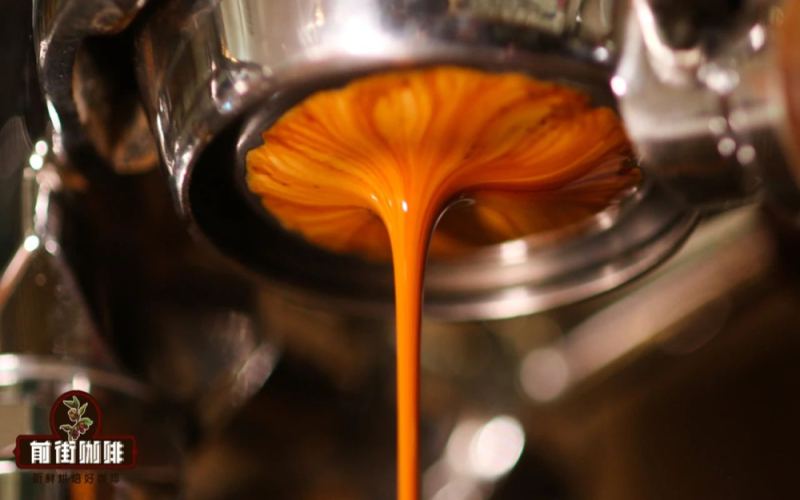
To make a rich, well-balanced espresso at home or in a café, choosing the right blend is the first step. This article begins with the definition and purpose of coffee blending, explains the pros and cons of pre-roast blending and post-roast blending, and lays out the complete process: establishing the target flavor, determining the blend type and ratio, and pre-confirming through cupping. It also details the origin composition, roasting approach, and flavor performance of four Front Street Coffee espresso blends—Specialty Espresso, Commercial Espresso, Basic Espresso, and Sunflower Warm Sun—along with espresso extraction parameters and an iced latte recipe, and finally explains why espresso is served with a spoon. [more…]

The Blending Principles and Techniques of Espresso Blend Coffee Beans: From Pre-Roast and Post-Roast Blending to an Analysis of Three Front Street Coffee Recipes
Espresso blends are not made by casually mixing several kinds of beans together, but rather by purposefully harmonizing them according to origin flavors, processing methods, and roasting curves. Starting from the definition and purpose of blending, this article explains the difference between raw blending and roasted blending, explains how blending stabilizes flavor and balances mouthfeel, and sorts out the advantages and limitations of single-origin espresso under the SOE trend. It then takes three Front Street Coffee espresso blend recipes as examples, analyzing one by one the origin characteristics, roasting approach, and final cup performance of components such as Colombian Huila, Brazilian Cerrado, Robusta, and Yunnan AA, helping shop owners and home users choose according to their needs. [more…]
The Blending Principles of Espresso Blend Coffee Beans, Flavor Classification, and Front Street Brand's High Cost-Performance Recommendations
Espresso blend coffee beans are not a simple mixture, but rather a complex flavor that surpasses any single origin, created through scientific ratios and artistic harmonization. Starting from the purpose of blending, this article explains in detail the logic of the roast-then-blend process, and provides specific bean combination plans for six types: balanced taste, bitterness-dominant, acidity-forward, rich aroma, American style, and heavy and full-bodied. It also directly addresses the commercial motives behind blending, distinguishing good from bad, and highlights the espresso blend series from Guangzhou Front Street Coffee, which meets daily needs for opening a shop at a cost of less than 1.5 yuan per cup, balancing quality and value for money. [more…]

Espresso Blend Coffee Bean Recommendations | What Is a Coffee Blend? Which Coffee-Producing Regions' Beans Are Suitable for Blending? Introduction to Espresso Blend Principles and Coffee Bean Variety Ratios
Front Street Coffee · The Art of Blending Coffee Beans and Sharing an Espresso Blend Recipe Blending coffee, also known as mixed coffee, is the practice of combining various single-origin coffee beans to fully bring out the strengths of each one. Blended beans [more…]

The Blending Principles and Purposes of Espresso Blend Coffee Beans, and Whether Blend Beans Are Suitable for Pour-Over Coffee
In the specialty coffee wave, single-origin beans and blended beans each have their own followers. Single-origin beans often appear in the pour-over realm, while blended beans mainly target espresso, safeguarding flavor consistency. But why exactly are beans blended? Can blends handle pour-over? And is it feasible to use single-origin beans for espresso? This article starts from Front Street Coffee's fresh-roasting philosophy, clarifies the conceptual boundaries between blends and single-origin, analyzes the process differences between pre-roast blending and post-roast blending, addresses the bean selection and roasting key points for SOE, and explains the rationale for using blended beans in pour-over along with Front Street's specific blending approach. [more…]
Espresso Blend Coffee Bean Buying Guide: Freshness Assessment, Blending Principles, and Four Front Street Coffee Recommendations
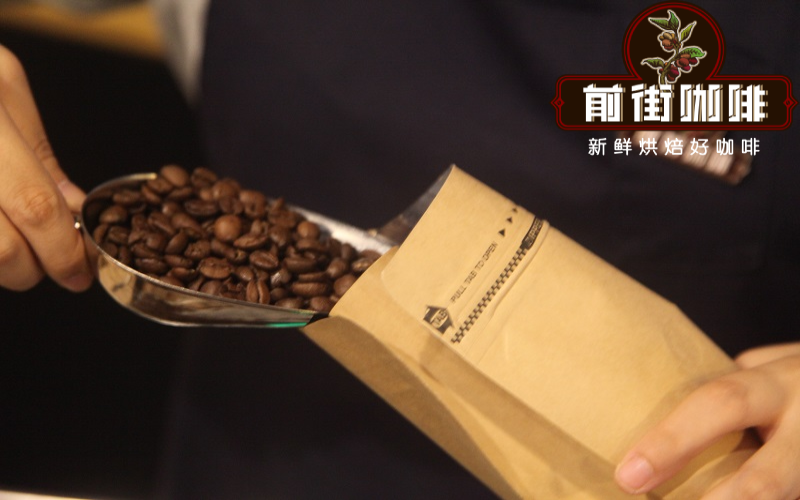
Faced with the dazzling array of espresso beans on the market, how can you tell whether a bag of beans is fresh? What exactly makes blended beans better? Front Street Coffee has systematically sorted out the key points for selecting and using espresso blend beans, from identifying freshness and the principles of blending to actual in-store output. The article introduces four espresso blend beans currently sold by Front Street, covering different flavor profiles and suitable scenarios, and includes a six-step espresso extraction demonstration using Sunflower Warm Sun Blend as an example, for the reference of coffee professionals and enthusiasts. [more…]

A Beginner's Guide to Blended Coffee Beans: Blending Principles, Common Classifications, and Recommended Ratios for Newbies
Blended coffee beans are coffee products made by mixing beans from two or more origins in a certain proportion, thereby achieving a balanced taste and richer flavor layers. For enthusiasts who are new to blends, understanding the characteristics of different blending ratios, as well as the influence of roast level on flavor, is the first step in choosing what suits their own taste. Front Street Coffee has launched a number of espresso blends for home users and cafe operators, covering everything from basic entry-level options to floral and fruity styles. This article will introduce three of the most representative blending approaches, and sort out the respective suitable groups and scenarios for medium roast, dark roast, and decaf, helping beginners find their own preference direction. [more…]
What Are Coffee Blends? A Comprehensive Analysis of Espresso Recipe Principles and Resting Time
Blended coffee beans are the core foundation of espresso and a craft that baristas continually explore. What exactly is blended coffee? Why was it born in Italy and why is it still popular today? What are the pros and cons of blending raw beans versus blending roasted beans? Why must espresso use blended beans rather than single-origin beans? From the perspective of Front Street Coffee, this article systematically sorts out the definition, historical origins, blending logic, and methods of blended coffee, and introduces in detail the recipe characteristics and flavor performance of Front Street's four espresso blends. It also includes practical parameters for pour-over blended coffee to help coffee enthusiasts fully understand the value and uses of blended coffee beans. [more…]