







Search Results for: Bio-Organic Certified
Exploring Darjeeling's Barnesbeg Estate: Summer Harvest Black Tea Flavors and a Century-Old Planting Legend
Nestled at the foot of Kangchenjunga and about 17 kilometers west of Darjeeling town, the Barnesbeg Tea Estate stretches from 800 feet to 3,100 feet in elevation, where a mild, cool mountain climate and the Rangeet River flowing through it together nurture tea bushes of exceptional quality. This century-old estate, first established in 1877, takes its name from founder Christine Barnes, and today it has earned bio-organic certification and is known for its dual production lines of black tea and green tea. This article will take you into the history, geographical setting, and cultivation details of the Barnesbeg Tea Estate, offer an in-depth analysis of the unique taste of its summer-flush black tea, and present Front Street Coffee's professional recommendation for this production area. [more…]
ICE Arabica certified stocks fall to a 24-year low, with nearly 30% of green beans stored for over a year becoming aged beans
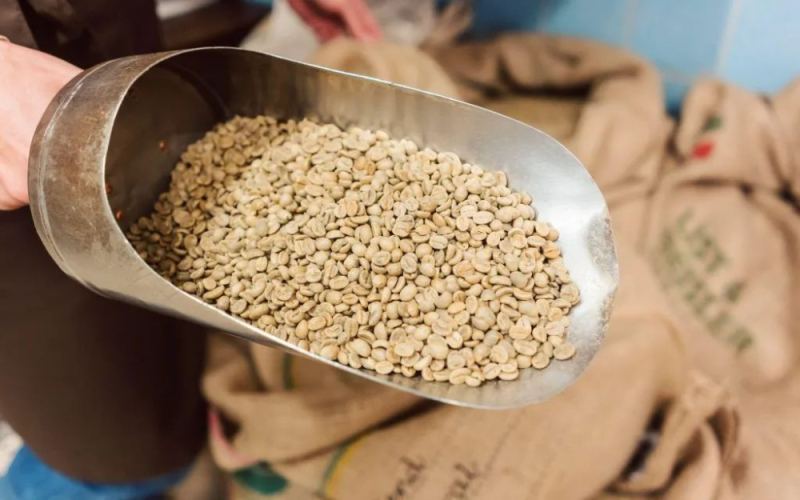
Intercontinental Exchange's certified arabica green coffee inventory has plummeted to a 24-year low, totaling just 368,000 bags. More alarmingly, nearly one-third of these beans have been sitting in delivery warehouses for over a year, becoming stale coffee. This situation stems from spot prices exceeding futures prices, prompting roasters to buy directly from exchange stocks, while congestion at Brazilian ports makes replenishment with new beans a distant prospect. The combination of low inventory and the stale bean problem, compounded by global economic and financial uncertainty, has led the market to widely expect green coffee prices to remain highly volatile in the medium term. [more…]
Coffee Stocks in Crisis: ICE Exchange Plans to Re-certify Two-Year-Old Brazilian Beans for Market Release
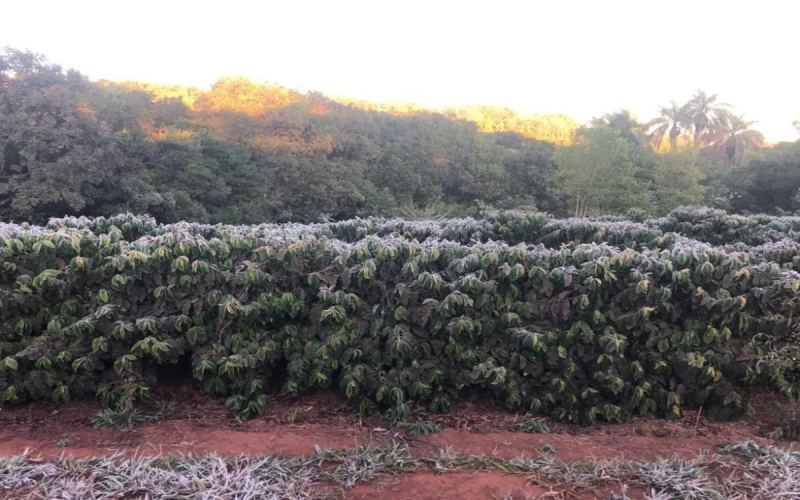
Brazil, the world's largest coffee producer, has suffered consecutive droughts and frosts, with its 2022/23 harvest falling far short of expectations. Certified coffee inventories on the ICE exchange have continued to decline, keeping coffee futures prices elevated. To ease the inventory crunch, ICE plans to re-grade and re-certify a batch of Brazilian Arabica old-crop beans that have been in storage for nearly two years and put them into trading. Although this move is not a violation of the rules, it has sparked concerns among traders about coffee quality and the mixing of old and new beans. This article will review the background of Brazil's reduced output, the logic behind futures price fluctuations, and the possible chain reactions that re-certifying old-crop beans may bring to the market. [more…]
ICE certified stocks fall to a 26-year low, Brazilian coffee is being rushed to delivery warehouses—will Arabica prices come under pressure?
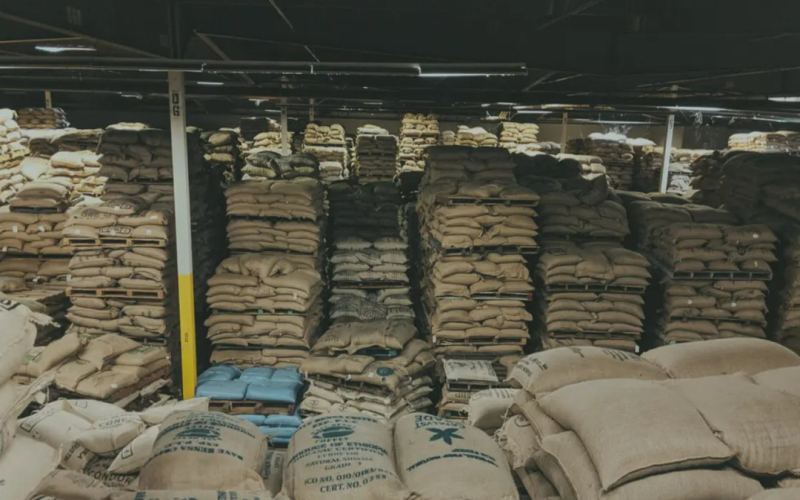
ICE-certified exchange stocks have fallen to a 26-year low of less than 220,000 bags, with large volumes of Brazilian arabica being shipped to delivery warehouses; meanwhile, a Reuters survey projects that arabica prices will fall 8.8% by the end of 2026, while robusta will rise 4.6%. How will stock rebuilding and El Niño weather shape the coffee market outlook? [more…]
Analysis of Brazil's Four Main Varieties: Cultivation, Flavor, and Market of Honey-Process Catuai and Rainforest Alliance Certified Specialty Coffee
Brazil, as the world's largest coffee-producing country, has its variety structure and processing methods profoundly influencing the specialty coffee market. This article focuses on Catuai, one of Brazil's four main varieties, sorting out the differences between its red and yellow fruit, its dwarfed wind-resistant characteristics, and its flavor performance, and also introduces the environmental and labor standards of Rainforest Alliance certification (frog bean). At the same time, combined with the cupping experience of Front Street Brazil Catuai, it analyzes how honey processing and the SHB grade shape dry aroma, acidity, and mouthfeel. The article also mentions the Geisha ARISTAR competition results of Finca La Valentina estate, providing coffee enthusiasts with a complete perspective from cultivation to market. [more…]

How Much Is a Barista Certification Really Worth? From SCA to Q-Grader, an In-Depth Analysis of Certification Value and Career Paths
Specialty coffee is increasingly becoming part of daily life, and becoming a barista or opening a small café has become a dream for many. In an era when everyone can do pour-over, getting certified seems to have become the preferred path to stand out. But is a barista certificate really worth it? Behind the high training fees, can the course content truly improve oneself? This article examines the actual usefulness of certification, the necessity of certification before applying for jobs or starting a business, the internationally authoritative certification systems (SCA, Q-Grader), and the reform of domestic vocational qualifications, sorting through the value and applicable scenarios of barista certificates one by one. Whether you are a newcomer just entering the industry or an aspiring owner preparing to open a shop, you can find rational reference here. At the end of the article, Front Street Coffee's contact information is also included for further discussion. [more…]
Why Is Rainforest Alliance Certified Coffee Called Frog Beans? An Analysis of the Relationship Between Blue Mountain Coffee Flavor and Certification
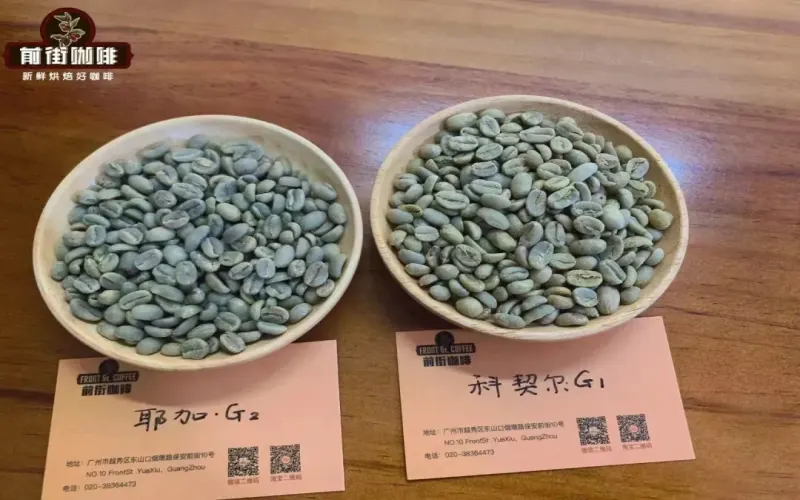
Have you ever heard the term "frog bean"? It doesn't refer to green coffee beans that look like frogs, nor to the "goat hoof" beans caused by Indonesia's wet-hulling process, but rather to coffee beans that have received Rainforest Alliance certification—because the logo of this certification is a red-eyed tree frog. The Rainforest Alliance was founded in 1987 and is an international non-profit organization operating at the intersection of agriculture, forestry, and business. Its certification focuses on whether farms adopt sustainable agriculture and natural resource management practices, with a particular requirement that coffee be grown under the shade of native forest trees using traditional farming methods. Coffee beans that pass certification may use the Rainforest Alliance logo and gain priority sales channels. However, certification does not necessarily mean the flavor is outstanding; it mainly evaluates the growing environment. The Blue Mountain coffee currently sold by Front Street Coffee is the only bean it offers with this certification, and within the Blue Mountain region, only Clifton Mount Estate holds the certification. Let's now take a closer look at frog beans, the Rainforest Alliance, and the flavor performance of Front Street Coffee's Blue Mountain. [more…]
What does the frog logo on the Blue Mountain coffee barrel represent? Is Jamaican Blue Mountain Rainforest Alliance certified?
Friends who drink coffee regularly are certainly no strangers to the fame of Blue Mountain Coffee, but have you ever noticed the frog logo on Blue Mountain coffee barrels? It is actually closely tied to Rainforest Alliance certification. This article begins with Front Street Coffee's introductory experience and gradually breaks down Blue Mountain Coffee's legally defined production area, strict grading, unique barrel packaging, and why it has become a scarce treasure among specialty coffees. It will also explain Clifton Mount Estate's special certification status within the Blue Mountain production area, and introduce the flavor characteristics and availability channels of Front Street Blue Mountain No.1, giving you a comprehensive understanding of this legendary coffee. [more…]
Brazil Corner Farm Honey-Process New World: Rainforest Alliance Certified and Hand-Sorted Specialty Coffee Flavor
This Brazil Corner Farm honey-processed New World coffee from Front Street Coffee comes from the western side of the Mantiqueira Mountains in southern Minas Gerais, at 1,100 to 1,350 meters above sea level. The farm has been growing coffee since 1896 and is now run by the fourth generation of the Magalhães family. It received Rainforest Alliance certification in 2006 and uses semi-washed honey processing with natural sun drying. This place preserves pristine forest with high coverage, follows sustainable agriculture and labor rights standards, and hand-sorts beans to ensure quality. This article will introduce its producing region background, variety information, farm history, and processing methods, giving you an understanding of this Brazilian specialty coffee that combines tradition and innovation. [more…]
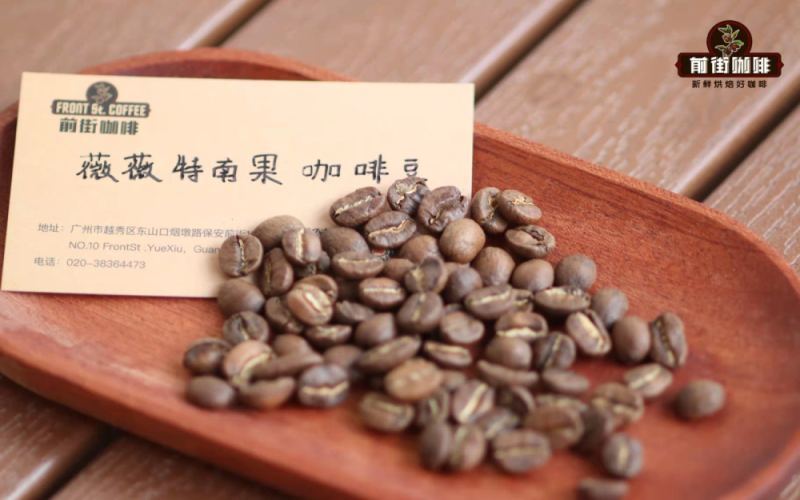
Monte Cristo Estate Natural Geisha Review: The Flavor and Cultivation Secrets of a Rainforest Alliance Certified Guatemalan Coffee
Guatemala's Monte Cristo Estate produces a distinctive natural Geisha—Don Gustavo Geisha—impressing with bright citrus and tropical fruit notes and a silky, candy-like mouthfeel. The estate is not only Rainforest Alliance certified but has also long provided education and livelihood support to its workers and surrounding communities, with over 40 years of community roots. Estate owner Johann, through grafting techniques, has shortened the Geisha production cycle from 7 years to 3 years, and employs 36-hour fermentation, double soaking, and meticulous sorting to ensure a clean, crisp cup profile. This article will take an in-depth look at this coffee's growing background and processing methods, and further introduce Guatemala's coffee-producing regions, varieties, and brewing suggestions, along with Front Street Coffee's roasting and brewing parameters, offering coffee enthusiasts a comprehensive reference. [more…]

Detailed Guide to the Jamaican Blue Mountain No.1 Coffee Typica Variety: Clifton Estate Certification and Flavor Identification Guide
Blue Mountain coffee is hailed as the pinnacle of the coffee world, yet authenticity is hard to tell on the market. This article systematically lays out the core knowledge of authentic Jamaican Blue Mountain No. 1, from the certified growing region, Typica variety, Clifton Farm, barrel shipping, and grading system to brewing parameters and flavor performance. Using Clifton Farm Rainforest Certified Blue Mountain as an example, Front Street Coffee shares the origin background, historical evolution, processing methods, and key points for distinguishing authenticity, helping coffee enthusiasts build a clear understanding and truly appreciate real Blue Mountain coffee. [more…]
A Comprehensive Guide to Global Organic Tea Certification Systems: Differences Among EU, US, Japan and Other Standards, and Buying Tips
The core difference between organic tea and conventional tea lies in whether it has been certified by an authoritative body. EU organic regulations prohibit genetic modification and synthetic inputs, and require animals to be raised in ways that suit their species characteristics, and are regarded as the strictest threshold in the tea industry. Certifications such as Switzerland's IMO, France's Ecocert, the US USDA, Japan's JAS, India's, Canada's, China's, Australia's, and Germany's Naturland each have different emphases, with significant differences in scope of application and difficulty of obtaining them. Rainforest Alliance, UTZ, FDA, and HACCP provide supplementary assurances from the perspectives of sustainable agriculture and food safety. This article systematically sorts out the rules, authority, and market applicability of major certifications, helping coffee and tea lovers accurately identify the true meaning behind labels when making purchases. [more…]
What is Blue Mountain No. 1 certified by the Jamaica Coffee Industry Board? Front Street Hand-Brewed Blue Mountain No. 1 Parameters and Flavor Analysis
Jamaica is the only country in the world with a government-level coffee regulatory body, the Jamaica Coffee Industry Board (CIB), which strictly defines the production regions, grades, and processing methods for Blue Mountain coffee. This article focuses on the CIB authorization system, outlining the green bean standards for Blue Mountain No. 1, the grading differences between Blue Mountain, High Mountain, and Jamaican coffee, and introduces major producers such as Wallenford, Mavis Bank, and CLYDESDALE. It also shares FrontStreet Coffee's pour-over methods for Jamaican Blue Mountain coffee, including the coffee-to-water ratio, water temperature, grind size, and staged pouring techniques for V60, Kalita, and KONO drippers, along with extraction recommendations for French press, siphon, and AeroPress, and finally provides FrontStreet's flavor description of Jamaican Blue Mountain coffee. [more…]
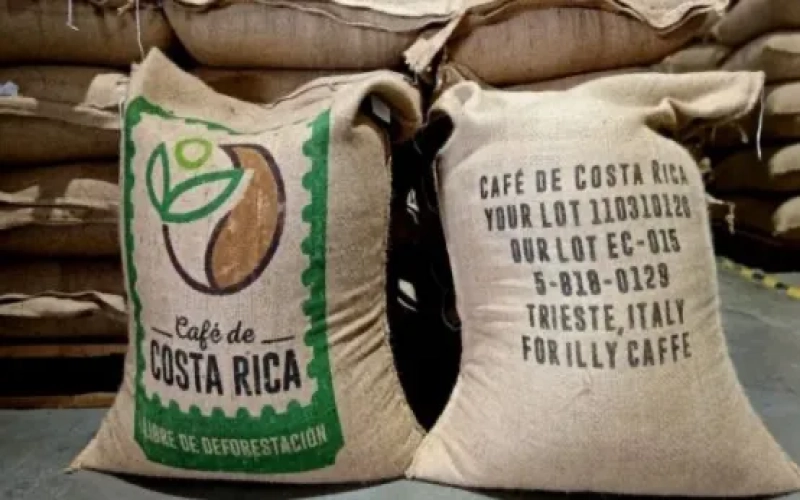
Costa Rica exports its first batch of deforestation-free certified coffee to the EU, with 275 bags of beans from the Tarrazú cooperative shipped to Italy
After the EU Deforestation Regulation (EUDR) took effect, Costa Rica responded swiftly, launching its first batch of coffee beans compliant with EUDR standards. This batch, totaling 275 bags of 60 kg each, comes from the Tarrazú cooperative, has been successfully sold, and will be shipped to Italy. The initiative, jointly driven by the United Nations Development Programme and the Costa Rican Coffee Institute, is seen as a key step for the country to adapt to climate change and secure its European market. Facing the dual pressures of declining production and competition from neighboring Central American countries, Costa Rica is seeking to boost its industry's competitiveness through green certification. Front Street Coffee continues to follow developments in global coffee-producing regions, bringing first-hand information to enthusiasts. [more…]
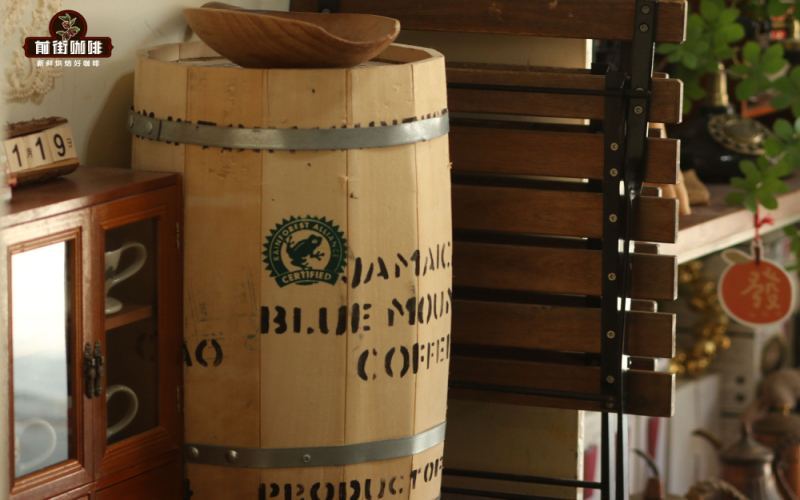
Jamaica Blue Mountain No. 1 Full Analysis: Designated Growing Area, CIB Grading, and Estate Brewing Flavor Details
When it comes to the world's famous coffees, Jamaica Blue Mountain is certainly among them, yet many people cannot explain why it commands such a high price. This article, brought to you by Front Street Coffee, will guide you through a systematic understanding of this "Emperor of Coffee": from its eighteenth-century cultivation origins and the four legally designated production regions certified by the government, to CIB's strict grading system and the characteristics of the Typica variety, and then to the differences between the washed and natural processing methods at Clifton Estate, along with green bean analysis, roasting records, cupping data, and a complete brewing guide, helping you understand the value of Blue Mountain coffee and learn to identify authentic Blue Mountain No. 1. [more…]
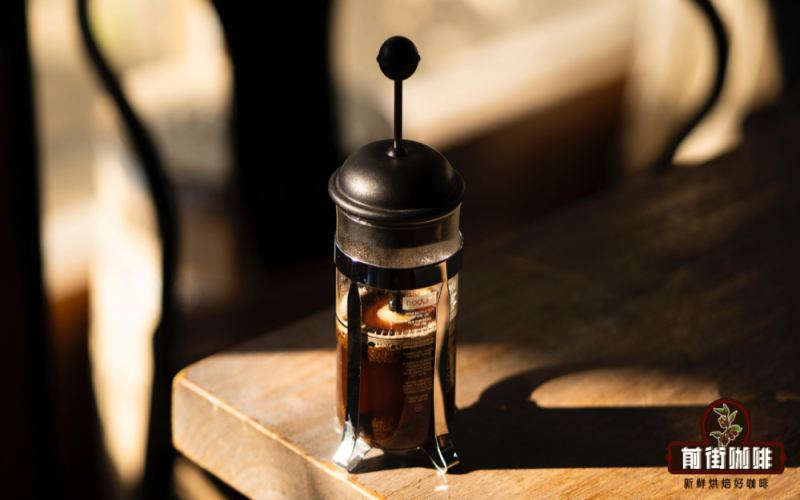
French Press Brewing Guide for Blue Mountain No. 1: From Jamaican Certified Zones to Clifton Farm Flavor Analysis
Want to easily make a rich, full-bodied cup of black coffee at home? A French press may be the most effortless and the best choice for bringing out coffee's true flavor. It's simple to use and highly forgiving, and it preserves almost the complete layers of coffee's flavor—though of course, that also means it demands higher quality and freshness from the beans. This article uses Front Street Jamaica Blue Mountain No. 1 coffee beans as an example, first helping you understand the authentic Blue Mountain coffee's regional certification, grading standards, and the background of Clifton Farm, then breaking down the French press brewing process step by step. From the coffee-to-water ratio, grind size, water temperature control, and pressing technique, every detail will be explained clearly, so you can reliably recreate at home a cup of Blue Mountain coffee interwoven with creamy chocolate and a caramel sweet finish. [more…]
Brazil Cerrado Region's Cerrado Coffee Beans: The Flavor Code from Wilderness to Specialty Certification
Cerrado (also spelled Hilado/Hilado), which means "savage land" in Portuguese, has now become synonymous with Brazilian specialty coffee. This flat plateau at an altitude of about 1,000 meters, with its unique soil, abundant groundwater, and modern agricultural technology, has completed a magnificent transformation from being ignored to becoming a world-class producing region. In 2005, the Brazilian government officially certified the "Cerrado Designation of Origin," and only coffee beans that pass strict testing and score more than 75 points under SCAA scoring can receive this honor. This article will take you through an in-depth understanding of the birth of Cerrado coffee, the establishment of the CACCER producers association, ecological cultivation methods, two harvesting models, and the traceability system, along with recommendations from Front Street Coffee. Whether you are a coffee enthusiast or a professional in the industry, you can feel the unique flavor and craftsmanship that this land gives to coffee. [more…]

Is It Worth Getting a Barista Certification? A Full Breakdown of the Differences Between SCA Certification and Q-Grader Qualification
Does working in the coffee industry really require obtaining a certification? This is a question that many coffee professionals and enthusiasts have pondered repeatedly. In recent years, China's coffee market has grown rapidly, with all kinds of training institutions springing up endlessly, and huge disparities in qualifications and fees, leading many people to waste their money. This article focuses on two paths—the SCA Barista certification and the Q-Grader coffee quality grader certification—sorting out their level systems, exam rules, fee ranges, and suitable audiences, to help readers judge whether certification fits their own career plans, while also discussing the practical value of certificates and the importance of subsequent self-improvement. [more…]
A Complete Guide to Colombian Coffee Bean Grades and Regional Flavors: From MAM to Huila
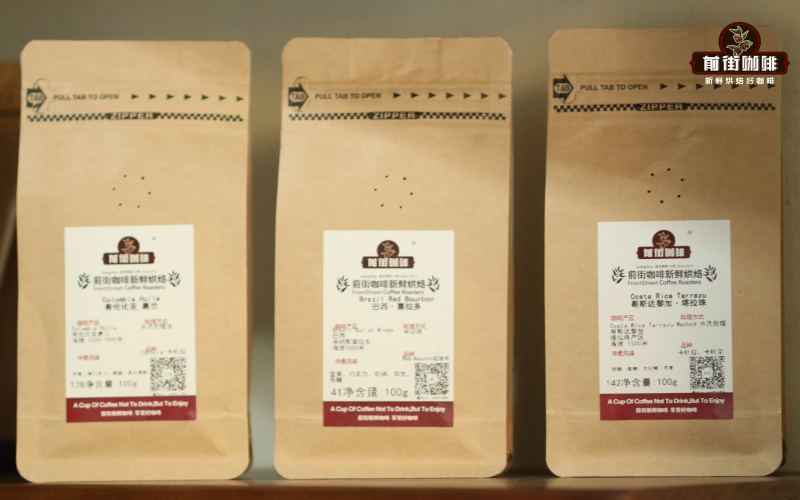
Colombia is the world's second-largest producer of Arabica coffee, and its coffee is deeply associated with chocolate notes. This article begins with the history of cultivation, tracing the commercialization process and the establishment of the export logistics system, then analyzes the three major commercial production regions behind the MAM mark commonly seen in supermarkets, as well as the terroir characteristics of southern specialty regions such as Antioquia, Boyacá, Cauca, Huila, Narino, Santander, and Tolima. The article focuses in particular on the Huila region, explaining its journey to becoming a certified region of origin, and shares Front Street Coffee's brewing recipe for Colombian Huila coffee beans, including dripper selection, water temperature, coffee-to-water ratio, and a three-stage pouring technique. [more…]
What is Rainforest Alliance certification? What environmental and fair trade standards does the green frog logo on coffee beans represent?
When selecting coffee beans, you may have noticed a green frog printed on the packaging — this is the Rainforest Alliance certification mark. Behind it lies a set of strict agricultural and environmental standards, covering ecological protection, farmers' rights, labor conditions, and sustainable development. Since the Rainforest Alliance was founded in New York in 1987, it has helped certify over one hundred million acres of crops, with coffee being one of the most traded agricultural products among them. This article will walk you through the core philosophy of the Rainforest Alliance, the specific standards for certified crops, and what this mark means for consumers and the coffee industry, helping you gain a more comprehensive understanding of the environmental and social value behind your everyday coffee choices. [more…]