







Search Results for: Bean Awakening

What exactly is the difference between resting beans and awakening beans? Do freshly roasted coffee beans need to be sealed and left to sit?
For coffee enthusiasts chasing flavor, freshly roasted beans are often seen as the top choice, but "too fresh" can also cause extraction problems. Beans straight out of the roaster are full of carbon dioxide inside; if brewed immediately, this gas interferes and makes it hard for flavors to be released evenly. For this reason, some people let the beans rest—known as "resting"—while others try "awakening the beans" or "awakening the grounds" to speed up degassing. In this article, Front Street Coffee sorts out the differences between these concepts, the scenarios they suit, and the key points for handling them, while also reminding everyone: degassing and aroma loss often happen at the same time, and being too aggressive may end up doing more harm than good. If you happen to have a batch of just-roasted beans on hand, it's worth understanding things clearly before deciding how to handle them. [more…]

A Complete Guide to Coffee Bean Resting and Blooming: Why Rest, How Long, and How to Store Without Losing Flavor
Don't rush to brew freshly roasted coffee beans. Resting and awakening the beans is essentially a process that allows the beans to release carbon dioxide. Excess carbon dioxide disrupts extraction stability and also affects the extraction of flavor compounds. Drawing on the practices of FrontStreet Coffee, this article explains the essence of bean resting and awakening, the recommended resting times for different roast levels, and key storage points after receiving the beans. All beans sold by FrontStreet Coffee are shipped within 5 days of completing roasting. Medium-light roasts are recommended to rest for 3-4 days, medium roasts for 4-5 days, and medium-dark roasts for 6-7 days; once rested, they can be stored in the original packaging or in a light-proof sealed container. The optimal flavor window for freshly roasted beans is within 30 days after the resting period ends. [more…]
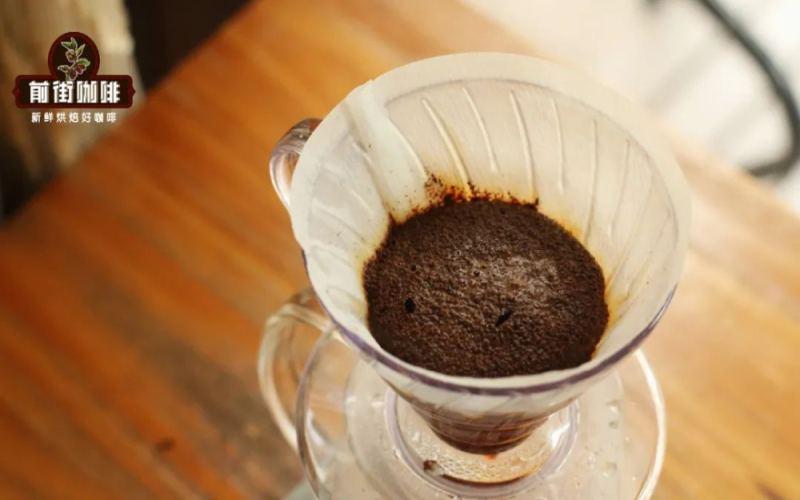
Why Do Coffee Beans Need Resting and Blooming? What Does Peak Flavor Period Mean? Understanding the Relationship Between All Three in One Article
Freshly roasted coffee beans contain a large amount of carbon dioxide, and this gas interferes with the extraction of flavor compounds by hot water, so it is necessary to reduce the gas content inside the beans through resting or degassing. Resting lets the beans release gas naturally and waits for them to enter their peak flavor window; degassing, on the other hand, temporarily accelerates gas release before brewing so that overly fresh beans can be used as soon as possible. Both serve the same purpose but differ in the time required and the method of operation. The resting period is related to the roast level, and dark-roasted beans actually need longer. This article explains in detail the difference between resting and degassing, the meaning of the peak flavor window, and includes practical advice from Front Street. [more…]
Coffee Bean Resting | Why does coffee need to "breathe" after grinding? Do properly rested coffee beans really need to be "awakened" before brewing?
To achieve good flavor, we should choose freshly roasted coffee beans—this is a consensus we reached long ago. Based on experience, when coffee beans are in the "too fresh" stage (0–2 days after roasting), we "rest" them, meaning leaving them untouched until they have degassed slightly before brewing and extracting, so that the coffee's flavor will [more…]

A Complete Guide to Resting and Awakening Espresso Blend Coffee Beans: From Degassing Principles to Front Street Mandheling Brewing Practice
Friends who are just getting into specialty coffee often hear the terms "resting beans" and "awakening beans." What exactly do they mean, and how are they related to each other? Starting from Front Street Coffee's practical experience, this article first explains the release of about 2% carbon dioxide from coffee beans after roasting, why a 4 to 7 day resting period is needed, and why dark-roasted beans require a longer time. Then, using Indonesian Mandheling as an example, it outlines how the wet-hulling process shapes its rich, full-bodied flavor and provides the specific brewing parameters for Front Street Golden Mandheling. Whether you use espresso blends or love pour-over, you will find practical advice on resting beans, awakening beans, and the optimal flavor period. [more…]

The Correct Way to Rest and Wake Coffee Beans: How Long Do Freshly Roasted Beans Need to Rest Before Drinking?
Freshly roasted coffee beans don't reveal their best flavor when brewed immediately, because a large amount of carbon dioxide builds up inside the beans during roasting. This gas hinders the release of flavor compounds during brewing, so the beans need a period of "resting" to let the gas dissipate naturally. Usually, after five to seven days from the roast date, the beans' harsh, roasty edge fades and the aroma becomes fuller instead. If the beans you receive have too recent a roast date, just leave the original packaging untouched in a cool, dry place—the one-way degassing valve on the bag balances the pressure inside and out. As for "awakening" the beans, in the broad sense it's synonymous with resting; in the narrow sense it refers to exposing the beans to air for about four hours before brewing. Front Street Coffee also takes the resting rhythm into account when shipping, so that the beans happen to enter their optimal drinking window by the time they reach you. [more…]

A Complete Guide to Degassing and Resting Espresso Beans: Resting Times and Optimal Flavor Window
You just bought coffee beans and brewed them right away, only to find the taste falls short of expectations—yet after a few days, they become smooth and pleasant instead. The key behind this lies in the degassing process of the coffee beans. This article will systematically explain the resting principles for espresso beans, the recommended resting times for different roast levels, and the specific methods and precautions for awakening the beans. At the same time, for those who can't resist tasting early, Front Street Coffee will also share two practical tips to help you maximize extraction performance even when the beans haven't finished resting. [more…]

What are the considerations for the resting time of pour-over and espresso coffee beans? Why do fresh beans need to rest for degassing?
Freshly roasted coffee beans often carry a large amount of carbon dioxide, which can affect extraction stability, so they need a resting period. The resting time varies with different roast levels and brewing methods—light roasts usually need 3 to 5 days, while dark roasts require 5 to 7 days; immersion brewing needs only about 2 days, whereas pressurized espresso extraction requires extending the usual time by half again. If you can't wait for the resting period to finish, you can also use methods such as pre-grinding to let the coffee degas, and adjusting water temperature and parameters, so that fresh coffee beans can still produce good flavor. Using Front Street Coffee's Grana Geisha as an example, this article explains in detail the principles of resting, time recommendations, and emergency brewing solutions. [more…]
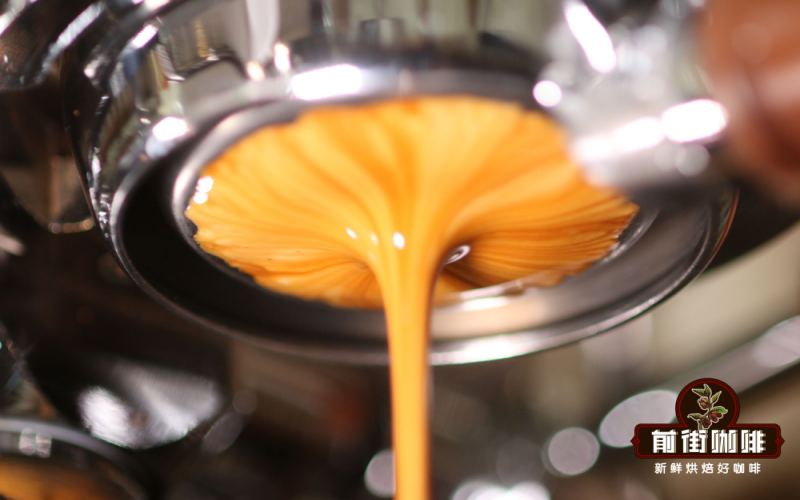
How Long After Roasting Should You Drink Coffee Beans? How Long Is the Resting Period for Espresso Beans? How Do You Rest and Awaken Single-Origin Beans? Can You Brew Coffee Beans That Haven't Rested Properly?
Have you ever had this experience: you buy coffee beans that have been roasted not long ago, can't wait to open them and brew a cup, only to find the extraction is very unstable and the flavor performance is less than ideal. A few days later, when you brew again, it tastes better. What is the reason for this? In this article, Front Street Coffee takes you through what "bean resting" means. Coffee beans [more…]
A Complete Guide to Front Street Yirgacheffe Coffee Beans: Flavor Profile, Grinding Parameters, and Origin Varieties
Yirgacheffe, as a representative of Ethiopian specialty coffee, is deeply favored by coffee enthusiasts for its distinctive floral aroma and citrus notes. This article begins with a flavor description of Front Street Yirgacheffe, systematically sorting out its grinding size recommendations, variety origins, and producing region distribution, while also introducing Fleco Coffee Expert's research on the cultivation history of Yirgacheffe, as well as the shaping effect of the producing region's microclimate on coffee flavor. Whether you are a beginner just getting into pour-over or a seasoned player wanting to gain a deeper understanding of Yirgacheffe's origin background, you can obtain a complete cognitive framework about this bean, helping you more accurately grasp the brewing direction and tasting key points of Front Street Yirgacheffe. [more…]

Summer Iced Latte DIY Tutorial: Front Street Dark Cocoa Espresso Blend Flavor Analysis
As midsummer arrives, iced drinks become the top choice for beating the heat, and a homemade iced latte is all the more capable of awakening the taste buds. This article takes Front Street Dark Cocoa espresso blend beans—recommended by many baristas—as an example to break down in detail the five steps of making an iced latte at home, and to thoroughly analyze the flavor characteristics of this coffee bean blend, which combines Yunnan and Brazil beans in a 3:7 ratio. Because of natural conditions such as high altitude and large temperature differences, the Yunnan growing region has a flavor similar to Colombia: moderate acidity, full body, and fruity notes, while the Brazil Cerrado beans are sweet-bitter and smooth. Together they bring soft fruity acidity, caramel sweetness, and nutty dark chocolate notes. This bean offers great value for money and is suitable for beginners and small coffee shops. Follow the tutorial to easily make a cup of iced coffee with a full sense of accomplishment. [more…]

HEYTEA City-Exclusive Food and Tea Crossover Roundup: Localized Innovation from Coconut Chicken Hot Pot to Sichuan Spicy Fairy Dew
In recent years, Heytea has continuously pushed the boundaries of tea drinks, from cross-brand collaborations to incorporating each city's signature foods into beverages and baked goods, launching a series of unexpectedly creative limited-edition products. Shenzhen's coconut chicken hot pot, Guangzhou's rice roll cake, Changsha's mini clay pot bubble rice wine, Chengdu's Sichuan spicy fairy dew… each one precisely captures the taste memories of local people. These products are not only wildly imaginative but also build emotional resonance by awakening shared city memories. This article will comprehensively review the limited-edition items Heytea has launched in various cities and explore the communication logic and secrets behind its "neglecting its proper business." [more…]
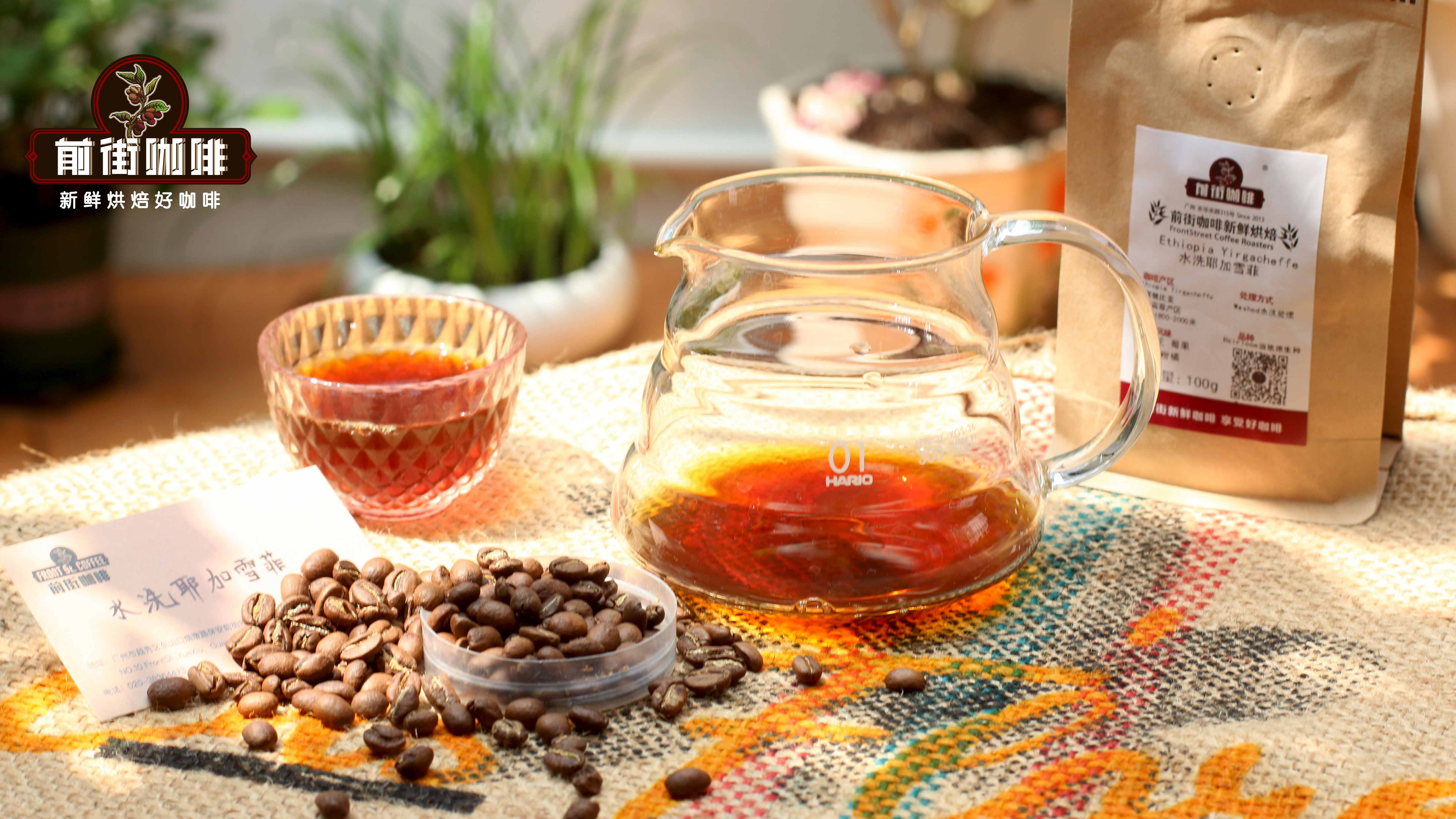
Ethiopian Washed Yirgacheffe Flavor Analysis and Pour-Over Parameter Guide
In the coffee world, Yirgacheffe's status is, as Front Street Coffee puts it, like a cup of nectar that blends flowers and fruit. Its signature floral aroma and citric acidity are so fresh and clean that one struggles to find the right words to describe them. Front Street Coffee has always believed that this bean is perfect for friends who are just getting into specialty coffee—it stands clearly apart from espresso, and it is like a "coffee that doesn't taste like coffee," capable of breaking people's fixed preconceptions about coffee and awakening both palate and sense of smell with floral aromas at the same time. This article will start with the origins of Yirgacheffe, gradually break down the complete process and flavor characteristics of the washed processing method, and provide Front Street Coffee's specific brewing recipe for Washed Gedeo, helping you reliably reproduce that bright, clean washed Yirgacheffe at home. [more…]
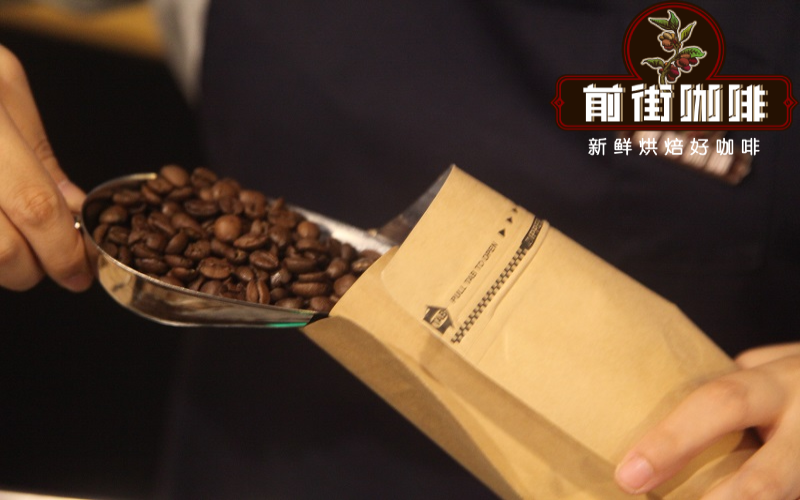
A Detailed Guide to Coffee Bean Resting Periods and Storage Essentials: A Practical Guide from Degassing and Maturing to Drip Bag Freshness
Freshly roasted coffee beans are not suitable for brewing right away; they need a period of degassing and maturation, commonly known as resting or aging the beans. Beans of different roast levels require different resting times: the lighter the roast, the slower the degassing and the longer the maturation; under-rested beans taste thin, while over-rested beans miss their peak flavor window. Beyond mastering the resting rhythm, sealing and moisture-proofing after opening the bag are equally critical, and storing beans in the refrigerator often does more harm than good. If you really can't wait, you can also improvise by grinding and letting the grounds sit, or by extending the bloom time. Drip bag coffee, already ground, loses flavor faster, so it's best finished within a week and never re-brewed. In this article, Front Street Coffee walks through these practical points one by one, drawing on everyday experience. [more…]
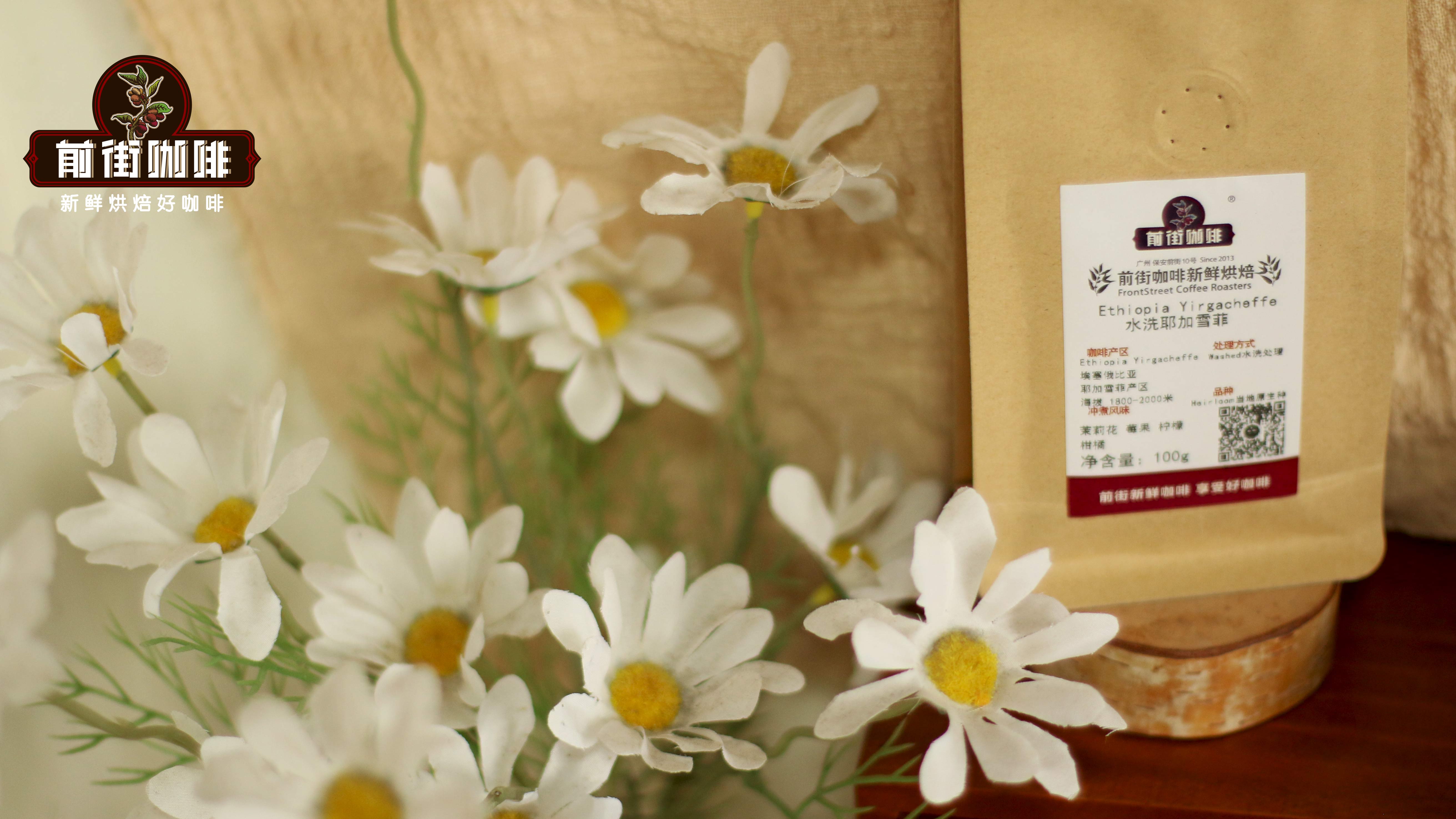
Ethiopia Konga Cooperative Natural Yirgacheffe G1: A Full Analysis of Flavor Layers, Mouthfeel, and Aroma Characteristics
Yirgacheffe is the flavor awakening for many coffee enthusiasts, and the Konga Cooperative, as an important member of YCFCU, presents a clean and bright floral-fruity profile through its washed processing and high-altitude growing conditions. Front Street Coffee's Konga Yirgacheffe G1 is often compared with the expensive Geisha. This article will start with the producing region background, cooperative information, varieties, and processing methods, sort out its flavor, mouthfeel, and aroma characteristics, and combine it with a same-parameter brewing comparison against Front Street Panama Hacienda La Esmeralda Green Label Geisha, to help readers understand this affordable bean's unique charm and positioning. [more…]
Resting and Blooming of Espresso Blend Coffee: Conceptual Differences, Time Windows, and Brewing Recommendations
Red wine requires decanting, while coffee has the concepts of resting and waking beans. After roasting, coffee beans trap carbon dioxide inside them, accounting for about 2% of their weight, and this gas needs time to slowly release. If freshly roasted beans are ground and brewed immediately, the gas pressure obstructs the exchange between hot water and coffee compounds, resulting in a dull flavor and even a dry, bitter sensation. Front Street Coffee recommends a resting period of 4 to 7 days after roasting; dark-roasted beans, being more porous and containing more gas, require slightly longer. At the same time, coffee aromas dissipate along with the carbon dioxide, so Front Street advises drinking the coffee within one month of roasting. This article will also use Indonesian Mandheling as an example to break down how the wet-hulled process gives it a rich, herbal flavor, and will include Front Street Golden Mandheling's brewing parameters. [more…]
Flavor Analysis of Yunnan Arabica Catimor Variety and the Development History of Its Plantation Origins
Yunnan, with the unique microclimates of the Nu River and Lancang River valleys, has cultivated small-bean coffee that is rich yet not bitter, aromatic yet not harsh, with a slight fruity acidity, and has been praised by international experts as being of world-class quality. From the introduction of the crop by missionaries in 1892 to Nestlé restarting industrialization in Pu'er, Yunnan coffee has gone through a century of ups and downs, yet has long been trapped in the role of raw material supplier. This article sorts out the varietal characteristics of Yunnan coffee, its production area distribution, the acquisition battles with Nestlé and Starbucks, and the tortuous course of local brand awakening and capacity expansion, to help you understand the true face of China's core coffee-producing region. [more…]
The Flavor Spectrum of Experimental Processing Methods: From Barrel Fermentation to Anaerobic Maceration
Anaerobic natural, lactic fermentation, barrel-aged, yeast inoculation—the vocabulary of specialty coffee processing methods has exploded in recent years, and coffee menus increasingly read like a brewery's process manual. These experimental processing methods are not marketing coinages; each one corresponds to a genuine technological innovation. This article maps out the mainstream lineage and examines "flavor alchemy." [more…]

Why Does Rainy Weather Make Espresso So Hard to Dial In? Analyzing the Causes of Unstable Espresso Machine Extraction
Spring has arrived, and Guangdong is experiencing continuous rainy weather. For baristas who need to get up early every day to dial in espresso, this period is undoubtedly a challenge. Many coffee enthusiasts have noticed that with the same beans and the same parameters, as soon as a rainy day comes, the espresso machine seems to throw a tantrum, and the extraction results are always less than satisfactory. What exactly causes espresso to be so difficult to dial in on rainy days? This article will analyze in depth from multiple angles such as humidity, temperature, and bean condition, helping you understand the real reasons why espresso machine extraction is unstable in wet weather, and offering practical approaches to deal with it. [more…]
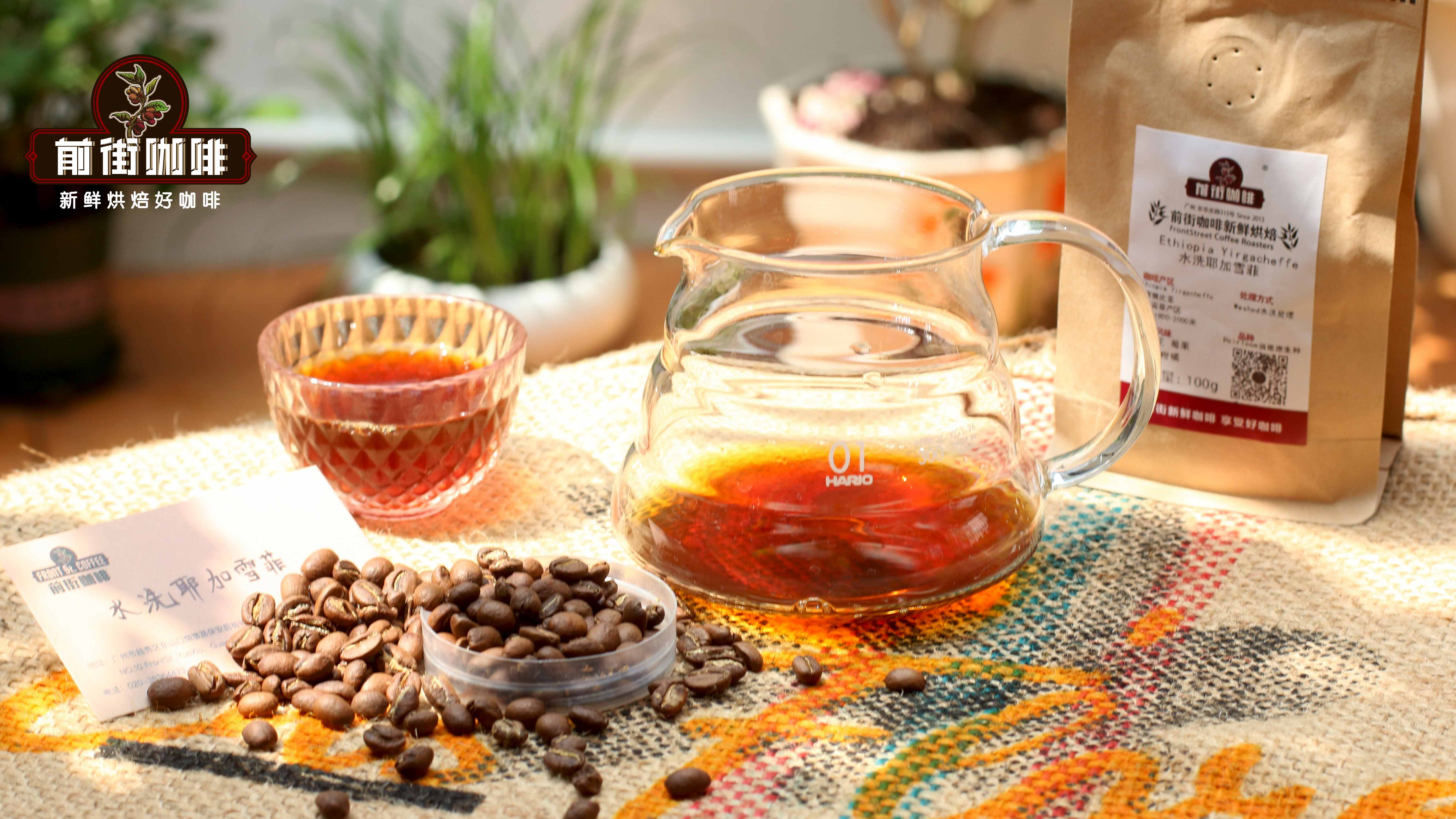
Yirgacheffe Pour-Over Technique Analysis: A Flavor Guide to Famous Regions and Coffee Estates
Yirgacheffe is a highly representative coffee region in Ethiopia, renowned worldwide for its bright acidity, rich floral aromas, and citrus notes. Different origins, seasons, and processing methods bring vastly different brewing performances. This article will start with pour-over parameters, share brewing suggestions for Front Street Coffee's natural Red Cherry and washed Yirgacheffe, and outline the legally recognized production area boundaries of Yirgacheffe under Ethiopian official designation, helping coffee enthusiasts gain a more comprehensive understanding of this region's flavors and geographic divisions. [more…]