







Search Results for: Batch
Front Street Costa Rica Mozart Roast Log: A Comparison of Six Batches Across Two Approaches, with Brewing Recommendations
When faced with a new bean, roasters typically start by gathering origin information and the flavor descriptions provided by the green bean supplier, then gradually adjust through test roasts and cupping. Front Street Coffee Costa Rica Mozart is known for its unique raisin honey process and complex aroma. This article documents the complete roasting exploration process for this bean: first, three test roasts were conducted using a stepwise decreasing heat and extended dehydration approach, but cupping revealed the flavor was rather light; subsequently, three more roasts were done using rapid dehydration and increased heat to drive aroma, and ultimately a curve combining floral notes and fermented winey aroma was selected. The article also includes pour-over extraction parameters and brewing techniques for coffee enthusiasts' reference. [more…]
Analysis of the Flavor Characteristics of Sidamo Huakui Coffee Beans and the Latest Updates on the 2022 Harvest 6.0 Batch
The Huakui coffee beans from the Sidamo region of Ethiopia have long been favored by coffee enthusiasts for their unique berry-like sweetness and acidity along with fermented aromas. 2022 marks the sixth year since Huakui rose to fame, and the new harvest's 6.0 batch should have been highly anticipated; however, problems such as shipping disruptions and a relatively high defect rate in the green beans followed one after another. After Front Street Coffee received the 6.0 batch, it found the overall defect rate to be relatively high. After communicating with the importer Hongshun, it decided not to sell this batch this year and instead use naturally processed Huakui coffee beans from the same region and the same processing station. This article will guide you through the origins of Huakui, the distribution of various processing stations in the Hambela region, the reasons for the division between Huakui and Small-Bean Huakui, as well as Front Street Coffee's recommended brewing method and flavor description, helping you gain a more comprehensive understanding of these coffee beans. [more…]
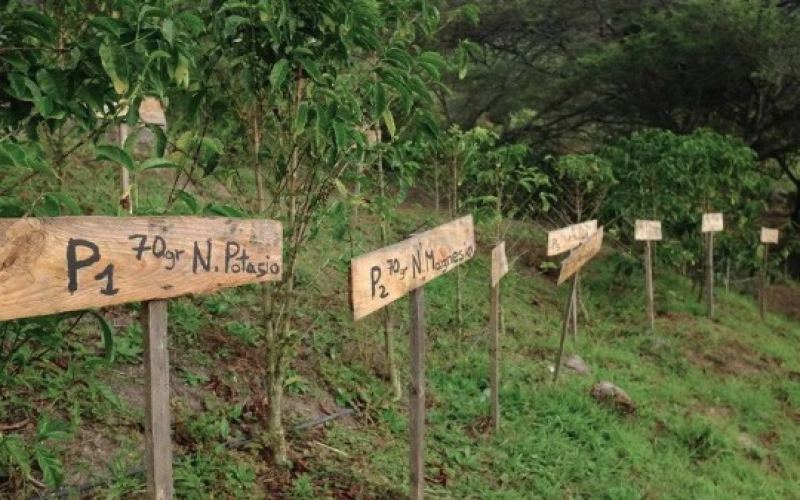
What is a microlot coffee bean? Will the quality of microlot coffee beans be better than that of regular batches?
What is a microlot coffee bean? Will the quality of microlot coffee beans be better than that of regular batches? Now, when drinking single-origin coffee, it is very easy for us to trace back to which country, which producing area, and even to the ha [more…]
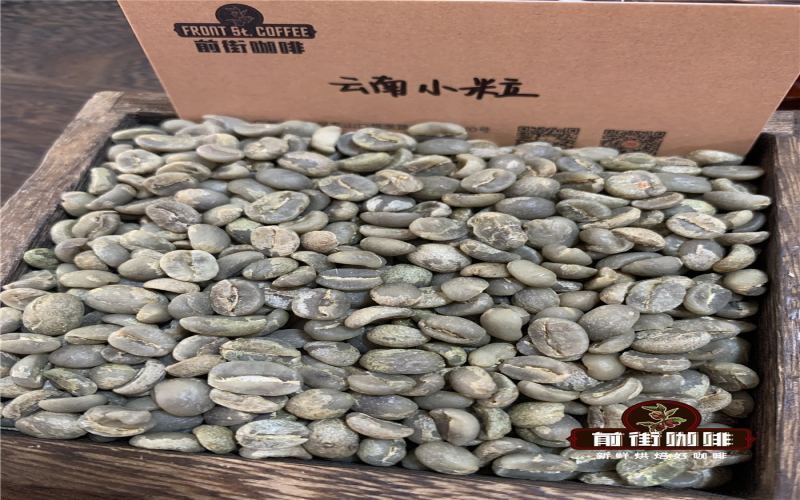
Analysis of the Flavor Characteristics and Main Cultivated Varieties of Yunnan Small-Bean Coffee, with a Discussion of Which Brand Is Worth Watching
Yunnan small-bean coffee actually refers to the Arabica small-fruited species grown in Yunnan. Since 1892, when missionaries planted the first coffee tree in Zhukula, Yunnan coffee has gone through a century of ups and downs. This article reviews the planting history of Yunnan coffee, the style characteristics of its main cultivated varieties, Typica and Bourbon, and the impact of the introduction of Catimor on the industry. It also introduces how the altitude and climate conditions of core production areas such as Lincang and Baoshan shape coffee flavor, and shares Front Street Coffee's practice and experience of growing the Typica variety in Lincang, Yunnan. [more…]
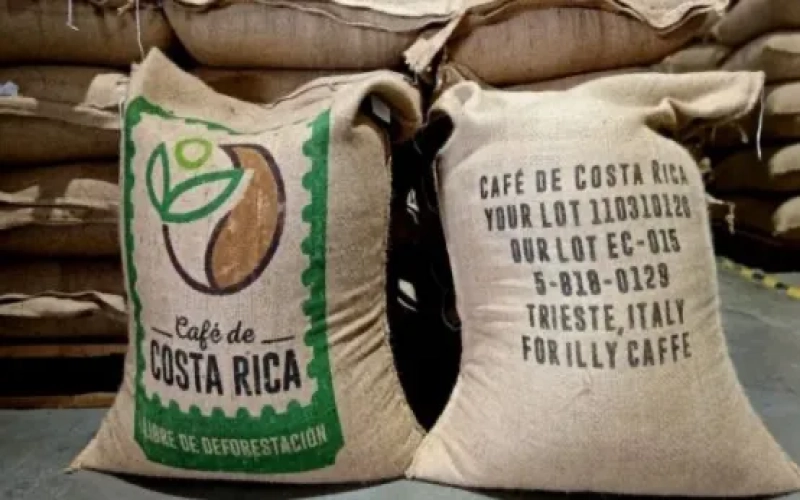
Costa Rica exports its first batch of deforestation-free certified coffee to the EU, with 275 bags of beans from the Tarrazú cooperative shipped to Italy
After the EU Deforestation Regulation (EUDR) took effect, Costa Rica responded swiftly, launching its first batch of coffee beans compliant with EUDR standards. This batch, totaling 275 bags of 60 kg each, comes from the Tarrazú cooperative, has been successfully sold, and will be shipped to Italy. The initiative, jointly driven by the United Nations Development Programme and the Costa Rican Coffee Institute, is seen as a key step for the country to adapt to climate change and secure its European market. Facing the dual pressures of declining production and competition from neighboring Central American countries, Costa Rica is seeking to boost its industry's competitiveness through green certification. Front Street Coffee continues to follow developments in global coffee-producing regions, bringing first-hand information to enthusiasts. [more…]
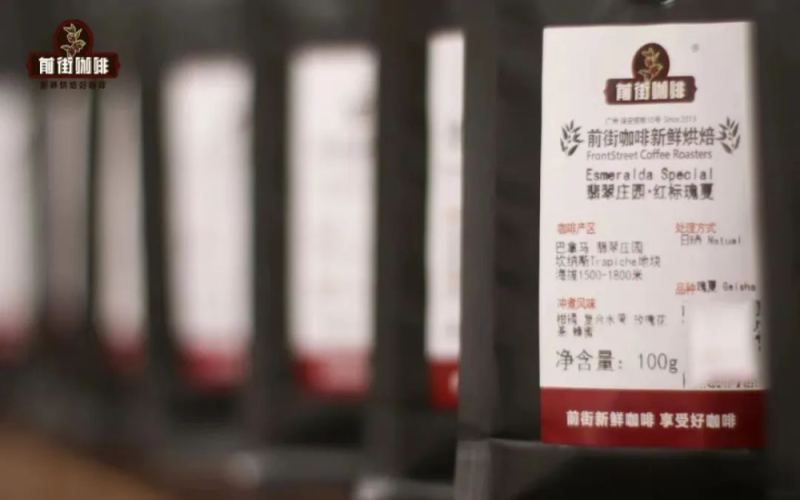
What exactly is a micro-lot coffee? From production volume to the Esmeralda Estate auction Geisha, a detailed look at its many types
When selecting coffee beans, you may have noticed the term "micro-lot coffee." Literally, it seems to refer simply to a smaller batch of beans, but the reality is far more than that. The core of a micro-lot lies in being "specially treated" or "having something unique," rather than merely being low in volume. This article will walk you through the true meaning of micro-lot coffee and introduce different categories one by one, including innovative experimental, meticulously selected, air-freight pre-heated, and private custom types. We will also mention Hacienda La Esmeralda's annual process of selecting the best plots through cupping for auctions, as well as information about Front Street Coffee, to help you fully understand the diverse aspects of micro-lot coffee. [more…]
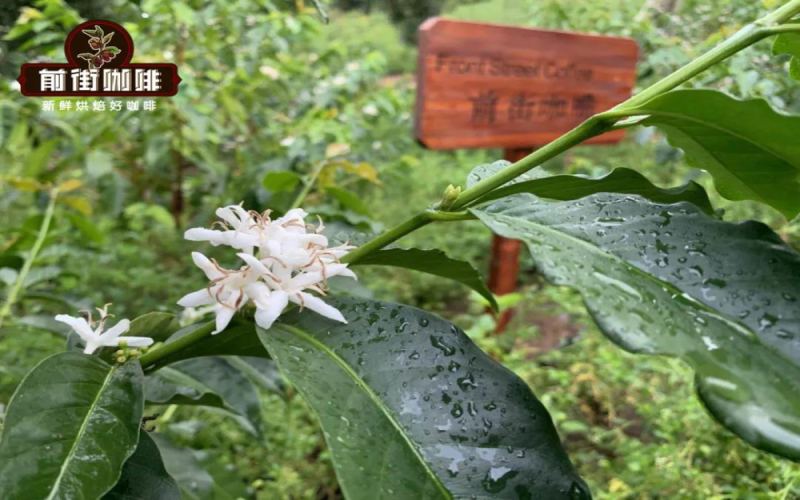
Yunnan small-bean coffee flavor and Typica variety characteristics: A full analysis of origin estates and brewing parameters
Yunnan coffee has frequently appeared in domestic cafés, but few people truly understand its flavor profile. As a representative of Asian beans, Yunnan small-holder coffee has both herbal and pine undertones, along with regional characteristics like brown sugar, tea-like notes, and plum acidity. In terms of varieties, Typica and Catimor form the two main lines of Yunnan coffee: the former is an ancient, high-quality Arabica variety with excellent cupping performance; the latter has strong disease resistance but slightly inferior flavor. Regarding production areas, Baoshan, Pu'er, Lincang, and Dehong each have their own advantages, and Front Street Coffee has even established its own estate in Lincang to cultivate Typica. This article will also share Front Street's medium-light roast brewing parameters and the flavor description of the 2013 sun-dried Typica, giving you a comprehensive understanding of Yunnan coffee. [more…]
An Analysis of the Differences Between Yunnan Typica and Catimor Varieties: Regional Characteristics, Flavor Performance, and Front Street Coffee Brewing Suggestions
Yunnan coffee cultivation is dominated by Catimor, but the oldest Arabica variety, Typica, still shines thanks to the persistence of Front Street Coffee. Front Street currently offers washed Yunnan small-bean coffee, sun-dried Catimor coffee, and 2013 sun-dried Typica coffee, each with its own following. This article systematically sorts out the essential differences between Typica and Catimor, from variety origins, disease resistance, and yield differences to cupping flavors and the distribution of Yunnan's main producing regions, and shares Front Street's roasting approach for Yunnan beans and V60 brewing parameters, helping coffee lovers understand the past and present of Yunnan coffee more comprehensively. [more…]
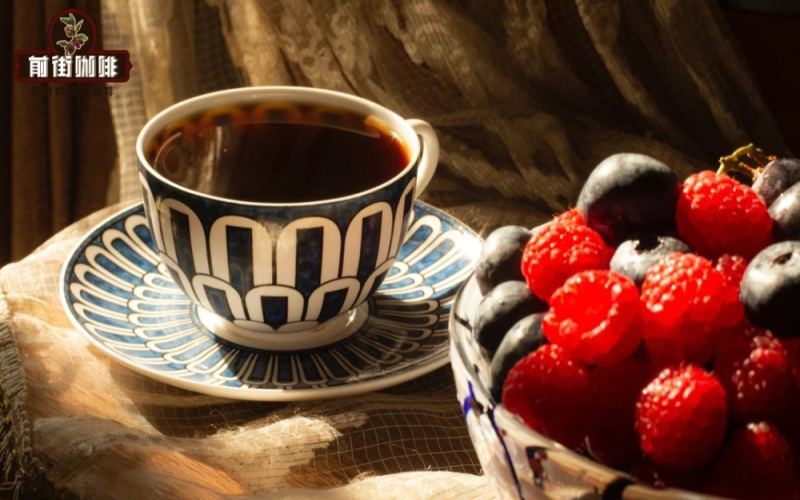
What is the difference between auction lot and same-lot coffee beans? An in-depth analysis using the example of Ethiopian COE26 same-lot beans
In the specialty coffee world, auction lots and same-lot coffees are often lumped together, but the two differ fundamentally in quality and scarcity. This article begins with a real sourcing experience at Front Street Coffee, recounting the team's attempt to purchase COE26 same-lot beans after missing out on an Ethiopian COE auction lot. The article systematically sorts out the competition format and process of the COE Cup of Excellence, the conceptual difference between auction lots and same-lot beans, and documents in detail this Yirgacheffe Worka washed bean's regional background, processing method, roasting curve, cupping performance, and brewing parameters. Will the final cupping result deliver the matcha aroma as hoped? Can same-lot beans replicate the surprise of an auction lot? The answer will be revealed in the article. [more…]
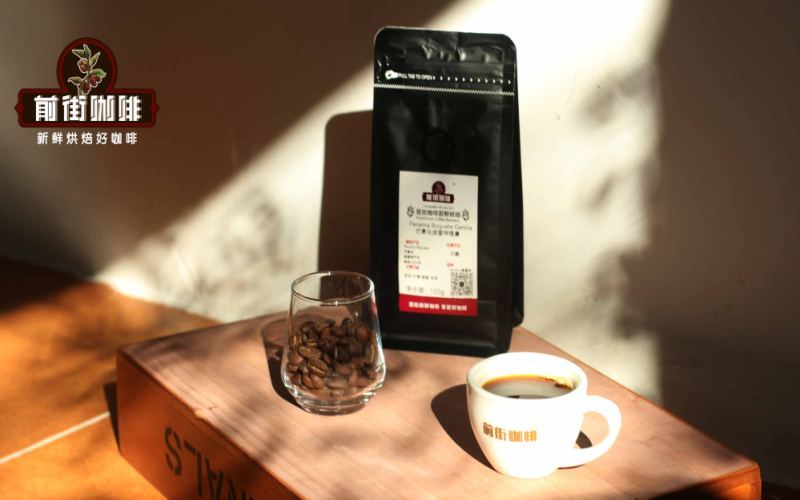
Front Street Coffee Limited-Time Offer: Blue Label Geisha Half Price ¥49 for 100g, Everyday Beans as Low as ¥9.9, Seasonal Drip Bags ¥19.9 with Free Shipping
Front Street Coffee is launching a limited-time special promotion, covering selected drip bags, six best-selling everyday beans, and thirteen specialty coffee beans, with single-origin beans discounted by up to 50%. Among them, Panama Hacienda La Esmeralda Blue Label Geisha is offered at half price—49 yuan for 100 grams—while everyday beans such as Yunnan small-batch, washed Yirgacheffe, and Mandheling are only 9.9 yuan. This season’s drip bags are 19.9 yuan for a box of ten, with free shipping nationwide. The promotion runs from July 15 to July 17, only this once. Whether you need everyday staples or want to try the Geisha flavor profile, this sale is worth checking out. Below, we introduce each product and its flavor characteristics in the order of drip bags, everyday beans, and specialty beans. [more…]
Huakui 6.0 New Harvest Flavor Analysis: Comparison with 5.0 and Hambela Lot Prices
In the specialty coffee world, Geisha and Huakui are two beans you can't avoid. Huakui rose to fame after winning the 2017 TOH sun-dried category championship, and its legendary feat of defeating Geisha in the China region of the World Brewers Cup. Since then, Huakui has been updated year by year with its X.0 series, from 2.0 to 5.0, with flavors and batches constantly changing. In 2022, the Huakui 6.0 green beans arrived as scheduled; Front Street Coffee pre-ordered immediately and received the Hongshun batch, only to find the beans had noticeably more defects. To ensure quality, Front Street Coffee separately sourced another batch of Huakui from the same processing station (buku) and conducted a cupping comparison. This article will detail the flavor characteristics of Huakui 6.0, its differences from 5.0, and the price and purchasing advice for the new-season Hambela Huakui, providing a reference for coffee enthusiasts. [more…]

New Season Sidamo Natural Huakui 7.0 Coffee Bean Flavor Analysis and the Reveal of Hambela Huakui's Origins
Every year before the new-crop Huakui coffee beans arrive at port, the domestic coffee community is already abuzz with discussion. In May 2023, Huakui 7.0 officially arrived in China, yet it sparked considerable skepticism: Why doesn't it taste like "Huakui"? Why do the flavors lean toward Yirgacheffe? Is it still Huakui if it's not from the Buku Abel processing station? This article starts from the origins of Huakui, traces how the 2017 TOH championship batch got its name, analyzes the relationship between Buku Abel village and the surrounding processing stations, explains the flavor expression of Huakui 7.0 and the typical characteristics of Sidamo natural beans, and shares Front Street Coffee's roasting and cupping results for this batch of new beans. [more…]
Does Ethiopian Natural Huakui G1 Represent the Highest Quality? Decoding the Meaning of the Hambella 7063 Batch Number
How exactly does Ethiopia's coffee grading system work? Is sun-dried Geisha G1 equivalent to the highest-quality coffee beans? What does the batch number Hambella 7063 represent? This article will systematically sort out Ethiopia's coffee grading standards, including the two major dimensions of cupping score and green bean defect rate, and deeply analyze the grading logic of the sun-dried processing method. At the same time, it will take you into Hambella, the Guji producing region and hometown of Geisha coffee, to learn about its geographical environment, farm operations, and the origin of its name. Finally, it includes Front Street Coffee's light-roast brewing parameters and three-stage extraction method for Geisha, helping you fully release the floral and fruity aromas of this bean. [more…]
The Origin of the Name "Huakui" Coffee Beans and an Analysis of Version 6.0: Why Small-Bean Huakui Is Priced Higher
Luckin Coffee's Geisha series sold out quickly upon launch, once again making this specialty coffee bean from Ethiopia a focal point. What exactly is the charm of Geisha coffee beans? Why are they named in the "Geisha X.0" format? And why does the price of small-batch Geisha remain so high? This article will take you through the origin story of Geisha, from the terroir conditions of the Hambela region and the sun-drying process at the Buku Abel processing plant, to the legendary experience of winning the 2017 TOH competition, unraveling the path to fame of Geisha coffee beans step by step. At the same time, we will also analyze the bean appearance characteristics of the new Geisha 6.0 harvest, its cupping flavor performance, and share Front Street Coffee's roasting and brewing recommendations for this batch of beans. [more…]
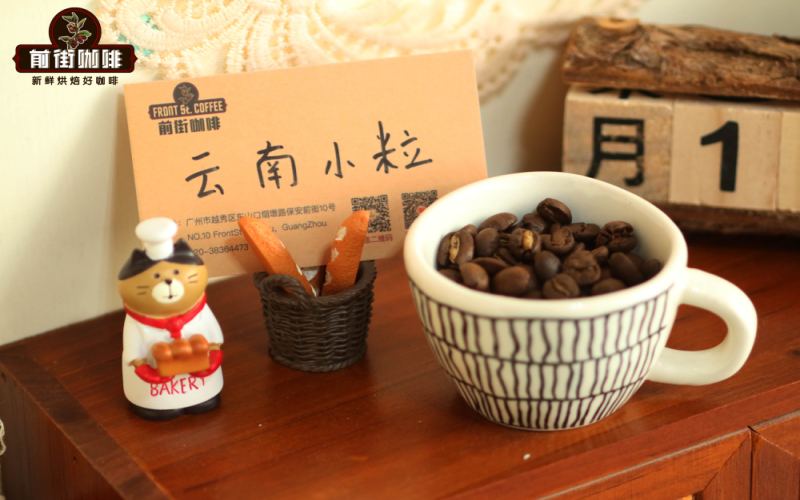
Yunnan Coffee Bean Brand Recommendations and Analysis of Main Producing Regions: A Complete Overview of the Flavor Characteristics of Typica and Catimor
Yunnan, as China's core coffee-producing region, mainly cultivates two major varieties: Typica and Catimor. Front Street Coffee positions Yunnan Typica as specialty coffee, while Catimor is customarily called Yunnan small-batch coffee in the market. This article reviews brand choices for Yunnan coffee beans, the distribution of major producing areas, Front Street's experience growing Typica in Lincang, and the flavor profiles of the two varieties, helping coffee enthusiasts gain a comprehensive understanding of Yunnan coffee's regional characteristics and tasting highlights. [more…]
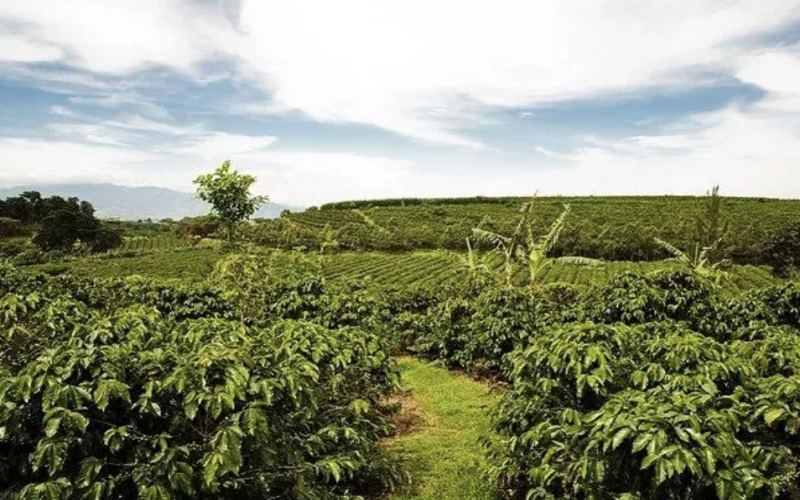
Costa Rica plans to meet the EU market and launch "deforestation-free coffee".
Recently, according to reports from Elmundo in Costa Rica, Costa Rica launched the first batch of "deforestation-free coffee". This batch of coffee beans was harvested after December 2020, ensuring that no forests were cut down to expand the planting [more…]
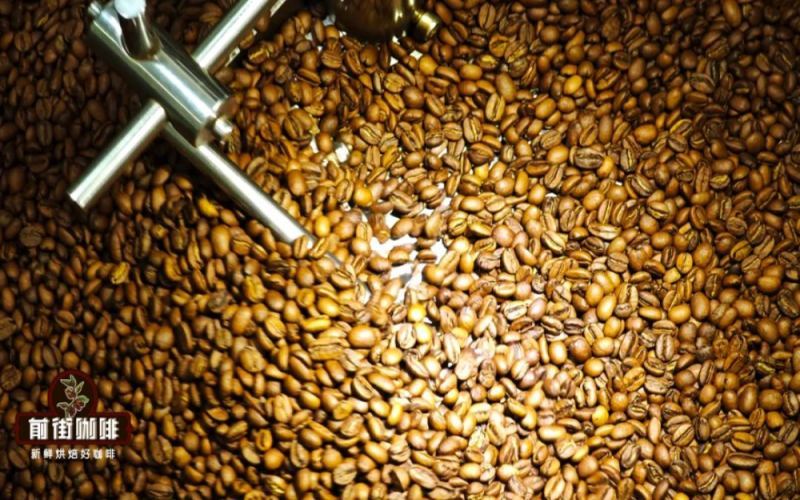
How long does it take to roast green coffee beans? A complete experiment of roasting coffee at home with a frying pan without a roaster
How long does it actually take for green coffee beans to go from hitting the pan to being roasted? In order to hear the sound of "first crack" with his own ears, Front Street Coffee deliberately conducted three rounds of home-roasting experiments using a frying pan and an open flame on a stove, testing the performance of naturally processed Santa Vini and washed Kafa Forest under different heat levels. The article records the time points for each batch of beans' color change, silver skin shedding, and the appearance of cracking sounds, as well as the final cupping flavor differences, while also sharing practical experience on how to judge heat level and the timing for taking the beans out when there is no professional coffee roaster. [more…]
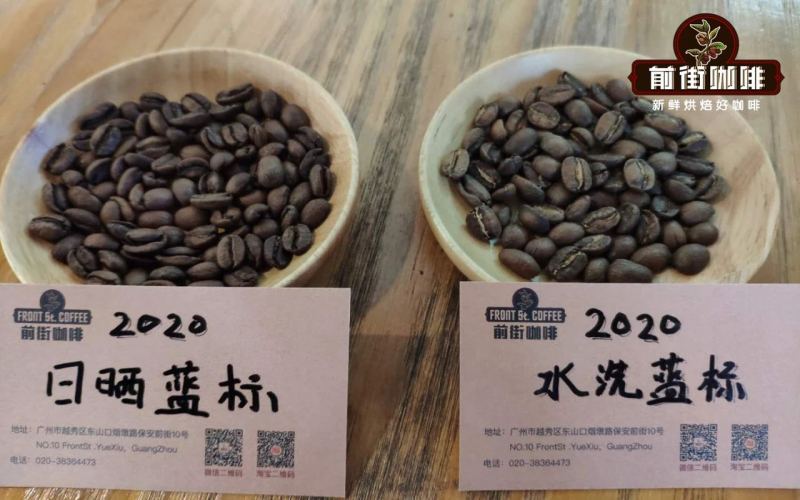
Hacienda La Esmeralda Blue Label Geisha Renamed Las Rocas? 2021 Pour-Over Recipe and Volcanic Rock Flavor Full Analysis
In 2020, Hacienda La Esmeralda introduced a natural process for its Blue Label Geisha, delighting many coffee lovers; however, in 2021 the estate announced that it would retain only the Red Label and Green Label series, and the Blue Label seemed to quietly exit the stage. Just as speculation was rife, a batch of Panamanian Geisha named Las Rocas quietly appeared on the market, and according to Front Street Coffee, this is precisely the rebranded Esmeralda Blue Label batch. This article sorts out the grade classifications and flavor differences among Hacienda La Esmeralda's Red Label, Green Label, and Blue Label, reviews the whole story of the Blue Label's "disappearance" and "reappearance," and introduces the washed processing characteristics and pour-over approach for this Las Rocas Volcanic Rock Geisha, providing coffee fans who love Blue Label Geisha with a complete reference for purchasing and brewing. [more…]
Unmasking the True Identity of Geisha 1500 and Emerald Estate Blue Label Geisha Volcanic Rock Coffee Beans
What exactly does Geisha 1500 refer to? And what is its relationship with Hacienda La Esmeralda's Blue Label Geisha? In 2020, Hacienda La Esmeralda added a natural process to its Blue Label series, which briefly made enthusiasts cheer for the arrival of an era of affordable Geisha; however, in 2021 the estate officially announced only the Red Label and Green Label, and the Blue Label seemingly disappeared, sparking much speculation. It was not until late September of the same year that a batch of Panamanian Geisha named Las Rocas appeared, and according to Front Street Coffee, it was in fact the reincarnation of Hacienda La Esmeralda's Blue Label batch. This article will sort out the classification standards and flavor differences of Hacienda La Esmeralda's Red Label, Green Label, and Blue Label, and reveal the truth behind the Blue Label's makeover, while also introducing the Esmeralda Red Label and Green Label Geisha that Front Street Coffee has supplied year-round, making it easier for readers to make a purchase. [more…]
Jamaica Blue Mountain Geisha vs. Classic Blue Mountain: A Comparative Analysis of Natural Processing and Clifton Estate Innovation
In 2020, Jamaica's Clifton Estate broke the decades-old tradition of Blue Mountain coffee, not only launching sun-dried Blue Mountain on a large scale, but also cultivating and exporting the Geisha variety for the first time. This batch of Blue Mountain Geisha was packaged in wooden barrels, produced in scarce quantities, and carries Rainforest Alliance certification. This article will present Front Street Coffee's exploration of this innovative batch in full, from the estate's history, the origins of the Geisha variety, the washed processing method, and the roasting curve, to cupping and brewing insights. Just what kind of flavor will the combination of Blue Mountain and Geisha bring? How does one choose between the traditional Blue Mountain taste and Geisha's floral aroma? Let us taste and see together. [more…]