







Search Results for: Bahía Coffee Beans
Costa Rica Canet Estate Bahía Specialty Beans: The Ultimate Exploration of Raisin Honey Processing and Anaerobic Craftsmanship
Front Street Coffee takes you deep into Costa Rica's Tarrazú region to explore the Bach specialty coffee beans of Canet Estate. These beans undergo a unique raisin honey processing method, combining mucilage and anaerobic techniques. After harvesting, they are sun-dried for at least three days, with the timing of depulping while retaining mucilage precisely controlled, before entering the drying stage. Climatic conditions are key to the success of honey processing—slow drying is needed to promote surface fermentation, while avoiding excessive soaking. High-frequency turning ensures uniform dehydration. The result is a rich, complex flavor, full-bodied oiliness, and extremely high sweetness, with layers of berry and citrus acidity, juicy balance, and a delicate body. [more…]
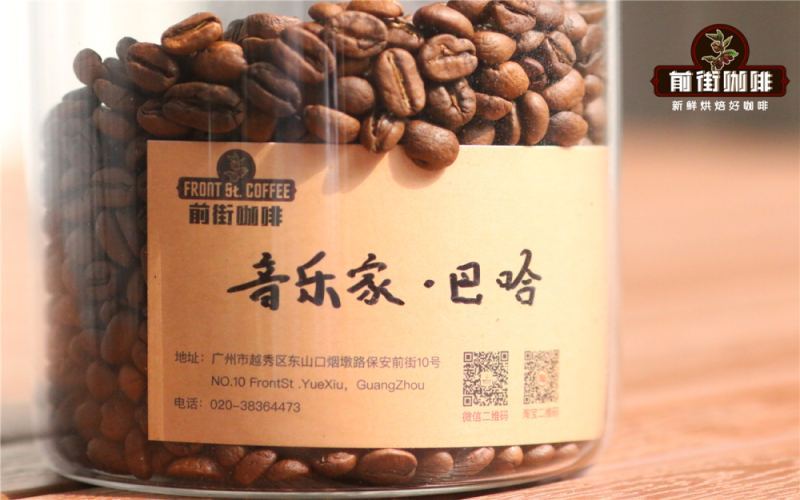
Where in Costa Rica is Front Street Bahia coffee produced? Why does raisin honey processing bring high sweetness?
Front Street Musician Series Bach is a coffee bean from the Tarrazú region of Costa Rica, processed using the raisin honey method, showcasing rich fruity aromas of strawberry, blackberry, and raisin with a wine-like fermented charm. This article will start from the origin information, processing techniques, flavor performance, and products in the same series to analyze the source of sweetness in Bach coffee beans, and introduce the technical characteristics of raisin honey processing, as well as the H1 variety and anaerobic honey processing technique used in the 2020 new crop season of Front Street Mozart. [more…]
What Are SOE Coffee Beans? The Characteristics, Flavor Profile, and Bean Selection Considerations of Single-Origin Espresso
SOE stands for single-origin espresso, and its popularity in the specialty coffee world has continued to climb in recent years. How does it differ from blended espresso? Which beans are suitable for making SOE? This article explores the flavor characteristics, mouthfeel, and bean-selection logic of SOE coffee beans: from an analysis of the suitability of Yirgacheffe, Huakui, and Mandheling, to the effect of roast level on espresso flavor, to why Front Street Coffee has experimented repeatedly but never added it to the menu, and the reasons why a cup of SOE is priced higher—answering each question one by one. The article also includes the actual extraction parameters for Front Street's Ethiopia Red Cherry and Warm Sun blend, for enthusiasts to reference and compare. [more…]
Costa Rica Canet Estate Bach Coffee Bean Flavor Analysis and V60 Brewing Parameters Guide
Among the Costa Rica Musician Series launched by Front Street Coffee, the Bach coffee beans display a rich fermented aroma and dried-fruit sweetness thanks to their unique raisin honey process. These beans come from the Canet Estate in the Tarrazu region, at an altitude of up to 1,980 meters, and are of the Caturra and Catuai varieties. Through a medium roasting profile, Front Street highlights their tropical fruit, berry-like sweet-tartness, and caramel aftertaste. This article will provide a complete analysis of the flavor code and brewing key points of these Bach coffee beans—from the estate background, the principles of the processing method, green bean analysis, roasting suggestions, and cupping performance to V60 brewing parameters—offering coffee lovers a practical reference for tasting and brewing. [more…]
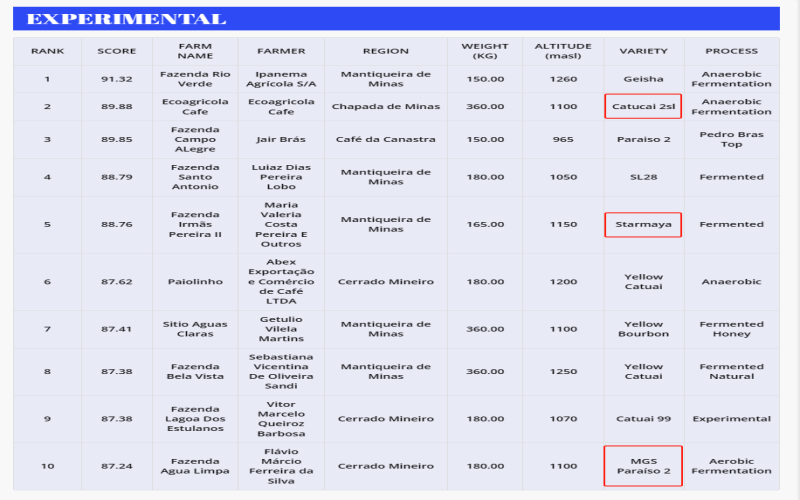
Analysis of Rare Award-Winning Coffee Varieties at Brazil's Cup of Excellence: Variety Characteristics of MGS Paraíso 2, Catucaí 2SL, and Starmaya
In this year's COE competition, the Brazil region stands out as particularly distinctive. Not only have the competition rules been adjusted, but the winning varieties also differ greatly from those of other coffee-producing countries, which is especially evident in the experimental processing group: the winning bean varieties are almost never repeated, and most are not well known to the general public. This article will focus on three standout varieties—MGS Paraíso 2, Catucaí Amarelo 2SL, and Starmaya—and outline their origins, agronomic performance, and flavor potential. For enthusiasts concerned with coffee variety diversity, this information is especially worth noting. Front Street Coffee will also continue to follow up on the introduction and evaluation of related bean varieties in subsequent content. [more…]
Colombian Coffee Regions and Specialty Bean Grading: A Flavor Analysis from Medellín to Nariño
Colombian coffee is renowned worldwide for its balanced, smooth taste and rich aroma, with the three cities of Medellín, Armenia, and Manizales together forming the famous "Coffee Triangle." For Front Street Coffee's Colombian offerings, the Medellín growing region is the top recommendation, with plump beans, moderate acidity, and excellent balance. Colombian coffee beans are mostly Coffea arabica, hand-picked and washed-processed, and after medium roasting they present a light, silky flavor, earning them the title "green gold." This article will walk you through Colombian coffee's varieties and grades, its main growing regions, and Front Street's recommendations, and will explain the difference between Supremo and Excelso, as well as the Narino Supremo coffee beans exclusively purchased by Starbucks. [more…]
A Comprehensive Guide to Colombia Supremo Coffee Grade and the Flavor Characteristics of the Medellín Region
Colombian coffee occupies an important place in the global specialty coffee landscape, and among them, Supremo, the country's highest-grade coffee bean, has always attracted the attention of coffee lovers. This article will explore Supremo's taste characteristics, grade classification, the terroir conditions of the Medellín producing region, and the flavor expression brought by washed processing, giving you a comprehensive understanding of this high-quality coffee with notes of sweet orange, nuts, and chocolate. It will also introduce the background of the geographical indication certification of the Colombian Coffee Growers Federation, as well as Front Street Coffee's reasons for recommending this bean, providing a reference for your purchase. [more…]
A Comprehensive Analysis of Colombian Coffee Flavors and Mouthfeel: Regional Characteristics and Grading from Medellín to Nariño
Colombian coffee occupies a pivotal position in the global coffee landscape thanks to its balanced taste, rich aroma, and silky texture. From Medellín and Armenia to Manizales, these producing regions in the Andes together form the renowned "Coffee Axis." This article will take you deep into the varietal characteristics of Colombian coffee, its strict grading system, and the unforgettable, lingering distinctive flavor of Front Street Colombian coffee. Whether it is the perfect balance of acidity, bitterness, and sweetness, or its almost commanding aroma, Colombian coffee is fully worthy of the title "green gold" and can be called the elegant gentleman of the coffee world. [more…]
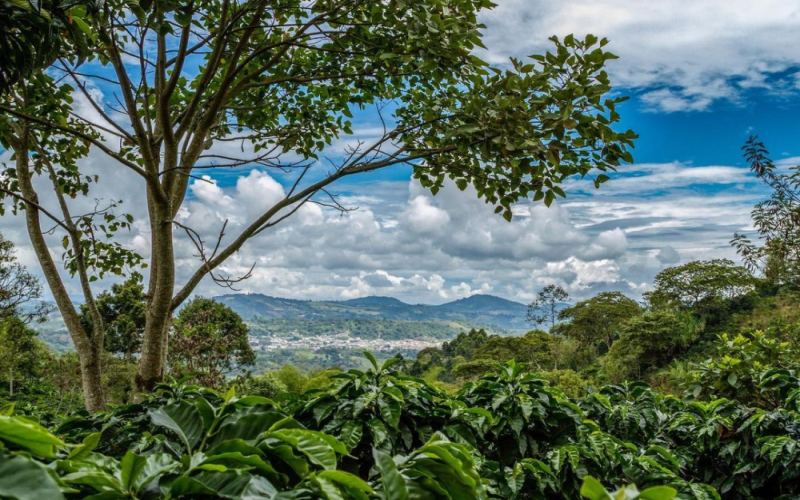
Analysis of Coffee Flavors by Colombian Region: Taste Characteristics and Brewing Tips from Medellín to Nariño
Colombia, with its geographical advantage of dual ports on the Atlantic and Pacific, has become the country with the lowest coffee transportation costs in South America. Its traditional producing regions are distributed along the Eastern and Central Cordilleras and in the southern regions of Huila, Cauca, and Nariño, forming a flavor map with distinctive characteristics. From the full-bodied richness of Medellín and the fresh herbal notes of Santander, to the nutty-chocolate tonality of Huila and the high-altitude sweet-acidity balance of Cauca, and further to the equatorial high-mountain microclimate of Nariño, each producing region displays its own unique charm. This article systematically reviews the taste characteristics of Colombia's main producing regions, Front Street Coffee's cupping evaluations and roasting recommendations, and includes brewing parameter references to help coffee enthusiasts gain a comprehensive understanding of the diversity of Colombian coffee. [more…]
Costa Rican Coffee Flavors and Analysis of Seven Major Regions: Tarrazu, Tres Rios, and Central Valley Characteristics
Costa Rican coffee has always been known for its balanced and mild character, and Front Street Coffee's Costa Rican coffee showcases this classic style: the harmonious blend of acidity, sweetness, and chocolate-like bitterness, with a smooth mouthfeel and little sharpness. The country has seven major coffee-producing regions, among which the Central Valley, Tarrazú, and Tres Ríos are the most well-known. In the 2007 Cup of Excellence competition, Cerro Bado from Tarrazú took first place, while Naranjo in the Central Valley swept second through fourth places. La Minita Estate in Tarrazú is known for its strict management, producing a million pounds a year yet selecting only 290,000 pounds as specialty coffee. In the Tres Ríos region, production has dropped sharply due to urban expansion, but Aquiares Estate has persevered to this day, with a bright and smooth flavor. This article will introduce in detail the characteristics of each producing region and their representative estates. [more…]

Overview of Coffee Cultivation in Espírito Santo, Brazil: Robusta and Specialty Arabica Between Mountains and Sea
South America, with the Andes Mountains, the Brazilian plains, and a warm, humid tropical and subtropical climate, has given rise to major coffee-producing nations such as Brazil, Colombia, and Ecuador. Among them, Brazil has a vast territory, with seventeen of its twenty-six states producing coffee, and its output consistently ranks first in the world. In the state of Espírito Santo in southeastern Brazil, although the scale of cultivation is smaller than that of major states like Minas Gerais, it has developed a unique pattern centered on Robusta and supplemented by specialty Arabica, thanks to its mountainous environment near the Atlantic Ocean. This article will review the state's geography and climate, cultivated varieties, and representative estates, and mention Front Street Coffee's Cerrado entry-level selection. [more…]
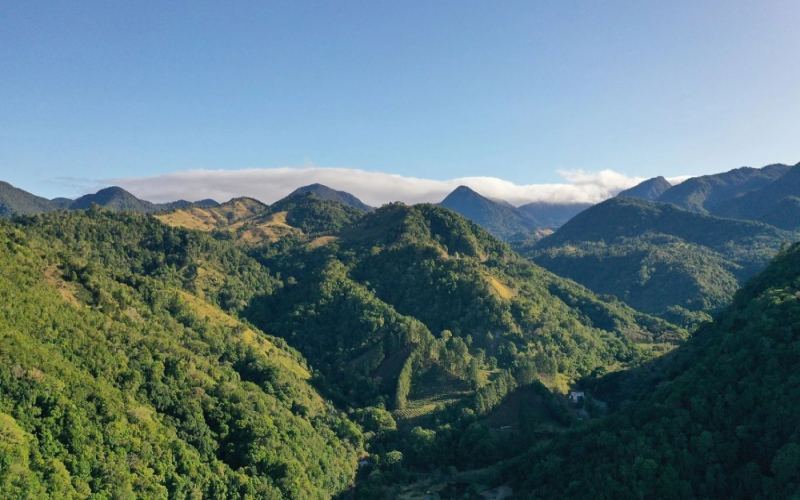
Panama's Boquete Region and Barú Volcano: The Flavor Code of Geisha Coffee and Pour-Over Techniques
Panamanian coffee is world-famous for Hacienda La Esmeralda's Geisha, and the starting point of it all is the Boquete production region in Chiriquí Province. This land at the foot of Barú Volcano, with its fertile volcanic soil, high altitude and unique microclimate, has given rise to many world-class specialty coffees. Front Street Coffee brings you a range of Boquete beans, from Esmeralda Red Label to the high-value Butterfly, and on to Elida Estate's Typica. This article will walk you through the terroir of the Boquete production region, its main coffee varieties, and how to brew a great cup with washed Butterfly and natural Elida. [more…]
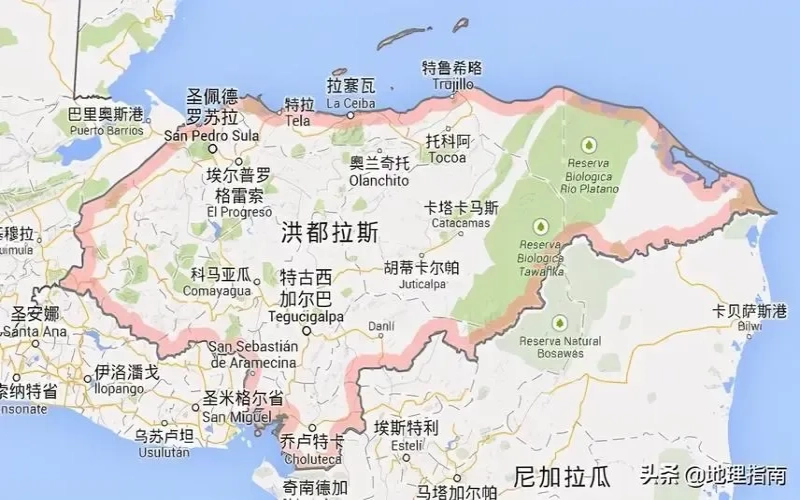
A Panoramic View of Honduran Coffee Regions: An Analysis of Six Major Origins and Varieties from Copán to El Paraíso
Honduras is the second-largest coffee exporter in Central America and the tenth-largest in the world. Most of its 280,000 hectares of coffee farms are run by smallholder farmers. The Honduran Coffee Institute (IHCAFE), founded in 1970, divides the country into six major regions: Copán, Opalaca, Montecillos, Comayagua, Agalta, and El Paraíso. Due to differences in altitude, rainfall, and microclimate, each region presents distinct flavors such as chocolate, tropical fruit, and lemon blossom. Front Street Coffee takes you through the terroir characteristics and main cultivated varieties of these regions, including Bourbon, Catuai, Pacas, Lempira, Typica, and Caturra. [more…]
A Complete Analysis of Brazilian Coffee Regions, Flavors, and Bean Characteristics: Production, Origins, and Representative Varieties
Brazil is a major player in the global coffee landscape, with coffee farms found in half of its 26 states, but the main producing regions are concentrated in five states in the southeast: Bahia, Espírito Santo, Minas Gerais, Paraná, and São Paulo. Among them, Minas Gerais contributes nearly half of the country's total production and is further divided into four sub-regions with distinct terroir characteristics: Cerrado, Chapada, Matas, and Sul de Minas. Espírito Santo is an important stronghold for Robusta, São Paulo is home to premium producing areas such as the Port of Santos and Mogiana, Bahia has risen rapidly through high-tech cultivation, and northern Paraná focuses on Arabica. The following will examine each producing region one by one in terms of altitude, climate, representative varieties, and cup flavor, helping coffee enthusiasts build a systematic understanding of Brazilian coffee. [more…]
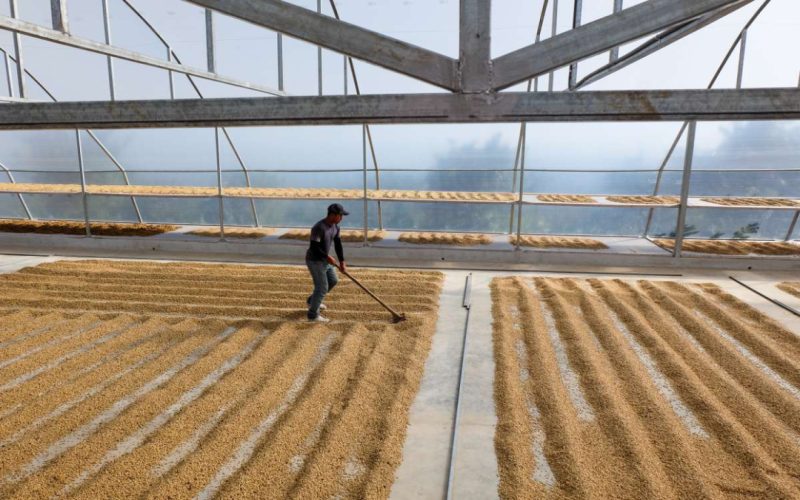
A Complete Analysis of Costa Rican Coffee Regions: From Tarrazú to Tres Ríos—The Specialty Flavors and Geographic Codes
Costa Rica is one of the earliest countries in Central America to cultivate coffee, and is known for legally prohibiting Robusta and growing only Arabica. From the first coffee seedling planted in 1779 to today's scattered eight major specialty regions, this land nourished by volcanoes and oceans has produced internationally recognized "golden beans." This article will guide you through the historical thread of Costa Rican coffee, explain in detail the terroir characteristics of core regions such as Tarrazú and Tres Ríos, and recommend Front Street Coffee's everyday beans series, providing coffee lovers with a practical regional guide. [more…]
Analysis of Panama's Boquete and Barú Volcano Regions: Geisha Coffee Bean Flavors and Front Street Coffee's Selected Bean List
After Panama's Hacienda La Esmeralda Geisha won the 2004 BOP, Panama leapt to become the focus of the specialty coffee world, and the birthplace of the Geisha legend is precisely the Boquete region of its Chiriquí Province. This land leans against the Barú Volcano, its volcanic ash soil rich in phosphorus and sulfur, paired with high altitude, cloud shade, and a pronounced day-night temperature difference, providing excellent conditions for coffee to slowly accumulate flavor. Front Street Coffee brings you several outstanding Boquete offerings, from Hacienda La Esmeralda Red Label and Green Label to Elida Estate Typica, and on to the high-value Butterfly Geisha blend, each revealing the charm of the region one by one. This article will systematically sort through Boquete and the Barú Volcano's geographical advantages, variety characteristics, processing method differences, and brewing suggestions, taking you deeper into understanding this coffee paradise. [more…]
An Analysis of Colombia's Five Major Specialty Coffee Regions: Bean Characteristics, Pour-Over Parameters, and Flavor Descriptions
Colombia enjoys the advantage of both the Atlantic and Pacific Oceans, giving it exceptional conditions for coffee export and transport. Its specialty-producing regions are mainly distributed across the Eastern and Central Cordilleras, as well as Huila, Cauca, and Nariño in the south. This article reviews the variety characteristics and flavor profiles of five major producing regions—Medellín, Santander, Huila, Cauca, and Nariño—and includes Front Street Coffee's roasting curves and pour-over parameter recommendations. From the balanced sweetness of Medellín, to the peach notes of Santander's Rose Valley, to the nutty chocolate of Huila, the floral-fruity elegance of Cauca Sakura, and the high-altitude acidity of Nariño, readers can gain a comprehensive understanding of the regional flavors of Colombian coffee and its brewing key points. [more…]

Colombian Supremo Coffee Beans: A Detailed Guide to the Flavor Characteristics and Grade Classification of the Medellín Region
Colombia is the world's second-largest coffee-producing country and the largest exporter of washed Arabica beans. Its top Supremo grade represents high-quality coffee with plump beans and exceptional balance. This article provides a comprehensive analysis of the unique appeal of Colombian Supremo coffee beans from multiple angles, including grade classification, regional characteristics, and flavor profile, guiding you through this specialty coffee hailed as "green gold," as well as the core position of the Medellín region in Colombia's coffee landscape. [more…]
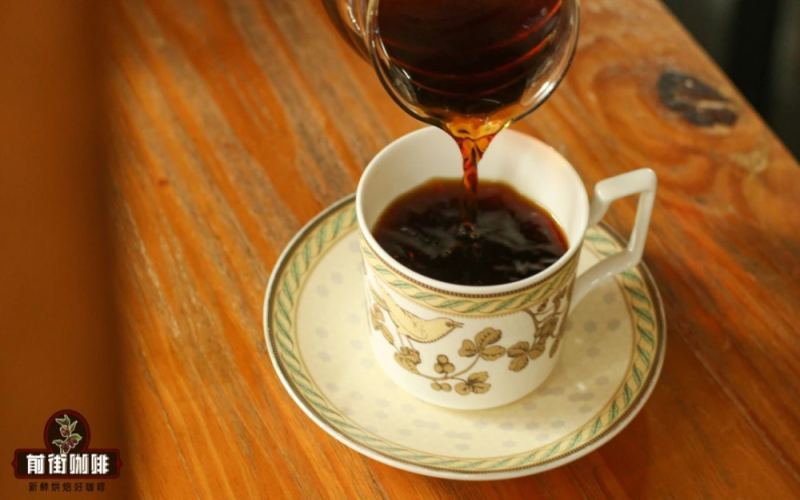
A Complete Guide to Honduras Coffee Regions: A Flavor Map from Copán to El Paraíso and a Recommendation of Front Street Coffee's Sherry Lychee Orchid
As one of the largest coffee-producing countries in Central America, Honduras has gradually come into the view of coffee lovers in recent years with its unique flavor profile. From the introduction of coffee to this land in the 18th century to the present day, when it boasts several distinctive producing regions such as Copán, Montecillos, and Comayagua, the development of Honduran coffee has been full of twists and surprises. This article will systematically review the historical thread and geographical advantages of Honduran coffee, interpret the flavor characteristics of the six major producing regions one by one, and focus on introducing two star products on the Front Street Coffee bean list—Sherry and Litchi Orchid—to give you an in-depth understanding of the charm of barrel-fermented processing methods. [more…]
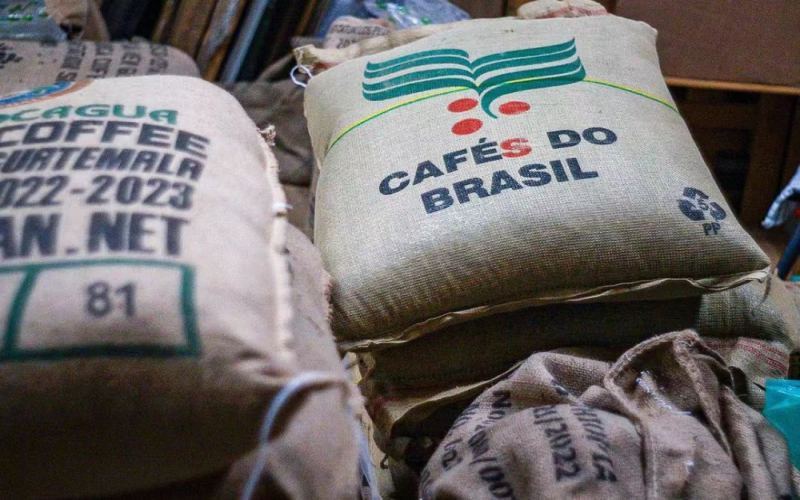
A Complete Guide to Brazilian Coffee Regions: Red Bourbon Flavor Characteristics and Brewing Parameters
Brazil is the world's largest coffee producer, accounting for about one-third of global output. Despite frost and drought in 2020, its planted scale still ranks first. Brazil has numerous coffee-growing regions, and different terroirs give coffee beans vastly different flavor profiles. This article systematically reviews Brazil's main Arabica-producing regions, covering the growing characteristics and flavor trends of Bahia, Minas Gerais, Cerrado, São Paulo, Paraná, and other areas, and focuses on introducing the flavor characteristics, brewing parameters, and Brazil's official coffee grading system of Front Street Coffee Brazil Cerrado Red Bourbon coffee beans, helping coffee enthusiasts gain a deeper understanding of the origin and quality of the Brazilian coffee in their cup. [more…]