







Search Results for: Asian Island Coffee
An Analysis of the Flavor Differences Between African, Central and South American, and Asian Island Coffees: Characteristics of the Three Major Producing Regions and Front Street Coffee's Representative Bean Recommendations
Coffee beans from different origins present completely different flavor profiles due to differences in terroir. African beans are known for their bright floral and fruity acidity, with Ethiopia and Kenya as the two benchmarks; Central and South American beans are known for their balanced caramel sweetness and nutty, chocolatey notes, with Brazil, Costa Rica, Panama, and Colombia each having their own strengths; Asian and island beans focus on full body and low acidity, with herbal, spice, and earthy notes. This article reviews the flavor characteristics of the three major origins one by one, and, combined with Front Street Coffee's representative products—Huakui, Yirgacheffe, Cherry Tomato, Cerrado, Tarrazu, Butterfly, Mandheling, Yunnan Small-Bean, and Blue Mountain coffee—provides coffee lovers with a reference for purchasing and tasting. [more…]
Global Specialty Coffee Origins Flavor Guide: Characteristics of Asian and American Bean Varieties and Analysis of Representative Origins
For coffee enthusiasts, understanding the flavor characteristics of different producing regions is an important step in exploring the world of specialty coffee. This article takes body, acidity, aroma, and other dimensions as its entry point, systematically sorting out the typical styles of Asian, American, and island-type coffees, and introducing one [more…]
Flavor Map of Asian Coffee Origins: Planting Characteristics of Yunnan, Indonesia, and Papua New Guinea, and an Analysis of Front Street Coffee's Selected Beans
Asian coffee has always stood out in the global landscape with its rich, steady style—full, rounded sweetness and relatively restrained aroma and brightness. This article focuses on three representative Asian origins—Yunnan, China; Indonesia; and Papua New Guinea—systematically reviewing each region's growing conditions, varietal characteristics, and processing methods, and introducing the corresponding selected beans from Front Street one by one. From Catimor in the dry-hot valley of Baoshan, Yunnan, to wet-hulled Mandheling from Sumatra, and further to the island flavors of Papua New Guinea, readers can use this to build a clear understanding of the overall character of Asian coffee, gaining practical guidance whether for everyday drinking or as a reference when choosing beans. [more…]
A Complete Analysis of the Flavor Differences Between African, Central and South American, and Asian Coffee Beans: From Regional Characteristics to Tasting Dimensions
The flavor code of coffee beans is often hidden in the land where they grow. African beans are known for their bright citrus aromas and berry-like acidity, Central and South American beans for their balanced and smooth character, and Asian and island beans for their full-bodied, low-acid profile. This article systematically sorts out the differences in taste styles among coffee beans from the three major producing regions, and offers an in-depth interpretation of the five tasting dimensions—sweetness, acidity, mouthfeel, balance, and flavor—to help coffee lovers describe and appreciate every cup of coffee more accurately. At the same time, Front Street Coffee, as a coffee specialty research institute, continues to share professional knowledge and, with low-discount events three times a month, lets more people drink good coffee at affordable prices. [more…]

Exploring Papua New Guinea's Specialty Coffee Regions: The Flavor and Story of Bird of Paradise Typica
In the Asian coffee landscape, Papua New Guinea is a rising star. This island nation, which shares the island of New Guinea with Indonesia, has joined the ranks of the world's specialty coffees thanks to its high-quality washed Arabica beans. Its coffee is known for medium body, bright acidity, and floral and fruity notes, with a style closer to the fresh, bright character of Central America than the rich bitterness of Mandheling. Bird of Paradise coffee beans—Typica variety—carry the unique terroir of their origin, and Front Street Coffee recommends this excellent bean worth savoring. This article will take you through the coffee history, variety characteristics, and flavor description of Papua New Guinea, exploring the coffee legend nurtured by this pristine land. [more…]
A Complete Guide to the Flavors of Asian Coffee Origins: From Indonesian Mandheling to Yunnan Small-Bean
Asian coffee is known for its full-bodied, steady flavor, with relatively low acidity and pronounced sweetness, often carrying notes of aged wood, herbs, and spice—making it an ideal base for espresso blends. From Sumatra Mandheling in Indonesia and Bird of Paradise in Papua New Guinea to Yunnan Arabica in China, Asian origins display a rich diversity of regional character. This article systematically reviews the flavor profiles, processing methods, and signature products of major Asian coffee origins, with a focus on featured single-origin selections such as Front Street Indonesia Mandheling, Front Street PWN Golden Mandheling, Front Street Papua New Guinea Bird of Paradise, and Front Street 2013 Yunnan Typica, helping coffee lovers gain a comprehensive understanding of the unique appeal of Asian coffee and how to choose it. [more…]
Asian Coffee Beans | Which regions in Indonesia produce coffee? Where does Mandheling come from? How do you brew Golden Mandheling coffee to make it taste best?
Speaking of impressions of Mandheling coffee, Front Street Coffee believes that in addition to its rich body and steady roasted aroma, everyone will also associate it with a unique "Mandheling flavor"—herbal notes. The herbal flavor of Mandheling refers more to aromas with tones similar to herbs, earth, and wood, which emerge after the rich fragrance, uniquely [more…]
Flavor Analysis and Brand Recommendations for Asian Coffee Regions: A Full Overview of Price and Taste from Mandheling to Yunnan Small-Bean
Asian coffee stands out in the coffee world with its deep, steady flavor profile. Its body is generally fuller than that of Central and South American and African beans, its acidity is lower, and it often carries notes of damp wood, herbs, spices, and earth. This article will guide you through the flavor characteristics of major Asian coffee-producing regions, including the classic richness of Indonesian Sumatra Mandheling, the balanced elegance of Papua New Guinea, and the distinctive fruity aroma of China's Yunnan Arabica. At the same time, we will also recommend the Asian series coffee beans roasted by Front Street Coffee, covering Yunnan Arabica, Yemen Mocha, and Indonesian Mandheling, among others, offering coffee lovers a choice that combines quality and value at just 80 to 90 yuan per half-pound bag. Whether you are a fan of espresso blends or a pour-over enthusiast, you can find an Asian flavor that suits you. [more…]
A Comprehensive Analysis of the Flavor Differences and Processing Methods of the Three Major Asian Coffee-Producing Countries: Indonesia, India, and Vietnam
The Asian coffee regions are renowned worldwide for their rich, full-bodied flavor profiles. Indonesia, India, and Vietnam, as the three core producing countries, each cultivate distinctly different coffee styles. Indonesia's wet-hulling method and unique terroir create the intense, herbal character of Mandheling; India, with its monsooned Malabar process, wrote a legend of the Age of Discovery; Vietnam developed a unique street culture with its drip coffee and condensed milk. Front Street Coffee takes you through the variety origins, processing methods, and flavor characteristics of these three countries one by one, with complete brewing parameter references included. [more…]
Tracing the Origins of Indonesian Sumatra Mandheling: The Naming Origins and Quality Standards of PWN Golden Mandheling
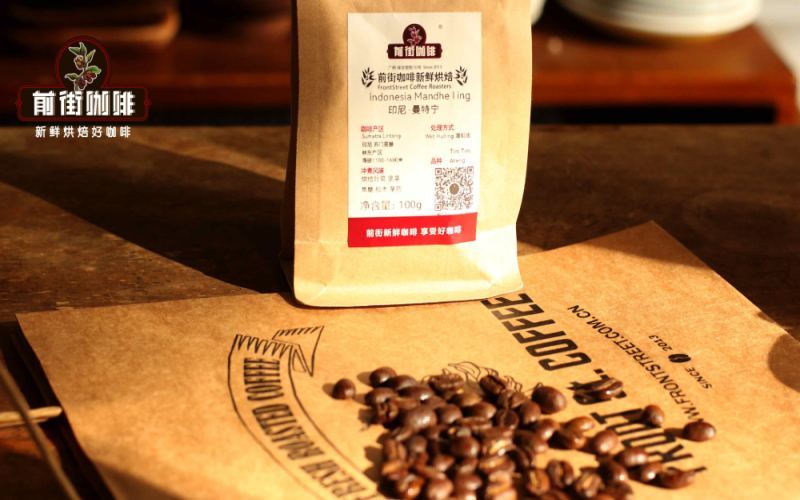
Mandheling is a classic representative of Asian coffee, and PWN Golden Mandheling is the pinnacle of high-end quality within this category. It is rich and smooth with low acidity, favored by drinkers who dislike sour coffee. This coffee, which gained worldwide fame earlier than Blue Mountain, originates from Sumatra, Indonesia, divided by the Barisan Mountains, with its highest peak, Mount Kerinci, being an active volcano at 3,800 meters above sea level. Mandheling is native to the Mandailing region of North Sumatra, while Golden Mandheling became a trademark registered by PWN rather than a grade designation. PWN was founded in 1957, focusing on the export of Sumatra Arabica Grade 1 and Robusta AP-I Grade 2, mainly sold to Japan and Taiwan, China, becoming synonymous with quality assurance. Golden Mandheling requires beans of 19 mesh or above, G1 grade, three rounds of hand sorting, with fewer than 3 defective beans. Front Street PWN Golden Mandheling comes from the Gayo Mountains in Aceh, at an altitude of 1,100-1,600 meters, of the Ateng variety, processed using the wet-hulled method, and after medium-dark roasting presents flavors of chocolate, caramel, spices, and herbs. It can be used for pour-over, drip bags, French press, siphon, moka pot, and home espresso machines to make SOE. [more…]
Indonesian Sumatra Mandheling Coffee: A Comprehensive Analysis of Flavor Characteristics, Growing Regions, and the Wet-Hulling Processing Method
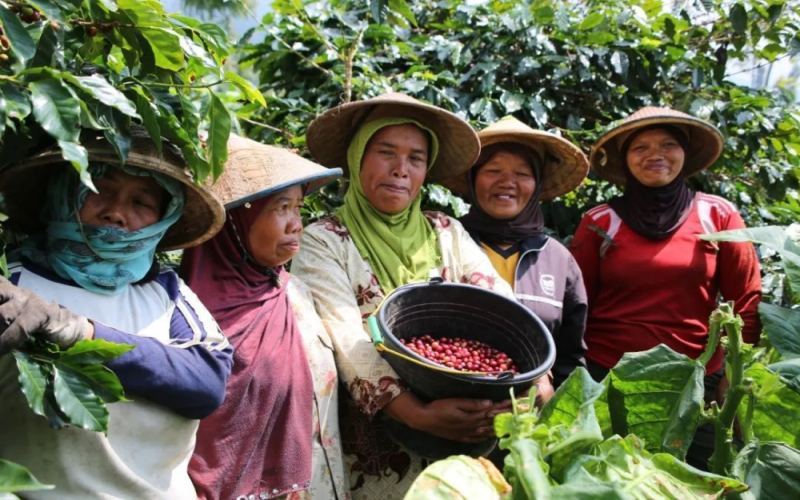
Mandheling coffee can be considered the classic representative of Asian Indonesian coffee, but it is not the name of a producing region; rather, it comes from the transliteration of a tribal name in northwestern Sumatra. From the chance encounter involving Japanese soldiers during World War II, to the planting history of Arabica seedlings introduced by Dutch colonists, and then to Sumatra's unique wet-hulling process, Mandheling coffee is renowned worldwide for its unique style: full-bodied and intense, low in acidity, with herbal spice and earthy notes. This article systematically sorts out the growing environment for Indonesian coffee, the terroir differences among Sumatra's main producing regions (Lake Toba, Lake Tawar, Lintong, and Mount Gayo in Aceh), deeply analyzes the technical principles of the wet-hulling process and the reasons behind its flavor, and introduces Front Street Coffee's roasting and brewing parameters and flavor performance for Lintong Mandheling and Golden Mandheling, providing coffee lovers with a complete knowledge map of Indonesian Mandheling. [more…]
A Complete Analysis of the Variety, Price, and Pour-Over Flavor Characteristics of Indonesian Sumatra Golden Mandheling Coffee Beans
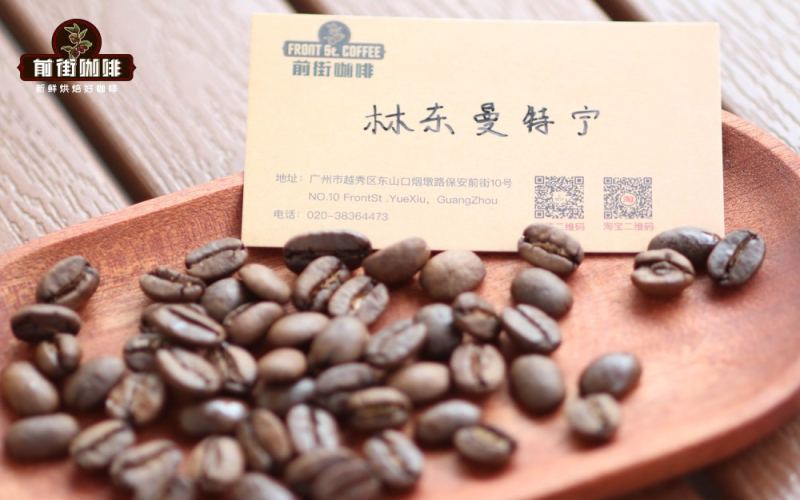
Golden Mandheling is a standout among Indonesian specialty coffees. Produced on the island of Sumatra, it is known for its rich, clean mouthfeel and its unique wet-hulling process. This article provides a comprehensive analysis of this representative Asian coffee, covering everything from the variety's origins, the history of PWN, the relationship between Ateng and Catimor, and the Aceh Gayo Mountain growing region, to Front Street Coffee's pour-over parameters and flavor description. Whether you are just beginning to explore Indonesian coffee or want to gain a deeper understanding of what makes Golden Mandheling unique, you will find practical information and tasting references here. [more…]
The Origins and Flavor Profile of Mandheling Coffee: From Sumatra to Front Street Coffee PWN Golden Mandheling
Mandheling is a representative of Asian coffee, and with its mellow, smooth, low-acidity flavor, it has become the top choice for coffee lovers who dislike sourness. It originates from the Indonesian island of Sumatra, a land traversed by the Barisan Mountains that nurtures Arabica coffee with notes of herbs and forest agarwood. Front Street Mandheling, as an entry-level bean, lets people experience a bold mouthfeel, while Front Street PWN Golden Mandheling becomes a specialty choice with a cleaner, mellower quality. This article tells the origin story and flavor characteristics of Mandheling, explains PWN's strict standards for Golden Mandheling, and introduces product information and various brewing methods for Front Street PWN Golden Mandheling. [more…]
A Complete Guide to the Flavors of Asian Coffee Origins: Introducing Indonesian Mandheling, Yunnan Small-Bean, and Papua New Guinea Specialty Beans
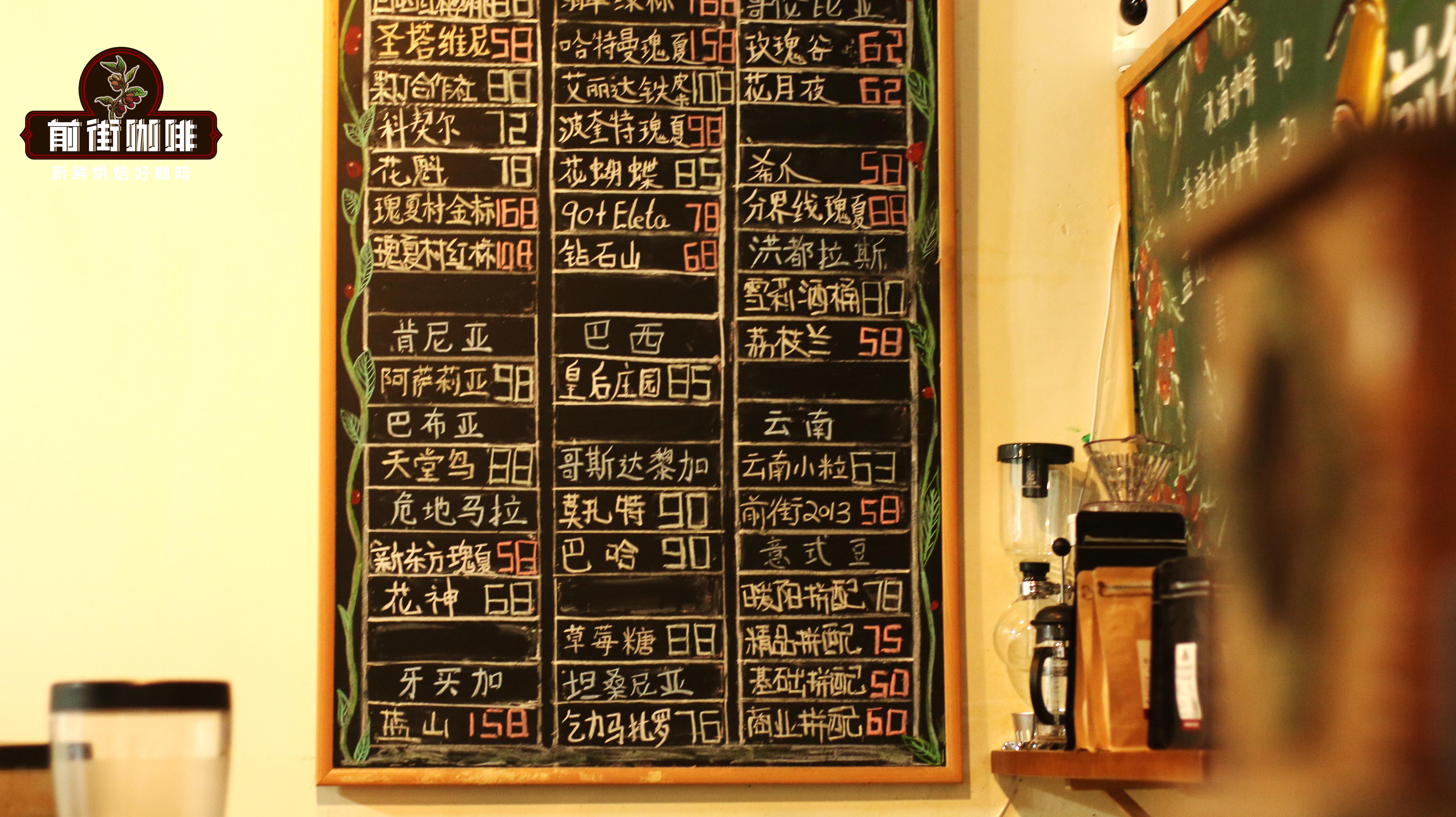
Asian coffee has long been known for its rich, steady flavors—full, rounded sweetness with relatively restrained acidity and aroma. From Indonesia's Mandheling to China's Yunnan small-bean coffee, and on to Papua New Guinea's specialty beans, Asian origins rely on their unique climates and processing methods to shape deep-toned profiles of earth, spice, herbs, and chocolate. This article systematically reviews the varietal characteristics, processing methods, and flavor expressions of Asia's major coffee origins, and introduces product information for Front Street Coffee's currently available Indonesian Mandheling series, Yunnan Catimor and Typica, and Papua New Guinea Little Blue Mountain, helping coffee lovers gain a comprehensive understanding of the appeal of Asian coffee and how to choose it. [more…]

Indonesian coffee growing areas, Sumatra growing area varieties, Mandheling coffee.
Indonesia is a Southeast Asian country, adjacent to the countries of Papua New Guinea, Timor-Leste, and Malaysia. It is composed of 17,508 islands and is the largest archipelagic country in the world, spanning Asia and Oceania, and is also a country [more…]
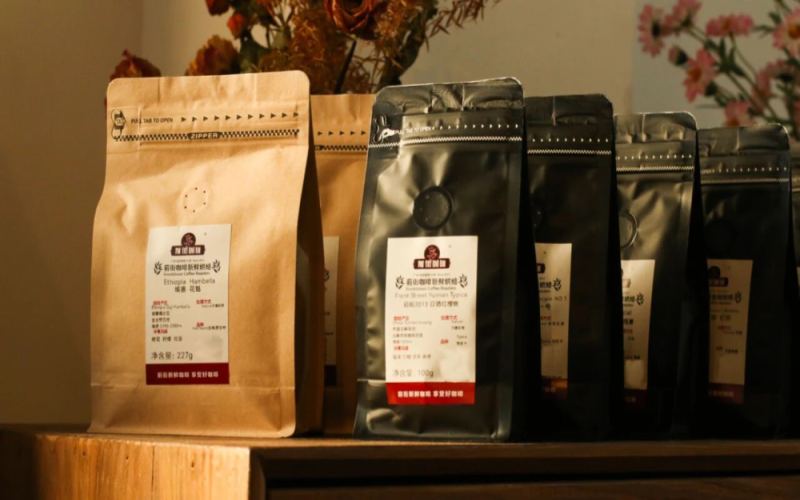
Coffee Beginner's Buying Guide: Flavor Differences Across the World's Three Major Producing Regions and Front Street Coffee Bean Recommendations
Faced with a dazzling array of coffee beans, beginners often don't know where to start. This article begins with regional flavors to help you quickly pinpoint the one that suits you. African beans are known for their bright floral and fruity acidity, Asian beans are full-bodied with low acidity and herbal spice notes, while American beans are balanced and gentle with prominent cocoa notes. The article explains the characteristics of origins such as Ethiopia, Kenya, Panama, Colombia, Costa Rica, Brazil, Honduras, Indonesia, Jamaica, Hawaii, and Papua New Guinea one by one, and includes specific bean recommendations from the Front Street brand, so that choosing coffee is no longer confusing. [more…]
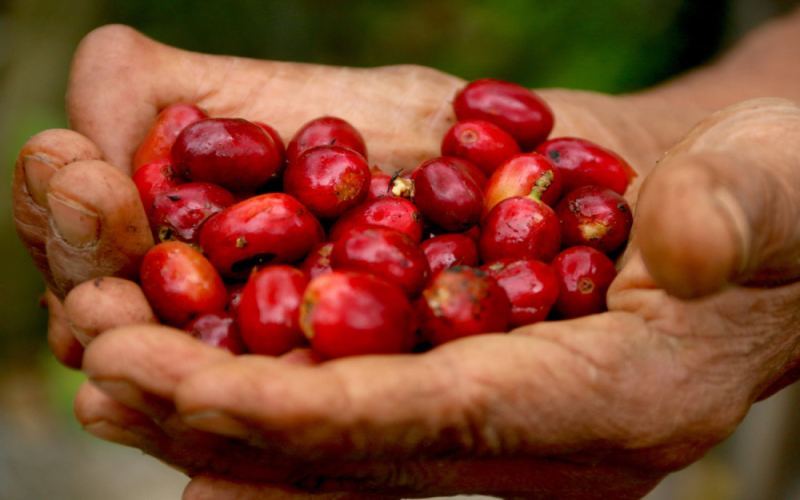
A Complete Analysis of Philippine Coffee Origins: Varieties and Distribution from the Cordillera to Mindanao
When people think of Asian coffee, they often first think of Indonesia's Mandheling or Vietnam's massive scale, but easily overlook the Philippines, which is also located in Southeast Asia. This country, made up of more than 7,000 islands, has fostered several distinctive coffee-producing regions thanks to its volcanic soil, tropical monsoon climate, and abundant rainfall. Currently, the Philippines mainly cultivates Robusta and Liberica, with Arabica accounting for only a small share. Producing areas are usually divided by island or administrative region, covering the Cordillera, Calabarzon, Mimaropa, the Visayas, and Mindanao, with the harvest period concentrated from October each year to March of the following year. This article will sort through the altitude, varieties, and distribution characteristics of each producing area one by one, introducing you to this underrated Asian coffee-producing country. [more…]
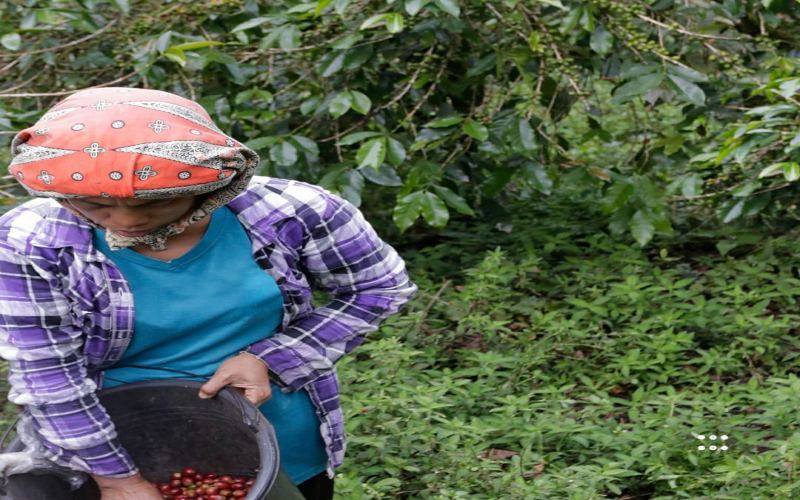
Exploring Indonesian Coffee Origins: A Comprehensive Analysis of Java Island's Coffee Cultivation History and Growing Region Distribution
Indonesia is the world's fourth-largest coffee producer, made up of more than seventeen thousand islands, with its coffee-growing regions divided by island. Java, as the country's earliest coffee-growing area, has a long history of coffee cultivation and exceptional natural conditions. This article will guide you through the origins and development of Indonesian coffee, outline the characteristics of the main island regions such as Sumatra and Java, and take a closer look at Java's geographical environment, cultivation distribution, and main varieties, while also sharing information on the Indonesian Lintong Mandheling everyday drinking beans recommended by Front Street Coffee. [more…]
An Analysis of the Flavor Characteristics, Grinding Parameters, and Full Pour-Over Process of Sumatra Mandheling Coffee Beans
Mandheling, as an iconic representative of Asian coffee, has won the favor of many coffee lovers who dislike acidity with its mellow, smooth character and low acidity. Among them, Mandheling from Sumatra, Indonesia, is even more memorable for its herbal, woody agarwood-like flavors and rich mouthfeel. This article will focus on Front Street Mandheling and Front Street PWN Golden Mandheling, providing a detailed introduction to their origin background, flavor characteristics, and quality standards, and sharing the grind size, brewing parameters, and staged extraction steps for pour-over coffee, helping coffee enthusiasts consistently recreate a cup of mellow, balanced Mandheling at home. [more…]

Indonesian Mandheling Coffee Flavor Analysis: Is Dark Roast Golden Mandheling Acidic? Get to Know All the Taste Characteristics
When it comes to the representatives of Asian coffee, Mandheling is undoubtedly the awakening choice for many coffee lovers. Its rich, mellow body and steady, understated flavor have captivated countless people. This article will take you deep into the origins of Indonesian Mandheling coffee, its unique wet-hulling process, and the flavor characteristics imparted by dark roasting. At the same time, we will also analyze in detail the differences between Golden Mandheling and regular Mandheling, and recommend two high-quality coffee beans—Front Street. Indonesian Mandheling and Front Street PWN Golden Mandheling—to help you find the cup of rich, mellow flavor that suits you best. [more…]