







Search Results for: Arabian Monks
Exploring the Origins of Coffee: From Ethiopian Highlands Legends to the History of Cultivation and Spread in the Arabian Peninsula
The word "coffee" originates from the Greek term Kaweh, symbolizing strength and passion. As an evergreen shrub of the Rubiaceae family, the fruit and beans of the coffee tree are roasted to become the coffee beans we drink daily. Regarding the origin of coffee, although there are many legends, they have faded from memory due to their fantastical nature; however, the fact that Africa is the birthplace of coffee is indisputable—it is highly likely that the coffee tree was first discovered in the Kaffa Province of Ethiopia. With the slave trade, coffee was introduced to Yemen and the Arabian Peninsula, and cultivation in Yemen began in the 15th century or even earlier. Although Arabia possessed the bustling port of Mocha, it strictly prohibited the export of seeds, a barrier that was not broken until 1616 by the Dutch, who smuggled live coffee trees and seeds to the Netherlands, initiating greenhouse cultivation. Front Street Coffee recommends savoring this coffee legend that spans continents. [more…]
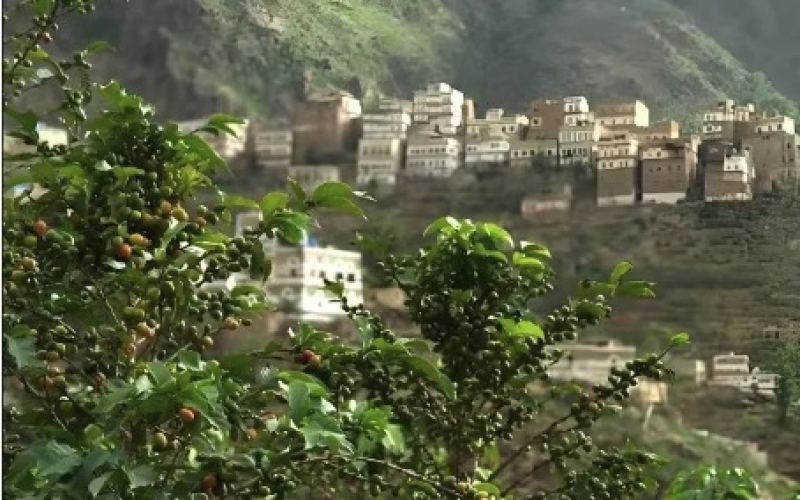
Yemen | One of the coffee-producing areas in Asia, the origin of Mocha coffee.
Yemen is a country in Asia, but it is often mistakenly regarded as an African country. Just across the sea from it is the well-known coffee-producing area of Ethiopia in Africa, and it is also a key port for Ethiopia to access Africa. The Yemen Mocha [more…]

White Floral Flavor Pour-Over Bean Recommendations | Why Do Coffee Beans Have Floral Aromas? Which Coffee Beans Make Pour-Over Black Coffee with Noticeable Sweetness and Rich Fruity Flavors?
For more specialty coffee knowledge, please follow: Front Street Coffee (Frontsteet Coffee). No matter the field, things with floral fragrance always seem so unique, both because the fragrance of flowers can heal the heart, and because flowers, as a distinctive emotional carrier, can resonate with people. That is, [more…]
A Complete Guide to Arabica Coffee: From Botanical Classification to Variety Characteristics and Origin Distribution
What exactly does a coffee tree look like? What is the essential difference between Arabica and Robusta? Starting from botanical classification, this article systematically sorts out the complete classification system of the genus Coffea and explains in detail the origins, growing conditions, flavor characteristics, and main subspecies of the two major commercial varieties, Arabica and Robusta. You will learn about the anatomical structure of the coffee cherry, the spread paths of classic subspecies such as Typica and Bourbon, and the genetic connections between Yunnan small-bean coffee and Blue Mountain and Kona. Whether you are a beginner enthusiast or a seasoned professional, this basic knowledge about coffee varieties is worth reading. Front Street Coffee will also recommend variety information worth paying attention to in this article. [more…]
From Botanical Characteristics to Harvesting and Processing: Essential Knowledge and Coffee Bean Understanding for Coffee Beginners
For those who are new to coffee, understanding its essence, botanical characteristics, growing conditions, and harvesting process is the first step toward building systematic knowledge. This article will unfold around the basic concepts of coffee, sorting through key points one by one—from the morphology of the coffee tree, variety classification, and suitable growing environment, to the harvest periods and green bean processing methods of major global producing regions. The article also covers related product information recommended by Front Street Coffee, as well as the specific practices of Macado specialty beans in quality control. Whether you are a coffee enthusiast or a barista just starting out, this content can help you more clearly understand the full story behind a cup of coffee. [more…]
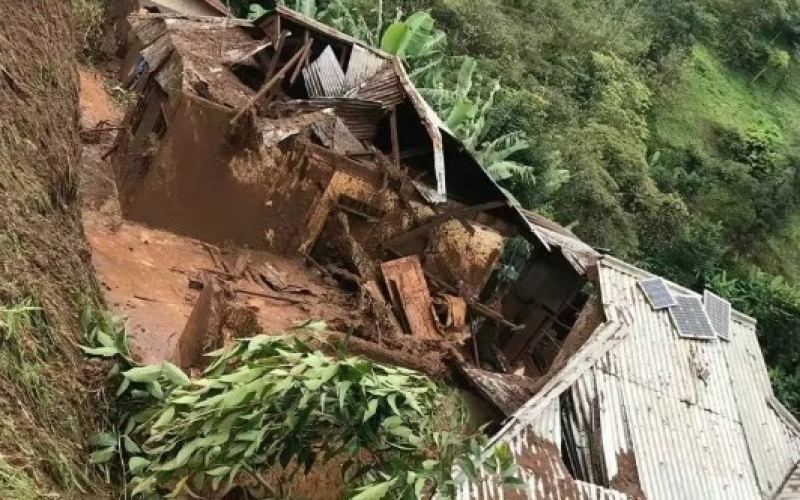
Continuous heavy rain in East Africa! Tanzanian coffee producing areas are affected.
Tanzania is located in the eastern part of Africa and has rich natural resources and a unique coffee culture. However, recently, the country of Tanzania has suffered from heavy rainfall and floods, causing casualties and large-scale damage. Local tim [more…]
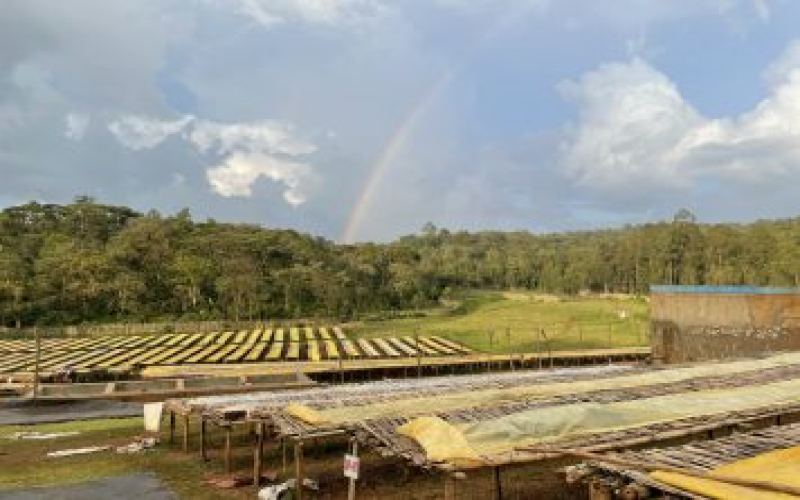
Kafa Forest: The Place Where the Name "Coffee" Was Born
Every cup of coffee's family tree can ultimately be traced back to a rainforest in southwestern Ethiopia—the Kafa Forest. The etymology of the word "coffee" comes from the name of the ancient Kingdom of Kafa. This article discusses this holy land of coffee. Where It All Began The Kafa Forest is located in southwestern Ethiopia and is a [more…]
Arabica, Robusta, and Liberica: A Comprehensive Analysis of the Characteristics and Cultivation Grading of the Three Major Native Coffee Species
There are about 40 species in the Coffea genus, but only three native species—Arabica, Robusta, and Liberica—have real commercial value. They differ markedly in appearance, flavor, disease resistance, suitable altitude, and cultivation conditions: Arabica is elegant yet delicate, Robusta is hardy and intense, while Liberica is limited to localized trade in West Africa. Starting from botanical characteristics, this article systematically sorts out the origin distribution, climate and soil requirements, the complete cultivation process from sowing to harvesting, and the grading systems that producing countries have formed based on altitude, screen size, and defect bean ratios. Whether you are new to specialty coffee or want to understand the logic of origins more deeply, this foundational knowledge will help you more clearly judge the variety and terroir code behind the flavor in your cup. Front Street Coffee will also combine the key points in this article to recommend directions for your everyday purchases. [more…]
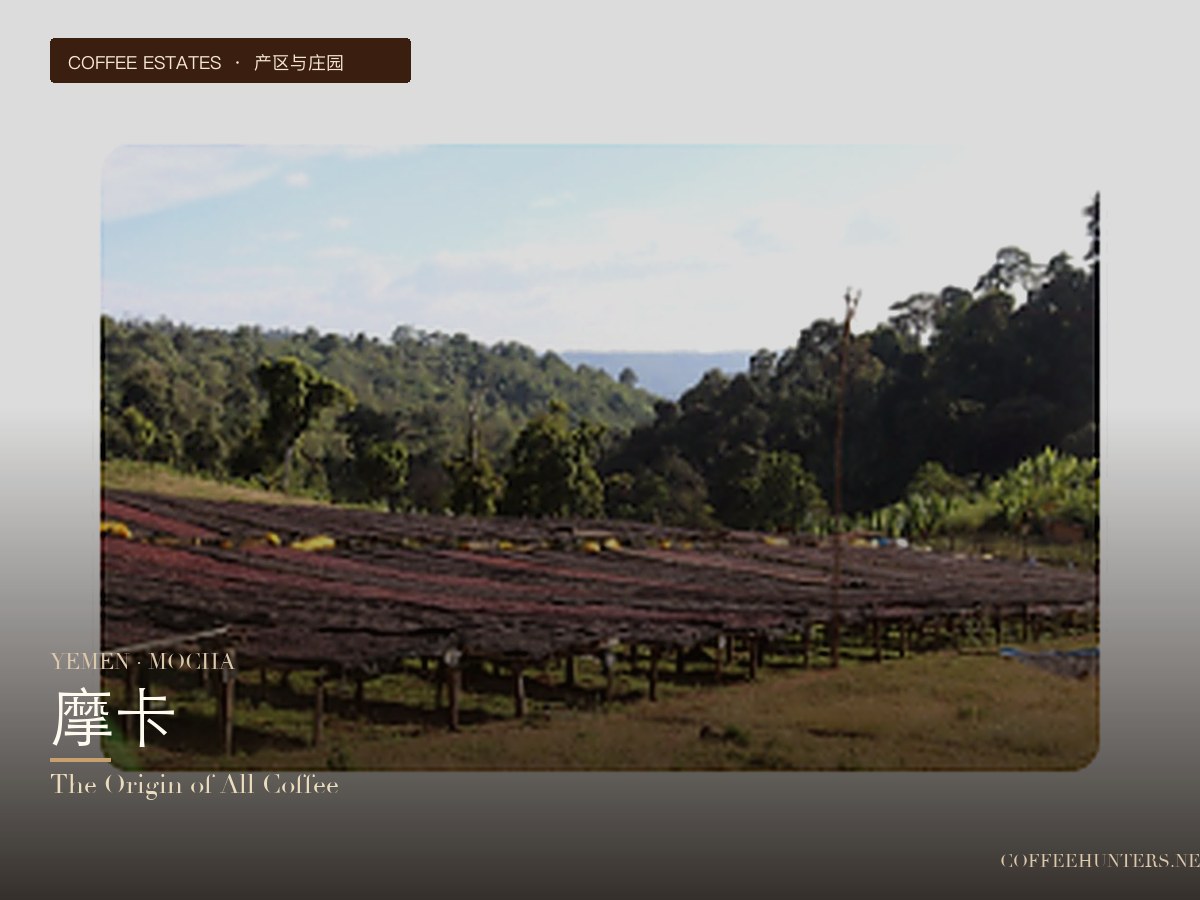
Yemen · Mocha: The Origin of Coffee and Ancient Flavors
Yemen is the birthplace of commercial coffee cultivation, and the port of Mokha was once the starting point of the global coffee trade. This article takes you through the long history of Yemeni coffee, its unique processing methods, and how it performs in the cup. [more…]
A Detailed Guide to the Correct Way to Drink Cappuccino and Milk Foam Preparation: Wet vs. Dry and Front Street Coffee Recommendations
As a classic representative of Italian coffee, the charm of cappuccino lies in the golden ratio of espresso, steamed milk, and milk foam. But do you know the difference between a dry cappuccino and a wet cappuccino? The former has thick milk foam and a prominent coffee flavor, while the latter is mostly milk with a softer mouthfeel, similar to a latte. This article will start with the origin and naming of cappuccino, explain in detail its ratio variations and flavor characteristics, and share the correct way to taste it along with key points for making milk foam. Whether you are a strong-flavor drinker who prefers an intense coffee taste or a beginner who likes a light, milky flavor, you can find the cup that suits you. Front Street Coffee has also selected beans suitable for making cappuccino for you, helping you recreate an authentic Italian flavor at home. [more…]
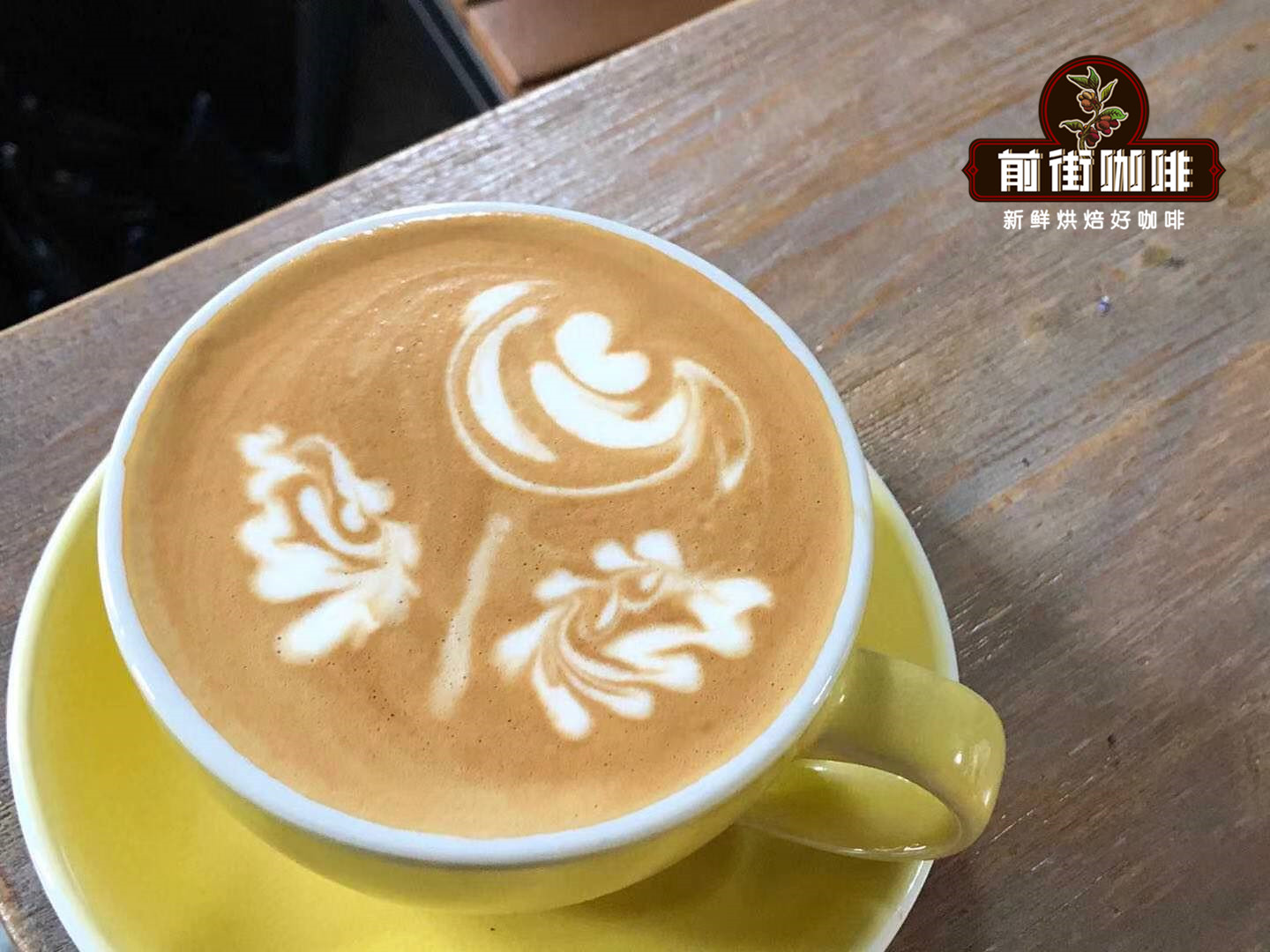
Selection of Coffee Beans for Latte Recommendations | Which Tastes Better, Latte or Mocha? What Are the Differences in Taste, Texture, and Preparation Between Latte and Cappuccino?
At Front Street Coffee, many friends order latte and mocha, two very popular coffees, and the baristas at Front Street Coffee are also very fond of them. But when it comes to the difference between them, many people probably don't know. Front Street tells you: actually [more…]
Origins of Espresso | What Are the Common Espresso Drinks? Introduction to Espresso Milk Drinks, Fancy Coffee, Espresso Extraction Ratios, and Preparation Steps
Italian coffee refers to espresso (Espresso). According to the Oxford Dictionary, espresso is a highly concentrated coffee extracted under pressurized conditions, and is a type of coffee with a strong taste. Italian coffee originated in Italy during the Industrial Age, when people, in order to make the most of a brief break, [more…]
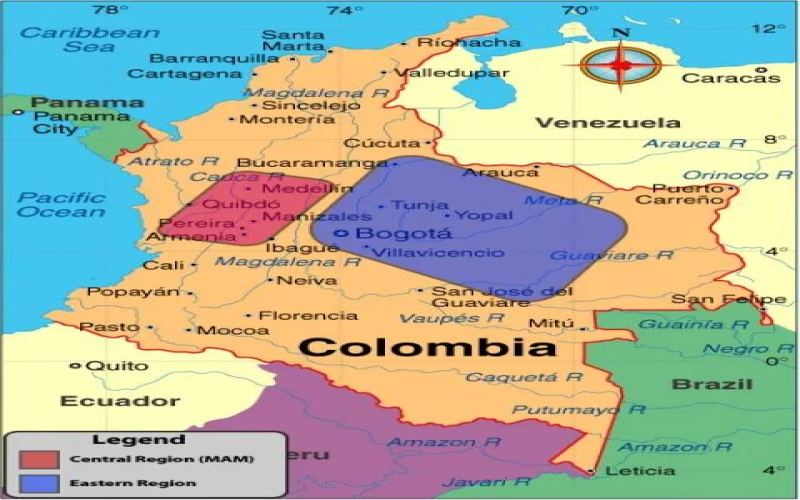
Colombia coffee | What does MAM refer to in Colombian coffee origins? What flavor and mouthfeel characteristics do Colombian specialty coffees have?
Colombia is the world's second-largest producer of Arabica coffee beans after Brazil. Everyone is familiar with the chocolatey flavor that characterizes Colombian coffee beans. We also all know that coffee originated in Ethiopia—so if no one had brought coffee seeds or coffee saplings to Colombia, how could this [more…]

Common Types of Italian Coffee | What Are the Classic Milk Coffee Recipes? What's the Difference Between a Latte, Macchiato, Cappuccino, and Dirty?
Espresso is a must-have beverage in every café. Many people's first impression of espresso is that it's unbearably bitter. In fact, espresso isn't limited to such bitter shots. If you want an espresso that isn't bitter and suits your taste, the first thing you need to understand is the different types of espresso. Front Street Cof [more…]

Types of Espresso Drinks | How Can Coffee Beginners Learn to Make Espresso Black Coffee and Milk Coffee? What Are the Recipe Ratios for Various Espresso Drinks?
For those who are just getting into espresso coffee, facing a bunch of coffee terms can leave you feeling completely lost, such as Espresso, Ristretto, Lungo, Latte, Flat White, and so on. These all fall under the category of espresso coffee. Front Street Coffee (FrontS [more…]
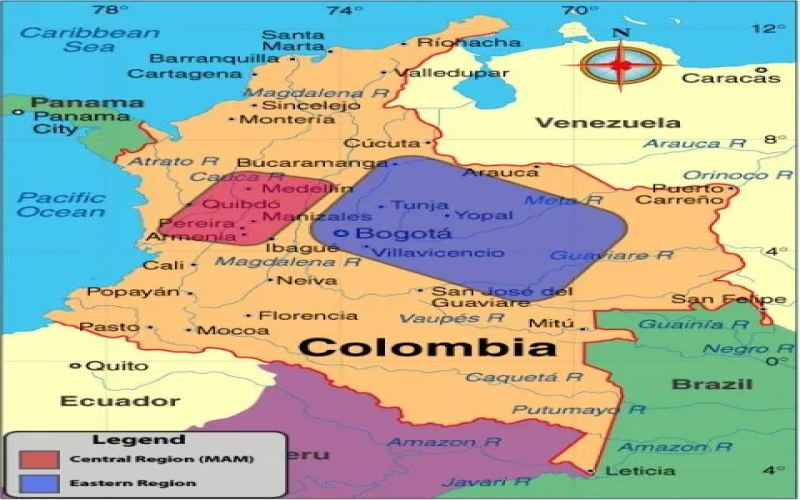
Central American Coffee Beans | Which regions in Colombia produce specialty coffee? What does the MAM designation mean? What are the flavor characteristics of washed beans from the Huila region?
Colombia is the world's second-largest producer of Arabica coffee beans after Brazil. Everyone is well acquainted with the chocolate-like flavor characteristic of Colombian coffee beans. Everyone also knows that coffee originated in Ethiopia—so if no one had brought coffee seeds or coffee saplings to Colombia, how could this [more…]
Top Ten Most Expensive Coffee Beans | Blue Mountain Coffee vs. Kopi Luwak: Which Is Better? Is Panama Geisha a Higher Grade? What Makes Indonesian Golden Mandheling So Expensive?
For more specialty coffee knowledge, please follow: Front Street Coffee (Frontsteet Coffee) Different varieties of coffee have different aromas and flavors, and especially for those who truly love drinking coffee, enjoying a cup of top-quality coffee is an incredibly pleasant experience. Friends who drink coffee all [more…]

An Introduction to Italian Milk Coffee | What Are the Differences in Flavor, Taste, and Preparation Among Latte, Cappuccino, and Flat White? How to Quickly Identify Types of Milk Coffee?
Latte, cappuccino, and flat white are almost always on the menu at coffee shops as the staple milk coffee categories. This article will help you clearly distinguish the differences between these three milk coffees. Since most people have more or less encountered these three milk coffees, here is a brief introduction to their origins. Modern latte and cappuccino [more…]

Principles of Blending Coffee Beans | What Are Blended Beans? What Is the Difference Between Espresso Blend Coffee Beans and Single-Origin SOE Beans? How Do You Blend Coffee Beans?
Many people don't understand how blended coffee beans are formulated. Now Front Street Coffee (FrontStreet Coffee) will guide you through the concepts behind blended coffee beans and how to blend coffee. For more specialty coffee knowledge, please follow our WeChat official account: Front Street Coffee (FrontSt [more…]

Specialty Coffee Drip Bag Black Coffee Recommendations | Illustrated Tutorial on How to Brew Drip Bag Coffee: What Are Common Mistakes in Drip Bag Coffee Brewing?
For the same beans, freshly roasted coffee and drip bags will have certain differences in flavor, because once coffee is ground into powder, its natural aromas disappear quickly. Of course, Front Street Coffee also has quite a few regular customers who request that the beans be ground before shipping, and in such cases Front Street Coffee generally recommends drinking it as soon as possible. Of course, compared with pour-over, drip bags are [more…]