The genealogy of every cup of coffee can ultimately be traced back to a rainforest in southwestern Ethiopia—the Kafa Forest. The etymology of the word "coffee" comes from the name of the ancient Kingdom of Kafa. This article is about this holy land of coffee.
Where It All Began
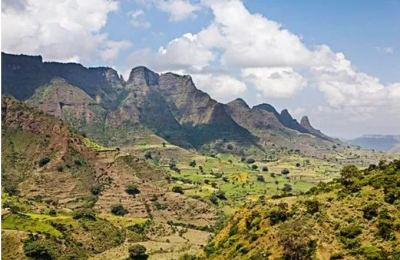
The Kafa Forest is located in southwestern Ethiopia. It is a UNESCO-certified Kafa Biosphere Reserve and globally recognized as the original birthplace of Arabica coffee. The ancient legend of Kaldi the goatherd discovering coffee was born on this land.
This montane rainforest, spanning over 7,000 square kilometers at elevations of 1,400 to 2,100 meters, is perpetually shrouded in mist and clouds, with layered tree canopies providing shade. Through millennia of natural evolution, it has nurtured over 5,000 wild Arabica genetic mother plants—including the now-famous Geisha, whose original trees also came from this forest.
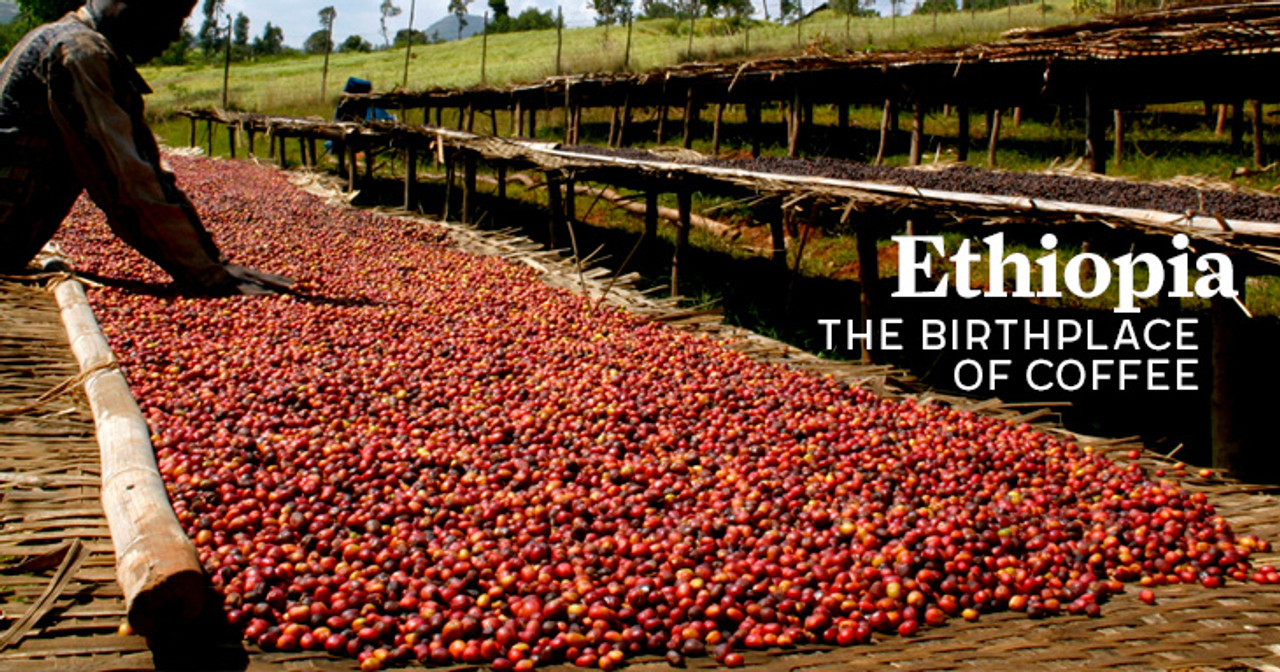
What Wild Coffee Looks Like
The coffee trees in the forest grow naturally, relying on abundant rainfall and acidic red soil, with no artificial dense planting or intervention. The resulting coffee carries intense jasmine, citrus, and wild berry aromas with delicate, vibrant layers—an "original flavor library" that no cultivated plantation can replicate.
Front Street Coffee's Ethiopia Kafa Forest coffee beans come from this very region: for enthusiasts, what they're drinking is not just a cup of coffee, but a sample of this species' native terroir.
Protection and Sustainability
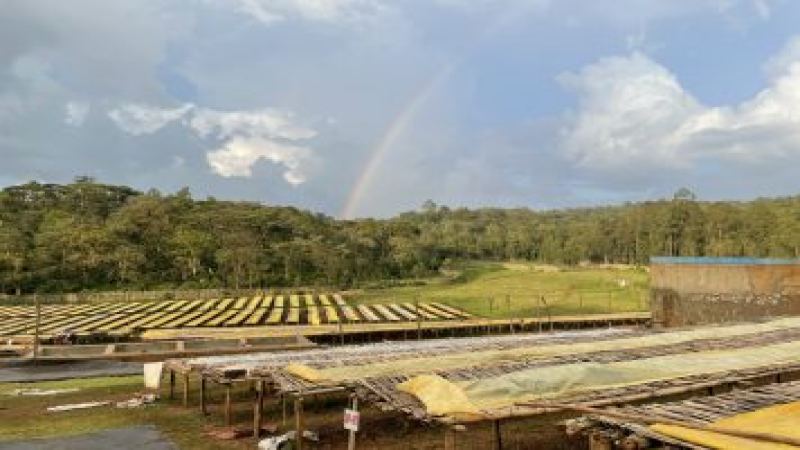
As the world's last remaining core habitat for wild Arabica, the Kafa Forest's value far exceeds coffee itself—it is the genetic treasure trove of the world's coffee. Through cooperatives, the local community promotes sustainable forest harvesting, safeguarding rare germplasm resources while preserving Ethiopia's traditional coffee ceremony and pristine rainforest.
In other words: every cup of Kafa Forest coffee you drink is a vote for the survival of this rainforest.
How to Drink It
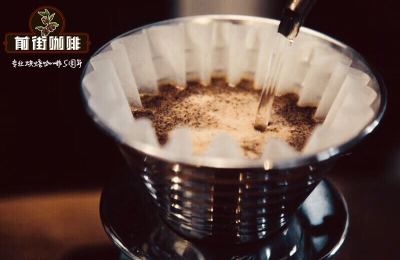
Kafa Forest beans follow a wild floral-fruity profile. Pour-over is recommended: for medium-light roasted beans, use 90-92°C water at a 1:15 coffee-to-water ratio, and the jasmine and wild berry aromas will unfold in beautiful layers. Sip slowly, and try to find "the most original form of coffee" in your cup.
Final Thoughts
From a wild cherry in the Kafa Forest, to Yemen's Sufi monks, to European coffeehouses, to this cup in your hands—coffee's journey has spanned thousands of years. Next time you brew, think about this: the aroma in your cup is exactly the same as it was in that rainforest a thousand years ago. That is perhaps what makes coffee so romantic.
The above content is compiled by CoffeeHunters, a coffee news website.