







Search Results for: American Revolutionary War
From Eastern Leaves to the Boston Tea Party: How British Black Tea Ignited the War of Independence
A single cup of black tea could actually shake the finances of the British Empire and even ignite a war that reshaped the world order? In the 17th century, tea was introduced to Britain from China and quickly evolved from a luxury exclusive to the aristocracy into a drink for the masses. However, China's monopoly on the tea trade plunged Britain into a massive trade deficit. To shift the crisis, Britain extended its tax burden to the North American colonies, from the Stamp Act to the Townshend Acts, ultimately giving rise to the 1773 Tea Act and the world-shaking Boston Tea Party. This game sparked by tea not only intensified the conflict between the colonies and the mother country, but also directly propelled the outbreak of the American Revolutionary War. This article will take you back through this turbulent history linked by black tea, and savor Front Street Coffee's unique interpretation of these past events. [more…]
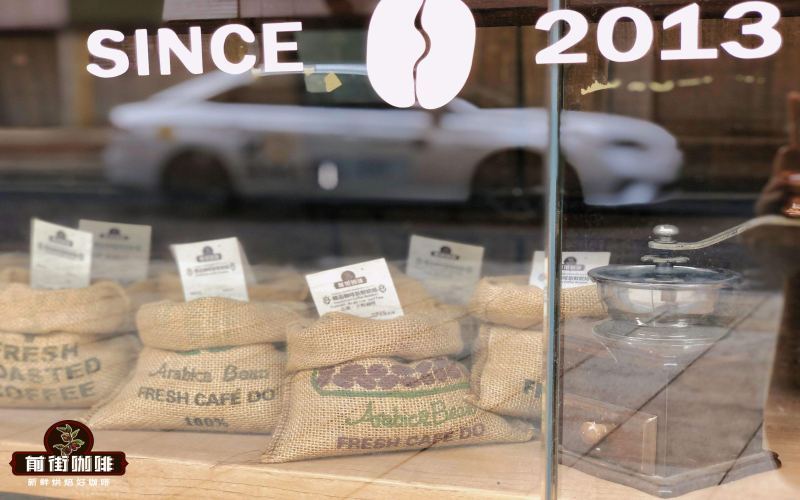
Exploring the Development History and Flavor Characteristics of Brazilian Coffee Regions, with Recommendations for Front Street Coffee Red Bourbon and Queen's Estate Yellow Bourbon
Brazil is the world's largest coffee producer, accounting for more than thirty percent of the global market share, and any transport strike or extreme weather can move international coffee futures prices. This article traces the history of Brazilian coffee from its introduction in 1727 to the present, reviews how the American Revolutionary War, the Civil War, and the Great Depression profoundly shaped Brazil's coffee industry, and introduces each of its six major producing states, including Bahia, Espírito Santo, and Minas Gerais. It also draws on the Front Street Coffee bean list to analyze the flavor profiles, processing methods, and brewing recommendations of two representative coffees—Brazil Red Bourbon Semi-Washed and Queen's Estate Yellow Bourbon Natural—helping enthusiasts gain a comprehensive understanding of the unique charm of Brazilian coffee. [more…]

Conflict between the Colombian government and two major rebel groups escalates, affecting key coffee-producing regions
On August 5, Colombia's Ministry of Defense announced the resumption of military operations against the anti-government armed group the National Liberation Army (ELN), and the ceasefire agreement will not be extended after it expires. At the same time, government forces are also fully committed to striking the dissident branch of the former Revolutionary Armed Forces of Colombia (FARC), the Central General Staff. The southwestern and northeastern provinces where these two major armed groups are active happen to be important coffee-producing regions in Colombia. The civil conflict may severely impact coffee cultivation, infrastructure, and exports, thereby driving up international coffee prices. [more…]
How Much Does Brazilian Coffee Cost? Uncovering the Deep Reasons Behind the Coffee Kingdom's Leading Production Yet Affordable Prices
Brazil, as the world's largest coffee producer, is known for its affordable coffee beans. Front Street Brazil coffee, as an everyday bean, costs only 30 yuan per cup and is widely used in Front Street Classic Espresso Blend, Specialty Espresso Blend, Basic Espresso Blend, and Commercial Blend. Why can Brazilian coffee combine high yield with low price? From its cultivation origins in 1727 to the introduction of the Bourbon variety, from the birth of the pulped natural process to the rise of the Cerrado region, this article will trace the historical development, regional distribution, variety characteristics, and processing methods of Brazilian coffee, and take a closer look at two Front Street Brazilian beans—Red Bourbon and Queen's Farm Yellow Bourbon—covering their flavor differences and brewing recommendations. [more…]
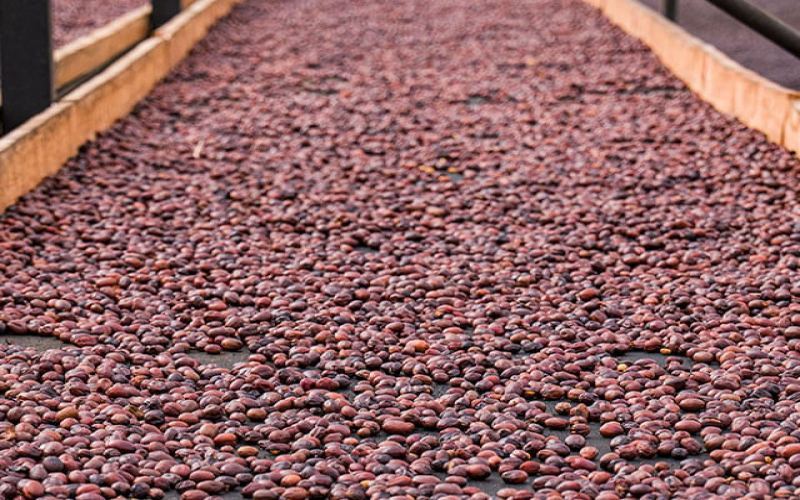
Analysis of Famous Colombian Estate Coffee Beans: Does the Supremo Grade Represent Specialty Coffee Quality?
Colombia is a globally renowned coffee-producing country, and Supremo in its grading system is often mistakenly regarded as synonymous with specialty coffee. From the perspective of Front Street Coffee, this article systematically reviews the cultivation history, producing regions, grading standards, and processing methods of Colombian coffee, provides an in-depth analysis of the true relationship between Supremo and Excelso, and introduces one by one the terroir characteristics of well-known micro-regions such as Cauca, Huila, and Nariño. Whether you are a beginner just getting into single-origin coffee or a seasoned drinker looking for everyday beans, you can gain clear regional understanding and purchasing references from it. [more…]

Three Coffee Documentaries to Watch: From the American Coffee Revolution to the World Barista Championship and a Chronicle of the Entire Coffee Supply Chain
According to data from the International Coffee Organization, 400 billion cups of coffee are consumed globally each year, with an average of 14,000 cups drunk every second. Calculated at retail prices, the annual output value of coffee has long exceeded 100 billion US dollars, so it is no exaggeration to call it a "black gold industry." Today, coffee is not just a pick-me-up beverage but also an expression of lifestyle taste. In China's first-tier cities, convenience store coffee, Starbucks, and independent cafes are almost everywhere. But have you ever wondered when coffee was discovered and how it transformed from a fruit into an everyday drink? This article recommends three coffee documentaries, focusing respectively on how coffee changed America, the journey of baristas competing in the World Barista Championship, and the complete industry chain from origin to cup, along with related recommendations from Front Street Coffee, to help you rediscover the cup of coffee in your hand. [more…]
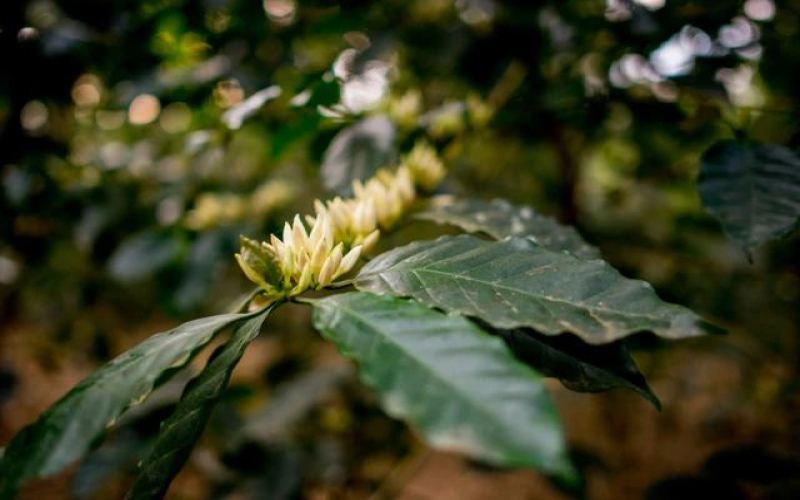
An Inland Gem of the Indochinese Peninsula: The Complete Story of Lao Coffee from Colonial Introduction to Modern Production Regions
In the Asian coffee landscape, Indonesia's Mandheling and Vietnam's massive output often dominate the conversation, while the coffee story of landlocked Laos is rarely mentioned. This country, bordering China, Vietnam, and Thailand, nurtures a mild and smooth coffee flavor thanks to the high altitude, abundant rainfall, and volcanic soil of the Bolaven Plateau. From the introduction of Typica and Bourbon during the French colonial period, to the shift toward Robusta after war and disease, and now to a diverse landscape where Arabica accounts for one-third, Lao coffee has weathered a century of ups and downs. This article will walk you through the historical trajectory, core production regions, and current state of the Lao coffee industry, along with relevant recommendations from the Front Street brand. [more…]

Colombian government suspends ceasefire with armed factions, coffee-growing heartlands may face conflict fallout
Colombia's Defense Minister announced at a press conference that the government is terminating the ceasefire agreement signed with some factions of the anti-government armed group "Central General Staff" and has ordered an all-out offensive. Although the government is still maintaining a three-month ceasefire with factions that support peace talks, the conflict mainly affects the departments of Nariño, Cauca, and Valle del Cauca—regions that happen to be important coffee-producing areas in Colombia, home to many well-known estates and the Buenaventura export port. The resumption of fighting could lead to coffee beans being looted, smuggled into neighboring countries, farmers displaced, farms left unmanaged, reduced yields and lower quality, damaged infrastructure, and ultimately affected exports. At a time when global Arabica prices are high, if Colombia, as the second-largest coffee-producing country, sees a decline in production, it could further drive up international coffee prices. Front Street Coffee also continues to monitor the potential impact of developments in producing regions on coffee flavor and supply. [more…]

Escalation of Armed Conflict in Cauca, Colombia: 1,400 Soldiers Deployed, Coffee-Growing Region Hit by Wildfires Again
Colombia's peace process has encountered new setbacks. While the government and the "Caraca" faction extended their ceasefire agreement, another faction—the Western Bloc of the "Central General Staff"—continued to exchange fire with government forces in Cauca Department. President Petro authorized an all-out offensive, and the military deployed more than 1,400 soldiers along with heavy equipment to launch a raid. The conflict sparked wildfires in the mountains, and combined with persistent drought and high temperatures, major coffee-producing regions such as Huila Department and Cauca Department were severely affected, with large tracts of coffee crops destroyed. Coffee output in August fell by nearly 100,000 bags month-on-month. The National Federation of Coffee Growers of Colombia (FNC) said that after three consecutive years of declining production caused by La Niña, output is now struggling to recover, up 15% compared with last year. Regional peace and industry recovery remain core issues that the government urgently needs to address. [more…]
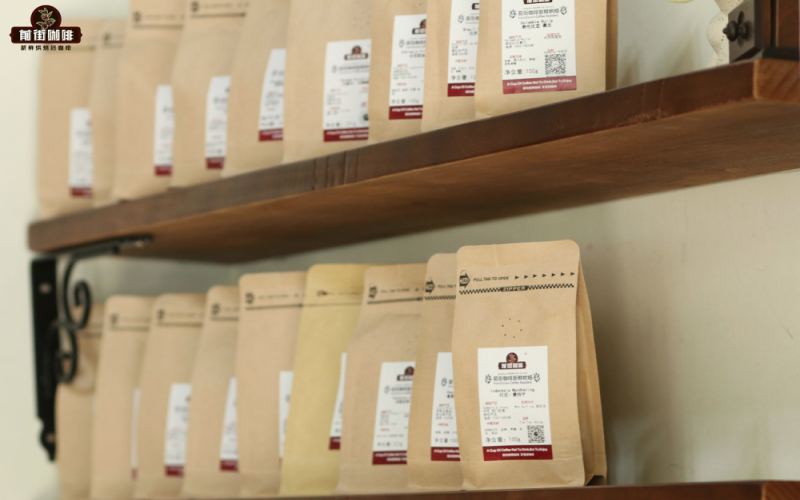
A Complete Guide to Brazilian Coffee Flavor Characteristics and Producing Regions: From Pulped Natural Processing to Bourbon Varieties
Brazil, as the world's largest producer of Arabica coffee, is known for its low acidity, nutty and chocolatey flavor profile, and full body, and is widely used in espresso blends. This article systematically reviews the cultivation history of Brazilian coffee, the terroir differences between its main producing regions (Sul de Minas and Cerrado), the characteristics of Red Bourbon and Yellow Bourbon varieties, and the pulped natural process developed to suit the local climate. At the same time, Front Street Coffee will share brewing ideas for Brazilian coffee and the three-stage brewing parameters for the KONO dripper, giving you a comprehensive understanding of this balanced yet understated coffee powerhouse. [more…]
Analysis of Colombian Cauca Region Coffee Characteristics and Green Bean Roasting Approach Sharing
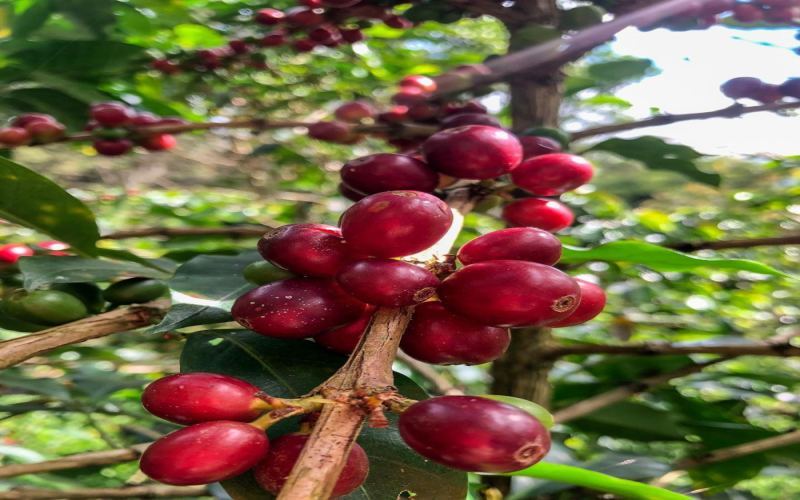
Cauca Department in Colombia is an important origin for specialty coffee, where high altitude, volcanic soil, and marked day-night temperature swings produce washed Caturra with bright acidity and pronounced sweetness. From the region's terroir, Cup of Excellence competitions, and the characteristics of the Suarez micro-region to green bean roasting and brewing suggestions, this article fully lays out the flavor code of Cauca coffee. Drawing on roasting practice, Front Street Coffee shares a medium-dark roast approach and specific curves to help enthusiasts understand how this bean performs from origin to cup. [more…]
How Should Beginners Choose Single-Origin Coffee Beans? Understanding Variety, Origin, and Processing Methods at Once
Want to try single-origin coffee but don't know which beans to start with? This article begins with the botanical roots of coffee beans, sorting through the two primary native species, Typica and Bourbon, and their derivative lineages, then introduces the coffee-growing belt centered on the equator. The flavor profiles of different regions each have their own character: African beans are boldly fruity, Central American beans are balanced and elegant, and Asian beans are rich and full-bodied. The article also explains in detail how the three processing methods—natural, washed, and honey—affect the taste, as well as the relationship between roast level and acidity versus bitterness. Finally, it offers practical advice for beginners choosing beans, recommending starting with Front Street Yirgacheffe Washed G2, to help you find the best balance between price and flavor. [more…]
A Comprehensive Analysis of Coffee from Colombia's Cauca Region: From Cup of Excellence to the Suarez Micro-Region, Flavors and Brewing
The Cauca Department of Colombia is a pearl in the specialty coffee landscape that cannot be overlooked. From the perspective of Front Street Coffee, this article systematically reviews the terroir conditions, variety composition, and processing methods of the Cauca producing region, and further introduces Colombia's coffee grading system and the characteristics of its main producing regions, with a focus on analyzing the competition mechanism of the Cup of Excellence in Cauca and its substantial benefits for smallholder farmers. At the same time, it takes a deep dive into the Surí micro-region, analyzing how high altitude and the temperature difference between day and night shape the acidity and sweetness of coffee. Finally, it includes Front Street Coffee's roasting recommendations and brewing report, providing coffee enthusiasts with a complete reference from green beans to the cup. [more…]
A Complete Guide to Cuban Coffee Regions: Island Terroir, Varietal Characteristics, and the Crystal Mountain Grading System
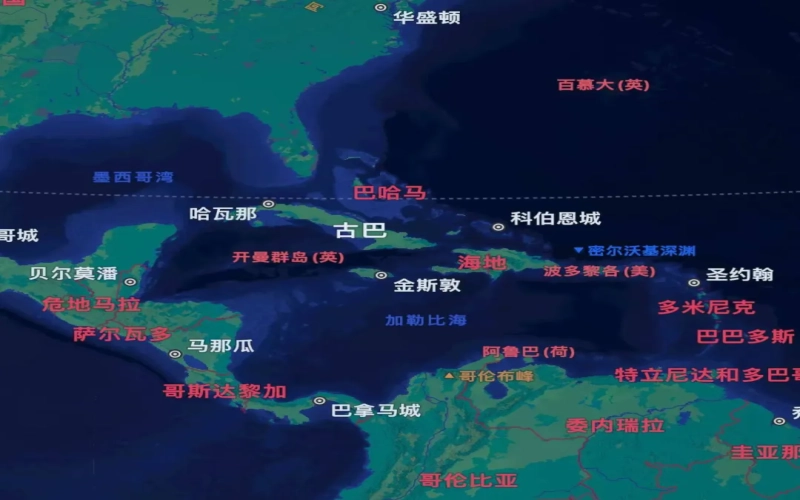
The Caribbean region is home to numerous islands suitable for coffee cultivation, and Cuba is one of the producing countries that cannot be overlooked. This island nation, called "fertile land" in the Taíno language, relies on its tropical savanna climate, abundant rainfall, and fertile soil to cultivate distinctive coffee on hillsides and in valleys at elevations of 1,000 to 1,900 meters. Cuba mainly grows Typica, along with varieties such as Bourbon, Caturra, and Catimor, with the harvest period lasting from September each year to March of the following year. Among these, Crystal Mountain coffee has attracted much attention because its flavor is close to Jamaica Blue Mountain, and it is even regarded by the Japanese market as a top-grade variety. Through this article, Front Street Coffee will guide you through the distribution of Cuba's coffee-producing regions, its variety structure, and the nine-grade classification system from Crystal Mountain to Peaberry, fully presenting the coffee profile of this Caribbean island nation. [more…]

Colombia's coffee industry is mired in multiple crises: armed conflict, drought, and policy uncertainty intertwined
Colombia, as a major global coffee-producing region, is now facing a double squeeze from internal and external troubles. Domestic armed conflict has escalated again, and the ceasefire agreement between the government and anti-government armed groups has been suspended in some areas; the drought triggered by El Niño has caused reservoir levels to fall dangerously low, restricting agricultural irrigation and power supply; at the same time, coffee producers also have to deal with rising fertilizer prices, shrinking planting areas, exchange rate fluctuations, and competition from other American producing regions. Although international coffee prices have risen somewhat, the income of Colombian coffee growers has fallen instead of increasing, and an industry strike is imminent. Front Street Coffee will continue to follow developments in this producing region and bring the latest information to enthusiasts. [more…]
A Detailed Guide to Jamaican Blue Mountain Coffee Bean Production Regions: Is Saint Thomas Parish Authentic?
Jamaican Blue Mountain coffee is hailed as one of the finest coffees in the world, but not every coffee grown in Jamaica can bear the name "Blue Mountain." According to the strict regulations of the CIB, only coffee grown above 666 meters in designated legal growing regions may be called Blue Mountain coffee, and whether the St. Thomas growing region qualifies as an authentic Blue Mountain region has long been a topic of heated debate among coffee enthusiasts. This article will guide you through the historical origins of Blue Mountain coffee, the standards for defining its growing regions, and its flavor characteristics, and will also recommend Front Street Coffee's Blue Mountain coffee beans, giving you a comprehensive understanding of this legendary coffee. [more…]
A Complete Guide to Colombian Coffee Regions: Varieties, Processing Methods, and Brewing Parameters from Huila to Cauca
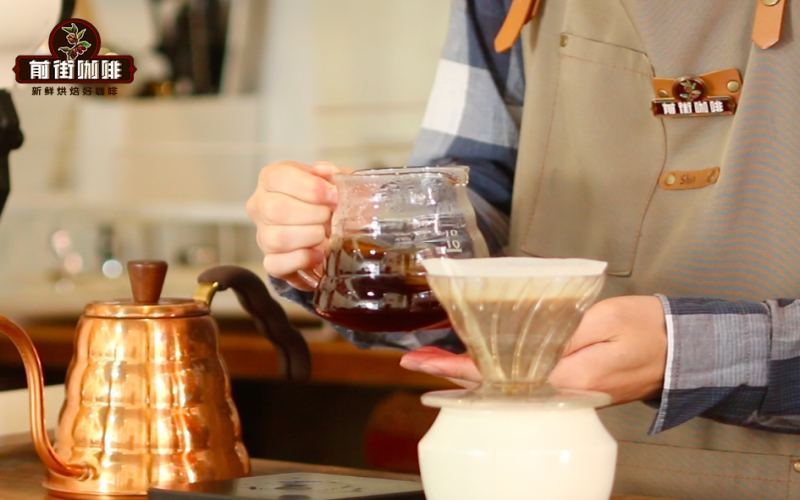
Colombia is the world's second-largest coffee producer and the largest exporter of washed Arabica beans. This article systematically reviews the historical development of Colombian coffee, the distribution of major producing regions and their flavor differences, covering representative origins such as Huila, Cauca, Nariño, and Santander, and provides an in-depth introduction to the characteristics of varieties such as Caturra, Pink Bourbon, and Geisha, as well as processing methods including washed and anaerobic double enzyme washed. Front Street Coffee, drawing on years of roasting experience, provides detailed roasting curves and brewing parameters for several Colombian beans, including charge temperature, heat adjustment, first crack timing, and extraction methods, helping coffee enthusiasts gain a comprehensive understanding of Colombian coffee from origin to cup. [more…]
A Complete Guide to Colombian Huila Coffee: From Regional Grading to Three-Pour Extraction Flavor
Colombia, as the world's largest exporter of washed Arabica beans, is renowned for its coffee's balanced, smooth taste and rich regional flavors. From the perspective of Front Street Coffee, this article systematically reviews the history of Colombian coffee cultivation, the distribution of producing regions, and the evolution of varieties, while offering an in-depth analysis of the terroir characteristics of specialty regions such as Huila, Cauca, and Tolima. The article focuses on the roasting curves and brewing parameters of four Front Street Colombian beans—washed Huila, Rose Valley, Geisha, and Pink Bourbon—covering the three-pour extraction method using both KONO and V60 drippers, providing coffee enthusiasts with a guide to Colombian coffee that is both informative and practical. [more…]
A Comprehensive Analysis of the Natural Process: From Traditional Drying to the Flavor Code of Specialty Coffee
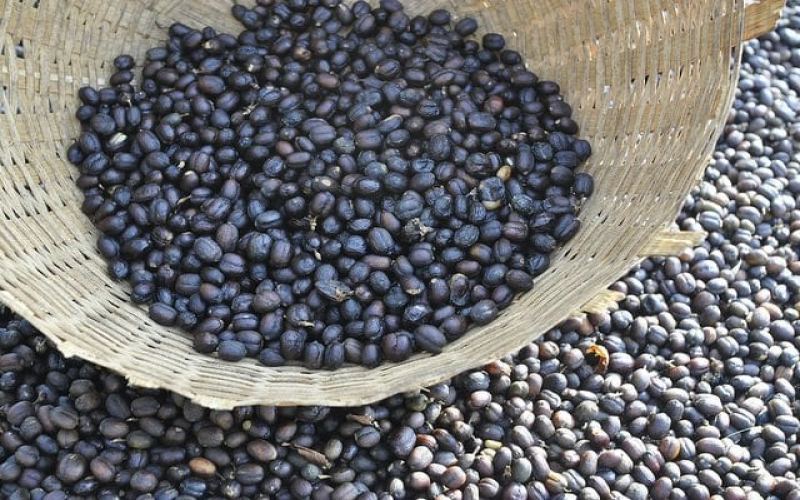
The natural process is the oldest method of processing coffee beans, drying coffee cherries together with their pulp under the sun, known in English as Natural. This processing method maximizes the retention of sugars and aromas in the pulp, giving the coffee beans rich tropical fruit flavors, full-bodied fermentation notes, and sweetness. However, traditional natural processing was once heavily criticized for inconsistent quality control, until the rise of the specialty coffee wave, when refined natural processing techniques revived this ancient method. This article will guide you through the principles of the natural process, its historical evolution, the revolutionary significance of the Red Cherry Project, as well as recommendations and brewing parameters for several Front Street natural process coffee beans, allowing you to deeply experience the unique charm of natural coffee. [more…]
From Berlin's first coffeehouse to the world's second-largest consumer nation: the historical trajectory of German coffee culture and the Latin American cultivation landscape
In 1721, the first coffeehouse opened in Berlin, marking the beginning of Germany's coffee industry, which started slowly amid policy restrictions but rose rapidly in the 19th century through Latin American plantations and immigrant networks. German merchants once controlled more than 80 percent of Guatemala's coffee bean exports, and two world wars caused this coffee domain to rise and fall several times. After the war, Germany's economy recovered, and its position in the coffee trade was rebuilt accordingly. Today Germany is the world's second-largest coffee-consuming country, and its per capita consumption far exceeds that of the United States. This article sorts out the complete thread of German coffee culture from its budding beginnings and expansion to its revival, and is suitable for readers interested in coffee history and the industrial landscape to savor carefully. [more…]