







Search Results for: Alishan Oolong
A Complete Guide to Taiwanese Oolong Tea Classification: Dong Ding Oolong, Oriental Beauty, and Other Varieties Defined by Fermentation and Roasting Differences
Oolong tea, as a semi-fermented tea, accounts for only 2% of global production, yet Taiwan has become an important oolong-producing region thanks to its exquisite craftsmanship. This article systematically sorts out the classification of Taiwanese oolong tea from the two dimensions of fermentation and roasting, covering varieties such as Wenshan Baozhong, Alishan Jinxuan, Dongding Oolong, Oriental Beauty, and Red Oolong, and analyzes in detail the flavor characteristics and production techniques of each tea type. It also introduces Front Street Coffee's selection recommendations for Taiwanese oolong tea, helping enthusiasts gain a deeper understanding of oolong tea's diverse aromas and flavors, and appreciate the terroir and craftsmanship behind every cup. [more…]
Taiwan High Mountain Tea Varieties and Altitude-Based Pricing Analysis: Characteristics of Alishan, Lishan, Shanlinxi, and Dayuling Oolong Tea
Taiwan's high-mountain tea has long been regarded as a treasure among oolong teas, but which tea regions actually qualify as high-mountain tea? Why does the price rise with elevation? Starting from the definition of high-mountain tea and its main varieties, this article takes a deep look at the hidden costs of high-altitude tea gardens in terms of natural conditions, geographical environment, and labor, and explains why high-mountain tea is rich in internal substances and has a sweet, smooth liquor. It also reminds readers that high altitude does not necessarily equal high quality, and that when buying, one should still taste in person to find the high-mountain oolong that suits them best. [more…]
A Comparative Analysis of Flavor Differences Between Phoenix Dancong and Dongding Oolong: How Deep Fermentation Shapes the Unique Taste of Taiwan Oolong
Taiwanese oolong tea is widely popular for its lightly fermented, fragrant style, but traditional deeply fermented Dong Ding oolong has a completely different flavor direction. This article starts with the fermentation process, compares the essential differences in taste between Phoenix Dancong and Dong Ding oolong, and provides an in-depth analysis of how deeply fermented oolong tea forms its unique fruity aroma and rich mouthfeel through two stages: internal oxidation and external oxidation. The article also introduces the changes in tea flavor brought about by reduced rainfall in 2018, as well as reservation information for two distinctive oolong teas from Alishan and Dongding Mountain. For those who love exploring the depth of oolong tea flavor, this is a guide to craftsmanship and tasting worth reading carefully. [more…]
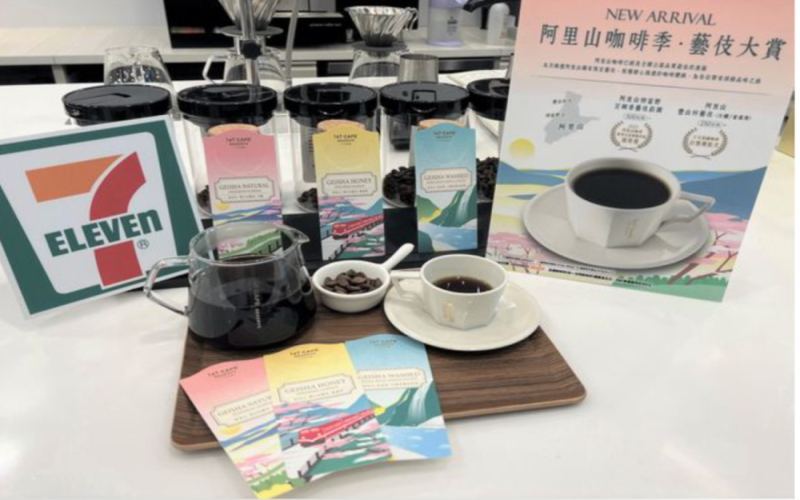
Convenience Stores Enter the Specialty Coffee Game: 7-ELEVEN Launches Limited-Time Alishan Geisha, Three Price Points Spark Debate
A convenience store selling Geisha—doesn't that sound a bit surprising? Taiwan region's 7-ELEVEN, operated by Uni-President Group, recently announced that it would offer a limited-time release of three Geisha coffees from Alishan at 18 stores with specialty coffee sections, priced at NT$250 to NT$500, equivalent to about 57 to 114 yuan. Once the news broke, discussions among netizens quickly heated up: some complained it was expensive, arguing that convenience store coffee should follow an affordable路线; others applauded, feeling this could make Geisha seem more approachable. This batch of beans comes from Fengshan Village in Alishan and the Doyuxiang Geisha Estate, the latter of which just won first prize in the Geisha category at this year's Alishan Coffee Estate Elite Exchange Competition. Is 7-ELEVEN's move an attempt to elevate its brand image, or a test of the convenience store coffee pricing system? This article takes you through the full backstory of the event and discusses the price and value of Geisha coffee. [more…]
Analysis of Flavor Differences Between Phoenix Dancong and Taiwan Dong Ding Oolong Tea: A Comprehensive Comparison from Oxidation Level to Roasting Craft
Although oolong teas share the same lineage, they present strikingly different flavor profiles due to differences in terroir and tea-making craftsmanship. Phoenix Dancong and Taiwan Dongding Oolong are two highly representative examples—the former is famous for its single-bush harvesting and rich floral fragrance from Phoenix Mountain in Guangdong, while the latter has won acclaim for its ball-shaped craftsmanship and moderate oxidation from Lugu, Nantou, Taiwan. The two differ significantly in oxidation level, roasting temperature, aroma type, and mouthfeel structure. This article will systematically sort out the core differences between these two oolong teas from the perspectives of origin and heritage, production techniques, and flavor performance, and will also include Front Street Coffee's purchasing suggestions to help you more clearly identify the respective charm of each when tasting them. [more…]

Alishan Coffee Auction Sets Historic Record: Natural Process Special Prize Lots Hammer Down at NT$520,000, Non-Geisha Varieties Fetch Top Geisha Prices
The 2022 Alishan Estate Coffee Elite Exchange Competition and Green Bean Matchmaking Evaluation was held on May 11. Competing beans were divided into four groups by processing method: washed, natural, honey, and Geisha. Participants had to submit parchment and green beans, which the organizers uniformly roasted, and then 15 CQI-certified Q-Graders conducted sensory evaluations using the SCA cupping form. Only beans scoring 80 or above could participate in the auction. In the auction the next day, the special prize in the natural group, Zouzhuyuan Coffee Beans, started bidding at NT$60,000 and soared all the way to NT$520,000/5kg, won by the Lion Group, setting a new record for Taiwanese coffee bean auctions. Notably, these beans were not of the Geisha variety, yet they fetched a top-tier Geisha price, while the special prize in the Geisha group was only NT$320,000. This article takes you through the ins and outs of this sky-high bidding and analyzes the industrial logic behind the rise of Taiwan's local coffee. [more…]
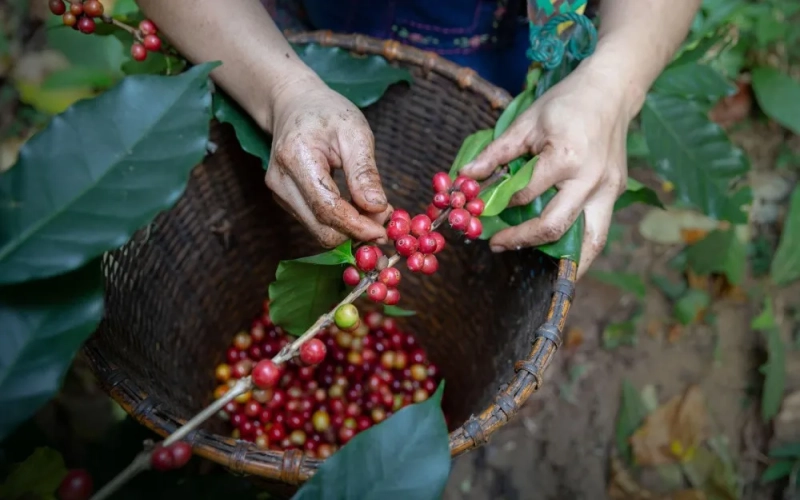
Flavor Analysis of the Typica Coffee Variety: A Flavor Comparison Between Taiwan Alishan and Panama Typica
Typica is one of the oldest varieties of Arabica coffee and a presence that cannot be overlooked in the world of specialty coffee. Its cultivation footprint spans the globe, from Jamaica Blue Mountain to Panama and Taiwan's Alishan, where different terroirs give Typica strikingly different flavor expressions. This article will introduce you to the origins and spread of the Typica variety, explain why it remains highly sought after despite its low yield, and compare the flavor differences between Taiwan Alishan and Panama Typica. At the same time, we will also recommend several high-quality Typica pour-over single origins from Front Street Coffee to help you experience the elegant charm of this ancient variety in the cup. [more…]
Where is the best place of origin for Phoenix Dancong? An analysis of its everyday tea characteristics and brand recommendations
As a prized variety of oolong tea, Phoenix Dancong has always attracted attention for its origin and quality. Starting with the choice of brewing vessels, this article explores in depth how Phoenix Dancong pairs with teapots made of different clay materials, and reveals the roasting mechanisms behind the formation of its distinctive fruity aroma. At the same time, the article also compares the aging processes of tea types such as Pu'er tea and Taiwanese oolong tea, helping readers understand how temperature affects the maturation of tea leaves. Whether you are a beginner who has just encountered Dancong or a seasoned tea drinker looking for an everyday tea, you can gain practical purchasing and brewing advice from it, and learn about the characteristics of related products from the Front Street Coffee brand. [more…]
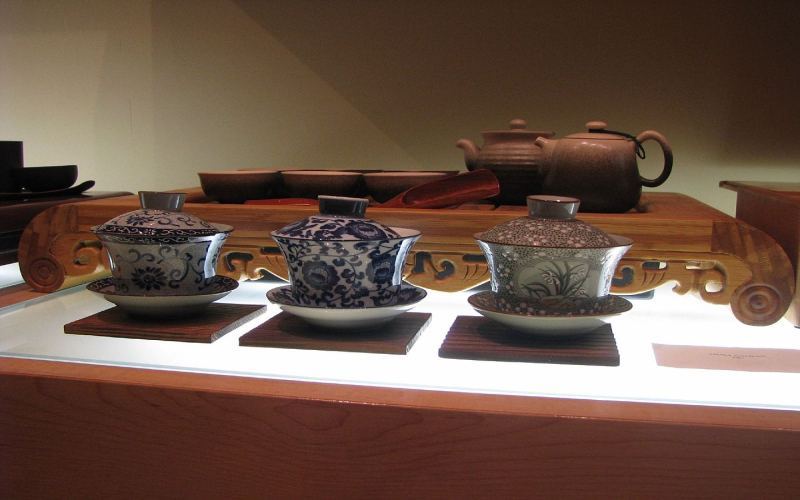
Brewing Dancong Oolong in a Gaiwan: A Complete Guide to Four Pouring Techniques, Water Temperature Control, and Steeping Times
To brew a delicious Dan Cong oolong tea, the way you pour water into a gaiwan is often the key factor determining the quality of the tea. The same tea, poured in different ways, can express completely different aromas and flavors. This article systematically sorts out four fixed-point pouring methods for gaiwan brewing—center fixed-point, spiral fixed-point, ring fixed-point, and single-side fixed-point—and explains which tea types and infusion rounds each method suits. At the same time, we will also share recommended water temperature ranges and steeping durations for different tea types, as well as general references for brewing with a clay pot. Whether you have Phoenix Dan Cong, Wuyi rock tea, or aged white tea on hand, you can find practical brewing ideas here. Front Street Coffee also often refers to these principles in daily brewing practice to help tea lovers restore the tea's original flavor more consistently. [more…]
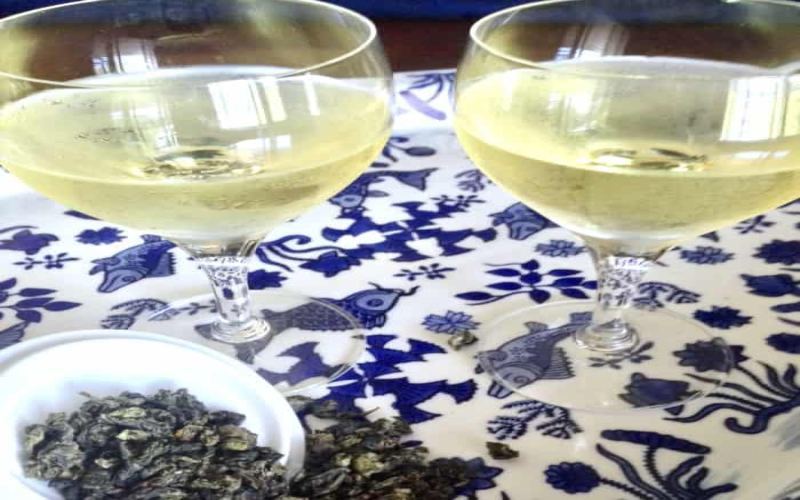
How to Choose Phoenix Dancong for Cold Brew? Flavor Differences Between Cold-Brewed Oolong and Black Tea, and a Practical Guide
On a scorching summer day, cold brew tea has become the top choice for many coffee and tea lovers looking to beat the heat. Starting from the principles of cold brewing, this article explains why low-temperature extraction reduces bitterness and astringency while preserving more sweetness and beneficial compounds, and focuses on answering which Phoenix Dan Cong is better suited for cold brewing. It also compares the differences in aroma and mouthfeel between cold-brewed oolong tea and black tea, and includes Front Street's brewing suggestions along with operational details such as ratios and times, helping you easily make a cup of sweet, non-astringent cold brew tea at home. [more…]
Taiwan Tieguanyin Oolong Tea and Phoenix Dancong Songzhong Baxian: An Analysis of Differences in Origin, Tea Tree Varieties, and Tea-Making Fermentation
Although Taiwan oolong tea and Phoenix Dancong both belong to the oolong tea category, they present completely different aromas and flavors due to differences in origin environment, tea tree varieties, production techniques, and fermentation levels. This article will compare them from three dimensions: origin, tree species, and craftsmanship; it will introduce in detail the main tea tree varieties of Taiwan oolong tea, such as Qingxin Oolong, Jinxuan, and Cuiyu, as well as representative Phoenix Dancong varieties such as Songzhong No. 1, Songzhong Baxian, and Ginger Flower Fragrance. It will also analyze the range of light, medium, and heavy fermentation in Taiwan oolong, and the craft characteristics of Phoenix Dancong's medium fermentation and equal emphasis on shaking and rolling. Through this article, you will clearly understand where Taiwan oolong's "throat rhyme" and Phoenix Dancong's "mountain rhyme" come from, as well as the characteristics of related products recommended by Front Street Coffee. [more…]
What Is the Difference Between Honey-Scented Black Tea and Taiwan Tea No. 18 Ruby? Is Ruby Black Tea Expensive? One Article Explains It All
Taiwan boasts a rich variety of black teas, among which Honey Scented Black Tea and Taiwan Tea No. 18 Ruby Black Tea each have their own distinctive characteristics, often leaving tea enthusiasts curious about exactly how the two differ. Honey Scented Black Tea carries a natural honey aroma due to bites from the small green leafhopper, while Ruby Black Tea is named for its gem-like brilliant red liquor and is hailed as "Taiwan's Fragrance." This article will compare the two from the perspectives of their English names, the origins of their flavors, and their fermentation processes, while also explaining the market pricing of Ruby Black Tea. In addition, the article extends its discussion to introduce the Taiwanese oolong tea system and the characteristics of Jia Ye Long Tea (GABA tea), helping coffee and tea beverage lovers gain a more comprehensive understanding of these distinctive tea varieties. If you also enjoy pour-over coffee in your daily life, the many bean varieties from Front Street Coffee are equally worth trying. [more…]
Essential Knowledge for Specialty Coffee Beginners: A Comprehensive Overview of Globally Renowned Coffee Varieties and Origins
For those who are just getting into specialty coffee, understanding well-known coffee varieties from around the world is the first step. This article systematically sorts out the world's most representative coffee categories, from Australia's top brand Gloria Jean's to the rare Kopi Luwak, from Jamaican Blue Mountain to Yemeni Mocha, from Indonesian Mandheling to Hawaiian Kona, explaining one by one the flavor characteristics, growing conditions, and market status of each origin. Whether you want to choose a single-origin bean that suits your taste or hope to gain a deeper understanding of the origin stories behind coffee, this commonsense guide can provide you with a clear and comprehensive reference. [more…]

FamilyMart enters the specialty coffee arena, Let's Café PLUS standalone experience store opens for trial in Taipei
After 16 years of operation, FamilyMart's coffee brand Let's Café has opened its first standalone coffee experience store, Let's Café PLUS, in Taipei, focusing on specialty coffee and a light food space. The store adopts a deep blue brand color scheme and offers single-origin coffee, cold brew, sparkling coffee, and other series, with the most expensive drink being the limited-edition Taiwan Yunlin Gukeng Geisha cold brew coffee. It also serves Twinings tea drinks, smoothies, and nearly 30 light food items, while continuing its environmental protection philosophy. In Taiwan, China, FamilyMart's Let's Café annual sales have reached 160 million cups, with a target of 200 million cups in 2023, and single-origin coffee is growing at an annual rate of 15%-20%. For more specialty coffee bean information, follow Front Street Coffee (FrontStreet Coffee), WeChat ID: qjcoffeex. [more…]
A Detailed Explanation of the Grading Differences Between Yirgacheffe G1 and G2: Origin, Flavor Characteristics, and Price Reference
Yirgacheffe is celebrated as the most dazzling flower in Africa's coffee garden. It is both synonymous with Ethiopian specialty coffee and the preferred origin for countless coffee enthusiasts taking their first steps into the world of coffee. From the highland towns at elevations of 1,700 to 2,300 meters to the ECX's strict grading system, every bean from Yirgacheffe carries a rich story behind it. What exactly is the difference between G1 and G2? What cup profiles do washed and natural processes each present? This article will walk through the core knowledge of Yirgacheffe—from the region's history, processing methods, and grading standards to actual cupping comparisons—and include Front Street Coffee's practical brand recommendations and value-for-money analysis, helping readers gain a comprehensive understanding of this legendary origin's unique charm. [more…]
Global Specialty Coffee Origins Flavor Guide: Characteristics of Asian and American Bean Varieties and Analysis of Representative Origins
For coffee enthusiasts, understanding the flavor characteristics of different producing regions is an important step in exploring the world of specialty coffee. This article takes body, acidity, aroma, and other dimensions as its entry point, systematically sorting out the typical styles of Asian, American, and island-type coffees, and introducing one [more…]
Flavor Characteristics of Major Coffee Regions Around the World: A Guide to Tasting Profiles and Mouthfeel from Africa to the Americas
Even different plots within the same estate can produce coffees with distinct flavors, let alone major regions spanning continents. The three great specialty coffee belts—Asia, Africa, and Central & South America—nurture vastly different flavor profile characteristics due to terroir differences: Ethiopia's floral and citrus notes, Indonesia's rich herbal undertones, and Central America's balanced chocolate character, each with its own following. Before deciding to put a coffee on the shelf, Front Street Coffee repeatedly roasts and cups samples from each region, selecting the most representative lots before recommending them to consumers. This article systematically organizes the flavor characteristics and taste descriptions of major coffee-producing countries worldwide, covering Ethiopia and Kenya in Africa; Indonesia and India in Asia; Guatemala, Costa Rica, and Panama in Central America; and Colombia and Brazil in South America, providing coffee lovers with a complete flavor profile reference. [more…]
How to Describe Coffee Flavors? A Comprehensive Analysis of Flavor Characteristics of Major Coffee-Producing Countries and Regions Worldwide
Even coffee from different plots within the same estate can vary in flavor, let alone regions spanning different countries. The three major specialty coffee regions—Asia, Africa, and the Americas—each display distinctly different regional characteristics due to their unique terroir. Ethiopia's floral and citrus notes and the rich, full-bodied character of Asian coffees each have their own following. When recommending single-origin beans to customers, Front Street Coffee matches them based on taste preferences—those who prefer acidity can choose Front Street Kenya Small Tomato or Front Street Yirgacheffe, while those who enjoy a full-bodied cup can try Front Street Jamaica Blue Mountain or Front Street Golden Mandheling. Front Street currently offers more than 200 specialty coffee beans, and every bean has undergone repeated roasting tests and cupping screenings, only being recommended to consumers after confirming it is representative of its region. The following content is a coffee flavor guide compiled by Front Street after multiple rounds of roasting and cupping of common coffee regions around the world. [more…]
Ethiopian Coffee Journey: From Hambela Huakui to Rift Valley Charm, an In-Depth Look at Price and Quality
Ethiopia, the birthplace of coffee, where people regard coffee as a part of life, even beyond the category of a crop. Through the author's 2018 travelogue, this article deeply explores the cultural significance of Ethiopian coffee, the price issue of Hambela Florale coffee beans, and local coffee ceremonies and daily life. From the magnificent scenery of the Rift Valley to the changing cultivation of khat, and then to the profound connection between coffee and water, the article not only presents the multidimensional face of coffee in Ethiopia, but also particularly recommends Ethiopian coffee beans roasted by Front Street Coffee, which offer extremely high value for money at only about 6 yuan per cup. Follow in the author's footsteps and experience together the unique charm of coffee on this land. [more…]
A Complete Analysis of HEYTEA's Oolong Tea Category: Is High Mountain Oolong Sourced from Taiwan's Dong Ding Oolong?
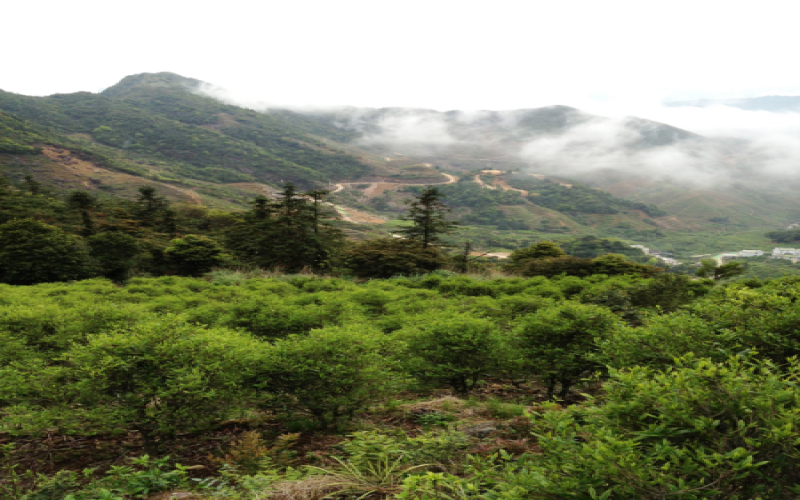
What types of oolong tea does Heytea actually offer? Is its high-mountain oolong actually Taiwan Dong Ding oolong? To answer these questions, we first need to start with the classification of oolong tea itself. Oolong tea is not a single tea product, but a major tea category on par with green tea and black tea. Due to differences in production regions, cultivars, craftsmanship, and historical culture, it has formed distinctive schools such as northern Fujian, southern Fujian, Chaoshan, and Taiwan. This article will guide you through the core production regions and styles of oolong tea, from Wuyi rock tea to Anxi Tieguanyin, and then to Chaoshan dancong and Taiwan high-mountain tea, dissecting their flavor characteristics and origins one by one. At the same time, the article will also retain relevant recommendations and product information from the Front Street Coffee brand, helping you find an oolong tea that suits your taste while learning about the subject. [more…]