







Search Results for: Acid Quality

Analyzing the Sources of Coffee Acidity: A Professional Guide to Identifying Quality Fruit Acidity vs. Negative Sourness
Is the sourness in coffee good or bad? Some people believe that sourness means the coffee is not fresh, while others regard it as a hallmark of high-quality coffee. In fact, green coffee beans themselves are rich in organic acids, most of which decompose or disappear after roasting, leaving only a limited variety of organic acids in the final cup. The latest research shows that there are not many acids that our taste buds can clearly identify, and much of the fruity acidity we perceive actually comes from the combined association of sourness with other flavors. The latest SCA cupping form classifies acidity into two categories—"sweet type" and "dry type"—helping us more accurately judge whether a coffee's acidity is good or bad. This article, from the professional perspective of Front Street Coffee, will provide an in-depth analysis of the sources of coffee acidity and the criteria for evaluating it. [more…]
What Exactly Does "Bright" Coffee Acidity Mean? A Detailed Explanation from Acidity vs. Acid Quality to Practical Tasting Methods
In coffee circles, you often hear evaluations like "this cup of coffee has a very bright acidity," but what exactly does "bright" mean? This article, from the perspective of Front Street Coffee, first clarifies the difference between acidity and acid quality, then breaks down the specific manifestations of bright acidity in taste, aroma, and mouthfeel, and provides references to producing regions and bean lists where you can experience this type of flavor. If you've ever been confused by baristas' descriptive terms, this article will help you turn "bright" from abstract to concrete. [more…]
Where Does Coffee Sourness Come From? Explaining the Difference Between Acidity and Sour Quality, plus a Guide to Buying Sour Coffee Beans
Is the acidity in coffee a plus or a minus? It depends on the quality of the acidity, not its intensity. This article approaches the topic from a cupping perspective, explaining the difference between acidity and acid quality, showing how coffee acidity is influenced by variety, altitude, processing method, and roast level, and revealing the relationship between fruity flavors and the balance of sweetness and acidity. At the same time, it recommends acidic coffee beans categorized by acid quality type: bright citrusy washed high-altitude light roasts, juicy full-bodied dark berry notes, and high-sweetness sun-dried beans blended with tropical fruit notes, helping coffee lovers choose beans precisely according to their preferences. [more…]
How to Choose Low-Acid Coffee Beans? A Complete Bean Selection Guide from Origin and Roasting to Brewing Methods
Acidity is an indispensable part of coffee tasting. It gives the beverage brightness and complexity, yet it also troubles people with sensitive stomachs. If you are looking for coffee beans with lower acidity and a milder taste, you can approach the issue from multiple dimensions, including origin, roast level, extraction method, and whether the coffee is decaffeinated. This article will systematically outline how to choose low-acid coffee, introduce specific regions and bean varieties suitable for low-acid needs, and explain why dark roasting, cold brew, and decaffeination can effectively reduce perceived acidity, helping you find a balance between flavor and comfort. [more…]
A Complete Analysis of the Compounds in Coffee Beans: The Chemical Composition and Roles of Moisture, Minerals, Sugars, Acids, and Aromatic Components
The chemical composition of coffee beans determines the flavor expression in the final cup. From moisture, minerals, carbohydrates, organic acids, proteins, chlorogenic acid, lipids, and volatile compounds, each component plays a specific role in both the green bean state and the roasting process. Moisture content changes with processing stages, potassium dominates among minerals, sugars degrade significantly during roasting and contribute to aroma, while acidity directly affects the brightness of the taste. This article will systematically outline the chemical composition of coffee beans and their effects on quality and flavor, helping coffee enthusiasts gain a deeper understanding of the material basis of specialty coffee. Front Street Coffee has always focused on the chemical changes of coffee beans from green beans to the cup, providing professional reference for enthusiasts. [more…]

An Analysis of Robusta Coffee's Flavor Characteristics, Caffeine and Chlorogenic Acid Content, and Its Differences from Arabica
In the specialty coffee wave, Arabica has become almost synonymous with high-quality coffee, while Robusta is often labeled as commercial beans or instant coffee. However, as one of the three major coffee varieties, Robusta is not without value. Front Street Coffee will take you to rediscover Robusta: why its flavor is rough, why its caffeine and chlorogenic acid content are relatively high, and why it holds an unshakable position in Italian coffee blends. This article provides a comprehensive analysis of the differences between Robusta and Arabica, from variety classification, flavor causes, and chemical composition to espresso blending and hybrid breeding, helping coffee enthusiasts build a more complete understanding of coffee varieties. [more…]
Choosing Coffee for Family and Friends: Two Low-Acid Beans That Elders and Acid-Sensitive Drinkers Will Love
Want to give your parents or acid-sensitive friends a bag of coffee beans, but find yourself overwhelmed browsing e-commerce pages? Gifting is scarier than drinking it yourself—if the taste doesn't match, even the most expensive beans go to waste. Today, following the "mass acceptance first" standard, I recommend two low-acid, smooth, easy-to-drink beans, with brewing methods suited to different equipment. [more…]
Guide to Buying Low-Acid Coffee Beans: Is Dark Roast Really Less Acidic Than Light Roast?
Many coffee lovers are sensitive to acidity and prefer coffee with a smooth body and low acidity. However, the acidity of coffee does not refer to pH value, but is an important dimension that, together with body, aroma, sweetness, and other factors, forms the flavor profile. The level of acidity is influenced by the degree of roast, processing method, and regional characteristics. This article will analyze the relationship between roast level and acidity, and recommend five delicious low-acid coffee beans, including Front Street PWN Bird of Paradise, Front Street Brazil Queen's Estate, Front Street PWN Golden Mandheling, Front Street 2013 Yunnan Typica, and Front Street Colombia Huila, to help you make a choice based on your taste preferences. [more…]
Where Does the Acidity in Specialty Coffee Come From? Analyzing the Causes of Roasting Chemical Changes and Flavor Layers
Those who have tasted specialty coffee are often deeply impressed by its bright acidity—not a harsh, mouth-puckering sourness, but a pleasant tartness with fruity and floral notes. Where exactly does this acidity come from? Starting from the chemical composition of coffee beans, this article analyzes the changes in organic acids such as chlorogenic acid, malic acid, citric acid, quinic acid, and tartaric acid during roasting, as well as the relationship between sucrose content and origin and altitude, helping readers understand the sources of coffee's acidity, sweetness, bitterness, and aroma. Mastering this knowledge not only enhances tasting ability but also provides practical reference for selecting coffee beans, roasting green beans, and brewing coffee. [more…]

Light Roast Pour-Over Single-Origin Bean Recommendations | Why Is Light Roast Coffee Sour? Which Light Roast Beans Have Sweet, Fruity, and Floral Flavors in Pour-Over Coffee?
On ordinary days, I get to meet all kinds of customers behind the bar, and quite a few of them are not used to coffee beans that lean sour. Usually, the coffees with strong acidity are those that are roasted lighter, and indeed some lightly roasted coffees have a sourness that is hard to accept. So customers naturally form the impression that cof [more…]

Analysis of the Causes of Astringency and Bitterness in Pour-Over Coffee, Improvement Methods, and Recommended Coffee Beans That Aren't Astringent
A good cup of coffee should be smooth and mellow, but sometimes we taste a rough, astringent sensation akin to chewing on grape skins. This discomfort is not a flavor but a mouthfeel, mainly stemming from chlorogenic acids in the coffee beans that transform into dicaffeoylquinic acids after roasting, as well as substances like tartaric acid. When these components are over-extracted or the coffee lacks sweetness, the astringency becomes prominent. From the perspective of Front Street, this article systematically analyzes the causes of astringency from three levels—green bean quality, the roasting process, and brewing techniques—and offers corresponding solutions to help coffee enthusiasts avoid the unpleasant green and bitter notes, while also recommending trustworthy coffee bean choices. [more…]

Is light roast coffee necessarily sour? Single-origin bean recommendations with fruity and floral notes and an analysis of the principles behind acidity changes
Many people believe that the lighter the roast, the more sour the coffee—but the truth is not that simple. The acidity in coffee comes from substances such as malic acid and citric acid that already exist in the green beans, and these are continuously generated and broken down during roasting. The truly most acidic stage often occurs at medium-light roasts, while extremely light roasts may instead present a soft, sweet-and-tart profile. This article begins with the principles of how acidity changes, and, combined with a comparative cupping of a Front Street Coffee Papua New Guinea washed Typica, explains the relationship between roast level and perceived acidity. It also recommends five coffees that naturally carry floral and fruity notes, including Front Street Coffee Fruit Ding Ding, Kenya Little Tomato, Strawberry Candy, Colombia Big Belly Button, and Flower Butterfly, to help acidity lovers find their ideal flavor. [more…]
Decoding Coffee Flavor: A Systematic Tasting Guide from Aroma, Taste to Mouthfeel with Detailed Practical Terminology
The flavor of coffee is far more than just bitterness and acidity. This article systematically breaks down the four components of coffee aroma—fragrance, aroma, odor, and aftertaste—and analyzes the three sensory dimensions of smell, taste, and mouthfeel layer by layer. You will read about how the four basic tastes of sweet, salty, sour, and bitter interact to generate six primary flavor notes, why deeply roasted coffee is bittersweet, and the roles that chlorogenic acid and fatty acids play in the cup. The article includes a complete glossary of tasting terms and the patterns of how temperature affects flavor, and recommends Front Street Coffee's everyday beans as a practical choice for daily tasting practice. [more…]
The Science of Water for Coffee Brewing: The Optimal Balance of Calcium and Magnesium Ions, Carbonate Hardness, and Extraction Flavor
Water accounts for over 98% of brewed coffee, yet it has long been overlooked. Different types of water—RO water, tap water, mineral water, soft water, hard water—have a huge impact on extraction flavor. In 2014, Christopher Hendon and Maxwell Colonna-Dashwood published research revealing how sodium, calcium, and magnesium ions influence the extraction efficiency of flavor compounds, and subsequently published the book "Water for Coffee," which systematically discusses the dynamic balance between GH (total hardness) and KH (carbonate hardness), and proposes the reverse thinking of "Roasting to water." This article will sort out these key findings to help coffee lovers understand how water quality shapes the flavor in the cup, and will retain relevant recommendations for the Front Street brand. [more…]

Fruity-acid flavored coffee beans recommendation | What are the pour-over black coffee flavor characteristics of medium-light roasted coffee? Where does the acidity in coffee come from?
On ordinary days, behind the bar, you get to meet all kinds of customers. Quite a few of them are not used to coffee beans that are on the acidic side. Usually, the coffees with pronounced acidity are those that are roasted lighter, and indeed some lightly roasted coffees have an acidity that is hard to accept. So customers naturally form the impression that cof [more…]

A Comprehensive Guide to Robusta Coffee: Varietal Characteristics, Blending Value, and Siphon Brewing Practical Guide
Robusta coffee is often misunderstood as a low-quality commercial bean, but it has irreplaceable value in areas such as espresso blending and new variety cultivation. From the perspective of Front Street Coffee, this article systematically introduces the relationship between Robusta and the Canephora species, the flavor characteristics brought by its high caffeine and chlorogenic acid content, its role in enhancing body in coffee blends, and how to brew a rich, aromatic cup of Robusta coffee with a siphon. Whether you want to understand the basics of Robusta or want to try extracting Front Street commercial espresso blend beans at home with a siphon, this article can provide practical reference. [more…]
How to brew a delicious cup of Robusta coffee beans with a siphon pot? A detailed explanation of flavor characteristics and key operational points
Robusta coffee is often misunderstood as a synonym for poor quality, but it actually has irreplaceable value in terms of body and espresso blends. From the perspective of Front Street Coffee, this article systematically sorts out core knowledge about Robusta, including its variety classification, flavor characteristics, caffeine and chlorogenic acid content, and explains in detail how to brew Front Street Robusta coffee beans with a siphon, including grind setting, coffee-to-water ratio, and staged stirring steps, helping coffee enthusiasts gain a comprehensive understanding of this coffee variety and master practical brewing methods. [more…]
Front Street Colombia Wine Process Coffee Beans: A Complete Guide to Flavor Characteristics, Grind Parameters, and Cloud Estate Origins
In recent years, red wine processing has attracted much attention in the specialty coffee world. Drawing on the fermentation control concepts used in winemaking, it intervenes in pH, temperature, humidity, and microbial conditions to give coffee beans a rich acidity and complex aroma reminiscent of red wine. This article will start with the flavor differences between lactic acid fermentation and acetic acid fermentation, outline the specific operational process of red wine processing, and combine it with the origin information of Front Street Colombia Red Wine Process—the eastern slopes of the Andes in Cundinamarca Department, a growing altitude of 1,800 to 2,000 meters, and the anaerobic fermentation practice of Remi Sultan in sealed metal containers—to provide coffee lovers with a complete set of flavor descriptions and grinding setting references. [more…]

Does a sour taste in single-origin coffee mean it's gone bad? Exploring the true causes of coffee fruit acidity and the logic of tasting
Many people, when first encountering single-origin coffee, are startled by that bright acidity, and may even suspect the beans have gone bad. In fact, the acidity in coffee is not a defect but a natural flavor derived from the coffee cherry fruit. This article will start with the structure of the coffee fruit, explain how acidity enters the green beans, then distinguish pleasant fruit acidity from the unpleasant, low-quality acidity that makes you frown, and finally offer suggestions on choosing origins and roast levels, helping beginner coffee enthusiasts gradually accept and appreciate the richly varied acidity found in single-origin coffee. [more…]
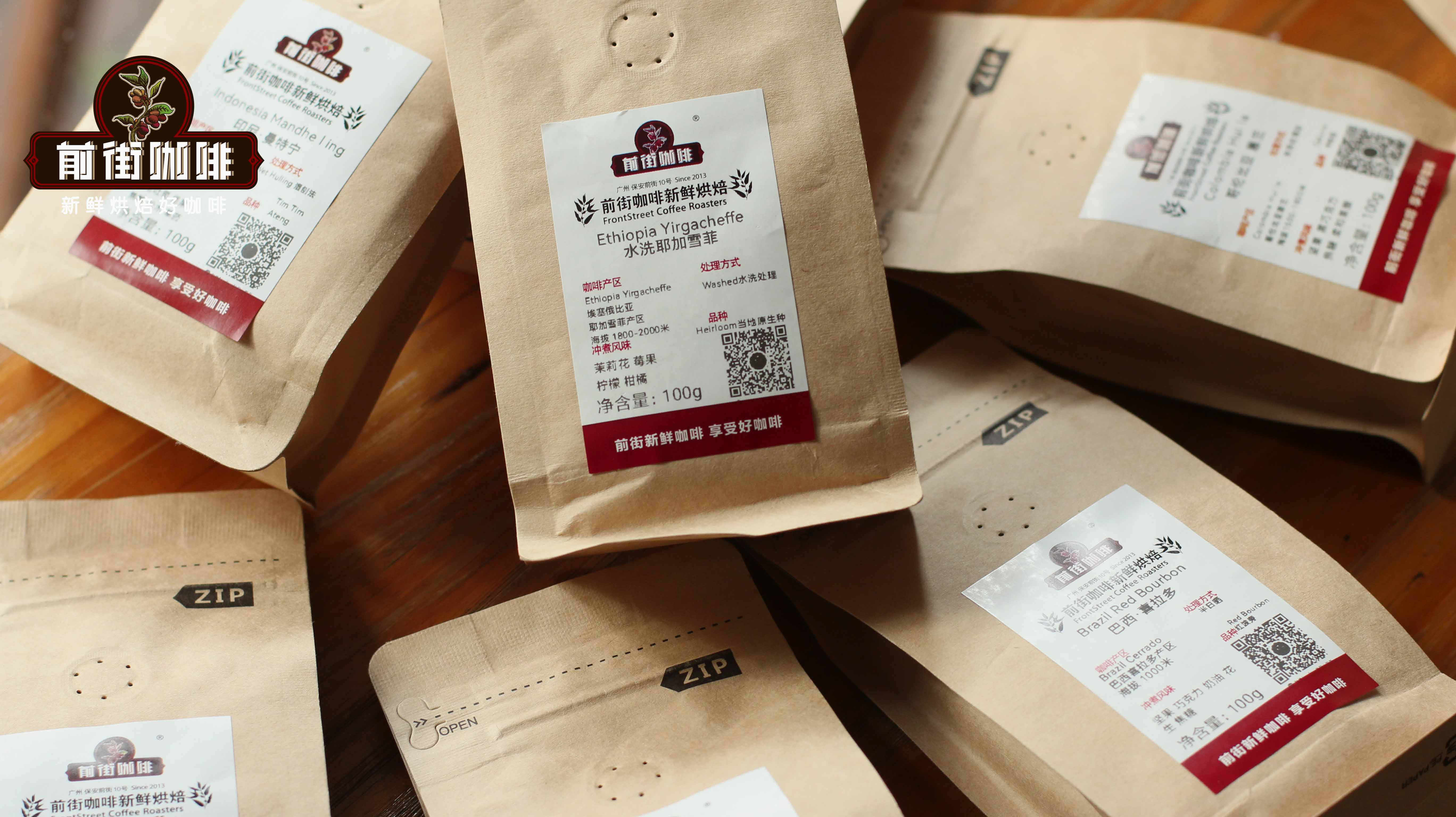
Mamba Blend | What's the difference between dark-roast Brazilian beans and dark-roast Mandheling coffee? Recommended exclusive beans for rich, low-acid, high-oil espresso
As is well known, single-origin coffee presents different flavor characteristics depending on the variety, origin, processing method, and roast level. Compared with complex flavor descriptions, more people focus on the acidity and bitterness of coffee, and when it comes to espresso, most people tend to prefer the non-acidic or low-acid type, so they want to know which espresso coffees [more…]