







Search Results for: 4:6 method

Kasuya Tetsu's 4:6 Brewing Method Explained: Why Five-Pour Brewing Consistently Produces Balanced Pour-Over Coffee
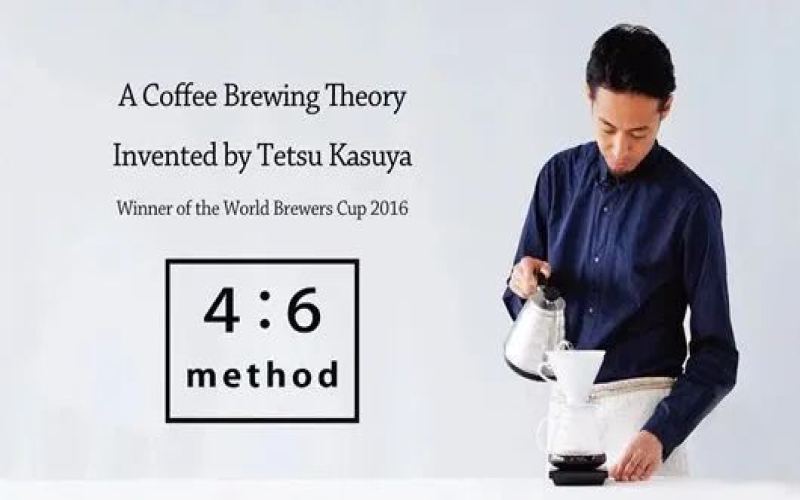
Some works often outshine their creators, like the Mona Lisa for Da Vinci, or the 4:6 method for Tetsu Kasuya. The core goal of this method, invented by the 2016 World Brewers Cup champion, is simple—to let anyone brew delicious coffee. It breaks a brew into five pours, each using three times the coffee dose in water, with the first two pours making up 40% of the total water to determine the sweet-and-sour direction, and the last three pours making up 60% to shape a rich, full-bodied mouthfeel. This article will fully break down the segmentation logic of the 4:6 method, the origin of the 45-second pouring interval, and conduct a real test using Front Street Coffee's Ethiopia Santa Vini beans to verify why this formula has an extremely high margin for error, and how to move beyond the formula and grasp its extraction philosophy. [more…]
A Complete Analysis of Tetsu Kasuya's 4:6 Brewing Method: The Logic of Staged Pouring, Grind and Temperature Parameters, and a Front Street Coffee Huakui Demonstration
The 4:6 brewing method was created by粕谷哲, the 2016 World Brewers Cup champion, and its core idea is to let everyone brew good coffee easily. This method splits the total water volume into five pours: the first 40% determines the flavor direction, and the latter 60% shapes the mouthfeel and strength. By adjusting the water volume of each pour, you can change the coffee's sweet-acid balance and body. In this article, Front Street will break down the pour proportions of the 4:6 method in detail, explain the principles behind extraction yield changes, and provide complete brewing parameters. At the same time, we will use Front Street Ethiopia Hachira beans for a hands-on demonstration to help coffee lovers deeply understand the essence of extraction and easily brew a delicious pour-over coffee. [more…]
Complete Parameter Analysis of the 4:6 Method for Pour-Over Coffee: Grind Size, Staged Pouring Time, and the Principles of Acidity, Sweetness, and Body Control
The 4:6 method was created by Tetsu Kasuya, and its core idea is to let anyone brew a consistently good cup of coffee. It splits a single pour into five stages: the first 40% of the water governs the flavor direction, while the latter 60% determines the strength of the body. Combined with an extra-coarse grind and fixed intervals, it greatly lowers the barrier to water control. This article lays out the standard parameters of the 4:6 method in full, including dripper choice, coffee-to-water ratio, grind passing rate, water temperature, and pouring rhythm. It also takes a deep look at the logic behind the coarse grind and the 45-second intervals, explains how adjusting the ratio of the early and late stages changes the sweet-and-sour profile, and shows how increasing or decreasing the number of stages lets you control body, helping you apply this method flexibly. [more…]

Front Street Coffee Complete Knowledge Collection: A Coffee Learning Guide and Practical Manual from Beginner to Advanced
The Front Street official account has insisted on daily updates for many years, accumulating a massive amount of educational content covering every area of coffee. From the origins of coffee beans to the birth of a finished cup of coffee, from basic terminology to advanced brewing techniques, the articles have touched on virtually every question a coffee lover might encounter. This article reorganizes that content along a learning path, dividing it into sections such as must-reads for beginners, tasting methods, brewing techniques, advanced improvement, and Front Street's random musings on industry topics, making it easy for readers to quickly locate the knowledge they need based on their own stage, and also convenient for systematically filling in gaps. Whether you are a novice just getting into coffee or an advanced player hoping to hone your skills, you can find corresponding content here. [more…]

How Do You Use the Switch Smart Mug? A Detailed Explanation of Tetsu Kasuya's New Hybrid Brewing Method and How It Differs from the 4:6 Method
Based on the original 4-6 brewing method, Tetsu Kasuya made new adjustments to the hybrid brewing method. By changing only two operational details, he significantly improved extraction stability and uniformity. The hybrid brewing method combines immersion and drip filtration, and requires a smart dripper with a valve to execute. This time, Front Street Coffee uses a Diamond Mountain bean from Hacienda La Esmeralda as an example, and demonstrates the complete process of the new hybrid brewing method with a Hario V60 smart dripper, including the coffee-to-water ratio, grind size, staged pouring, and water temperature control, to help you understand the logic behind this brewing approach and adjust it flexibly according to your own taste. [more…]
A Complete Analysis of Five Pour-Over Coffee Techniques: Detailed Parameters for One-Pour, Three-Stage, Stirring, 4:6, and Kono Methods
Pour-over coffee may seem simple, but in reality every pouring technique brings out a completely different flavor profile. Front Street Coffee's daily in-store offerings uniformly use the three-stage pour, but the baristas know well that changing the pouring height, water temperature, flow rate, or number of stages is equivalent to creating an entirely new brewing method. This article compiles five distinctive pour-over techniques—the one-pour method, the three-stage method, the agitation method (Rao's spin method), the 4-6 method, and the Kono-style method—breaking down their key operational points and suitable scenarios one by one, along with Front Street Coffee's complete brewing parameters, so that coffee enthusiasts can try them at home one by one and, through comparative tasting, find the cup that best suits their own taste. [more…]
A Detailed Guide to Six Pour-Over Coffee Brewing Techniques: One-Pour, Three-Stage, 4:6 Method, Variable Temperature, Volcano Pour, and Stirring Method
The charm of pour-over coffee lies in the diversity of brewing methods, as different pouring techniques bring out entirely different flavor expressions. This article systematically sorts through six common pour-over techniques—single-pour, three-stage, 4:6 method, Santuario variable-temperature brewing, volcano pour, and stirring method—analyzing each one by one from the logic of pouring, parameter ratios to flavor characteristics, and explaining their respective applicable scenarios and operational difficulties. Using specific parameters such as 15g coffee to 225ml water and 20g coffee to 300ml water as examples, the article helps readers understand the extraction principles behind each technique. At the same time, it retains Front Street Coffee's practical experience with the three-stage method and grind adjustment for coffee enthusiasts to refer to and compare. [more…]

Tetsu Kasuya's Devil Brewing Method Explained: Simple Smart Cup Operation and Flavor Control Tips
World Brewers Cup champion Tetsu Kasuya has developed a Smart Cup brewing recipe called the "Devil Brewing Method," building on the 4:6 Method. This approach combines drip filtration with immersion: the first stage uses high temperature to extract flavor, while the later stage uses low temperature immersion to enhance body. It is simple to perform yet delivers outstanding results. After actual testing, Front Street Coffee also found its performance to be quite good. This article will break down the principles, parameter settings, and operating procedure of this brewing method in detail, and share how to adjust the sweetness-acidity balance of the coffee through water distribution. If you have a Smart Cup with a valve on hand, you may want to follow along with Front Street Coffee and try this simple and delicious brewing method. [more…]
A Detailed Guide to Six Pour-Over Coffee Brewing Methods: Flavor Comparison of One-Pour, Three-Pour, 4:6 Method, Three-Temperature, Volcano Pour, and Stirring Method
The charm of pour-over coffee lies in the diversity of brewing methods; different pouring techniques directly affect the flavor expression and mouthfeel layers of the coffee. This article systematically sorts out six common pour-over techniques: the one-pour method, the three-stage method, the 4:6 method, the three-temperature brewing method, the volcano pour, and the stirring method. From the number of pouring stages, coffee-to-water ratio, extraction time, to grind adjustment, it analyzes one by one the principles and applicable scenarios behind each method, helping coffee enthusiasts understand the release order of sour, sweet, and bitter substances, and choose the most suitable brewing strategy according to the characteristics of the beans, so as to consistently brew a good cup of coffee that suits their own taste. [more…]
An Analysis of Seven Mainstream Pour-Over Coffee Brewing Methods: Characteristics and Differences of One-Pour, Three-Stage, 4:6, Volcano Pour, and More
In the world of pour-over coffee, different pouring techniques directly affect the interplay of key parameters such as water temperature, coffee-to-water ratio, extraction time, and grind size, thereby changing the amount of soluble substances extracted from the coffee and ultimately leading the same bean to present completely different flavor profiles. For this reason, every coffee enthusiast may choose a different brewing method based on personal taste preferences. At present, the more popular brewing schools in the pour-over field can be roughly divided into seven types. Front Street Coffee will sort through the core concepts, key operating points, and the unique expression each of these methods can give coffee one by one in this article, helping readers find the brewing logic that suits them best. [more…]
Analysis of Six Major Pour-Over Coffee Extraction Methods: Comparing the Characteristics of One-Pour, Three-Stage, 4:6 Method, Santai Warm, Volcano Pour, and Stirring Method
The charm of pour-over coffee lies in its ever-changing brewing methods, where different techniques bring out completely different flavor expressions. This article will systematically break down six common pour-over techniques—one-pour, three-stage, 4:6 method, three-temperature brewing, volcano pour, and agitation method—analyzing each one from water-pouring logic and parameter settings to flavor direction. Whether you're a beginner just getting into pour-over or an advanced player looking for a breakthrough, you'll find a key that suits you. At the same time, Front Street Coffee will also share its most commonly used three-stage brewing experience, helping you understand the underlying principles of flavor release, so you can draw inferences and apply them flexibly. [more…]
Advanced Guide to Pour-Over Coffee: A Full Analysis of the One-Pour Method, Three-Stage Method, 4-6 Method, Three-Temperature Method, Volcano Pour, and Stirring Method
The charm of pour-over coffee lies in the diversity of brewing methods. Besides the common three-stage pour, there are also single-pour, 4-6 method, three-temperature brewing, volcano pour, agitation method, and many other techniques. Each method has its own characteristics: single-pour is simple and stable, three-stage offers rich layers, the 4-6 method is formulaic in operation, three-temperature brewing highlights flavors through variable-temperature extraction, volcano pour is highly visually appealing and suitable for dark roasts, while the agitation method demands a high level of skill. This article will analyze the principles, parameters, and suitable scenarios of these brewing methods one by one, and share Front Street Coffee's practical experience, helping coffee enthusiasts understand the logic of flavor release and find a brewing approach that suits them. [more…]
An Analysis of Seven Mainstream Pour-Over Coffee Techniques: A Full Reveal of Their Pros, Cons, and Flavor Characteristics
In the world of pour-over coffee, differences in brewing technique directly affect the final flavor expression in the cup. Some people prefer a light-bodied style with bright acidity, while others pursue an experience with a prominent, rich sweetness. Compiled by Front Street Coffee, this article systematically reviews seven currently mainstream pour-over brewing methods, including the single-pour method, the three-stage pour, the 4-6 method, the volcanic pour, variable-temperature brewing, the stirring pour, and the drip method. It analyzes each technique one by one in terms of operational characteristics, flavor tendencies, and suitable scenarios, helping coffee enthusiasts choose the brewing strategy that best suits their needs. [more…]
Deconstructing 2021 WBrC Champion Matt's Blend Bean Pour-Over Recipe: Building Layered Sweetness with Stepped Temperature Control and Five-Pour Technique
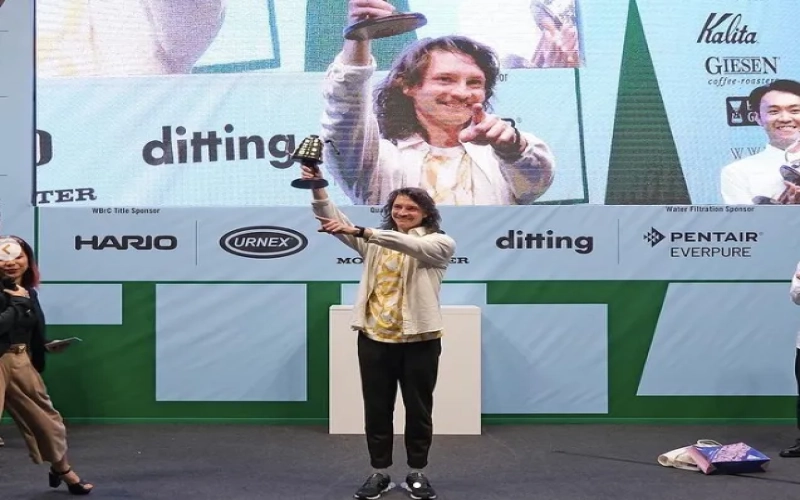
At the 2021 WBrC World Coffee Brewing Championship, champion Matt won with a blend rather than Geisha, sparking widespread attention. His recipe consisted of 60% naturally processed Eugenioides and 40% washed Catuai; the former provides extremely high sweetness, while the latter brings clear acidity. In brewing, he used a metal V60 dripper, a 1:15 coffee-to-water ratio, five-pour pouring, and innovatively controlled the water temperature in two stages: 93°C and 88°C. Through video analysis, Front Street Coffee found that his pouring ratio closely resembles Tetsu Kasuya's 4:6 brewing method. This article provides a complete analysis of this competition regimen, which balances sweetness and complexity and offers extremely high compatibility, for coffee enthusiasts to reference and learn from. [more…]
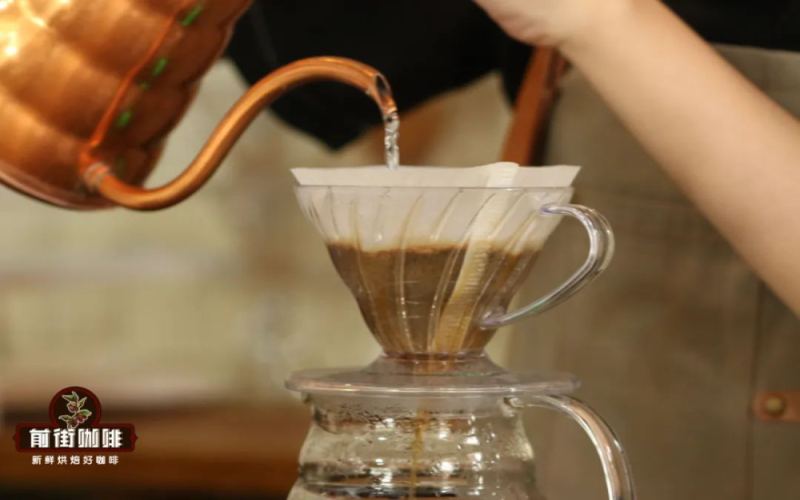
How to Control the Extraction Time of Pour-Over Coffee? Causes of Slow Drip and Practical Solutions
The extraction time of pour-over coffee is not an isolated number; it has a positive correlation with the extraction yield. When the extraction yield falls within the generally accepted ideal range of 18% to 22%, the coffee flavor usually performs better, and when this range is projected onto the time axis, it forms an optimal time range tied to a specific brewing recipe. Front Street Coffee uses the example of a light roast with 15 grams of grounds, a 1:15 ratio, 91°C, an 80% pass rate through a No. 20 sieve, and a three-stage pour, giving a reference range of 1 minute 50 seconds to 2 minutes 10 seconds. However, many enthusiasts find that even with identical parameters, the actual drip time may still be longer. This is often related to factors such as the grinder's particle size distribution and pouring habits. This article will break down these variables one by one and introduce the 4-6 brewing method, which uses time itself as a control lever, to help readers master the rhythm of pour-over more calmly. [more…]
Sharing the Five Major Pour-Over Coffee Techniques | Does the Pouring Technique Affect Coffee Extraction? Flavor Comparison and Differences of Pour-Over Coffee Using the Three-Stage Volcano Pour Stirring Method
Compared to other single-origin coffees, pour-over coffee has a great many brewing methods. For example: one-pour, three-stage, volcano pour, variable-temperature brewing, stirring, and so on. Today let's get to know some of the brewing methods that commonly appear in pour-over coffee~ 1. One-pour The one-pour method and the single-pour method are still [more…]
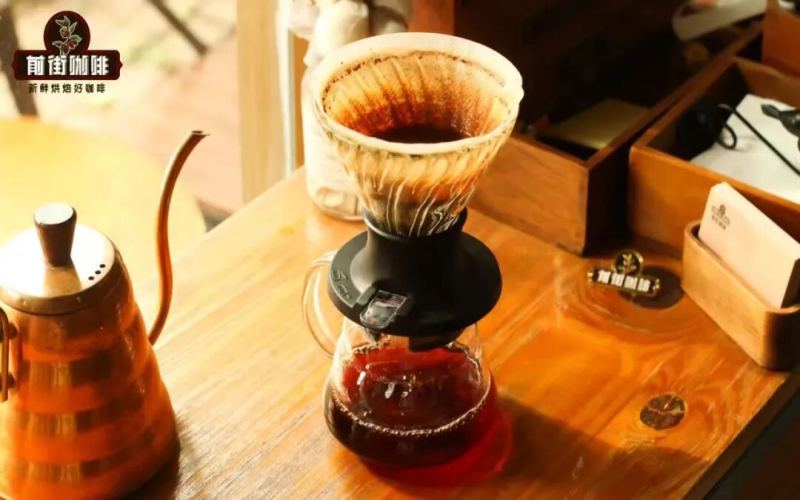
Pour-Over Coffee Brewing | What Is World Champion Tetsu Kasuya's Hybrid Brewing Method? How Can Coffee Beginners Use the Hybrid Brewing Method to Make Pour-Over Coffee?
"Absolutely delicious!" That's how Mr. Tetsu Kasuya introduced the coffee brewed with his improved hybrid brewing method at the beginning of one of his earlier videos. (Call me the screenshot master.) Front Street believes everyone is already familiar with Tetsu Kasuya. He is not only the champion of the 2016 World Brewers Cup, but also [more…]
Why Does Front Street Coffee Stick with the Three-Pour Hand Brew? A Comprehensive Analysis of Its Pros and Cons Versus Single-Pour and Other Pouring Methods
Pour-over coffee brewing methods are endless: one-pour, 4:6, volcano, Kono style… Each method has its own unique expressiveness, bringing out different flavor emphases in coffee. Yet Front Street Coffee has always focused on three-stage brewing, which makes many coffee lovers curious: why not try other methods? This article starts from practical application, analyzes the fundamental reasons Front Street chose the three-stage method, and compares the advantages and differences between three-stage and pouring techniques such as the one-pour method, while retaining relevant product and store information for the Front Street brand, providing coffee lovers with a clear theoretical reference. [more…]
From Sugarcane Fields to Coffee Cups: A Front Street Coffee Pour-Over Guide to Washed Cajamarca from Peru's La Capia Region
This is already the third Peruvian single-origin bean Front Street has featured recently. La Capia is located in the Cajamarca region of Peru; six or seven years ago it was still a sugarcane field. As demand for sugarcane declined, farmers planted their first coffee trees in small experimental plots, and unexpectedly discovered that the high altitude and abundant rainfall created a microclimate ideally suited to coffee growing. Since then, six smallholder farmers have worked together, letting coffee flourish alongside native vegetation—and that is how this Front Street Peruvian washed Cajamarca came to be: 1,550 to 1,900 meters above sea level, a mix of Bourbon, Caturra, and Typica, washed processing, offering citric acidity, a rounded mouthfeel like milk chocolate, and a sweet yellow-sugar finish. At the end of the article are three tested brewing recipes for Chemex, V60, and Kalita Wave, for pour-over enthusiasts to reference and replicate. [more…]
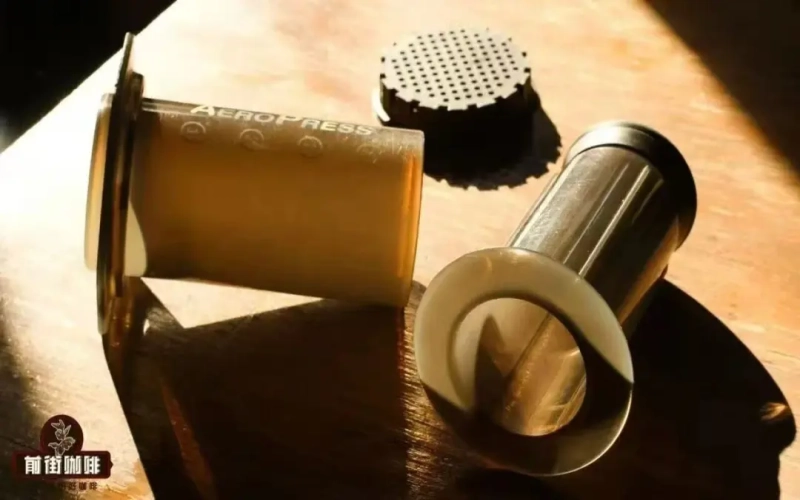
AeroPress Coffee Brewing Guide: Grind Size, Water Temperature, and Coffee-to-Water Ratio Parameters, Plus Tetsu Kasuya's Champion-Level Universal Brewing Recipe
The AeroPress, with its极高 playability, attracts many coffee enthusiasts to get involved, and the official organization even holds专属 competitions every year to see who is the best at "playing" with it. In this article, Front Street is going to share a universal extraction recipe from an AeroPress champion—this champion is none other than粕谷哲, the 2016 World Coffee Championship winner and inventor of the famous 4:6 method. This recipe adopts a high-concentration, low-extraction approach, using a large dose of coffee to extract a small amount of highly concentrated coffee liquid in a short time, then diluting it with water or ice to make a hot or iced drink. Using an Ethiopian Hamashu light-to-medium roast floral and fruity bean as an example, Front Street records in detail the dose, grind size, water temperature, extraction time, and inverted pressure operation steps, and also provides by-pass dilution suggestions and flavor tasting references. Friends who have an AeroPress at home should definitely give it a try. [more…]