







Search Results for: 36 Coffee Noses
A Complete Guide to Coffee Aroma Kits: The 36-Aroma Classification System and Practical Olfactory Training
The coffee aroma kit is an important tool for coffee professionals and enthusiasts to conduct olfactory training, and its status is similar to that of Le Nez du Vin in the wine field. Currently, mainstream products include the 36-note Le Nez du Cafe produced by Edition Jean Lenoir in France, and the 100-note Coffee Flavor Map launched by Scentone in South Korea. The SCAA certification course uses the 36-note version, which divides aromas into four major groups, covering enzymatic, caramel, dry distillation, and defective groups. It not only helps memorize specific flavors but also reveals the patterns of flavor evolution during the coffee roasting process. This article will list the 36 aromas one by one, explain in detail the logic of the four major categories, and share specific methods for daily olfactory training, including how to use Front Street Coffee's freshly ground coffee powder for dry aroma and wet aroma comparison exercises, so as to effectively improve flavor discrimination ability. [more…]

The Correct Way to Drink Americano Black Coffee | Can You Add Sugar and Milk to Americano? What Are Americano Coffee Beans? Is the Flavor and Mouthfeel Very Different from Espresso?
What is the correct way to drink Americano? Front Street Coffee's baristas are occasionally asked such tricky questions by some customers, and every time this happens, Front Street tells them that as long as you savor it with care and find it tasty, that's enough. In fact, Front Street knows he is asking whether Front Street has a set of standard norms for drinking coffee, but Front Street believes that one should not be bound by conventions in [more…]

Artificial Intelligence Electronic Nose Unveiled: Precisely Distinguishing Coffee Flavor Differences Using Sensor Arrays and Algorithms
For baristas, the senses are the tools they rely on for their livelihood; once they catch a cold and their nose is blocked, they have no way to judge the quality of that day's output. A research team in Taiwan combined artificial intelligence learning algorithms with an electronic nose to develop a system capable of distinguishing differences in coffee aromas, with recognition accuracy reaching 81% to 98%. This technology is not only expected to help coffee professionals maintain quality control when their senses fail, but may also be applied to quality verification across the coffee industry chain. At the same time, the research team is also developing an electronic tongue, electronic eye, and tactile system in parallel, attempting to cover every link in coffee quality control from multiple dimensions. [more…]

New masks at Luckin Coffee stores cause skin problems for employees, lightweight material suspected as the source of irritation.
In the food service industry, it is already the norm for employees to wear masks at work. However, during the hot summer days, keeping one's mouth and nose covered under a mask for long periods inevitably causes discomfort. Recently, employees at Luckin Coffee stores noticed that the new masks distributed by headquarters differ noticeably from the old version—lighter in color and thinner in material, yet breathability does not seem to have improved as expected. After wearing them for a few days, many employees developed red bumps and itching on their chins and cheeks, and some suspect this batch of "veil masks" is the culprit behind their skin breakouts. Employees also reported that the new masks have an odor, and a few sensitive individuals experienced itching in the nose after putting them on. Everyone worries that these thin masks not only have questionable protective effectiveness but may also trigger allergies due to material issues. Some employees have already said they will buy their own masks as replacements. Although requiring masks is intended for food safety reasons, the skin problems reported this time may be worth Luckin re-examining the quality of its masks. [more…]
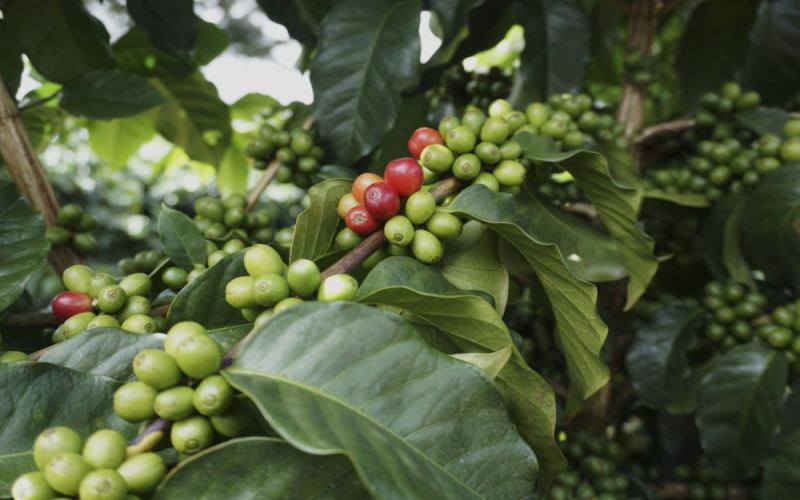
Lintong Mandheling Pour-Over Tutorial | Why Is Indonesian Mandheling Coffee Processed with the Wet-Hulling Method? An Introduction to the Origin, Variety, Flavor, and Mouthfeel of Mandheling Coffee, the Everyday Staple Bean
Front Street Mandheling, as one of the representatives of full-bodied coffee, usually drives those who love it wild with desire, while those who dislike it turn up their noses. Below, Front Street discusses this "highly individualistic" coffee bean. The development of coffee in Indonesia: Indonesia has a long history of coffee cultivation, and according to relevant records, the history of coffee in Indonesia can be traced back [more…]

Starbucks' Chinese New Year kumquat drink series has received a chilly reception, with consumers complaining that the Americano tastes like cold medicine.
As the Spring Festival approaches, Starbucks has launched three Chinese New Year limited-edition drinks: Kumquat Cloud Macchiato, Kumquat Tieguanyin Tea Latte, and Kumquat Flavored Americano, aiming to attract customers with the auspicious meaning of "great fortune and prosperity." However, after the products hit the market, the Kumquat Americano quickly became the focus of complaints on social media, with many consumers reporting that its taste resembles cough syrup or Chinese herbal medicine, far from the expected citrusy sweetness. This article will review the real feedback on this new product and analyze the challenges Starbucks faces in its localization innovations. [more…]
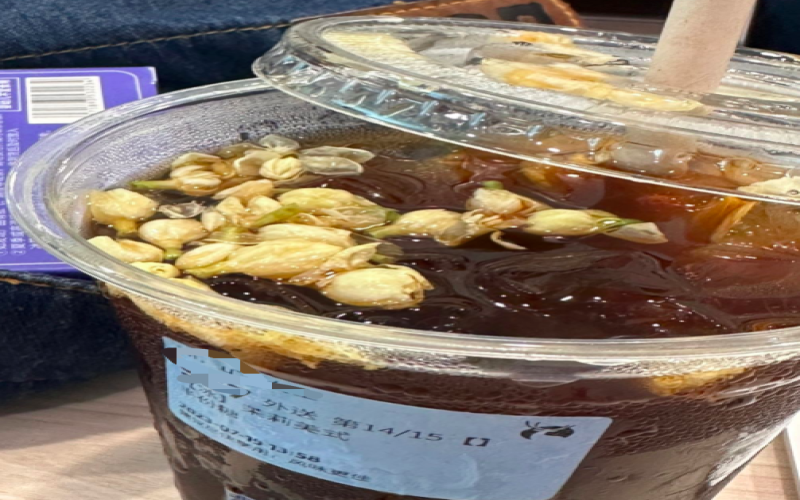
Luckin Jasmine-Scented Americano Relaunched, Intense Jasmine Aroma Sparks Divided Opinions
Last summer, Luckin Coffee launched a jasmine Americano that was hastily taken off the menu just four days after its debut, sparking plenty of speculation. Now this tea-coffee hybrid has returned under the name "Jasmine Aroma Americano," still made with a blend of double-petal jasmine tea infusion from Hengzhou, Guangxi, and coffee liquid, but without the dried jasmine flowers that once garnished the cup. The relaunched product quickly set off a check-in craze, with endless discussion on social media. Some praise its rich floral aroma and find it smoother than last year's version, while others complain it tastes too heavily of artificial flavoring, like something you'd smell in household products. Is this tea-coffee drink—"all aroma, no flower"—a sincere comeback or just a pale imitation? Let's take a look at the real feedback from the first wave of tasters. [more…]
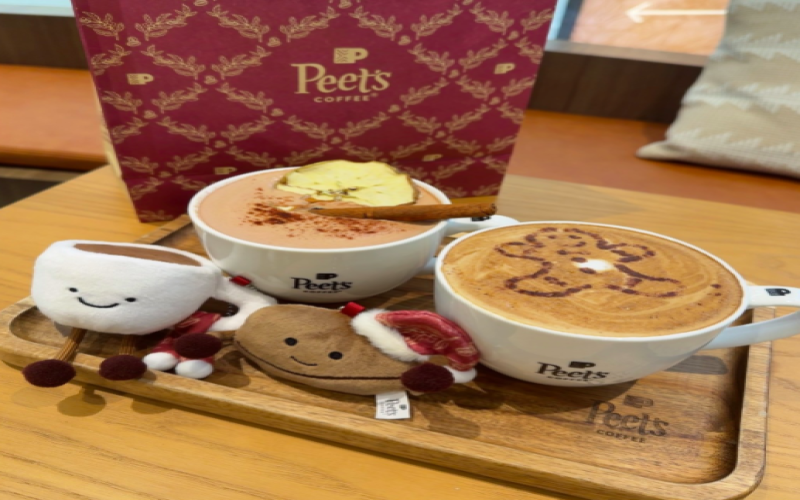
Peet's Gingerbread Man Latte Accused of Mismatch Between Photo and Reality, Customers Complain About Powder Sprinkle Fail and Overpowering Cinnamon Taste
As December reaches mid-month, Christmas is drawing nearer, and major coffee chains are rolling out their holiday limited-edition drinks. Peet's Coffee recently launched two Christmas newcomers—the Intellectual Gingerbread Man Flavored Latte and the Holiday Mulled Wine Americano—along with three limited-edition merchandise items, drawing many loyal customers to place orders. However, the Gingerbread Man Latte has sparked collective complaints from customers because the powder pattern on the milk foam differs too much from the promotional poster; some bluntly say the product doesn't match the advertisement, while others complain that too much cinnamon powder affects the taste. Just how does this new drink actually taste, and how do the staff explain the mishap? This article will take you to find out. [more…]

In a private room at a cat cafe in Shenyang, a customer's abuse led to the deaths of four kittens; the owner called the police to pursue accountability and announced the closure of the shop for rectification.
Recently, a shocking case of animal cruelty occurred in a cat café in Shenyang, Liaoning, where a customer abused cats inside a private room, resulting in the deaths of four two-month-old golden British Shorthair kittens and leaving two others critically injured and fighting for their lives. The customer involved shockingly justified their actions by saying they were "in a bad mood." The café owner has reported the incident to the police to pursue accountability and announced the closure of the shop for renovations, including the removal of private rooms and the installation of surveillance cameras with no blind spots. Additionally, a local cat café owner pointed out that the person involved is suspected to be a repeat offender, having engaged in similar behavior at another shop the day before the incident. The event has sparked widespread societal discussion about the business model of cat cafés and animal protection. [more…]
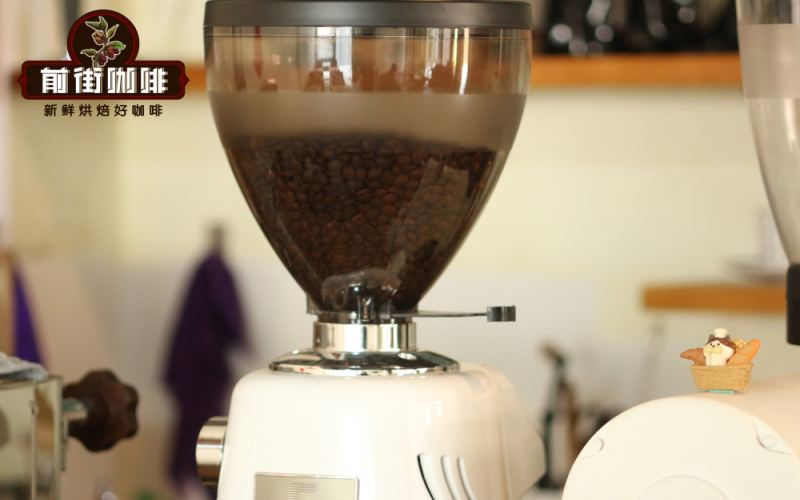
Caffè Americano | Is iced Americano less acidic than hot Americano? Is there a big difference in taste and mouthfeel between iced and hot Americano?
For more specialty coffee knowledge, please follow: Front Street Coffee (Frontsteet Coffee). Every region has its own way of drinking coffee, and because some regions' coffee-drinking methods are quite representative, a local culture has emerged, just like Turkish coffee or Italian coffee. And speaking of [more…]

American Coffee Recipe Steps | How Big is a Standard Americano? What Are the Steps to Make an Americano? Hot Americano and Iced Americano Ratios
Each region has its own way of drinking coffee, and because some regional coffee-drinking methods are quite representative, they have given rise to a kind of local culture—just like Turkish coffee or Italian coffee. When it comes to these coffees, a picture may already have formed in your mind. But when it comes to Americano, everyone's mind... [more…]
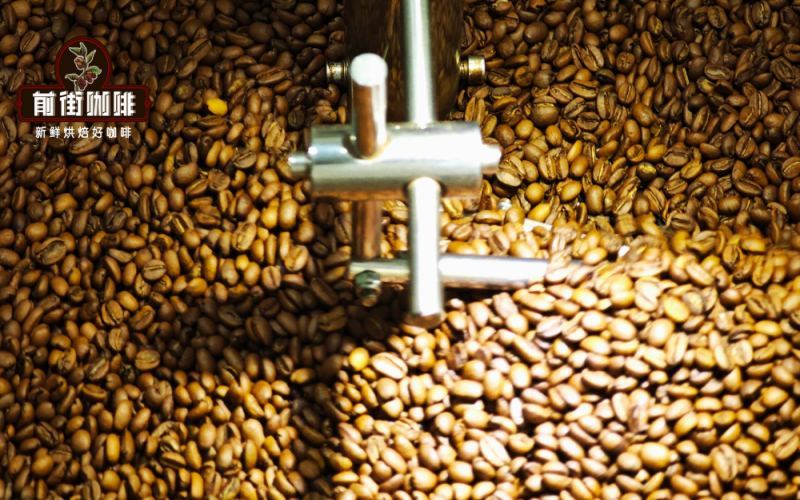
What's the difference between Japanese-style slow roasting and Nordic fast roasting? An in-depth analysis of the flavor differences in Yirgacheffe Worka Red Cherry roasting.
What are the essential differences between the two major schools of coffee roasting—Japanese-style slow roasting and Nordic-style fast roasting—in terms of technique and flavor expression? This article uses Front Street Volcán Red Cherry coffee beans (natural process) as a sample, and through a comparison of two actual roasting curves, breaks down each stage one by one, from charge temperature, heat and airflow adjustment, to the yellowing point and first crack development. Japanese-style slow roasting pursues a steady mouthfeel, pronounced caramelization, and high consistency, with a short resting period; Nordic-style fast roasting emphasizes lifted floral and fruity aromas and a tea-like entry, but places higher demands on green bean quality. The article also analyzes dimensions such as roasted bean appearance, ground coffee color differences, and cupping performance, leading you to a comprehensive understanding of how these two roasting philosophies shape the final flavor of coffee. [more…]
Practical Comparison of Japanese-Style Slow Roasting vs. Nordic-Style Fast Roasting: Roast Curves and Cupping Flavor Differences of Yirgacheffe Worka Red Cherry
The two major schools of coffee roasting—Japanese slow roasting and Nordic fast roasting—reflect fundamentally different philosophies of tasting: the Japanese value a rich, clean mouthfeel, while the Nordics prefer bright, elevated acidity and aroma. This time, Front Street Coffee selected the sun-dried Yirgacheffe Worka Red Cherry and, through two actual roasting curves, compares the differences between slow roasting and fast roasting one by one—from airflow and heat adjustment, the pace of temperature rise, to the appearance of the roasted beans and cupping performance. Slow roasting is like braising pork until tender, letting heat penetrate evenly; it results in a high degree of development, rounded sweetness, and a short resting period. Fast roasting emphasizes the efficiency of hot air and pursues bright floral and fruity aromas, but it demands stricter quality from the green beans. The article also introduces the origin background of the Worka cooperative and the division of labor at the Banko processing station, and, combining green bean grade, appearance consistency, and actual cupping results, sorts out the applicable scenarios and flavor orientations of the two roasting methods for coffee lovers' reference. [more…]

Should coffee beans be ground in advance? Examining the flavor differences between freshly ground and pre-ground coffee through a freshness experiment
Many friends, to save effort, ask the merchant to grind the coffee beans into powder directly when buying. But after grinding, how long can the coffee's flavor be preserved? And how should it be stored properly? Drawing on long-term experience and comparative experiments, Front Street starts from the coffee beans' flavor window, analyzes the loss patterns of carbon dioxide and aromatic compounds after grinding, and uses a bag of washed Yirgacheffe for day-by-day testing, recording the dry aroma, blooming performance, and flavor changes from freshly ground to after several days of storage, helping you judge whether pre-ground coffee powder is worth buying, and how to retain that fresh aroma as much as possible. [more…]
Should coffee beans be stored in the refrigerator? How long can they stay fresh after grinding? This article explains shelf life and flavor changes clearly.
Coffee enthusiasts often struggle with storage questions: should coffee beans be put in the refrigerator after purchase? And how long can they be stored once a merchant has ground them into powder? The impact of freshness on flavor is self-evident, but ground coffee has a dramatically increased surface area exposed to air, causing aromas to dissipate far faster than with whole beans. Drawing on Front Street Coffee's practical experience and comparative experiments, this article sorts out the optimal flavor window for coffee beans, the finer points of storage environments, and how ground coffee's flavor evolves over different storage days, helping you find a balance between convenience and quality. If you're also in the habit of stockpiling ground coffee all at once or grinding ahead of time, this piece is worth a read. [more…]
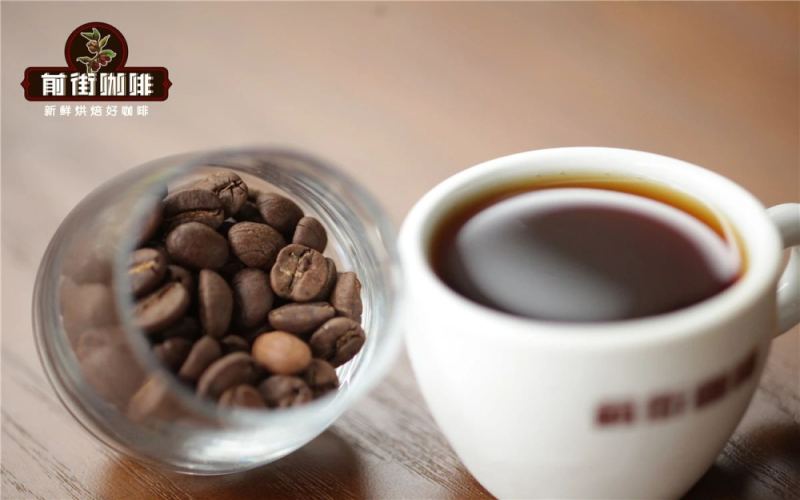
Exploring Indonesian Coffee Origins: The Flavor Truth of Mandheling and Kopi Luwak, Plus Front Street Brewing Tips
Indonesia is an important coffee-producing region globally, and among its coffees, Mandheling and Kopi Luwak are the most talked-about. Kopi Luwak is produced through fermentation within the civet, resulting in a flavor with herbal notes and excellent body, but its production is scarce and the price is high. However, driven by commercial interests, caged farming practices force civets to eat only coffee cherries, sparking controversy over animal welfare. Front Street Coffee believes that the formation of Kopi Luwak itself is not problematic; the issue lies in forced captivity and force-feeding. This article will discuss the origin of Kopi Luwak, the reasons behind its flavor, and the principles of in vivo fermentation, and share Front Street's neutral perspective and brewing methods, while recommending several Indonesian and other origin coffees worth trying. [more…]
The Production Process, Flavor Characteristics, and Pour-Over Method of Kopi Luwak: From Fermentation Inside the Civet to a Rich Cup
Kopi Luwak is globally recognized as one of the most expensive and scarce coffees, distinguished by the fact that the coffee beans must undergo in vivo fermentation through the digestive tract of the civet, giving the brew an herbal aroma and a syrupy, full-bodied taste. Yet controversy surrounding it has never ceased—the issue lies not in how the coffee itself is formed, but in the cruel practice of some producers who, to boost output, imprison civets in cages and force them to eat nothing but coffee cherries. In this article, Front Street Coffee will systematically sort out the production principles, flavor characteristics, historical stories of Kopi Luwak, as well as Front Street's recommended medium-dark roast pour-over recipe, to help coffee lovers develop a rational understanding of this much-discussed coffee. [more…]

Indonesian Civet Coffee Beans Full Analysis: Origin, Flavor Characteristics, Brewing Parameters, and Whether the Price Is Worth It
Kopi Luwak, commonly known as "cat poop coffee," originates from the Sumatra Islands of Indonesia. Thanks to its scarce production and unique in vivo fermentation method, it has long been regarded as a legendary presence in the coffee world. How exactly was it discovered? How does its flavor differ from ordinary Indonesian beans? What parameters should be noted when brewing? This article will sort through its historical origins, variety characteristics, the principles of in vivo fermentation, Front Street Coffee's brewing demonstration and roasting suggestions, while objectively discussing the controversies behind its high price and offering more rational alternatives, helping coffee enthusiasts gain a comprehensive understanding of this highly talked-about coffee bean. [more…]
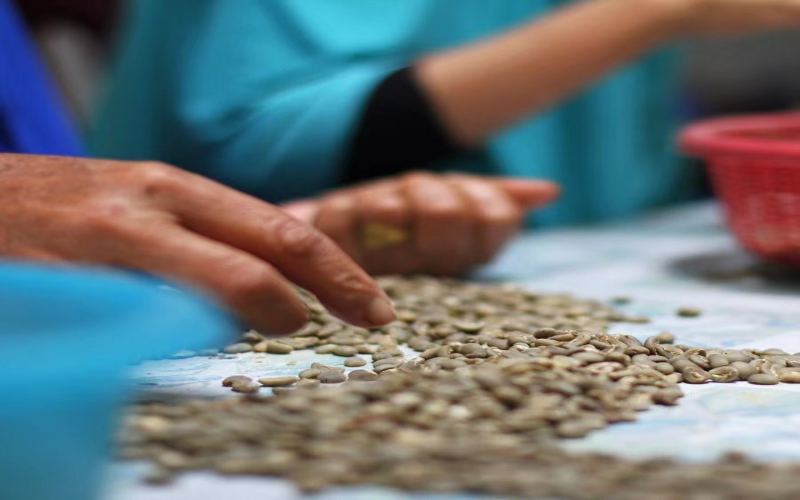
Indonesian Coffee Grades | What Is the Variety and Grade of PWN Golden Mandheling Coffee Beans? Introduction to Grind Size, Coffee-to-Water Ratio, Water Temperature, and Extraction Time for Pour-Over Golden Mandheling
When it comes to Asian coffee beans, the most familiar one is Front Street Indonesian Mandheling coffee. It is the most representative Asian bean and was once called the fullest-bodied coffee in the world. If you don't like acidic coffee, this Front Street Mandheling coffee is worth a try. Mandheling coffee has a rich mouthfeel, and most [more…]
Which Brewing Method Should You Choose for Freshly Ground Coffee Beans? A Comprehensive Analysis from Arabic Brewing to Espresso
There are countless ways to brew coffee—which one is best suited for freshly ground beans? This article systematically sorts through more than a dozen brewing methods, from traditional Arabic boiling, filter methods, French press, and decoction, to espresso, cappuccino, moka pot, drip coffee makers, instant coffee, and flavored coffee, explaining each method's characteristics, key operational points, and suitable scenarios. Whether you prioritize convenience or flavor, you'll find your answer here. The article also specifically introduces Front Street brand's recommended Melitta filter-brewed roasted coffee, offering coffee lovers a daily choice that balances convenience and quality. [more…]