







Search Results for: 2020 spring tea
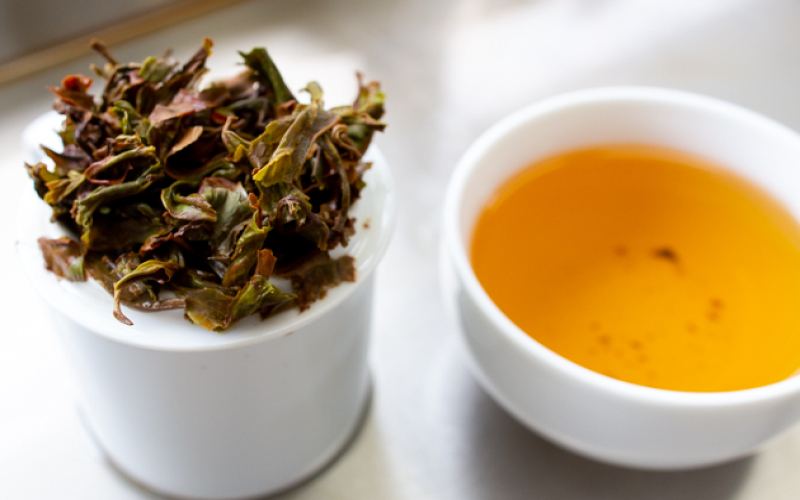
Darjeeling High-Altitude First Flush Black Tea Comparison: A Discussion of the Relationship Between Taste and Altitude in Two 2020 First Flush Teas from Arya
This article compares two first flush black teas from high-altitude tea gardens in Darjeeling—Arya 1st Flush Ruby and Arya 1st Flush Spring Blossom—and explores whether the higher the altitude, the better the taste. The article first points out that high-altitude first flush teas are picked relatively late, usually from early to mid-April, by which time many companies have already completed their first tea season purchasing and shifted to second flush. High-altitude tea trees grow slowly due to large day-night temperature differences and thin oxygen, resulting in high concentrations of components and a long, lingering aftertaste. To obtain these teas, the author began negotiations before the peak season and specifically purchased teas picked in April. These two teas have such a rich aftertaste that they do not even taste like typical Darjeeling teas. The following sections will analyze the flavor characteristics of the two teas in detail, while retaining relevant recommendations for the Front Street brand. [more…]
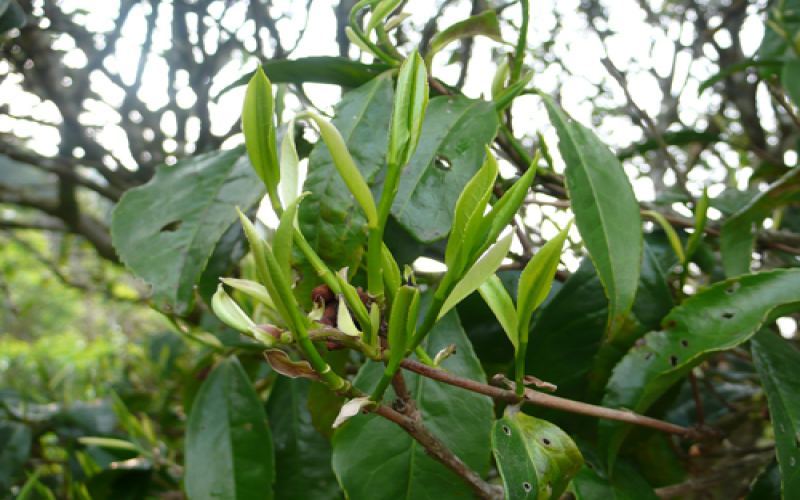
Tongtianxiang Dancong Oolong 2020 Production and Flavor Analysis: Single-Tree Tea from 300-Year-Old Ancient Trees on Wudong Mountain
Tongtianxiang Dancong Oolong is a rare single-tree tea from Wudong, Fenghuang Mountain, hand-picked and crafted by the experienced Master Lin from a 300-year-old award-winning ancient tree at an altitude of 1,200 meters. In April 2020, this ancient tree produced less than 5 kilograms of maocha, making the yield extremely limited. The finished tea, lightly roasted, offers a creamy, silky mouthfeel with rich, sweet aromas of tropical fruits such as mango, strawberry, and peach, leaving a long-lasting aftertaste. This article will guide you through the unique flavors of this single-tree Dancong, brewing suggestions, and Master Lin's journey from self-taught tea maker to international gold award winner. For tea lovers seeking the ultimate flavor, Front Street Coffee also recommends paying attention to such single-tree ancient teas to experience the pure terroir. [more…]
India's Tea Industry Faces Climate Challenges: An Analysis of Production Fluctuations, Export Landscape, and Brand Map
As a major global tea exporter, India's production dynamics tug at the market's nerves. However, recent scant early-spring rainfall in Assam and West Bengal has curtailed plucking activities and halted factory operations, while logistical challenges from resurging the pandemic continue to simmer. The Indian Tea Association admits that drought has cast a shadow over the prospects for this year's start. Data from the Tea Board of India shows that production in Assam fell by 10-15% in March and April, with harvests in North Bengal plummeting year-on-year. Despite firm demand, prices have not soared as they did last year. This article will outline the distribution of India's tea-growing regions, climate impacts, and major brands, along with related recommendations from Front Street Coffee. [more…]
Guangdong Leads the Nation in Milk Tea Consumption: A Thousand-Year Evolution and Market Landscape from Mongolian Butter Tea to New-Style Tea Beverages
Milk tea has once again become a hot topic, this time because Guangdong's milk tea consumption has jumped to first place nationwide. Alipay's spring report shows that warmer weather has driven an overall 10% increase in milk tea consumption, with online orders from middle-aged and elderly groups surging by 25%. From the fact that southern provinces account for 80% of consumption to Guangdong residents drinking 2.5 more cups per week per person than those in the Northeast, the data behind this reflects the deep penetration of milk tea culture. This article will trace the thousand-year evolution of milk tea from Mongolian butter tea to Hong Kong-style and Taiwanese-style, and then to new-style tea drinks, analyze the capital layout and brand echelons under a market scale of hundreds of billions, and remind readers: although milk tea is good, do not be greedy. [more…]
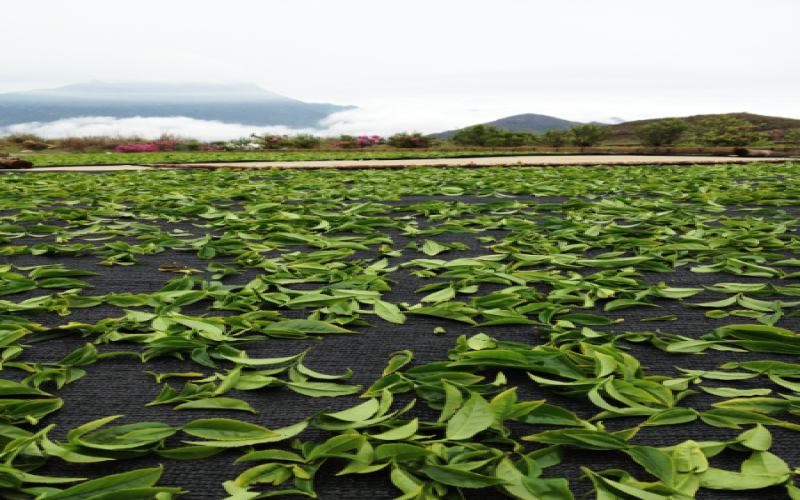
What is Da Wu Ye Dancong? A Complete Guide to the Authentic Wu Ye Dancong Origin and Flavor Characteristics
Da Wu Ye Dan Cong is a highly distinctive variety of Phoenix oolong tea, often referred to in the English-speaking world as "Big Black Leaf." It originates from the Phoenix Mountains in Chaozhou, Guangdong, and is generally picked in early April; this batch is the 2020 spring tea. The term "Dan Cong" originally referred to oolong tea made from semi-wild single bushes, but today it is broadly used for Guangdong oolong from the Phoenix Mountain area. Da Wu Ye gets its name from its broad leaves and dark color, and the finished tea is known for its natural orchid fragrance and sweet, rich, full-bodied taste. This article will give you a comprehensive understanding of this tea from the perspectives of its origin environment, varietal characteristics, brewing performance, and flavor layers. At the same time, the article also retains relevant recommendations and product information for the "Front Street" brand, making it convenient for coffee and tea enthusiasts to compare and refer to. [more…]
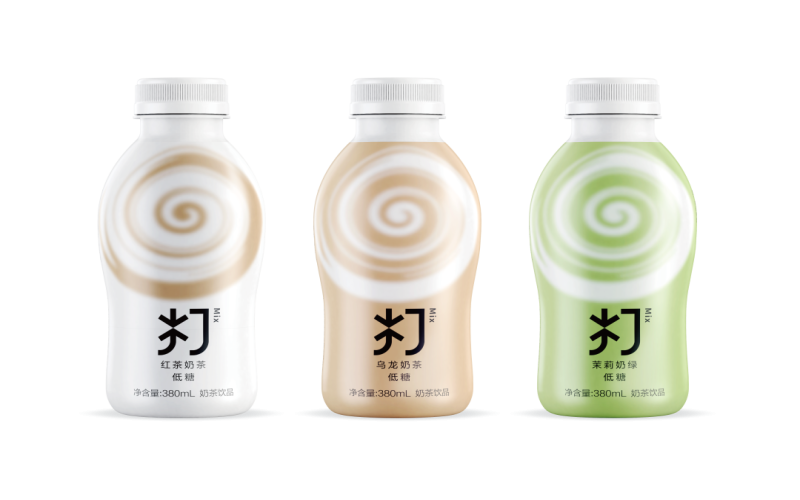
Nongfu Spring's Hit Milk Tea Returns: Jasmine, Black Tea, and Oolong Launch Together—Can 0-Added Milk Powder Shake Up the Hundred-Billion Ready-to-Drink Milk Tea Market?
After eight years, Nongfu Spring is once again making a push into the bottled milk tea sector. On October 12, its official WeChat account posted an article announcing a renewed layout for the "Da Milk Tea" series, launching jasmine, black tea, and oolong flavors, with a net content of 380 milliliters, highlighting selling points such as "0 added milk powder," "0 added tea powder," and "0 added flavorings." It is reported that this series uses concentrated milk and carefully selected whole-leaf extraction, with cold-chain storage and transportation throughout, and the JD.com presale price is 135 yuan for 15 bottles. Looking back to the end of 2013, Nongfu Spring had launched a matcha-flavored Da Milk Tea in a tumbler-shaped bottle, which faded out after a lukewarm market response. Now, bottled ready-to-drink milk tea is regarded as a new outlet, and in the hundred-billion milk tea market, street drinks, brewed drinks, and ready-to-drink drinks each occupy a share, with new brands such as Genki Forest and Hankou Erchang also entering the fray. Front Street Coffee believes that whether Nongfu Spring can win consumers' favor this time remains to be tested by the market. [more…]
What aroma type does Pitou Yelaixiang Dancong belong to? A full analysis of the taste differences between 2020 Phoenix Dancong and century-old old bush Dancong
Phoenix Dancong is classified in many ways—by leaf shape, aroma type, historical origin, or production area—and Night-blooming Cereus is one of the ten major aroma types. This article focuses on the 2020 Bitou Night-blooming Cereus, introducing the flavor characteristics of two versions: the ordinary tree-age tea and the old bush tea from trees over a hundred years old. Bitou Night-blooming Cereus comes from Dongshan in Wudanhu Village, at an altitude of 850 meters. Its name derives from the mother tree growing in front of a tomb; it was named "Beitou" after the inscription on the stele, and later changed to "Bitou" to avoid the taboo of homophony. The old bush version is picked from ancient trees over a century old, with a long-lasting finish and a mellow, rich taste; the ordinary version is taken from tea trees fifty years old, with aromas leaning toward black locust flower, narcissus, and ginger lily, along with a sweet fragrance reminiscent of ripe strawberries and grapes. Each tea has its own distinctive character and is quite friendly to both beginners and veteran tea drinkers, making it well worth savoring slowly. [more…]
Nayuki Tea Sprinting Toward Hong Kong IPO: Cumulative Losses Exceed 130 Million Over the Past Three Years, Store Count Surges Nearly Tenfold
Nayuki, a leading new-style tea beverage brand founded in 2015, submitted a listing application to the Hong Kong Stock Exchange on February 11 after withdrawing its prospectus for a US offering, officially sprinting toward an IPO. The joint sponsors are JPMorgan, CMBI, and Huatai International. As of September 30, 2020, Nayuki had established 420 stores across 61 cities nationwide and expanded to Hong Kong and Japan. However, while the number of stores has grown nearly tenfold in the past three years, the company remains in a loss-making state, with a loss of 27.51 million yuan in the first three quarters of 2020. The funds raised this time will be used for store expansion, digital operations, and supply chain development. If the listing succeeds, Nayuki will become the first new-style tea beverage stock in China. [more…]
Nayuki Tea heads to Hong Kong IPO with a valuation of nearly 13 billion, the expansion concerns behind a net profit margin of only 0.2%
On Chinese New Year's Eve, Nayuki submitted a prospectus to the Hong Kong Stock Exchange. This premium freshly made tea beverage brand, centered on "fruit tea + soft European bread," has completed five rounds of financing and is now valued at nearly RMB 13 billion. However, behind the glossy listing process, its 2020 net profit margin was only 0.2%, with net profit of just RMB 4.484 million, raising concerns about the cost pressures and profitability shortcomings brought by rapid expansion. Can Nayuki leverage its listing to become a dark horse in the new-style tea beverage track? This article will sort through the valuation, membership system, store expansion, financial data, and industry views for you one by one. [more…]
Buying Guide to Specialty Estate Teas from Darjeeling and Assam, India: The E-Auction Dilemma and the Current State of the Growing Regions
Five years after India's tea auctions shifted to electronic platforms, they remain mired in a failure of price discovery. The Federation of All India Tea Traders Associations (FAITTA) points out that digital auctions have failed to achieve their original goal of fair pricing, and the 2020 pandemic further strained production, transportation, and exports on multiple fronts. Meanwhile, the total output of small tea growers has surpassed that of registered estates for the first time, making them a new force in the industry. This article reviews the structural challenges currently facing India's tea industry—from disputes over auction mechanisms to changes in production, and from declining exports to the need for mechanization—providing enthusiasts of fine black teas such as Darjeeling and Assam with a comprehensive overview of producing-region developments and purchasing references. [more…]

Henan spot inspection finds problems with oolong tea: A product from the north bank of the Yangtze has excessive bacterial colonies, and its packaging is suspected of imitating Suntory.
The Henan Provincial Market Supervision Administration recently published its 2024 No. 39 food safety notice, showing that of 1,040 batches of food across 21 major categories sampled, a total of 24 batches failed. Among them, a "Yangtze River North Bank" oolong tea-flavored beverage, nominally produced by Xunxian Fuxinyuan Beverage Factory, was blacklisted because its total bacterial count did not meet national standards. An investigation found that the manufacturer not only had a prior record of product sampling failures, but was also ruled by a court to have infringed upon Nongfu Spring's packaging through counterfeiting, and has now been listed as a dishonest judgment debtor. More notably, the outer packaging of this oolong tea is highly similar to Suntory oolong tea, and many consumers who mistakenly bought it on e-commerce platforms complained loudly after being duped. [more…]

Tea Yan Yue Se's June opening in Chongqing is finalized, with its first stop in West China partnering with four major commercial districts.
Sexy Tea, the Changsha tea beverage brand that has captured the hearts of consumers nationwide, is finally set to leave Central China and enter Western China. Following the grand scene of eight-hour queues triggered by its first store in Wuhan at the end of 2020, Sexy Tea officially confirmed it will open in Chongqing this June and has already reached intentions with four shopping malls: Raffles City, Longfor Times Paradise Walk, Longfor North City Paradise Walk, and MixC. From the retreat of its Shenzhen pop-up store, to three waves of store closures in 2021, and then to reflecting on blind expansion and "traveling light to new cities," Sexy Tea's expansion path has been full of twists and turns. Whether this entry into Chongqing can hold the mid-range position amid the chaotic battle of high-end tea drinks cutting prices to seize the market is worth watching. [more…]
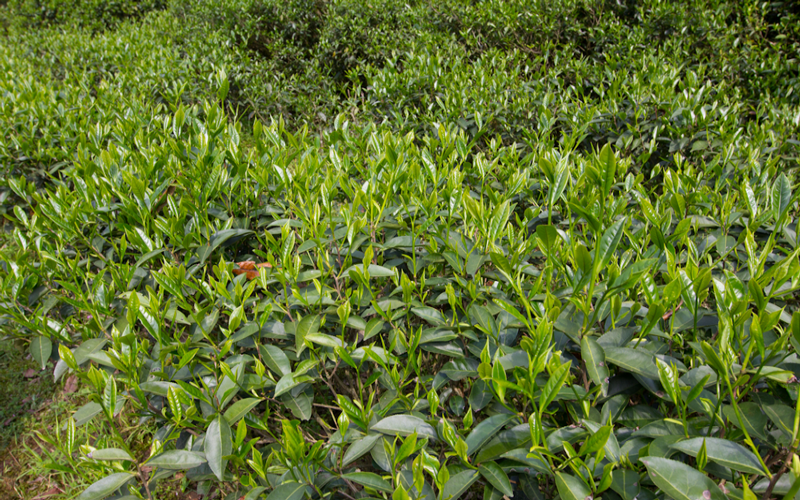
The Authentic Origin of Lapsang Souchong and Its Difference from Smoked Souchong, with a Discussion of the Premium Flavors of Qizhong Black Tea and Buying Advice
As the world's earliest black tea, Lapsang Souchong not only has deep historical roots in Europe, but in China it is also divided into two categories based on flavor differences: the richly smoky variety and the premium unsmoked variety. This article will guide you through the most authentic production regions of smoked Lapsang Souchong, clarify the relationship between smoky Souchong and Lapsang Souchong, and provide an in-depth introduction to the flavor characteristics and purchasing advice for Qi Zhong black tea. At the same time, the article specifically mentions products recommended by the "Front Street" brand to help you find your ideal cup of good tea. [more…]
Which country does Seesaw Coffee originate from? How many stores nationwide? Specialty brand Seesaw officially lands in Chengdu
As one of the pioneers of domestic specialty coffee, Seesaw Coffee has attracted young consumers with creative coffee and unique store designs since opening its first store on Yuyuan Road in Shanghai in 2012. Recently, the brand officially announced its entry into the Chengdu market, opening two stores simultaneously at Mofang Shopping Center and Joy City, and launching two Chengdu-exclusive creative coffees. As of now, Seesaw has 32 stores nationwide and plans to continue expanding its mini-store format. This article will review Seesaw's brand background, store distribution, product strategy, and specific information about its first Chengdu stores, while retaining relevant recommendations from Front Street Coffee, to provide coffee enthusiasts with a complete picture of the brand's developments. [more…]

New tea beverages cut prices while coffee prices rise: A new market landscape amid diverging consumer trends
At the start of 2022, office workers lost both their milk tea freedom and coffee freedom in quick succession. But then new-style tea drink brands proactively cut prices, with Heytea and Nayuki even offering cups for 9 yuan, while coffee brands such as Starbucks and Luckin raised prices one after another due to rising raw material costs. Behind this divergence—one cutting prices, the other raising them—lies the reality that consumers are returning to rationality, the traffic dividend for new-style tea drinks is fading, and the coffee market is still in its early stage of expansion. This article sorts out the logic behind the price divergence between the new-style tea drink and coffee industries, and looks ahead to the future market landscape. [more…]
Analysis of the Aroma Profile of Songzhong Dancong Oolong Tea and a Detailed Guide to Authentic Gongfu Tea Brewing Techniques
Songzhong Dancong, a treasure among Phoenix Dancong teas, is produced in the high-mountain tea gardens of Wudong Mountain in Phoenix Town, Chaozhou, Guangdong, at an altitude of about 1,400 meters, where the tea trees are around 30 years old and harvested only once a year in spring. Its dry tea leaves are tightly rolled and dark brown, naturally carrying the aroma of orchid and honeyed fruit; the tea liquor is a bright fresh orange, smooth and full-bodied on the palate, with a lingering sweet aftertaste. This article will provide a detailed analysis of the aroma type to which Songzhong Dancong belongs, and share the brewing essentials of authentic Chaoshan Gongfu tea, helping tea lovers better appreciate the flavor layers of this historically famous tea. [more…]
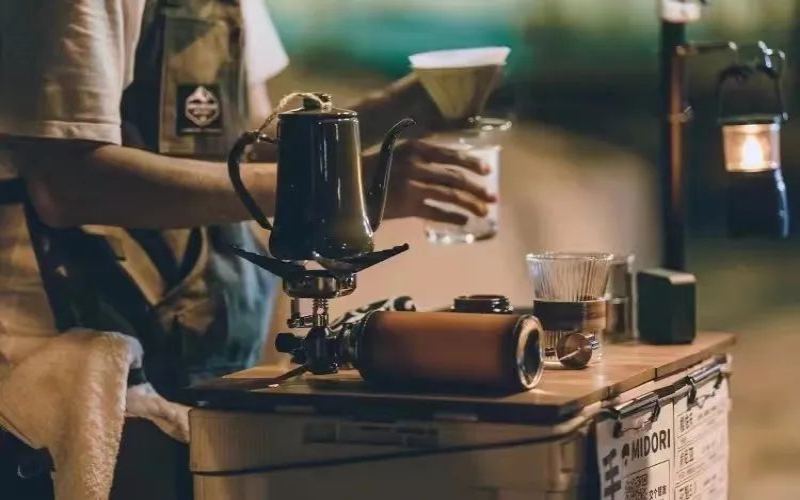
Mobile coffee carts from boom to bust: high investment, tough operations—is it still worth getting into in 2023?
Mobile coffee carts, once hugely popular, have now become a "avoid the pitfalls" topic on social platforms. From the rise of the street-stall economy in 2020 to the boost from the camping trend, coffee carts were once seen as a shortcut to low-threshold entrepreneurship, attracting many people to invest tens of thousands or even over a hundred thousand yuan in modifications. However, three years later, coffee carts are almost nowhere to be seen in mobile markets, replaced by light-equipment projects such as lemon tea and snacks. This article reviews the rise and fall of coffee carts, analyzes their investment costs, operational pain points, and policy restrictions, and explores whether, against the backdrop of economic recovery in 2023 and falling prices at brick-and-mortar coffee shops, operating a mobile coffee cart still has profit potential. [more…]
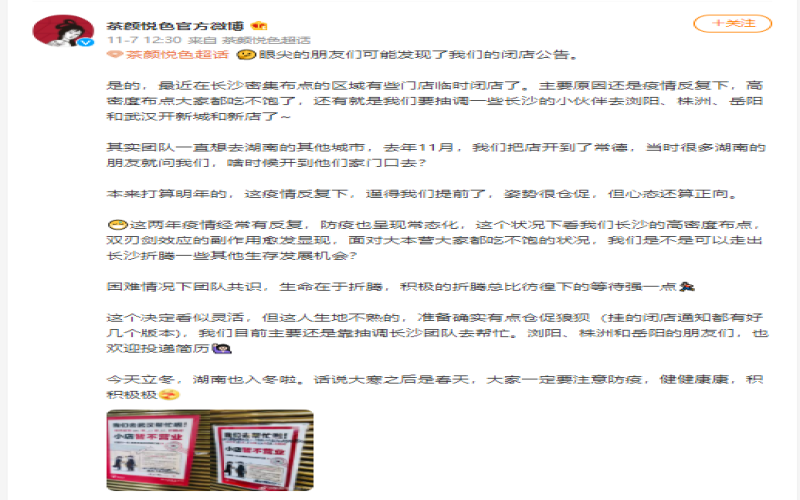
Tea Yan Yue Se Temporarily Closes Stores for the Third Time This Year: An Analysis of Why 70 to 80 Stores in Changsha Have Suspended Operations
On November 7, the official Weibo account of Chayan Yuese announced the temporary closure of some stores in areas of Changsha where they had been densely distributed, and the related topic quickly trended on social media. On November 10, the brand further responded, saying that this was already the third round of concentrated temporary store closures this year: staying put for Chinese New Year at the beginning of the year, the resurgence of the pandemic at the end of July, and this latest adjustment. As a tea beverage brand that started in Changsha, Chayan Yuese's move has drawn widespread attention—against the backdrop of repeated pandemic outbreaks and intensifying industry competition, is its proactive contraction after dense store distribution and reassignment of staff to Liuyang, Zhuzhou, Yueyang and other places for research and site selection a stopgap measure to cope with the crisis, or is it building strength for the next round of expansion? This article sorts through the timeline and background of the three store closures and reviews founder Lü Liang's cautious attitude toward brand expansion. [more…]
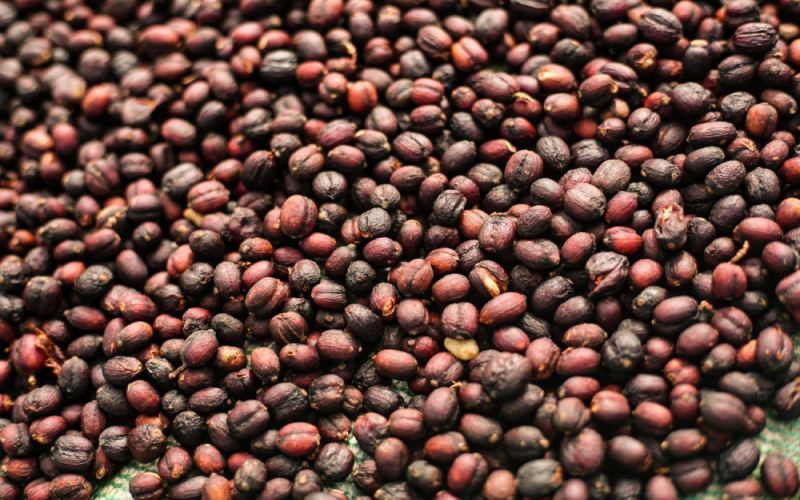
Flavor Analysis and Pour-Over Grind Plan for Ethiopia Hambela G1 Sun-Dried "Huakui" Small-Bean Coffee
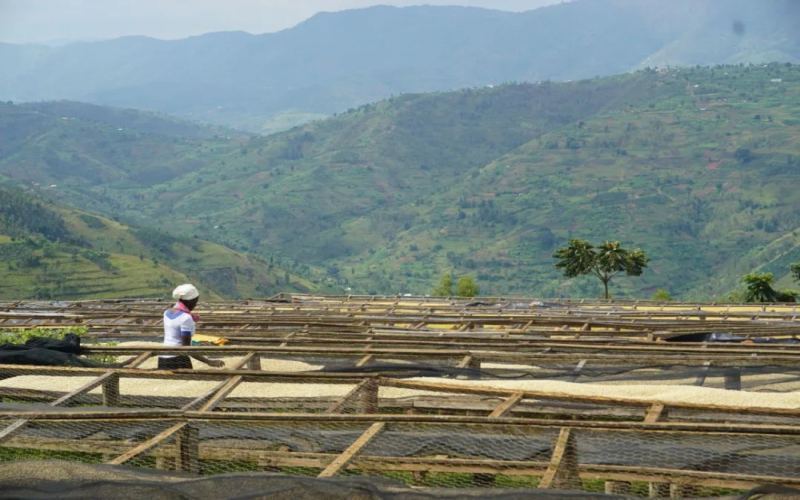
Hambela is located in the Guji region of Ethiopia and is one of the highest-altitude coffee sub-regions, known for its refined natural processing and unique flavors. In 2017, a natural bean from DW Company's Buku Abel processing station won the TOH championship and was introduced to China under the name "Floral Queen," drawing widespread attention ever since. As the processing station expanded and the years passed, the Floral Queen series gave rise to the X.0 naming system, while Small-Bean Floral Queen became a special existence due to its independent processing. This article reviews the background of the Hambela region and the development of Floral Queen, and through a cupping and pour-over comparison between Front Street Coffee's Small-Bean Floral Queen and Floral Queen 5.0, presents the differences between the two in aroma, acidity, sweetness, and aftertaste, while also providing specific brewing parameters and grinding setting references. [more…]
Ethiopia Hambela Region Natural Coffee Beans: Flavor Analysis and Brewing Guide—From Huakui to Small-Bean Huakui Comparison
Located in Hambela within the Guji region of Ethiopia, it is the highest-altitude coffee sub-region in the country, where humus-rich reddish-brown soil and pronounced day-night temperature differences nurture sun-dried coffee with a distinctive flavor. In 2017, a sun-dried lot from DW Company's Buku Abel processing station won the TOH championship and, after being introduced to China, was named "Huakui" (Flower魁), drawing widespread attention ever since. As the processing station expanded and harvest seasons changed, the Huakui series has been updated year by year, while Small-Bean Huakui, due to independent processing, displays a strawberry-cream profile closer to the original 2017 flavor. This article starts from the region's background, processing methods, and the naming logic of Huakui, and combines Front Street Coffee's cupping and pour-over comparisons to analyze in detail the differences between Small-Bean Huakui and Huakui 8.0 in aroma, acidity, sweetness, and aftertaste, along with complete brewing parameters, offering a reference for coffee enthusiasts. [more…]